
3-Day Al Hammamat Itinerary: Medina, Marina & Beaches
A practical 3-day guide to Al Hammamat covering the medina, Yasmine Marina, local markets, transport tips and realistic budgets for a weekend visit.
A no-nonsense 3-day plan for Al Hammamat that balances the old medina, seaside promenades and a day trip to nearby Nabeul, with real prices and transit notes.
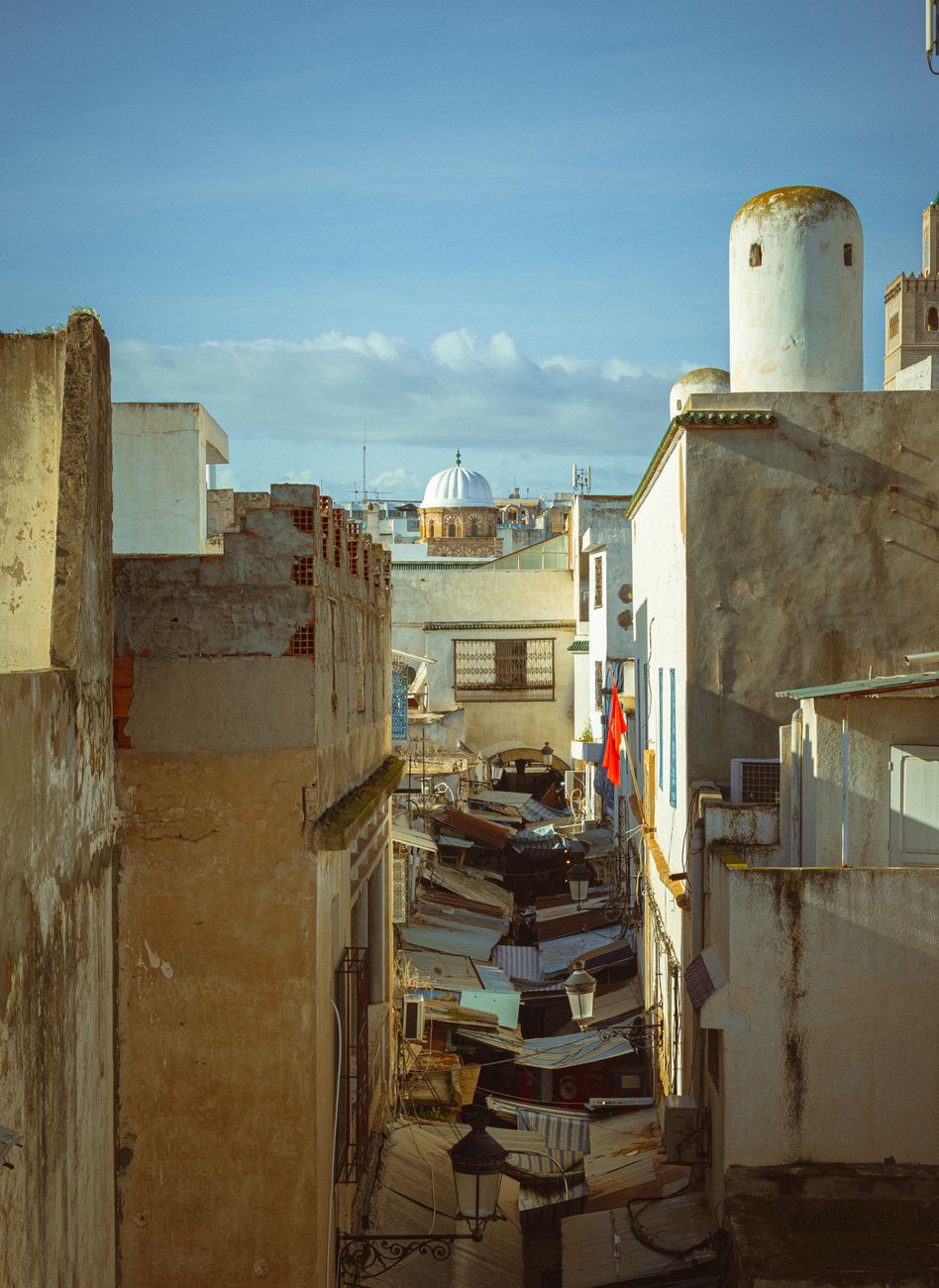
Expect a town split between an salt-air working port and a manicured resort district called Yasmine. Streets behind the corniche and the medina feel local: fishmongers, small cafes and pottery sellers share narrow lanes. Yasmine Marina and the strip near the hotel belt aim at package-tour visitors and evening promenades; this is where nightlife, beachfront hotels and the theme park sit.
First impressions can mislead: the resort district looks polished but lacks the everyday market life found on Rue de la Kasbah and around Place de la Médina. Quiet mornings in the medina and sunset from the kasbah walls are the clearest chance to see how residents live and work. Travelers who want both market culture and an easy beach walk will find a three-day split manageable.
Is 3 days in Al Hammamat enough?
Three days are enough to see the medina and kasbah, stroll Yasmine Marina, and take a half-day trip to Nabeul or Korbous. One honest caveat: time is too tight to combine a full inland heritage visit and a long beach-resort relaxation plan in the same short stay.
Who This Guide Is For
Best for travelers who want a mix of markets, short coastal walks and light day trips; not ideal for those seeking an all-inclusive resort holiday or long, lazy beach time. Budget travelers and cultural explorers get the most value.
Local Tips for Al Hammamat
Practical details that most travel sites skip — specific to Al Hammamat.
- Use the louage stop behind the Gare Routière (the shared-taxi terminal) to catch shared vans to Tunis or Sousse; expect about 10–15 TND to Tunis and 5–8 TND to Nabeul depending on demand.
- Buy train tickets at the SNCFT window in Hammamet station (train to Tunis or Sousse) rather than online for same-day tickets; regional second-class fares are roughly 3–7 TND.
- Nabeul souk is busiest and best for pottery on Friday morning; some workshops close mid-afternoon so arrive before 13:00 for the full selection.
- Yasmine Hammamet Marina restaurants add tourist markup; ask for the menu prices and check if service (service compris) is included—small dishes often start at 6–10 TND, seafood platters 30–60 TND.
- Cash is still preferred in the medina and many cafes; ATMs on Avenue Habib Bourguiba and near the marina work, but carry 20–50 TND for market purchases and petit taxis.
How This Guide Was Prepared
A three-day visit here mixes a working fishing town's medina and a modern resort strip in a way many guides flatten into 'beach town' copy. This guide separates the crowded tourist façades at Yasmine Marina from the market life in the old medina and shows how to use louages and SNCFT trains to add a low-cost day trip to Nabeul. This guide was prepared through a structured research that combines destination research, geographic context, itinerary planning logic, and content review.
Plan Your Stay in Al Hammamat
Use this itinerary as your starting point, then compare areas to stay, transport options, seasonal timing, and realistic daily costs before booking.
Why Visit
A compact medina and small kasbah let visitors see the old town without long walks through huge historic centers. The kasbah walls and viewpoints above the marina provide short, easy climbs with tangible local life beneath.
Proximity to Nabeul makes a pottery-and-market day trip simple by louage or SNCFT train, adding craft shopping and a larger souk experience. Yasmine Marina offers a single spot where beachfront dining and an amusement park (Carthage Land) sit within a short stroll for families.
Korbous and nearby coastal cliffs are reachable as a half-day escape to thermal springs and rocky coves, giving a different coastal landscape than the sandy beaches of the hotel strip.
Quick Planning Tips
Arrive by SNCFT regional train or by louage from Tunis–Carthage Airport; the louage stop is behind the Gare Routière and runs frequently during daytime. Taxis inside town are metered petit taxis for short trips; for long journeys confirm a fare before leaving or use Bolt where available.
Carry small-denomination Tunisian dinars (TND) for markets and cafes; ATMs are reliable on Avenue Habib Bourguiba and near the marina but take cash for smaller vendors. Avoid booking an early morning train or louage for a same-day trip without buying tickets the day before during July–August peak; services fill quickly and queuing at the louage terminal is common.

Day 1
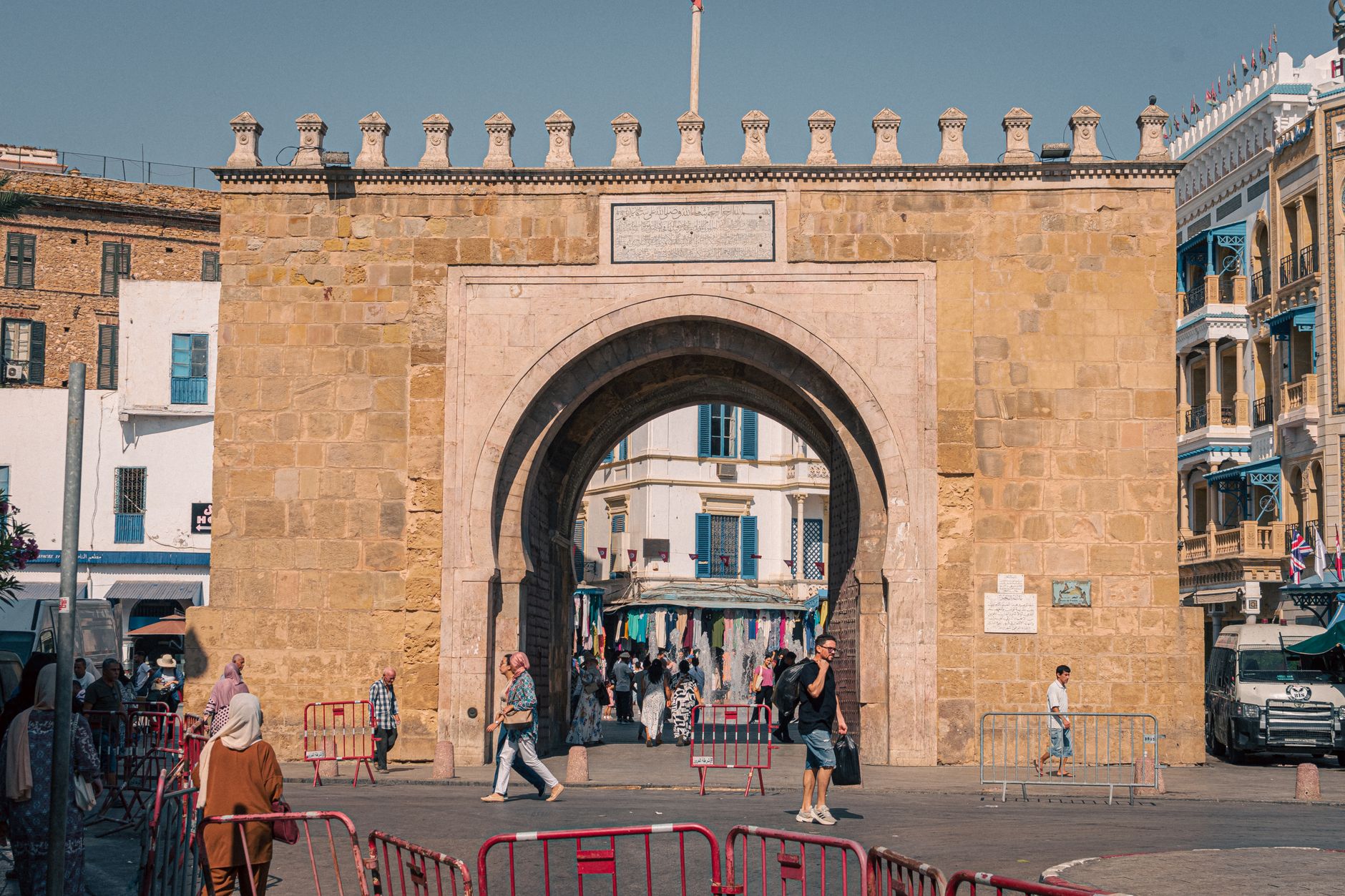
Start at the main medina gate (Bab el Bahr) and walk through Hammamet Medina for shopping and architecture; allow 60–90 minutes. Move uphill to the Kasbah (Hammamet Fort) for coastal views and photo spots; it's a 10–15 minute walk from the central souk and has low or no entry fee depending on current local rules.
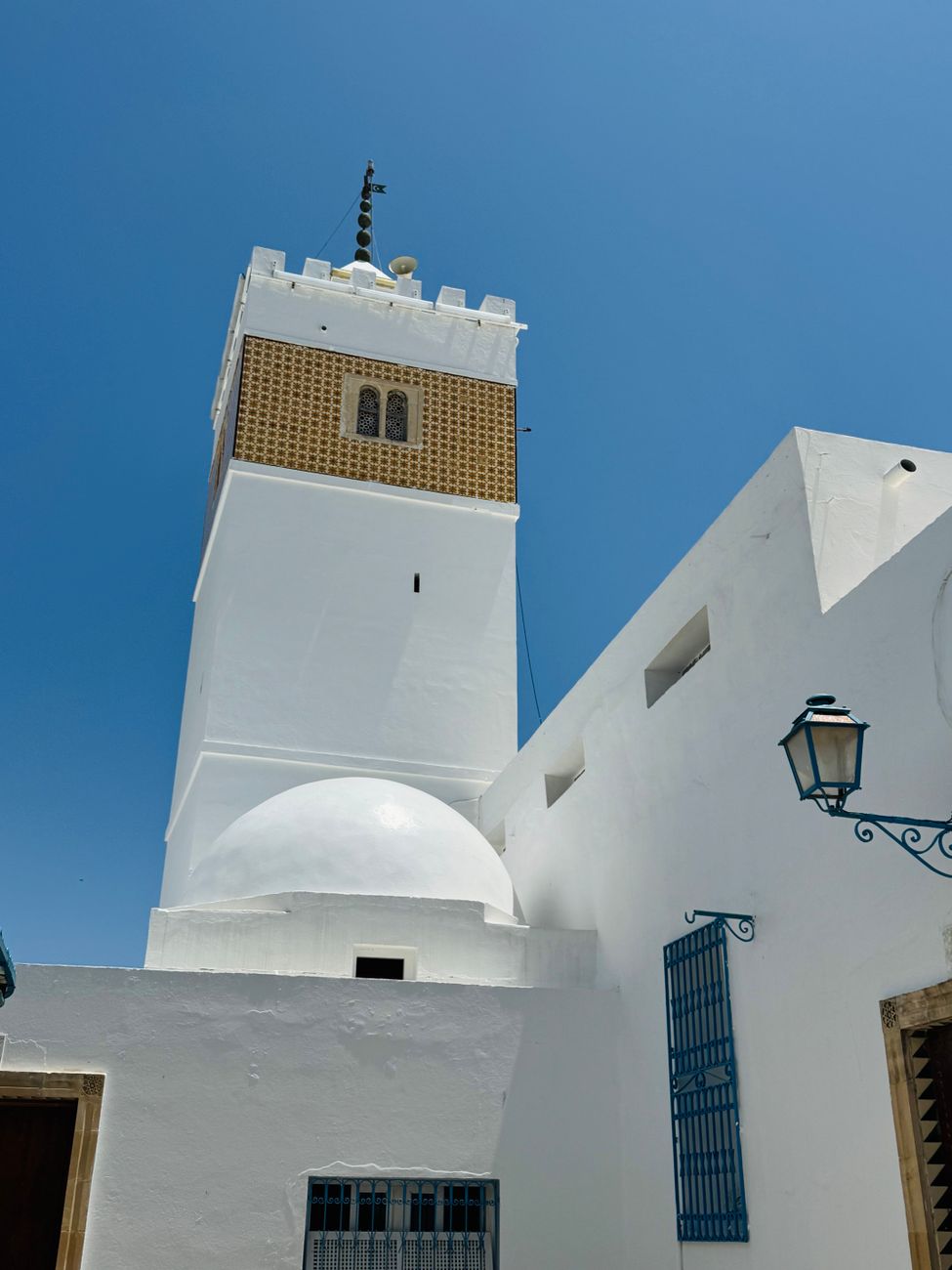
Walk down to the Great Mosque near Place de la Médina; non-Muslim visitors should observe the modest dress rules when approaching the mosque area. Lunch at a medina seafood restaurant such as Restaurant El Mangrovia or Chez Achour on Rue Sidi Ben Nour for grilled fish or brik; expect plates at 10–20 TND. After lunch, stroll La Corniche (the coastal promenade) toward the public beach and take a 20–30 minute walk to reach Yasmine if time permits.
Evening recommendation: head into Yasmine Marina to watch the sunset, pick a seaside cafe and keep dinner flexible—marina restaurants run 15–40 TND for mains. For nightlife, the marina promenade is safe and lit; expect crowds at weekend peak hours.
Day 2
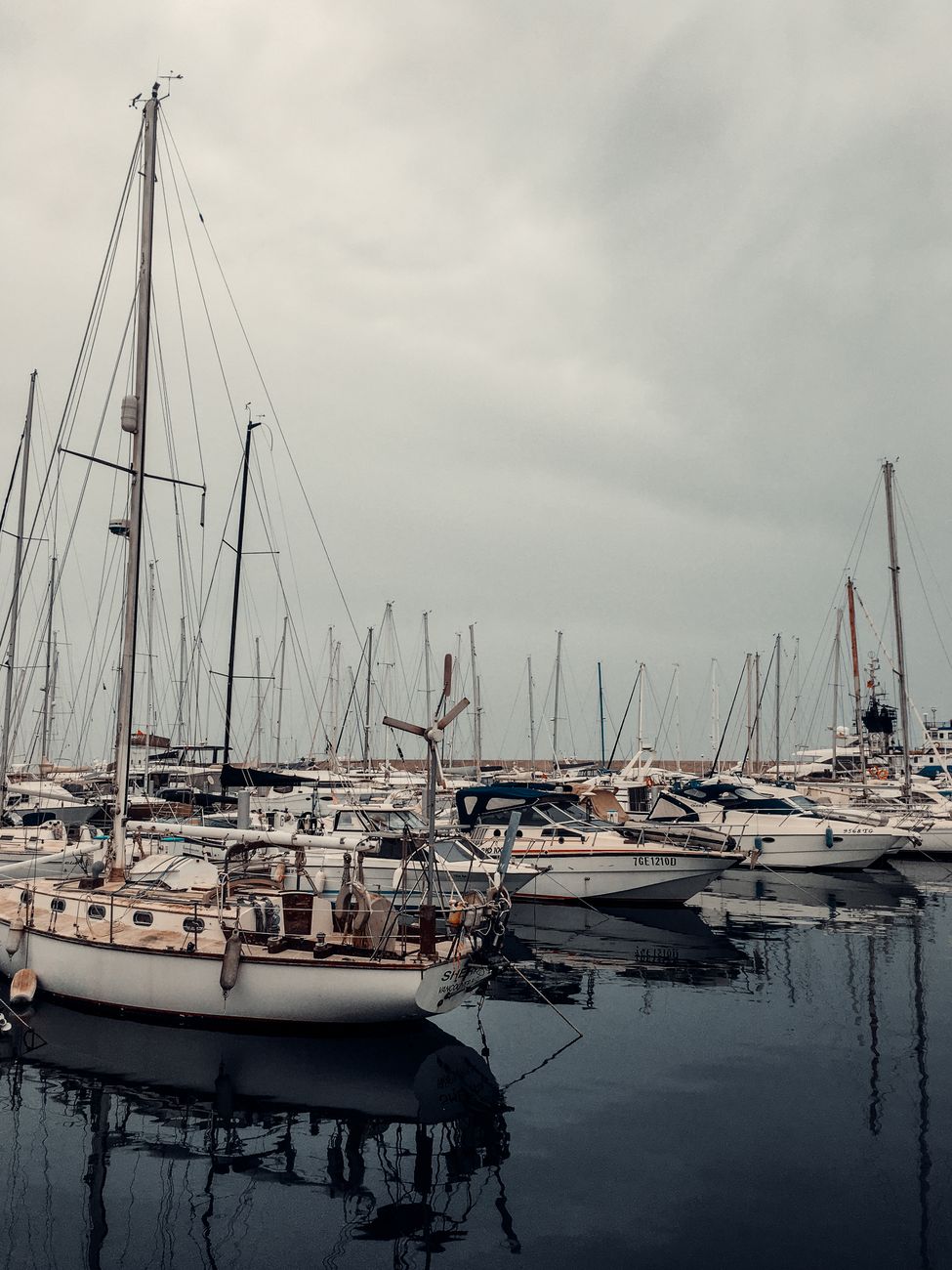
Use day two for Yasmine Hammamet and the coastline north of the town. Start at Yasmine Marina—stroll the docks for 45–60 minutes and check out small shops and the marina boardwalk. Walk to Carthage Land theme park if traveling with family; plan 2–4 hours there depending on interest and purchase tickets at the gate (approx 20–30 TND, check current pricing).
After the park, take a short taxi or bus ride (5–15 minutes) to Hammamet Beach for sun and a swim; beach chair rental runs about 3–6 TND per chair. In mid-afternoon, cross back to Avenue Habib Bourguiba for a coffee and spend time at the Municipal Gardens or a museum event at the International Cultural Centre if a performance or exhibition is scheduled.
Evening recommendation: dine at a waterfront restaurant in Yasmine or try a traditional Tunisian dinner in the medina for a quieter setting. Night buses and louages still run but confirm last departures if heading back late.
Day 3
Reserve the final day for a half-day trip to Nabeul or Korbous depending on preference. To reach Nabeul, take a 15–25 minute louage or a short regional train; expect 5–8 TND. Spend the morning at Nabeul Souk for pottery, spices and the specialized ceramics quarter—arrive by 09:00 to avoid the mid-afternoon closures.
If preferring nature, take a louage north toward Korbous (roughly 40–60 minutes depending on route) for coastal cliffs and thermal springs; plan at least 4 hours including transport. Return to Hammamet in the afternoon to pack and check out; allow extra time for traffic if catching an evening train or louage to Tunis.
Practical note for departures: if flying out from Tunis–Carthage Airport, budget 60–90 minutes travel time by taxi from the hotel belt and 60–80 TND. For tight flight schedules, skip Korbous and choose the Nabeul souk plus a brief seaside walk to ensure timely arrival at the airport or station.
Best Local Experiences
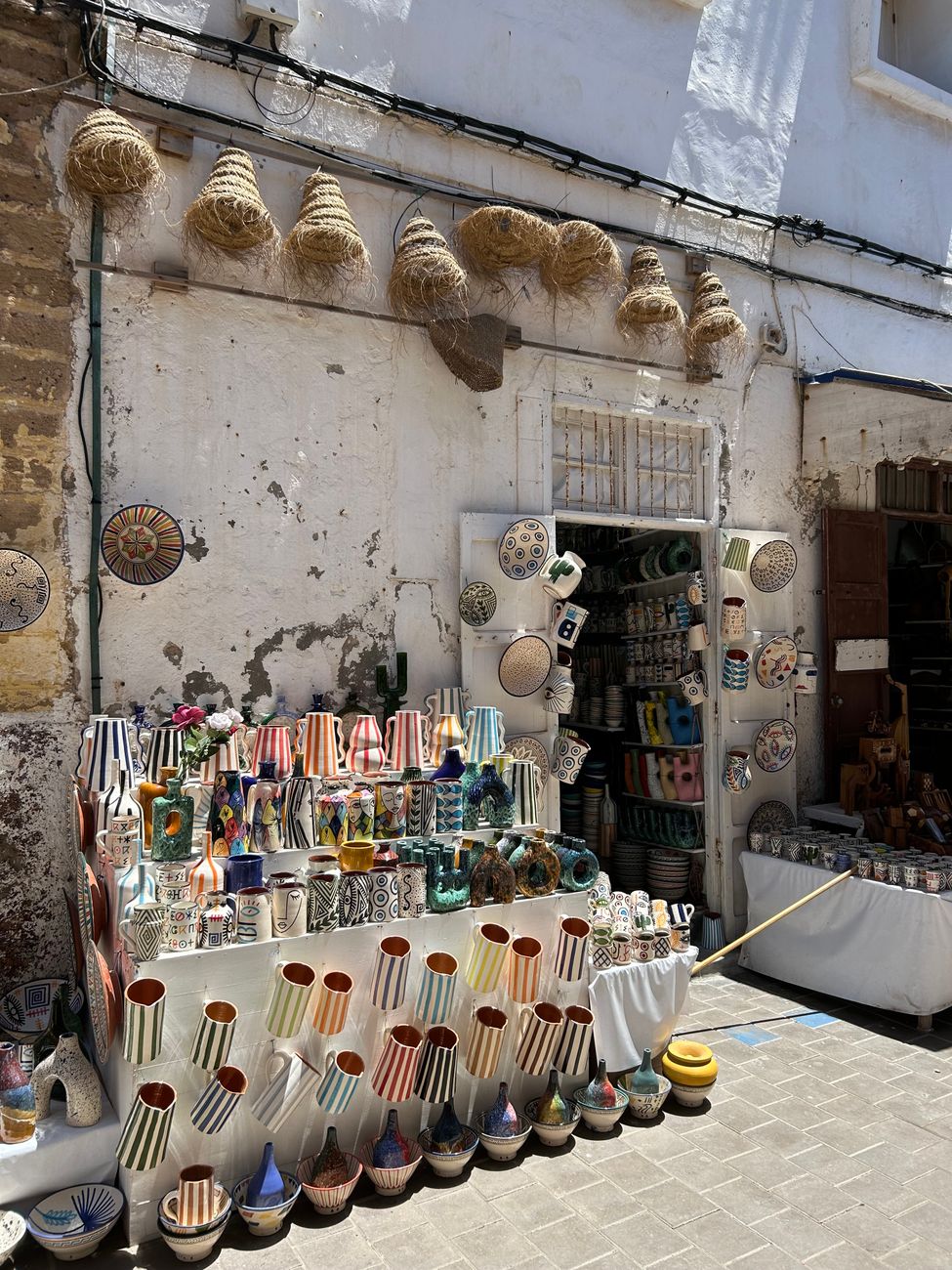
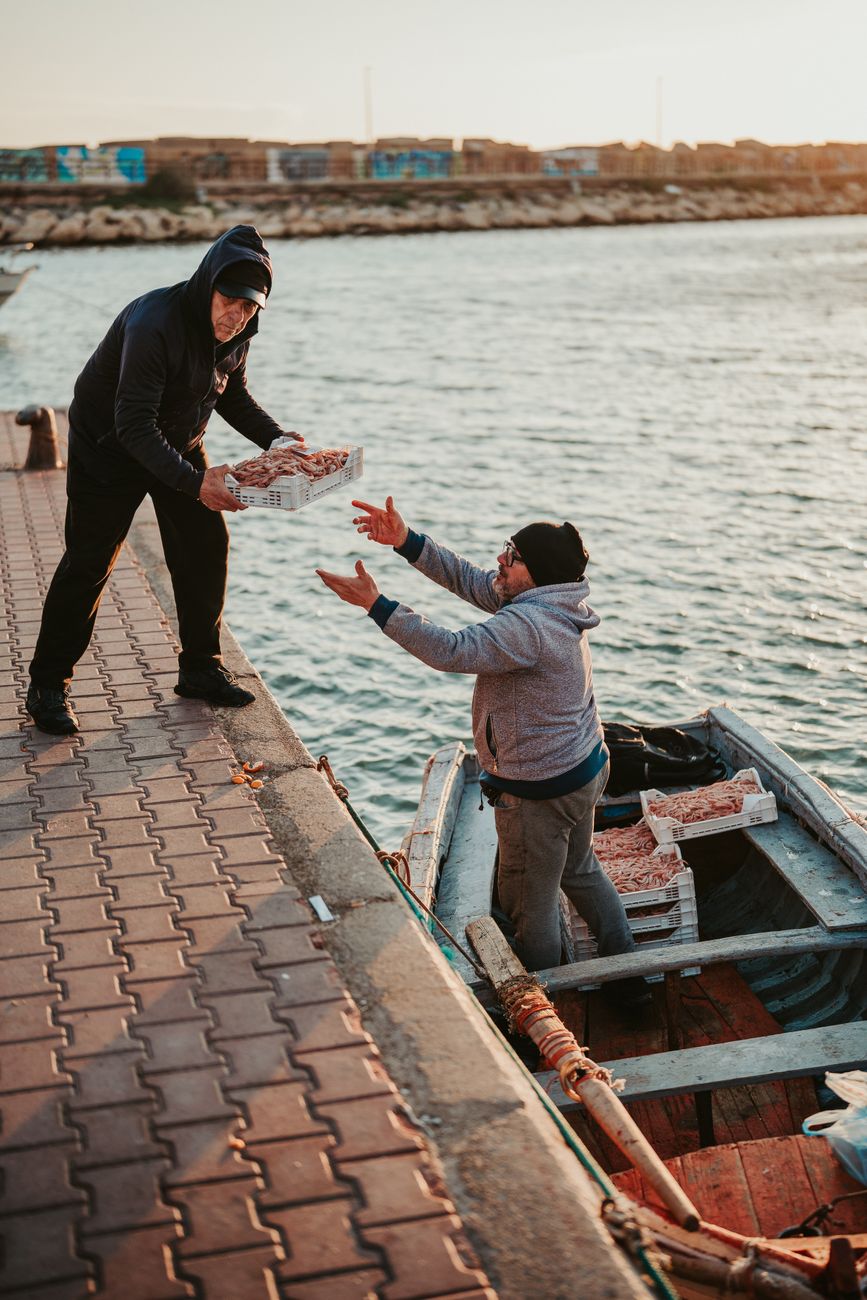
Stroll Hammamet Medina early to see fishermen unloading catches and small cafes serving couscous and brik; mornings show everyday life better than afternoons. Buy hand-painted ceramics and tableware in Nabeul and visit a pottery workshop along Rue Habib Bourguiba extension for demonstrations.
Attend a performance at the International Cultural Centre if the festival is on (usually July–August) for an evening of Tunisian and international theatre. Take a short boat trip from the marina for coastal views and photo ops; ask prices in advance, typical private short trips from the marina start around 20–40 TND. Spend a late afternoon at the public beach near La Corniche to watch locals swim and families gather—this is where daily life and resort tourism meet.
Where to Stay
Medina and La Corniche: Suits travelers who want proximity to old streets and local restaurants. Rooms and guesthouses here typically run 40–80 TND/night (≈12–25 EUR / 13–28 USD) for midrange options, with cheaper rooms available in side streets.
Yasmine Hammamet (Marina and hotel strip): Best for those seeking seaside promenades, packaged services and family-friendly hotels. Expect higher nightly rates: 80–180 TND/night (≈25–55 EUR / 27–60 USD) depending on season and whether breakfast is included.
Avenue Habib Bourguiba / City Centre: A practical base for catching louages and trains and for evening cafes. Midrange hotels usually charge 50–120 TND/night (≈15–37 EUR / 17–40 USD) and are convenient for short walks to both the medina and the station.
Food and Drink
Brik à l’œuf: A thin pastry filled with egg, tuna and capers; best versions in medina cafes like Café Sidi Bou and prices around 2–5 TND. Couscous (Tunisian style): Steamed semolina with meat or vegetables; find hearty plates at family-run restaurants for 8–18 TND.
Grilled sea bream or local fish: Often served with a small salad and fries along La Corniche or the marina; expect 12–30 TND depending on size. Lablabi: A chickpea and garlic soup with harissa, commonly eaten for breakfast or lunch from street vendors, costing about 2–4 TND.
Mint tea and boukha: Mint tea is the common non-alcoholic finish (1–2 TND). Boukha is a local fig spirit found in some bars—small measures usually 5–10 TND. For a breakfast option try a local bakery on Avenue Habib Bourguiba for fresh bread and brioches around 1–3 TND.
Getting Around
SNCFT regional trains link the town to Tunis and Sousse; the local station is Hammamet Station with second-class fares around 3–7 TND. Louages (shared vans) depart from the Gare Routière; they are a cheap way to reach Tunis (10–15 TND) or Nabeul (4–8 TND). Petit taxis operate inside town with metered rates for short trips, usually 0.5–1.5 TND start and 2–8 TND for typical inner-town rides; agree fares for long airport journeys.
Download the SNCFT schedule or check the station window for times, and use Bolt where available for private rides inside the region. A single local bus ride costs about 1 TND; taxi from Tunis–Carthage Airport to the hotel belt typically costs 60–80 TND depending on traffic and time of day.
Best Time to Visit
High season is June–August with daytime highs 28–34°C and crowded beaches; expect higher hotel rates and fuller trains and louages. Shoulder months May and September offer warm weather (20–26°C), fewer crowds and better hotel value; sea is usually warm enough for swimming.
Low season is November–March with cooler, wetter weather (10–18°C), many seaside hotels closed or reduced services, but much lower prices and easy medina visits. For a mix of sun and manageable crowds, aim for May or September.
Budget and Practical Tips
Reasonable daily budget for a midrange traveler: Accommodation 60–120 TND (≈18–37 EUR / 20–40 USD), food 20–40 TND (≈6–12 EUR / 7–14 USD), transport 5–15 TND (≈1.5–5 EUR / 2–6 USD), entry fees and extras 10–30 TND (≈3–9 EUR / 4–11 USD). Budget travelers can cut accommodation to 25–50 TND/night and eat at markets for 8–15 TND/day.
Tipping: service is often included (service compris) but small cash tips are appreciated—round up the bill or leave 5–10% in cafes and restaurants. Keep photocopies of travel documents and a printed train or louage schedule for early departures when internet signal on phones may be weak.
FAQ
Is Hammamet safe for solo travelers?
Generally yes—daytime streets and the marina are safe with normal urban precautions; avoid poorly lit side streets late at night and keep valuables secure.
How do I get from Tunis–Carthage Airport to my hotel?
Take a louage from the Aéroport-Tunis area or book a taxi; private taxis cost about 60–80 TND to Hammamet and trains require transfer to the regional rail station in Tunis.
Is there a tourist card worth buying?
There is no single Hammamet city card widely used; buy individual tickets for sites and use SNCFT or louage options to save on transport.
Are English and French widely spoken?
French is common in shops and services; English is less common but hotel staff and marina vendors usually speak enough English for transactions.
Can day trips be done without a car?
Yes—louages and SNCFT regional trains make Nabeul and Tunis reachable without a rental car; Korbous is reachable by louage but requires planning for return times.
Are beaches free to use?
Public beaches are free, but private hotel beach areas charge for chair and umbrella rental (3–6 TND).
Conclusion
Three days offer a clear split between old-town life and the resort strip, with time for one nearby day trip. The lasting impression for most travelers will be the contrast between medina alleys with their markets and the tidy marina promenade.
If short on time, prioritize the medina walk, the kasbah viewpoint and an afternoon at Yasmine Marina—those three give a compact sense of the town's character and allow simple onward connections to Tunis or Sousse.
How this guide was prepared
This guide was prepared through a structured research that combines destination research, geographic context, itinerary planning logic, and content review.