
3-Day Albuquerque Itinerary: Practical Weekend Travel Guide
A practical 3-day Albuquerque plan with transit tips, Balloon Fiesta advice, Sandia Peak tram details, food picks, and realistic budgets for a long weekend.
A no-nonsense 72-hour plan focusing on Old Town, Nob Hill, Sandia Peak and petroglyphs, with concrete transit, food and budget tips to avoid common tourist traps.
Arrival impressions often start with a wide sky, low-slung adobe and a sense that the city is both regional hub and university town. Streets around Central Avenue and Nob Hill have a noticeable student and Route 66 energy while neighborhoods along the Rio Grande feel quieter and more suburban. Visitors who expect nonstop tourist infrastructure frequently find limited evening transit, a reliance on cars or rideshares, and service hours for smaller museums that close earlier than larger urban centers. The place suits travelers who want easy access to short outdoor excursions, strong Southwestern food, and museums without layers of tourist development.
Is 3 days in Albuquerque enough?
Three days gives a solid overview: Old Town and the museums, a Sandia Peak tram ride or East Mountain day, and petroglyphs/UNM area plus neighborhood food. The honest caveat is that a full Balloon Fiesta experience, a Santa Fe day trip, or a deep hike in the Sandia Crest require more time or separate planning.
Who This Guide Is For
Best for road-trip travelers, first-time visitors who like a mix of museums and light outdoor activity, and food-focused weekenders. Less suitable for travelers who want multi-day wilderness backpacking or those expecting nonstop nightlife.
Local Tips for Albuquerque
Practical details that most travel sites skip — specific to Albuquerque.
- New Mexico Rail Runner Express runs between Belen, Albuquerque, and Santa Fe; buy zone tickets from station kiosks or the Rail Runner app and compare round-trip versus two one-ways for savings.
- The Sandia Peak Tramway departs from Tramway Road NE at the base station; adult one-way tickets are roughly in the mid-$20s and the tram will close on high winds or thunderstorms.
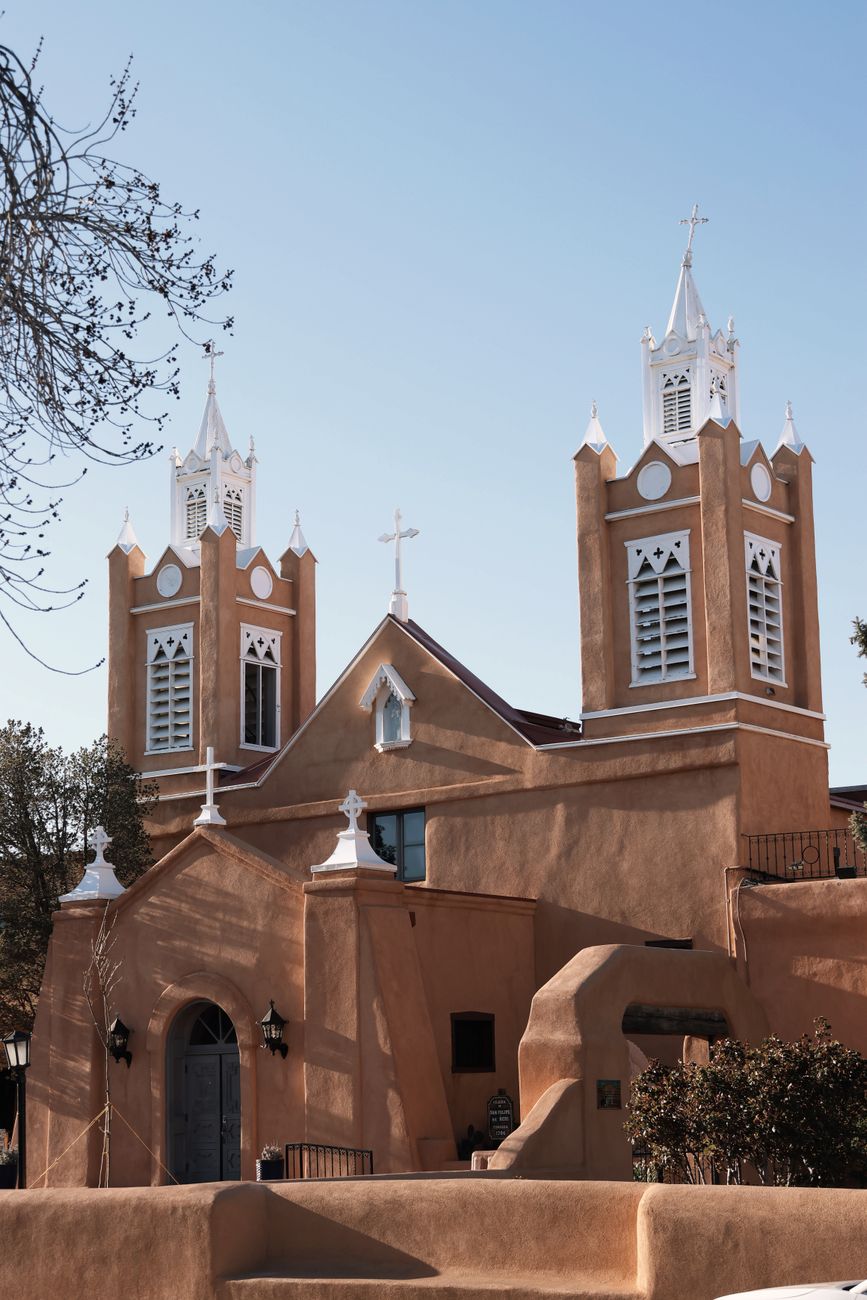
- Old Town Plaza and the San Felipe de Neri Church area have many shops and galleries that start closing around 5pm; plan indoor museum visits (Albuquerque Museum, Anderson-Abruzzo Balloon Museum) earlier or reserve evening dining afterward.
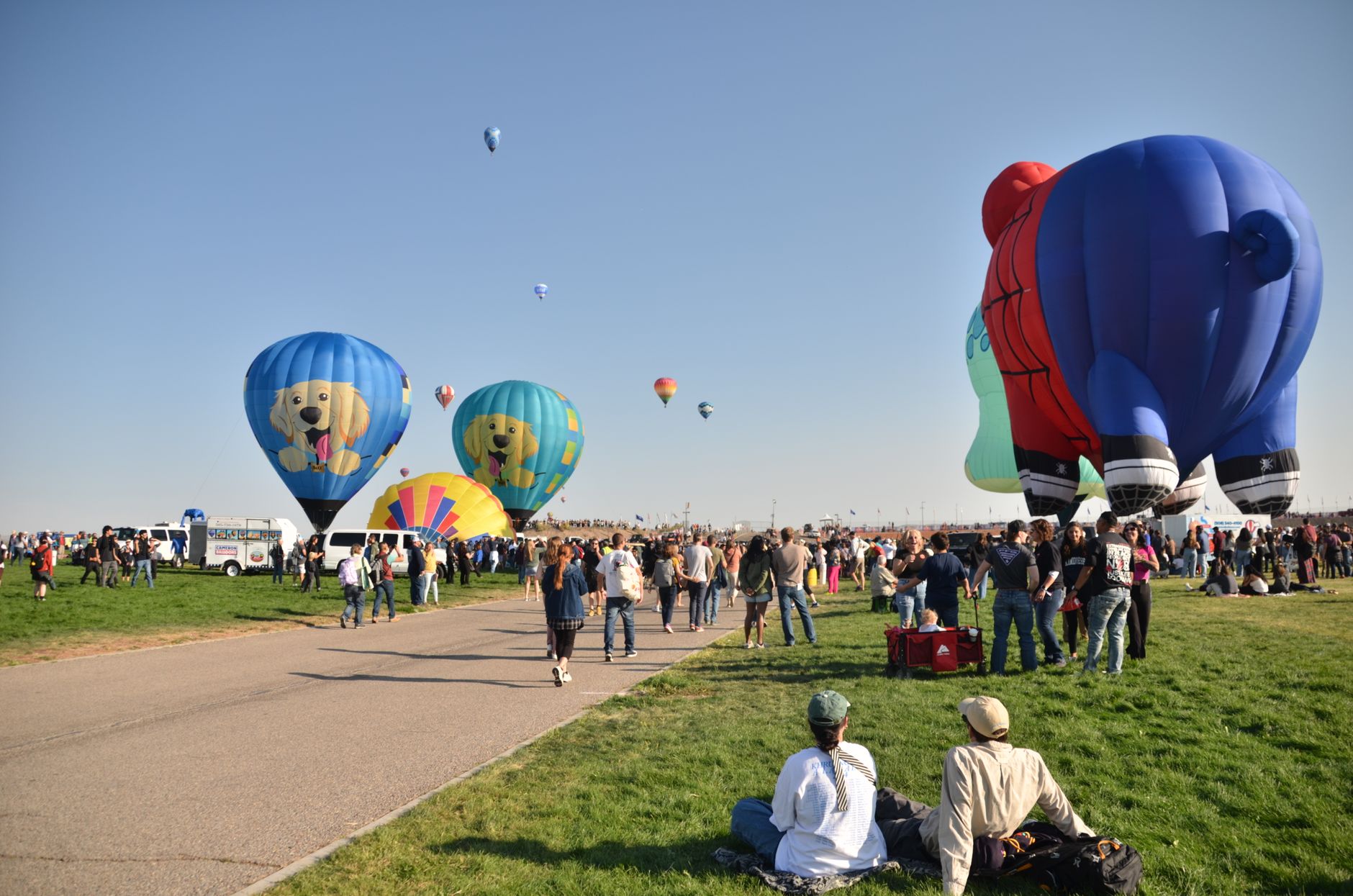
- International Balloon Fiesta in early October requires advance tickets and optional box seats or Chaser shuttles; traffic and road closures around Balloon Fiesta Park are severe on event mornings.
- Downtown parking meters and many surface lots use the ParkMobile app; several lots near Civic Plaza and the Convention Center are pay-by-plate, which helps when street meters are full.
How This Guide Was Prepared
Albuquerque mixes Southwestern civic life, desert outdoor access, and a strong Route 66/UNM student culture in a way many guides reduce to a single 'Balloon Fiesta' weekend. This guide treats the place as a working regional capital: weekday rhythms, bus and rail realities, and how Sandia Peak and the bosque shape local plans. It skips glossy lists and gives realistic timing, parking advice and where crowds actually matter. This guide was prepared through a structured research that combines destination research, geographic context, itinerary planning logic, and content review.
Plan Your Stay in Albuquerque
Use this itinerary as your starting point, then compare areas to stay, transport options, seasonal timing, and realistic daily costs before booking.
Why Visit
The international Balloon Fiesta offers a spectacle unlike most American city events and anchors many seasonal activities, making October uniquely intense for visitors. The Sandia Peak Tramway provides an elevator to high-desert panoramas and short alpine trails without a long mountain approach. Route 66 and Nob Hill present an accessible mix of neon signs, vintage diners and student-driven cafes along Central Avenue near University Boulevard. Petroglyph National Monument preserves thousands of pre-contact stone carvings within short drives from downtown, offering a hands-on archaeology feel without a long trek.
Quick Planning Tips
Fly into Albuquerque International Sunport (ABQ) and count on a 10–20 minute taxi or rideshare to most downtown hotels during normal traffic; allow 30–50 minutes when Balloon Fiesta or other events create backups. Public transit options include ABQ RIDE buses and the New Mexico Rail Runner Express for trips north to Santa Fe; research schedules ahead because frequency drops evenings and Sundays. Most vendors accept cards, but small markets and some downtown food stands prefer cash; carry one small bill bundle for tips and small purchases. Avoid scheduling the Sandia Peak tram on a stormy or windy afternoon — check the tram hotline the day before and book tram tickets online when possible.

Day 1
Morning: Start in Old Town Plaza at San Felipe de Neri Church and the surrounding historic blocks. Allow 60–90 minutes to walk the plaza, peek into galleries and the main church — many shops open by 10am. Walk 5–10 minutes to the Albuquerque Museum on Mountain Road for local art, Pueblo pottery displays and civic history; expect 60–90 minutes for the main exhibits. Midday: Head 10 minutes by car or a short ABQ RIDE bus ride to the Albuquerque BioPark complex (Rio Grande Zoo, Botanic Garden and Aquarium). The Botanic Garden and Zoo pair well; build in two hours if visiting both. Lunch: Eat at Frontier Restaurant near University Boulevard for a classic green-chile breakfast burrito or burgers — inexpensive and local-icon prices range $5–12. Afternoon: Walk or drive 10 minutes to the UNM campus to see the Zimmerman Library murals and the Maxwell Museum of Anthropology if open. If time allows, a quick visit to the Anderson-Abruzzo Balloon Museum near the Expo NM grounds takes 60–90 minutes and focuses on balloon history and flight science. Evening: For dinner choose Sadie's or El Patio for New Mexican plates; finish the night with a bar or coffee on Central Avenue in Nob Hill, where venues stay open later than Old Town.

Day 2
Morning: Drive or take a rideshare to the Sandia Peak Tramway base at Tramway Road NE; plan 25–40 minutes from downtown by car. Allow one hour for the tram ascent, summit viewing platforms and short trails on top; the tram schedule can be limited by weather, so book the earlier window if aiming for views. Midday: Return via Tramway Road and stop for lunch at casual mountain-front diners on the eastside or head back to the Northeast Heights for New Mexican fare. Afternoon: Visit Petroglyph National Monument on the west mesa for short loop hikes among basalt fields with carved panels; the Boca Negra Trail is accessible and shows many petroglyph panels in 30–60 minutes. Alternatively spend the afternoon at the Indian Pueblo Cultural Center to learn Pueblo histories, dances and craft traditions with rotating exhibits. Transit note: petroglyphs and Sandia Peak are easier by car; bus options exist but expect transfers and longer travel times. Evening: Return downtown for a neighborhood meal—try a modern Southwestern kitchen in Nob Hill or a classic tamale spot—and an early night if planning an early Balloon Fiesta run next morning.

Day 3
Morning: Head to the Rio Grande Nature Center State Park for birdwatching along the bosque and easy boardwalk trails; mornings are best for wildlife. From there, drive 10–15 minutes to explore parts of the Paseo del Bosque Trail with a short bike ride or walk if time allows. Midday: Stop at a local cafe in the North Valley or a food truck for carne adovada or posole; the Los Poblanos area has farm shops and a calm country feel if wanting a slower lunch. Afternoon: Visit the New Mexico Museum of Natural History & Science near the UNM area—allow 90 minutes for the dinosaur halls and planetarium if showing. Practical note for departures: the Sunport is generally 10–20 minutes from downtown by taxi in light traffic; for afternoon flights allow 60–90 minutes from North Valley or Sandia foothills to be safe with event traffic or construction. If time remains, an afternoon stroll through Old Town one last time or shopping on Central Avenue toward Nob Hill fits a relaxed end to the itinerary.

Best Local Experiences
International Balloon Fiesta (early October) is the headline event: book tickets, arrive extremely early for field viewing and expect traffic controls. Paseo del Bosque Trail follows the Rio Grande through city greenbelt for walking, running and biking without leaving the urban core. Los Poblanos Historic Inn & Organic Farm hosts farm events and has a Saturday farm stand and lavender fields in season. Nob Hill along Central Avenue offers Route 66 neon, indie bookstores, vinyl shops and late-night college crowds. The Anderson-Abruzzo Albuquerque International Balloon Museum explains balloon science and is a practical indoor alternative when weather cancels launches. Petroglyph National Monument gives the best short hands-on prehistoric site within city limits, with multiple trailheads on the west mesa. Local brewery visits to Marble Brewery or La Cumbre Brewery in the Nob Hill/nearby area showcase regional beers paired with short pub menus.

Where to Stay
Downtown / Civic Plaza: Suits business travelers and first-time visitors who want walkable access to the Albuquerque Museum, restaurants, and the Convention Center. Expect mid-range hotels from about $120–220 USD per night (approximately €110–200). Nob Hill / Central Avenue: Suits nightlife, diners, and people who want quick access to UNM and Route 66 bars and cafes. Boutique motels and mid-range hotels run about $90–170 USD per night (about €80–155). North Valley / Los Ranchos: Suits travelers seeking quieter, cottage-style lodging near farming areas and El Pinto-style New Mexican restaurants; small inns and vacation rentals typically range $140–300 USD per night (about €125–275). Buckets: during Balloon Fiesta or major conventions, add 30–60% to these averages; book early for event dates.
Food and Drink
Breakfast option: green-chile breakfast burrito at Frontier Restaurant near UNM—large and cheap, typically $4–8. Street food: tamales from local stands or markets; prices range $2–4 per tamale depending on filling. Classic dish: carne adovada—slow-cooked pork in red chile; find a good plate at El Pinto or Sadie’s for roughly $12–18 for a full plate. Regional stew: posole (hominy and pork) often $8–12 at casual diners and served as a winter weekend communal dish. Sweet: sopapillas (fried dough) served with honey or stuffed at many New Mexican restaurants for $3–6. Drinks: local beers from Marble Brewery or La Cumbre run $6–8 a pint at taprooms; New Mexico wines appear on many menus and by-the-glass options are around $6–10. Dinner recommendation: El Pinto for a complete New Mexican dinner experience with outdoor patios and large portions, expect $15–30 per entree.
Getting Around
Transit modes: ABQ RIDE buses serve many neighborhoods and Central Avenue; New Mexico Rail Runner Express connects downtown to Santa Fe and Belen; the Sandia Peak Tramway provides mountain access. Single ABQ RIDE fares are typically under $2 cash for local buses and day passes or multi-ride options run in the low single digits; New Mexico Rail Runner fares are zone-based and a one-way to Santa Fe is approximately $10–12 depending on station. Taxis and rideshares are widely available; expect a taxi from downtown to Sunport to cost roughly $20–30 depending on traffic. Useful apps and cards: Rail Runner Mobile app for ticketing, ParkMobile for parking payments, and ABQ RIDE route maps on the Transit app for schedules. Important note: many attractions outside central areas are easiest by car or rideshare because bus routes can be indirect and less frequent.
Best Time to Visit
Fall (September–October) offers the best combination of mild days (mid-60s to mid-70s °F on cooler days), dry skies, and the Balloon Fiesta in early October; expect crowds and higher prices during the event. Spring (March–May) features clear weather and warming temperatures with daytime highs typically 60s–70s °F and fewer tourists than October. Summer (June–August) can be hot, with highs in the 80s–90s °F and a July–August monsoon season that brings afternoon thunderstorms; lower rates but occasional humidity and lightning. Winter (December–February) is cool to cold with daytime highs often in the 40s–50s °F and light snow possible; hotel rates drop and museums are least crowded. Best value months for fewer crowds and moderate weather are late April–May and late February–March.
Budget and Practical Tips
Example daily budget per person (moderate traveler): Accommodation $100–180 USD (€90–165), Food $30–60 USD (€28–55), Local transport $5–20 USD (€5–18), Entry fees and activities $10–40 USD (€9–36). A three-day midrange total per person typically runs $420–760 USD (roughly €390–700) excluding flights. Expect lower budgets for hostels or motels and higher during Balloon Fiesta or major festivals. Tipping: standard U.S. norms apply—15–20% in sit-down restaurants, $1–2 per bag for bell service, and rounding up or $1–2 per drink at bars. Practical money tip: many small-market vendors and some food trucks may accept only cash or local apps; carry small bills and a mix of card and cash for convenience.
FAQ
Is Albuquerque safe for tourists?
Most central tourist areas are safe during daytime and in busy evenings; usual U.S. urban precautions apply—avoid poorly lit isolated areas at night and secure valuables in vehicles.
Can the Sandia Peak Tramway be reached without a car?
Yes, rideshares and some tour operators offer direct service; transit options exist but are slower and require transfers—driving or a taxi is faster and more flexible.
Is the New Mexico Rail Runner worth buying for a one-day trip to Santa Fe?
Rail Runner is convenient for a same-day Santa Fe visit—compare ticket cost to round-trip car rental and parking; trains remove the stress of uphill parking in Santa Fe.
Are there any city cards or passes worth buying?
There is no single must-have city pass; individual museum memberships or attraction combos (for example Sandia tram plus museum) can save money depending on interests but most visitors pay per site.
How do I get from the airport to downtown cheaply?
A taxi or rideshare is the fastest; some ABQ RIDE bus routes connect the Sunport to central stops with much lower fares but take longer and may involve walking with luggage.
What transit apps should be used here?
Use the Rail Runner Mobile app for train tickets, ParkMobile for paid parking, and the Transit app for ABQ RIDE schedules and real-time bus tracking.
Is Albuquerque walkable?
Old Town and parts of Nob Hill are quite walkable; overall the city is spread out so expect to use a car, taxi, or bus to move between districts.
Are there reliable bike options?
The Paseo del Bosque Trail is excellent for biking; bike-share availability varies—bring or rent a bike from local shops in Nob Hill for full convenience.
Conclusion
Three days allows a clear, layered impression: historic Old Town and museums, a mountain or eastern foothills excursion to Sandia Peak, and a taste of the Rio Grande bosque and petroglyph fields. The thing most likely to be remembered is the contrast between wide desert sky and quick alpine views from the tram, plus the heat-and-chile flavor in regional food. If time runs short, prioritize an Old Town morning followed by either Sandia Peak for views or a west-mesa petroglyph walk—one outdoor high point plus a strong New Mexican dinner will make a compact and satisfying visit.
How this guide was prepared
This guide was prepared through a structured research that combines destination research, geographic context, itinerary planning logic, and content review.