

3 Days in Amman: Practical Itinerary and No-Nonsense Tips
A pragmatic 3-day Amman guide covering neighbourhoods, transport, realistic costs and exact places to visit so time is used efficiently.
A straightforward three-day plan for exploring Amman on foot, by servee and by taxi, with honest timing, price notes and evening options for each day.
First impressions combine dusty hills, wide boulevards and tight old streets where cars and pedestrians share space. The city moves between slow daytime business districts and livelier evening streets with restaurants and cafes on terraces above busy avenues.
Expect marked elevation changes: short distances can feel longer because steep stairways and hills are common. Visitors who picture a compact, flat downtown often underestimate walking difficulty and pack the wrong shoes.
There is a clear split between the restored cultural streets of Rainbow Street and Jabal Al-Weibdeh and the working downtown souks where produce sellers, bakeries and spice merchants run the morning rhythm. This guide leans on practical sequencing so time isn’t wasted bouncing between areas that are physically separated by hills and heavy traffic.
Is 3 days in Amman enough?
Yes — three days is enough to get a clear, practical sense of the city: central Roman Theatre and Citadel, a neighbourhood day in Jabal Al-Weibdeh and Rainbow Street, plus a market and mosque visit. It will not allow a relaxed trip to Petra or the Dead Sea without an extra day or a long day trip.
Who This Guide Is For
Best for travellers who want a compact cultural and culinary weekend, comfortable walking and short taxi rides, and who can handle some crowds and steep streets. Not ideal for those wanting a relaxed resort holiday or a first-time-only Jordan itinerary that includes Petra.
Local Tips for Amman
Practical details that most travel sites skip — specific to Amman.
- Buy the Jordan Pass online before arrival if visiting Petra — it covers the visa fee for many nationalities and includes Petra entry; it won’t pay off for travellers staying only in Amman.
- Use servees (shared white minibuses) for cheap inner-city hops on fixed routes like 7th Circle–City Mall–Downtown; fares are roughly 0.35–0.75 JOD per trip and drivers expect exact change.
- Friday markets and craft stalls concentrate on Jabal Amman (JARA market) from around 09:00 to mid-afternoon during April–October; expect cash-only stalls and higher prices late in the day.
- Hashem restaurant in Downtown (Al-Balad) is open long hours and serves basic ful and falafel for about 1–3 JOD a plate; it’s a reliable cheap-eats stop but expect queues and spartan seating.
- Taxis often start with a negotiated fare off the meter; using Careem or Uber avoids haggling — airport transfers (Queen Alia) typically cost 20–30 JOD into central areas by taxi or ride-hail.
How This Guide Was Prepared
This guide treats Amman as a real, lived-in capital rather than a checklist of photo spots. Most guides over-focus on the Citadel and Rainbow Street; this one balances downtown markets, working neighbourhoods and pragmatic transport options so a short trip feels coherent rather than rushed. This guide was prepared through a structured research that combines destination research, geographic context, itinerary planning logic, and content review.
Plan Your Stay in Amman
Use this itinerary as your starting point, then compare areas to stay, transport options, seasonal timing, and realistic daily costs before booking.
Why Visit
Historic layers are unusually visible: a Roman Theatre sits below an ancient hilltop citadel where Iron Age and Islamic remains are on display, all within short cab rides of contemporary cafes. The Jordan Museum places ancient artifacts and Amman’s archaeology in a compact, readable format that helps stitch the city’s sites together.
Street food and casual places like Hashem and local kunafa shops offer inexpensive meals that are good quality and central to daily life. A short visit gives a clear sense of Jordanian city rhythms while being a practical base for single-day excursions to the Dead Sea or Jerash if time allows.
Neighborhoods such as Jabal Al-Weibdeh and Al-Weibdeh’s Darat al Funun arts complex present a thriving contemporary arts scene alongside old stone houses. The city rewards deliberate walking routes that mix markets, museums and cafés without long museum queues or massive museum footprints.
Quick Planning Tips
Fly into Queen Alia International Airport (QAIA); the most reliable transfer to central areas is a taxi or a ride-hailing app like Careem or Uber. Expect airport rides to central hotels to run about 20–30 JOD depending on traffic and destination.
Carry some Jordanian dinar in small notes; small markets, servees and some cafes are cash-first and cannot change larger bills. ATMs are widely available in central neighbourhoods but not on quiet side streets.
Avoid planning museum-heavy mornings on Friday; many places close for midday prayer and some government-run sites have reduced hours. Allow extra time for uphill walks and for negotiating taxi fares if not using an app.

Day 1
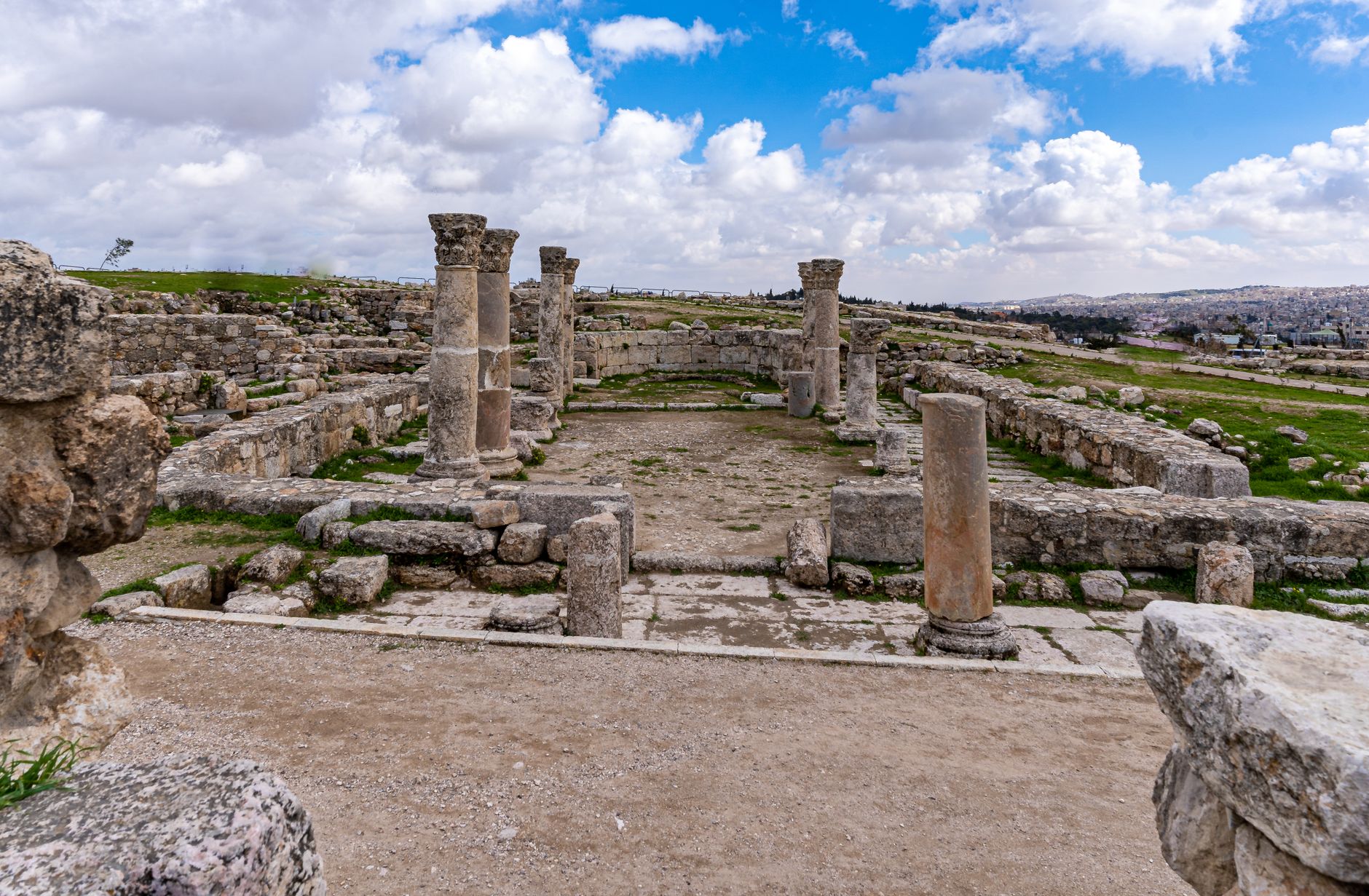
Morning: Start in Downtown (Al-Balad). Begin at the Roman Theatre on Al-Husseini Street; allow 45–60 minutes for the theatre and the small outdoor museum. Walk 5–10 minutes uphill to the Amman Citadel (Jabal al-Qal'a) for panoramic city views and scattered ruins; plan 60–90 minutes there. Expect a modest entry fee (approx. 2–4 JOD for non-residents) and bring sun protection.
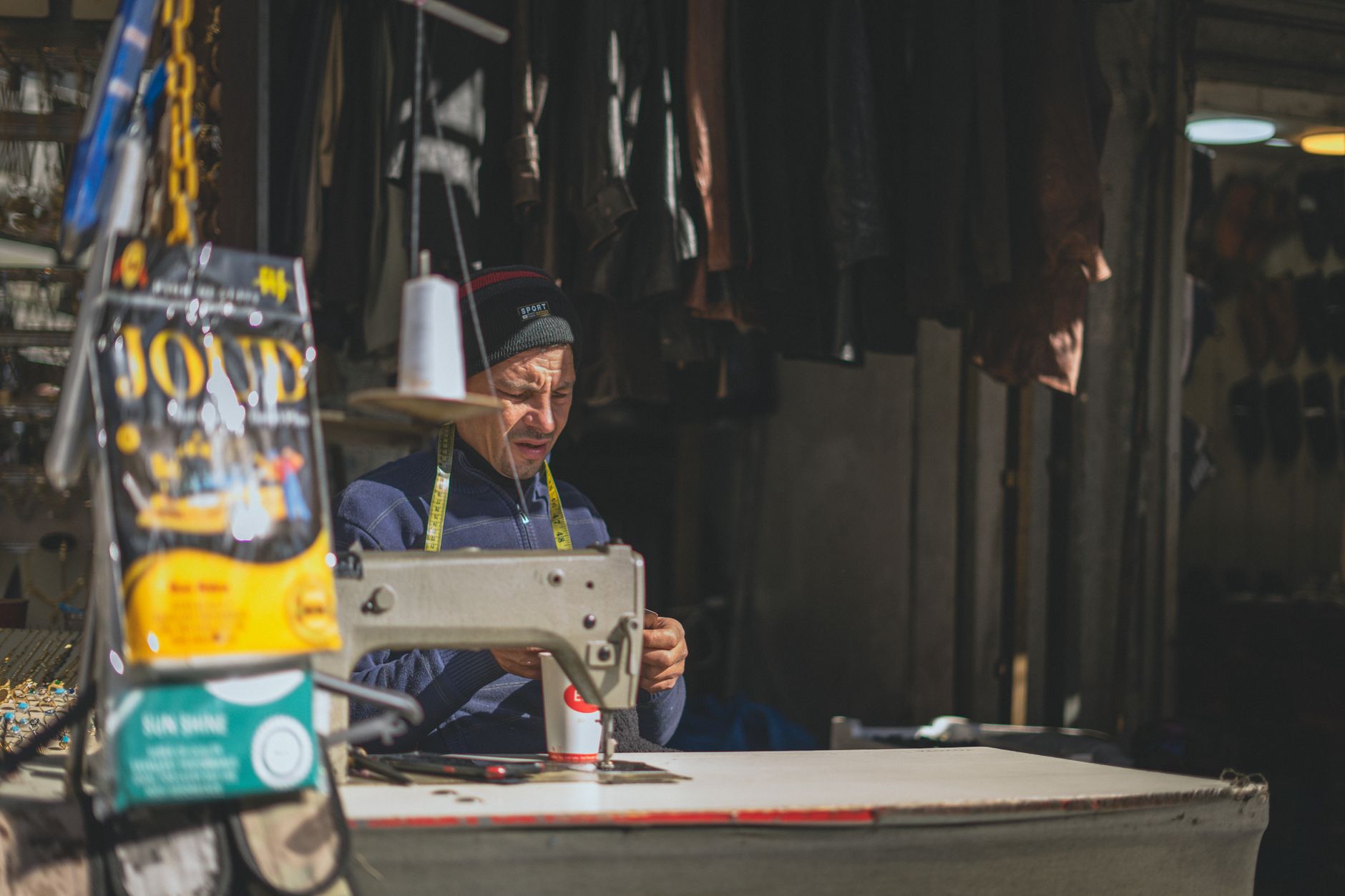
Lunch: Walk back toward Hashem on Al-Husseini Street for affordable ful and falafel (about 1–3 JOD). Hashem is quick, cash-friendly and central. After lunch, spend an hour in the downtown souk area—Al-Maqtaa and surrounding spice stalls—watching vendors and sampling dates or local sweets.
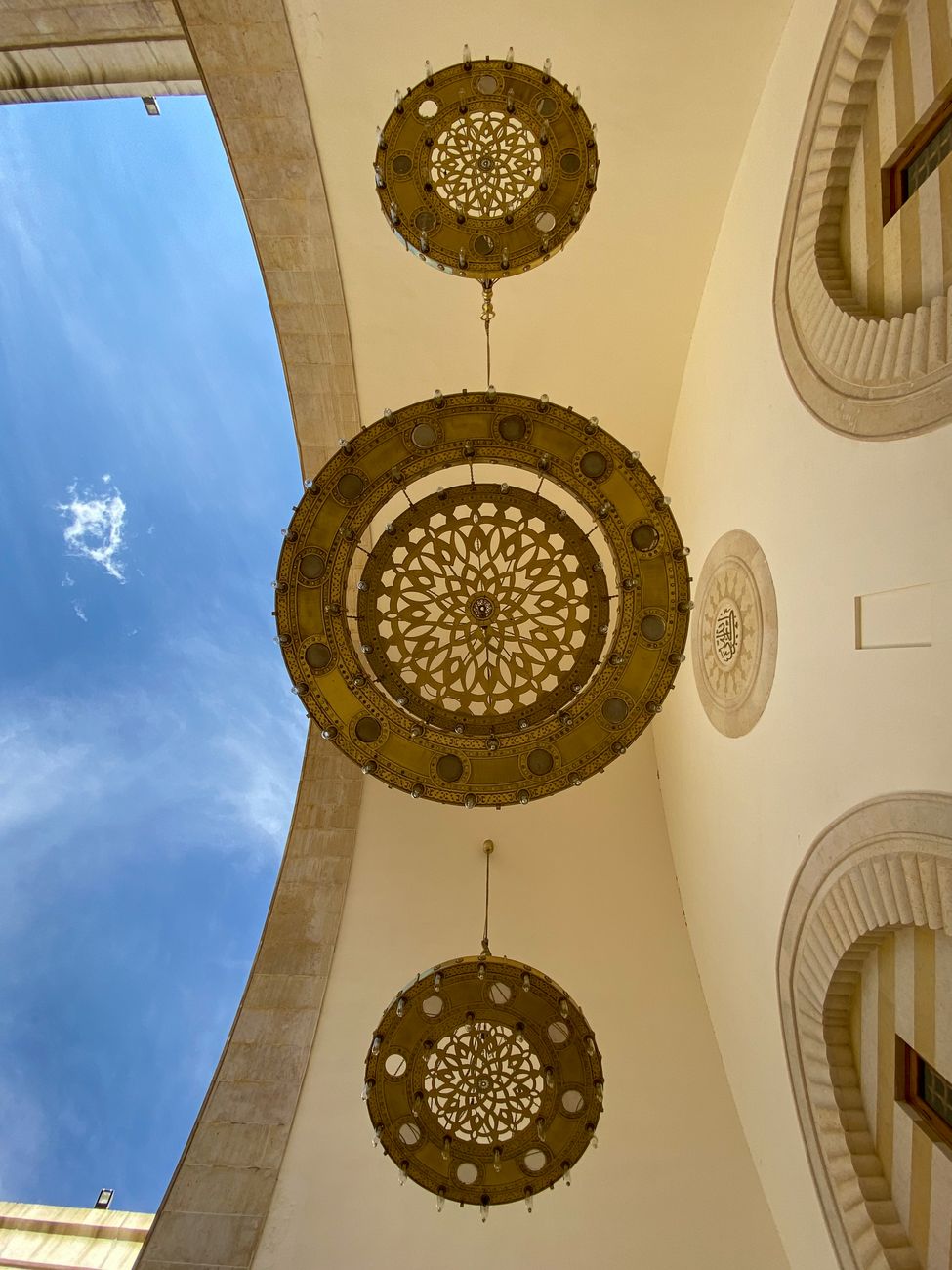
Afternoon: Walk (or take a short taxi) 10–15 minutes to the Jordan Museum in Ras Al-Ain; allow 1–1.5 hours to see key exhibits including the Dead Sea Scroll fragments and mosaics. From the museum, take a 10–20 minute taxi or servee ride to King Abdullah I Mosque on King Hussein Street for exterior photos and modest dress-required entry if visiting inside.
Evening: Head to Rainbow Street on Jabal Amman by a short taxi or a 20-minute uphill walk. Choose a terrace café or a meyhane-style restaurant for dinner; try Mansaf-style options nearby if available. Finish the night with a stroll on Rainbow Street where small bars and late cafes stay open.

Day 2
Morning: Start in Jabal Al-Weibdeh. Spend time at Darat al Funun (arts centre on Rainbow Street extension) and walk the narrow streets to see contemporary galleries and street murals; allow 1.5–2 hours. Wander to local bakeries and pick up mana’eesh for breakfast (about 0.50–1.50 JOD).
Late morning: Walk 10–20 minutes downhill to the British Council area and stop at the small independent shops along Ibrahim Pasha Street. Use a servee or short taxi for steeper stretches if needed. The neighborhood has slower foot traffic and a small-market feel.
Lunch: Eat at Sufra on Rainbow Street or a local mezze place in Weibdeh; expect mains around 8–15 JOD. After lunch, head to the National Gallery or a smaller private gallery depending on opening hours for a shorter 45–60 minute visit.
Afternoon: Take a taxi 20–30 minutes to the modern Abdali district for a contrast: glass buildings, shopping mall and contemporary restaurants. Walk the Abdali Boulevard for 30–45 minutes to see new urban development and grab coffee. Travel between Jabal Al-Weibdeh and Abdali typically takes 10–20 minutes by taxi depending on traffic.
Evening: Return to Rainbow Street or Abdali for dinner. For a low-key option, try a rooftop restaurant in Abdali with city views. Expect a busier, more local nightlife scene on weekends.
Day 3
Morning: Plan a morning visit to the Jordan Archaeological Museum at the Citadel if not done earlier, or use the morning for a focused visit to the King Abdullah I Mosque if religious hours permit. Allow 60–90 minutes depending on interest.
Late morning: Walk or take a short taxi to the nearby Hashemi or Al-Quds district for shopping at the downtown souk. If staying in a hotel with a midday checkout, store luggage at the hotel desk or use a luggage storage service and schedule the last day’s activities to end near the main transport hub.
Lunch: Choose a regional restaurant in the Jabal Amman area or try rooftop mansaf for a final midday meal; expect 10–20 JOD for a full plate. After lunch, visit a local market such as Souk Al-Sukar or a small spice market for last-minute purchases; these are compact and can be completed in 45–60 minutes.
Afternoon: If catching an afternoon flight from Queen Alia, allow 90–120 minutes travel time plus the airline’s recommended check-in window. Taxi or ride-hail to the airport typically costs 20–30 JOD. Alternatively, squeeze in a quick coffee near Abdali before departure if time allows.
Evening: For those not leaving, an evening walk on Rainbow Street or a final dinner in Jabal Al-Weibdeh wraps up the visit with easy access back to central hotels and transport links.

Best Local Experiences
JARA market on Jabal Amman (Friday) — local crafts, street food and small antiques stalls that run seasonally and use cash. Spend a morning sampling small plates from rotating stalls.
Hashem in Downtown — eat ful and falafel at budget prices and watch the city’s working rhythms; it’s a true urban eating institution. Order multiple small items and expect to share tables.
Walking the Roman Theatre and visiting the Citadel early — cooler mornings reduce crowds and sunlight gives the best photos. Combine with a short visit to the small archaeological displays nearby.
Explore Rainbow Street’s cafés and small bookshops — this street shows the city’s cafe culture and is best in the cooler parts of the day. Stop at a confectioner for knafeh or sweet bakeries.
Take a servee or short taxi to Abdali for a contrast with high-rise development and contemporary dining. An evening roof-top dinner there reveals how rapidly the city’s skyline is changing.
Where to Stay
Jabal Amman / Rainbow Street — Suited to culture and dining seekers who want short walks to cafes, galleries and Rainbow Street nightlife. Close to the Citadel by taxi and mid-range hotels typically run 35–80 JOD per night (≈50–115 USD / 45–90 EUR) depending on amenities.
Al-Balad / Downtown — Suited to budget travellers and anyone prioritizing market access and historic sites. Guesthouses and budget hotels often cost 20–45 JOD per night (≈30–65 USD / 25–50 EUR). Expect noise and earlier shop hours here.
Abdali — Suited to travellers who prefer newer hotels, cleaner sidewalks and proximity to modern restaurants and malls. Mid- to higher-range hotels run 60–120 JOD+ per night (≈85–170 USD / 75–135 EUR). This area is more car-oriented and quieter at night.
Food and Drink
Ful (fava bean stew) — a slow-cooked savory breakfast staple often served with olive oil, lemon and flatbread; best at Hashem or small downtown eateries for about 1–3 JOD.
Falafel — deep-fried chickpea patties usually served in flatbread with tahini and salad; street stalls and Hashem do this well for 0.50–1.50 JOD per sandwich. Expect crisp texture and strong garlic/tahini flavors.
Mansaf — Jordan’s national dish of lamb cooked in fermented dried yogurt (jameed) served with rice; find good restaurant versions at Sufra or family-run places for about 8–20 JOD per plate depending on portion size.
Knafeh — shredded pastry soaked in syrup with sweet cheese, sold at bakeries near downtown and on Rainbow Street; expect 1.50–4 JOD per serving depending on size.
Arabic coffee and mint tea — strong Arabic coffee served in small cups and sweet mint tea at cafes; coffee around 0.50–1.50 JOD, tea often cheaper or included with sweets.
Breakfast option: mana’eesh za’atar from bakeries in Jabal Al-Weibdeh or Downtown for about 0.50–1.50 JOD. Street food option: shawarma wraps at roadside shops for 1.50–3 JOD. Dinner recommendation: a mezze spread at a reputable restaurant on Rainbow Street or Abdali for sharing and sampling local salads, hummus and cooked mains (expect 10–20 JOD per person).
Getting Around
Public transport is a mix of municipal buses, servees (shared minibuses) and private taxis; there is no metro. Servees run fixed inner-city routes and are the cheapest option at roughly 0.35–0.75 JOD per ride. Flag them down on main roads and have small change ready.
Municipal buses operate on major corridors; single fares are typically around 0.50–0.70 JOD. Taxis are inexpensive by Western standards but meters are not always used; a short trip within central districts is often 2–5 JOD. Airport taxi or ride-hail from Queen Alia will typically run 20–30 JOD depending on destination.
Ride-hailing apps (Careem and Uber) are widely used and avoid fare negotiation. Use Google Maps for routing and to estimate travel times; local route maps for buses are available on the Greater Amman Municipality website. Walking is practical in Jabal Amman and Rainbow Street but expect steep hills and many stairs.
Best Time to Visit
Spring (March–May): Temperatures usually range 15–25°C and this is one of the best windows for walking and outdoor cafés. Expect moderate crowds, especially over school holidays.
Autumn (September–November): Temperatures 18–28°C with comfortable evenings; this season matches spring for pleasant conditions and fewer high-season hotel rates. Popular for local weekenders.
Summer (June–August): Temperatures often exceed 30°C and afternoons can be uncomfortably hot; many locals head to the coast or higher-elevation resorts. Expect higher hotel prices and afternoon closures of some small shops.
Winter (December–February): Cooler weather with temperatures 5–15°C and occasional rain; snow on the hills happens rarely but does occur. Museum visits and indoor dining are more pleasant and prices can be lower outside holidays.
Budget and Practical Tips
Typical daily budget (mid-range): Accommodation 40–80 JOD (≈56–113 USD / 50–90 EUR), food 10–20 JOD (≈14–28 USD / 12–18 EUR), local transport 2–6 JOD (≈3–8 USD / 2–5 EUR), entries and extras 5–15 JOD (≈7–21 USD / 6–13 EUR). Budget travellers can manage on about 35–50 JOD per day; comfort travellers should expect 80–150 JOD per day.
Major credit cards are accepted in hotels, larger restaurants and malls; carry cash for street food, small markets and servees. ATMs are common in central districts but not necessarily on quiet side streets or small markets.
Tipping: restaurants commonly add a service charge; if not included, a 10% tip is customary for table service. For taxis, rounding up is normal; drivers generally expect small cash tips for help with luggage. Dress should be modest when visiting religious sites and carry a scarf for mosque entry.
FAQ
Is Amman safe for solo travellers?
Yes; central districts and tourist routes are generally safe by daytime standards. Exercise normal urban caution at night, avoid poorly lit side streets and keep belongings secured on busy souk streets.
What’s the best way to get from Queen Alia Airport to the city?
A Careem or Uber ride is the most reliable door-to-door option (about 20–30 JOD). Official taxis and pre-booked hotel transfers are alternatives; public buses are cheaper but slower and less direct.
Are servees and minibuses easy to use?
Yes, for local routes; they are cheap and frequent but expect standing room and exact change. Ask drivers for the stop name if unsure and use maps to confirm routes.
Should a visitor buy the Jordan Pass just for Amman?
No; the Jordan Pass only pays if visiting Petra and other paid sites. For visits limited to the city, it is not cost-effective.
Is there a city card for free or discounted entry to museums?
There is no widely used city card covering multiple Amman attractions; individual entry fees and occasional combined tickets at specific sites are more common.
Can most places be paid for with credit card?
Larger restaurants, hotels and malls accept cards, but small vendors, markets and some cafes prefer cash. Carry small JOD notes for market purchases.
Are museums open on Fridays?
Many museums have reduced hours or close during Friday prayer times. Plan key museum visits for Sunday–Thursday or check specific opening hours in advance.
Conclusion
A three-day visit will leave a clear, usable impression: hilltop ruins, busy downtown markets, a neighbourhood café culture and the practical reality of steep streets and mixed transport. Prioritise either downtown historical sites or neighbourhood exploration if time runs short; the Roman Theatre plus the Citadel and a Rainbow Street evening together form the most compact, satisfying half-day combination.
If only one thing can be prioritised, pick a morning at the Citadel followed by a quick visit to the Roman Theatre and lunch at Hashem — that sequence gives a quick, memorable window into what the city feels like and how locals eat and move.
How this guide was prepared
This guide was prepared through a structured research that combines destination research, geographic context, itinerary planning logic, and content review.