

Practical 3-Day Antalya Itinerary: Old Town, Beaches, Ruins
A practical 3-day Antalya guide covering Old Town, Konyaaltı and Lara beaches, museums, ruins and realistic transport and budget tips for weekend planning.
A clear, realistic 72-hour plan for seeing Kaleiçi, Konyaaltı, Düden and nearby ruins with travel times, transit tips and honest budget notes.
First impression: a working port city with stretches of coastline, a compact Old Town and high-rise beachfront hotels to the east and west. The pace can switch between loud traffic corridors and very quiet Ottoman lanes inside Kaleiçi.
Expect day-trippers from cruise ships around Hadrian's Gate and weekend families on Konyaaltı and Lara beaches. Some travelers arrive expecting a compact resort; instead the city offers a patchwork of experiences — urban markets, major archaeological sites nearby, and Mediterranean beach life.
Most guides either treat this city as purely a beach resort or list archaeological sites without practical travel times. This guide groups sights by proximity and gives real transit and timing advice so three days actually cover useful ground.
Good for visitors who want one museum, one waterfall, an Old Town walk and a beach; less suitable for those wanting to visit every archaeological park without allocating extra travel days.
Is 3 days in Antalya enough?
Yes — 72 hours is enough to see Kaleiçi (Old Town), one major waterfall, one beach (Konyaaltı or Lara) and one archaeological site like Perge or Termessos. The main trade-off is depth: visiting both the Antalya Museum and Aspendos plus two beaches and two ruins will feel rushed.
Who This Guide Is For
Best for first-time visitors who want a mix of history and relaxed beach time without long day trips. Not ideal for travelers seeking a deep dive into Mediterranean archaeology or a slow luxury resort week.
Local Tips for Antalya
Practical details that most travel sites skip — specific to Antalya.
- Buy an AntalyaKart at tram stations, major bus terminals or Migros supermarkets; single-ride fares on buses and trams are loaded onto the card and generally cost around 8–12 TRY per ride depending on distance.
- Havaş airport shuttle runs between Antalya Airport (AYT) and the city central stops (Meydan/Otogar) and costs roughly 60–120 TRY one way depending on the route and luggage; taxis from the airport to Lara or Kaleiçi usually run 300–450 TRY daytime.
- Kaleiçi (Old Town) has many pedestrian-only streets and narrow lanes; smaller hotels will often meet guests at a nearby car park for luggage — confirm coordinates with the hotel before arrival.
- Düden Waterfalls Lower Falls (Aşağı Düden) has the coastal cliff drop at Konyaaltı; Upper Düden (Yukarı Düden) near Düzlerçamı is quieter and good for a short hike — local dolmuş minibuses serve both areas.
- Antalya Museum (Antalya Müzesi) is in the city centre near Konyaaltı and usually charges an entrance fee for foreign visitors (expect roughly 60–150 TRY depending on temporary exhibits); it saves time compared with trying to see scattered artifacts at small sites.
How This Guide Was Prepared
This guide treats Antalya as a working coastal city with serious archaeology and lively beach districts rather than a postcard. Many guides overload historical lists or promise ‘all of Turkey’ in a day; this one sorts realistic clusters of sites, explains how local transport actually works, and flags where time is commonly wasted. This guide was prepared through a structured research that combines destination research, geographic context, itinerary planning logic, and content review.
Plan Your Stay in Antalya
Use this itinerary as your starting point, then compare areas to stay, transport options, seasonal timing, and realistic daily costs before booking.
Why Visit
One reason: the Old Town (Kaleiçi) is compact and walkable, with Roman gates like Hadrian's Gate, Ottoman houses and a small marina where afternoon light is good for photos. A short walk can cover medieval walls, the Broken Minaret (Kesik Minare) and Harbor Street.
Second reason: immediate access to both beaches and archaeological sites. Konyaaltı and Lara are minutes apart by dolmuş or tram, while Perge and Aspendos are 30–90 minutes by car and make feasible half-day trips.
Third reason: concentrated museum offerings. Antalya Museum houses a large collection of Roman sculpture and funerary monuments from nearby sites; seeing it reduces the need to visit multiple small museum displays.
Fourth reason: easy practical travel infrastructure. The airport has frequent shuttles (Havaş) to city terminals, AntalyaKart works across buses and trams, and guided tours are available for single-site drives if public transit would be slow.

Quick Planning Tips
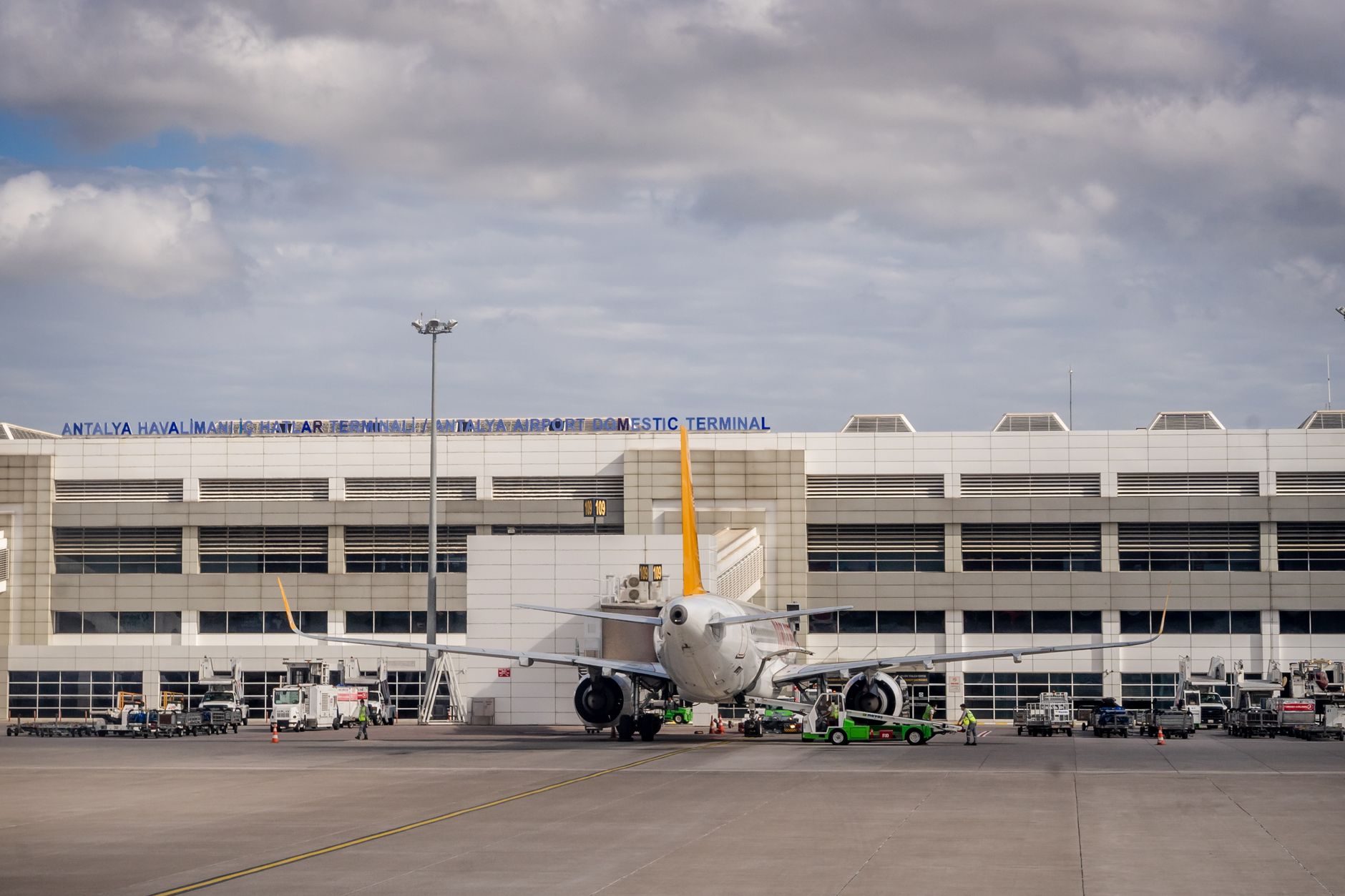
Arrival: Antalya Airport (AYT) is the main entry point; Havaş shuttles and municipal buses run to the central Otogar and city stops. Expect 20–40 minutes to Lara hotels and 25–45 minutes to Kaleiçi depending on traffic.
Payment: pick up an AntalyaKart and top it with 200–300 TRY if staying three days; the card works on trams, buses and dolmuş minibuses. Credit cards are widely accepted in restaurants but smaller vendors prefer cash.
Packing: bring layers for evenings near the coast — sea breezes can be cool even in summer. Avoid the planning mistake of stacking multiple archaeological parks on the same day; Perge requires at least two hours plus transfer time and Aspendos deserves a separate half day if theatre acoustics matter.
Booking: reserve a room inside or adjacent to Kaleiçi early if staying weekend nights; parking is limited and hotels that advertise 'car access' will usually provide specific arrival instructions.
Day 1
Morning: Start at Hadrian's Gate in Kaleiçi and walk the main pedestrian streets toward the marina. Allow 60–90 minutes to pass through Hadrian's Gate, see the Broken Minaret (Kesik Minare), browse small galleries and reach the old harbour area. The lanes are short but uneven; expect slow walking.
Late morning: From the marina, walk up to Hidirlik Tower (15–20 minutes) for a view of the gulf and then continue along the coastal path toward Mermerli Beach (10–15 minutes). Mermerli is a small cove under the old walls with cafés where a short rest is possible.
Lunch: Eat at Seraser Fine Dining or a mid-range alternative on Barbaros Street for grilled fish and meze; expect a main dish around 250–500 TRY. Allow 60–75 minutes.
Afternoon: Visit Antalya Museum (10–15 minute taxi or tram ride to the Konyaaltı side) and plan 90–120 minutes; the Roman sarcophagi and statues are concentrated so museum time is efficient. From the museum, catch a tram or bus to Konyaaltı Beach (15 minutes).
Evening: Stay for sunset along Konyaaltı. Walk the long pebble shore promenade, rent a sunbed if needed, then dine at one of the seaside fish restaurants near Kordonboyu. Nightlife in the city centre is low-key; a quiet bar or a seaside café is the usual option.

Day 2
Morning: Head east to Düden Waterfalls Lower Düden (Aşağı Düden) at the coastal cliff; take municipal bus or dolmuş toward the lower falls and allow 60–90 minutes including the seaside park and viewpoint where the river drops into the sea. This spot is photogenic early before tour groups arrive.
Late morning: From Lower Düden, ride a dolmuş or tram toward Lara district (about 25–40 minutes depending on traffic). Lara Beach has a long sandy stretch, beach clubs and the Stone Beach area. Select a public stretch for shorter budgets or a private club for service.
Lunch: Try a local pide or gözleme from a beachside vendor in Lara for an inexpensive, authentic meal (roughly 80–150 TRY).
Afternoon: Take a 40–60 minute transfer to Perge archaeological site using a rental car, taxi or guided tour; public buses are slower. Plan 90 minutes to two hours to see the stadium, Roman baths and the colonnaded street.
Evening: Return to Kaleiçi or Lara depending on lodging. For dinner in Kaleiçi, choose a small meyhane (Turkish tavern) for shared mezes and raki, or a seafood restaurant on the marina for grilled options.

Day 3
Morning: Option A for archaeology: leave early for Termessos in the Taurus foothills (about 45–60 minutes by car). Allow 2–3 hours for the site; trails are steep and shaded, and the mountain setting feels different from coastal ruins. Option B for a relaxed final morning: return to Konyaaltı for a beach walk and a last swim.
Late morning: If checking out and heading to the airport in the afternoon, store luggage at the Otogar or confirm late checkout with the hotel. Taxi or Havaş shuttle times to the airport require 30–60 minutes depending on departure point and traffic.
Lunch: Eat near the Antalya Bus Terminal (Otogar) where simple kebap houses serve quick, inexpensive meals (approx. 120–200 TRY) before transfer. Allow at least 60 minutes including travel buffer.
Afternoon: If flight timing allows, make a short stop at the Old Bazaar (Çarşı) for dried fruits, spices and souvenirs; market browsing works well before departure if luggage space allows. Head to the airport at least 90 minutes before domestic flights and 2–2.5 hours before international flights.
Evening: For late returns, a final evening meal near the marina is a calm way to close the visit — seafood mezze and tea give a clear sense of coastal life.

Best Local Experiences
Walk Kaleiçi at dawn before tour groups arrive and pass through Hadrian's Gate to the marina for quiet photos. A short early-morning walk avoids cruise crowds.
Swim or walk Konyaaltı beach along the long pebble shore; runners and families use the coastal promenade and there are simple cafés for a post-swim tea.
Visit Lower Düden Waterfalls (Aşağı Düden) to see the river fall into the sea from the coastal park and viewpoint. The nearby park provides shaded benches.
Take a half-day trip to Perge to see the colonnaded street and stadium or choose Aspendos for the Roman theatre if acoustics and architecture are priorities.
Hike Termessos on a cooler morning; the mountain ruins require sturdy shoes and reward with quieter trails and views of the Antalya plain.
Browse the Old Bazaar (Tarihi Antalya Çarşı) near Kaleiçi for lokum, spices and handcrafts; shopkeepers expect some haggling in small amounts.
Ride a dolmuş for short hops between Konyaaltı and Lara to feel local transit patterns and save time compared with infrequent regional buses.
Attend an Antalya State Opera performance at the historical Aspendos if the schedule and dates align with the visit; the theatre season runs mainly in the warmer months.

Where to Stay
Kaleiçi (Old Town): Suits travellers who want walkable access to Hadrian's Gate, the marina and bars. Narrow streets mean quieter nights but limited vehicle access. Expect mid-range boutique hotels around 1500–4000 TRY per night (approx. 33–89 EUR / 36–95 USD).
Konyaaltı: Suits active visitors who prefer the long beach promenade and easy access to Antalya Museum and tram connections. High-rise hotels and apartment rentals dominate. Expect mid-range beachfront rooms around 2200–5000 TRY per night (approx. 49–111 EUR / 53–118 USD).
Lara Beach / Aksu corridor: Suits sun-seekers and families who want resort facilities and sand beaches; farther from Kaleiçi but closer to the airport. Expect resort-style rooms and all-inclusive options around 2500–6000 TRY per night (approx. 56–133 EUR / 60–142 USD).
When choosing, confirm arrival logistics: hotels in Kaleiçi will often specify a meeting point for luggage; beachfront hotels usually include private parking and shuttle details.
Food and Drink
Breakfast: Simit and çay from a street vendor or bakery provides a quick start — simit costs around 20–40 TRY and is widely available in Kaleiçi and market areas. Sit-down hotel breakfasts are common and vary widely in price.
Street food: Gözleme (thin flatbread with fillings) is a common snack sold at markets and near beaches; expect 60–150 TRY depending on fillings. Another street option is kumpir (loaded baked potato) near the marina and beach promenades for 150–300 TRY.
Local dish: Piyaz with tahini and boiled egg (bean salad) is a regional side — find good versions at meyhane-style restaurants near the Old Bazaar for 80–200 TRY.
Seafood: Grilled local fish (levrek or çupra) at marina restaurants — a main plate runs 350–900 TRY depending on size and season. Combine with meze for a fuller meal.
Dinner recommendation: Choose a meyhane in Kaleiçi for shared mezes and grilled seafood; ordering a selection of mezes plus a main will often total 500–1200 TRY for two people in a mid-range place.
Drink: Ayran (salted yogurt drink) and Turkish tea are widely available and inexpensive. For an alcoholic option, try rakı at a meyhane but expect higher prices than non-alcoholic drinks.
Getting Around
Main modes: municipal buses (Büyükşehir buses), dolmuş minibuses for short routes, Antray light rail/tram and the nostalgic tram sections near the marina. AntalyaKart is the reloadable card used across buses and trams.
Ticketing and costs: load AntalyaKart at stations or kiosks; single-ride fares are approximately 8–12 TRY (load credits as needed). There is no widely promoted day pass; frequent riders can top up for multiple trips.
Airport transfer: Havaş shuttles run between Antalya Airport and the city mains (Meydan/Otogar); schedules vary by season. Taxis are common — expect airport-to-Kaleiçi or Lara fares roughly 300–450 TRY daytime depending on traffic. Night rates and extra luggage increase cost.
Apps and planning: use the Antalya Kart app or municipal transport information sites for schedules and the BiTaksi or iTaksi apps for taxis. Dolmuş routes are best learned locally; drivers will show the destination sign and fares are paid onboard.
Best Time to Visit
High season: June to August brings hot weather (average highs 30–35°C) and crowded beaches; expect high hotel rates and busy restaurants. July and August are busiest for local and international holidaymakers.
Shoulder seasons: April–May and September–October are the best balance of weather and crowds. Spring sees comfortable daytime temperatures (18–24°C) and earlier flowering; autumn offers warm sea temperatures and fewer day-trippers.
Low season: November to March brings cooler, wetter weather (10–18°C) and many coastal amenities reduce hours; some hotels close for the winter or run limited service. Archaeological sites remain open but expect shorter daylight and occasional rain.
Value and travel advice: for lower prices and still-swimmable sea, target September. For quiet city exploration and cheaper rates, aim for late October to early November but avoid relying on beach weather.
Budget and Practical Tips
Daily budget estimate (per person): Budget traveler: accommodation 1200–2200 TRY (approx. 27–49 EUR / 29–52 USD), food 300–600 TRY, transport 100–200 TRY, entry fees 150–400 TRY — total roughly 1750–3400 TRY per day.
Mid-range traveler: accommodation 2200–5000 TRY (approx. 49–111 EUR / 53–118 USD), food 600–1200 TRY, transport 150–300 TRY, entry fees 200–600 TRY — total roughly 3150–7100 TRY per day.
Costs above are approximate and seasonal; conversions used assume roughly 45 TRY = 1 EUR and 42 TRY = 1 USD so check live rates before travel. Museum and site entries vary; Antalya Museum and Perge typically charge an entrance fee for non-residents.
Tipping: Restaurants often leave service to customer discretion; leaving 5–10% in sit-down places is common. Taxi drivers expect rounding up for short trips. Small tips for hotel porters (20–50 TRY) and housekeeping (20–50 TRY per night) are appreciated but not mandatory.
Practical note: carry small amounts of cash for dolmuş, small cafés and market purchases; larger restaurants and hotels accept cards. Confirm return transfer times if leaving late at night as public transport frequency drops.
FAQ
Is Antalya safe for solo travelers?
Yes, central areas are generally safe during daytime with usual urban precautions; avoid poorly lit side streets at night and keep an eye on belongings in crowded tourist spots.
How do I get from Antalya Airport to Kaleiçi cheaply?
Use the Havaş shuttle or municipal bus to the Otogar/Meydan and then take a short tram or taxi ride; Havaş is cheaper than a taxi and drops near central transfer points.
Is an AntalyaKart worth buying?
Yes, the AntalyaKart is worth it for multiple bus/tram trips; it is rechargeable and cheaper than single cash fares and accepted across municipal services.
Can public transport reach Perge or Aspendos?
Public buses or dolmuş minibuses serve nearby towns, but visiting Perge or Aspendos is faster and simpler by rental car, taxi or organized tour if time is limited.
Are beaches free and safe for swimming?
Public stretches are free and safe for swimming; private beach clubs charge for sunbeds and services and lifeguard presence varies seasonally.
Do museums accept cards and what about opening hours?
Major museums accept cards but carry cash for small entry points; opening hours change seasonally so check the museum website or local listings before visiting.
Is English widely spoken?
English is common in hotels, larger restaurants and tourist services; street vendors and dolmuş drivers may know limited English, so having basic Turkish phrases helps.
Are day trips to Belek, Kemer or Side practical from here?
Yes — Belek, Kemer and Side are reachable by car or intercity minibus in 40–90 minutes and make practical half- or full-day excursions depending on traffic.
Conclusion
Three days provide a clear snapshot: Old Town lanes, one beach, one waterfall and a single archaeological site are a realistic plan. Packing more will reduce enjoyment rather than increase value.
What will be remembered most is the contrast between the compact, shaded Ottoman lanes of Kaleiçi and the long coastal promenades next to Konyaaltı or Lara. If time runs short, prioritise a morning in Kaleiçi (Hadrian's Gate and the marina) and an afternoon at Konyaaltı for the best mix of history and coastal atmosphere.
How this guide was prepared
This guide was prepared through a structured research that combines destination research, geographic context, itinerary planning logic, and content review.