
3 Days in Arequipa: A Perfect Weekend in Peru's White City
Compact Arequipa 3-day guide: top sights, picanterías, day trips to Colca Canyon, transit tips, and where to stay for a memorable weekend in southern Peru.
A focused 3-day itinerary for Arequipa—historic center, Santa Catalina, local food, and a Colca Canyon option—ideal for a cultural weekend in southern Peru.
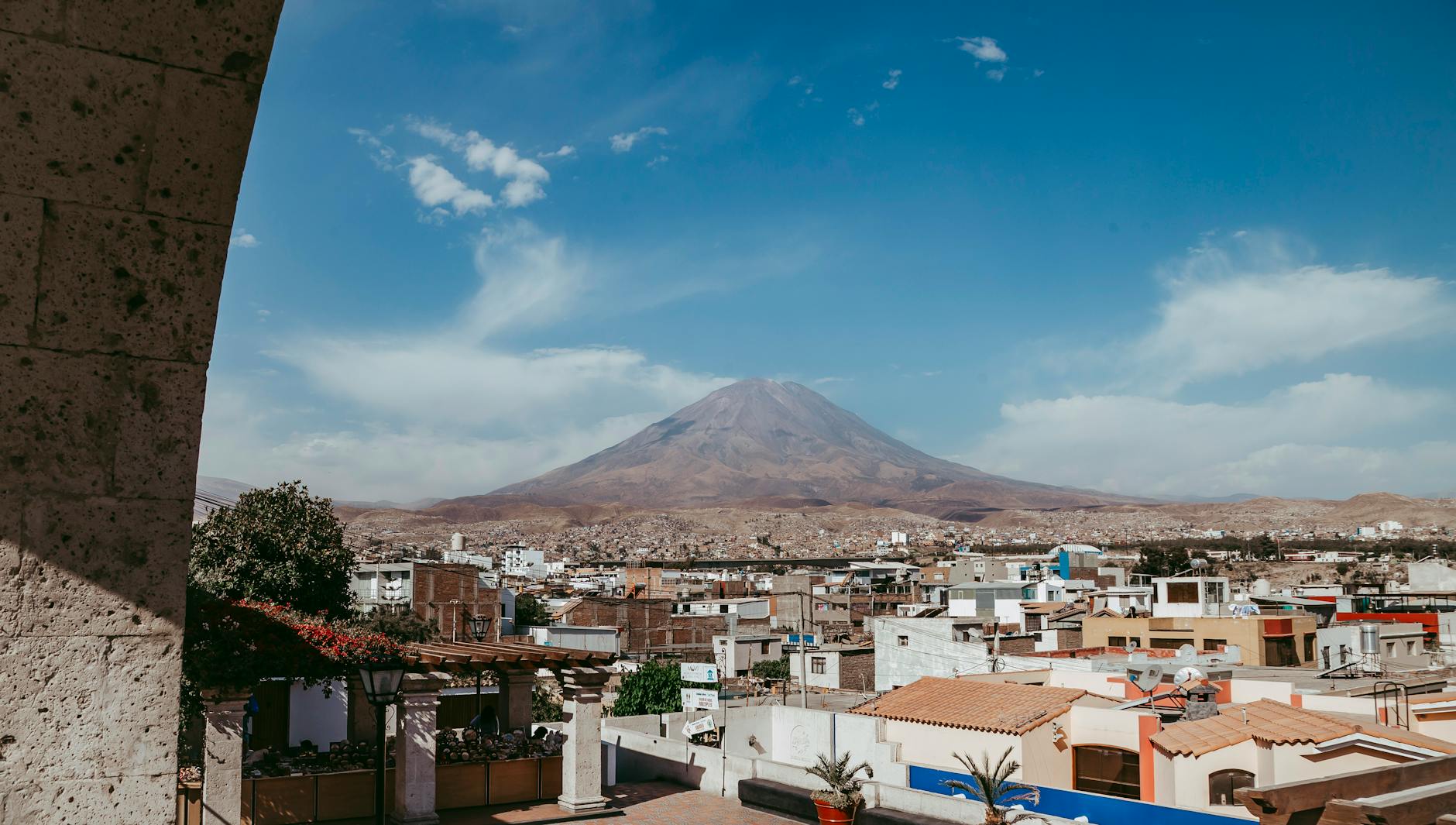
A compact, luminous city built from white volcanic sillar, Arequipa blends colonial architecture, Andean views and lively markets. It suits travelers who enjoy walking historic centers, eating regional cuisine in picanterías, and taking one memorable day trip into highland landscapes. Three days is ideal: one afternoon and evening to soak in the Plaza de Armas and food scene, a full day for Santa Catalina plus museums and neighborhoods, and a third day for a half- or full-day excursion to Colca Canyon or nearby mills and viewpoints. This pace leaves time for acclimatization, a relaxed rhythm, and transit to nearby cities like Cusco or Puno.
Quick Answer
A focused 3-day itinerary for Arequipa—historic center, Santa Catalina, local food, and a Colca Canyon option—ideal for a cultural weekend in southern Peru.
Who This Guide Is For
This guide is best for first-time visitors, couples, solo travelers, and anyone planning 3-day city break, weekend getaway, cultural trip in Arequipa with a balance of highlights, local character, and reasonable spending.
How This Guide Was Prepared
This guide was prepared through a structured editorial workflow that combines destination research, geographic context, itinerary planning logic, and practical travel review.
Plan Your Stay in Arequipa
Use this itinerary as your starting point, then compare areas to stay, transport options, seasonal timing, and realistic daily costs before booking.
Why Visit
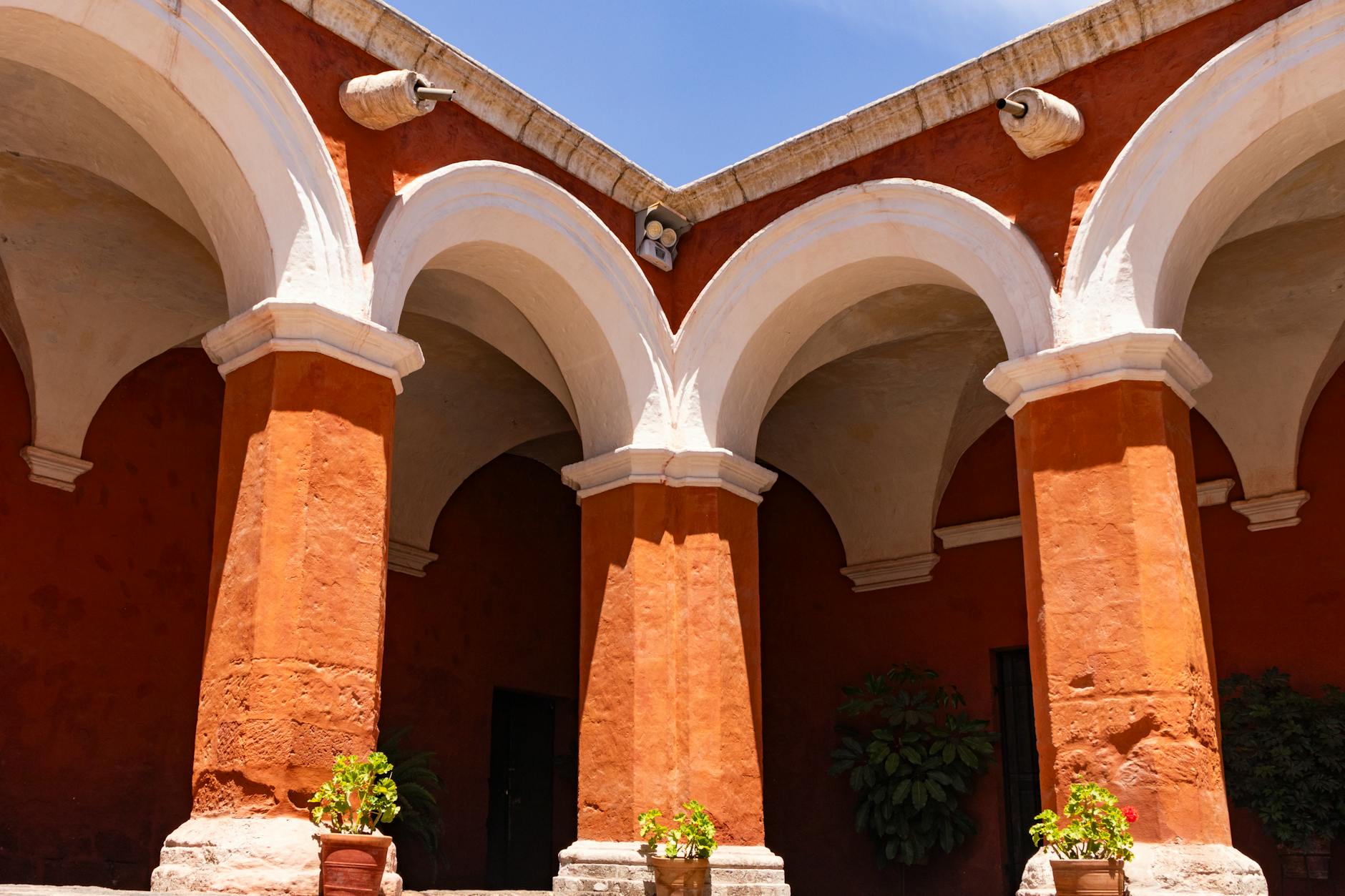
Arequipa feels like a compact, photogenic jewel of southern Peru. The architecture—built of white sillar—gives the city a unique light. The food scene is rooted in picanterías (family-run restaurants) and local specialties like rocoto relleno and chupe de camarones. The surrounding highland scenery, including views of El Misti and easy access to Colca Canyon, means culture and outdoors combine without long overland travel. Museums hold Inca-era and colonial treasures such as the Juanita mummy. For travelers wanting history, food, colorful streets and a short nature escape, it’s a rewarding three-day stop.
Quick Planning Tips
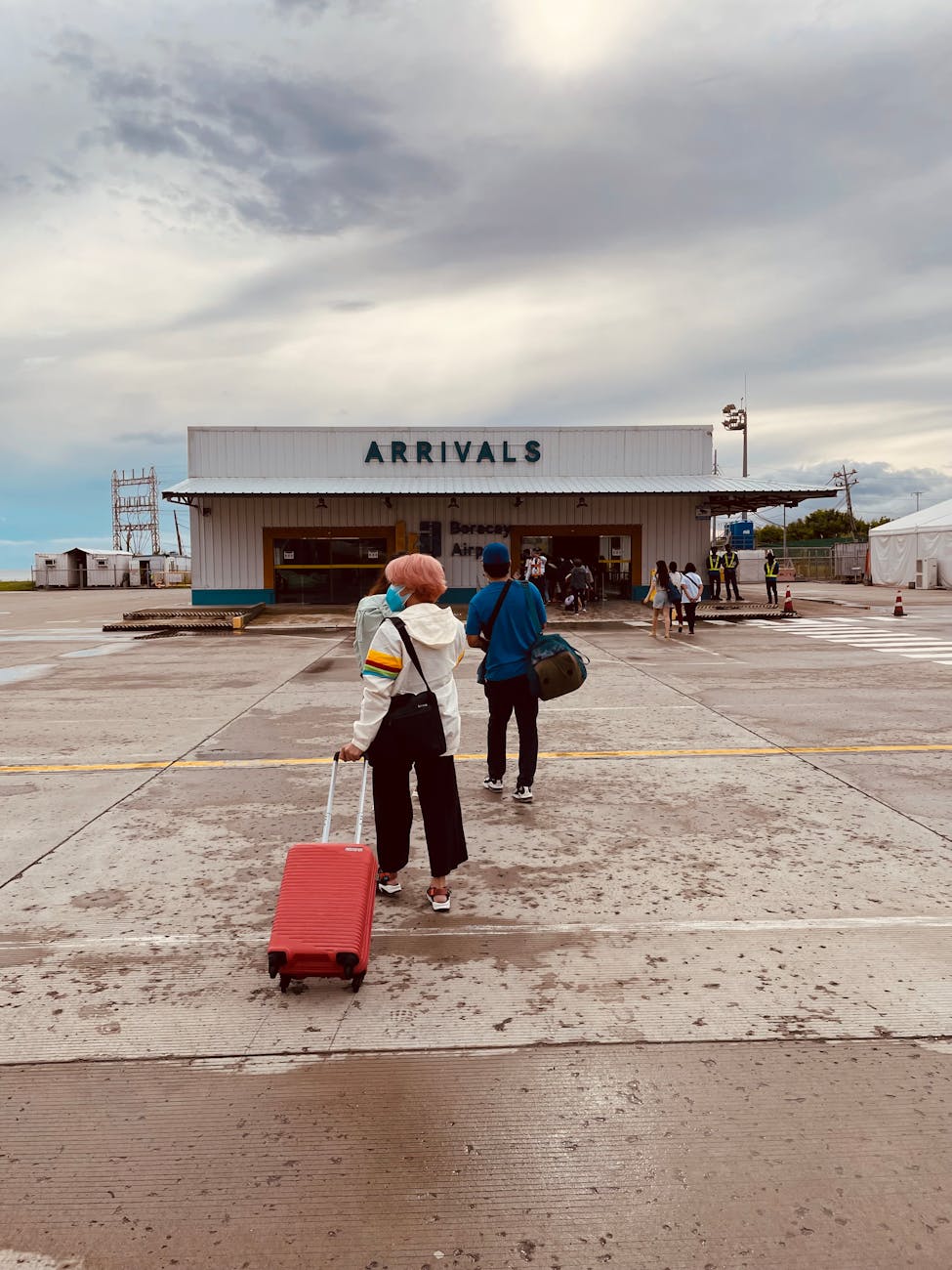
Fly into Rodríguez Ballón Airport (AQP) from Lima in about 1h15. If arriving by bus from Cusco or Puno expect 6–10 hours overnight. First-day light activity helps with 2,335m altitude—drink water and avoid strenuous hiking right away. Cash (Peruvian soles) is useful in markets and picanterías; ATMs and cards are available in the historic center. Plan one full day for Santa Catalina and museums and another for a Colca Canyon day trip or nearby viewpoints. Book popular tours and monastery entry online or the day before, especially in high season.
Day 1
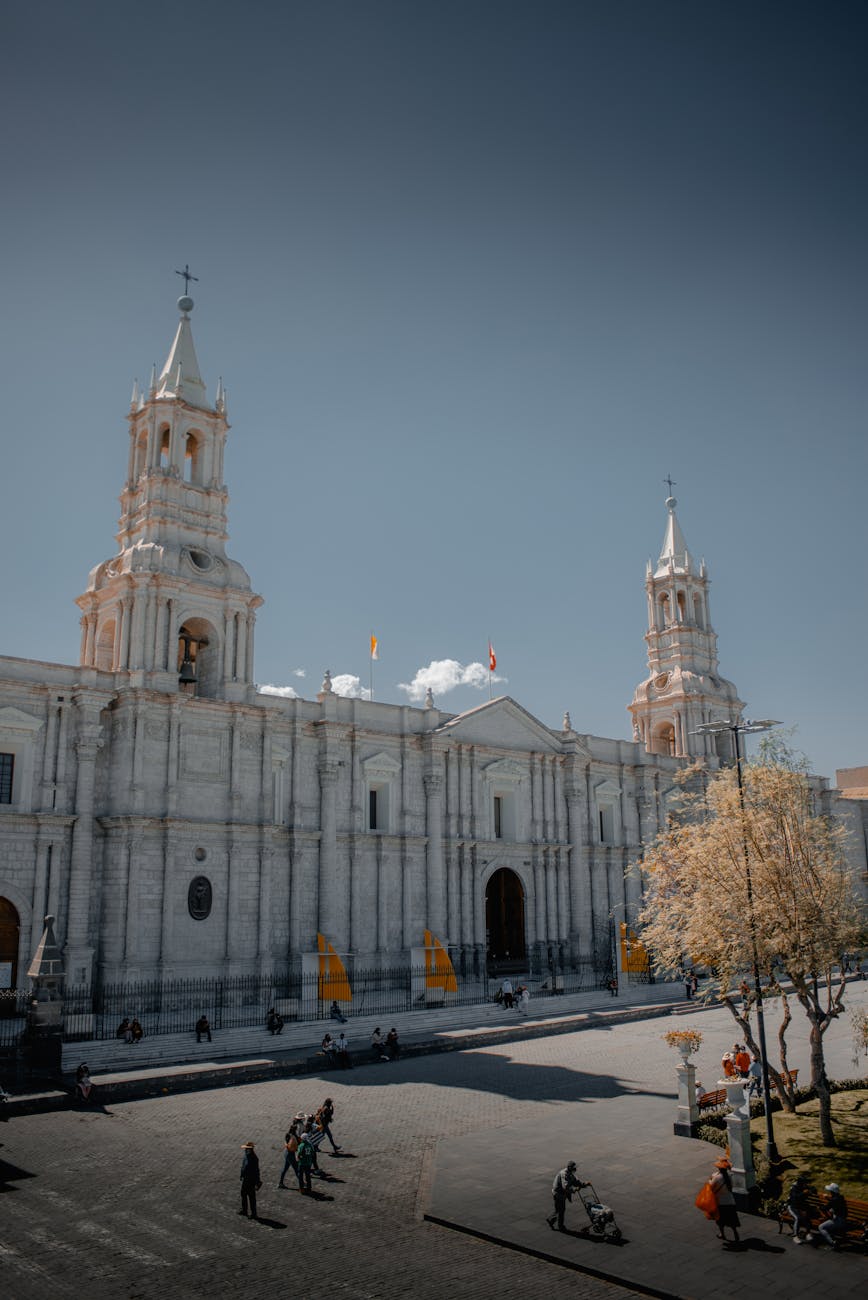
Morning: Start at Plaza de Armas—visit the cathedral and walk the arcades to appreciate sillar stonework. Coffee at a nearby café on Calle Mercaderes. Midday: Explore Museo Santuarios Andinos to see Juanita and learn local archaeology. Afternoon: Stroll to the Iglesia de la Compañía and the bright arcades of the historic center. Evening: Dinner at a picantería (look for daily traditional set menus) and a rooftop bar for city-and-volcano views. Transit tips: the center is compact and best on foot; hail a licensed taxi after dark.
Day 2
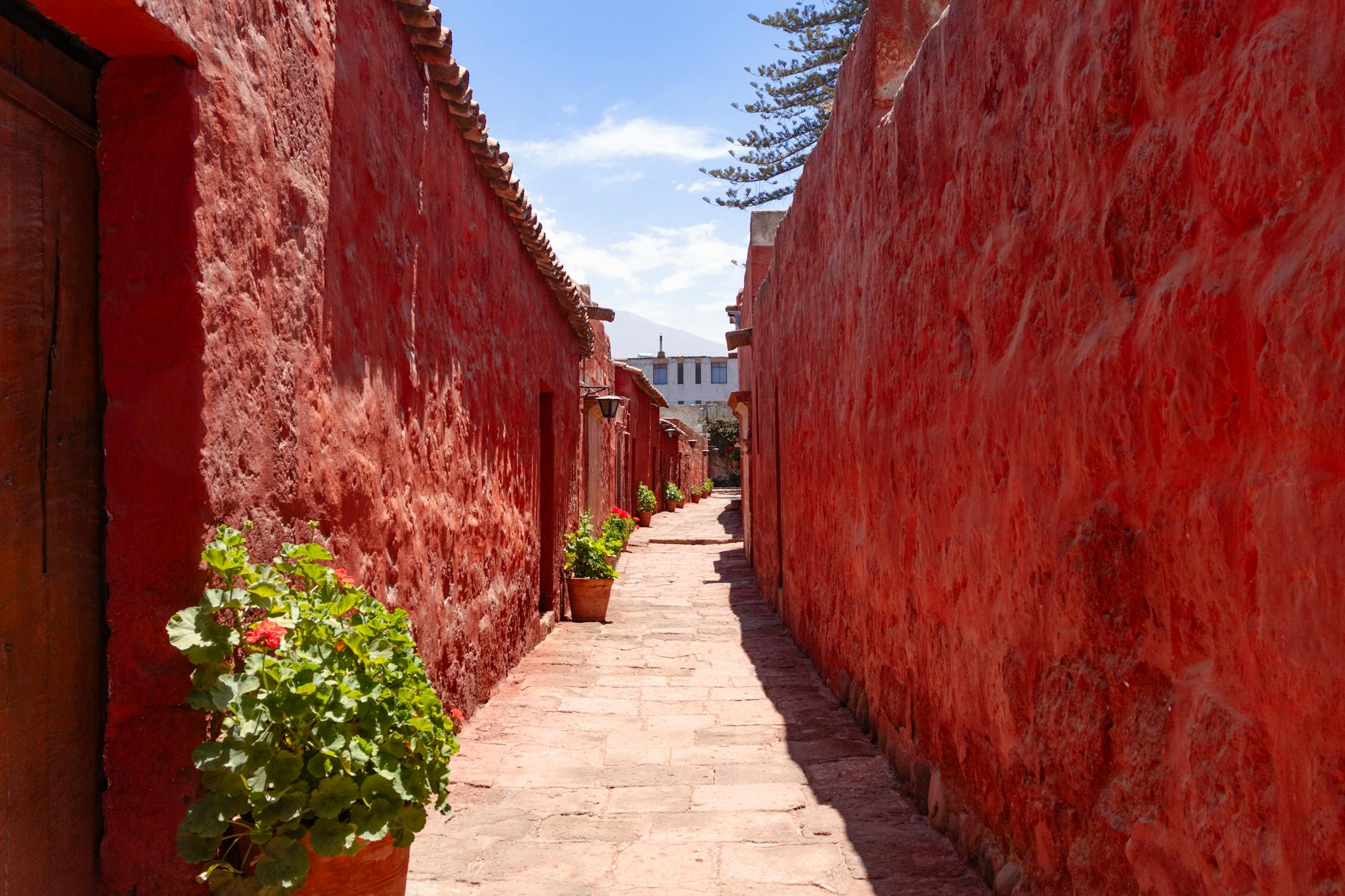
Morning: Spend a half-day at the Monastery of Santa Catalina—allow 2–3 hours to wander its painted alleys and cloisters. Midday: Lunch at Mercado San Camilo; try local snacks and fresh juices. Afternoon: Walk or take a short taxi to Mirador de Yanahuara for postcard views of El Misti and the plaza of arches. Visit the Sabandía Mill and its riverside grounds if you prefer a quieter afternoon. Evening: Sample regional dishes like adobo arequipeño or chupe de camarones on Calle San Francisco or nearby picanterías.
Day 3
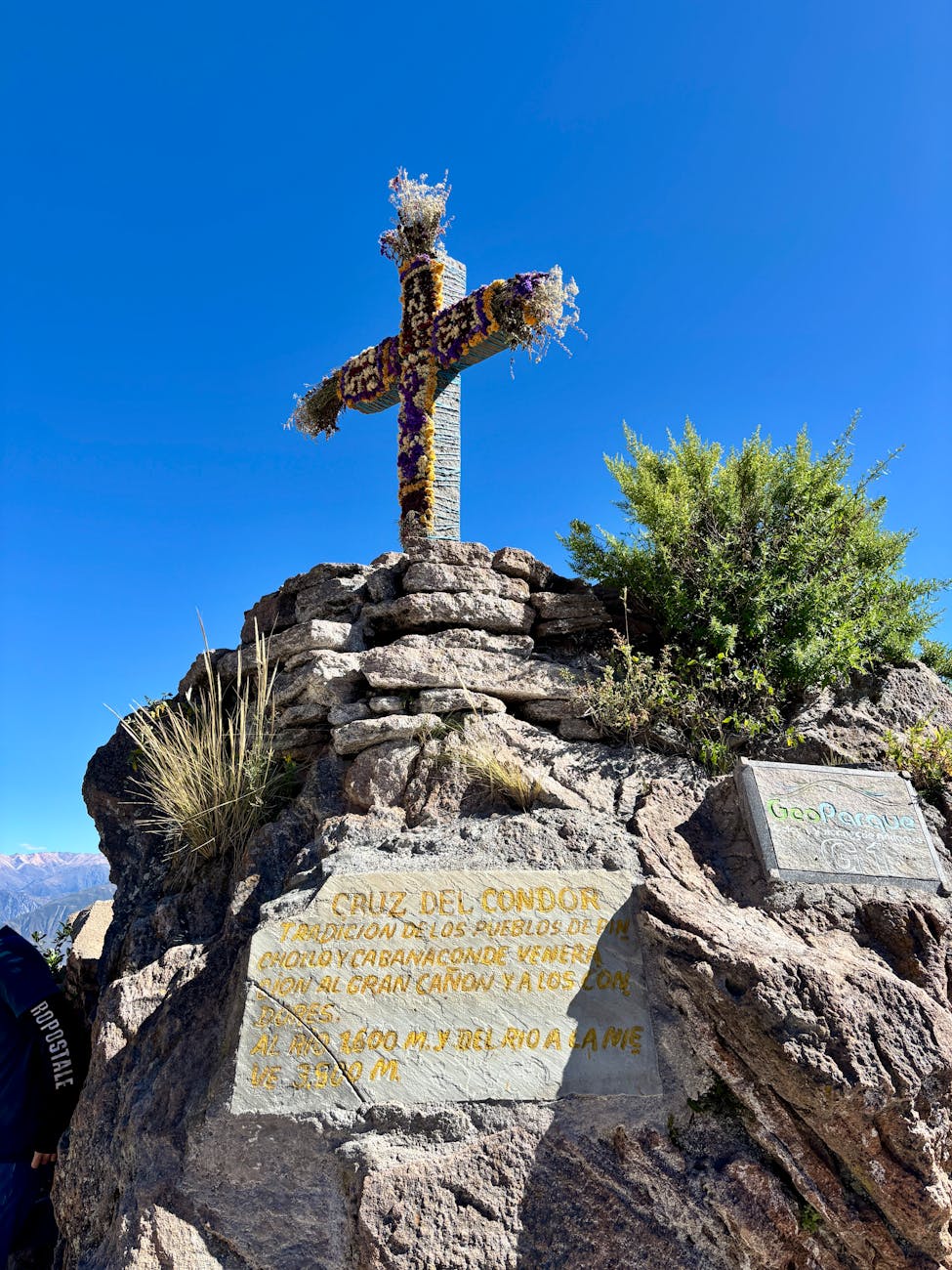
Option A — Colca Canyon day trip: Leave very early (3–4 a.m.) on a guided tour to see condors at Cruz del Cóndor; the full day includes scenic villages and hot springs. Option B — Local highlights: take a morning walking tour of residential neighborhoods like Yanahuara and Cayma, visit Sabandía Mill if not seen, and spend your afternoon souvenir shopping on Calle Mercaderes. Evening: Relax with a pisco sour and a final stroll around the illuminated Plaza de Armas. Book Colca tours in advance during high season.
Best Local Experiences
Eat at picanterías for set-menu, home-style meals—look for afternoon-opening restaurants with a steady local crowd. Try queso helado, a local frozen dessert sold at street carts. Visit Mercado San Camilo for produce, spices and snacks; practice bargaining and sampling. Watch sunset from a rooftop bar or the Yanahuara viewpoint for classic views of El Misti. Join a short sillar workshop or walking tour focused on the volcanic stone façades. These experiences reveal culinary traditions, crafts and daily life beyond the main monuments.
Where to Stay
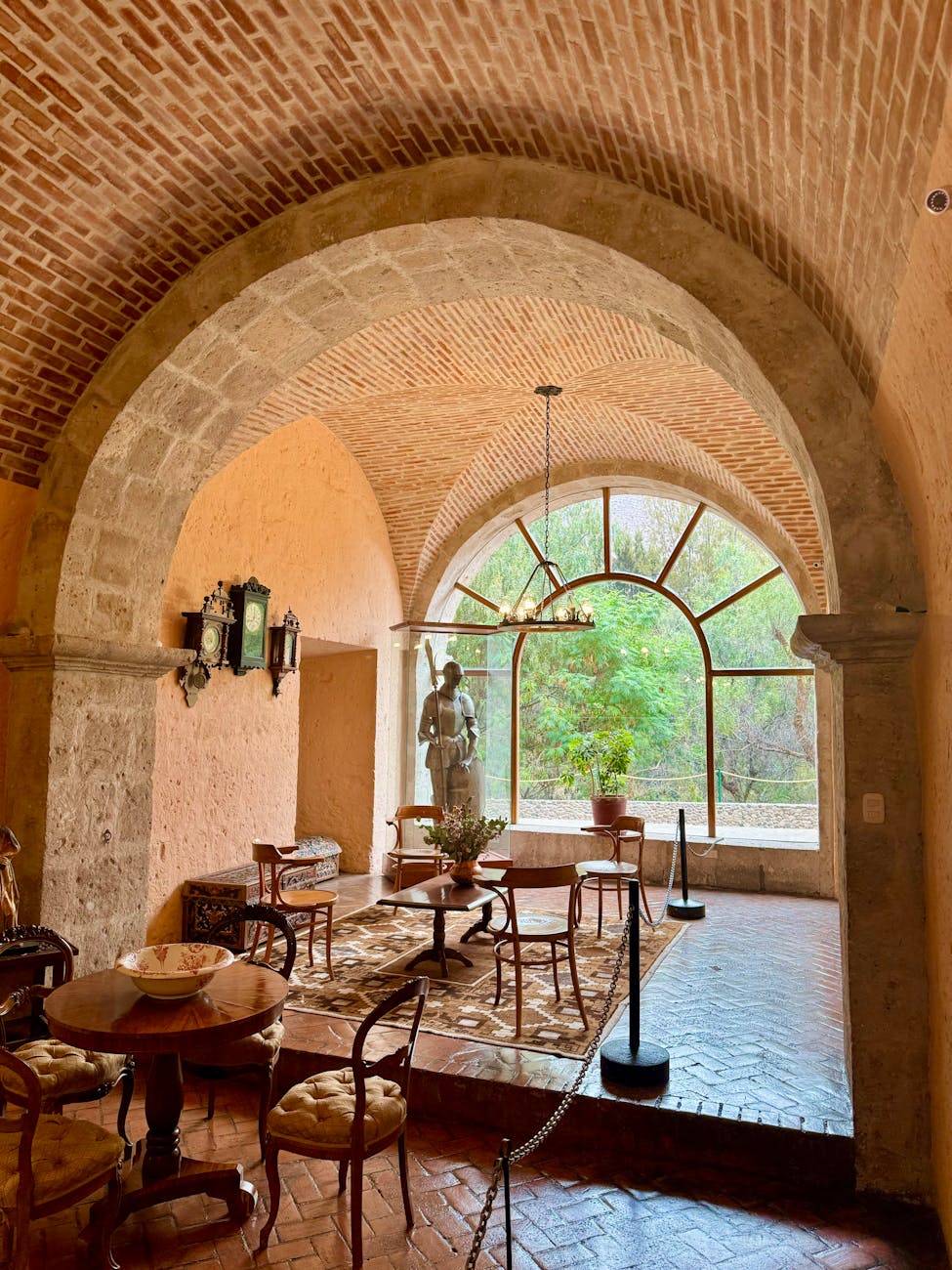
Historic Center (Cercado): best for first-time visitors—walking access to Plaza de Armas, museums and restaurants. Yanahuara: quieter, with stunning views and a village feel; good for couples wanting vistas of El Misti. Near the bus terminal: practical for early departures to Colca, Puno or Cusco. Look for boutique hotels in colonial buildings to enjoy sillar architecture. Check if accommodation offers breakfast and airport transfer; early Colca tours often pick up from central hotels.
Food and Drink
Must-try dishes: rocoto relleno (stuffed pepper), chupe de camarones (shrimp chowder), adobo arequipeño, and queso helado for dessert. Seek out traditional picanterías at lunchtime for the best regional flavors. Calle Mercaderes and the streets around Plaza de Armas have cafés and tourist restaurants; Mercado San Camilo is ideal for inexpensive snacks and fresh fruit. Try a local microbrew or a classic pisco sour. Drink bottled water and ask for boiled or bottled when in doubt. Tipping of 10% is customary in restaurants when service is good.
Getting Around
The historic center is compact and best explored on foot. Short taxi rides are cheap—agree a price or ask them to use the meter. Combi minibuses serve neighborhoods, but routes can be confusing for visitors; ask staff at your hotel for the correct line. Airport transfers and longer regional buses depart from the main terminal—book overnight buses with reputable companies if not flying. For day trips to Colca, use licensed tour operators who handle early departures and park fees.
Best Time to Visit
April through November offers drier, sunnier weather and clearer mountain views—ideal for walking and day trips. December through March is the wet season with occasional heavy rains in the highlands; some Colca tours can be affected. Shoulder seasons (April–May, September–October) balance good weather with fewer tourists. Nights are cool year-round because of elevation, so bring layers for daytime sun and chilly evenings.
Budget and Practical Tips
Daily budget: modest travelers can manage on $30–60 USD/day including budget lodging, local meals and transport; mid-range travelers $80–150/day. Bring cash for markets and smaller picanterías; cards work at larger restaurants and hotels. Carry sunscreen, a hat and a reusable water bottle. Altitude is moderate—eat light on arrival and hydrate. Language: Spanish is primary; basic Spanish phrases help. Safety: common-sense precautions apply—watch belongings in crowds and use registered taxis at night.
FAQ
Do I need time to acclimatize?
Yes. At 2,335 meters, most visitors should take it easy the first half-day, stay hydrated and avoid strenuous hikes the first 24 hours.
Can I do Colca Canyon in one day?
Yes—guided early-start day trips are common, but expect a long day (12+ hours) and early departures for the best condor sightings.
Is Arequipa safe for solo travelers?
Generally yes in daytime and tourist areas; use licensed taxis at night and avoid poorly lit streets.
How do I get here from Lima or Cusco?
Flights from Lima take about 1h15; buses from Cusco or Puno run overnight (6–10 hours). Fly to save time.
Are credit cards widely accepted?
In central restaurants, shops and hotels yes; bring cash for markets, picanterías and small vendors.
How much time do I need to see the main sights?
Three days covers the historic center, Santa Catalina and a day trip to Colca or nearby highlights with a comfortable pace.
Conclusion
Three days in Arequipa gives you a clear sense of why it’s called the White City: dramatic sillar architecture, hearty regional cuisine and easy access to highland scenery. Move at a relaxed pace—one day for central monuments and markets, another for Santa Catalina and neighborhoods, and a final day for Colca Canyon or local mills and viewpoints. Pack a few warm layers, bring cash for market meals, and book popular tours ahead in high season. With good planning, a long weekend here is culturally rich, photogenic and memorably delicious.
How this guide was prepared
This guide was prepared through a structured research that combines destination research, geographic context, itinerary planning logic, and content review.