

3-Day Atlanta Itinerary — Practical Weekend City Guide
A practical 3-day guide to Atlanta with exact neighborhood plans, transit tips, timed itineraries.
A no-nonsense 72-hour plan that balances downtown museums, a neighborhood food crawl and a day on the BeltLine, with transit tips and realistic costs.
First impressions often mix shiny new development with long-established neighborhoods. Streets like Peachtree and Ponce de Leon run past office towers, century-old houses and food halls within blocks of each other. The pulse changes by neighborhood: Midtown has museum crowds and office lunches, Old Fourth Ward and Inman Park have BeltLine activity and food halls, and Buckhead is more car-oriented with fancier hotels and shopping. Expect heat and humidity in summer, loud traffic corridors, and weekday rhythm that quiets after 8pm outside certain nightlife pockets.
Is 3 days in Atlanta enough?
Yes: three days lets a traveler cover the main downtown museums (Georgia Aquarium, World of Coca-Cola, High Museum), a walk on the BeltLine and a neighborhood like Midtown or Old Fourth Ward. A honest caveat: a day trip outside metro limits (Stone Mountain, Chattanooga or the Chattahoochee) will need extra time and is best saved for a longer visit.
Who This Guide Is For
Best for first-time visitors who want museums, food scenes and walkable neighborhood time on a moderate budget. Less suited for travelers who want extensive day trips, long hikes, or a strict budget under $80/day including lodging.
Local Tips for Atlanta
Practical details that most travel sites skip — specific to Atlanta.
- Buy a Breeze Card at airport MARTA vending machines or online for the MARTA rail and buses; single rail rides are $2.50 and the airport ride costs the same as any other trip on MARTA.
- Ponce City Market’s Central Food Hall opens at 11:00 on weekdays and earlier on weekends for some vendors; expect lines at H&F Burger and Bellina Alimentari from noon to 2pm.
- The BeltLine Eastside Trail links Piedmont Park to Ponce City Market and Krog Street Market — allow 20–30 minutes walking from Piedmont Park to Ponce City Market along the trail.
- Parking restrictions around Virginia-Highland and Inman Park include 2-hour on-street limits enforced by PayByPhone; check signs before leaving a car.
- Many Midtown and Buckhead sit-down restaurants add automatic gratuity for parties of six or more; menus or receipts will note 'service charge' rather than leaving it to custom.
How This Guide Was Prepared
Three days in Atlanta rewards travelers who split time between the central museum cluster and one or two neighborhoods rather than trying to 'do it all.' Many guides treat downtown and Midtown as interchangeable; real travel time is eaten by traffic and short transit gaps, and neighborhoods like Old Fourth Ward and Buckhead require different logistics. This guide prioritizes practical sequences, local transit realities and where waits are genuinely worth it. This guide was prepared through a structured research that combines destination research, geographic context, itinerary planning logic, and content review.
Plan Your Stay in Atlanta
Use this itinerary as your starting point, then compare areas to stay, transport options, seasonal timing, and realistic daily costs before booking.
Why Visit
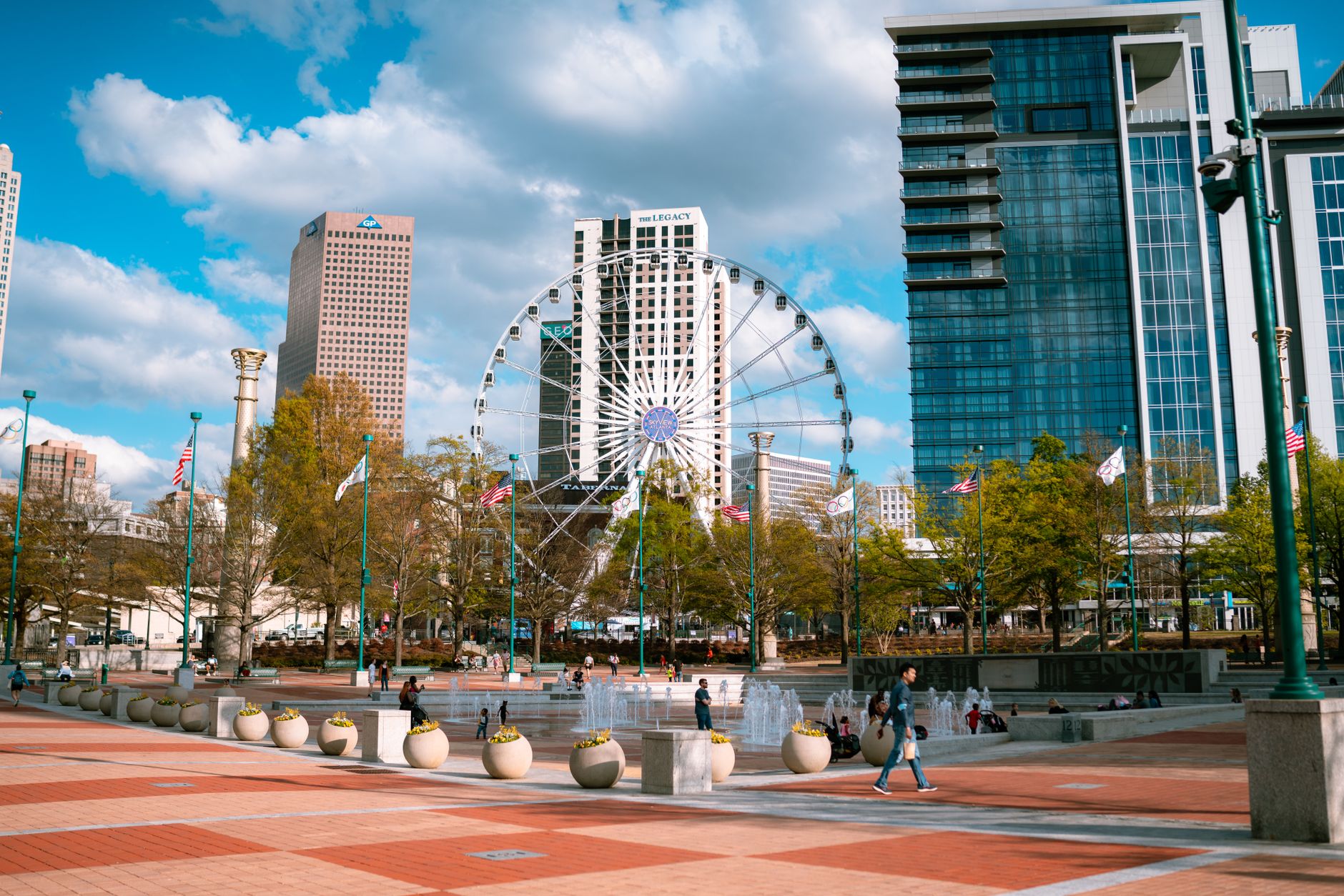
Three or four concrete reasons stand out. First, the museum cluster around Peachtree — Georgia Aquarium, World of Coca-Cola and the College Football Hall of Fame — lets a single day soak up large indoor attractions with short walks between them. Second, the Atlanta BeltLine and adjacent markets such as Krog Street Market and Ponce City Market let visitors experience neighborhood food, breweries and public art without long drives. Third, modern civil-rights sites such as Martin Luther King Jr. National Historical Park and the Sweet Auburn district offer history that connects directly to physical places like the King birth home and Ebenezer Baptist Church. Finally, the skyline and stadium precincts (Mercedes-Benz Stadium and Centennial Olympic Park) are worth a visit for sports fans and urban planners studying recent redevelopment.
Quick Planning Tips
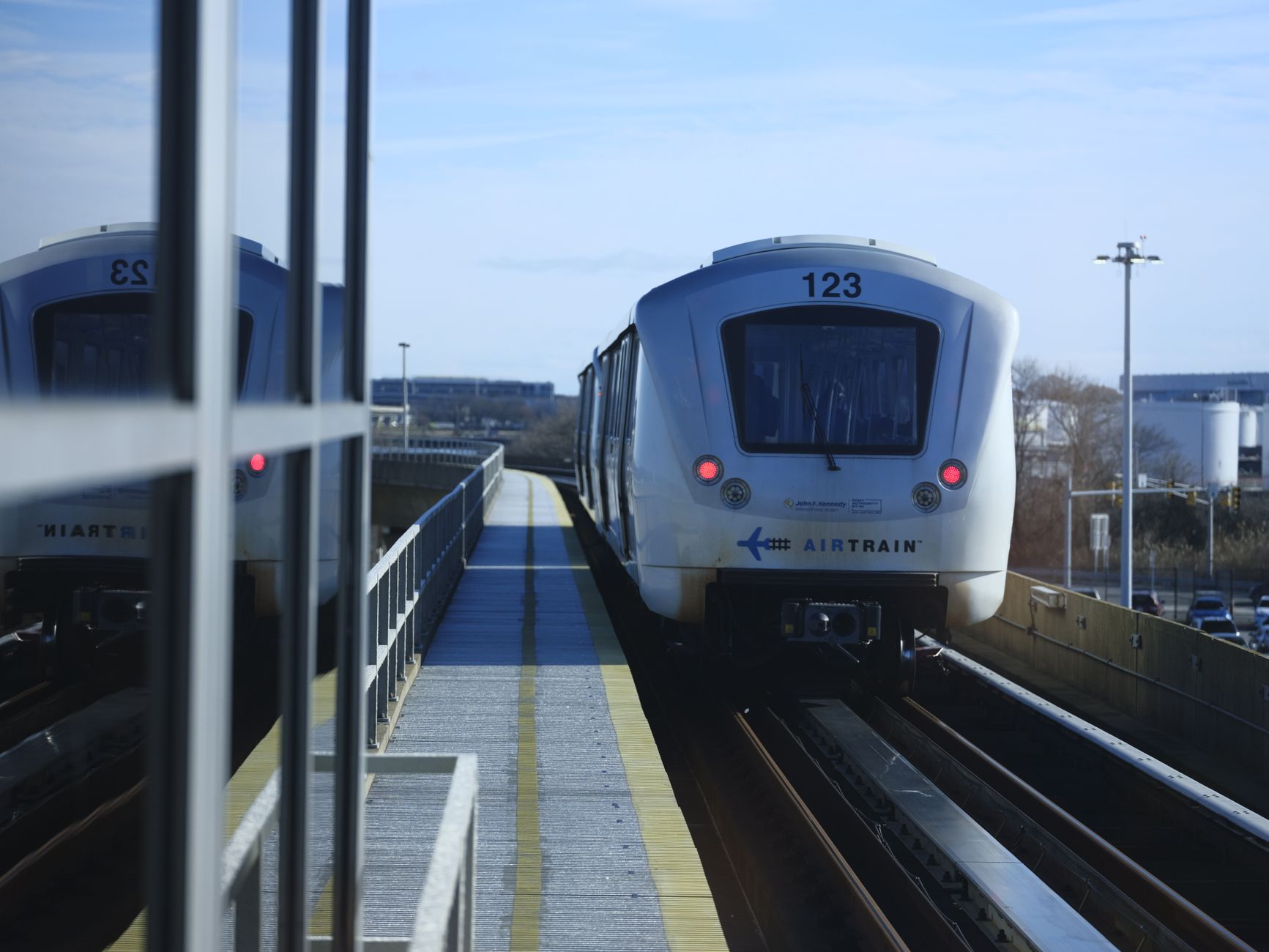
Fly into Hartsfield-Jackson Atlanta International Airport and take MARTA rail from the airport station — trains run frequently and cost the same as any single ride (around $2.50). Download the Breeze Mobile app or buy a Breeze Card at vending machines to avoid cash hassles; taxis, rideshares and airport shuttle desks are available but traffic can add 30–60 minutes to road transfers. Cash is fine for small purchases, but most places take cards; contactless payments are widespread. One planning mistake to avoid is cramming too many distant sites into one day; allocate one day to downtown museums and one to a single neighborhood cluster to keep transit time reasonable.
Day 1
Morning: Start at Centennial Olympic Park, a short walk from Five Points MARTA station. From the park, walk 5–10 minutes to Georgia Aquarium (adult admission typically around $40) and plan 2–3 hours there. Adjacent to the aquarium is World of Coca-Cola (tickets roughly $18–$25); combine these two for a concentrated downtown museum day.
Lunch: Grab a quick, classic stop at The Varsity (35 Ivan Allen Jr Blvd) for a chili dog and frosted orange; expect a 10–20 minute visit. Afternoon: Walk 10 minutes to the CNN Center for an optional studio tour (around $17) or cross over to the College Football Hall of Fame if interested in sports displays. From there, take MARTA one stop north to Midtown (Arts Center station) and walk 10 minutes to the High Museum of Art (adult admission about $16) and the surrounding Peachtree Street shops.
Evening: Dinner options include Mary Mac’s Tea Room for Southern-style plates (fried chicken, collards; mains $15–$25). End the night with a show at the Fox Theatre or a rooftop bar in Midtown, both within a short taxi or MARTA ride.

Day 2
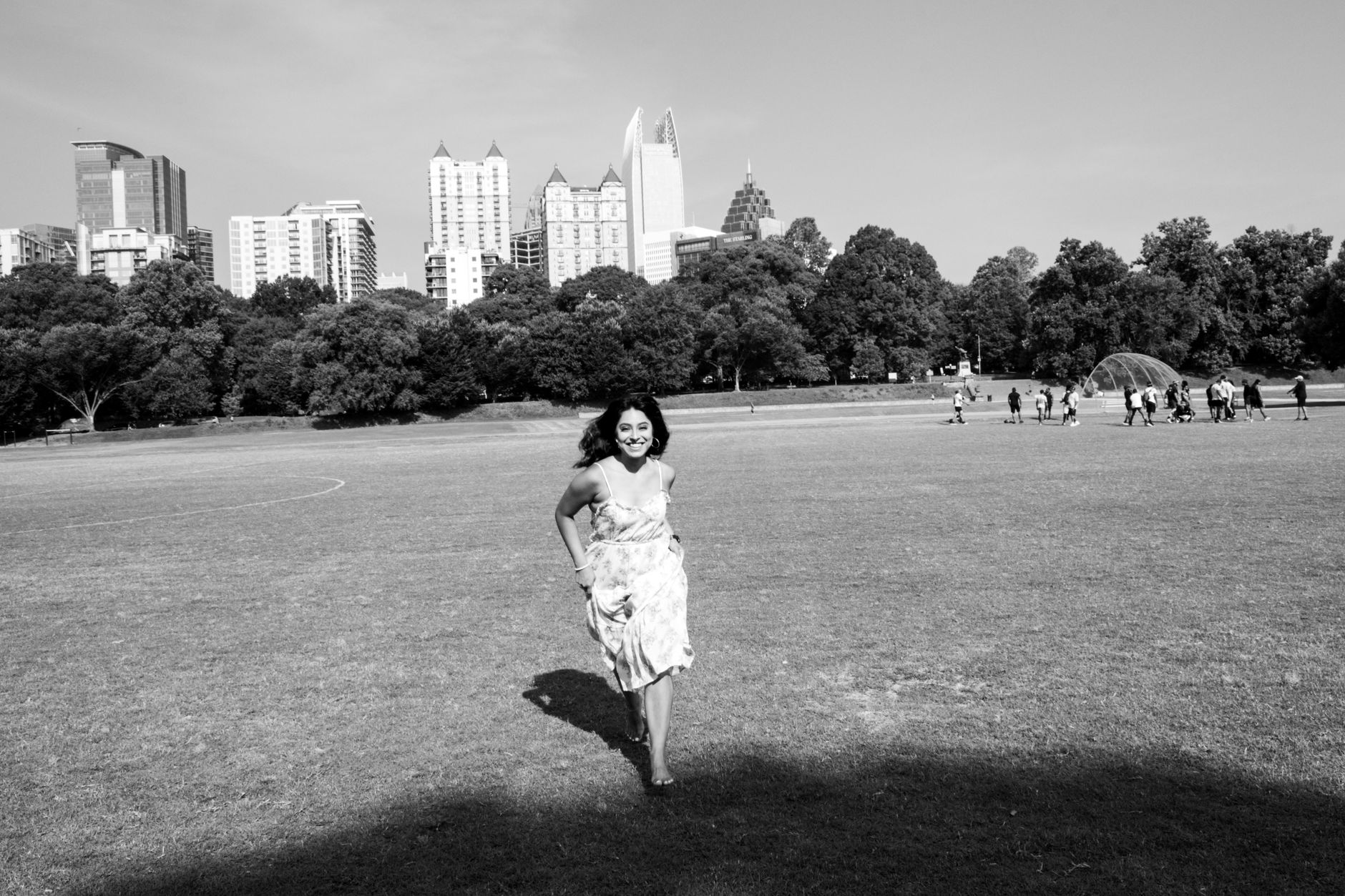
Morning: Start in Piedmont Park — enter via 14th Street or from Midtown and stroll toward the Park Tavern area; plan 45–60 minutes for a relaxed walk and skyline views. From the park, access the BeltLine Eastside Trail and walk or bike toward Ponce City Market (roughly 20–30 minutes by foot from the northern end of the park) passing the Midtown skyline.
Lunch: Eat at Ponce City Market Central Food Hall where options range from international small plates to burgers; expect lines at popular stalls so arrive before noon or after 1:30pm. Afternoon: Walk 10 minutes to Krog Street Market and the Krog Street Tunnel for murals and small vendors, or take a 10–15 minute rideshare to the Sweet Auburn/Old Fourth Ward area for the MLK Jr. National Historical Park (free entry to the park sites) and the Auburn Avenue retail corridor.
Evening: For dinner, choose a grill or barbecue spot in Inman Park or Old Fourth Ward such as Fox Bros. Bar-B-Q in Candler Park area (arrive early on weekends). Finish the night with a BeltLine stroll or a brewery stop in Reynoldstown; expect louder, active crowds closer to Ponce and Krog on weekend nights.
Day 3
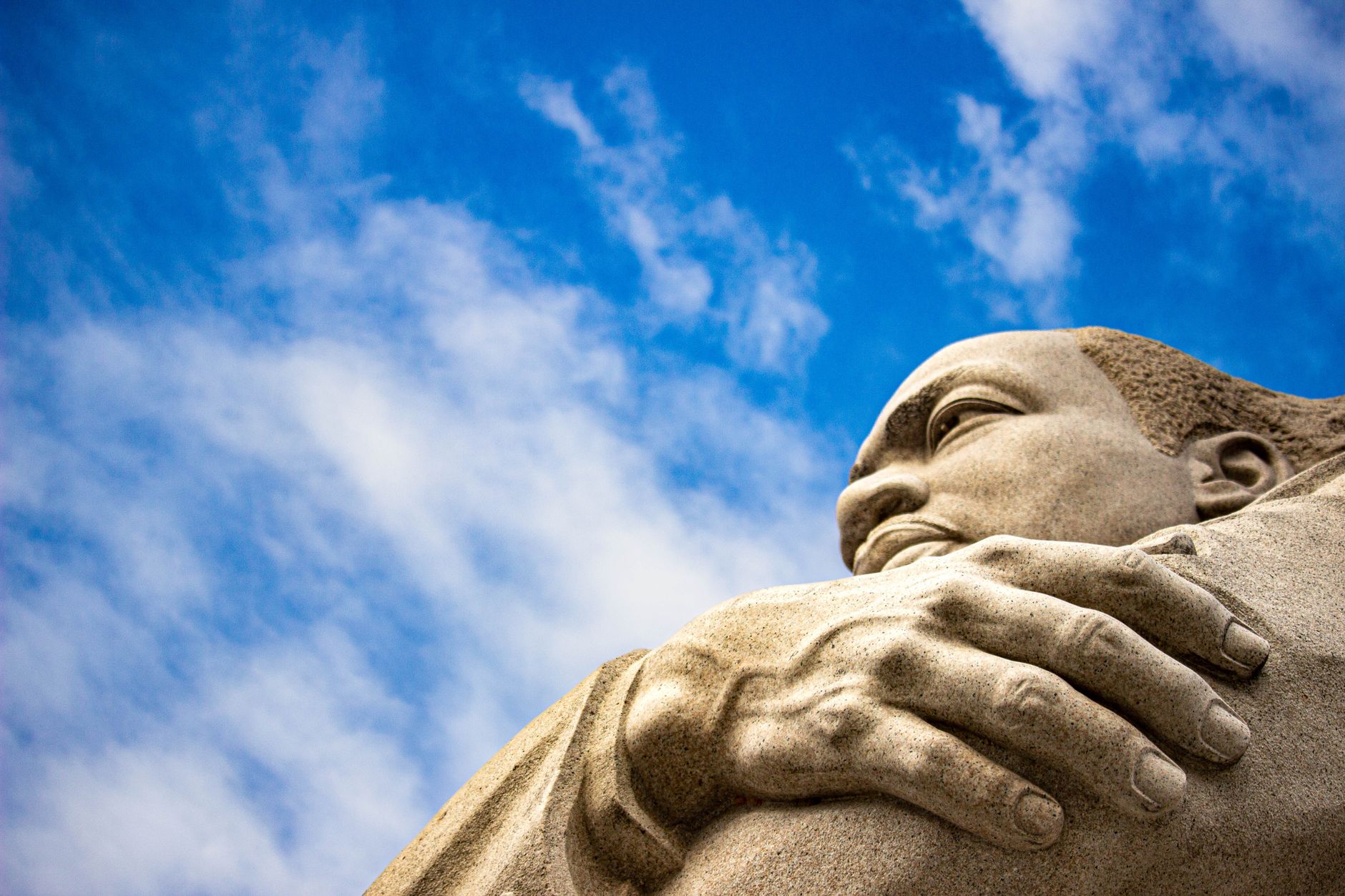
Morning: Visit the Martin Luther King Jr. National Historical Park in Sweet Auburn; allow 1–1.5 hours to see the birth home, visitor center and Ebenezer Baptist Church. Walk 10 minutes to Oakland Cemetery to see historic graves, sculpture and the city views from the garden terraces; guided tours are available and the cemetery is a good spot for photos.
Lunch: Try a Southern-style lunch in the Old Fourth Ward — options near Edgewood Avenue and Krog Street Market include sandwiches and small-plate venues; budget $12–20. Afternoon: Head west to the Westside Provisions District to see a different redevelopment model: boutiques, meat markets and an easier parking layout. From there, allow time to get to Buckhead if interested in upscale shopping or the Atlanta History Center (in Buckhead) for about 90 minutes of exhibits.
Practical travel note: For an afternoon flight, plan to leave downtown at least 60–75 minutes before departure if using rideshare; MARTA from Five Points to the airport is roughly 20 minutes on the train but add check-in and security time at the airport.
Best Local Experiences
Five experiences are worth prioritizing beyond standard museum visits. 1) Ponce City Market Central Food Hall for a concentrated sampling of local chefs and a rooftop view of the BeltLine. 2) BeltLine Eastside Trail walking or biking between Piedmont Park and Krog Street Market for public art and brewery stops. 3) A Sweet Auburn visit — the King National Historical Park and nearby Auburn Avenue retail show civil-rights geography tied to place. 4) Krog Street Market and the Krog Street Tunnel for murals, casual vendors and evening crowds. 5) A Falcons or Atlanta United match at Mercedes-Benz Stadium or a Braves game at Truist Park for major-league event logistics and the stadium precinct atmosphere. Each is specific to the urban pattern and culture here and requires different arrival or ticket plans.
Where to Stay
Midtown: Suited to museum-goers and first-time visitors who want walkable access to the High Museum and Piedmont Park. Close to Arts Center and Midtown MARTA stations. Typical nightly rates: $150–$300 (≈€138–€276).
Old Fourth Ward / Inman Park: Best for food-focused visitors who want easy BeltLine access, Ponce City Market and Krog Street Market. More boutique hotel and short-term rental options; expect $120–$220 per night (≈€110–€203).
Buckhead: Suited to travelers wanting upscale shopping, the Atlanta History Center and quieter hotel campuses. Good if renting a car; rates vary $160–$350 per night (≈€147–€322).
Food and Drink
Sweet tea: A sweetened iced tea often served very sweet; order 'unsweet' if preferred. Available everywhere, expect $2–4. Fried chicken (Mary Mac’s Tea Room or Busy Bee Cafe): Classic pan-fried or pressure-fried plates with collards and mac-and-cheese, mains $12–25. Barbecue (Fox Bros. Bar-B-Q): Tomato-based brisket and pulled pork with southern sides; entrees $14–25. Peach cobbler or peach pie: Georgia peaches show up mid-summer; expect $5–8 at bakeries and cafes. Street-food and classic fast-food: The Varsity for chili dogs and onion rings is cheap and iconic; combos $6–10. For a unique tasting, the World of Coca-Cola offers beverage samples from around the world (included with ticket).
Getting Around
The backbone of transit is MARTA rail (Red and Gold lines run north-south; Blue and Green run east-west) with Five Points as the central transfer hub. Buy a Breeze Card or use Breeze Mobile; single rail/bus rides are $2.50 and a 1-day pass is around $5. The Atlanta Streetcar serves parts of downtown and provides a short link between Centennial Olympic Park and more eastern blocks; fares are lower but slower than MARTA rail.
BeltLine sections are best covered on foot, by rental bike or scooter — Relay Bike Share and dockless scooters operate in central neighborhoods. Taxis, Uber and Lyft are widely used; expect $25–40 for an airport ride off-peak and $35–50 during busy times. Useful apps: MARTA On the Go or Breeze Mobile for passes, Google Maps or Transit for routing, and ParkMobile/PayByPhone for many on-street parking meters.
Best Time to Visit
Spring (March–May) is arguably the best balance of weather and crowds: highs 65–80°F (18–27°C) and events like the Atlanta Dogwood Festival and milder humidity. Summer (June–August) brings high heat and humidity with temps commonly 80–95°F (27–35°C) and afternoon thunderstorms; expect higher hotel rates around major events. Fall (September–November) cools into the 60s–75°F (15–24°C) range with lower humidity and good value after Labor Day. Winter (December–February) is mild to cool with 35–55°F (2–13°C); this is lowest crowd and best-value season unless a major sports event is scheduled.
Budget and Practical Tips
A realistic moderate daily budget for one traveler: Accommodation $120–180 (≈€110–€166), food $40–60 (≈€37–€55), transport $10–20 (≈€9–€18), entry fees $20–50 (≈€18–€46). That totals about $190–310 per day (≈€175–€285) depending on hotel choice and attractions. Budget travelers can reduce costs by using MARTA ($2.50 per ride) and prioritizing free sites like Piedmont Park and the MLK park sites.
Tipping: Restaurant tables typically get 15–20% service; add 1–2 USD per drink at bars if no service charge. Rideshares usually get rounded tips of 10–15% if service is good. Carry a small amount of cash for markets and some parking meters, but cards and contactless payments work most places.
FAQ
Is Atlanta safe for tourists?
Most central neighborhoods visited by tourists are generally safe during daytime; stay aware of surroundings at night, avoid poorly lit side streets and keep belongings secure. Follow local guidance and check hotel advisories for neighborhood-specific notes.
How do I get from the airport to downtown cheaply?
The cheapest reliable option is MARTA rail from the airport station to Five Points or other downtown stations for the single-ride fare (about $2.50). Rideshares and taxis are faster door-to-door in off-peak times but cost $25–45 depending on destination and surge pricing.
Is a CityPASS or attraction pass worth buying?
A Georgia or Atlanta CityPASS can save money if visiting Georgia Aquarium, World of Coca-Cola, and two or three other paid attractions within three days; run the math on current single-ticket prices and planned visits before buying.
Will MARTA get me everywhere I want to go?
MARTA rail covers key corridors but several popular neighborhoods (Virginia-Highland, many Buckhead pockets, Westside areas) need a short rideshare or bus connection. Plan first/last miles accordingly.
Can day trips to Stone Mountain or Chattanooga be done from here?
Stone Mountain is doable as a half-day to full-day trip by car (25–35 minutes without traffic); Chattanooga is better as an overnight or full-day drive (around 2 hours), not recommended for a rushed same-day return if on a 3-day schedule.
What apps should be downloaded before arrival?
Breeze Mobile for MARTA and stored fares, Google Maps or Transit for routing, Lyft or Uber for rideshares, and ParkMobile/PayByPhone for on-street parking. These cover most urban transport needs.
Are there free things to do?
Yes: walking Piedmont Park, visiting the Martin Luther King Jr. National Historical Park grounds, sightseeing around Centennial Olympic Park and browsing Krog Street Tunnel murals are free.
Conclusion
Three days here gives a compact, accurate feel for the city when time is organized by neighborhood clusters rather than a scattershot attraction list. The clearest memories will be a BeltLine walk, the scale of the Georgia Aquarium and an evening neighborhood meal — those three convey the range of urban life and food. If time runs short, prioritize one museum day (Aquarium + World of Coca-Cola) and one neighborhood (Ponce City Market and the BeltLine) rather than squeezing in distant attractions; that keeps transit time low and experience high.
How this guide was prepared
This guide was prepared through a structured research that combines destination research, geographic context, itinerary planning logic, and content review.