

3-Day Practical Guide to Cascais, Portugal
A concise, realistic 3-day plan for Cascais with transit tips, neighbourhood advice, realistic costs and must-see sights for a weekend visit.
A clear, no-nonsense 72-hour plan for Cascais that balances coastline, museums and neighbourhood strolls with realistic transport, food and budget advice.
First impressions are usually: compact town centre, wide promenades and Atlantic surf a short walk away. Streets around Praça 5 de Outubro feel small-scale and often busy in summer; traffic and tour groups concentrate on the marina and Boca do Inferno at sunset. The place suits travelers who prefer daytime exploration, seafood meals and coastal walks over late-night clubbing. Expect straightforward English in shops and a mix of day-trippers and longer-stay visitors sharing the same narrow streets.
Is 3 days in Cascais enough?
Three days do enough to see the main beaches, two museums, the historic centre and a half-day trip to Guincho or Sintra. The caveat: dining at top seafood places and a relaxed beach day cannot both be done in depth if travel time to or from Lisbon cuts into the schedule.
Who This Guide Is For
Best for travelers who want a coastal short break with museums, seafood and easy rail access from Lisbon; less suitable for those seeking nightlife clubbing or a long surf-only holiday.
Local Tips for Cascais
Practical details that most travel sites skip — specific to Cascais.
- Take the Linha de Cascais commuter train from Lisboa Cais do Sodré to Cascais; one-way fare is roughly €2.25 and trains run about every 20–30 minutes.
- Buy a Viva Viagem card at the train station ticket machines to use on CP suburban trains and local buses; it avoids paper tickets and supports single fares and stored credit.
- Casa das Histórias Paula Rego closes on Mondays; plan museum visits Tue–Sun and expect a small entry fee around €5–€7 if buying on-site.
- Santini ice cream near Praça 5 de Outubro is very popular; expect queues in summer and single scoops cost about €3–€4.
- Scotturb runs buses from the Cascais bus terminal toward Guincho and Sintra; frequencies fall off outside summer, so check timetables before planning a day trip.
How This Guide Was Prepared
Cascais is a compact Atlantic town where beach culture, old fishing-port streets and 20th-century seaside aristocracy meet. Many guides overplay the 'luxury resort' side or treat Cascais as an easy day trip from Lisbon; this guide treats it as a standalone short break with a realistic pace, local transit habits and honest warnings about peak-season crowds and overpriced marina restaurants. This guide was prepared through a structured research that combines destination research, geographic context, itinerary planning logic, and content review.
Plan Your Stay in Cascais
Use this itinerary as your starting point, then compare areas to stay, transport options, seasonal timing, and realistic daily costs before booking.
Why Visit
Good reasons include an accessible Atlantic coastline with a short train ride from Lisbon via Linha de Cascais and easily walkable centre streets. There are small but focused museums like Museu Condes de Castro Guimarães and Casa das Histórias Paula Rego that cover local art and maritime history without museum fatigue. Outdoor options are unusually close: Praia da Rainha and Praia da Ribeira in town, then dramatic sea cliffs at Boca do Inferno and surf-friendly Praia do Guincho just a short bus or taxi away. The town also works as a low-stress base for a half-day trip to Sintra or an evening at Casino Estoril without changing hotels.

Quick Planning Tips
Main arrival is by Linha de Cascais from Lisboa Cais do Sodré; trains are frequent and reliable, making a car unnecessary for a three-day stay. Buy a Viva Viagem card at the train station for both trains and local Scotturb buses; it simplifies fares and avoids paper tickets. Avoid the planning mistake of booking dinner at the marina for every night: prices spike there and reservations are often required in July and August. Pack a light wind layer even in summer—Atlantic breezes can make evenings cool near the water.

Day 1
Start at Praça 5 de Outubro and walk the old town streets toward Cascais Marina; expect a 5–10 minute stroll between the square and the marina. Next visit Museu Condes de Castro Guimarães on Avenida Rei Humberto II de Itália—plan 45–60 minutes to see the house, grounds and small exhibitions; entry is roughly €5. From the museum walk (10 minutes) to Farol de Santa Marta and the seaside promenade for coastal views and photo stops. Continue west along the promenade to Boca do Inferno, about 15 minutes on foot from the lighthouse; arrive early if aiming for the cliffs at sunset to avoid crowds. Lunch option: Mercado da Vila for fresh fish, small plates and market stalls—look for grilled fish stands and basic mains around €8–€15. Dinner recommendation: Mar do Inferno (a 12–15 minute walk west from the marina) for seafood platters; expect mains €18–€35. Evening: a relaxed stroll along the promenade or a drink at a small bar near Rua Frederico Arouca.

Day 2
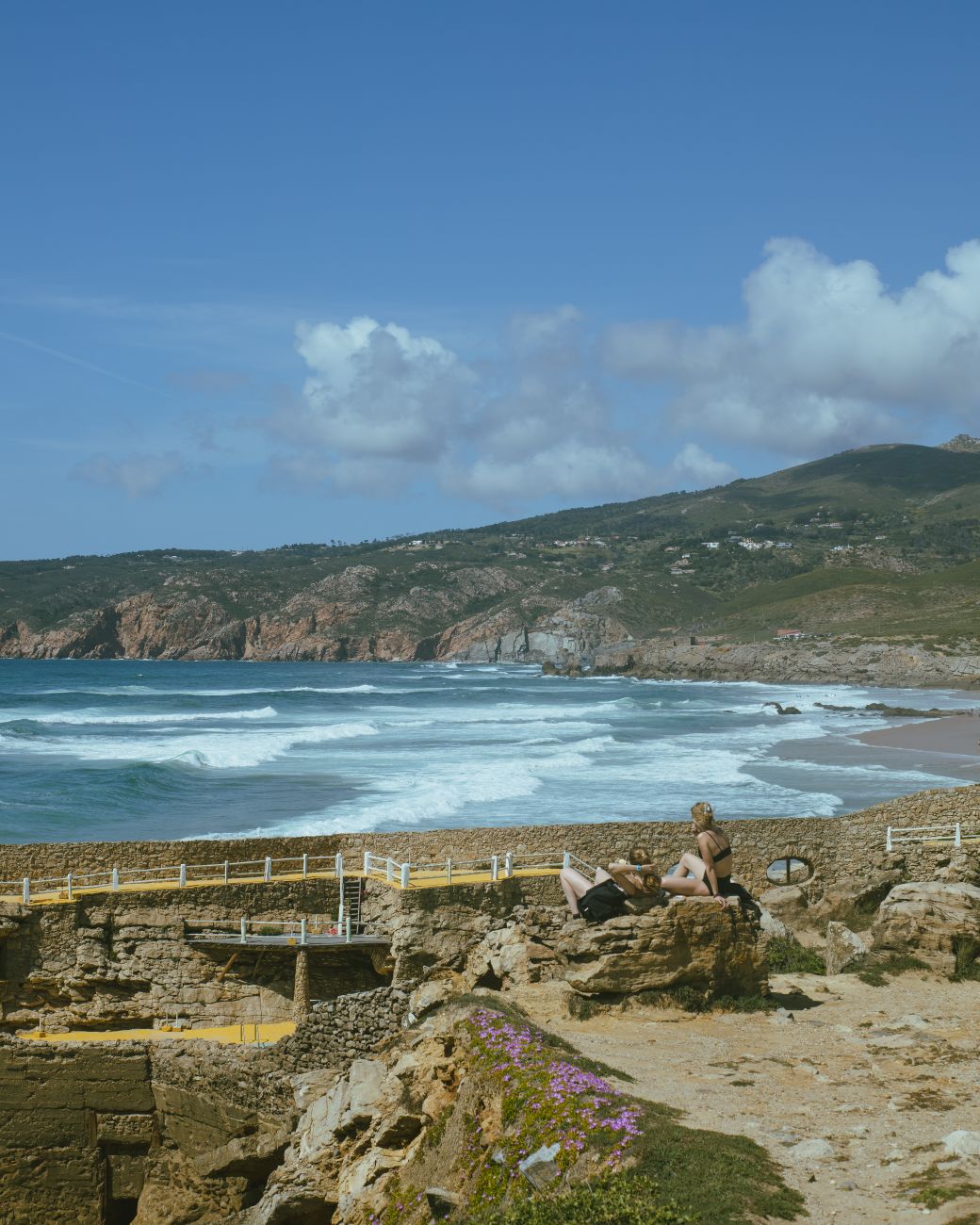
Spend the morning heading to Praia do Guincho for wind and waves; take a short Scotturb bus or a 15–20 minute taxi ride from the centre. Guincho suits surfers and walkers; bring windproof layers and check conditions—it can be windy even on warm days. Return toward Quinta da Marinha for a quieter coastal walk and a look at the golf-course coastline; a taxi between Guincho and Quinta da Marinha is about 10–15 minutes. Afternoon: visit Casa das Histórias Paula Rego in the Estoril/Cascais boundary to see Paula Rego's work; set aside 60–90 minutes and book ahead in high season. Finish with an evening in Estoril if desired: Casino Estoril is a 5–10 minute train ride from Cascais station and offers late-night options without a long trip back.
Day 3
Use the morning for a slower pace: Praia da Rainha or Praia da Ribeira are a 5–10 minute walk from the town centre and are best earlier in the day before tour buses arrive. After the beach, visit Museu do Mar Rei D. Carlos near the marina to learn about local fishing and ocean collections; allow 45–60 minutes. Midday: check out local shops along Rua da Misericórdia and snack on Santini gelato near the square. Practical note for departures: if catching an afternoon flight, head to Lisboa Cais do Sodré by train and allow 45–60 minutes for transfer plus the Lisbon Metro or a taxi to the airport; trains depart roughly every 20–30 minutes so plan buffer time. If there’s spare time, a short bike rental along the promenade or a last seafood lunch near Parque Marechal Carmona closes the trip.

Best Local Experiences
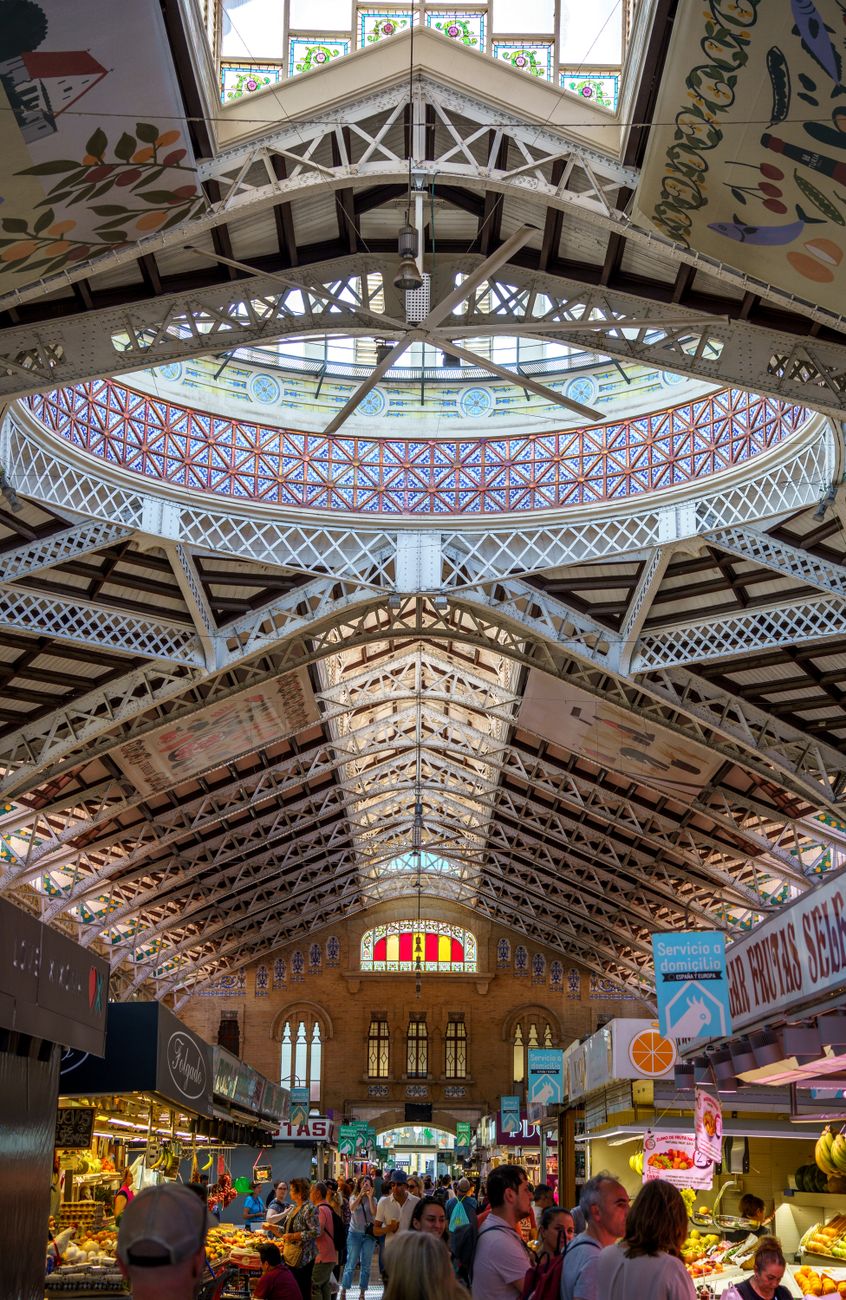
Market and food: Mercado da Vila for fresh fish stalls, produce and casual plates in the town centre. Coastal walks: the promenade from Cascais Marina to Boca do Inferno and past Farol de Santa Marta provides easy seaside walking without needing a car. Surf and wind sports: Praia do Guincho for experienced surfers and kitesurfers; lessons and rentals available in summer. Small museums: Casa das Histórias Paula Rego and Museu Condes de Castro Guimarães both offer curated collections and short visits under two hours. Local events and nightlife: check local listings for concerts at Parque Marechal Carmona and seasonal festivals on Avenida Valbom; in summer the marina area hosts food and music pop-ups. Other notable spots: Cascais Marina for boat-watching and charter pick-ups, and Estoril Casino for late-night entertainment a short train ride away.
Where to Stay
Centro Histórico (Praça 5 de Outubro area) suits first-timers who want short walks to museums, restaurants and the marina; budget guesthouses from about €70–€120/night (≈$75–$130), mid-range €120–€180/night (≈$130–$195). Estoril and Monte Estoril suit travelers who prefer quieter evenings and easy access to Casino Estoril and the railway; expect hotels from €70–€150/night (≈$75–$160). Guia and Quinta da Marinha are for higher-budget stays, coastal villas and golf hotels near Guincho; prices roughly €150–€300/night (≈$165–$320). Booking early for July–August avoids steep price increases and ensures sea-view rooms at reasonable rates.
Food and Drink
Breakfast: Pastel de nata and coffee at a local pastelaria—expect €1.10–€1.80 for a pasteis de nata and espresso combo; Santini also offers pastries and famous gelato for a morning treat. Street food/snacks: fresh grilled sardines or espetada (skewer) at market stalls and small cafes; market plates typically €6–€12. Seafood specialties: arroz de marisco (seafood rice) and caldeirada (fish stew) at sit-down restaurants—mid-range portions €12–€25. Fried cuttlefish (choco frito) is common on menus—look for it in family-run seafood restaurants around the marina and Rua Serpa Pinto, prices €10–€18. Drinks: Portuguese vinho verde and regional white wines pair well with seafood; a glass usually €3.50–€6 at local restaurants. Dinner recommendation: go to Mar do Inferno or similar seafront restaurants for a seafood platter; book ahead in high season.
Getting Around
Linha de Cascais suburban trains (Cais do Sodré ↔ Cascais) are the backbone for arrivals and trips to Lisbon; one-way fare about €2.25. Local buses run from the Cascais bus terminal and are operated by Scotturb for routes toward Guincho and Sintra; frequency is highest in summer. Use a Viva Viagem or Lisboa Viva card to load credit for trains and buses; buy at station machines. Taxi or rideshare from Lisbon Airport to town is typically €40–€60 depending on traffic; a taxi from Cascais town centre to Guincho is around €12–€20. Recommended apps: Comboios de Portugal (CP) for train times, Scotturb timetables online, and Google Maps or Moovit for local connections.
Best Time to Visit
High season: July–August with warm temperatures around 22–28°C and busy beaches and museums; booking ahead is essential and prices peak. Shoulder seasons: May–June and September–October offer milder temperatures (16–22°C), fewer crowds and better value on accommodation. Low season: November–March is cooler (10–16°C), windier and some beachfront vendors close; museums and restaurants remain open but with reduced hours. For the best balance of weather, value and crowd levels, aim for late May–early June or September.
Budget and Practical Tips
A realistic daily budget for a mid-range traveler: accommodation €90–€160/night (~$95–$170), food €25–€45 (~$26–$48), local transport €4–€8 (~$4–$8), attraction entries €5–€15 (~$5–$16). Example low-budget day: €50–€80 (~$52–$85) using a hostel or budget guesthouse, market lunches and train travel. Tipping: service charges are not automatic; rounding up or leaving 5–10% in restaurants for good service is customary but not expected. Carry a mix of card and small cash; most places accept contactless cards but small cafes and market stalls may prefer cash. Bring sun protection and a wind layer for Atlantic afternoons.
FAQ
How safe is Cascais for solo travelers?
Cascais is generally safe with low violent crime; petty theft like bag snatching and pickpocketing can occur in crowded tourist spots—keep valuables secure.
Is public transport good enough to skip renting a car?
Yes — the Linha de Cascais train and Scotturb buses cover the main points; a car is useful only for remote coastal exploration or flexible inland trips.
Is a Cascais tourist card or pass worth buying?
There is no single 'Cascais city card' that covers most attractions; pay-per-entry is common and museum fees are modest, so a pass rarely saves money.
Can a day trip to Sintra be done from Cascais?
Yes — trains to Sintra require a transfer in Lisbon or a bus connection; allow a full day as travel plus Sintra's sites take time.
Are beaches lifeguarded year-round?
Main town beaches have seasonal lifeguards (peak summer); Guincho and other open beaches may be ungarded off-season and can have strong currents.
How late do restaurants and museums open?
Museums typically close between 17:00–18:00 and close one weekday (often Monday); restaurants stay open later, especially in summer, but check hours outside peak season.
Conclusion
A three-day stay will leave the coastline, a couple of museums and the town centre well covered without the stress of rushing. Most travelers will remember the coastal walks, a standout seafood meal and the contrast between calm town beaches and the wildness of Guincho. If time runs short, prioritise a morning at Boca do Inferno and a seafood lunch at a local market or Mar do Inferno—those two elements capture the place efficiently.
How this guide was prepared
This guide was prepared through a structured research that combines destination research, geographic context, itinerary planning logic, and content review.