
Practical 3-Day Catania Itinerary: Markets, Baroque, Etna
Plan three realistic days in Catania: where to eat, which museums to skip, transport from Fontanarossa and an Etna day trip.
A clear, no-nonsense 72-hour plan for Catania that balances the baroque centre, the morning fish market, and a sensible Mount Etna outing with real costs and transit tips.
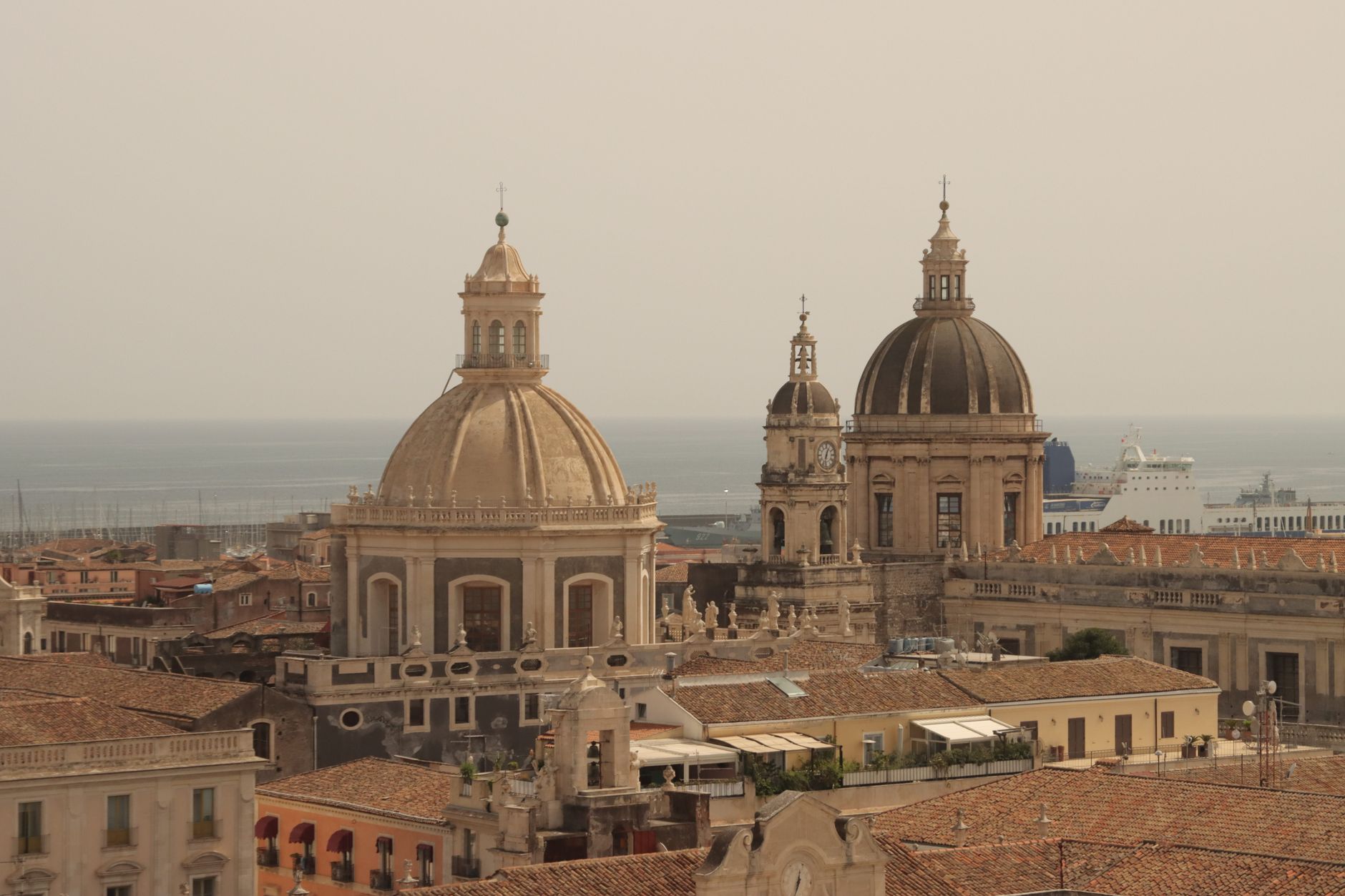
First impressions are likely to be a mix: loud scooters, dark lava stone facades, and sudden squares with ornate baroque façades. Streets near Piazza del Duomo feel compressed and energetic; markets set a morning tempo that spills into cafés and small trattorie.
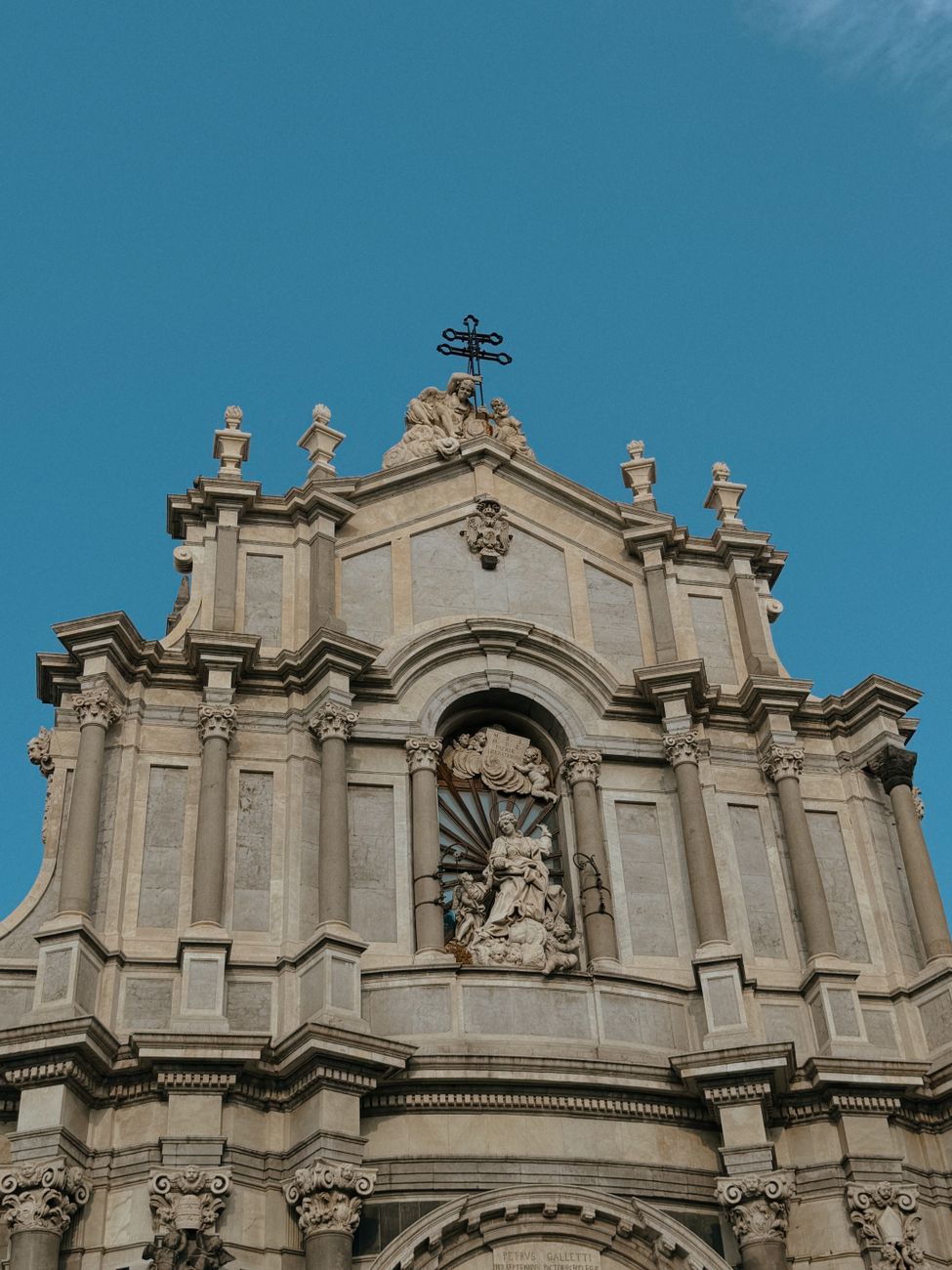
Expect rough edges: cracked pavements, busy traffic and a strong scent of fish near the harbour area, balanced by impressive monuments like the Duomo di Sant'Agata and long views up Via Etnea toward Etna. The best fit is for travellers who want food markets, architecture and one active mountain day rather than those seeking quiet beaches or a museum-heavy itinerary.
Crowds concentrate in the historic core and on summer weekends along La Playa; during festival dates such as the Feast of Sant'Agata the centre can become extremely congested, so plan accommodation and transit well in advance.
Is 3 days in Catania enough?
Yes: three days give a solid feel for central Catania and one properly timed Etna excursion. Expect to skip detailed museum-by-museum study and some slower-paced seaside towns unless an extra day is added.
Who This Guide Is For
Best for travellers who like food markets, baroque streets and an active day on Etna; not ideal for visitors who want a beach holiday or a deep archaeological survey of eastern Sicily on the same trip.
Local Tips for Catania
Practical details that most travel sites skip — specific to Catania.
- Catch the Alibus shuttle at Aeroporto Fontanarossa to Catania Centrale for about €4 one-way; buy the ticket from the machine or driver and keep it for validation.
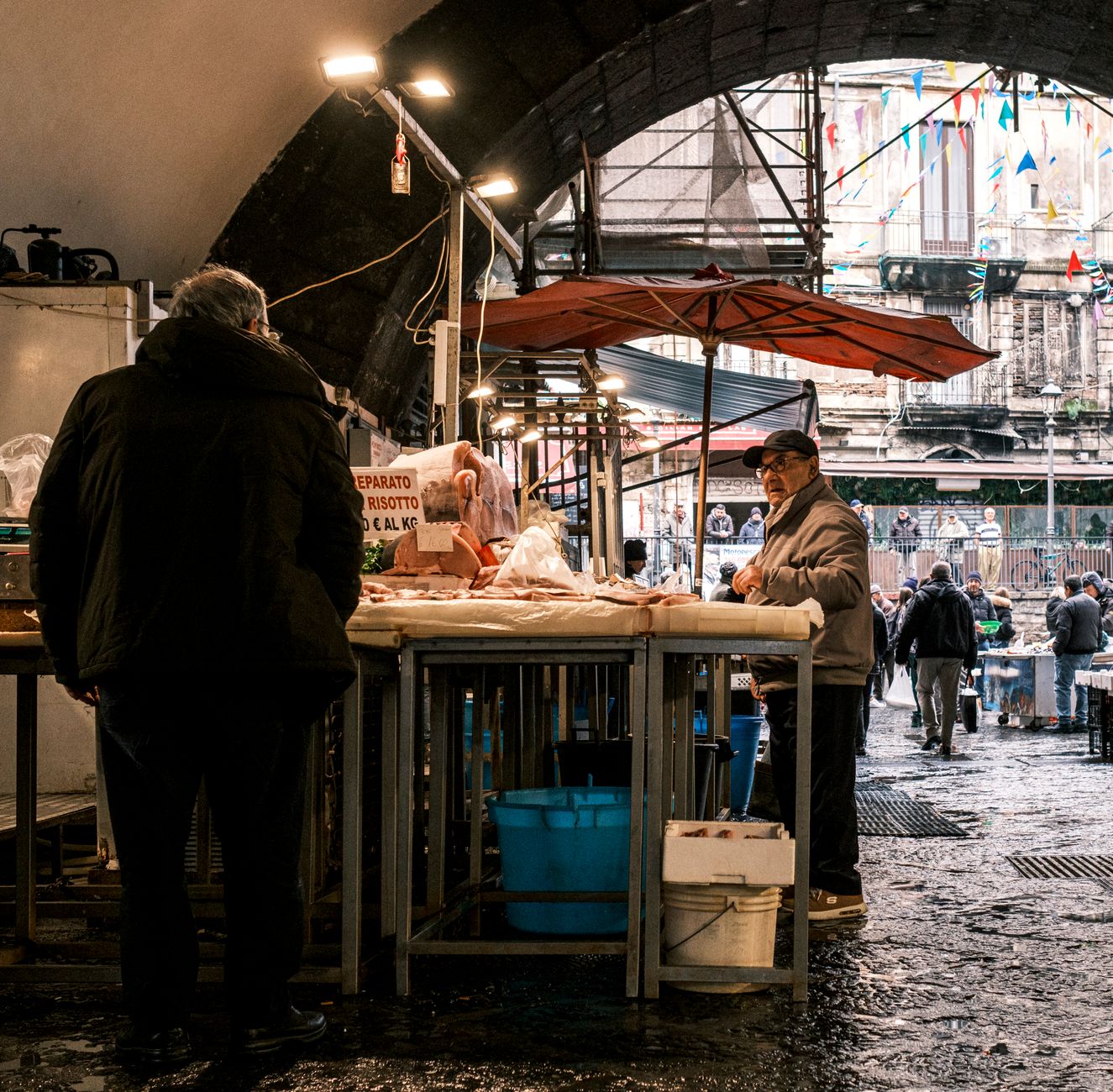
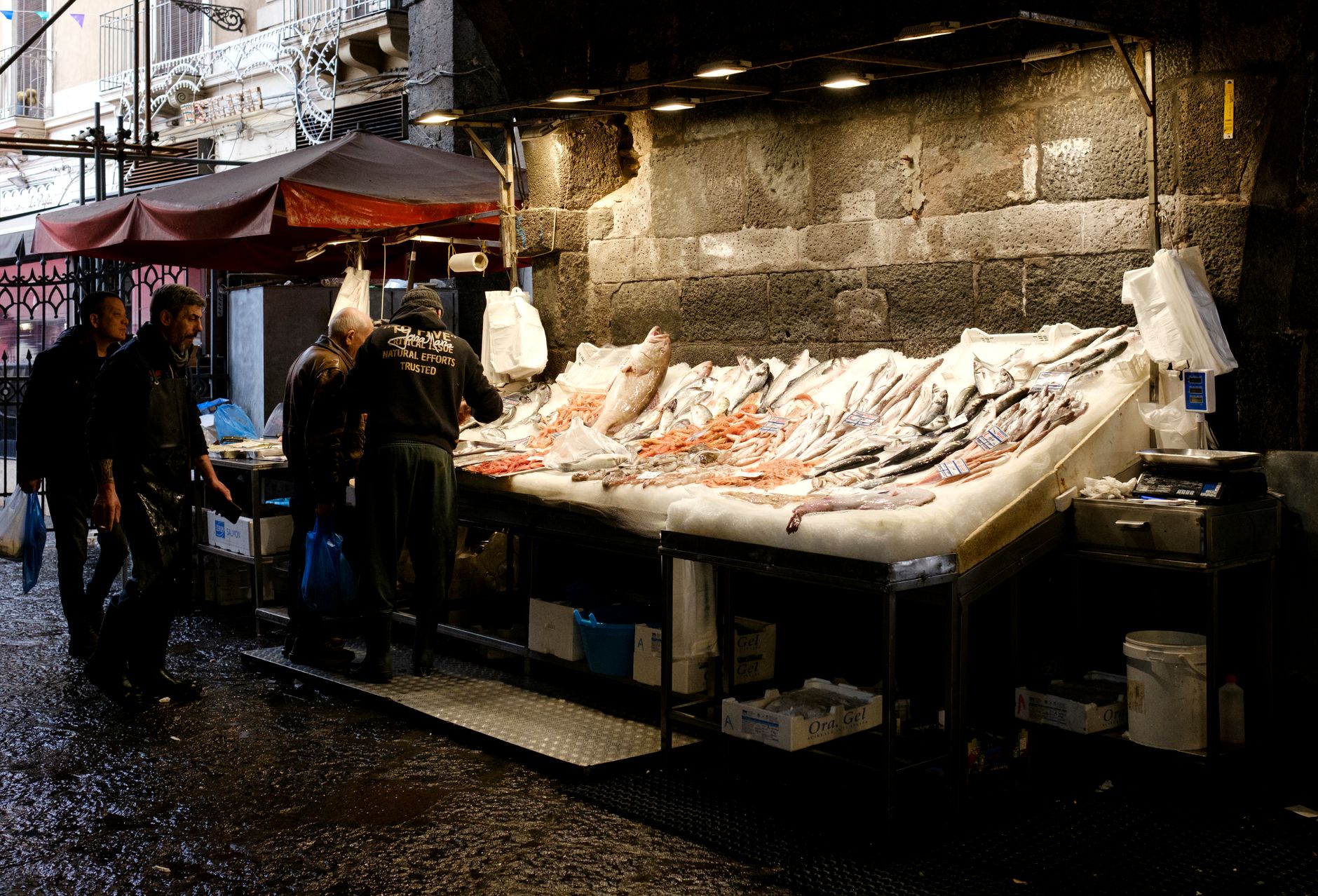
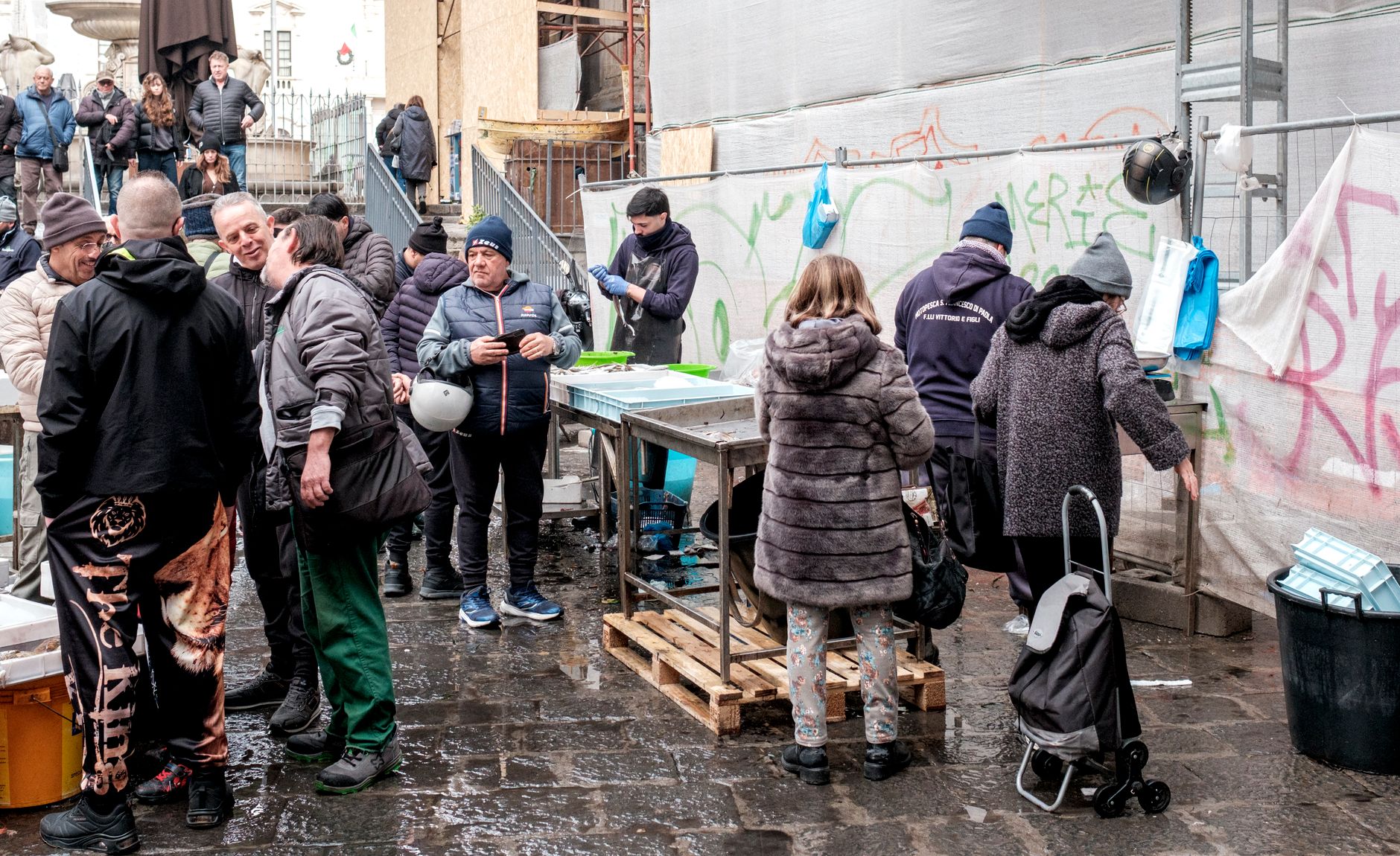
- La Pescheria fish market by Piazza del Duomo is busiest 7:00–10:00; arrive before 09:00 to see the auctions and buy fresh catch for immediate cooking or nearby eateries.
- Buy Ferrovia Circumetnea (FCE) regional tickets at Catania Centrale or the FCE app for trips around Etna; single segments to towns like Giarre cost roughly €3–€6 depending on distance.
- Many municipal museums and smaller sites close on Monday; plan major museum visits for Tuesday–Sunday to avoid disappointment.
- Local bars and trattorie often add a coperto (cover charge) of €1–€3 per person; check the menu price but expect to tip only small change for table service.
How This Guide Was Prepared
This guide treats Catania as a working southern Italian city rather than a postcard: expect loud streets, volcanic stone architecture and food markets that set the daily tempo. Many guides either over-romanticize the centre or push one-day Etna tours; this plan splits time so visitors see central monuments and still get a realistic, less rushed Etna experience. This guide was prepared through a structured research that combines destination research, geographic context, itinerary planning logic, and content review.
Plan Your Stay in Catania
Use this itinerary as your starting point, then compare areas to stay, transport options, seasonal timing, and realistic daily costs before booking.
Why Visit
Baroque architecture is concentrated within a compact radius around Via Etnea and Piazza del Duomo, where lava stone was reshaped after the 1693 earthquake; walking this circuit is efficient and revealing. La Pescheria market next to the Duomo is a real working market with live fish auctions, seafood stalls and inexpensive snacks that show the city's relationship with the sea.
Mount Etna is immediately accessible as a day excursion and is not just a backdrop: the Ferrovia Circumetnea and multiple regional operators make it possible to combine a morning in town with an afternoon on the lower slopes. Local food mixes Sicilian and eastern Mediterranean flavours—pasta alla Norma and swordfish dishes are distinctive local plates not to be missed.
Value is another reason: accommodation and restaurant prices are often lower than Palermo or Taormina while offering quick connections to Siracusa and Ragusa for optional day trips.
Quick Planning Tips
From Aeroporto Fontanarossa, take the Alibus shuttle to Catania Centrale (about €4) or a taxi for roughly €20–€30 depending on time of day. Regional Trenitalia trains connect Catania Centrale with Siracusa and Messina; the Ferrovia Circumetnea (FCE) departs from its own platforms for towns around Etna.
Carry some cash for market purchases and tiny bars; credit cards are widely accepted at restaurants and hotels but small vendors and market stalls often prefer euros in hand. One planning mistake to avoid is scheduling major museum visits on a Monday, when many local museums and smaller sites are closed; check opening days in advance.

Day 1
Morning: Start at Piazza del Duomo to see Duomo di Sant'Agata and Fontana dell'Elefante. Walk through La Pescheria fish market next door for sensory overload and a coffee at a nearby bar. The market and square are adjacent; walking time between stalls and the cathedral is 1–3 minutes.
Late morning: Stroll up Via Etnea toward Teatro Massimo Bellini. Stop for photos of baroque façades and window-shop along Corso Italia; walking from Piazza del Duomo to Teatro Massimo Bellini takes about 8–12 minutes. Visit Teatro Massimo Bellini exterior and, if there is a short guided tour available, factor in 45–60 minutes (tickets around €8–€12 when available).
Lunch: Eat at Osteria Antica Marina or a seafood stall near La Pescheria for fresh grilled fish or a seafood pasta; expect €12–€25 per person. Afternoon: Walk 10–15 minutes to Castello Ursino and Museo Civico; allow 1–1.5 hours for the castle and exhibits (entry around €6–€8). From Castello Ursino it is a 15-minute stroll back to Piazza Stesicoro to see the Roman Amphitheatre ruins from street level.
Evening: Return to Via Etnea for a late-evening passeggiata and head up toward Giardino Bellini for sunset light. For dinner choose Me Cumpari Turiddu for a mid-range tasting menu experience (set menus roughly €30–€45) or a small trattoria in the pedestrian side streets.
Day 2
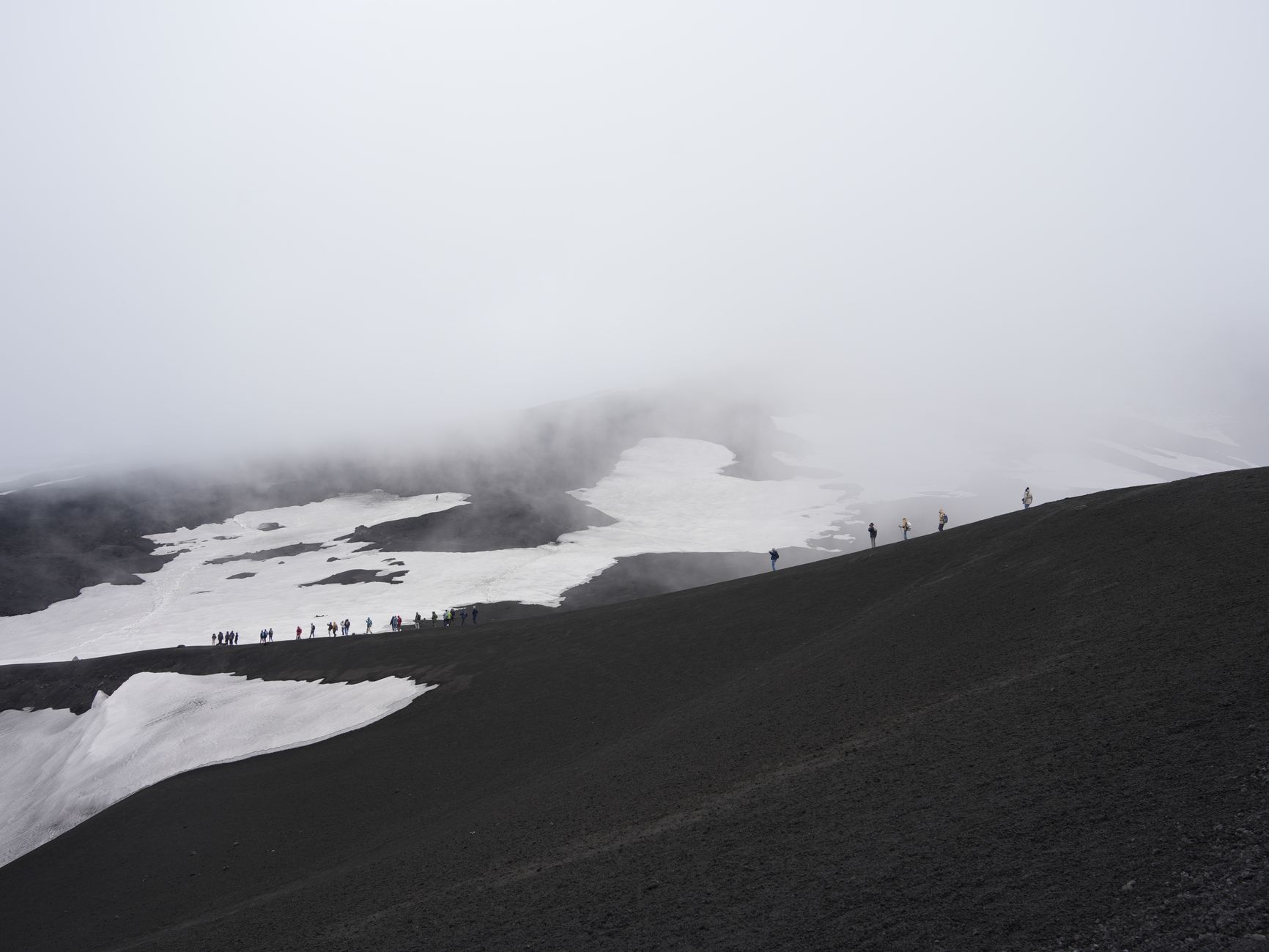
Morning: Book an early Etna excursion or take public transport to the lower slopes. For independent travel, take the Ferrovia Circumetnea (FCE) from Catania Centrale toward towns like Giarre or Riposto and change to a local bus or taxi for Nicolosi or Zafferana; travel time to Nicolosi or the main Etna access points can be about 50–90 minutes depending on connections.
Midday: Spend time at a marked trail or a rifugio for a straightforward walk on basalt trails and a lunch of rustic mountain cuisine (mountain trattorie offer antipasti and pasta for €10–€18). If joining a guided jeep or trekking tour, confirm pickup/drop-off logistics the day before and the exact meeting point in central Catania.
Afternoon: Return to town in the late afternoon and cool off with a gelato or granita at a café on Via Etnea. Visit the Monastero dei Benedettini (UNICT) — guided tours of the cloisters and frescoes run at scheduled times and are worth booking if available (entry or guided-tour fee around €6–€10).
Evening: Explore the Ognina neighbourhood or the Lungomare coastline for seafood dinner options by the sea; a taxi from the centre to the seafront takes 10–15 minutes and costs about €8–€12.
Day 3
Morning: Walk Via Crociferi to see Santa Maria della Purità and other baroque churches; this cluster is compact and rewarding, about 10 minutes on foot from Piazza del Duomo. Continue to the Roman Amphitheatre and the small Odeon near Piazza Stesicoro; combine both sites in a single 60–90 minute visit.
Late morning: Visit the Orto Botanico (Botanical Garden) near Via Etnea for a calmer, green contrast; it sits close to the university and takes about 45–60 minutes. If shopping is on the list, spend time on Via Etnea and the side streets for local ceramics and food shops.
Lunch: Grab arancini or a quick pasta on Via Plebiscito or a cafe near the market; a typical street arancino costs €2–€3. Afternoon options depend on departures: if catching an afternoon flight, plan to be back at your accommodation to collect luggage at least two hours before check-in and allow 40–60 minutes for the Alibus or 30–45 minutes for a taxi to the airport. If staying longer, consider a short trip to the seaside quarter of La Playa for a late stroll.
Evening: If the schedule allows, finish with a concert or opera at Teatro Massimo Bellini or a relaxed seafood dinner; otherwise use the evening to pack and double-check transport to the airport.
Best Local Experiences
La Pescheria fish market by Piazza del Duomo is a must for morning action and fresh seafood purchases. Take a Ferrovia Circumetnea (FCE) round trip on a clear day to see towns around Etna and the island's lava fields from close up.
Attend a Monastero dei Benedettini guided tour to see a vast monastic complex turned university building with large cloisters and rooftop views. Spend an evening walking Via Etnea from Piazza del Duomo up to Giardino Bellini to watch local life and window-shop at bakeries and enotecas.
Try an Etna winery visit around Nicolosi or Zafferana for etna-nerello wines and volcanic soils; several producers run short tastings and cellar tours by appointment. For calendar-based experiences, the Feast of Sant'Agata in early February is intense and unique, but expect crowds and limited mobility.
Where to Stay
Centro Storico (around Piazza del Duomo and Via Etnea) suits first-time visitors who want walkable access to major sights and markets; expect nightly rates roughly €70–€140 (USD $75–$150) for mid-range hotels and B&Bs. This area is noisy at night but eliminates transit time for museum circuits.
Borgo/Porta Garibaldi or the train-station area suits budget travellers and those arriving late; it has cheaper rooms and quick rail/bus connections. Nightly costs here often range from €40–€80 (USD $45–$85). Expect more practical, less decorative accommodation.
La Playa / Ognina along the seafront suits people who want a quieter coastal feel and easy access to seafood restaurants and beaches; prices vary seasonally from €50–€120 (USD $55–$130) per night. This area requires a short bus or taxi ride to the historic centre but is calmer in the evening.
Food and Drink
Arancino (rice ball): a fried rice snack often filled with ragù, pistachio or spinach; sold in markets and takeaway shops for about €2–€3. Try one at a stall near La Pescheria for a classic version.
Pasta alla Norma: pasta with fried eggplant, tomato and ricotta salata; a main course at trattorie such as Trattoria da Antonio costs roughly €8–€14. Seafood alla ghiotta (swordfish or mixed fish): tomato-based coastal dish available at seafood restaurants near the harbour for €12–€25 depending on portion size.
Granita with brioche: a Sicilian semi-frozen dessert eaten for breakfast in summer; order at Pasticceria Savia or similar cafés for €2–€4. Cannolo: ricotta-filled pastry available at pastry shops for €1.80–€3; best had fresh from bakeries around Via Etnea.
Dinner recommendation: Me Cumpari Turiddu or a comparable trattoria for a tasting-style dinner showcasing local ingredients, roughly €30–€45 per person for a multi-course meal with wine.
Getting Around
Public transport includes AMT buses that criss-cross the city, regional Trenitalia trains from Catania Centrale, and the narrow-gauge Ferrovia Circumetnea (FCE) for towns around Etna. The Alibus shuttle links Aeroporto Fontanarossa and Catania Centrale.
Single AMT bus tickets are typically around €1.50 and are usually valid for a period (check local validation machines on board); a 24-hour urban pass is commonly available for about €4.50–€5. For regional rail and FCE services, buy tickets at station machines or counters and validate before boarding. Taxi fares from the airport to the centre run around €20–€30; pre-book a transfer for certainty during late hours.
Useful apps: use the Trenitalia app for Italian rail timetables, the FCE website/app for Circumetnea schedules, and Moovit or Google Maps for bus routing within the city. Always validate paper tickets on board and keep proof of purchase to avoid fines.
Best Time to Visit
Spring (April–June) offers mild temperatures from about 15°C to 25°C and lower humidity, good for walking and Etna excursions; shoulder-season lodging costs are reasonable. Summer (July–August) is hot, often 25°C–33°C, and peak tourist numbers increase on the coast; book accommodation early if travelling then.
Autumn (September–October) features warm sea temperatures and milder crowds, with daytime highs often 20°C–28°C and reasonable value on lodging. Winter (November–February) is cooler and wetter with averages around 9°C–16°C; this is the cheapest time for accommodation but expect some closures and a chancier Etna experience due to weather.
Festival note: Feast of Sant'Agata in early February draws huge crowds and requires advance planning for accommodation and transport.
Budget and Practical Tips
Daily budget (per person): Budget traveller ~€60 (accommodation €30, food €15, transport €5, small entries €10). Mid-range traveller ~€140 (accommodation €80–€100, food €30–€40, transport €10, entries/tours €10). Prices in USD vary with exchange rates (approximate: €1 = $1.05–1.10 depending on the period).
Expect museum and castle entries of €5–€10 each and guided Monastero dei Benedettini tours around €6–€10. Many restaurants add a coperto of €1–€3 per person; service is generally included but leaving small change for good service is appreciated. Bring euros in cash for market buys and small bars; ATMs are common but try not to withdraw small amounts repeatedly to avoid bank fees.
FAQ
Is Catania safe for solo travellers?
Catania is generally safe in daytime areas like Piazza del Duomo and Via Etnea; standard precautions apply after dark—avoid poorly lit side streets and keep valuables secure.
How do I get from Fontanarossa airport to the centre?
Use the Alibus shuttle to Catania Centrale (about €4) or a taxi (€20–€30); trains do not run directly from the airport.
Is a city card worth buying?
There is no widely used all-in-one Catania pass for most visitors; buy individual museum tickets and consider combined tickets where available only if planning multiple paid museum visits in one day.
Can day trips to Siracusa or Taormina be done from Catania?
Yes; regional trains run to Siracusa in roughly 1–1.5 hours and to Taormina/Giardini Naxos around 1–1.5 hours depending on service—check Trenitalia schedules.
Are buses and trains reliable for Etna access?
Public trains and the FCE get close to Etna towns but many visitors prefer a guided bus/jeep transfer for convenience; verify schedules in advance and allow extra time for connections.
What should be avoided at the fish market?
Avoid handling live fish or stepping into restricted auction areas; bring small change for quick purchases and be mindful of strong smells and busy traffic nearby.
Is tipping expected in restaurants?
Tipping is modest: round up or leave small change for good table service; larger tips are not required unless the service was exceptional.
How much walking should be expected?
Expect several short uphill segments along Via Etnea and uneven pavements in historic zones; comfortable shoes are recommended.
Conclusion
Three days permit a focused encounter: a full morning in the historic centre and market, a sensible Etna day that avoids rushed timelines, and a final half-day for museums, gardens or seaside. What most visitors will remember is the contrast between volcanic black stone and ornate baroque facades, and the intensity of the market mornings.
If time runs short, prioritize Piazza del Duomo plus La Pescheria in the morning and reserve the afternoon for a guided half-day Etna outing; those two elements together capture much of what defines the city.
How this guide was prepared
This guide was prepared through a structured research that combines destination research, geographic context, itinerary planning logic, and content review.