

Chennai in 3 Days: A Practical 72-Hour Guide
A practical 3-day Chennai itinerary with transit tips, neighbourhood plans, budget estimates, and honest notes on what to skip if time is tight.
A clear, realistic 72-hour plan for Chennai that balances temples, coastline, markets and museum stops while warning about traffic, heat and museum hours.
Expect a coastal metropolis where early-morning prayers, office rush and seaside vendors share space on wide arterial roads. The city feels noisy and direct: traffic signals, delivery trucks and temple bells mark time more than quiet promenades. First impressions often misjudge it as only a temple town or only an industrial hub; the reality is both at once—old Madras-era streets and colonial walls sit beside IT towers and fast-service restaurants.
Temperatures and humidity are constant factors; midday walking becomes tiring quickly. This environment suits travellers who are flexible with timing, ready to use a mix of trains and short auto rides, and who prioritise a few well-spaced experiences over attempting every attraction. The guide lays out a realistic, transport-aware sequence rather than trying to cram in every museum and shrine.
Is 3 days in Chennai enough?
Three days is enough to touch the main cultural sites, the two principal beaches and one strong neighbourhood experience, provided transport is planned around peak traffic. It will not allow deep day trips to Mahabalipuram or a relaxed music-season schedule.
Who This Guide Is For
Best for curious short-break travellers who can handle heat, noise and fast-moving logistics; less suitable for slow travellers who want a restful beach holiday or a deep temple pilgrimage pace.
Local Tips for Chennai
Practical details that most travel sites skip — specific to Chennai.
- Take the MRTS (Chennai Beach–Velachery line) to move from the northern city near Chennai Beach to southern suburbs; trains run roughly every 20–30 minutes off-peak and save a lot of road time.
- Buy a Chennai Metro Smart Card at any Metro station kiosk to avoid token queues; topping up ₹200–500 (≈€2–6 / $2–6) covers multiple short trips and is accepted across Metro corridors.
- Avoid swimming at Marina Beach; strong rip currents and busy shore traffic make it unsafe for casual swimmers—locals use Elliot's Beach (Besant Nagar) for gentler water and lifeguards on better days.
- Shop in T. Nagar (Ranganathan Street) late afternoon but use the Mambalam local train or MTC buses (look for 21G and 1 series) because on-street parking and autos get chaotic after 5pm.
- Many museums and temples have different entry rules for Indians and foreigners—carry exact cash (small notes) and check opening days for the Government Museum (Egmore) and Fort St. George before planning.
How This Guide Was Prepared
This guide treats Chennai as a working metropolis where coastal life, temple culture and modern business districts meet; most guides either sell the beach or the temples but miss how daily life stitches both together. It focuses on timing, transit choices and neighbourhood sequencing so three days feel possible rather than rushed. This guide was prepared through a structured research that combines destination research, geographic context, itinerary planning logic, and content review.
Plan Your Stay in Chennai
Use this itinerary as your starting point, then compare areas to stay, transport options, seasonal timing, and realistic daily costs before booking.
Why Visit
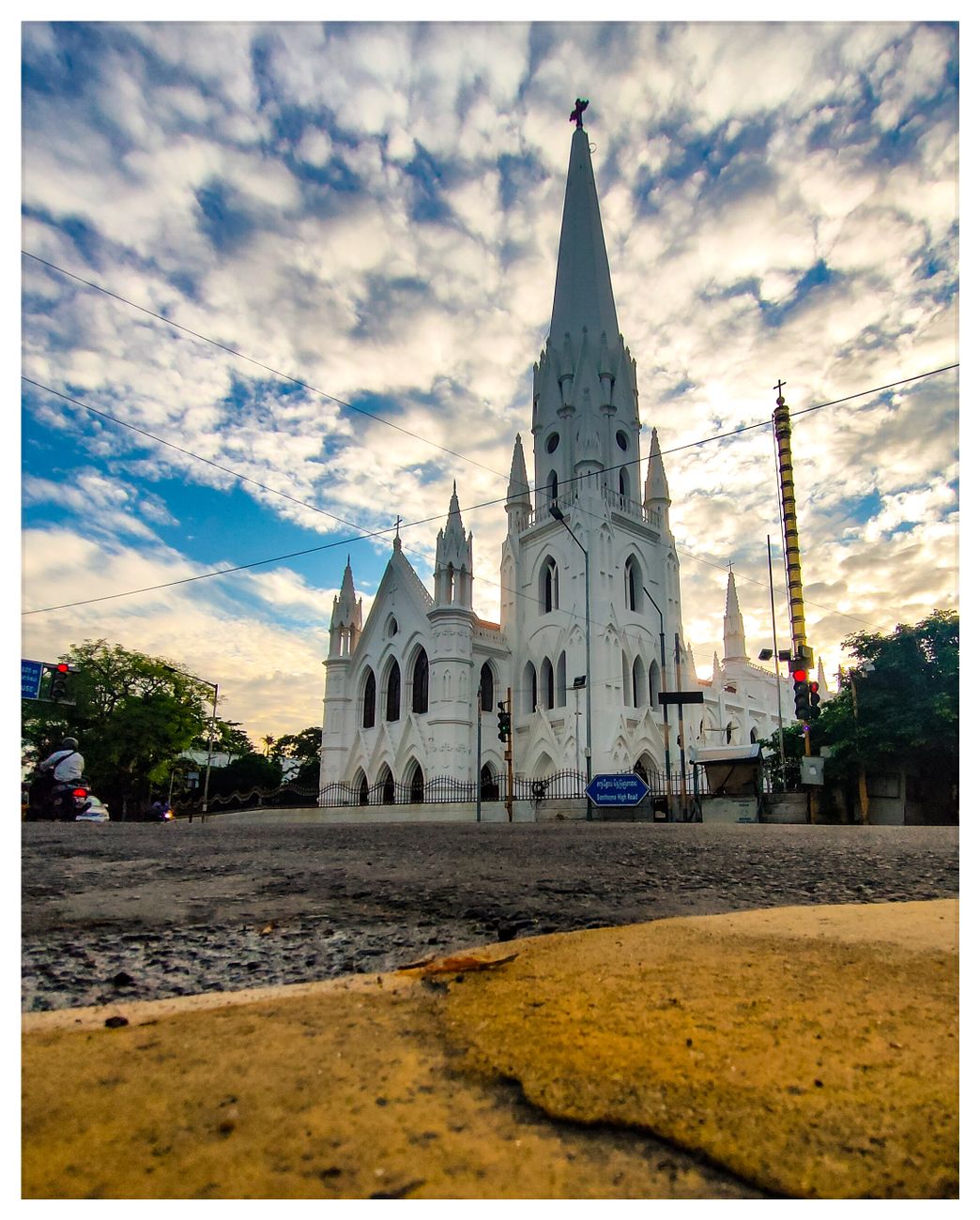
Three concrete reasons stand out. First, the coastline: Marina Beach is a daily public stage where early-morning walkers, kite sellers and fish vendors show city life on the shore. Second, temple and colonial architecture: Kapaleeshwarar Temple in Mylapore and San Thome Basilica present very different religious and architectural traditions within a few kilometres. Third, food culture: filter coffee joints like Saravana Bhavan and small dosa shops such as Murugan Idli Shop offer quick, inexpensive ways to sample southern Tamil cooking across neighbourhoods.
A fourth reason is music and craft continuity: if visiting in December, the December Music Season brings Carnatic concerts across small halls and sabhas, which is a specialised draw. Practical advantages include a compact core (Fort, Egmore, Mylapore) reachable by short metro or local-train hops and a domestic airport that is closer to the city than in many comparable metros.
Quick Planning Tips
Fly into Chennai International Airport (T1/T2); prepaid airport taxis and app taxis (Ola, Uber) run a flat range to the city centre—expect about ₹350–₹700 depending on time and traffic. From Chennai Central or Egmore stations many attractions are within 20–40 minutes by metro, MRTS or short auto rides.
Carry small cash (₹10, ₹20, ₹50 notes) for temple donations, bus fares and museum counters; many smaller stalls still prefer cash. Book accommodation near a Metro or MRTS station to avoid long road travel in peak hours. One planning mistake to avoid is stacking morning marina sunrise, an inland museum visit and a southern neighbourhood in one half-day—traffic and local opening hours make that optimistic.

Day 1
Morning: Start at Marina Beach at dawn for a shoreline walk and street-side breakfast—try idli or bajji sold near the lighthouse stretch. Allow 45–60 minutes for the walk and local stalls. From the eastern promenade, head west by auto (20–30 minutes depending on traffic) to Fort St. George on Rajaji Salai.
Late morning: Explore Fort St. George and its Fort Museum (budget 60–300 INR depending on ticket category). The fort complex and parade grounds take about 60–90 minutes. Walk or take a short auto (10–15 minutes) to the Government Museum in Egmore, which holds the bronze gallery and archaeological collection.
Lunch: Eat at Rayar's Mess or a nearby South Indian restaurant in Egmore for a basic thali (expect ₹120–300). After lunch, spend time on Mount Road (Anna Salai) for a quick window-shop at Spencer Plaza and a coffee break at a local filter-coffee shop (10–20 minutes walking between places).
Afternoon: Take the MRTS or an auto to Mylapore (20–30 minutes). Visit Kapaleeshwarar Temple and the surrounding streets for traditional shops and music stores; allow 60–90 minutes. Dinner: Dine at a reputable South Indian restaurant in Mylapore—prices typically ₹300–800 per person depending on choice. Evening: Finish at Elliots Beach (Besant Nagar) for a calmer shoreline atmosphere; taxis from Mylapore take 15–25 minutes.
Day 2
Morning: Head to San Thome Basilica early to avoid crowding; the tomb of St. Thomas and the adjacent museum require about 45 minutes. From San Thome, walk or take an auto to the Chennai Lighthouse area and then to the Express Avenue mall for a quick contrast of old and modern city life (15–20 minutes travel).
Late morning: Use the Metro (or auto) to reach T. Nagar for focused shopping on Ranganathan Street and Pondy Bazaar. Expect dense crowds after mid-morning; set aside 60–90 minutes if buying textiles or jewellery. Lunch: Try a local mess or restaurant in T. Nagar—chettinad chicken or a vegetarian thali costs around ₹200–500.
Afternoon: Travel south by metro/MRTS or bus to Besant Nagar to relax at Elliot's Beach and visit the nearby Annai Vailankanni Shrine. This neighbourhood has cafés for a late afternoon coffee and lighter bites. Transfer time from T. Nagar to Besant Nagar is approximately 25–35 minutes by road.
Evening: Attend a local classical concert or a theatre performance if available, especially between December and February when scheduling is dense. If no event, an evening walk and sea-facing dinner at a Besant Nagar café works well.

Day 3
Morning: Choose between DakshinaChitra (craft museum on ECR, 45–60 minutes from central by car) for regional arts or the Government Museum in Egmore if missed earlier. DakshinaChitra requires a half-day if travelling and browsing artisan workshops; allow 3–4 hours including transit.
Late morning: If staying central, use the local train from Chennai Central to explore George Town and Sowcarpet for spice markets and old bazaars; walking and bargaining can consume 90 minutes. Lunch: Sample Buhari or Ratna Cafe for a classic Chennai biryani or Chettinad meal (lunch ₹150–400).
Afternoon: Prepare for departure if flying out. Allow at least 90 minutes of travel time to the airport plus one hour for check-in for domestic flights; road time from central zones varies 40–70 minutes depending on traffic. If catching an afternoon flight, leave the hotel at least three hours before departure to be safe.
Evening: If not departing, spend an easy final evening at a rooftop restaurant on Anna Salai or near the beachfront; a relaxed dinner helps wrap up the visit without frantic travel.

Best Local Experiences
Markets and streets: Ranganathan Street (T. Nagar) for textiles and gold-showrooms; Sowcarpet for wholesale spices and old-school street food. Religious life: Kapaleeshwarar Temple (Mylapore) and San Thome Basilica for contrasting ritual calendars and morning poojas. Beaches: Marina Beach for early-morning people-watching and Elliot's Beach (Besant Nagar) for cafes and a calmer evening.
Museums and cultural spots: Government Museum, Egmore for the bronze and numismatics galleries; DakshinaChitra on ECR for living craft demonstrations. Seasonal events: The December Music Season features Carnatic concerts across sabhas such as the Music Academy and Narada Gana Sabha; plan months in advance if this is the main aim. A short day trip option: Mahabalipuram is 50–60 km south on ECR for Pallava stone reliefs if time allows.

Where to Stay
Central/High Court (Egmore/Anna Salai): Suits visitors who prioritise museums, Fort St. George and shorter airport transfers. Prices range widely: budget guesthouses ₹1,200–2,500/night (≈€12–30 / $13–30), mid-range hotels ₹3,000–7,000/night (≈€35–85 / $35–85).
Mylapore/Besant Nagar: Suits travellers focused on temples, music and beaches. Expect boutique guesthouses and mid-range options; nightly cost typically ₹2,000–5,500 (≈€24–66 / $24–66). This area is quieter in the evenings compared with Anna Salai.
T. Nagar/West Mambalam: Best for shoppers and those who want easy access to local trains. Rooms here skew toward budget and mid-range hotels; expect ₹1,500–4,000/night (≈€18–48 / $18–48). Parking is limited and streets get crowded after 5pm.
Food and Drink
Filter coffee: A strong, black decoction served with milk foam—try at Saravana Bhavan or local shops; price ₹40–100. Breakfast idli/dosa: Soft steamed idli or crisp dosa available at Murugan Idli Shop or Ratna Cafe; expect ₹50–150 per plate.
Street snack: Sundal (boiled chickpeas with coconut) and bajji (deep-fried vegetable fritters) sold along Marina and by temple streets; street prices ₹20–80. Main course dinner: Chettinad chicken or mutton curry, a regional spicy option; good versions at restaurants like Buhari or local chettinad joints, ₹200–600.
Sweet/snack: Mysore pak and other sweets from traditional sweet shops in Mylapore or T. Nagar; a small box costs ₹60–200. Alcohol: Beer and Indian whisky are available at licensed bars and hotel restaurants; expect a draft beer ₹150–350. For breakfast options with a local feel, try a hotel buffet or a neighbourhood tiffin house for idli, medu vada and sambar.
Getting Around
Transit network: Chennai Metro (multiple corridors) connects core business areas; the MRTS runs between Chennai Beach and Velachery for coastal-to-south links. Suburban rail lines serve Tambaram and other southern suburbs from Chennai Central and Egmore.
Fares and cards: Single-journey metro tokens and MRTS tickets commonly cost ₹10–₹60 depending on distance. Chennai Metro Smart Card speeds entry and is available at station kiosks; store value in multiples of ₹100. Day passes or tourist passes are not widely marketed—expect to pay per trip unless carrying a pre-paid card.
Road options: App taxis (Ola, Uber) are widely used and often cheaper than airport prepaid booths; airport-to-city center fares typically range ₹350–₹700. Local MTC buses cover neighbourhoods; buy tickets on board or use the 'Chalo' app for live bus info. Auto-rickshaws require negotiation or insist on the meter—short trips in core areas normally cost ₹50–₹200.
Best Time to Visit
Winter (November–February): Best overall—lower humidity, daytime highs 25–30°C, cooler nights. Crowds increase during the December Music Season and around major temple festivals. Spring/pre-monsoon (March–May): Hot and humid with highs often 33–40°C; mornings are tolerable but afternoons can be draining.
Monsoon (June–September): Heavy rains and occasional floods; travel plans can be disrupted but hotel rates may be lower. October offers transitional weather with occasional showers and acceptable temperatures. For best value with reasonable weather, October–February balances comfort and fewer monsoon interruptions.
Budget and Practical Tips
Typical daily budget (per person): Budget traveller: accommodation ₹1,200–2,500; food ₹300–600; local transport ₹150–400; entries/activities ₹200–500. Mid-range traveller: accommodation ₹3,000–6,000; food ₹800–1,500; transport ₹400–800; entries ₹500–1,200. Convert roughly at ₹82 = $1 and ₹90 = €1 for simple math (so a budget day ≈ $23–$40 / €13–€22).
Tipping norms: Restaurants often add service charge; if not, tipping 5–10% is customary for good service. For autos and porters, small cash tips (₹10–50) are normal. Practical tips: carry sunscreen, a reusable water bottle, and a printed hotel address in Tamil for drivers. Keep copies of reservation details and be wary of long waits at counters; many smaller museums accept cash only.
FAQ
Is Chennai safe for solo travellers?
Central and tourist areas are generally safe during the day; take usual urban precautions at night, avoid poorly lit side streets and keep belongings secure in crowded markets.
How do I get from the airport to the city centre?
Prepaid airport taxis, Ola and Uber operate from arrivals; travel time to central areas is usually 40–70 minutes depending on traffic and costs range ₹350–₹700.
Is public transport easy to use for non-Tamil speakers?
Metro signs and many station announcements are bilingual (English and Tamil); apps like Chennai Metro Rail and Chalo give schedules and live updates.
Are city passes worth buying?
There is no widely used multi-attraction city pass; the Chennai Metro Smart Card is worth it for frequent metro trips but most museums and temples sell individual tickets at the gate.
Can visitors swim at Marina Beach?
No—strong currents make swimming unsafe; stick to shallow edge activities or go to Elliot's Beach for calmer water and lifeguard presence on better days.
What should be included on a tight 72-hour shortlist?
Prioritise Marina Beach at dawn, Kapaleeshwarar Temple, Government Museum (Egmore) or Fort St. George, and an evening at Elliot's Beach or a music sabha if available.
Conclusion
Seventy-two hours in the city rewards those who accept heat, road noise and a fast schedule. The most memorable parts are the sea mornings, the contrast between temple rituals and colonial sites, and the culinary variety from tiffin shops to chettinad plates. If time is tight, prioritise an early Marina walk and Kapaleeshwarar Temple; these two give a reliable sense of the city’s pace and public life.
How this guide was prepared
This guide was prepared through a structured research that combines destination research, geographic context, itinerary planning logic, and content review.