

Practical 3-Day Guide to Dallas: Neighborhoods, Eats, Transit
A three-day, realistic itinerary for Dallas with Uptown, Deep Ellum, Bishop Arts, museums, transit costs.
A no-nonsense 72-hour plan that balances museums, neighborhoods, food and live music while avoiding common pitfalls like peak-hour driving and weekend parking shortages.
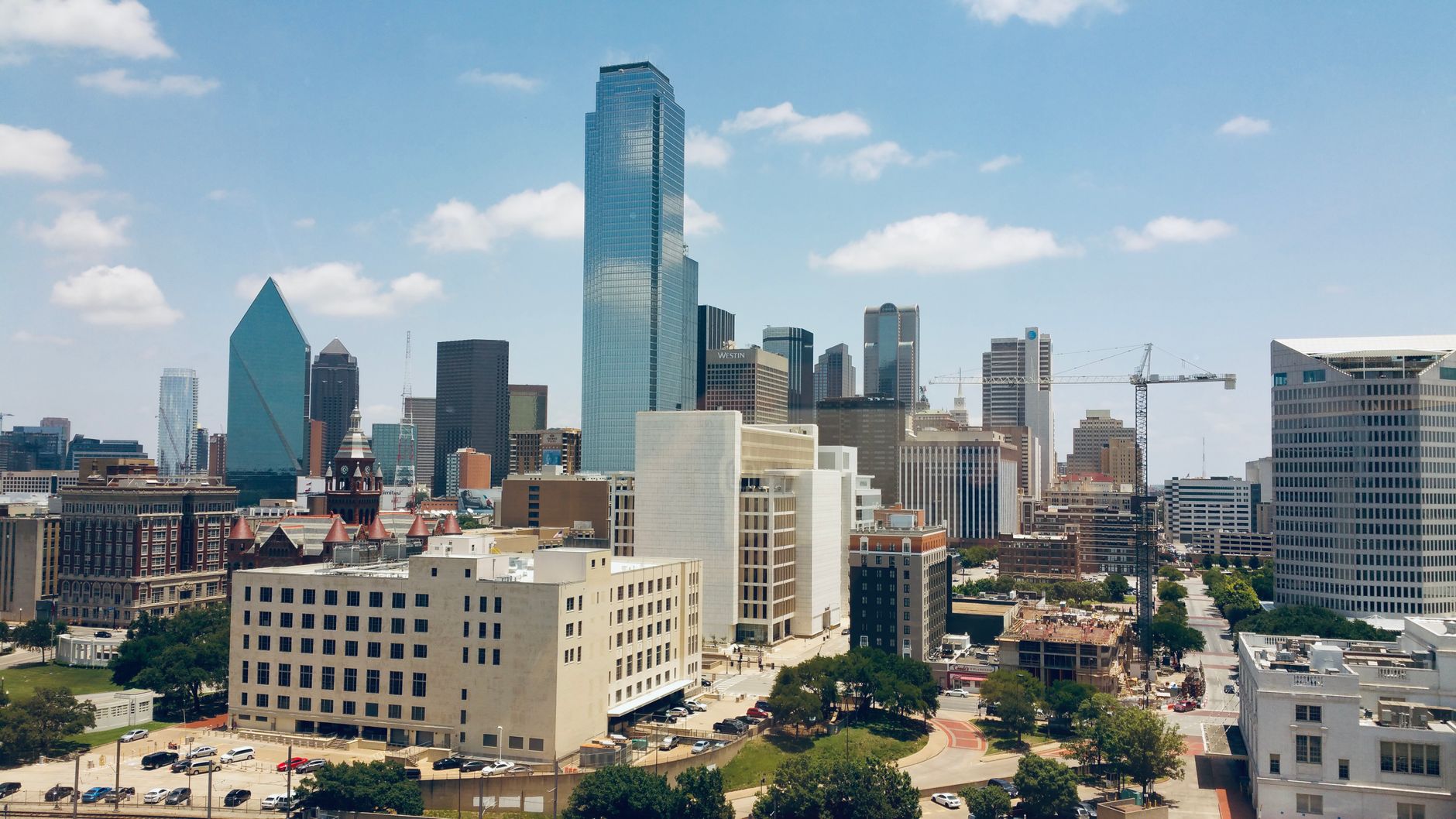
First impressions are often of open roads, glass-and-steel towers downtown and pockets of dense, walkable neighbourhoods such as Uptown and Bishop Arts. The urban fabric alternates between tightly gridded streets and auto-oriented arterials; that creates quick jams during rush hour and surprising short stretches that are pleasant on foot.
Expect noise from highways near central districts and air conditioning blasting in summer. Visitors who assume everything is within a two-mile walk will be frustrated; plan for short rides by DART, trolley, rideshare or a rental car depending on plans.
This place suits museum-goers, food-focused travellers and those who enjoy live music scenes; it disappoints people wanting compact, walkable sightseeing where every attraction sits shoulder-to-shoulder. Good planning turns the sprawl into an advantage: distinct neighbourhoods with different feels, each repayable in a half-day or evening.
Is 3 days in Dallas enough?
Three days are enough to cover downtown museums, an Uptown walk, a Deep Ellum music night and Bishop Arts shopping and dining, plus a park or arboretum. The honest caveat: there is no time to visit Fort Worth or the State Fair properly, so those require at least one extra day.
Who This Guide Is For
Best for travellers who like museum-heavy days, neighbourhood dining and occasional short drives. Poor fit for people who prefer compact, walkable European-style centres or who cannot use rideshares or rental cars.
Local Tips for Dallas
Practical details that most travel sites skip — specific to Dallas.
- Buy and use the DART GoPass app for single rides ($2.50) and day passes ($6); it works for Red, Blue, Green and Orange rail lines and local buses.
- McKinney Avenue Trolley (the M-Line) runs free between Uptown and downtown; it’s a reliable short-hop and avoids parking on McKinney Avenue.
- Klyde Warren Park sits over the Woodall Rodgers Freeway; the park’s food trucks rotate daily, lunchtime lines form around 11:30–13:30, and nearby meter parking limits apply until 6pm.
- Trinity Railway Express (TRE) connects downtown Dallas (West End) to downtown Fort Worth — expect fares around $4–$6 depending on zones and check schedule for limited weekend frequencies.
- Bishop Arts District has tight curb parking and short-hour meters on weeks with events; use the Bishop Arts parking lot on S. Bishop Ave for longer stays or arrive by rideshare.
How This Guide Was Prepared
This guide treats Dallas as a spread-out city of distinct neighbourhood pockets rather than a compact downtown to be seen on foot. Many guides lump Uptown, Deep Ellum and Bishop Arts together or underplay driving, parking, and summer heat; this guide gives realistic transit times, parking tactics, and which attractions truly repay time spent. This guide was prepared through a structured research that combines destination research, geographic context, itinerary planning logic, and content review.
Plan Your Stay in Dallas
Use this itinerary as your starting point, then compare areas to stay, transport options, seasonal timing, and realistic daily costs before booking.
Why Visit
A concentration of notable museums close to downtown: the Perot Museum offers hands-on science exhibits and an architecture-driven building, while the Dallas Museum of Art has free general admission for core collections. Dealey Plaza and The Sixth Floor Museum provide a focused historical visit tied to a specific event and location.
Neighbourhood variety within short drives: Uptown is for pedestrian street-life and bars on McKinney Avenue, Deep Ellum has live music and murals, and Bishop Arts is compact for independent shops and restaurants. Food and music are practical reasons to visit—nightlife in Deep Ellum often runs late and the barbecue and Tex-Mex scenes are distinct from nearby cities.
Parks and gardens are accessible: Klyde Warren Park acts as an urban reconnect over the freeway, and the Dallas Arboretum on White Rock Lake offers a different tempo with botanical displays and lake views.

Quick Planning Tips
Arrive via Dallas Fort Worth International (DFW) or Dallas Love Field. From DFW, the DART Orange Line and DFW Airport Station plus rideshares are common; expect a 25–40 minute rideshare to downtown costing roughly $40–70. From Love Field, a short rideshare or DART connection via buses gets downtown in 15–25 minutes and costs less.
Use the DART GoPass app to buy single rides ($2.50) or a day pass ($6); it avoids ticket-machine lines and works for rail and buses. Do not assume free parking downtown—metered spaces and event-day surcharges apply; check nearby garage rates before committing to a location.
Pack for heat from May through September and bring layered clothing in winter for rapidly cooling buildings. Book timed-entry tickets for the Perot Museum and The Sixth Floor Museum online to avoid sold-out slots on weekends.
Day 1
Morning: Start at Dealey Plaza and The Sixth Floor Museum on Elm Street; allow 90–120 minutes total for the plaza, the museum's timed-entry exhibit and the grassy knoll viewpoints. Walk 6–8 minutes to the John Neely Bryan cabin and Dealey Plaza plaques then cross toward the West End.
Midday: Walk 10 minutes to Klyde Warren Park for lunch at the food trucks or the park's provenance stand; expect 11:30–13:30 lines. After lunch, walk 6 minutes to the Dallas Museum of Art on Harwood Street and spend 60–90 minutes; general admission is free for core collections but special exhibitions may carry fees.
Afternoon: Head to Reunion Tower (about an 8-minute walk from the DMA) for the GeO-Deck — allocate 45–60 minutes and budget roughly $18–$25 for adults depending on ticket type. From Reunion Tower, the pedestrian bridge network links to Pioneer Plaza (bronze cattle statuary) — a 5–10 minute walk.
Dinner and evening: Take a short rideshare or the McKinney Avenue Trolley to Uptown for dinner on McKinney Avenue. Try Lucia’s Italian in Bishop Arts if willing to drive 12–15 minutes; alternately choose a tasteful steak or Tex-Mex spot in Uptown. End the night with a bar on McKinney Avenue or a rooftop near Victory Park for skyline views.

Day 2
Morning: Start in the Design District for coffee and gallery browsing; from downtown this is a 10–15 minute rideshare or a 20–25 minute trip by DART Blue/Green Line to Victory Station plus a short walk. Visit the Dallas Contemporary or smaller design shops along Maple Avenue.
Midday: Head to the Perot Museum of Nature and Science on Woodall Rodgers Freeway; allow two to three hours for major exhibits and the earthquake simulator if open. Entry for adults is approximately $25–$30 depending on any special exhibits—book in advance for peak times.
Afternoon: Take the McKinney Avenue Trolley toward Uptown and walk toward Southern Methodist University if interested in a campus stroll; alternatively ride to the Dallas Farmers Market (near Fair Park) for produce, specialty stalls and small eateries—expect a 15–20 minute transit segment from Perot.
Evening: Dive into Deep Ellum for dinner and live music; the neighborhood is 10–15 minutes by rideshare from downtown. Plan for cover charges at some venues ($10–$25), and leave room to walk and find a second set or a late-night snack such as kolaches or brisket tacos from a well-reviewed truck.

Day 3
Morning: Reserve the morning for the Dallas Arboretum and Botanical Garden at White Rock Lake; it’s a 20–30 minute drive from downtown and parking is available on-site for a fee. Allow 90–120 minutes to walk formal gardens and waterfront paths; admission is usually around $18–$25 for adults depending on season and exhibitions.
Midday: Return toward Bishop Arts District for lunch and shopping on Bishop Avenue; expect tight curb parking and short-meter blocks, so use the Bishop Arts parking lot or rideshare. Sample tacos or Southern comfort food at small independent restaurants and leave time for boutique stores.
Afternoon: If checking out and catching an afternoon flight, plan travel time carefully: from Bishop Arts to DFW allow at least 45–70 minutes for an afternoon rush-hour transfer by rideshare. For a late-afternoon flight from Love Field, a 20–30 minute rideshare suffices.
Evening: If not flying out, finish with an evening at Deep Ellum or a low-key beer garden in Trinity Groves; both areas have late service on weekends and provide a final taste of local nightlife before departure.

Best Local Experiences
Klyde Warren Park food truck lunches and free deck seating for people-watching during weekday lunch hours. Perot Museum weekend STEM demonstrations and special-collection events for families and adults.
Deep Ellum live-music crawl — venues such as The Bomb Factory, Trees, and smaller bars on Elm Street host local and touring acts; expect cover charges on headliner nights. Bishop Arts District boutique shopping and late-afternoon coffee at places like Wild Detectives or Eno’s Pizza for casual evenings.
Dallas Arboretum seasonal displays and seasonal concerts on the lawn; White Rock Lake paddleboarding or a lakeside walk offers quieter outdoor time. The State Fair of Texas at Fair Park runs late September through October with its own set of logistics and large crowds; plan that separately if attending.
Where to Stay
Downtown/Pioneer Plaza: Suited for first-time visitors who want museums and Reunion Tower within walking distance; expect mid-range hotels from $150–$250 per night (USD) depending on event schedules, roughly €140–€230. Pros: walkable to DMA, Klyde Warren Park and the McKinney Avenue Trolley.
Uptown/McKinney Avenue: Suited for nightlife and restaurants, with boutique hotels and higher-end chains; expect $160–$280 per night (USD), roughly €150–€260. Pros: easy trolley access, walkable streets and a concentration of bars and dining.
Bishop Arts District: Suited for shoppers and food-focused travellers who prefer a neighbourhood feel; smaller inns and boutique options run $120–$200 per night (USD), roughly €110–€185. Pros: compact dining scene and independent shops within block-long distances.
Food and Drink
Brisket: Slow-smoked beef available at spots like Pecan Lodge in Deep Ellum or Hutchins BBQ; expect a plate for $15–$25. Brisket sandwiches and chopped beef plates are staples.
Tex-Mex (enchiladas, tacos al pastor): Look for classic plates at places like Mi Cocina or fuel up at El Fenix; a full meal runs $10–$20. Breakfast option — a Texas-style breakfast taco: find good versions at Fuel City Tacos or local breakfast joints for $3–$6 each.
Kolaches: Czech-influenced pastry with meat or sweet fillings, commonly available at neighborhood bakeries and some food-truck vendors for $2–$4. Craft beer and local breweries: Trinity Groves and Deep Ellum Brewing offer flight options for $8–$15.
Dinner recommendation: A mid-range steakhouse or a chef-driven New American spot in Uptown or Bishop Arts; expect mains $25–$45. For late-night snacks after shows, seek out taquerias in Deep Ellum or food trucks near Klyde Warren Park.
Getting Around
DART rail lines: Red, Blue, Green and Orange connect downtown with outlying areas; single-ride fares are about $2.50 and a day pass is about $6 via DART GoPass app. The McKinney Avenue Trolley (M-Line) is free and useful for Uptown–downtown hops.
Buses serve corridors not reached by rail; check schedules in the GoPass app or the DART website. Trinity Railway Express (TRE) links to Fort Worth from Victory/West End area — fares vary by zone, generally around $4–$6.
Rideshares and taxis fill gaps where transit is sparse; a typical rideshare from DFW to downtown runs about $40–$70 depending on time and surge. For multi-day transit use, consider a day pass on GoPass for heavy museum days and buy single rides otherwise.
Best Time to Visit
Spring (March–May): Temperatures average 15–27°C (60–80°F) and crowds increase during spring break and festival weekends; good balance of weather and outdoor activities. Early autumn (September–October): Temperatures cool into the high teens to low 20s°C (mid-60s to low 80s°F); the State Fair runs here and draws large crowds and higher hotel rates.
Summer (June–August): Hot and humid with frequent highs above 32°C (90°F); museums and indoor attractions are pleasant refuges but outdoor walking is uncomfortable midday. Winter (November–February): Mild days in the mid-teens °C (50s°F) and cooler nights; off-peak hotel rates appear but some outdoor attractions may be quieter.
Best value months are late January–February and November for lower hotel rates and manageable weather; avoid major event weekends and Cowboys home games unless booking well in advance.
Budget and Practical Tips
Typical daily budget per person (midrange): Accommodation $120–$220 (USD) / €110–€200; food $40–$80 (USD) / €35–€75; transport $6–$25 including occasional rideshares; entry fees $10–$30 for museums. Total daily midrange roughly $200–$330 (USD) / €185–€305 depending on hotel choice.
Tipping norms follow U.S. standards: 15–20% at sit-down restaurants, $1–$2 per drink at bars, and rounding up or 10–15% for taxi and rideshare drivers if service is good. Many restaurants add a service charge for large parties—check the bill before adding another tip.
Carry a mix of card and a small amount of cash for markets and small vendors. Airport transfers vary: DFW rideshares to downtown often $40–$70, Love Field rideshares $15–$30; taxis are typically more expensive than rideshares for the same distance.
FAQ
Is Dallas safe for tourists?
Most central neighbourhoods are fine during daytime and well-lit evenings; use normal city precautions, avoid poorly lit blocks late at night and keep valuables secure. Check local news for any disruptive events before heading out.
Is the DART rail easy to use for visitors?
Yes—use the DART GoPass app to buy single rides ($2.50) or a day pass ($6); rail connects key districts and pairs with buses and the free M-Line trolley in Uptown.
Is a car necessary for three days?
Not strictly—museums and Uptown can be done with DART, trolley and rideshares, but a car or rideshare shortens travel to the Arboretum and Design District. Parking and traffic add time and cost, so plan accordingly.
Is a city pass worth buying?
There is no single dominant city card for Dallas; buy timed tickets for high-demand sites like the Perot Museum and Sixth Floor Museum individually. If planning multiple paid attractions in one day, look for bundled offers from attraction websites.
Can a visitor do a Cowboys game at AT&T Stadium on the same weekend?
Yes, but expect heavy traffic and sold-out hotel rates on home-game weekends; reserve transit or parking in advance and budget extra time for stadium security and postgame egress.
Are restaurants expensive?
Prices vary; casual lunches and tacos are inexpensive ($8–$15) while sit-down dinners in Uptown or Bishop Arts typically run $25–$45 per main course. Tipping is customary and adds to the final bill.
What about airport transfers late at night?
Rideshare services operate 24/7 from DFW and Love Field but expect surge pricing during late-night and peak hours; taxis are available but often cost more than rideshares.
Conclusion
Three days lets a visitor sample the museums, a couple of neighbourhoods and the food and music scenes without constant rushing. Most travellers will remember the contrast between museum-heavy mornings and music-or-food-rich evenings, plus the practicalities of moving around a spread-out city.
If time is short, prioritise one museum day (Perot plus DMA) and one neighbourhood night (Deep Ellum or Bishop Arts) — that pairing gives a representative sense of culture and cuisine. Book timed tickets and plan transit ahead to keep the trip efficient.
How this guide was prepared
This guide was prepared through a structured research that combines destination research, geographic context, itinerary planning logic, and content review.