

3-Day Practical Guide to Essen, Germany — Itinerary & Tips
A practical 3-day Essen itinerary covering Zollverein, Museum Folkwang, Rüttenscheid dining, transit tips, and realistic budgets for a weekend visit.
Three days in Essen gives a concise mix of industrial heritage at Zeche Zollverein, modern art at Museum Folkwang, green space in Grugapark and an evening in Rüttenscheid.
A first walk around Essen feels practical rather than theatrical: broad streets near the main station, the green bowl of Grugapark to the south and visible signs of coal-era industry at Zollverein to the northeast. The mood is more workaday Ruhr than tourism-first city; morning markets and tram timetables set the pace. Travelers expecting a compact postcard centre will find the city spread across districts with different characters: historic core with the Dom, the museum quarter around Museum Folkwang, leafy Rüttenscheid for restaurants and the large industrial site at Zeche Zollverein.
Public spaces are clean and transit is frequent, but noise from vans and tramlines is common in several neighbourhoods. This suits visitors who appreciate museums, industrial architecture and honest local food rather than sightseeing by foot alone. Short tram and S-Bahn hops make it possible to sample multiple districts in a single day, so plan time blocks rather than trying to cram every attraction into one long circuit.
Is 3 days in Essen enough?
Yes — three days is enough to see the must-sees: Zeche Zollverein, Museum Folkwang, Grugapark and a night in Rüttenscheid, plus a quick visit to Villa Hügel. Expect to skip deeper day trips into the wider Ruhr unless another day is available.
Who This Guide Is For
Best for museum-focused travelers, modestly priced weekenders and people interested in industrial heritage and local food scenes; less suitable for those who want a long beach break or high-end luxury shopping.
Local Tips for Essen
Practical details that most travel sites skip — specific to Essen.
- Buy single-day VRR (Verkehrsverbund Rhein-Ruhr) tickets through the VRR or Ruhrbahn app for about €7.30 — it covers all Essen trams, buses and Stadtbahn within the city.
- Use S-Bahn S1 to get from Düsseldorf Airport (DUS) to Essen Hbf in roughly 30–40 minutes; tickets sold at the airport DB machines or in the DB Navigator app.
- Zeche Zollverein complex has separate entry prices: Ruhr Museum around €7–8 and Red Dot Design Museum about €8–12; check their websites for combined or temporary exhibition tickets.
- Rüttenscheid (‘Rü’) is the local nightlife and restaurant strip stretching along Rüttenscheider Straße — many restaurants close by 10–11 pm on weeknights and almost all shops are closed on Sundays.
- Grugapark has free access to large green areas but certain features (Grugabahn, greenhouses, seasonal exhibitions) have entry fees around €3–6; bring cash and a contactless card just in case.
How This Guide Was Prepared
Essen is a working Ruhr city whose strengths are industrial heritage and everyday neighbourhood life, not tourist spectacle. Most guides over-focus on a single UNESCO photo at Zollverein and ignore how easily the city's museums, parks and restaurant streets link by short tram and S-Bahn rides. This guide was prepared through a structured research that combines destination research, geographic context, itinerary planning logic, and content review.
Plan Your Stay in Essen
Use this itinerary as your starting point, then compare areas to stay, transport options, seasonal timing, and realistic daily costs before booking.
Why Visit
Zeche Zollverein is the headline attraction: a former coal mine and coking plant turned museum and design centre; the architecture and the Ruhr Museum document industrial change unlike typical castle-centric tourism. Museum Folkwang offers one of Germany’s best modern art collections, including German Expressionism and photography, useful for anyone with a visual arts interest.
Rüttenscheid provides a concentrated restaurant and café strip where locals eat; that street-life feels more authentic than the shopping mall at Limbecker Platz. Villa Hügel and its park show how industrial wealth shaped the region, with a manageable estate and regular temporary exhibitions. Finally, Grugapark gives accessible green space for a slow afternoon or picnic without leaving the city limits.

Quick Planning Tips
Arrive through Düsseldorf Airport (DUS) for the fastest public-transport link; S-Bahn S1 runs to Essen Hbf in roughly 30–40 minutes. From Dortmund Airport, add a regional bus or taxi to the nearest S-Bahn; expect a longer transfer.
Buy VRR day or single tickets via the VRR app or Ruhrbahn app; cash machines at stations sell only paper tickets and sometimes close early. Bring a contactless bank card; many smaller cafés or market stalls still prefer cash for small sums. Avoid planning heavy shopping on a Sunday since most shops are closed and public transport runs to a reduced timetable, which affects weekend arrival or departure plans.

Day 1
Start at Essen Hbf and walk 5–10 minutes to Museum Folkwang for a morning visit — allow 1.5–2 hours to see highlights. From Museum Folkwang, it's a 10–15 minute walk or a short tram ride to the Aalto-Theater and Philharmonie; check the performance schedule in advance if concerts or opera are of interest.
After the museums, head to Limbecker Platz mall (tram or a 20-minute walk) for a quick, budget-friendly lunch at the food court or one of the ground-floor cafés. Post-lunch, take tram or S-Bahn to Essener Dom (Essen Cathedral) and the Domschatzkammer (cathedral treasury) — allow 45–60 minutes for both. From the cathedral, walk 10–15 minutes to the Kettwiger Straße shopping and café strip for an early-evening coffee and people-watching. Dinner should be in Rüttenscheid: travel by tram or bus (15–20 minutes) to Rüttenscheider Straße and choose from bistros or Restaurant Schote for a higher-end meal. Finish the evening with a drink at a local wine bar on Rüttenscheider Straße or a quiet walk on Kaiser-Otto-Platz.

Day 2
Dedicate a day to Zeche Zollverein and the northern industrial quarter. Take tram or regional S-Bahn to Zollverein; allow 3–4 hours to cover the Ruhr Museum, Red Dot Design Museum and the coal-washery platforms. Guided tours of the shaft and industrial architecture are available; book a slot if interested. Lunch at the Zollverein visitor café or the nearby café in the Kokerei gives local snacks and sandwiches.
After Zollverein, head west by tram or S-Bahn toward the Margarethenhöhe district for a late afternoon stroll through the garden suburb built for industrial workers; the architecture and small squares are compact and calming. From Margarethenhöhe, return toward Villa Hügel by bus or tram (20–30 minutes) and explore the park; the villa's parkland is good for a walk and photography. For dinner, choose a restaurant in Werden or back in Rüttenscheid depending on energy levels; an evening concert at Philharmonie Essen is an option if scheduled, otherwise a relaxed meal near Kennedyplatz provides a low-key finish.

Day 3
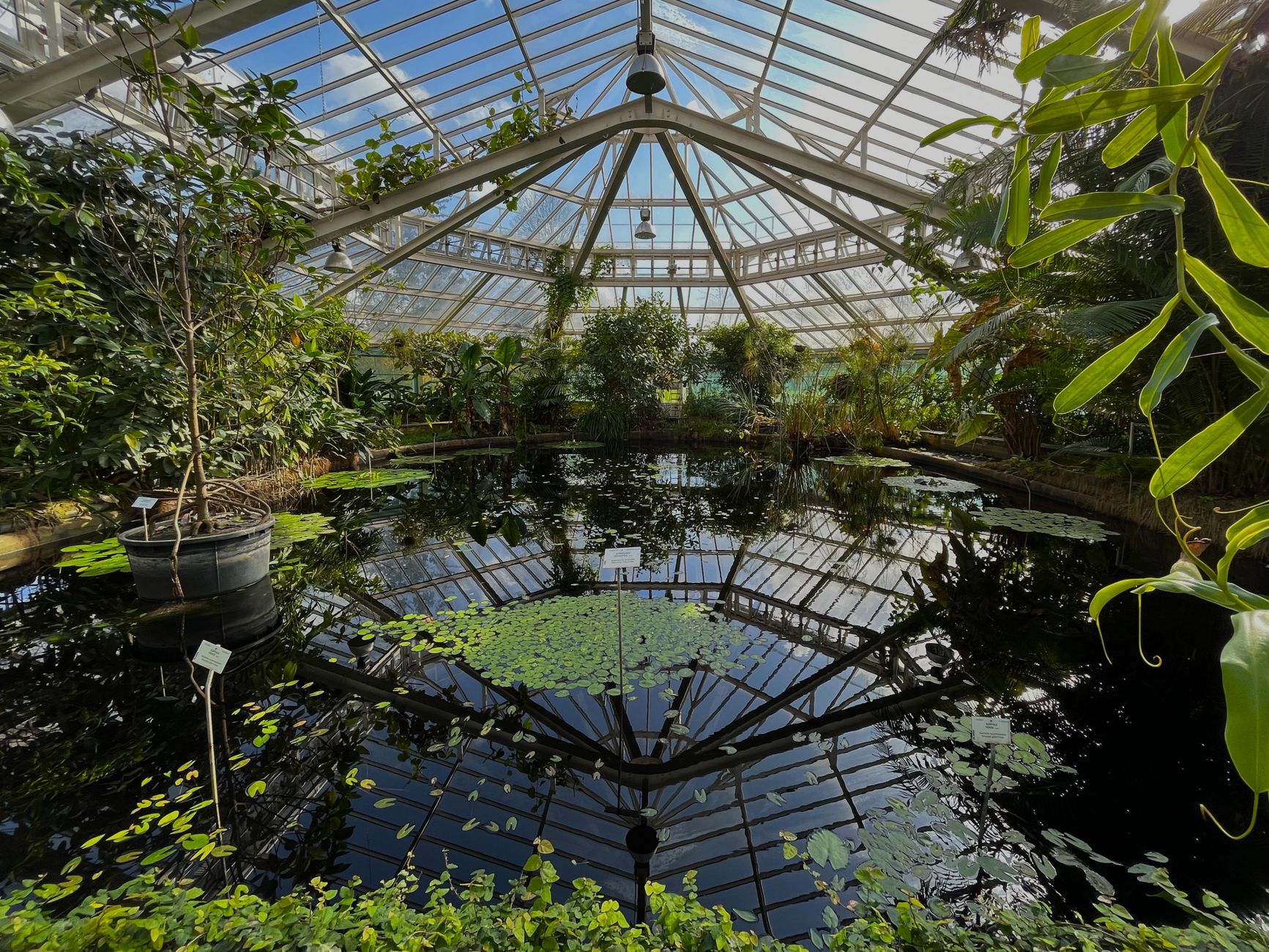
Use the final day for green space, neighbourhoods and any missed museums. Start in Grugapark for a morning walk and brief visits to the botanical greenhouse or季al exhibitions; set aside 60–90 minutes. From Grugapark, take bus or tram 10–15 minutes into Rüttenscheid for a late breakfast and some slower shopping on Rüttenscheider Straße.
After breakfast, visit Villa Hügel park if not done on Day 2 — the bus from Rüttenscheid takes 20–30 minutes. Allow time to see the house exterior and walk the riverside paths. If catching an afternoon flight, return to Essen Hbf (tram or S-Bahn 20–30 minutes) with at least 90–120 minutes buffer for luggage and ticketing when travelling to Düsseldorf Airport. For a final museum pick, the Ruhr Museum at Zollverein or a short return to Museum Folkwang works if time permits; otherwise plan a calm lunch at Limbecker Platz and head to the station early to avoid Sunday timetable surprises.
Best Local Experiences
Explore Zeche Zollverein beyond the photos: take an architecture trail, visit the Ruhr Museum and enter the Kokerei industrial hall for evening events or markets. Spend a morning at Museum Folkwang to study its photography collection and the works by German painters. Eat and people-watch on Rüttenscheider Straße, trying both small cafés and more formal restaurants on the same block.
Attend a performance at Aalto-Theater or Philharmonie Essen when possible; acoustics and programming skew toward classical and modern opera. Visit Margarethenhöhe to see early 20th-century worker housing and the small local bakery on Margarethenhöheplatz. Browse Limbecker Platz for practical shopping and the food court when the weather turns poor. Take a bike ride or long walk through Grugapark and, if timing allows, join a seasonal event there (plant fairs or small concerts).

Where to Stay
Rüttenscheid: best for dining and nightlife. Suits food-focused travellers and those wanting short tram rides to museums. Expect mid-range hotel rooms €90–€150 per night (roughly €90–€150 / $95–$160). Close to Rüttenscheider Straße and 15–20 minutes by tram to the main station.
Stadtmitte / Hbf area: best for first-time visitors and rail connections. Suits those arriving by train or using S-Bahn to nearby cities. Expect rooms from €70–€120 per night (€70–€120 / $75–$130). Short walks to Limbecker Platz and Museum Folkwang.
Zollverein / Nordviertel: best for people prioritising the industrial site or quieter evenings. Suits photographers and design-focused visitors. Smaller guesthouses and design hotels range €60–€110 per night (€60–€110 / $65–$120), but options are fewer so book early for weekend stays.
Food and Drink
Currywurst: fried sausage with spiced tomato sauce and curry powder; find reliable versions at local Imbiss stands and food courts for about €3–€5. Schnitzel: a breaded pork or veal cutlet common at traditional German restaurants; expect €10–€18 at mid-range spots in Rüttenscheid.
Westphalian potato soup (Eintopf): a common, hearty local dish in smaller restaurants and cafés for €5–€8. Apfelstrudel or cakes: order with coffee at Konditoreien on Kettwiger Straße for €3–€6. For dinner, Restaurant Schote (Rüttenscheid) offers higher-end dining with tasting menus and prix-fixe options from roughly €55 upward; reservations recommended. Breakfast option: a bakery breakfast with Vollkornbrot, rolls and coffee at Bäckerei on Kettwiger Straße for about €6–€9. Street food option: a döner kebab or Falafel from the food stands near the university area or Limbecker Platz for €4–€7.
Getting Around
The regional transport authority is VRR (Verkehrsverbund Rhein-Ruhr); local operator is Ruhrbahn. Use the VRR app or Ruhrbahn app for mobile tickets. Stadtbahn lines U11, U17 and U18 serve core routes; S-Bahn lines S1, S3 and S9 connect Essen Hbf to nearby cities. Trams and buses cover local neighbourhoods.
Single VRR tickets within Essen cost about €2.90–€3.30 depending on zones; a 1-day ticket is roughly €7.30. Taxi from Düsseldorf Airport to central Essen typically costs €60–€90 depending on time and traffic. DB Navigator is useful for regional and intercity trains, while Google Maps or the Ruhrbahn app works for tram and bus routing. Validate that weekend services sometimes run less frequently; check real-time apps before evening plans.
Best Time to Visit
Late spring (May–June) brings mild temperatures (12–22°C) and fewer school-holiday crowds than July–August. The city is pleasant for walking and outdoor museum areas at Zollverein during this stretch. Summer (July–August) is warmer (18–26°C) and busier with domestic tourism; expect higher hotel rates and fuller restaurants.
Autumn (September–October) has cooler days (8–16°C) and good value on accommodation, with crisp mornings for park walks. Winter (November–February) is cold (−1–6°C) with shorter daylight and fewer outdoor activities; museum visits and winter markets are the main draws. Best value months for lower prices and decent weather are late April to mid-June and September.
Budget and Practical Tips
Typical daily budget per person: Budget traveller — €60–€90: hostel or budget hotel (€25–€45), meals (€20–€30), transport (€7–€8), attractions (€10–€15). Mid-range traveller — €120–€200: mid-range hotel (€80–€140), meals (€30–€50), transport (€7–€10), museum entries and occasional guided tours (€20–€30). Higher-end — €220+: boutique hotels (€150+), meals and cultural tickets (€50+), taxis and extras.
Most museum entries are modest: Museum Folkwang about €10, Ruhr Museum €7–8, Red Dot Design Museum €8–12; prices change for special exhibitions. Tipping norm in Germany is small: round up the bill or leave 5–10% in restaurants; cafés often expect cash rounding. Carry a mix of cash and contactless cards because some small shops and market stalls are cash-preferential.
FAQ
How safe is Essen for tourists?
Essen is generally safe with normal urban risks; avoid poorly lit industrial backstreets at night and keep an eye on belongings on busy trams.
Is public transport easy to use for visitors?
Yes — use the VRR or Ruhrbahn app for tickets; Stadtbahn lines U11/U17/U18 and S-Bahn S1/S3/S9 link major sites and nearby cities.
Should a visitor buy a city card or pass?
There is no single must-have city card; buy VRR day tickets for transport and purchase museum tickets individually unless a temporary combined offer exists.
Can Zollverein be visited without a car?
Yes — public transport and regional trains connect to the Zollverein stop; a 20–30 minute tram or S-Bahn plus short walk is typical from central stops.
Are English services common at museums and tours?
Major museums offer English labels and occasional English tours; check each museum's website for language-specific tour schedules.
Is Essen walkable for a weekend trip?
The central districts and Rüttenscheid are walkable, but many top sites require short tram or S-Bahn rides so combine walking with public transport.
Conclusion
Three days lets a traveler experience the core contrasts: industrial heritage at Zeche Zollverein, concentrated art at Museum Folkwang, leafy Grugapark and the local eating scene on Rüttenscheider Straße. The most lasting impressions will be the scale of former industrial sites and how those spaces have been repurposed for culture. If time runs short, prioritise Zeche Zollverein plus one museum and an evening in Rüttenscheid — those choices provide a clear sense of what makes the city distinct from neighbouring Ruhr towns.
How this guide was prepared
This guide was prepared through a structured research that combines destination research, geographic context, itinerary planning logic, and content review.