
3-Day Gdansk Itinerary — Practical 72-Hour Travel Guide
A concise, honest 3-day guide to Gdansk with transit tips, realistic costs, and a day-by-day itinerary covering Old Town, the shipyard, and seaside activities.
A straightforward, practical plan for 72 hours in Gdansk: what to see, where to eat, how to get around, and realistic prices so time isn’t wasted.
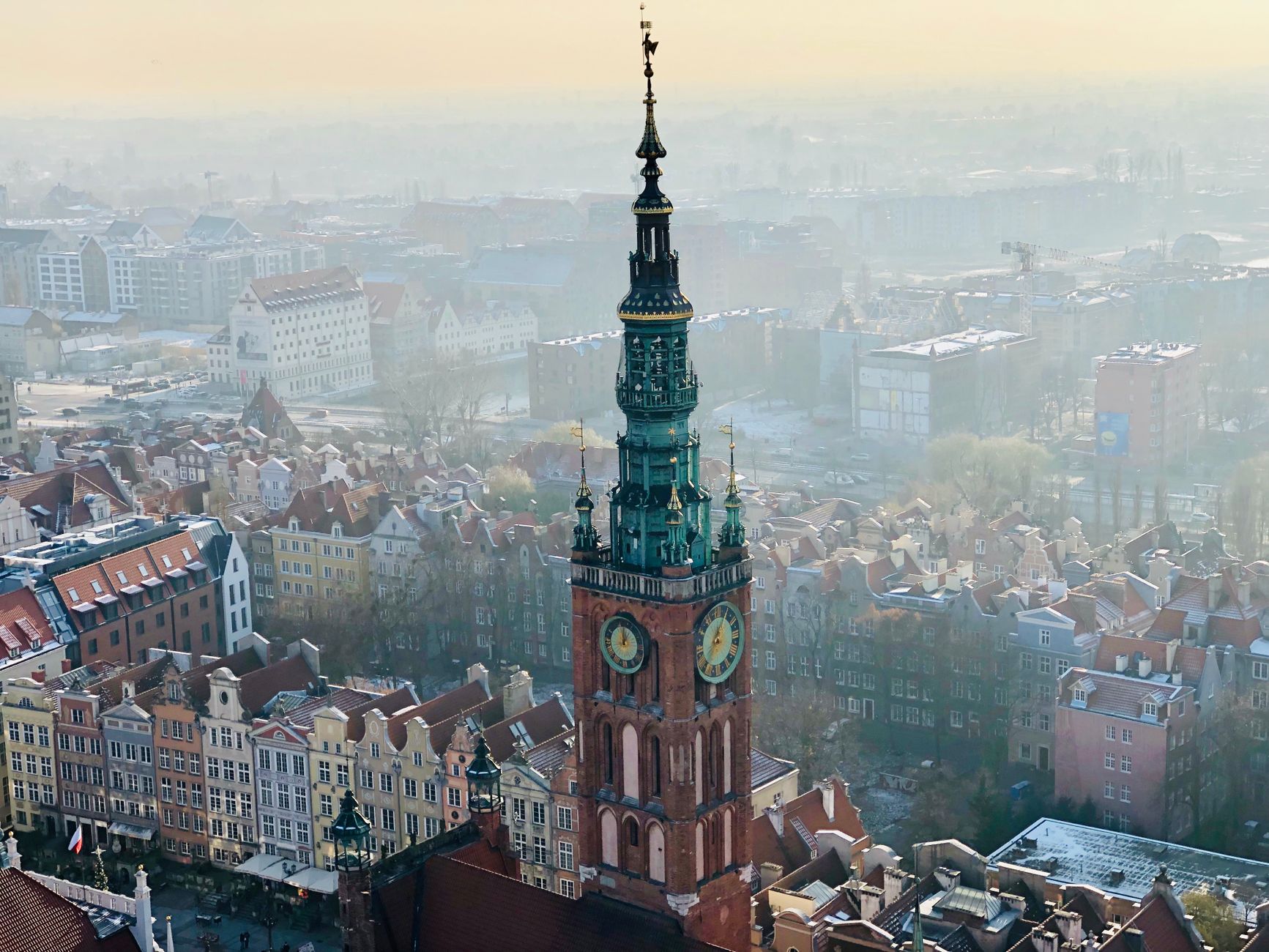
Expect a port town where rebuilt Old Town streets run up against working docks, post-industrial shipyard sites and low coastal suburbs. The immediate impression is a mix of tourist-friendly pavement cafés on Długi Targ and abrupt industrial infrastructure when walking toward the Motława River and the shipyard. Many visitors arrive expecting only baroque facades; learning to read the town’s layers—Hanseatic merchant wealth, wartime destruction and Solidarity-era industry—gives a clearer sense of place.
This guide is set up so three days show the main museum-heavy storylines and leave time for a seaside walk. Travel pace is brisk: cobbles, stairs and stretches along the river mean comfortable shoes and time awareness matter more than luxury transport.
Is 3 days in Gdansk enough?
Three days give time to see the Old Town, the Museum of the Second World War, the European Solidarity Centre, a Westerplatte visit, and a seaside detour to Sopot. A caveat: simmering local life in Wrzeszcz and the shipyard requires more time than a long checklist allows, so expect to skip deeper neighbourhood exploration.
Who This Guide Is For
Best for independent travellers who like history, architecture, and coastal walks, as well as anyone who tolerates brisk walking and cobbled streets. Not ideal for travellers seeking a slow luxury spa weekend or those unwilling to use public transit or short taxi rides.
Local Tips for Gdansk
Practical details that most travel sites skip — specific to Gdansk.
- Buy single-ride ZTM tickets via the SkyCash or Jakdojade apps for buses, trams and SKM; a short single ticket costs around PLN 4.80 (≈€1.00 / $1.10) and must be validated when boarding.
- Take the SKM train from Gdańsk Port Lotniczy (airport) to Gdańsk Wrzeszcz in about 12 minutes; trains run roughly every 30 minutes off-peak and a standard ticket covers the journey within city limits.
- Mariacka Street is the best place to inspect amber jewellery but expect shop prices from PLN 50 for small pieces to several hundred for museum-quality items — ask for a certificate on pricier items.
- Book tickets for the Museum of the Second World War online to reserve a time slot; general admission is around PLN 40–45 and peak summer afternoons sell out.
- Westerplatte has limited parking and a short guided tour option; reach it by bus 106 or regional line from Gdańsk Główny, allow 40–50 minutes from the centre.
How This Guide Was Prepared
Gdansk is a working port with a reconstructed Old Town and an industrial recent past; this guide focuses on how to read the city’s layers rather than polishing postcards. Many guides treat the waterfront as a single attraction; this one separates the Old Town, the shipyard and post-industrial districts, and the seaside suburbs so three days feel coherent instead of rushed. This guide was prepared through a structured research that combines destination research, geographic context, itinerary planning logic, and content review.
Plan Your Stay in Gdansk
Use this itinerary as your starting point, then compare areas to stay, transport options, seasonal timing, and realistic daily costs before booking.
Why Visit
There are concentrated history options that can be covered in a short stay: the Museum of the Second World War explains Poland’s wartime experience in a single modern complex and the European Solidarity Centre focuses on 1980s labour history and shipyard activism. Architectural interest is immediate on Długa Street, at St. Mary's Basilica and along Mariacka Street where amber workshops line narrow lanes.
Coastal access is unusually near for an eastern European port: a quick SKM trip reaches Sopot’s pier and Gdynia’s waterfront if extra time exists. Food and craft beer scenes are local and affordable, and weekday crowds thin once away from Długi Targ, which makes exploring Wrzeszcz and the shipyard more rewarding than a single-town stroll.
Quick Planning Tips
Arrive via Gdańsk Lech Wałęsa Airport and take the SKM train from Gdańsk Port Lotniczy to Gdańsk Wrzeszcz or Gdańsk Główny; journey time to Wrzeszcz is about 12 minutes and to Główny about 20–25 minutes. Buy transport tickets on SkyCash or Jakdojade and validate physical purchases in the machine or validator onboard to avoid fines.
Carry some cash for market stalls, amber shops and smaller cafés; many places accept cards but small transactions under PLN 20 sometimes prompt a refusal. Avoid planning all outdoor sightseeing on the same day in July, when St. Dominic’s Fair floods Old Town and accommodation prices spike dramatically.

Day 1
Morning: Start at Gdańsk Główny station, then walk 10 minutes to Długi Targ (Long Market) to see Neptune Fountain, Artus Court and the Golden Gate. St. Mary's Basilica is a three-minute walk from Neptune Fountain; allow 45–60 minutes to visit the nave and climb the tower for city views (tower fee about PLN 10–15).
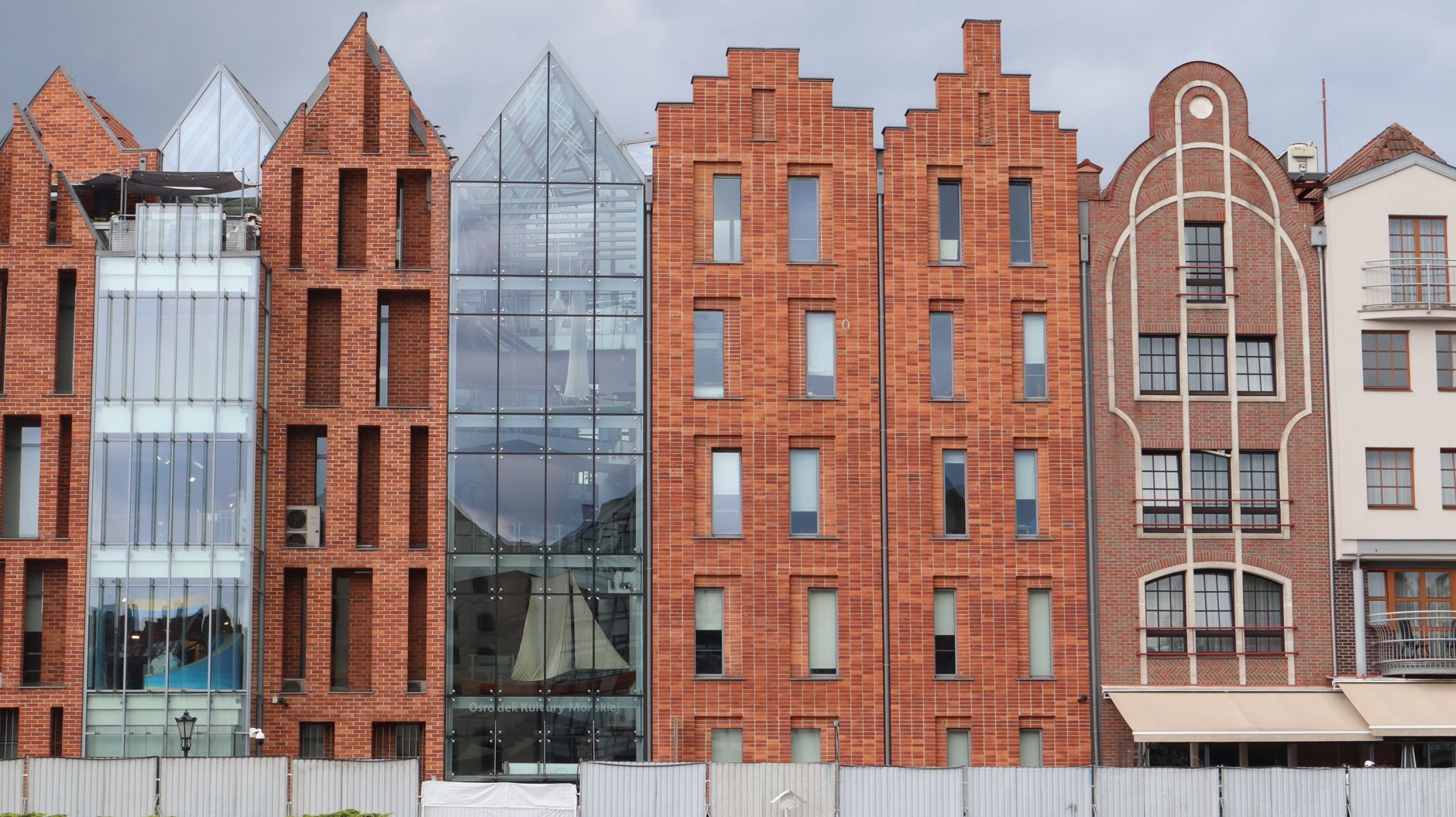
Midday: Walk down Mariacka Street (5–7 minutes) to inspect amber shops and have lunch at a local pierogi or fish place on Ulica Mariacka; expect pierogi for PLN 18–30. Early afternoon: Cross the Motława to see Żuraw (the medieval crane) and visit the National Maritime Museum’s granaries on Ołowianka Island—allow 45–90 minutes.
Late afternoon: Head to the European Solidarity Centre by tram 3 or 8 to Centrum Solidarności; travel time from Główny is 10–15 minutes. Evening: Dinner at Brovarnia Gdańsk on Długi Targ for local beers and heavier plates, then a riverside walk on the Motława embankment; Długi Targ to Brovarnia is an easy short walk.

Day 2
Morning: Take SKM or tram to Wrzeszcz for a local market and café scene; from Gdańsk Główny it’s a 6–8 minute SKM ride or 12–15 minutes by tram. Explore Batory Street and the Galeria Metropolia area, then walk to the top of Gradowa Hill for compact views and a short green break.
Midday: From Wrzeszcz, take an SKM train 6–10 minutes to Sopot or stay and eat in Wrzeszcz at Bar Mleczny (a milk bar) for an inexpensive set meal (PLN 12–20). Afternoon: Head to the shipyard district and the European Solidarity Centre if missed on Day 1, or take the tram to Zaspa to view the large socialist-era murals and apartment-block art—tram or bus from Wrzeszcz takes about 20 minutes.
Evening: Return to the Old Town for a quieter dinner away from the main drag—look for restaurants on Piwna or Chlebnicka streets where prices are slightly lower than Długi Targ. If energy remains, check a small live-music venue in Wrzeszcz for local bands; transit back to the centre runs late but verify tram schedules.

Day 3
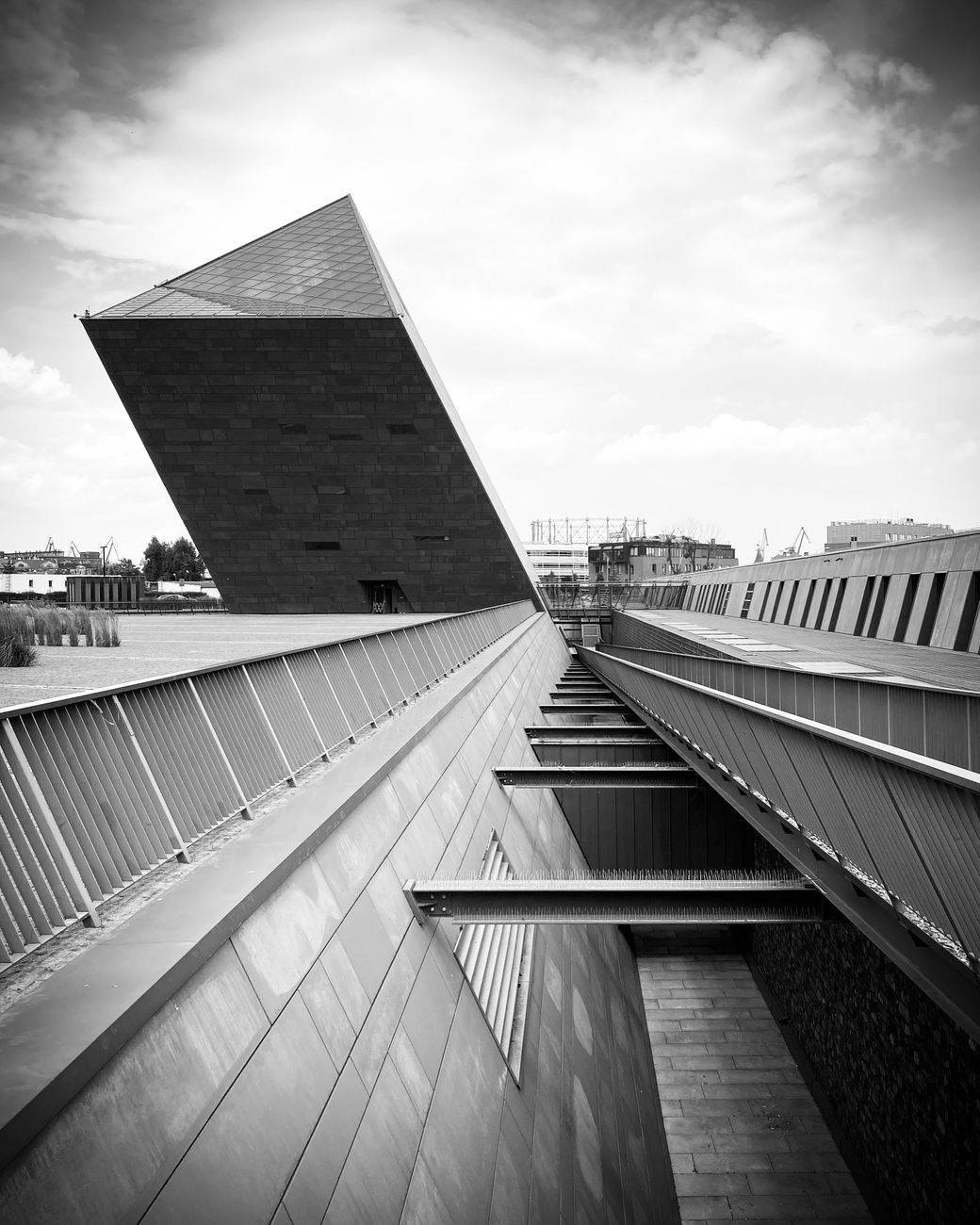
Morning: Reserve time for the Museum of the Second World War; allocate at least two hours and arrive with a pre-booked ticket to avoid queues. From the museum, a 10–15 minute walk reaches the ferry docks and Motława embankment for final souvenir shopping and a short boat tour if the schedule fits.
Midday: Take bus 106 or a taxi to Westerplatte for a calm, reflective half-day visit; allow 2–3 hours including the memorial walk and short talks at the site. Plan travel time from the Old Town as 40–50 minutes by bus depending on traffic.
Afternoon: Return toward the centre with enough time for checkout or luggage storage; if catching an afternoon flight, head to Gdańsk Port Lotniczy by SKM from Główny (20–25 minutes) and budget 1.5–2 hours for security and travel. Evening: For late departures, grab a final meal near the station—try grilled fish stands or a quick zapiekanka from a reputable food stall on Piwna.
Best Local Experiences
Walk along Mariacka Street early morning to see amber workshops before tourist hours and compare certificates; some shops open around 10:00. Attend a guided walk in the shipyard area focused on Solidarity history that departs from the European Solidarity Centre; audio guides and English tours are regularly scheduled.
Visit St. Mary's Basilica tower for skyline views and listen to the carillon if available. Take an SKM hop to Sopot to stroll the pier and try smoked fish on Bohaterów Monte Cassino street. Time a visit for St. Dominic’s Fair in late July only if prepared for crowds and inflated prices; otherwise explore local markets in Wrzeszcz on weekend mornings for local produce and baked goods.

Where to Stay
Old Town (Śródmieście/Starówka): Suits first-time visitors who want immediate access to Długi Targ, Neptune Fountain and riverfront restaurants. Expect nightly rates from about PLN 300–600 (€65–130 / $70–140) for mid-range hotels; cheaper guesthouses start around PLN 150.
Wrzeszcz: Suits travellers who prefer local cafés, markets and quicker transit to Sopot and Gdynia via SKM. Rooms in Wrzeszcz are typically cheaper than Old Town, around PLN 180–350 (€40–75 / $45–80) per night for mid-range options.
Oliwa and Zaspa: Suits those who want quieter residential areas near parks and the Oliwa Cathedral; this is a better value option with comfortable apartments and family hotels from PLN 140–300 (€30–65 / $35–70) per night. Each neighbourhood offers easy tram or SKM access back to the centre within 15–25 minutes.
Food and Drink
Żurek: A sour rye soup often served with sausage and egg; find a good bowl at Gdański Bowke or milk bars for about PLN 15–25. Pierogi: Dumplings filled with potato and cheese (ruskie), meat, or seasonal fillings; expect PLN 18–30 for a plate at family restaurants on Piwna or Mariacka.
Śledź (herring) in various preparations: smoked, pickled or in cream, served at fish stalls along the Motława and at Bar Przystań for PLN 8–20 for a small plate. Goldwasser liqueur: a Gdańsk-origin herbal spirit with gold flakes; buy small bottles at amber shops or the Maritime Museum shop for PLN 30–80. Breakfast option: a Polish-style bakery pastry and coffee from a local piekarnia; expect PLN 6–12.
Dinner recommendation: Brovarnia Gdańsk (brewpub) on Długi Targ for house-brewed beer and solid mains priced PLN 35–70. Street food: zapiekanka (toasted baguette with toppings) from reputable stalls near the station or riverfront, about PLN 10–18.
Getting Around
Public transit comprises SKM commuter trains, trams and buses operated by ZTM. Key SKM routes run Gdańsk Główny — Wrzeszcz — Sopot — Gdynia; main tram lines include 3, 8 and 12 serving central corridors and tram-bus connections cover suburbs.
Single urban tickets purchased in the app cost about PLN 4.80 (short) to PLN 7.20 (longer zones); a 24-hour ZTM ticket is around PLN 13–15. Taxi from Gdańsk Lech Wałęsa Airport to the Old Town runs about PLN 80–120 (~€18–27), depending on traffic and time of day. Use Jakdojade for journey planning and SkyCash or mPay to buy digital tickets; SKM also accepts paper tickets validated at stations or on board when required.
Best Time to Visit
Late spring (May–June) and early autumn (September) offer the best balance of weather and lower prices: daytime highs around 15–22°C and fewer beach crowds. July and August are warmest, often 20–25°C, but Old Town and waterfront are crowded and accommodation costs spike during St. Dominic’s Fair in late July.
Winter months are cold (around -1°C to 5°C) and many outdoor attractions are quieter or have reduced hours; this can be useful for low-season rates but expect short daylight and occasional snow. Shoulder seasons provide better value for affordable hotels in Wrzeszcz and easy access to museums without peak queues.
Budget and Practical Tips
A realistic daily budget for a mid-range traveller: accommodation PLN 200–450 (€45–95 / $50–105), food PLN 80–150 (€18–32 / $20–35), local transport PLN 10–25 (€2–6 / $2.5–6), entry fees PLN 20–50 (€4–11 / $5–12). Budget travellers can reduce costs by using milk bars and staying in Wrzeszcz or Oliwa for PLN 120–200 per night.
Tipping customs: rounding up the bill or leaving 10% in restaurants is appreciated but not compulsory. Language: Polish is dominant; English is common in tourist spots and younger staff, but a few phrases in Polish work well. Carry an unlocked phone with Jakdojade and SkyCash installed for route planning and ticket purchases.
FAQ
Is Gdansk safe for solo travellers?
Yes; central areas and daytime tourist routes are generally safe. Standard precautions against pickpocketing apply, especially on crowded trams and during fairs.
How do I get from the airport to the Old Town?
Take the SKM from Gdańsk Port Lotniczy to Gdańsk Główny (around 20–25 minutes) or use bus 210/115 during daytime; taxis cost roughly PLN 80–120.
Is a city card or pass worth buying?
No widely used single-city tourist pass covers everything; buying admission tickets online for the Museum of the Second World War and the European Solidarity Centre is recommended instead of a generic pass.
Can day trips to Sopot and Gdynia be fit into three days?
Yes; SKM connects all three quickly and a half-day in Sopot or Gdynia is realistic, but avoid squeezing both and the shipyard into the same afternoon.
Are museums expensive?
Expect to pay around PLN 25–45 for major museums like the European Solidarity Centre and the Museum of the Second World War; smaller house museums are typically under PLN 20.
Is cash or card better?
Both are useful; have PLN for markets, small eateries and some amber shops while cards work at most restaurants and shops.
How much time should be allocated for Westerplatte?
Allocate 2–3 hours including travel; buses take 40–50 minutes from the centre and parking is limited.
Are there English guided tours?
Yes; many museums and guided shipyard walks offer English-language tours but book peak slots online.
Conclusion
Three days will leave a clear impression of this port region’s historical layers: reconstructed merchant streets, wartime museums and Solidarity-era shipyard spaces. The most memorable moments are likely the contrast between Długi Targ’s restored facades and the raw shipyard sites, plus a seaside walk in Sopot if time allows.
If time runs short, prioritise a pre-booked visit to the Museum of the Second World War and a late-afternoon walk along the Motława; those two elements together explain much of the city’s recent story and visual character.
How this guide was prepared
This guide was prepared through a structured research that combines destination research, geographic context, itinerary planning logic, and content review.