
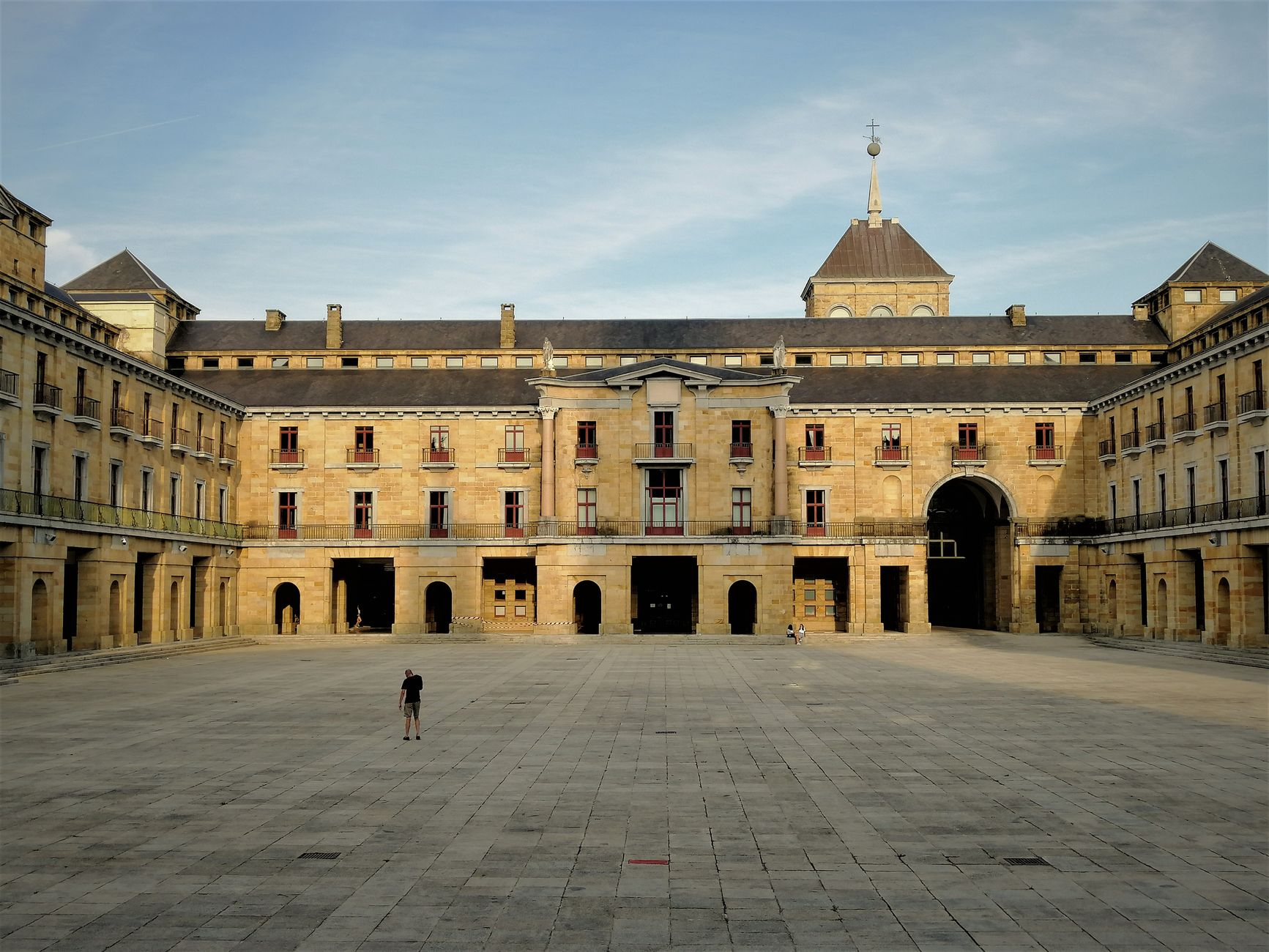
3 Days in Gijon: Gijón in 3 Days: Practical Itinerary and Local Tips
Plan 3 days in Gijon with this practical itinerary covering major sights, neighborhoods, food, and transport.
A no-nonsense, walkable 72-hour plan for Gijón that prioritises the old port, the seafront, LABoral and real sidra service rather than glossy snapshots.
First impressions are often split between the long white sand of Playa de San Lorenzo and the compact, hilly old fisherman quarter called Cimavilla. The port area and the promenade feel practical and a little rough at the edges; traffic, fishermen and working infrastructure are visible alongside cafés and galleries. The public mood is more local than tourist, with early-evening sidra pours and families on the paseo.
Expect weather that can turn quickly off the Cantabrian Sea: sunny stretches alternate with cloud and wind. The urban layout makes this a straightforward walking city for short stays, but the best experiences require a little planning: museum times, sidrería customs and the trip out to Laboral all need conscious scheduling. This suits travellers who want a compact mix of beach walking, honest food and contemporary art without the pretense of a polished resort.
Is 3 days in Gijon enough?
Yes — three days is enough to see the core: Playa de San Lorenzo, Cimavilla and Elogio del Horizonte, Laboral Ciudad de la Cultura and Jardín Botánico Atlántico, plus one relaxed sidrería evening. It will not allow a deeper exploration of inland Asturias villages, mountain routes or a full coastal circuit.
Who This Guide Is For
Best for travellers who like compact cultural walking, coastal scenery and food-focused short breaks. Less suitable for hikers who want extensive Picos de Europa time or for travellers wanting a nightlife-focused trip.
Local Tips for Gijon
Practical details that most travel sites skip — specific to Gijon.
- Elogio del Horizonte (Cerro de Santa Catalina) sits above Cimavilla; expect a 7–12 minute steep walk from Plaza Mayor and bring grippy shoes if it has rained.
- Casa Natal de Jovellanos (Museum) on Calle Jovellanos charges about €3–€4 for entry; confirm opening hours before arrival as winter hours are shorter.
- Laboral Ciudad de la Cultura (LABoral) is outside the old town in La Calzada — allow 25–30 minutes by bus or a 35–40 minute walk from the port area.
- Local sidrerías pour cider 'a la escanciar' — ask for 'una corta' or 'una botella' and expect roughly €1.80–2.50 per small glass in casual sidrerías.
- Renfe Cercanías Asturias runs trains from Gijón estación to Oviedo (line C-1); a single ticket is around €3.50–€5 depending on destination and time.
How This Guide Was Prepared
Gijón combines a working port, a long municipal beach and a serious sidra culture; many guides treat it like a coastal postcard and skip the industrial and cultural layers. This guide focuses on how to move between the beach, Cimavilla and Laboral Ciudad de la Cultura, how to drink sidra correctly, and which museum visits actually fit into a tight schedule. This guide was prepared through a structured research that combines destination research, geographic context, itinerary planning logic, and content review.
Plan Your Stay in Gijon
Use this itinerary as your starting point, then compare areas to stay, transport options, seasonal timing, and realistic daily costs before booking.
Why Visit
The shoreline and the beach are the easiest reasons: Playa de San Lorenzo is one of the few long urban beaches on this stretch of coast and works for walks, sun and accessible surf lessons. The old fishing quarter, Cimavilla, offers a concentrated feel of harbour life with narrow streets, local bars and the modern sculpture Elogio del Horizonte on the hill.
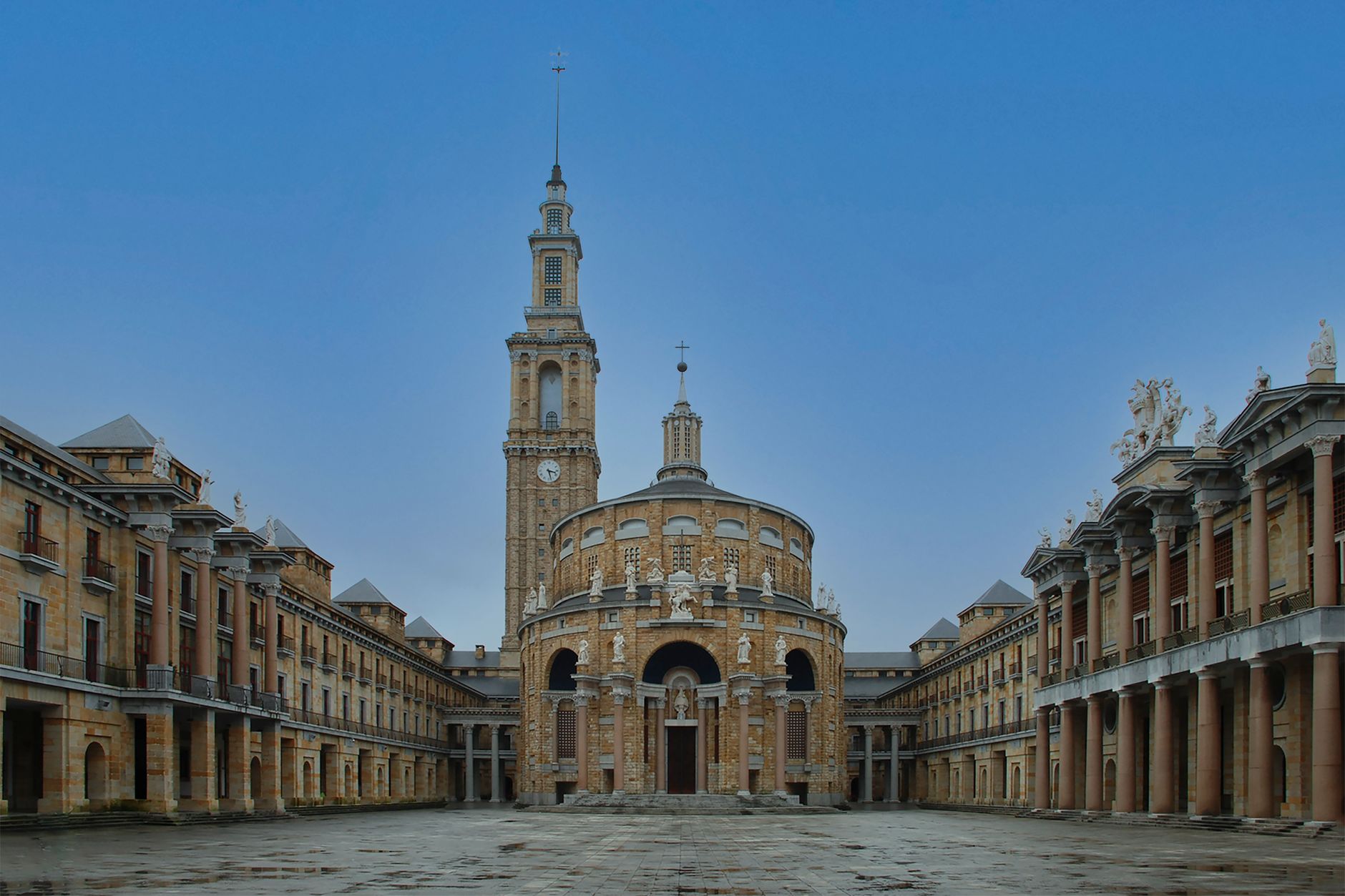
Laboral Ciudad de la Cultura provides a stark contrast: a large 20th-century complex with exhibitions and events at LABoral Centro de Arte that bring contemporary programmes not found in nearby Oviedo. The Jardín Botánico Atlántico shows plant life specific to the Atlantic façade and is useful for a quieter morning outside the centre. Finally, the sidra culture is central to the food experience: pouring, sharing and menus built around local seafood and hearty stews make eating here a practical cultural lesson.
Quick Planning Tips
Arrive through Asturias Airport (OVD) and plan for a taxi of roughly €40–50 to the centre; trains and buses connect but add transfer time. The main rail connection is Renfe Cercanías Asturias from Gijón estación to Oviedo (C-1); buy tickets at the station machine or via the Renfe app.
Carry some euros for small sidra orders and market stalls; many smaller sidrerías accept card but prefer cash for quick pours. Avoid the mistake of scheduling all museum visits for a single morning — many close one weekday and have reduced hours in winter. Finally, allow extra time to walk up to Cerro de Santa Catalina: the path is short but steep and is worth the effort for the views.

Day 1
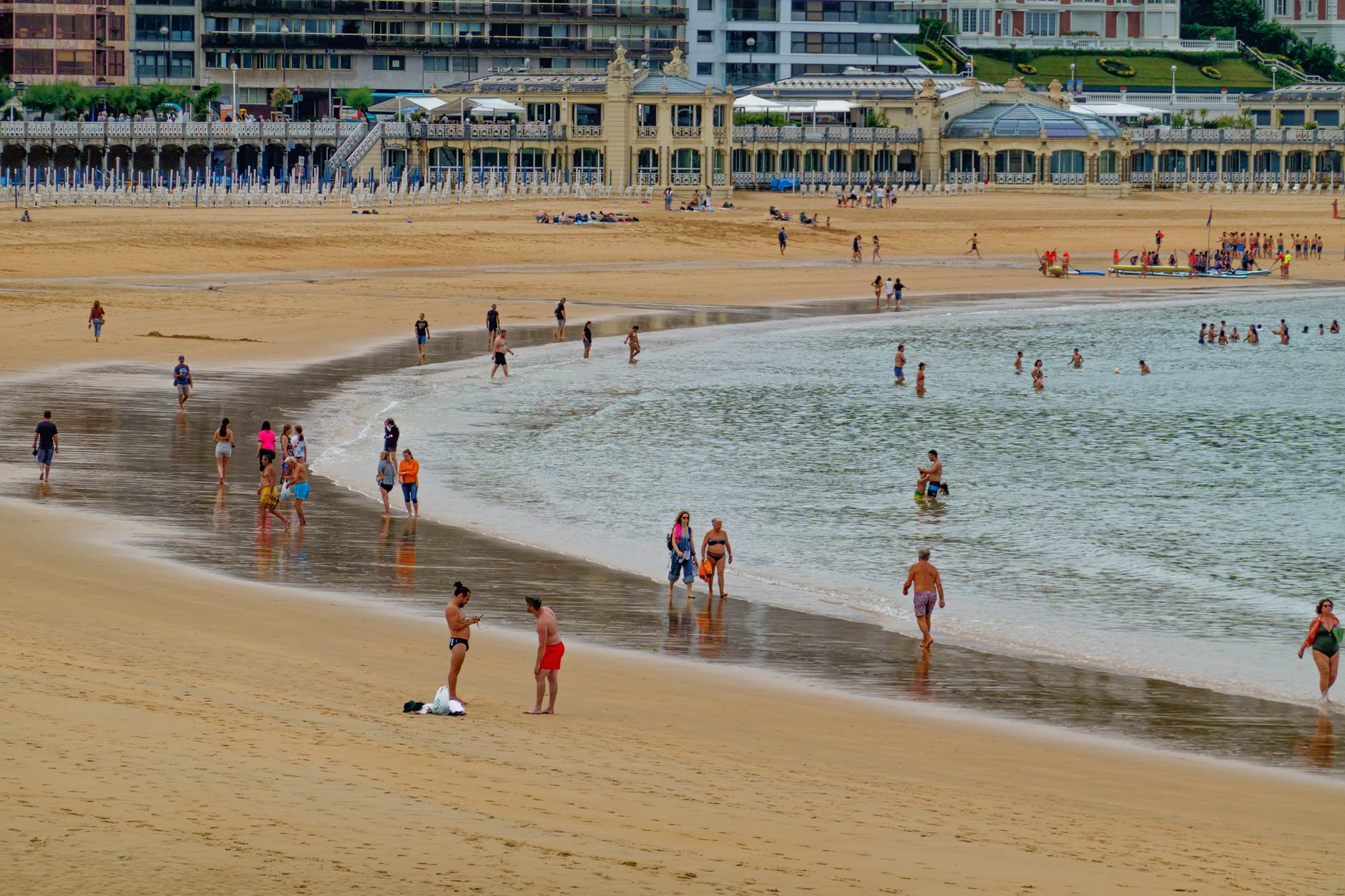
Morning: Start at Playa de San Lorenzo for a shoreline walk from the Palacio de Revillagigedo along the Paseo del Muro. The promenade is flat and stretches several kilometres; walking the city-side section to the Bandera spot takes 20–30 minutes at an easy pace.
Late morning: Head into Cimavilla from Calle Jovellanos and cross Plaza Mayor. Visit Casa Natal de Jovellanos (allow 40–60 minutes) and then climb to Cerro de Santa Catalina to see Elogio del Horizonte. The climb from Plaza Mayor takes 7–12 minutes depending on pace and stops for photos.
Lunch: Eat at a central sidrería or tavern in Cimavilla — Sidrería El Restallu on Plaza del Marqués offers classic local dishes and quick sidra pours for a solid midday stop. Expect €12–€20 per person for a main and a drink.
Afternoon: Walk down to the Museo del Ferrocarril de Asturias or the maritime quarters near Puerto Deportivo; both are 10–20 minutes on foot from Cimavilla. Take the promenade toward Parque Isabel la Católica for a relaxed late afternoon on benches and small gardens.
Evening: Return to Cimavilla for dinner and a proper sidra experience. Order bottles to pass around and ask staff to escanciar; this is the social way to drink sidra and makes an informal evening. Expect the area to be busiest from 20:00–22:30 on weekends.
Day 2
Morning: Take public transport or a 30–40 minute walk east to Laboral Ciudad de la Cultura in La Calzada. Start at LABoral Centro de Arte; allow 90 minutes for a main exhibition and extra time for guided tours when available. The complex includes architecture, outdoor courtyards and occasional concerts or talks.
Midday: From Laboral, travel (bus or taxi) to the Jardín Botánico Atlántico. The botanical garden requires 60–90 minutes to cover the main trails, alpine rock garden and coastal plant sections. Bring a light jacket — the coastal wind can be noticeable even on sunny days.
Lunch: Eat at the cafeteria within the Laboral complex or try a local menu offering in La Calzada; menus there tend to be cheaper than the seafront. Budget roughly €10–€18 for a daily menu.
Afternoon: Return to the centre and visit the Museo del Pueblo de Asturias (if open) or spend time in the shopping streets around Calle Corrida for local food shops and bakeries. Alternatively, take a short train ride from Gijón estación to a nearby coastal stop for 30–45 minutes of shoreline walking outside the city.
Evening: Try a different sidrería away from the old town, in neighborhoods such as La Calzada or El Coto, for a quieter local scene and menus that focus more on meat and stews than seafood.
Day 3
Morning: Start with a market visit at Mercado del Sur or the smaller local produce stalls near Plaza Mayor for coffee and an empanada or bollos preñaos. Markets open early; arrive before 11:00 for the best selection of produce and fish.
Midday: Walk the eastern promenade toward El Arbeyal or take a short bus to Somió for cliff-top viewpoints and quieter beaches. Allow 30–45 minutes travel time to Somió by bus. These sections give a look at residential life and small marinas outside the tourist route.
Lunch: Choose a seafood-focused bar near the marina or pick a coastal café in Somió for raciones; prices range €12–€25 depending on dishes and location. Plan for a relaxed midday if catching an afternoon train or flight.
Afternoon: If checking out and heading to the airport, allow at least 75–90 minutes to reach Asturias Airport by taxi; public transport adds transfer time. If staying into the evening, use the last hours to revisit the promenade, grab a coffee on Paseo de Begoña and pick up any last purchases in the central streets.
Practical note: For afternoon departures, keep luggage at your accommodation or in station lockers; Gijón estación has services and taxis are reliable but slightly more expensive outside peak hours.
Best Local Experiences
Sidra pouring at a traditional sidrería: find a neighborhood sidrería in Cimavilla or La Calzada, ask for escanciado and try small pours over several dishes. Typical spots combine cider with fried or grilled seafood and pork.
Cimavilla after sunset: explore narrow streets off Calle Jovellanos, stopping at small bars and the viewpoint at Elogio del Horizonte for sea air and views. This is where local rhythms show most clearly.
LABoral exhibitions and events: check the LABoral schedule for exhibitions, film nights or music events; the building also hosts guided architecture tours.
Jardín Botánico Atlántico trails: focus on Atlantic coastal flora and the greenhouse collections; good for a quiet morning away from the promenade.
Harbour walks and fish market glimpses: early-morning visits near El Muelle show working boats, fish deliveries and stalls; good for photography and a sense of the port economy.

Where to Stay
Cimavilla: Suited to those who want close access to the old quarter, short walks to the beach and evening sidrerías. Rooms in guesthouses and small hotels typically run €60–€110 per night (≈€60–€110). Expect narrow streets and limited parking.
Centro (Puerto and Paseo): Best for first-time visitors who prefer direct access to Playa de San Lorenzo, museums and the transport hub at Gijón estación. Mid-range hotels and apartments cost about €70–€130 per night (≈US$75–$140), with more choices for breakfasts and cafés within walking distance.
La Calzada / Near LABoral: Suited to travellers prioritising LABoral and quieter residential streets. Accommodation is often slightly cheaper and can run €50–€90 per night (≈US$55–$95). This area has fewer tourist bars but better access to municipal bus routes to the airport and industrial heritage sites.
Food and Drink
Sidra (Asturian cider): A lightly fermented apple cider poured from a height ('escanciar') into small glasses. Best tried in a sidrería like the ones around Plaza Mayor; expect €1.80–€2.50 per small glass.
Fabada asturiana: A slow-cooked bean stew with chorizo and morcilla; considered a regional staple. Look for it at traditional taverns and sidrerías — a serving costs about €8–€14.
Cachopo: Two veal or beef escalopes stuffed with ham and cheese, breaded and fried. Served in many restaurants across town; shared portions often cost €15–€25.
Empanada and bollos preñaos (breakfast/street food): Empanadas often filled with tuna or meat and bollos preñaos are small bread rolls stuffed with chorizo; available at bakeries and market stalls for €1.50–€4 each. A good morning option near Mercado del Sur.
Arroz con leche and other desserts: Traditional rice pudding appears in cafés and sidrerías for €3–€5. Pair desserts with a final small pour of sidra or a coffee.
Getting Around
There is no metro or tram system; movement relies on buses, trains and walking. Urban buses are run by the municipal operator and cover neighbourhoods such as Cimavilla, La Calzada and Somió. Tickets bought on board cost around €1.30–€1.40; day or multi-ride passes can be value options for heavy use.
Renfe Cercanías Asturias serves the main rail link to Oviedo from Gijón estación (C-1), useful for day trips. Intercity trains to Santander and Bilbao require checking schedules as services vary seasonally. Train tickets can be bought at machines or on the Renfe app.
Taxis: Airport to city centre fares typically run €40–€50; a mid-length taxi within the city centre is usually €6–€10 depending on time of day. Use apps like MyTaxi (Free Now), Renfe Cercanías app for rail times, and Google Maps or Moovit for bus routing and schedules.
Best Time to Visit
Late spring (May–June) and early autumn (September) offer the best balance of fair temperatures and fewer crowds. Day temperatures then commonly sit between 16–22°C and sea breezes are present.
High summer (July–August) brings the warmest weather, 20–25°C, and the largest local and domestic tourist crowds; prices for accommodation rise and beaches and sidrerías fill earlier. Winter months are cool and damp, 5–12°C, with lower prices but reduced opening hours for many museums.
For best value and still-walkable weather choose May–June or September; for guaranteed beach weather pick July–August and book accommodation well in advance.
Budget and Practical Tips
Typical daily budget per person (mid-range): Accommodation €60–€110 (≈US$65–$120); food €25–€45 (≈US$28–$50) including one sit-down meal and smaller bites; transport €4–€10 (≈US$4.50–$11) for buses and short train rides; entries €5–€15 (≈US$6–$17) for a museum or exhibition. A comfortable daily total is €95–€180 (≈US$105–$195).
Tipping norms: Service charges are not common in sidrerías and small restaurants; leave small change or round up 5–10% at full-service restaurants. For taxi drivers, round up to the next euro or add a couple of euros for luggage and helpful drivers.
Cash vs card: Cards are widely accepted but carry coins for small sidra pours, market stalls and older sidrerías. Carry a light waterproof jacket for coastal wind and quick rain; footwear with decent grip helps on wet stone streets.
FAQ
Is Gijón safe for solo travellers?
Yes. Normal urban safety precautions apply; most areas used by visitors are well lit and busy in evenings. Petty theft can occur near crowded bars, so watch personal items.
How to get from Asturias Airport to the centre?
Taxis take about 30–40 minutes and cost roughly €40–€50. Public buses connect to Oviedo and Avilés with transfers; allow extra travel time.
Is a city card or tourist pass worth buying?
There is no single Gijón 'city card' that covers all attractions; check combined museum tickets for LABoral and Casa Natal de Jovellanos when available. For single sites and short stays, pay-as-you-go is usually more economical.
Can the local trains be used for day trips to Oviedo or elsewhere?
Yes. Renfe Cercanías Asturias (C-1) runs between Gijón and Oviedo and is useful for day trips; buy tickets at the station or on the Renfe app.
Are there guided sidra experiences and are they worth it?
Guided sidra tastings and small-group sidrería visits run in high season and can be worth it to learn about escanciado technique and bottle sharing. Check schedules and book ahead for weekend evenings.
What is the best way to get to Laboral Ciudad de la Cultura?
Take a municipal bus or a short taxi ride from the centre; allow 25–35 minutes depending on exact start point and traffic.
Are museums badly affected by winter closures?
Some museums reduce hours or close one weekday outside summer; always check opening times before planning a full museum day.
Conclusion
Three days deliver a clear sense of local life: long promenades, the old port quarter, LABoral’s contemporary programme and the sidra culture. The most memorable elements for most visitors are the mix of sea air, public pours of cider and the contrast between the beach and the Laboral complex.
If time runs short, prioritise the walk from Plaza Mayor up to Elogio del Horizonte and a proper sidrería dinner; these elements sum up the local rhythm more effectively than trying to see every museum. Plan museum visits around opening hours and leave a late afternoon free for a slow paseo along Playa de San Lorenzo.
How this guide was prepared
This guide was prepared through a structured research that combines destination research, geographic context, itinerary planning logic, and content review.