
3-Day Helsinki Itinerary: Practical Weekend Guide for Visitors
Three days in Helsinki cover Senate Square, Market Square, Suomenlinna, the design district and a public sauna; practical transit.
A straightforward 72-hour plan for Helsinki that balances must-see landmarks, a ferry visit to Suomenlinna, design and food stops, a local sauna, and realistic transit and budget notes.
First impressions are likely to be a mix of orderly streets, extensive waterfront and frequent trams and commuter trains. The pace is calmer than larger capitals but not sleepy: daytime life centers on markets, lunch queues at cafes and short ferry crossings. The architecture swings from grand Neoclassical at Senate Square to functionalist apartment blocks and wooden houses in neighbourhoods such as Katajanokka and Kallio.
Expect straightforward urban services — clear transit maps, frequent ticket checks and mostly card payments — but also seasonal swings: winters are dark and require layers, while summers are busy with domestic tourists and boaters. This place suits travellers who can pack days with museums, short island trips and neighbourhood walks rather than lengthy rural excursions.
Is 3 days in Helsinki enough?
Yes: three days are enough to cover central landmarks—Senate Square, Market Square, Temppeliaukio and a Suomenlinna visit—plus time for one full neighbourhood like Kallio or Töölö and a public sauna. Caveat: museums beyond the main handful (Ateneum, Kiasma, Amos Rex) will need to be prioritised or left for another trip.
Who This Guide Is For
Best for urban travellers who like walkable days, museums and short ferries; not ideal for travellers wanting rural nature hikes or a relaxed long spa retreat. Budget travellers on hostel dorms will do fine; those needing luxury hotels should expect higher nightly rates.
Local Tips for Helsinki
Practical details that most travel sites skip — specific to Helsinki.
- Buy HSL mobile tickets on the HSL app (Zones A/B) — a single 90-minute adult ticket costs around €3.20 and covers trams, metro and buses within central zones.
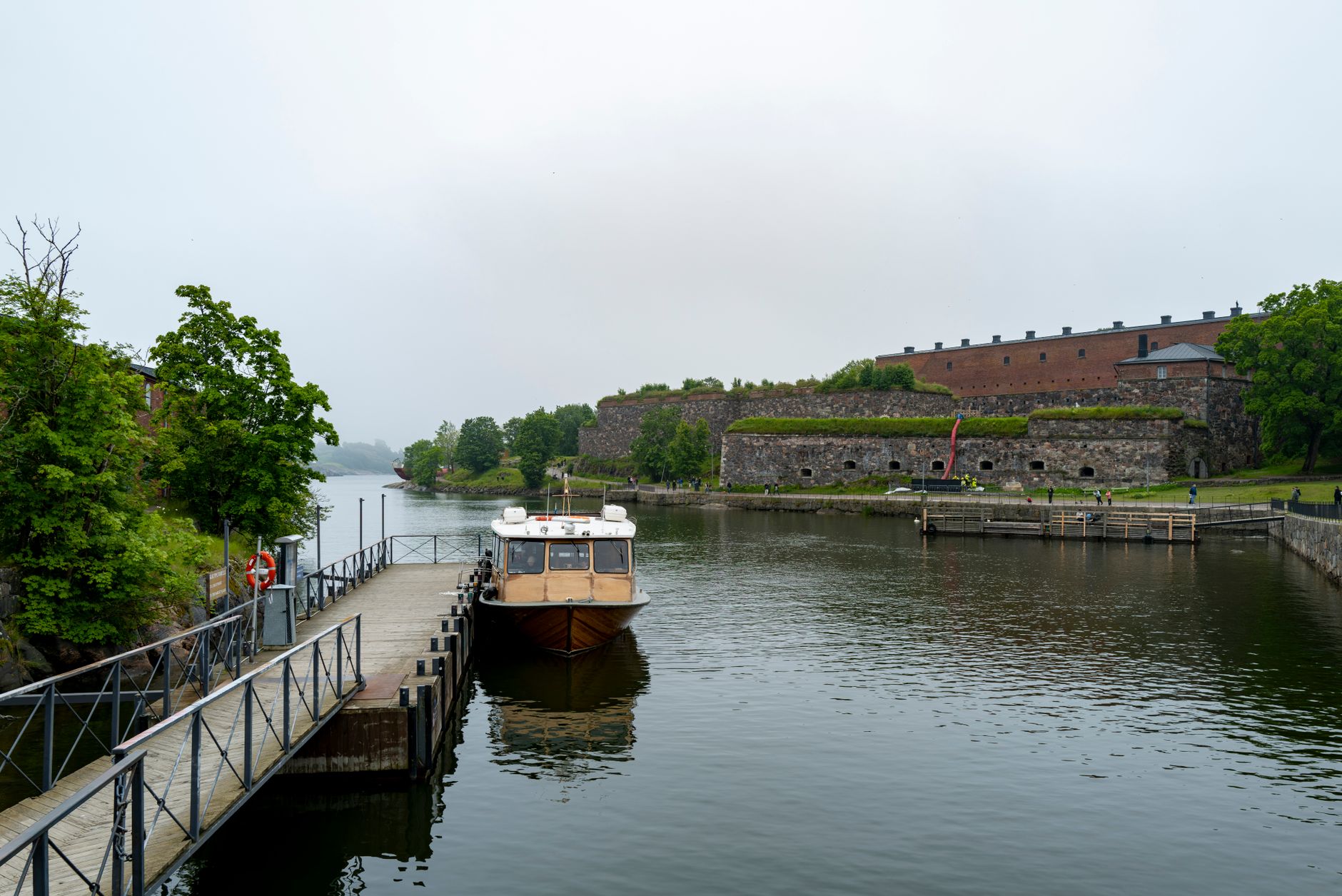
- The Suomenlinna ferry (line 84) leaves from Market Square (Kauppatori) and is included on HSL tickets — the crossing is 15–20 minutes each way.
- Pick up a Museokortti (Museum Card) for roughly €70 for 12 months if visiting multiple museums; it pays off after two or three paid museum visits like Ateneum and Amos Rex.
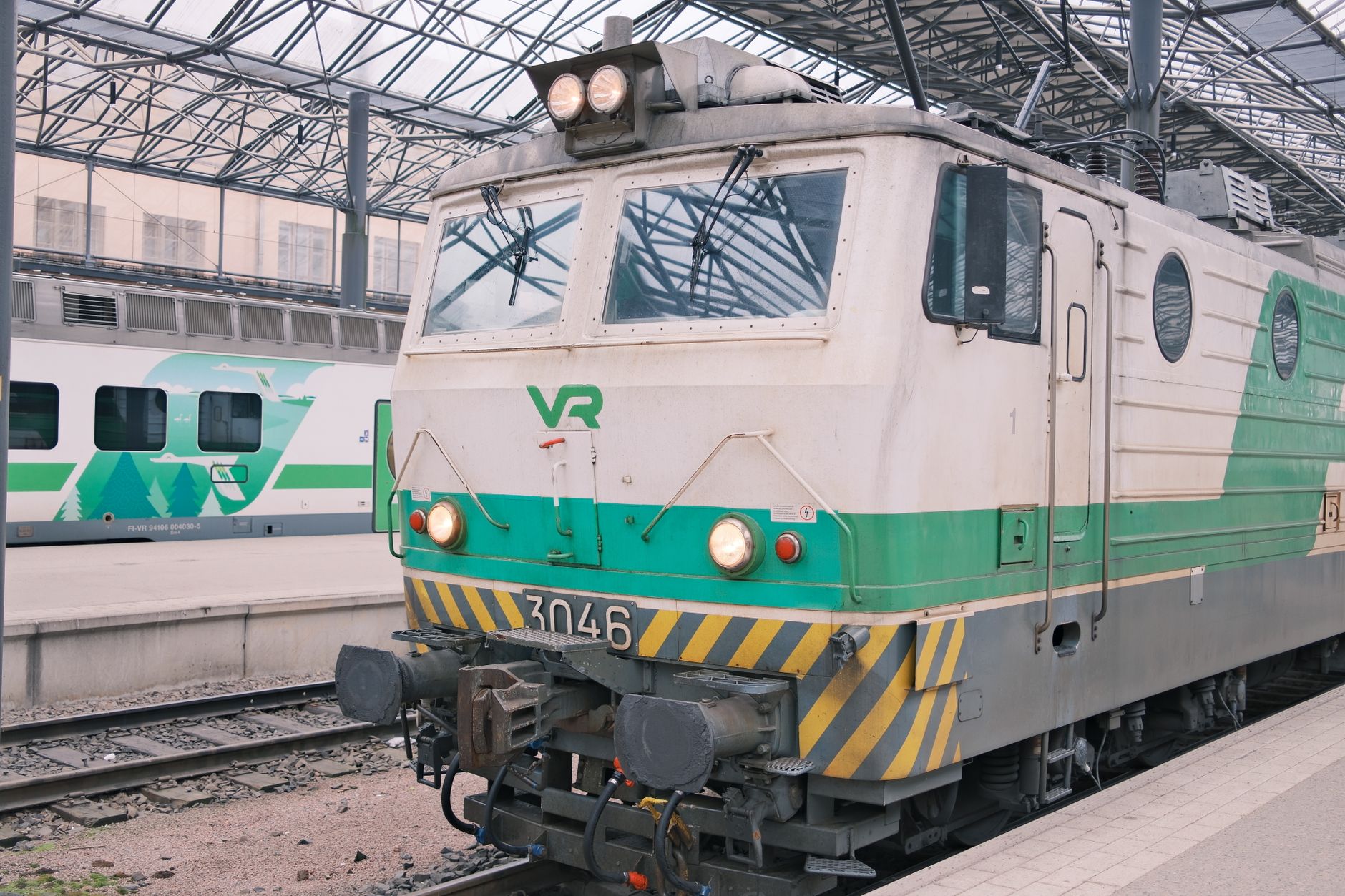
- Take the Ring Rail Train (lines I or P) from Helsinki Central (Helsingin päärautatieasema) to Helsinki Airport (Lentoasema) — journey is about 30–35 minutes and runs roughly every 10–20 minutes.
- On Sundays many smaller shops and some museum cafes close earlier; the Old Market Hall (Vanha Kauppahalli) by Market Square stays open most days and is reliable for food.
How This Guide Was Prepared
This guide treats Helsinki as a compact working city with clear neighbourhood personalities rather than an abstract Nordic 'destination'. Many guides over-focus on architecture and design shops while skipping ordinary rhythms — morning markets, commuter trains, lunchtime caf culture and public saunas that shape everyday life. The plan shows how to move between the waterfront, islands and inland districts efficiently and honestly about crowds, prices and closures. This guide was prepared through a structured research that combines destination research, geographic context, itinerary planning logic, and content review.
Plan Your Stay in Helsinki
Use this itinerary as your starting point, then compare areas to stay, transport options, seasonal timing, and realistic daily costs before booking.
Why Visit
A walkable mix of maritime landscape and city culture makes daytime planning simple; many key sites lie within 20–30 minutes of one another on foot or by tram. Suomenlinna offers a short island experience with forts and coastal walks reachable via the HSL ferry from Market Square.
The design and architecture scenes are unusually concentrated: the Design District contains small showrooms and shopfronts in Punavuori and Kaartinkaupunki, while Temppeliaukio Church provides a rare rock-cut architectural experience. Museum coverage is strong for art and Finnish design — Ateneum and Kiasma are both central and compact enough to fit into a half-day.
Public saunas and the culture around them are a genuine local experience; public options and small neighbourhood saunas provide a practical way to experience Finnish bath culture without booking an expensive spa hotel.
Quick Planning Tips
Arrive or depart via Helsinki Airport using the Ring Rail Train (I or P) from Helsinki Central; the trip is about 30–35 minutes to the airport and trains run frequently. Buy HSL mobile tickets on the HSL app before boarding trams or buses; single central-zone rides run around €3 and day tickets are useful for heavy travel.
Carry a credit or debit card that supports contactless payment — many small vendors and even ferry kiosks prefer cards. Avoid planning a heavy museum itinerary on Mondays, when several museums close or have reduced hours.
Day 1
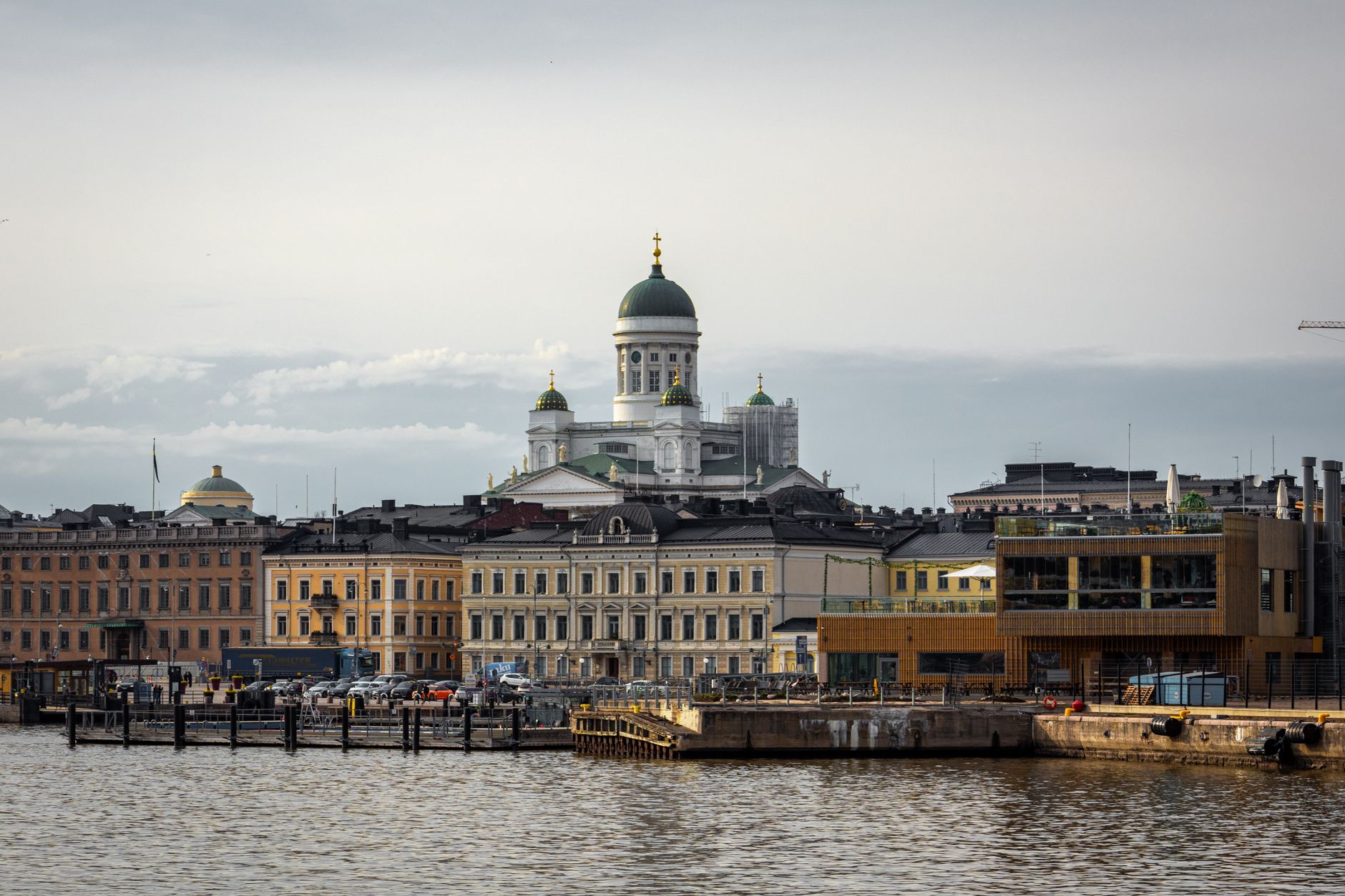
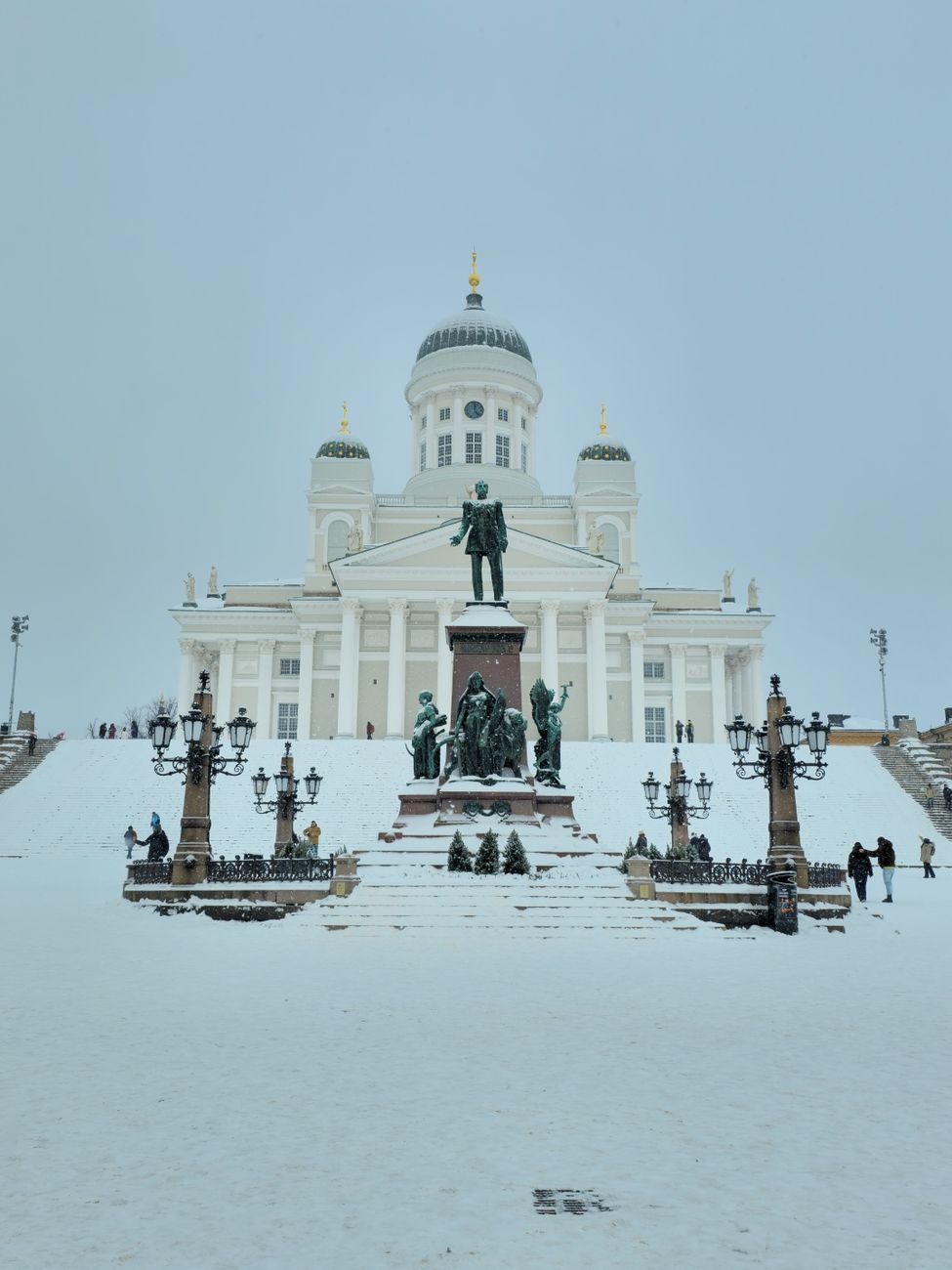
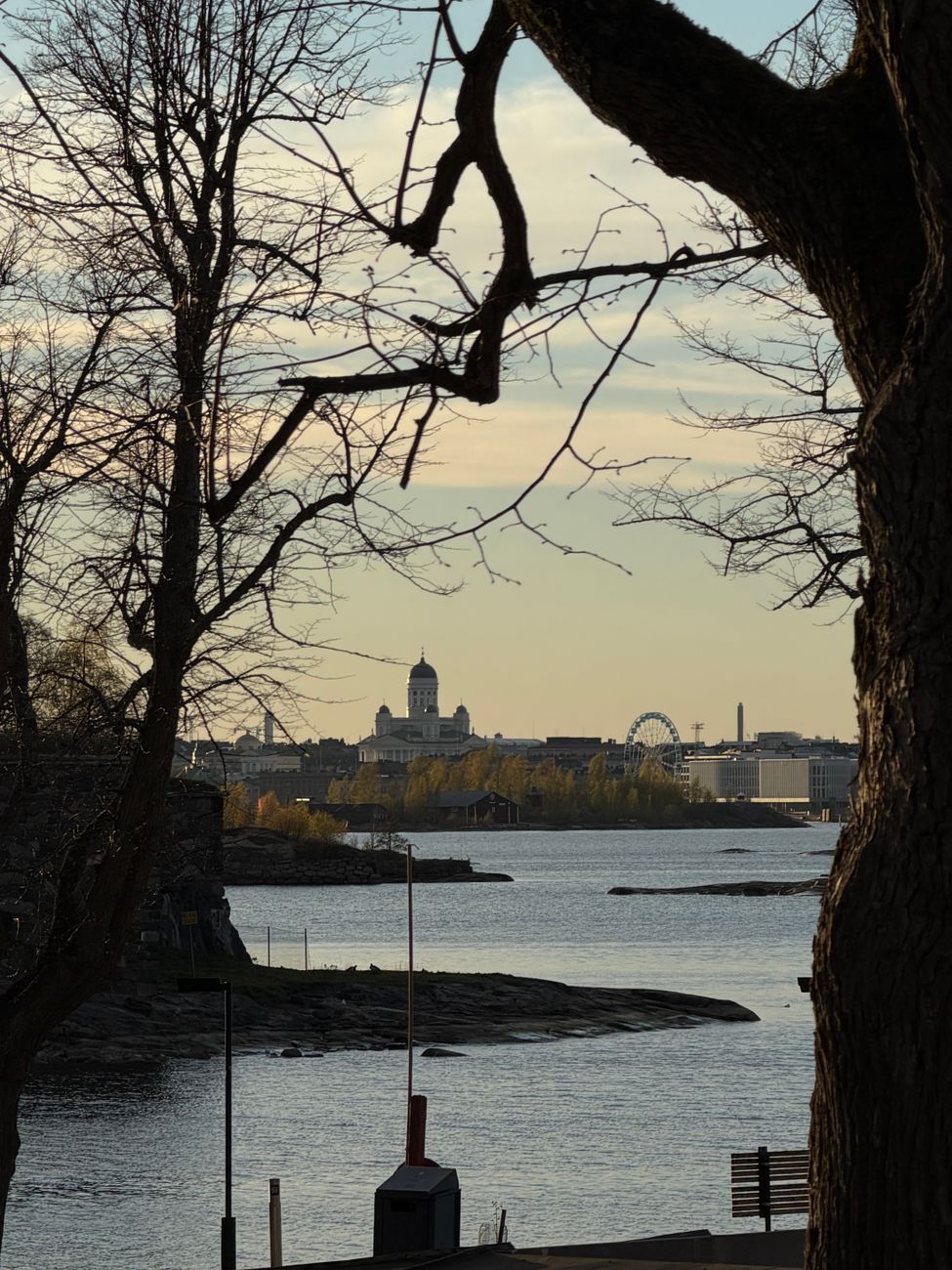
Start at Senate Square and Helsinki Cathedral for the classic civic core; allow 30–45 minutes to walk the square, read plaques and photograph the steps. Walk 5 minutes to Market Square (Kauppatori) and the Old Market Hall (Vanha Kauppahalli) for a fish and salmon sandwich lunch — Lappish or smoked salmon options cost roughly €8–14 in market stalls. From Market Square, take the HSL ferry (line 84) to Suomenlinna; the crossing takes 15–20 minutes and exploreable walking trails and museums on the island take 2–3 hours.
Return by ferry and walk 15 minutes to the Design District (Punavuori/Kaartinkaupunki) to browse design shops and small galleries; allow 1–2 hours. For dinner, try sea-food focused restaurants at the South Harbour or the Old Market Hall eateries. Evening recommendation: end with a 30–60 minute visit to Löyly or Allas Sea Pool for a sauna and a sea-view, noting reservations or queues at peak times.
Day 2
Begin in Töölö: walk the Esplanadi to the Havis Amanda statue then head to Töölönlahti bay for a stroll past the Opera House and Musiikkitalo; this area is about 20 minutes on foot from Market Square. Visit the Ateneum (Finnish National Gallery) or the Museum of Contemporary Art (Kiasma) depending on taste; museums are 10–20 minutes by tram or on foot from Töölö.
After lunch head north to the Rock Church (Temppeliaukio) in Töölö — it's a 10–15 minute tram ride or a 20-minute walk from the museum district. In the afternoon explore Kallio neighbourhood for a different mood: secondhand shops, cafés and small bars can be reached via tram 3 or by a 15–20 minute walk across Pitkäsilta bridge. Evening activity: dine in Kallio at a casual restaurant or grab supper at a local bistro, then try a neighbourhood sauna session if open late.
Day 3
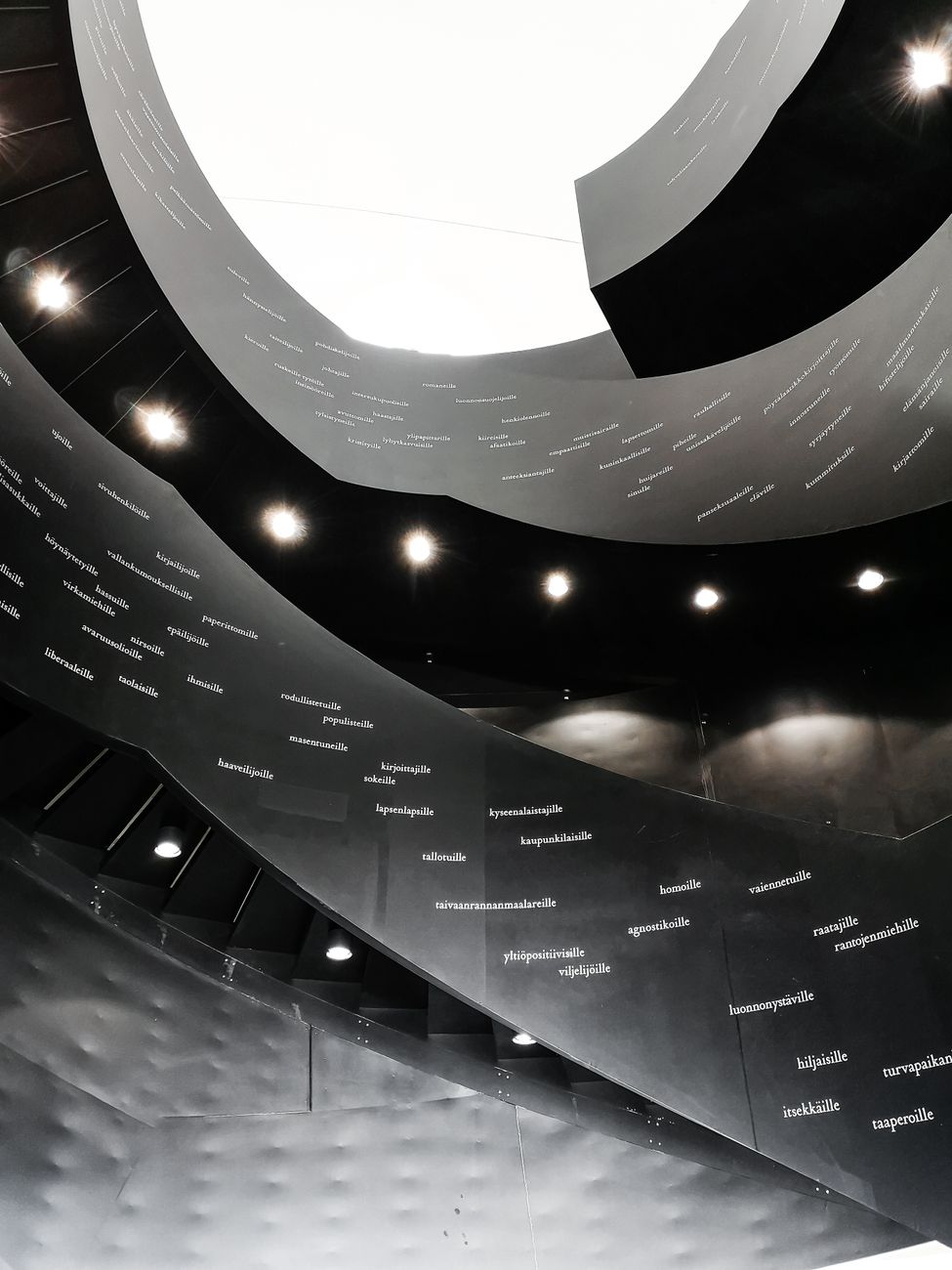
Use the final day for a lighter schedule and one last museum or neighbourhood depending on departure. Start at Oodi Central Library for an hour — it's 5–10 minutes by tram from Helsinki Central and useful for luggage-friendly facilities. From Oodi walk to the nearby Market Square if shopping or a quick harbour walk is desired; allow 30–60 minutes.
If time allows visit the National Museum or Amos Rex for modern installations; both are reachable by tram or a 10–15 minute walk from the central station. Practical note for departures: leave enough time for the Ring Rail Train (I or P) to the airport — trains require 30–35 minutes, plus a 20–30 minute buffer for bags and security. Evening recommendation for a late departure: a quick sauna or a meal near the station keeps travel stress low.
Best Local Experiences
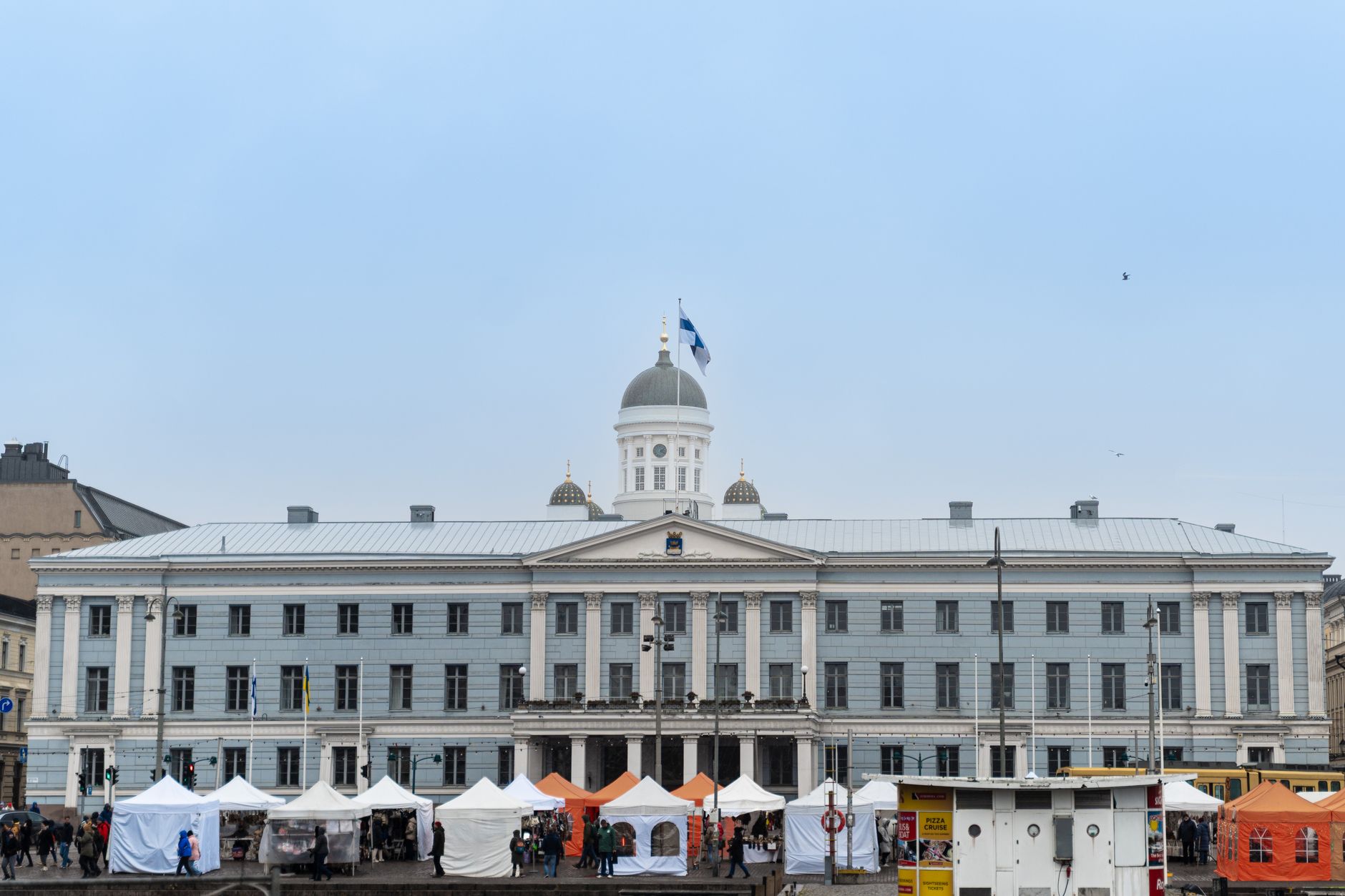
Market Square (Kauppatori) and Vanha Kauppahalli: fresh fish, salmon sandwiches and seasonal berries; best for morning food runs. Suomenlinna ferry and island walk: UNESCO fortress with short hikes and museums, reachable on an HSL ticket.
Public sauna visits at Löyly, Allas Sea Pool or a local neighbourhood sauna in Kallio: these vary in price and atmosphere and give a practical look at Finnish bathing culture. Design District shopping in Punavuori and Kaartinkaupunki: small Finnish design shops, Marimekko flagships and independent studios. Oodi Central Library: modern civic space with rooftop views and useful luggage lockers for a final-day stop.
Where to Stay
City Centre (Kamppi/Kluuvi): Suited to first-time visitors who want walking access to Helsinki Central, shopping streets and the waterfront. Expect nightly rates from about €100–€180 (≈$110–$200) for midrange hotels, higher for international chains.
Punavuori/Design District: Suited to design-minded travellers and food walkers; close to cafés and boutiques. Nightly midrange options run €90–€160 (≈$100–$180). Kallio: Suited to budget travellers and those seeking nightlife and secondhand shops; hostels and budget hotels often range €40–€100 (≈$45–$110) per night for basic rooms.
Food and Drink
Graavilohi (cured salmon): thinly sliced cured salmon served on rye bread; reliable versions at Vanha Kauppahalli or Market Square stalls for about €6–12. Lohikeitto (salmon soup): creamy soup with salmon and potatoes; a cafeteria or casual restaurant portion costs €8–14.
Karjalanpiirakka (Karelian pie): rye crust with rice porridge filling, often served with egg butter; find them at bakeries and Market Square for €1.50–3 each. Karelian pies make a practical breakfast or snack. Street food option: grilled salmon or fish sandwiches at Market Square stalls and kiosks, generally €7–12.
Dinner recommendation: try a seasonal tasting at a Nordic kitchen restaurant such as Heim or Finnish menus at a mid-range restaurant in Punavuori for €30–55 per main course. Coffee culture is strong — order a takeaway kahvi at a local roastery cafe for about €3–4.
Getting Around
Public transport is run by HSL: trams, metro (M line), commuter trains and buses. Key rail lines include metro lines M1/M2 (east-west branches), Ring Rail trains I and P to the airport, and numerous tram lines such as 2, 3, 4 and 7 for central routes.
Buy single HSL mobile tickets via the HSL app; single central-zone rides run around €3 and 24-hour tickets cost roughly €9–10. Taxis are plentiful but pricier—expect about €35–€45 from Helsinki Central to the airport depending on traffic. Use the HSL app or Google Maps for real-time routes and Reittiopas for local planning.
Best Time to Visit
Summer (June–August): warmest months with long daylight and many outdoor events; temperatures typically 16–22°C and tourist crowds rise, especially in July. Late spring and early autumn (May, September): shoulder months with fewer crowds and temperatures around 8–16°C; good value and still many services open.
Winter (December–February): cold, short daylight (often under 6 hours), temperatures commonly −3 to −15°C; this season suits winter-activity seekers but expect limited ferry services and shorter museum hours. For best balance of weather, daylight and value, aim for May or September.
Budget and Practical Tips
Realistic daily budget for a midrange traveller: accommodation €100–€150, food €40–€70, transport €5–€10, entry fees €10–€25; total roughly €155–€255 per day (≈$170–$280). Budget travellers can lower accommodation to €40–€80 per night and keep daily costs near €80–€120 (≈$90–$130).
Museum entry fees: expect about €12–€18 for major museums like Ateneum or Amos Rex; a Museokortti (~€70) can save money if visiting more than two. Tipping: service charges are not expected — rounding or 5–10% for exceptional service is appreciated but not required.
FAQ
Is Helsinki safe for solo travellers?
Yes. Central areas and public transport are generally safe day and night, but standard precautions against pickpocketing in crowded places are sensible.
Is public transport easy for tourists?
Yes. Use the HSL app for tickets and route planning; trams, metro and commuter trains are frequent and clear. Single tickets and 24-hour options cover most needs.
Is a museum card or city card worth buying?
Buy a Museokortti if planning three or more paid museum visits over months; short-term visitors should compare the cost of individual entries versus the Museokortti. City tourist cards vary — check current inclusions before purchase.
How do I get to the airport cheaply?
Take the Ring Rail Train (I or P) from Helsinki Central for about 30–35 minutes; it is the most reliable and often the cheapest option versus taxis.
Can English be used everywhere?
Yes. English is widely spoken at shops, museums and transit staff; signage is generally bilingual Finnish/Swedish and English in tourist spots.
Are public saunas open to tourists and do they require nudity?
Many public saunas welcome tourists and have clear rules. Mixed saunas may have swimwear policies; check individual sites (Löyly, Allas Sea Pool) for booking and dress guidelines.
Are Sundays a problem for sightseeing?
Some smaller shops close or open late on Sundays; major museums and market halls usually remain open but always check specific opening hours.
Is it easy to take day trips to nearby towns like Espoo or Turku?
Yes. Espoo and Tampere are reachable by commuter train or longer intercity rail; Turku requires a longer train trip but is feasible as a day trip from early starts.
Conclusion
Three days deliver a compact but satisfying overview: civic squares, a market and island walk, design neighbourhoods and a sauna experience are all achievable with sensible routing. Travellers will most likely remember the contrast between calm harbour mornings and the efficient transit that stitches the city together. If time becomes tight, prioritise Market Square plus the Suomenlinna ferry and one central museum — that combination gives a clear sense of place in limited time.
How this guide was prepared
This guide was prepared through a structured research that combines destination research, geographic context, itinerary planning logic, and content review.