
72-Hour Itinerary for Kazan — Practical 3-Day Guide
A practical 3-day plan for Kazan covering the Kremlin, Bauman Street, must-try Tatar food, transport tips, realistic costs, and how to avoid long lines.
A straight-talking 3-day plan for seeing the Kremlin, Bauman Street, local food and a neighbourhood or two without wasting time.
Arrival feels immediate: wide Soviet-era boulevards give way to a compact historic centre dominated by the Kremlin on a hill beside the Kazanka River. Street life clusters on Ulitsa Baumana where cafes, buskers and souvenir sellers occupy a long pedestrian axis; this is where most visitors start and often overstay. Expect a mix of Tatar-language signage and Russian announcements; English is present at main museums and hotels but limited in neighbourhood kiosks.
Crowds concentrate at the Kremlin and on match days at Kazan Arena; mornings before 10:00 are the least busy. The city suits travellers who like short walks between sights, clear public transit, and food-focused exploring rather than long museum marathons. Practical issues are noise from trams and buses, uneven paving on older streets, and seasonal closures of some riverside promenades in winter.
Plan days around a central hub—Ploshchad Tukaya or Kremlevskaya stations—so transfers stay short. That keeps transit simple and leaves time for a neighbourhood café and an evening riverside stroll without pushing schedules into stress.
Is 3 days in Kazan enough?
Yes—three days is enough to cover the Kazan Kremlin, Bauman Street, a mosque and cathedral visit, a neighbourhood walk, and one short excursion. One honest caveat: museum-heavy itineraries or a full day trip to Bolgar or Raifa will require extra time and must be chosen instead of deeper exploration in the city.
Who This Guide Is For
Best for first-time visitors who want architecture, local food, and easy walking with public transit. Poor fit for travellers seeking nightlife-centric trips or multi-day countryside hiking.
Local Tips for Kazan
Practical details that most travel sites skip — specific to Kazan.
- Kazan Kremlin ticket office sells a combined ticket (around 300–500 RUB) that covers Kul Sharif Mosque entry and the Palace of Farmers exhibitions—buy on arrival to avoid kiosks selling overpriced tours.
- Ulitsa Baumana (Bauman Street) runs between Ploshchad Tukaya metro station and the Kremlin; plan for 20–30 minutes on foot from Ploshchad Tukaya to Kremlevskaya gate depending on crowds.
- Bus 197 / Aeroexpress is not available: take bus route 197 (about 40–60 RUB) or a shared taxi from Kazan International Airport to city centre; expect 40–50 minutes in normal traffic and 900–1300 RUB by private taxi.
- Kazan Metro has a single line with key stations Kremlevskaya, Ploshchad Tukaya and Ametyevo; a single metro ride costs about 40–45 RUB and contactless bank cards are accepted at many turnstiles.
- Use Yandex.Transport and Yandex.Taxi apps for real-time tram/bus locations and cheaper rides than street taxis; many small museums accept only cash under 500 RUB.
How This Guide Was Prepared
This guide treats Kazan as a working regional capital where Tatar culture and Soviet planning sit side-by-side, not as an exotic novelty. Most guides over-romanticize the Kremlin and under-explain transit and costs; this guide focuses on realistic timing, exact stations, and where queues and closures really bite. This guide was prepared through a structured research that combines destination research, geographic context, itinerary planning logic, and content review.
Plan Your Stay in Kazan
Use this itinerary as your starting point, then compare areas to stay, transport options, seasonal timing, and realistic daily costs before booking.
Why Visit
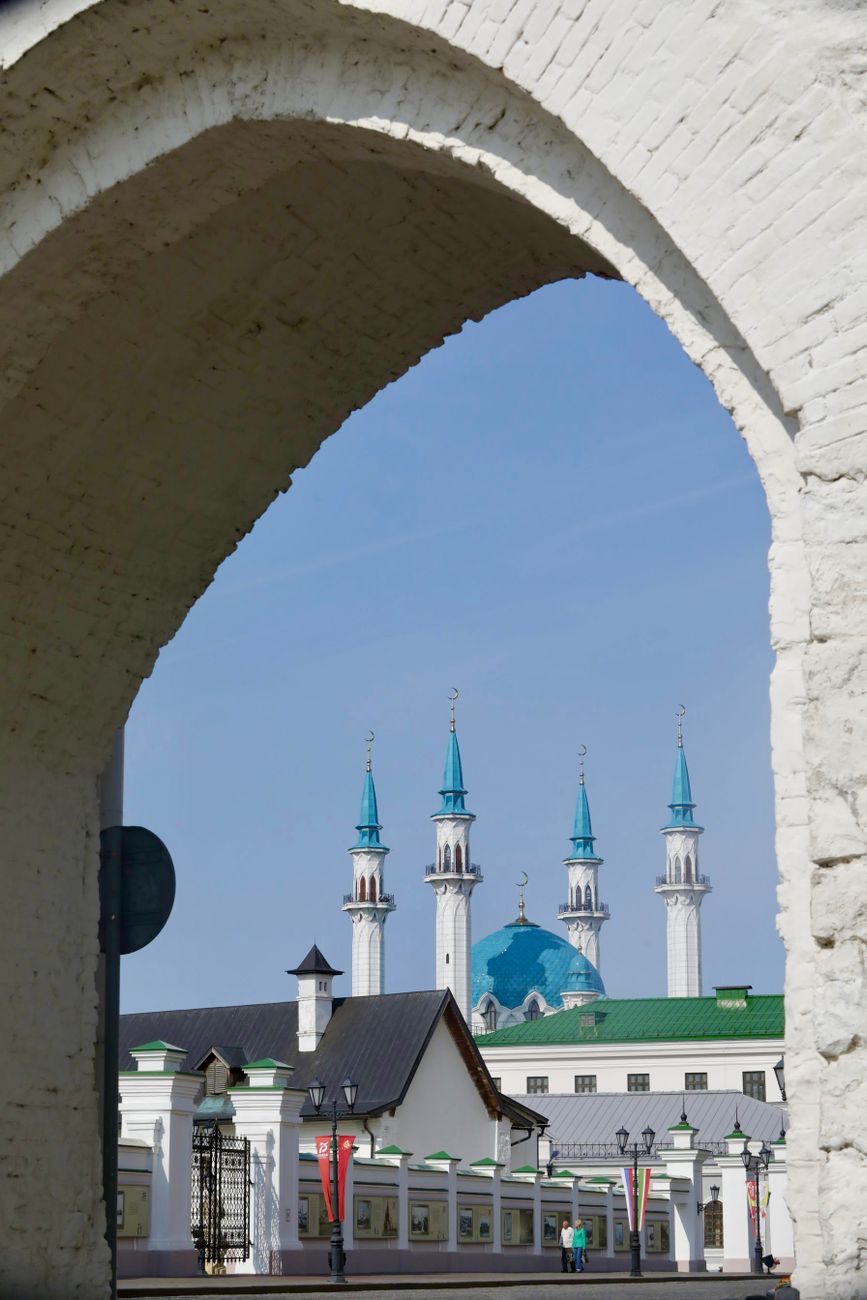
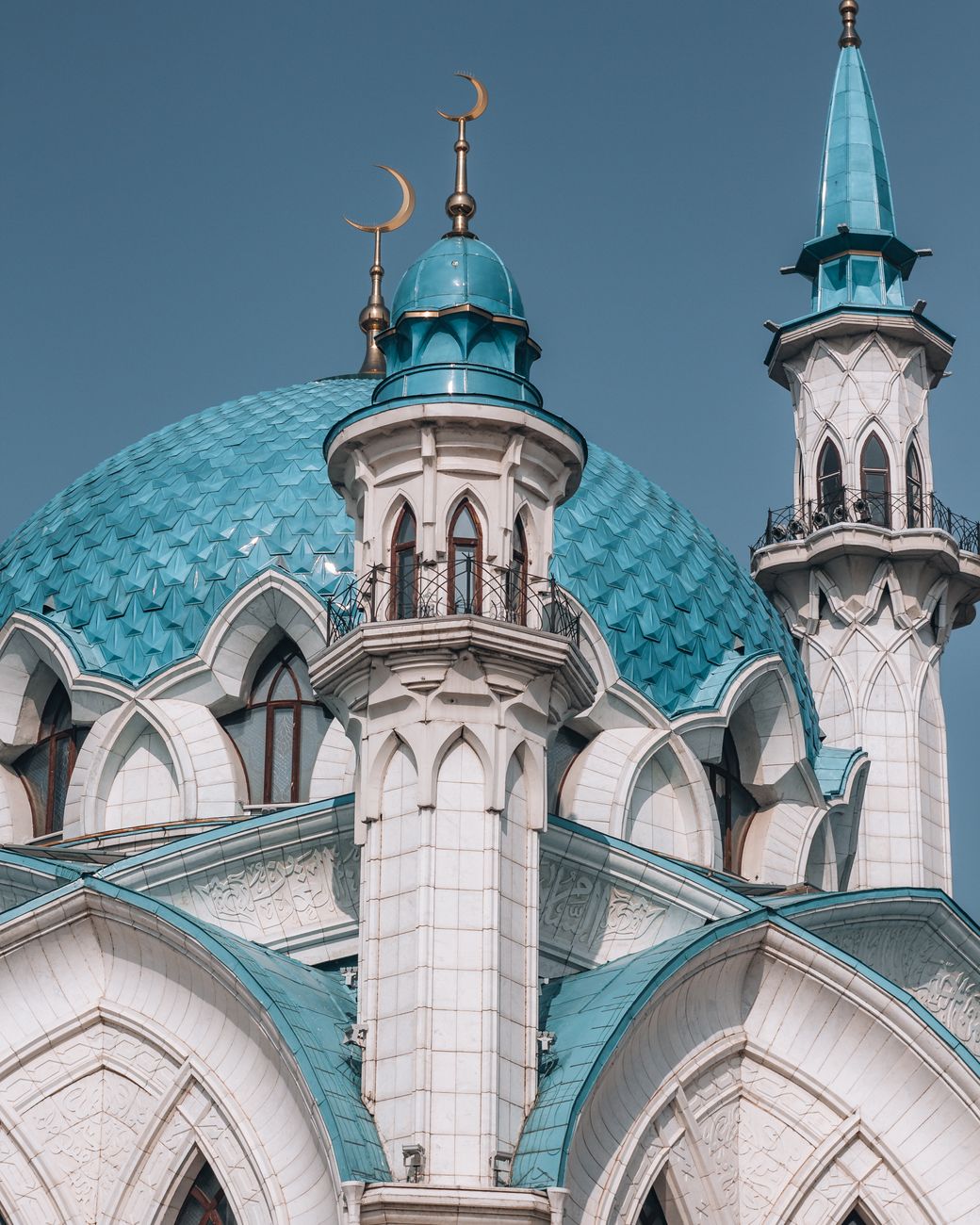
A well-preserved fortress complex with visible layers of Tatar khanate architecture and Russian imperial additions gives a compact, readable historical walk that fits into three days. Kul Sharif Mosque and the Annunciation Cathedral sit within the same Kremlin walls, allowing a comparative architectural visit without long transfers.
Bauman Street is a focused urban artery where local bakeries, tatar pastry shops and Soviet-era storefronts are easily sampled on foot. A short tram or bus ride takes visitors to modern neighbourhoods like Ametyevo and to the Millennium Bridge for good city views.
Culinary reasons are strong: access to authentic chak-chak, echpochmak, and local smoked fish in city markets means food-focused visits are rewarding without fine-dining budgets. Finally, proximity to day trips—Raifa Monastery and Bolgar—allows a compact base for one excursion while still leaving two days for city exploration.

Quick Planning Tips
Fly into Kazan International Airport (KZN) and take bus 197 into the centre; buy a ticket from the driver or at the kiosk for around 40–60 RUB and expect 40–60 minutes depending on traffic. No metro link exists to the airport, so budget taxi fares at roughly 900–1,300 RUB from the airport to the central districts outside peak traffic.
Carry small denominations of rubles for market stalls and minor museum entries; many places accept contactless bank cards but smaller vendors prefer cash. Download Yandex.Transport for live bus and tram times and Yandex.Taxi for rides; these are standard local apps.
Avoid booking a Kremlin tour at the very end of the day — museum offices often close earlier than the Kremlin grounds and mosque visiting hours change on religious holidays. Buy Kremlin entry tickets on arrival if arriving early to avoid commercial sellers touting guided tours at double price.

Day 1
Morning: Start at Ploshchad Tukaya metro station and walk Ulitsa Baumana toward the Kremlin. Allow 20–30 minutes on foot to reach the Kremlevskaya gate if moving at a steady pace and stopping for a coffee. Baumana is where souvenir shops, street performers, and small bakeries cluster; budget time to sample a freshly baked echpochmak pastry.
Late morning: Enter the Kazan Kremlin through the main gate. Allocate 90–120 minutes to visit Kul Sharif Mosque (entry ~300–400 RUB), the Annunciation Cathedral and the Palace of Farmers façade and small exhibitions. The Kremlin complex is compact but popular; arrive before 10:30 to avoid larger tour groups.
Lunch: Eat at a nearby café on Baumana such as Dom Chaya or local tea houses where a set lunch with soup and a main costs about 400–700 RUB. These cafés are within a 5–10 minute walk back toward Ploshchad Tukaya.
Afternoon: Walk south to the Kazanka embankment and cross the Millennium Bridge for a riverside perspective; this stretch is 15–25 minutes from the Kremlin depending on walking speed. Continue to the University quarter to see 19th-century faculty buildings and Suyumbike Tower from different angles.
Evening: Dinner at a tatar restaurant near Bauman—expect 600–1,200 RUB per person for a main like pilaf and a shared platter. Finish with an evening stroll along the embankment near the Kremlin where lights and reflections are a common local scene.
Day 2
Morning: Head to the Vakhitovsky district and the Temple of All Religions; take tram or bus toward Yershov or use Yandex.Taxi for a 10–15 minute ride from Ploshchad Tukaya. Spend 45–60 minutes walking the complex and nearby residential streets to see intricate mosaics and the compound’s blend of styles.
Late morning: Move to the Zelenaya Roshcha or Gorky Park area by tram or bus for a contrast with the historical centre. Gorky Central Park offers green space, a small amusement area and a cable car station during summer; allocate 60–90 minutes including transport time (15–25 minutes from the Temple area).
Lunch: Try a market or canteen-style lunch at the nearby Central Market (Tsentralny Rynok) where traditional pies, smoked fish and salads run 150–500 RUB. Markets are cash-friendly and a good place to taste chak-chak and local smoked cheeses.
Afternoon: Visit the State Museum of Fine Arts of the Republic of Tatarstan near Kremlevskaya; exhibitions cost roughly 200–400 RUB. From there, walk (10–15 minutes) or take the short tram ride to Kazan Arena to view the exterior and fan zones if open.
Evening: Sample modern Russian-Tatar fusion at a restaurant in Ametyevo or along Prospekt Pobedy, then return to the central district by metro (single ride ~40–45 RUB) for a late riverside walk.
Day 3
Morning: Reserve a shorter excursion—Raifa Monastery on the edge of the Kazan region or a focused museum visit depending on departure time. Raifa requires at least 3–4 hours door-to-door by bus or taxi; if catching an afternoon flight, skip Raifa and use the morning for the Museum of Soviet Life or the Family Centre observation deck.
Late morning: If staying in the city, visit the Museum of Social and Political History (small local museum) or the Kazan Family Centre (Dom Druzhby) for panoramic views; both fit into a two- to three-hour window. These are reachable by bus or a 10–20 minute taxi ride from central hotels.
Lunch: Eat near the station or hotel—traditional soup (shurpa) and blini at a decent café cost 300–700 RUB. Choose a spot near Ploshchad Tukaya or Kremlevskaya for quick return to baggage pick-up.
Afternoon (for departures): If checking out midday for an afternoon flight, store luggage at the hotel and use transit to do a last short walk along the embankment or a final market visit. For airport transfers, allow at least 90 minutes for taxi plus security and arrival time; bus 197 is cheaper but slower.
Evening: For late departures, a short table at a river-view café provides a calm finish—order tea and a sweet (chak-chak) and plan to leave for the airport 2–2.5 hours before flight departure.

Best Local Experiences
Visit the Central Market (Tsentralny Rynok) for smoked fish, local cheeses and chak-chak vendors; markets are cash-first and lively in the morning. Walk Ulitsa Baumana on a weekday morning to see daily life, small bakeries and tram-lined approaches without weekend crowds.
Attend a match-day atmosphere at Kazan Arena for football fixtures if dates align—tickets vary but even walking the perimeter gives a sense of local enthusiasm. Take a short taxi to Raifa Monastery for a lakeside historic complex and quiet nature trails, especially good outside peak tourist periods.
Explore the Temple of All Religions for a photo and architectural curiosity, then move to the University's old quarter for 19th-century facades. Finally, try a Tatar cooking class or an evening tea house on Baumana to experience local hospitality; these are bookable through local guides and small kitchens in the city centre.

Where to Stay
Bauman / Ploshchad Tukaya: Best for first-time visitors who want to walk to major sights and use the metro. Close to restaurants and shops with a lively pedestrian atmosphere. Nightly costs: budget guesthouses from ~1,500–3,000 RUB (≈€17–34 / $18–38), mid-range hotels 4,000–7,000 RUB (≈€44–78 / $48–88).
Kremlevskaya / Kremlin area: Suits visitors prioritising sightlines and river views; quiet in the evenings and within a short walk of the Kremlin. Small boutique hotels and heritage guest rooms are common. Nightly costs: mid-range 5,000–9,000 RUB (≈€55–100 / $60–110), higher for river-view rooms.
Ametyevo / Prospekt Pobedy: Good for travellers seeking modern apartment hotels and cheaper chain options with easy metro access to the city centre (15–20 minutes). Suits families and longer stays. Nightly costs: budget 1,800–3,500 RUB (≈€20–39 / $22–43), mid-range 3,500–6,000 RUB (≈€39–67 / $43–66).
Food and Drink
Echpochmak: A triangular meat-and-potato pastry common in Tatar cafés; find good versions at Baumana bakeries for about 60–150 RUB. Chak-chak: Fried dough balls with honey syrup served in portions for 150–400 RUB at markets and confectioneries; buy a boxed portion at Tsentralny Rynok.
Pilaf (plov): Rice with lamb or beef and vegetables available in restaurant portions for 350–800 RUB; good versions at family-run tatar eateries near the Kremlin. Shurpa: A hearty meat-and-vegetable soup served in most cafes for 150–350 RUB, a simple lunch option.
Kazan-style dumplings and local smoked fish: Small plates or snacks from market stalls for 100–300 RUB. Breakfast option: a set at a local café—tea, porridge or omelette and a pastry for 220–450 RUB. Dinner recommendation: a shared tatar banquet at a reputable restaurant near Baumana or the Kremlin for 800–1,500 RUB per person including dessert and tea.
Drinks: Try local herbal teas served in teahouses; bottled water and soft drinks are inexpensive (50–150 RUB). For cashless ease, many restaurants accept cards, but plan for market cash purchases.
Getting Around
Use the Kazan Metro single line with key stations Ploshchad Tukaya, Kremlevskaya and Ametyevo to move quickly across the city; a single ride costs about 40–45 RUB. Trams and buses cover radial routes; common tram and bus stops show route numbers and timetables at shelters.
Buy single tickets from vending machines or drivers for buses and trams (40–50 RUB) or pay contactless at many metro turnstiles. Day passes are not common for tourists; instead, use individual tickets or pay by contactless bank card on buses where accepted. Yandex.Transport shows live positions for trams and buses; Yandex.Taxi is the main app for ordering taxis and shared rides.
Typical taxi fare from Kazan International Airport to the central districts runs 900–1,300 RUB; shared minibuses and buses cost roughly 40–60 RUB. Expect local drivers to prefer electronic app payments; cash remains an option for small taxi operators.
Best Time to Visit
Late spring (May–June): Temperatures 10–22°C, long daylight and lower post-winter prices; best balance of weather and crowd levels. Summer (July–August): Warm 18–28°C but peak domestic tourist numbers, especially during festivals and football fixtures.
Early autumn (September): Cool 8–18°C, fewer crowds and good foliage on river embankments; many museums run seasonal exhibitions. Winter (December–February): Cold with temperatures -5 to -20°C and shorter daylight; city remains walkable but riverside promenades may close and some attractions run reduced hours.
For value and moderate crowds choose May or September; avoid national holidays when domestic travel spikes and hotel prices rise, particularly Victory Day in early May and New Year week in late December–early January.
Budget and Practical Tips
Sample daily budget (per person): budget traveller: accommodation 1,800–3,000 RUB, food 800–1,200 RUB, local transport 200–400 RUB, minor entry fees 300–800 RUB — total ~3,100–5,400 RUB (≈€35–60 / $38–67). Mid-range traveller: accommodation 4,000–8,000 RUB, food 1,200–2,000 RUB, transport 400–800 RUB, entries 800–1,600 RUB — total ~6,400–12,400 RUB (≈€71–138 / $78–147).
Tipping: Round up small bills in cafés and leave 5–10% in restaurants if service is not included; many places add a service charge only for large tables. Carry some cash for small museums, market stalls and older taxis; ATMs are plentiful but withdrawal fees apply.
Practical tips: keep a printed address in Cyrillic for taxi drivers if app translation fails. Watch opening hours for small museums—many are closed on Mondays or have early closing in winter. For cheaper meals, use market stalls or canteen-style restaurants where a meal under 400 RUB is common.
FAQ
How safe is Kazan for tourists?
Generally safe in central districts with normal urban precautions; avoid poorly lit side streets late at night and keep valuables secure as pickpocketing occurs near crowded areas.
Is the metro the best way to get around?
The metro is fast for cross-city travel along its single line but buses and trams reach neighbourhoods the metro does not; use Yandex.Transport to plan mixed-mode trips.
Is a city card worth buying?
No widely used tourist city card covers most attractions; individual tickets and occasional guided tours are usually more cost-effective for a three-day stay.
Can English be relied on at attractions?
Major museums and the Kremlin staff often have basic English signage and guides, but smaller museums and market vendors speak little English; use phrasebooks or translation apps.
What is the best way to get from the airport to the city centre?
Bus route 197 is the cheapest option (about 40–60 RUB); Yandex.Taxi or fixed-rate airport taxis cost roughly 900–1,300 RUB and are faster door-to-door.
Are there good day trips from here?
Yes—Raifa Monastery and Bolgar are common day trips; Bolgar requires a full day, while Raifa can fit into a half- to full-day depending on transport choices.
Do cards work everywhere?
Cards work in most hotels and restaurants, but markets, small cafes and some museums prefer cash for transactions under 500–700 RUB.
How much time should be allocated for the Kremlin?
Allocate 90–150 minutes to see the mosque, cathedral, and the small museums inside the Kremlin grounds without rushing.
Conclusion
Three days delivers a useful cross-section: main historic sites in the Kremlin, a long walk down Bauman, a neighbourhood change on day two and a short excursion or museum morning on day three. Most visitors will remember the contrast between mosque and cathedral within the same complex, local pastries and the river views at dusk.
If time runs short, prioritise an early Kremlin visit and a Bauman Street lunch—these two provide the clearest sense of the city in a compact timeframe. Book transport to the airport with margin for traffic and keep small cash for markets and minor entry fees to avoid last-minute delays.
How this guide was prepared
This guide was prepared through a structured research that combines destination research, geographic context, itinerary planning logic, and content review.