

3 Days in Krabi: Practical Weekend Itinerary, Costs & Tips
Three-day plan for Krabi covering Ao Nang, Railay, island trips and inland hot springs with realistic costs, transport tips and daily timelines.
A no-nonsense 72-hour plan that balances beaches, limestone cliffs and inland hot springs with budgets, travel times and meal picks.
Arrival gives an immediate sense of contrast: a sleepy provincial centre packed with practical services sits a short drive from limestone cliffs, small beaches and busy piers. Roads are calm outside peak season, vendors run early-morning markets and evenings around the Walking Street bring a different kind of activity.
Expect a practical travel rhythm: early starts for day trips and boats, mid-day heat on beaches and quieter late afternoons. Many travelers come expecting a single resort area; the real pattern is a set of distinct spots—Krabi Town, Ao Nang, Railay and the inland parklands—that need short transfers between them.
This guide is written for travelers planning a tight, realistic 72-hour window who want to see both coast and countryside without overspending time on transfers. It suits people who can rise early and who want actionable transport and cost details rather than glossy descriptions.
Is 3 days in Krabi enough?
Yes—three days gives a solid sampler: one day in Ao Nang/Railay, one for inland attractions like Tiger Cave Temple and the Emerald Pool, and one island-hopping or Phi Phi day. The main caveat is that a full Phi Phi day trip eats most of a single day and leaves little time for inland sites.
Who This Guide Is For
Best for travelers who like a mix of beaches and moderate hiking and who can accept some early starts for day trips. Poor fit for people wanting a slow luxury resort-only holiday or multi-day technical rock-climbing trips.
Local Tips for Krabi
Practical details that most travel sites skip — specific to Krabi.
- Red songthaews run fixed routes between Krabi Town Bus Terminal and Ao Nang; expect 40–60 THB per rider and look for the signboard 'Ao Nang' on the truck roof.
- Longtail boats from Ao Nang Beach to Railay/Phra Nang cost about 100–300 THB one way; prices rise at low tide because operators need an engine transfer or longshore carry.
- Emerald Pool (Sa Morakot) entrance fee for foreign adults is roughly 200 THB; combine with Klong Thom Hot Springs (around 200 THB) on a single driver day to save travel time.
- Tiger Cave Temple (Wat Tham Sua) requires climbing 1,237 steps to reach the summit pagoda—allow 60–90 minutes up and wear closed shoes; entry is free but donations support maintenance.
- Book island ferries and shared minivans on 12Go or at Ao Nang travel offices; for on-demand cars and motorbike taxis use Grab, which operates reliably in the province.
How This Guide Was Prepared
This guide treats Krabi as a mix of coastal playground and low-key provincial centre rather than a single resort strip. Many guides over-focus on postcard islands and skip routine logistics like boat timing, songthaew schedules, and the realities of inland day trips. This guide was prepared through a structured research that combines destination research, geographic context, itinerary planning logic, and content review.
Plan Your Stay in Krabi
Use this itinerary as your starting point, then compare areas to stay, transport options, seasonal timing, and realistic daily costs before booking.
Why Visit
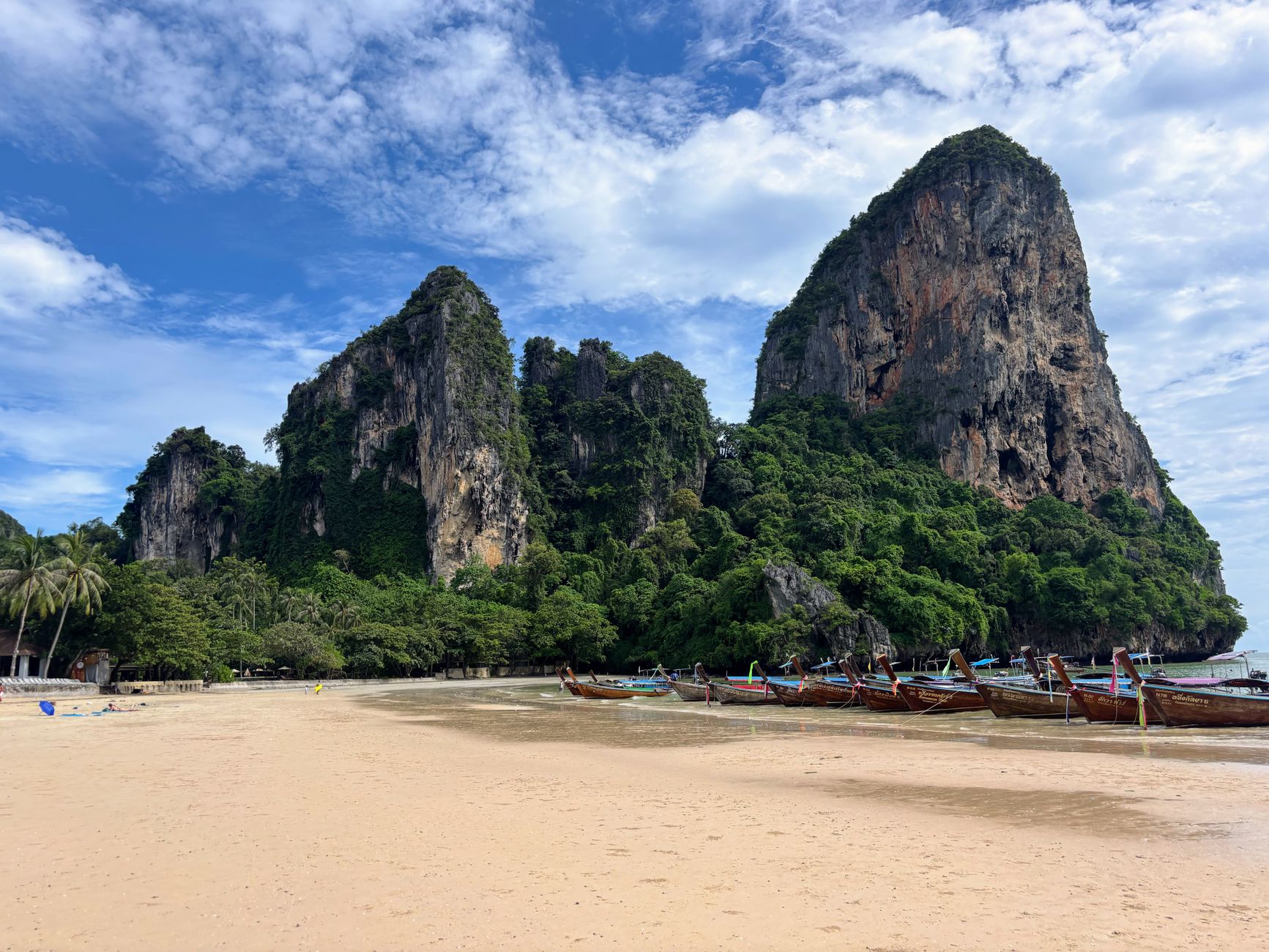
Clear reasons to plan three days here include dramatic limestone scenery next to accessible beaches: Railay and Phra Nang present sheer cliffs used by climbers and easy beach access by longtail boats. A second reason is the inland hot-spring and pool circuit—Emerald Pool (Sa Morakot) and Klong Thom Hot Springs—where thermal water and jungle trails are within a 60–90 minute drive from the coast.
Third, a compact provincial centre (Krabi Town) offers local markets, inexpensive seafood and a weekend walking market that highlights regional dishes. Fourth, island-hopping options are unusually varied: full-day Ferries to Phi Phi, morning half-day Four-Islands trips (Poda, Chicken, Tup and Phra Nang) and kayak trips around Ao Thalane.
Quick Planning Tips
Fly into Krabi International Airport (KBV) or arrive by bus/minivan from Phuket or Hat Yai. Shared airport minivans to Ao Nang cost about 150–200 THB and taxi transfers to Ao Nang run roughly 600–900 THB depending on luggage and time of day.
Bring a mix of cash and card; ATMs are common in Krabi Town and Ao Nang but smaller islands and longtail operators accept cash only. Use Grab for on-demand cars and motorbike taxis; use 12Go for ferry and intercity bookings.
Avoid the planning mistake of leaving island trips to the last minute in high season—book ferries at least one day ahead. Also check tide schedules for longtail transfers to Railay; low tide often means a higher boat fare or a short walk with water.

Day 1
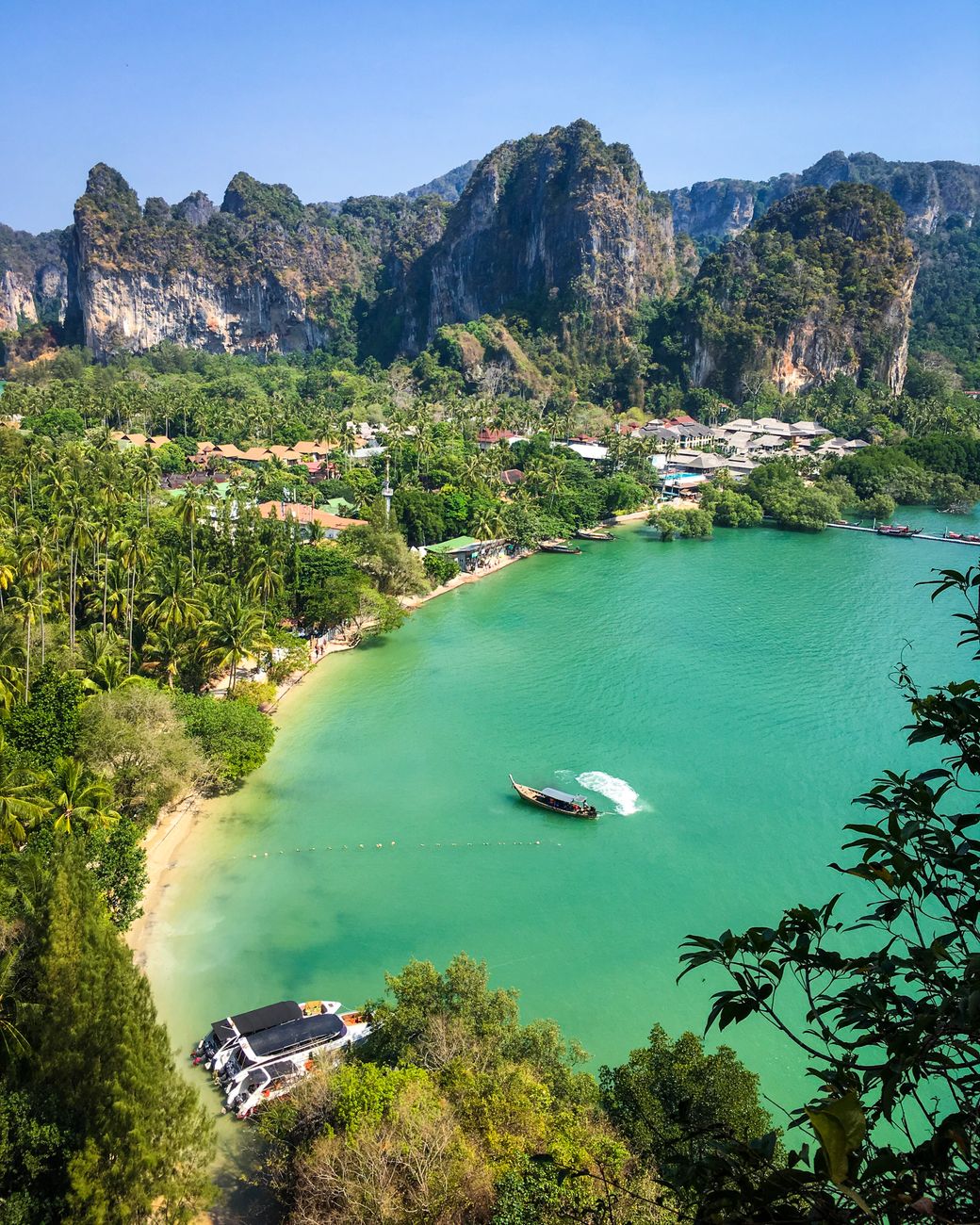
Morning: Start in Ao Nang Beach for a soft arrival. Walk the shoreline, note the longtail boat stalls and buy a one-way ticket to Railay for later in the day (10–15 minute walk to the main pier from central Ao Nang). Expect 5–15 minutes of queuing at ticket booths in peak season.
Late morning: Take a 15–20 minute longtail to Railay West. Spend an hour on Railay West beach and walk the short trail to Railay East if tide allows; the walk takes 10–15 minutes and is interesting for rock bases and climbers.
Lunch: Eat at Lae Lay Grill in Ao Nang or a mid-range seafood shack back on Ao Nang beachfront for grilled fish and papaya salad—seafood plates typically cost 300–700 THB per dish for two people and are fresh. Allow 60–90 minutes for a relaxed meal.
Afternoon: Head to Phra Nang Cave Beach by foot from Railay West (10–15 minutes) to see the cave shrine and the distinctive limestone stacks. Return to Ao Nang by longtail before late afternoon to avoid last-boat surges.
Evening: Finish at a beachfront bar or the Ao Nang Night Market area for street food. If based in Krabi Town instead, use the evening to visit Krabi Town Walking Street (weekend) and sample local dishes at stalls.
Day 2
Morning: Leave early for Tiger Cave Temple (Wat Tham Sua). From Ao Nang or Krabi Town the drive is usually 20–30 minutes. Climb 1,237 steps to the summit pagoda for wide views; allocate 60–90 minutes for ascent and descent depending on fitness and photo stops.
Midday: Drive or join a tour to Klong Thom district to visit the Emerald Pool (Sa Morakot). The vehicle drive from Tiger Cave Temple is roughly 60–75 minutes depending on traffic. Entrance for foreign adults is around 200 THB and the nature trail plus swimming time will take 1–2 hours.
Afternoon: Walk 10 minutes from the Emerald Pool to the Klong Thom Hot Springs for a short soak in thermal pools; expect another 45–90 minutes depending on crowds. Both sites are best visited outside the midday sun.
Dinner and evening: Return to Ao Nang or Krabi Town for dinner. If staying in Krabi Town, take advantage of the riverside restaurants and the night market (Friday–Sunday) for grilled seafood and noodle dishes. Be realistic about travel times—this is a full-day inland loop that benefits from an early start.

Day 3
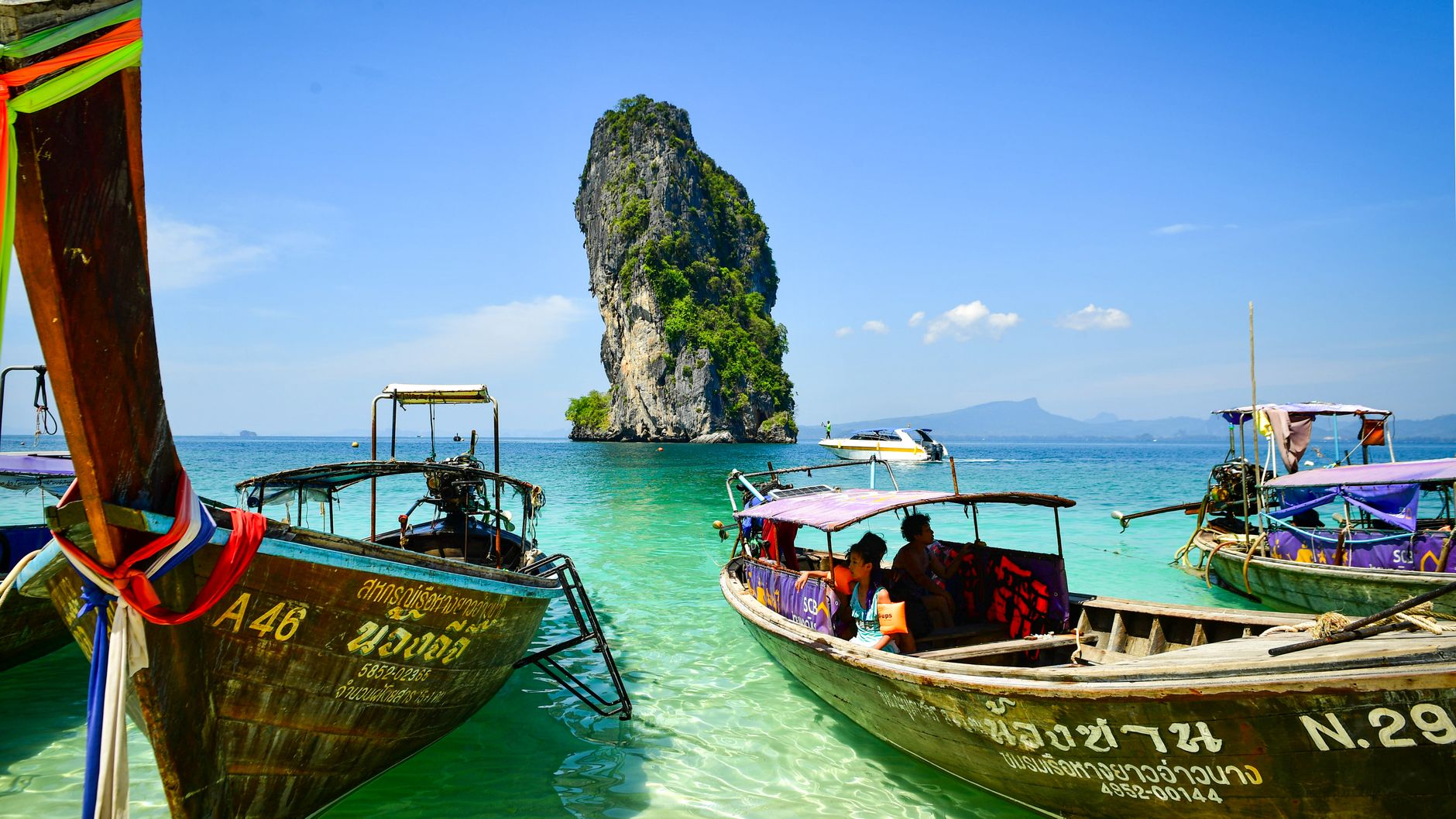
Option A (island focus): Book a Four-Islands longtail tour from Ao Nang that visits Poda Island, Chicken Island (Koh Kai), Tup Island and Phra Nang. Tours typically run half a day (4–6 hours) and cost 400–900 THB including snorkeling gear and lunch. Boats leave mid-morning; expect 15–45 minutes of boat travel between islands.
Option B (Phi Phi full day): Take a ferry from Ao Nang or Klong Jilad Pier to Koh Phi Phi—one-way ferries take 90–120 minutes and cost 350–600 THB. Book a morning departure to maximize time for Maya Bay viewpoints and snorkeling stops; return ferries often leave late afternoon.
Practical checkout note: If catching an afternoon flight from KBV, avoid full-day Phi Phi trips. Instead choose a morning Four-Islands tour that returns by early afternoon, or stay close to Ao Nang to reduce transfer stress. Arrange airport transfer the night before and aim to leave for the airport at least 2–2.5 hours before domestic departures.
Best Local Experiences
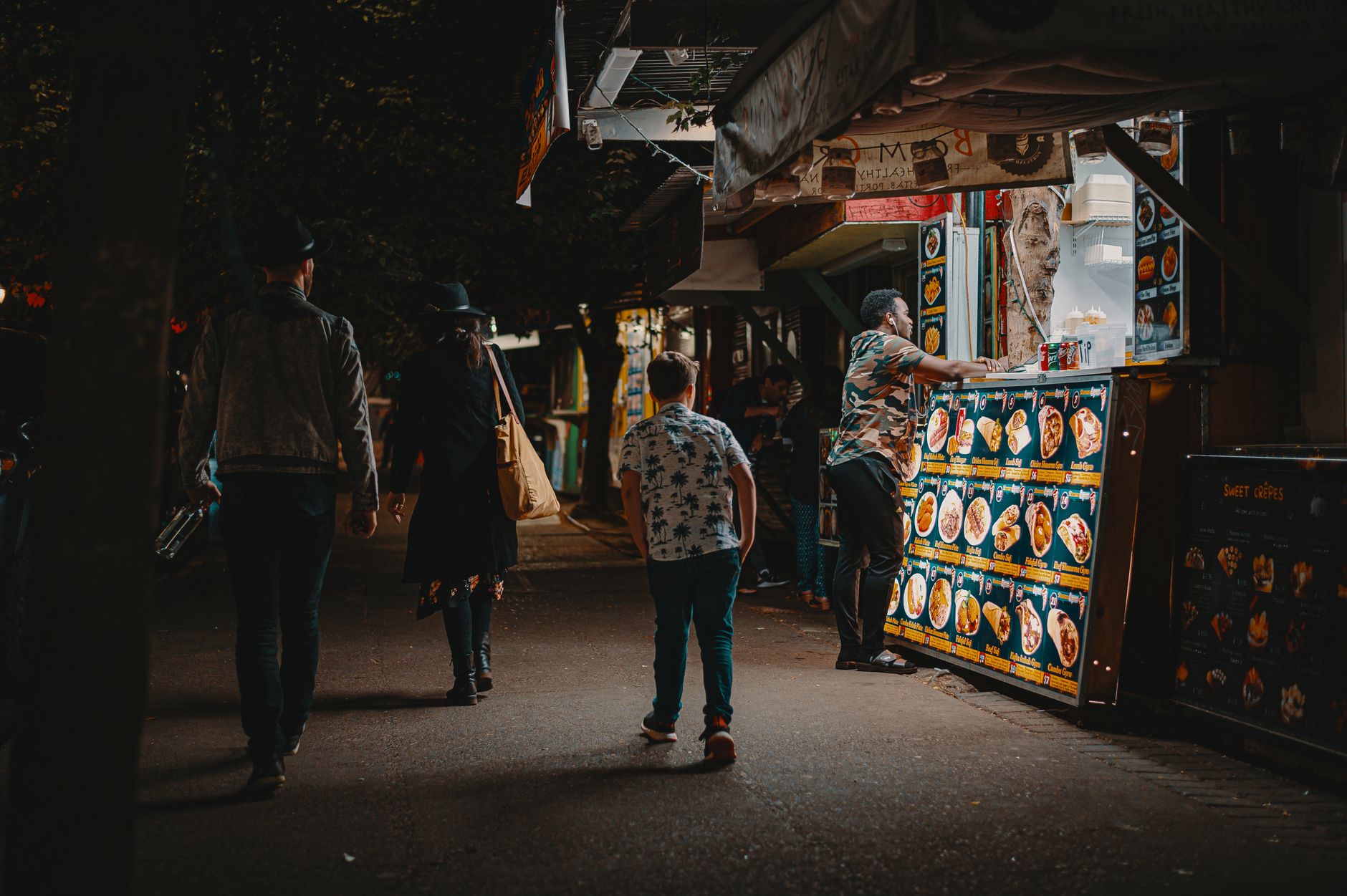
Krabi Town Walking Street (weekend market on Maharaj Road) for regional snacks like kanom jeen nam ya and grilled seafood from street vendors. Ao Nang longtail boat stands—watch the queueing and try to buy multi-person tickets to save time.
Rock climbing at Railay or Tonsai for half-day guided sessions; several established operators run single-pitch beginner routes and multi-pitch courses. Sea kayaking in Ao Thalane for mangrove channels and limestone karsts; half-day guided trips include basic instruction and a stop for cliff views.
A day drive to Emerald Pool (Sa Morakot) and Klong Thom Hot Springs combines a jungle walk, freshwater swimming and thermal pools. A morning Four-Islands tour out of Ao Nang is the most time-efficient small-boat way to see Poda, Tup and Chicken islands with snorkeling stops.
Where to Stay
Ao Nang: Suits beach-focused travelers who want restaurants and boat access. Close to the main pier for Railay and island trips. Typical nightly range: 800–2,500 THB (≈23–70 EUR/USD) for mid-range hotels; dorm beds can be 300–600 THB.
Krabi Town: Suits travelers who want cheaper food, local markets and easy transport links. Near the river and walking street, and 20–30 minutes from Ao Nang by songthaew. Typical nightly range: 400–1,200 THB (≈11–34 EUR/USD) for guesthouses to mid-range hotels.
Klong Muang / Tubkaek: Suits those who want quieter beaches and a more private feel away from Ao Nang crowds. More resort-style lodging and higher prices but quieter nights. Typical nightly range: 1,500–5,000 THB (≈43–145 EUR/USD).
Railay (West/East): Suits climbers and beach-hoppers who accept boat-only access. Expect higher rates and limited transport; bring cash. Typical nightly range: 1,200–4,000 THB (≈35–116 EUR/USD).
Food and Drink
Khao Mok Gai — southern Thai-style chicken biryani influenced by Muslim cooking; find it at local stalls in Krabi Town for 60–120 THB. Try kanom jeen nam ya (rice noodles with fish curry) at market stalls on the walking street for 40–80 THB.
Pla Pao (salt-crusted grilled fish) — whole fish grilled over charcoal, commonly sold at beachfront seafood restaurants in Ao Nang and Krabi Town for 300–700 THB depending on size. Tom Yum Goong — hot-and-sour prawn soup; widespread at mid-range restaurants for 120–300 THB.
Street-food breakfast: Jok (Thai rice porridge) or khao tom at morning street stalls for 30–60 THB. Snack/street food: Roti (sweet or savory Thai pancake) from seaside stalls for 30–70 THB. Dinner recommendation: Lae Lay Grill in Ao Nang for reliable seafood plates and sunset views, or sample multiple vendors at Krabi Town Walking Street for lower-cost local eats.
Getting Around
Primary local modes are red songthaews (shared trucks), longtail boats, shared minivans for intercity transfers, taxis and motorbike rentals. Songthaews run set routes between Krabi Town, Ao Nang and Klong Muang; expect 40–60 THB per person for short hops.
Longtail boats serve Railay, Phra Nang and island shuttles; Ao Nang–Railay runs 10–20 minutes. Ferries to Koh Phi Phi from Ao Nang or Klong Jilad Pier usually take 90–120 minutes; fares are roughly 350–600 THB one way depending on operator.
Useful apps and booking: use Grab for on-demand cars and motorbike taxis; use 12Go for ferries and intercity buses. Motorbike rentals are about 250–400 THB/day; taxi from Krabi Airport to Ao Nang is typically 600–900 THB. No unified day-pass exists for local songthaews, so plan per-trip cash fares.
Best Time to Visit
Peak dry season runs November to March with temperatures around 24–32°C and lower rainfall; expect higher prices and fuller ferries during December–January. April and May are hot (28–35°C) and offer fewer crowds but rising humidity and the occasional sea haze.
Monsoon months are typically September–October with frequent heavy rains and rough seas; many island operators reduce schedules or stop running. June–August can have regular afternoon showers but still many clear days and lower accommodation rates.
For the best balance of weather, crowds and value visit November or late March–April; avoid mid-September to October if ferry reliability is critical.
Budget and Practical Tips
Daily budget estimates per traveler: backpacker: 1,000–1,600 THB (≈28–45 EUR/USD) covering dorm or budget room (300–600 THB), street food and occasional tuk-tuk or songthaew travel. Mid-range: 2,000–4,000 THB (≈56–112 EUR/USD) including a mid-range hotel (1,000–2,500 THB), meals at restaurants, day tours and local transfers.
Sample single costs: Emerald Pool entrance ~200 THB; Tiger Cave Temple free (donations welcome); Four-Islands boat tour ~400–900 THB; Phi Phi ferry ~350–600 THB one-way. Motorbike rental ~250–400 THB/day; shared airport minivan to Ao Nang ~150–200 THB.
Tipping is not mandatory in Thailand. Small rounding-up at restaurants is common; leaving 10% at higher-end restaurants is appreciated but not required. Carry cash for boat operators, small stalls and markets where cards are not accepted.
FAQ
Is Krabi safe for solo travelers?
Yes; standard southeast-Asia safety rules apply—watch belongings on crowded piers, avoid unlit aisles late at night and be cautious around monkeys at temple sites.
What is the best way to get from Krabi Airport to Ao Nang?
Shared airport minivans are the cheapest option (about 150–200 THB) and take 30–40 minutes; taxis cost 600–900 THB depending on luggage and time of day.
Are ferries to Phi Phi reliable year-round?
Ferries run most of the year but are subject to cancellations in heavy monsoon weather (September–October); always check operator updates and book refundable tickets if possible.
Is there a Krabi city card or pass worth buying?
No standard city pass covers the varied attractions here; buying individual tour packages or booking ferries and minivans as needed is more common and flexible.
Can island hopping and inland hot springs be combined in three days?
Yes, but expect one day devoted to inland sites (Emerald Pool/Hot Springs/Tiger Cave) and one day to islands; booking early starts makes the schedule realistic.
How easy is it to get an ATM or use cards?
ATMs are plentiful in Krabi Town and Ao Nang; smaller vendors, longtail operators and some Railay businesses are cash-only, so keep small notes.
Conclusion
Three days here delivers an efficient mix: a coastal day with Railay and Phra Nang, a full inland loop to Tiger Cave and the Emerald Pool, and a flexible island day. Travelers will most likely remember the limestone cliffs seen from both sea and land and the contrast between calm inland pools and busy piers.
If running short on time, prioritize an early Railay visit plus a Four-Islands half-day tour; those represent the most characteristic coastal sights in the least time. Book ferry and minivan transfers a day ahead in high season to avoid wasted time.
How this guide was prepared
This guide was prepared through a structured research that combines destination research, geographic context, itinerary planning logic, and content review.