
3 Days in Lille: Practical 72-Hour Itinerary
A realistic 3-day plan for Lille covering Vieux-Lille, Wazemmes market, Palais des Beaux-Arts, transport tips, likely costs and evening suggestions.
A direct, no-nonsense 72-hour plan for Lille that balances museums, markets and local food while warning about museum closures and packed weekends.
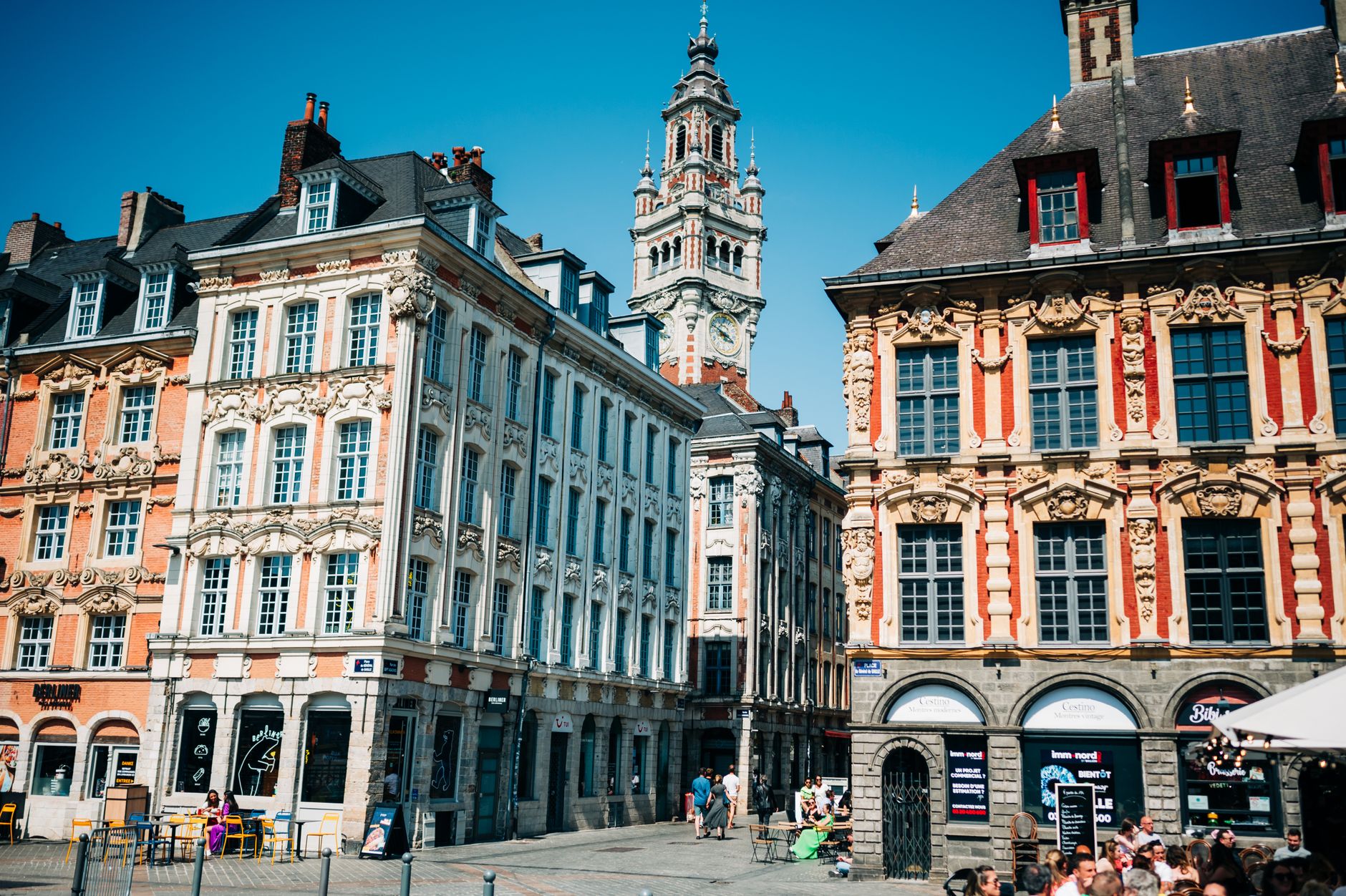
Expect a city built from bricks and stone, where wide boulevards and tramlines meet narrow 17th- and 18th-century alleys. First impressions are often of a surprisingly compact centre that mixes polished boutiques around Grand Place with straightforward working-class neighbourhoods a short tram ride away. Cafés appear on almost every corner and lunchtime service at brasseries is brisk; locals move at a practical pace rather than a relaxed one.
Many visitors assume a Paris-scale itinerary will work here and cram too much in. This leads to missed opening hours and crowded markets. The layout suits walking and short metro hops, and the presence of two main stations — Lille-Flandres and Lille-Europe — shapes arrivals and departures. The place suits people who want museums, a strong regional cuisine and lively markets without long travel between sights.
Is 3 days in Lille enough?
Yes — three days is enough to cover the city centre (Grand Place, Vieux-Lille), the Palais des Beaux-Arts and a market/neighbourhood like Wazemmes, plus a short trip to Roubaix if desired. The honest caveat: full immersion in every museum, a slower exploration of Roubaix and a Braderie weekend all require more time.
Who This Guide Is For
Best for weekend breakers who like museums, food markets and compact walking routes; less suitable for travellers seeking beach time, long countryside hikes, or a slow luxury stay.
Local Tips for Lille
Practical details that most travel sites skip — specific to Lille.
- Buy single Ilévia tickets from machines or contactless on the Ilévia app; a single is about €1.70 and is valid for one hour across metro, tram and bus.
- Marché de Wazemmes on Place de la Nouvelle Aventure runs a large Sunday market (food and secondhand) that gets busy before 11:00; arrive early for fresh produce.
- Palais des Beaux-Arts (near Place de la République) usually charges around €8–€10 for permanent collection entry; plan visits outside peak exhibition weeks and check closure days.
- Trains from Gare Lille-Europe (TGV) take about 35 minutes from Paris Gare du Nord; Lille-Europe and Lille-Flandres stations are 5–10 minutes apart on foot.
- Meert patisserie on Rue Esquermoise sells the local style filled waffle (gaufre fourrée) for roughly €3.50–€5 and is open most afternoons.
How This Guide Was Prepared
This guide focuses on what most short guides skip: the contrast between Vieux-Lille's polished shopping streets and the working-class markets in Wazemmes and Moulins, and the practical realities of transport and opening hours. Many guides treat the place like a miniature Paris; this one treats it as a small northern French city with Flemish roots, a strong local food scene, and commuter rhythms that affect museum hours and market schedules. This guide was prepared through a structured research that combines destination research, geographic context, itinerary planning logic, and content review.
Plan Your Stay in Lille
Use this itinerary as your starting point, then compare areas to stay, transport options, seasonal timing, and realistic daily costs before booking.
Why Visit
The city offers a concentrated art collection at Palais des Beaux-Arts, one of France's largest regional museums outside Paris, where old masters sit beside 19th-century painting. Food is a reason on its own: estaminets serve dishes like carbonnade flamande and tartes au Maroilles, while Meert supplies the local waffle specialty. Markets such as Marché de Wazemmes give a clear view of local everyday life, with food stalls, North African produce and secondhand goods side by side.
Transport links make short connections practical: Gare Lille-Europe links to Paris in about 35 minutes by TGV, and nearby Roubaix hosts La Piscine museum if modern industrial-era architecture is of interest. Finally, the mix of restored Flemish façades in Vieux-Lille and post-industrial neighbourhoods makes for varied, walkable exploration within a small area.

Quick Planning Tips
Arrive by train into Gare Lille-Europe for high-speed connections or Gare Lille-Flandres for regional routes; both are within a 5–10 minute walk of each other. From Lille-Lesquin airport, take the airport shuttle to Gare Lille-Flandres (about 25 minutes) or a taxi for roughly €25–€35 to the centre.
Currency is euros and cards are widely accepted, though small market stalls may prefer cash for quick transactions. Buy Ilévia tickets for metro and tram from station machines or use the Ilévia app; a single ticket is around €1.70. Avoid planning museum visits on Mondays without checking opening days, and book timed tickets for special exhibits at Palais des Beaux-Arts to skip queues.

Day 1
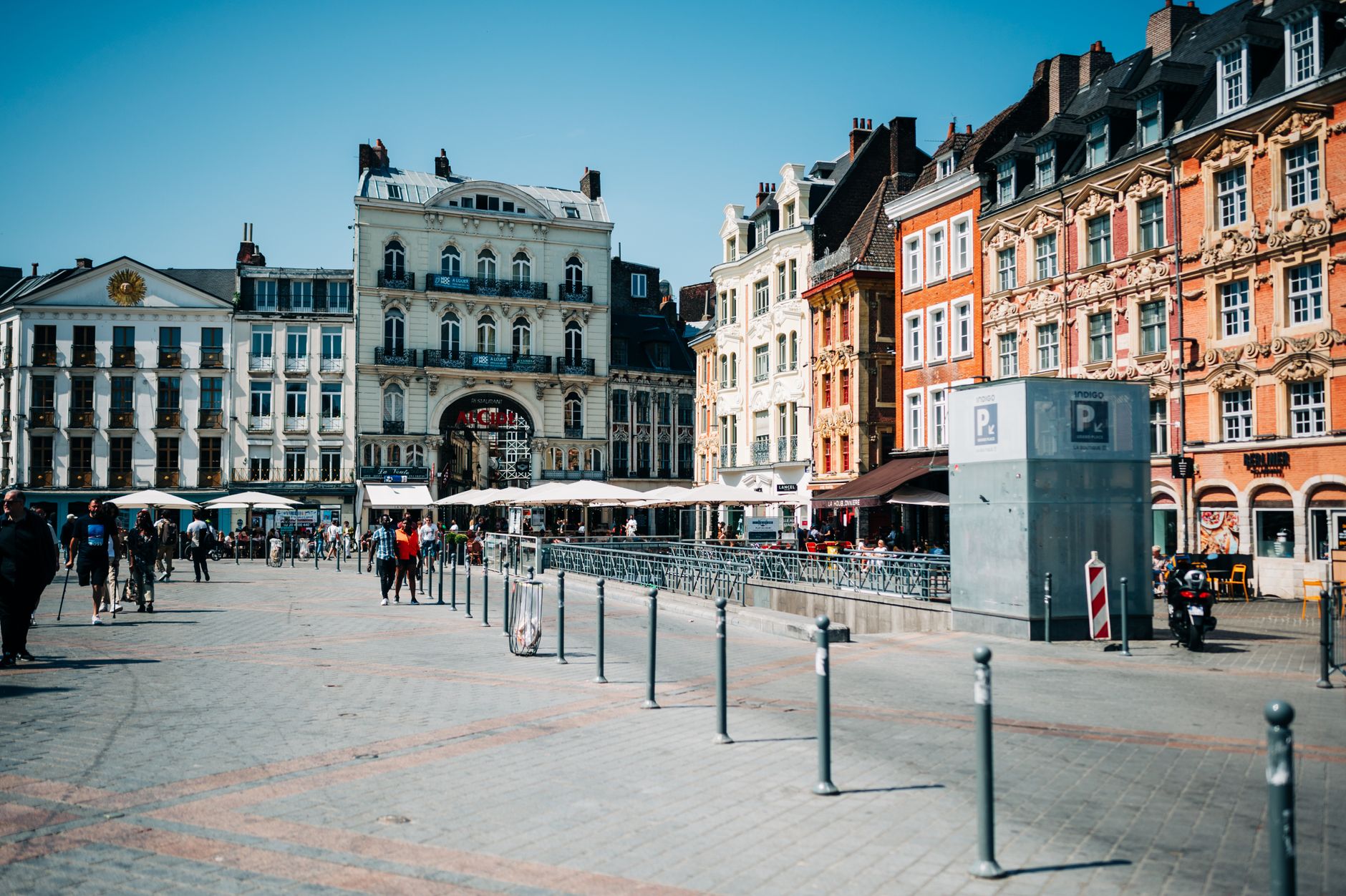
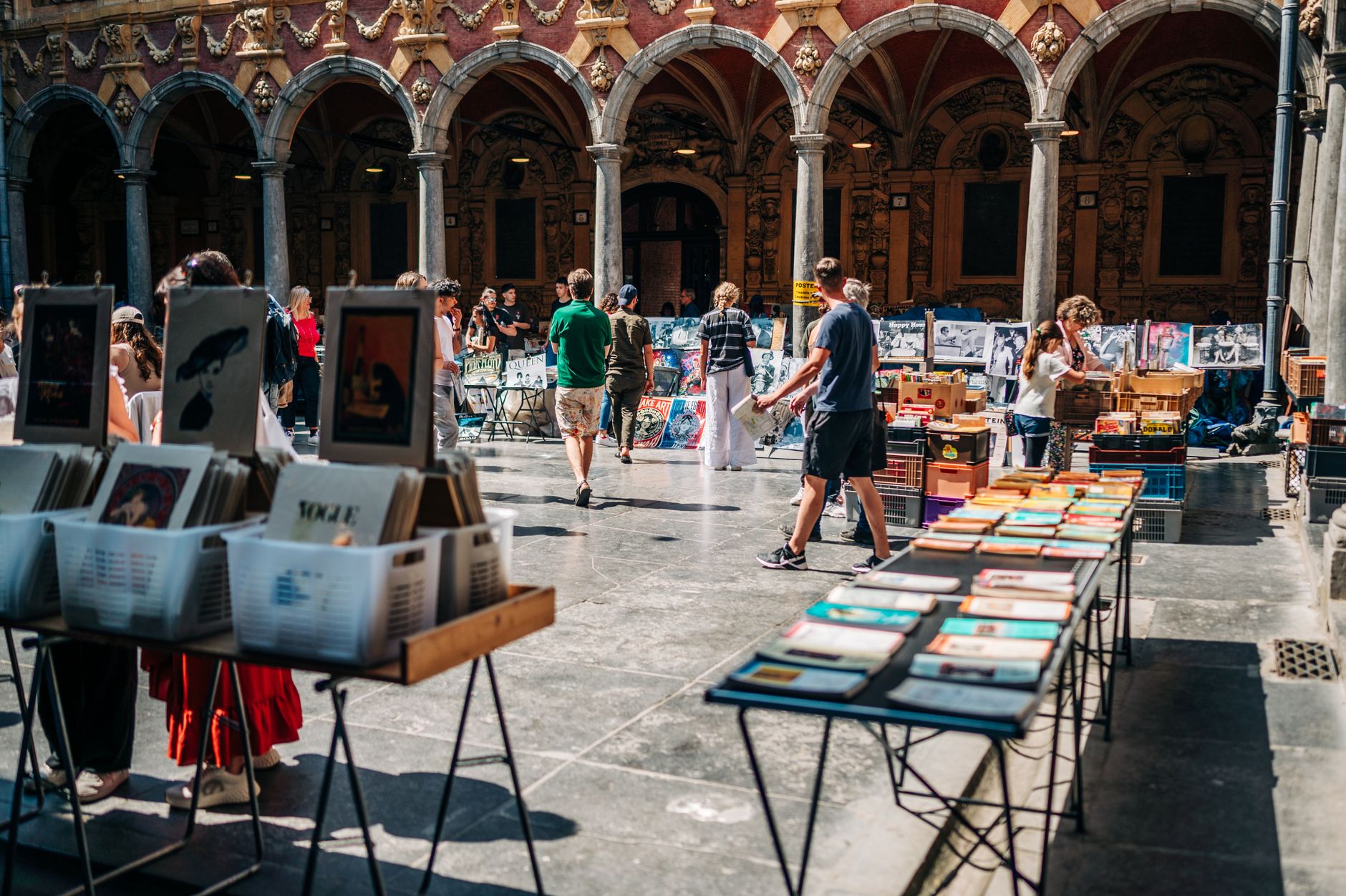
Morning: Start at Gare Lille-Flandres and walk 5 minutes to Grand Place (Place du Général-de-Gaulle) to see the town hall façades and the daily rhythm of cafés. From there, spend 5–10 minutes exploring La Vieille Bourse, where used-book sellers gather in the arcade courtyard. Walk 7 minutes along Rue Esquermoise to Meert for a mid-morning gaufre fourrée and to check pastry displays.
Late morning to early afternoon: Walk 15–20 minutes (or take a short metro ride) to Palais des Beaux-Arts and allow 1.5–2 hours for highlights of its permanent collection; entry is typically around €8–€10. Lunch: eat at La Chicorée (Place Rihour) for a traditional brasserie menu with reasonable portions (main courses €12–€20).
Afternoon: Head to Cathédrale Notre-Dame de la Treille; it is 10 minutes on foot from the museum and is worth the contrast between its modern façade and sober interior. From the cathedral, stroll back through the boutiques of Vieux-Lille on Rue de la Monnaie (10–15 minutes walking total). Dinner: try an estaminet in Vieux-Lille for carbonnade or tartes au Maroilles (expect €15–€30). Evening: finish with beers at La Capsule on Rue de la Monnaie or a cocktail bar near Grand Place; both are within easy walking distance.
Day 2
Morning: Take a short tram or bus to Marché de Wazemmes on Place de la Nouvelle Aventure for the big market (Sunday is the busiest). Expect crowds and a wide range of food stalls; arrive before 11:00 for best produce. Browse adjacent Rue d'Isly and Rue Léon Gambetta for inexpensive bakeries and small shops.
Midday: Walk or take bus routes into the Moulins neighbourhood for street-level murals and independent cafés; Parc Jean-Baptiste Lebas is a good spot for a short rest. Lunch: stop at a local bistro in Moulins for moules-frites or a sandwich — prices typically €8–€15.
Afternoon: Cross to the Citadel and Parc de la Citadelle for a green break; the park is 20–30 minutes on foot from Wazemmes or a short metro ride. For a change of scene, head to Euralille for contemporary architecture and shopping near Lille-Europe station; this is a 10–15 minute tram/metro hop. Evening: seek out an estaminet in the Saint-Sauveur area or a student-friendly bar in Moulins to see a more local nightlife scene.
Day 3
Morning: For a short daytrip, take the tram/train to Roubaix to visit La Piscine museum (museum of art and industry) — allow 40–50 minutes round trip including transit. Alternatively, use the morning for last-minute shopping in Vieux-Lille and a visit to small specialty shops on Rue de la Monnaie.
Midday: If checking out of accommodation, store luggage at Gare Lille-Flandres or arrange a hotel late checkout. Have lunch at an estaminet near Place Rihour or try a market sandwich in Wazemmes if returning there; leave at least 1.5–2 hours to reach Lille-Lesquin airport or to arrive at Gare Lille-Europe ahead of a TGV.
Afternoon: If flight or long train is in the afternoon, plan only one short visit (Citadel park or La Vieille Bourse) and head to the station with time for security and ticket checks. For departures, allow 25–40 minutes from the centre to Lille-Lesquin by shuttle and 35–50 minutes to Paris by TGV from Lille-Europe.
Best Local Experiences
Visit Marché de Wazemmes (Sunday) for the most local market atmosphere; the mix of produce, spices and secondhand clothes shows everyday life. Attend the Braderie de Lille (first weekend of September) only if willing to face massive crowds and reduced hotel availability. Try an estaminet meal at a place like T'Rijsel for regional dishes in a traditional setting.
Explore La Vieille Bourse book courtyard for used-book dealers and chess players. Take a short tram ride to Roubaix for La Piscine museum if interested in art housed in industrial architecture. Finally, spend a morning at Gare Lille-Flandres and Euralille to see the transport crossroads and the contrast between restored centre and modern development.
Where to Stay
Vieux-Lille: suits shoppers and first-time visitors who want immediate access to Grand Place, La Vieille Bourse and many restaurants. Expect mid-range to higher prices; typical nightly rates €120–€220 (about $130–$240). Walking distances are short and streets are best explored on foot.
Euralille / Gare area: suits travellers prioritising transport links (Lille-Europe and Lille-Flandres) and quick TGV connections. Hotel prices here are usually mid-range and sometimes cheaper than Vieux-Lille, around €90–€160 per night (€95–$170). Rooms are practical and often modern.
Wazemmes / Moulins: suits budget travellers and foodies wanting market mornings and a more local atmosphere. Small guesthouses and budget hotels run around €60–€110 per night (€65–$120). Expect more noise on market days and fewer luxury amenities.
Food and Drink
Gaufre fourrée (Meert waffle): a filled waffle, often vanilla or cream-filled; buy at Meert on Rue Esquermoise for about €3.50–€5. Breakfast option: grab a croissant or pain au chocolat at a boulangerie (around €1.20–€2.50) and coffee for €2–€4.
Street food: moules-frites and stands selling frites near Grand Place or market sandwiches; expect €8–€15. Regional dish: carbonnade flamande is a beef stew in beer with bread or fries; try it at an estaminet for €12–€20. Tarte au Maroilles is a savoury cheese tart using the local Maroilles cheese; find it at brasseries and markets for €6–€12.
Drinks: northern beers such as Ch'ti or local microbrews are widely available; a 33cl bottle or draft pint costs €3–€6. Dinner recommendation: an estaminet like T'Rijsel or La Chicorée for a full menu of regional dishes priced €18–€35 per person for a main and drink.
Getting Around
Public transport is operated by Ilévia and includes two metro lines (M1 and M2) plus tram lines that connect to Roubaix and Tourcoing. V'Lille is the city bike-share system for short trips and is useful for flat routes around the centre. Buy single tickets from station machines or the Ilévia app; a single costs about €1.70 and 24-hour day passes are roughly €6.
Taxis from Lille-Lesquin airport to the centre typically run €25–€35 depending on traffic. For regional trains and TGVs use SNCF Connect for schedules and tickets. Apps to install: Ilévia for local transit info and SNCF Connect for trains; Moovit is also handy for combined walking and transit routing.
Best Time to Visit
Spring (April–June) brings mild weather with daytime highs around 12–20°C and fewer tourists than summer; this is good value for outdoor cafés. Summer (July–August) is warmest with highs commonly 18–25°C but some humidity and more tourists, especially in August weekends.
Autumn (September–November) cools to 8–15°C and offers lower hotel prices; early September hosts the massive Braderie de Lille which fills hotels and streets. Winter (December–February) is cold and damp, usually 0–7°C, with some closures and shorter daylight, but lower crowd levels. Best balance of price and weather: April–June and October.
Budget and Practical Tips
Daily budget (mid-range traveller) per person: accommodation €80–€150 (€85–$160), food €30–€60 (€32–$64), transport €5–€10 (€5–$11), entry fees €10–€20 (€11–$22). A tighter budget can cut accommodation and use markets for meals to reach about €70–€100 per day. Many restaurants include service in the price by law; leaving small change or rounding up is appreciated but not required.
Carry some cash for market stalls and small boulangeries, and keep a contactless card for most shops. Museum discounts exist for EU residents under certain ages and for students; bring ID. Note opening hours: many museums close one weekday, often Monday, so plan ahead to avoid wasted trips.
FAQ
Is Lille safe for solo travellers?
Yes; central areas and main streets are generally safe by daytime standards, but standard precautions apply at night, especially around crowded events. Avoid poorly lit backstreets late at night.
How do I get from Paris to Lille?
Take a TGV from Paris Gare du Nord to Gare Lille-Europe; journey time is about 35–60 minutes depending on train type. Book on SNCF Connect for best fares.
Is a city card worth buying?
The Lille City Pass can be worth it for heavy museum-goers who also plan to use public transport extensively; calculate entry and transport costs first to confirm value.
Can English be used widely?
English is commonly spoken in hotels, main museums and many restaurants, but learning a few basic French phrases helps in markets and smaller shops.
Are museums open every day?
No; many close one weekday (often Monday) and opening hours vary. Check museum websites for closures and special exhibitions before arriving.
Is the Braderie de Lille easy to attend?
It is massive, held the first weekend of September, and hotels fill early. Expect crowds, higher prices and disrupted transport; book months in advance if planning a visit.
Conclusion
Three days will leave a clear impression of local food habits, market rhythms and the strong contrast between restored centre streets and older working neighbourhoods. Most travellers will remember a market morning, a visit to Palais des Beaux-Arts and the Meert waffle as defining moments. If time runs short, prioritise one museum visit and one market experience to get both cultural and everyday views of the place; these two together capture the city's most useful contrasts.
How this guide was prepared
This guide was prepared through a structured research that combines destination research, geographic context, itinerary planning logic, and content review.