

Practical 3-Day Manama Itinerary, Tips and Local Essentials
A clear, practical three-day plan for Manama covering museums, Manama Souq, the Corniche, transit tips, budget estimates, and arrival advice.
A straightforward, non-romanticized 72-hour plan for Manama that balances museums and souq shopping with neighbourhood dining, a coastal walk and an easy excursion.
Expect a compact Gulf capital where glass towers sit beside low-rise markets and family streets. The pace varies: mornings in the financial area feel corporate and fast, while the souq and Muharraq move at a slower, more local rhythm. Traffic can be heavy during rush hours and main roads such as Sheikh Khalifa Bin Salman Highway often dictate how much can be seen in a day. The city suits travellers who accept short taxi rides and want a mix of museums, market shopping and contemporary dining rather than those seeking long pedestrian neighbourhood exploration.
Is 3 days in Manama enough?
Three days gives enough time to see the main museums, Bab Al Bahrain and Manama Souq, take a Corniche walk, and eat well in Adliya and Block 338. Expect to skip long day trips outside the island and deeper exploration of Muharraq unless an extra half-day is added.
Who This Guide Is For
Best for travellers who want a concise mix of local markets, museums and modern dining; less suitable for those expecting extensive walking public-transit tours or multi-day desert excursions on a tight budget.
Local Tips for Manama
Practical details that most travel sites skip — specific to Manama.
- Bab Al Bahrain gateway is closed to most vehicle traffic after 9:30pm; go early evening for photos then cross to the souq on foot for active stalls.
- Al-Fateh Grand Mosque offers free guided tours in English — arrive early (09:00–10:00) because tours can fill and modest clothing is required.
- Block 338 in Adliya is the neighbourhood to book dinner; many restaurants accept cards but small cafés still prefer BHD cash — keep a few 1/2 and 1-dinar notes.
- The King Fahd Causeway toll to Dammam is paid on crossing and used by shuttle buses; allow at least 45–90 minutes for the crossing plus border checks if planning a day trip to Saudi Arabia.
- Use Careem or Uber for short hops when buses are sparse; both apps show fares in Bahraini dinar and accept card payments — drivers commonly ask for small change.
How This Guide Was Prepared
Three days in Manama is about contrasts: a compact financial centre and modern waterfront sit beside a dense market core and low-rise residential neighbourhoods. Many guides push either malls and new developments or only the souq; this guide shows how to combine both while being frank about traffic, limited public transit and where time is actually spent. This guide was prepared through a structured research that combines destination research, geographic context, itinerary planning logic, and content review.
Plan Your Stay in Manama
Use this itinerary as your starting point, then compare areas to stay, transport options, seasonal timing, and realistic daily costs before booking.
Why Visit
There are clear, tangible reasons to spend three days here. First, Bahrain National Museum provides concise context on Dilmun archaeology and modern Bahraini life in one accessible site. Second, Manama Souq and Bab Al Bahrain offer direct contact with local traders, spices and Bahraini halwa sellers that are different from the Gulf megamall experience. Third, the Corniche and Bahrain Bay give a short waterfront contrast where modern architecture and walking space are easy to fit into an afternoon. Finally, the culinary scene in Adliya and Block 338 mixes Gulf, Lebanese and South Asian kitchens within short distances, so sampling several regional dishes is practical without long travel.

Quick Planning Tips
The simplest way from Bahrain International Airport to the central districts is by taxi or ride-hail; expect 15–25 minutes depending on traffic. Currency is Bahraini dinar (BHD); ATMs are common but smaller souq stalls and food vendors may prefer cash and give change in fils and small notes. Avoid planning back-to-back attractions across the island without allowing taxi time during evening rush (approximately 16:30–18:30). Carry modest clothing for mosque visits and consult opening hours for museums and souq shops before arrival, especially around national holidays and Ramadan.

Day 1
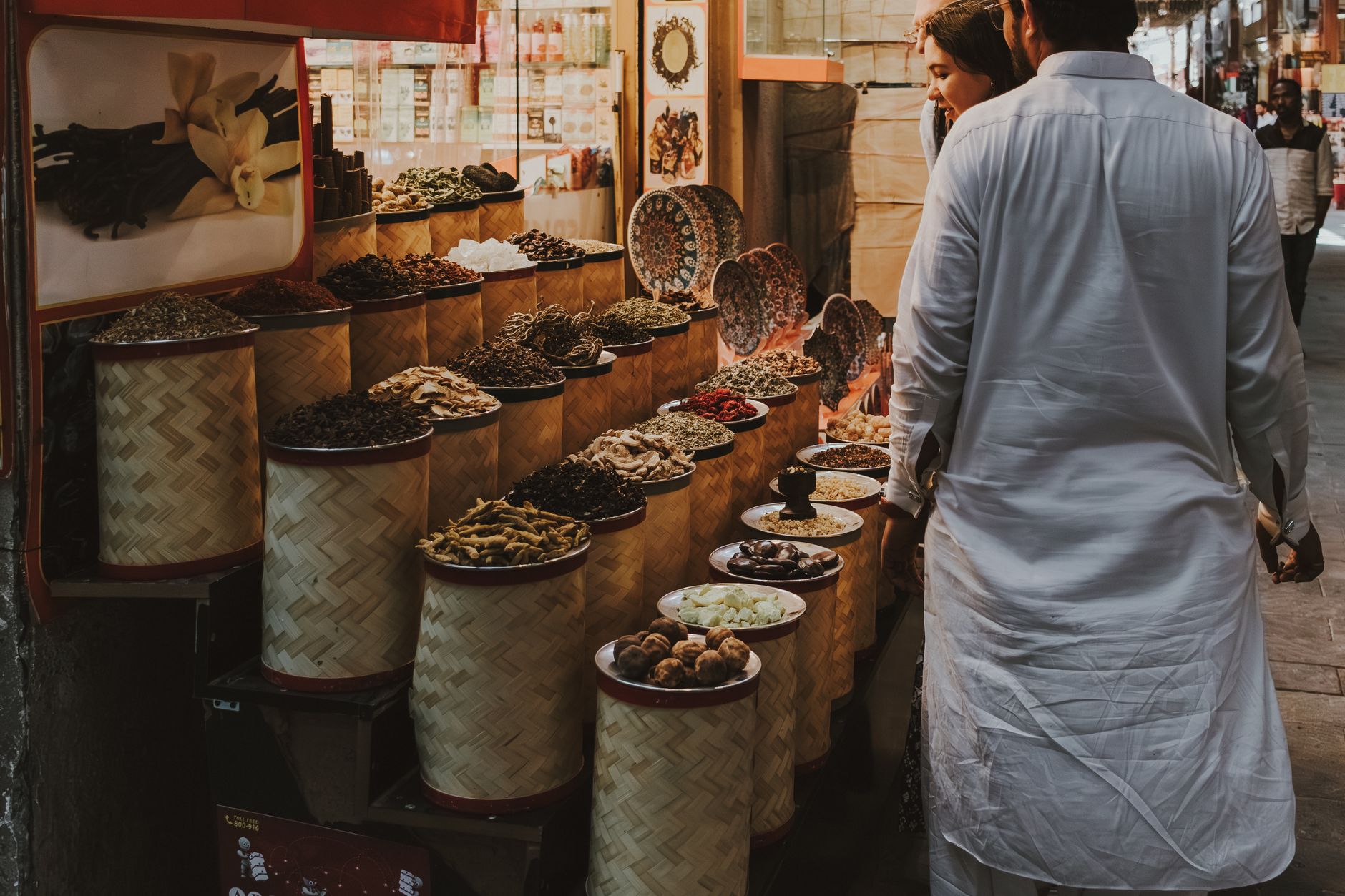
Morning: Start at Bab Al Bahrain and walk into Manama Souq to see spice sellers, date shops and Bahraini halwa stands; expect 1–1.5 hours here. From the souq, a 10–15 minute taxi ride takes visitors to Bahrain National Museum for a 1.5–2 hour visit to Dilmun artefacts and interactive displays; tickets are modest (often around BHD 3–5 for tourists depending on exhibition). Lunch: Walk or taxi to Adliya (15 minutes from the museum) and eat at Villa Mamas for a modern take on local dishes — mains are approximately BHD 6–12. Afternoon: After lunch explore the Financial Harbour and Bahrain World Trade Center for waterfront views and short photo stops; walking between these two can take 10–20 minutes. Then head to Al-Fateh Grand Mosque (15 minutes by taxi); allow 45–60 minutes for the mosque and its visitor centre. Dinner: Return to Block 338 in Adliya (5–10 minute taxi) for evening dining; many restaurants stay open late. Evening recommendation: Finish with a Corniche walk near Bahrain Bay to see the skyline lit up, a short taxi from Block 338 (10–15 minutes).
Day 2
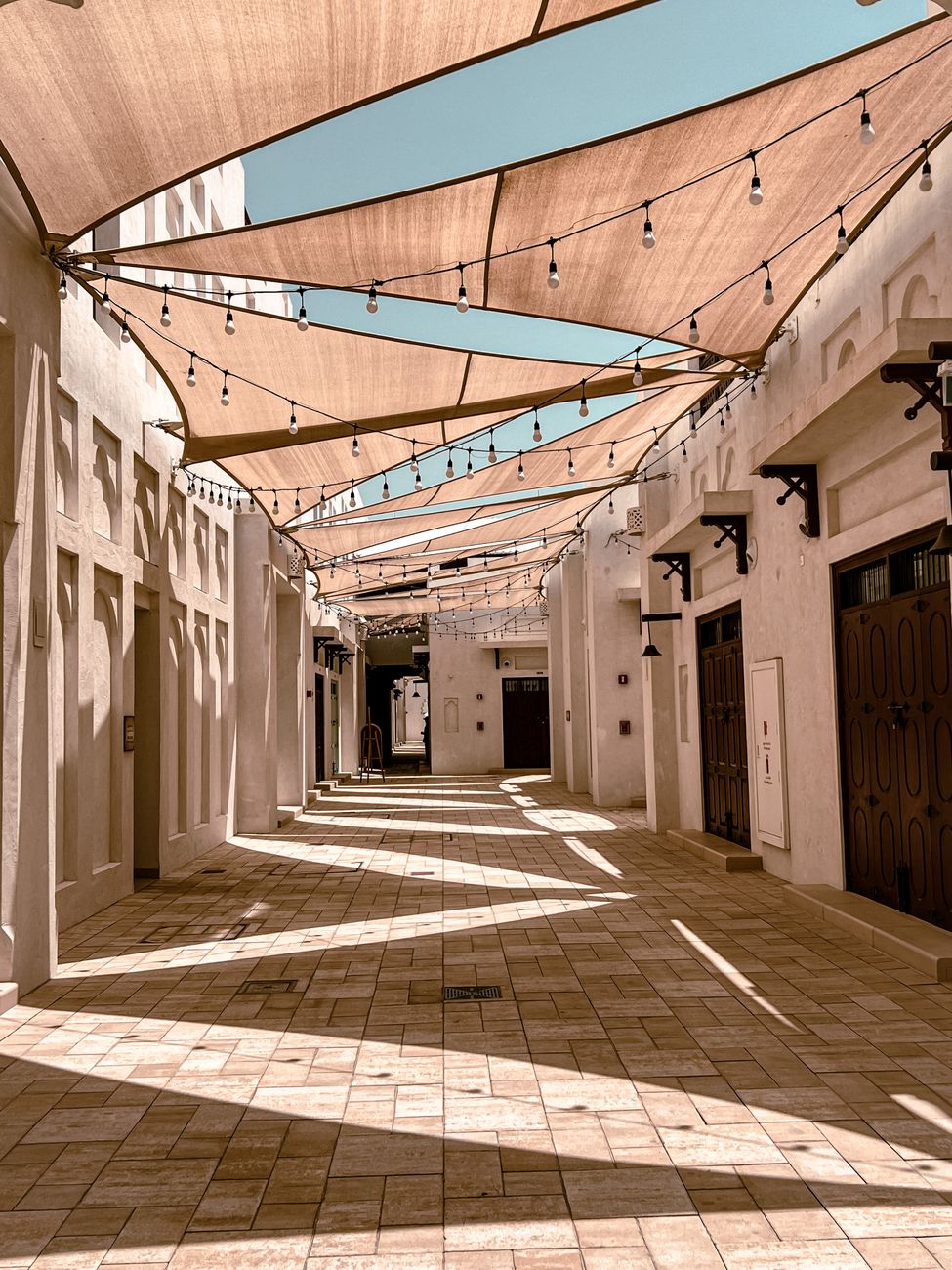
Morning: Take a short taxi to Muharraq to see traditional Bahraini houses and visit Beit Al Quran or the Shaikh Isa Cultural Centre; plan 2–3 hours here since Muharraq's streets and museums reward a slower pace. Travel time from central Manama is about 20–30 minutes by taxi depending on traffic. Lunch: Eat in Muharraq — try a small kheer or machboos at a local restaurant; prices here can be slightly lower than downtown. Afternoon: Return toward the western seafront and visit Qal'at al-Bahrain (the Bahrain Fort UNESCO site) for archaeology and coastal views; allow 1–1.5 hours. From the fort, head to City Centre Bahrain in Seef for air-conditioned shopping and the food court if extra options are needed; taxi time is 15–20 minutes. Evening: Explore Moda Mall at Bahrain World Trade Center for a shorter, indoor stroll or return to Adliya for bars and cafés in Block 338. This day trades the central market and museums for island heritage, coastal archaeology and modern mall culture.
Day 3
Morning: Start with a breakfast of balaleet (sweet vermicelli and egg) or khubz and gahwa at a local café near the Corniche; allow 45–60 minutes. Then visit the Bahrain National Theatre area for contemporary architecture and short photo stops; travel times from central hotels are typically under 20 minutes. Midday: Take a taxi to the Bahrain International Circuit complex area if interested in motorsport museums or track tours — this is a longer transfer (30–45 minutes) and may be skipped if catching an afternoon flight. Alternative midday option is to visit small galleries and boutiques in Adliya for souvenir shopping. Lunch: Choose a quick lunch near the hotel or the airport depending on check-out; many hotels offer day-use luggage storage for a small fee. Practical note for departures: if the flight is in the afternoon, allow at least 60–90 minutes travel time to the airport and arrive 2 hours before a regional flight, 3 hours for international. Evening recommendation if staying late: take a final Corniche sunset walk near Bahrain Bay or a short harbour cruise if time permits.

Best Local Experiences
Markets and food stalls: Manama Souq for spices, dates and Bahraini halwa sellers along Bab Al Bahrain. Religious architecture: Al-Fateh Grand Mosque with free guided tours and an extensive prayer hall. Heritage island: Muharraq's historic houses and Beit Al Quran for Islamic manuscript collections. Coastal sites: the Corniche walkway and Bahrain Bay for skyline views and sunset photography. Nightlife and dining: Block 338 in Adliya for restaurant variety, local craft beer bars and cafés with international menus. Short excursions: Qal'at al-Bahrain (the fort and archaeological site) for a compact UNESCO visit and the Bahrain International Circuit for motorsport fans and periodic events. Each of these is specific and scheduled differently, so check opening times and event calendars before visiting.

Where to Stay
Diplomatic Area / Financial Harbour: Suited to business travellers who want quick access to government offices, banks and central museums. Expect mid-range to higher hotel rates roughly BHD 35–70 per night (≈USD 92–185). Adliya / Block 338: Best for food-focused travellers and nightlife; hotels and guesthouses here put restaurants and cafes within walking distance. Prices typically BHD 25–55 per night (≈USD 66–145). Seef / City Centre: Suits shoppers and families who prefer large malls and chain hotels; expect air-conditioned comfort and quick access to City Centre Bahrain. Prices often BHD 30–60 per night (≈USD 79–160). Each neighbourhood is within a 10–25 minute taxi ride of the souq, but rush-hour taxi times can double that, so factor the schedule into nightly plans.
Food and Drink
Machboos: A spiced rice dish with chicken or lamb, served widely at family restaurants; expect BHD 3–6 in a mid-range spot. Bahraini halwa: A sticky saffron-and-rose sweet sold in the souq and bakeries; small portions cost around BHD 1–3. Balaleet: Sweet vermicelli served with an egg omelette for breakfast; available in traditional cafés for about BHD 1.5–3. Gahwa (Arabic coffee): Light roast coffee often flavoured with cardamom, commonly offered in cafés and at mosque visitor centres for free or included with small purchases. Samboosa: Fried pastry pockets popular as street food during late afternoons and Ramadan; expect BHD 0.3–0.7 each. Dinner recommendation: restaurants around Block 338 or Villa Mamas in Adliya for a mix of regional plates and reliable service; mains typically BHD 6–12. Street food and souq snacks are inexpensive; sit-down dinners at mid-range restaurants generally cost BHD 10–25 per person including a drink.
Getting Around
No metro exists; the island relies on buses, taxis and ride-hail services. Public buses are run by the national operator and cover key routes between Muharraq, Seef, the Financial Harbour and the city centre; timetables and routes are available via the Ministry of Transportation website and the Bahrain Bus info pages. Ride-hail: Careem and Uber operate with fare estimates shown in BHD; both accept cards. Single bus fares are typically low (around BHD 0.20–0.50 depending on distance); day passes are uncommon, so budget individual fares. Airport taxis and ride-hail from Bahrain International Airport to central districts typically cost in the range of BHD 6–12 (≈USD 16–32) depending on vehicle type and time of day. Use Google Maps and the Careem/Uber apps for live routing; drivers usually know main landmarks like Bab Al Bahrain, Bahrain National Museum, and the World Trade Center.
Best Time to Visit
Cool season (November–March): Temperatures 18–25°C with low humidity; this is peak tourist season and prices for hotels are at their highest. Shoulder months (October and April): Temperatures 24–30°C and fewer crowds than winter; good value on accommodation. Hot season (May–September): Daytime highs 35–42°C with heavy humidity; many outdoor activities are uncomfortable and indoor attractions and malls are the refuge. Avoid the hottest months unless the trip is driven by price deals, and plan outdoor walks for early morning or late evening during shoulder seasons.
Budget and Practical Tips
Daily budget example (per person): Budget traveller: accommodation BHD 20 (≈USD 53), food BHD 8 (≈USD 21), transport BHD 2–4 (≈USD 5–10), entry fees BHD 3–6 (≈USD 8–16) — total ≈BHD 33–38 (≈USD 88–101). Mid-range traveller: accommodation BHD 35–55 (≈USD 92–146), food BHD 12–25 (≈USD 32–66), transport BHD 4–8 (≈USD 10–21), entries BHD 5–10 (≈USD 13–26) — total ≈BHD 56–98 (≈USD 148–260). Tipping: small tips are appreciated but not mandatory; in restaurants 10% is normal if service is not included. Practical tip: keep small BHD notes (½ BHD, 1 BHD) for taxis and market purchases; many small traders do not carry large change.
FAQ
Is Manama safe for solo travellers?
Yes; central districts and tourist areas are generally safe during daytime and evening, but standard city precautions apply, especially late at night and in quieter residential streets.
What is the best way to get from the airport to the city?
Airport taxis and ride-hail services (Careem, Uber) are the most convenient; expect BHD 6–12 to central districts depending on traffic.
Are credit cards widely accepted?
Cards are accepted at hotels, malls and many restaurants, but cash is useful for souq stalls, small cafés and taxis without card readers.
Is a city card worth buying?
There is no single widely used Manama city card that covers all attractions; pay-per-visit or museum memberships are more practical for short stays.
Is public transport easy for tourists?
Buses cover principal routes but schedules can be sparse; ride-hail services are recommended for short itineraries to save time.
Can day trips to Dammam or Al-Ahsa be done from here?
Day trips to Dammam via the King Fahd Causeway are possible but include border checks; allow extra time and check visa requirements before planning.
Conclusion
A three-day visit will leave a clear impression of contrasts: market life around Bab Al Bahrain, museum context at Bahrain National Museum, and the culinary concentration in Adliya. Most travellers will remember the souq aromas, a Corniche sunset and an evening in Block 338 more than a full itinerary of commercial malls. If time runs short, prioritise the souq and a national museum visit; they provide the quickest, most honest sense of local life and cultural context.
How this guide was prepared
This guide was prepared through a structured research that combines destination research, geographic context, itinerary planning logic, and content review.