

Three-Day Practical Guide to Manchester: Itinerary & Tips
A practical 3-day plan for Manchester covering museums, neighbourhoods, transport tips, realistic prices, and how to avoid match-day and weekend crowds.
An honest, usable 72-hour plan for Manchester that prioritises realistic travel times, cheaper transit options, and neighbourhood rhythms rather than tourist checklists.
Expect a city where former mills and warehouses have been repurposed into galleries, bars and offices and where public transport and football timetables shape daily life. The first impression is brisk: wide streets like Deansgate and areas such as Castlefield have heavy footfall during commuting hours and a different, quieter rhythm at night. Many visitors think the centre is one compact district; in reality Manchester is a set of distinct neighbourhoods — Northern Quarter, Ancoats, Spinningfields and Salford Quays — each with its own pace and opening hours. Suits travellers who want concentrated culture, live music and stadium atmospheres; less suitable for those expecting slow, scenic strolls or long quiet countryside within walking distance.
Is 3 days in Manchester enough?
Yes: three full days allow a coherent experience of central museums and the Northern Quarter, a nails-down visit to Salford Quays/MediaCity, and either a stadium or park day. Caveat: there won't be time for a relaxed north or south neighbourhood deep-dive plus a day trip inland without extending the stay.
Who This Guide Is For
Best for first-time visitors who prioritise museums, modern waterfronts, and live music; less suitable for travellers who want slow culinary touring or multi-day match-day itineraries on a strict schedule.
Local Tips for Manchester
Practical details that most travel sites skip — specific to Manchester.
- Buy Metrolink tickets at a yellow platform machine or on the official 'Metrolink' app before boarding — inspectors issue fines for travel without a pre-purchased ticket.
- On match days at Old Trafford or Etihad Stadium expect extra crowds at Deansgate-Castlefield, Cornbrook and Piccadilly tram stops; add 30–45 minutes to journeys and avoid luggage if possible.
- The Manchester Museum and Manchester Art Gallery offer free general admission; special exhibitions often cost £5–£12 — check online for timed-entry slots.
- Mackie Mayor and Altrincham Market are popular for lunch but some stalls close by 20:00 on weekdays; check individual stall times and book tables where possible.
- Rusholme's Curry Mile (Wilmslow Road) operates late into the night; many restaurants accept card but some independent spots prefer cash, so carry a small amount of GBP.
How This Guide Was Prepared
This guide treats Manchester as a working, industrial city with strong music, sports and civic scenes rather than a curated postcard. Many guides cram every museum and stadium into a single day; the focus here is on how the city's neighbourhoods feel at different times of day and on the transport and timing choices that make three days useful rather than frantic. This guide was prepared through a structured research that combines destination research, geographic context, itinerary planning logic, and content review.
Plan Your Stay in Manchester
Use this itinerary as your starting point, then compare areas to stay, transport options, seasonal timing, and realistic daily costs before booking.
Why Visit
Manchester stages popular public museums such as the Science and Industry Museum and National Football Museum that tell industrial and sporting stories specific to the region. The music scene remains active in venues like Band on the Wall and Deaf Institute where gig listings are frequent and often affordable compared with larger cities. Salford Quays and The Lowry offer a modern waterfront contrast with galleries and the Imperial War Museum North just across the water, creating a concentrated culture corridor that is easy to reach from the centre. Culinary variety—from curry on Wilmslow Road to artisan cafes in Ancoats and food halls like Mackie Mayor—means sampling different trades and immigrant food traditions within short distances.

Quick Planning Tips
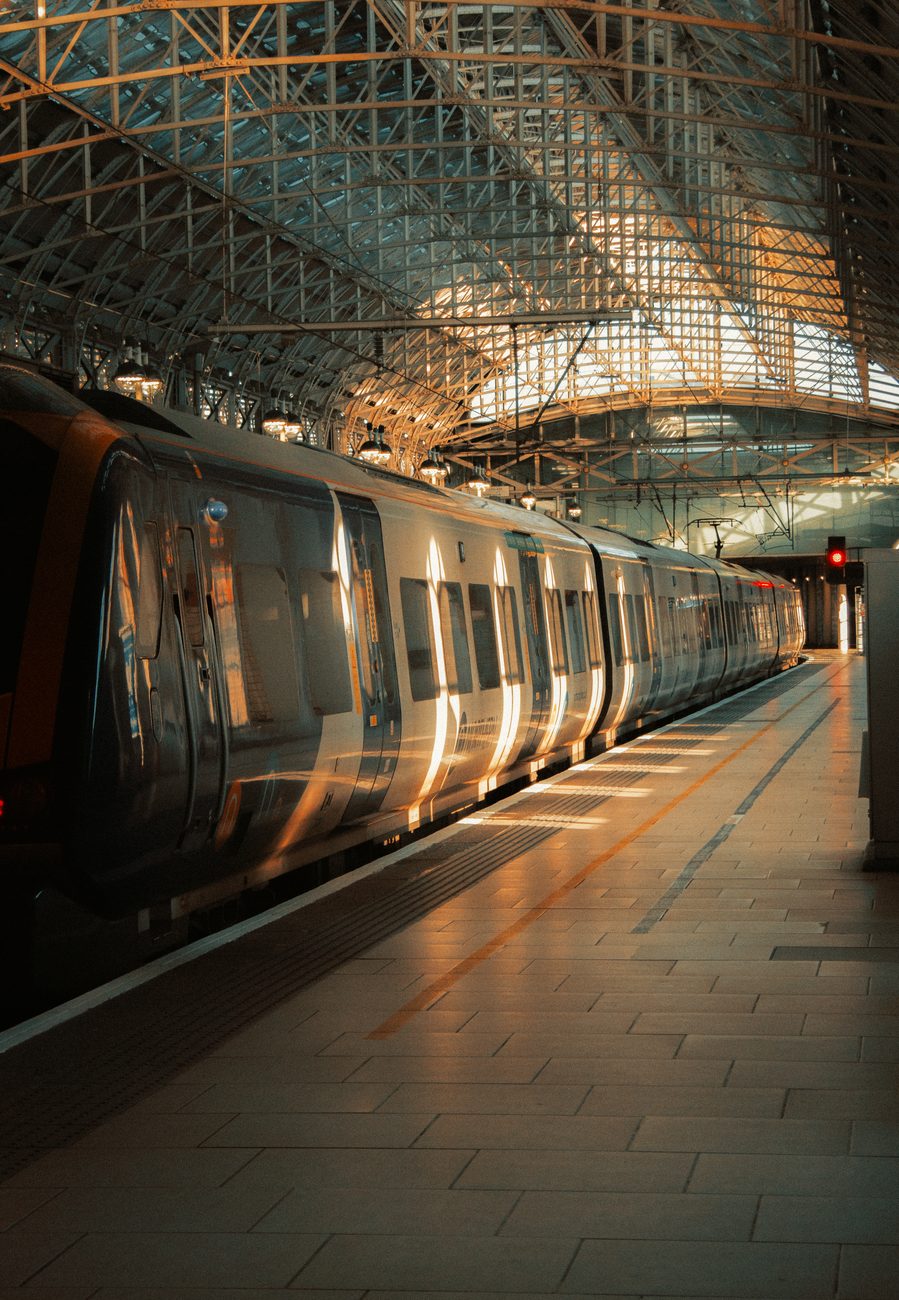
Arrive or depart via Manchester Piccadilly for fastest rail links; trains from Liverpool and Sheffield run frequently and Piccadilly connects directly to local trams and buses. For airport transfers, the train from Oxford Road or Piccadilly to Manchester Airport takes about 20–25 minutes; prebooked taxis cost roughly £25–35 to the city centre depending on time and traffic. Carry contactless payment or small notes; many independent eateries still prefer card-with-pin or cash for small orders, and small markets can be cash-only. Avoid scheduling a departure or long connection on a major match day at Old Trafford or Etihad without extra buffer time; road and tram congestion is common and timetables sometimes change.
Day 1
Morning: Start at Piccadilly Gardens and walk 5–10 minutes to the Manchester Art Gallery on Mosley Street; expect 10–20 minutes inside for main rooms. From there walk 8–12 minutes west along Cross Street to the National Football Museum at Urbis for a focused hour or two — cup and exhibition tickets for special displays are often £5–10. Lunch: Walk north 6 minutes to the Northern Quarter and eat at Foundation Coffee House or try a set at Bundobust (expect queues at peak times). Afternoon: Explore Northern Quarter streets like Thomas Street and Stevenson Square, then walk 10 minutes to Ancoats mills and Cotton Field Park, where canals and converted mills show Manchester's industrial fabric. Visit the People's History Museum on Chapel Street if time allows (10–15 minutes by tram from Ancoats via Piccadilly Gardens). Evening: Head back toward Deansgate and book dinner at Mackie Mayor food hall (5–10 minutes by tram or a 20-minute walk) and catch a late gig at Band on the Wall or a pub near Oxford Road. Walking times: Piccadilly Gardens to Manchester Art Gallery 5–10 minutes, Manchester Art Gallery to Bundobust 10–15 minutes, Northern Quarter to Ancoats 10–15 minutes. Transit: a single Metrolink hop replaces longer walks and is usually 2–6 minutes between central stops.

Day 2
Morning: Take Metrolink to Cornbrook then change for MediaCityUK; travel time from Piccadilly to MediaCityUK is around 25–35 minutes. Start at The Lowry for galleries and theatre; budget 1–2 hours for the gallery floor plus another hour if there is a performance or special exhibition. Walk or tram (5 minutes) across to Imperial War Museum North on Trafford Wharf Road for a compact but striking show about conflict and society. Lunch: Eat at The Dockyard or one of the pierside cafes in Salford Quays — expect £8–£15 for a main. Afternoon: Take the tram back into the city and visit Castlefield for canal-side walks, Roman remains and the Castlefield Viaduct; allow 30–45 minutes for a loop that includes the Roman fort and Bridgewater Canal. From Castlefield, a 12–18 minute walk reaches Deansgate and the John Rylands Library on Deansgate — the library is best seen in 30–45 minutes for the reading room and special collection displays. Evening: Choose between a football match at Old Trafford or a live music night in Ancoats; Old Trafford is a 20–30 minute tram plus walk depending on starting point and match-day crowds. Transit: Metrolink to MediaCityUK via Cornbrook is the most reliable option from central stops.

Day 3
Morning: Start at the Science and Industry Museum on Liverpool Road; plan 1.5–2.5 hours to cover transport galleries and the working exhibits. From Liverpool Road, walk 10–15 minutes to the Whitworth Art Gallery for contemporary collections set around Whitworth Park — combine gallery time with a park stroll when weather permits. Lunch: Head to Rusholme's Curry Mile on Wilmslow Road for an assortment of South Asian restaurants; typical mains run £8–£18. Afternoon: If checking out of accommodation, leave luggage at Piccadilly station left-luggage services or a hotel concierge and make a short visit to Chinatown and nearby Canal Street (the Gay Village) for architecture and cafes; Chinatown is 8–12 minutes on foot from Piccadilly. Practical note for departures: trains from Oxford Road and Piccadilly to Manchester Airport take 20–25 minutes and run frequently; leave at least 90 minutes before a domestic flight to allow tram or taxi transfers and security. Evening (if staying): finish with dinner in Spinningfields where restaurants stay open later, or catch a final live set in the Northern Quarter.
Best Local Experiences
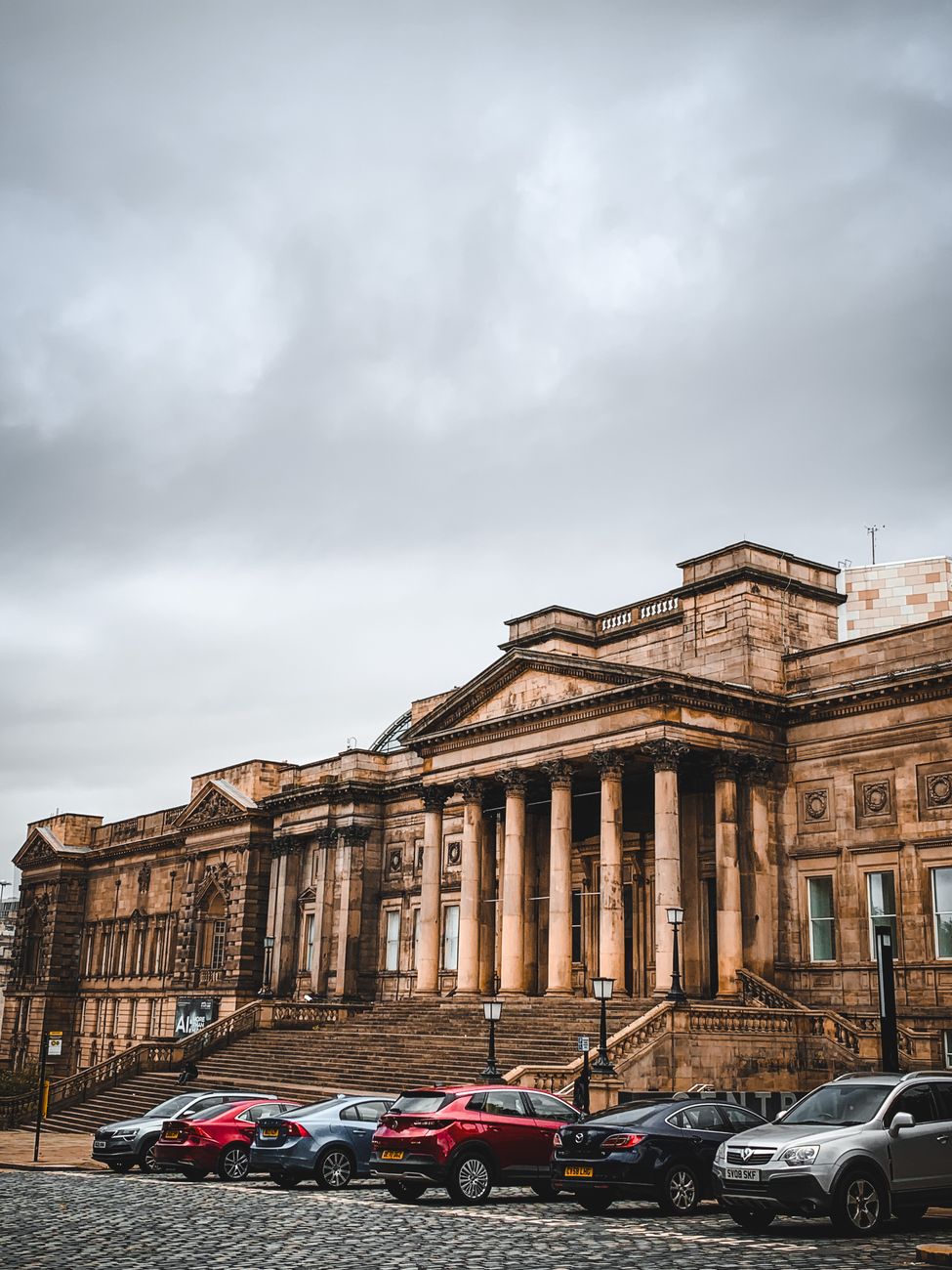
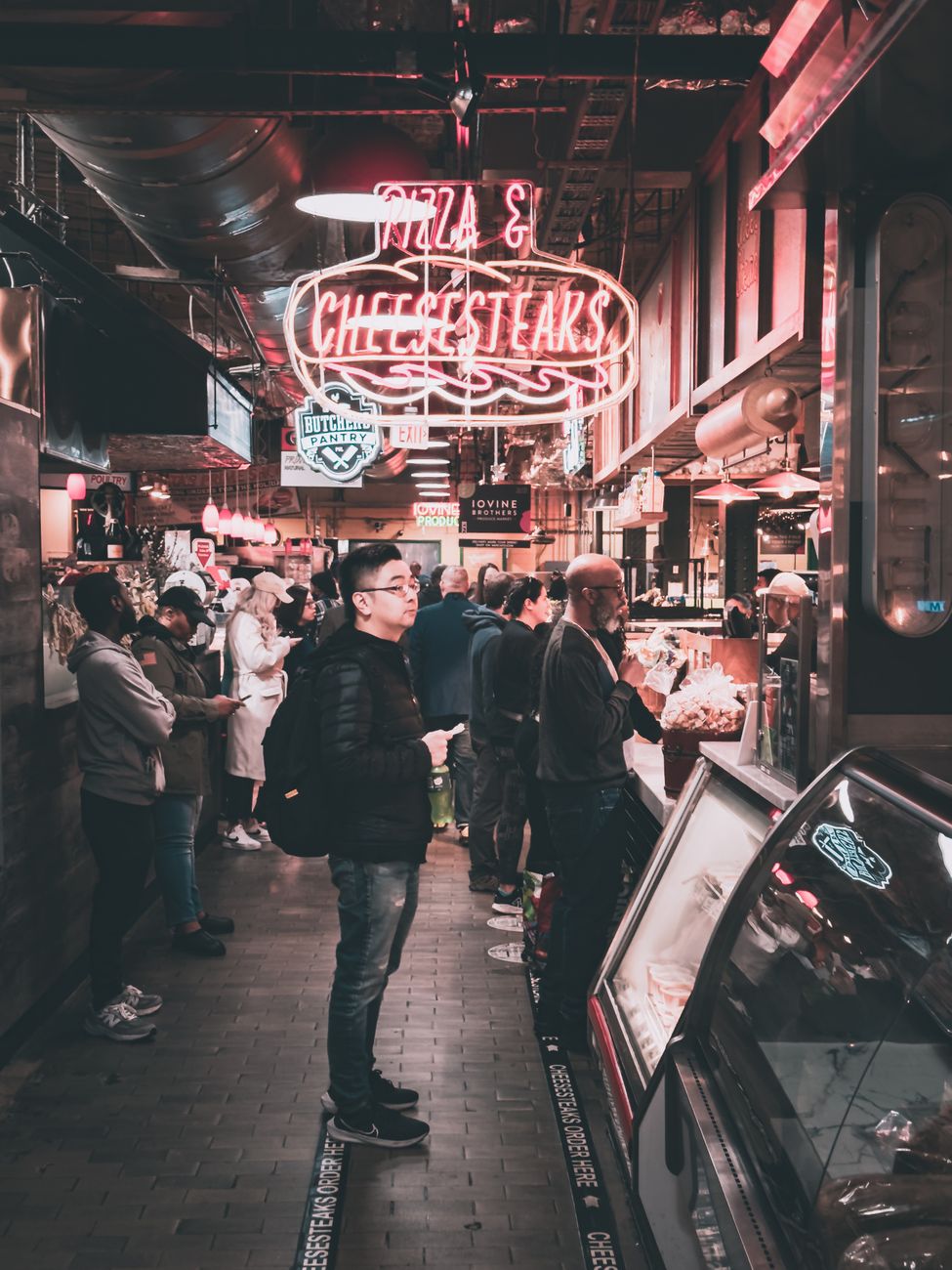
Markets and food halls: visit Mackie Mayor in the Victoria buildings, Altrincham Market (a short train to Altrincham) for weekend food traders, and the monthly Didsbury Village market for local produce. Live music venues: Band on the Wall, Deaf Institute and Academy (Oxford Road) each offer very different lineups from jazz to indie. Stadium culture: book a guided tour at Old Trafford or the Etihad Stadium and check for museum combos with priority times that avoid match-day turbulence. Street-level culture: walk Ancoats for converted mills and coffee roasters like Ancoats Coffee Co, and check Stevenson Square for independent shops. Seasonal events: the Manchester Christmas Markets open in several squares from late November through December, concentrated around Albert Square and Exchange Street; plan for large crowds and carry a small amount of cash for market stalls.
Where to Stay
Northern Quarter: Suits independent-traveller types who want night-time bars and cafes on the doorstep. Close to Piccadilly and 5–15 minutes on foot to main museums. Nightly cost: budget hostels £25–40, mid-range hotels £80–140 (~€95–€165 / $90–$175). Spinningfields and Deansgate: Suits business travellers and people wanting evening restaurants and upscale bars; nearest to John Rylands Library and riverside walks. Nightly cost: mid-range £100–£180, higher-end rooms £180–£300 (~€210–€350 / $200–$360). Salford Quays/MediaCity: Suits travellers prioritising The Lowry, Imperial War Museum North and quieter evenings; good for families or those catching events at MediaCityUK. Nightly cost: apartments and hotels from £70–£140 (~€80–€165 / $75–$170). Each neighbourhood has short tram or taxi links to Piccadilly; on match days check travel advisories and book early if a stadium event overlaps with the stay.
Food and Drink
Full English breakfast: eggs, bacon, sausage and beans served across many cafes; try Federal Cafe & Bar in the Northern Quarter — expect £8–£12. Street food: try a bao or loaded fries at Mackie Mayor stalls, mains £6–£12. South Asian cuisine: Curry Mile on Wilmslow Road offers biryani and karahi dishes — mains £8–£18 and generous portions for sharing. Dinner suggestion: modern British at Mana (Michelin-starred) or more affordable seasonal tasting menus at smaller restaurants in Ancoats; expect £45+ at higher-end and £18–£30 for standard mains. Local drink: try a pint from a regional brewery such as Northern Monk or Cloudwater at bars like The Marble Arch; pints are typically £4–6. Coffee culture: third-wave cafes in Ancoats and the Northern Quarter serve filter coffees and espresso-based drinks for £2.50–£4.50. Many pubs do not add service charge; a small tip or rounding up is appreciated but not expected for bar service.
Getting Around
Local transit includes Metrolink trams, Northern and TransPennine Express trains, and buses run by Stagecoach and First. Main Metrolink lines to know: Altrincham, Bury, East Didsbury, Manchester Airport, Ashton-under-Lyne and Oldham/Rochdale; central stops include Piccadilly Gardens, St Peter's Square and Deansgate-Castlefield. Buy Metrolink single tickets at yellow machines or on the Metrolink app before boarding; central-zone single fares are typically around £2.60 and a day travelcard for multiple zones runs roughly £6–£8. Train from Piccadilly to Manchester Airport is about 20–25 minutes; expect fares roughly £3–£8 depending on buying in advance. Taxi from Manchester Airport to city centre is about £25–£35 depending on traffic. Useful apps and cards: Metrolink app, Northern Rail app, and use contactless bank cards for many tram and train fares; check TfGM.live for service updates.
Best Time to Visit
Late spring (May–June) offers longer daylight and cooler crowds; average highs 15–20°C and fewer rainy days than autumn. Late summer (July–August) brings warmer temperatures 18–22°C but higher hotel rates and busy music and festival schedules. Autumn (September–October) can be pleasant for museum visits with shoulder-season hotel pricing and temperatures 10–16°C, though rain increases. Winter (November–February) is coldest and wettest with short daylight hours; peak crowds during the Christmas Markets in late November and December but many museum exhibitions run year-round. Best value months are March–April and September when accommodation prices are lower and the weather is still reasonable.
Budget and Practical Tips
Daily budget estimate (per person): Budget traveller — accommodation £40–80, food £20–35, transport £6–10, entry fees £5–15; total ~£71–140 (~€80–160 / $78–155). Mid-range traveller — accommodation £90–160, food £35–60, transport £8–12, entry fees £10–25; total ~£143–257 (~€160–290 / $155–280). High-end — accommodation £180+, meals £60+, transport £10–20, entries £30+; totals vary widely. Many museums have free general admission; factor special exhibition costs. Tipping: restaurants often add a discretionary service charge (check the bill); if not, leaving 10–12% for table service is normal. Pubs and casual eateries expect no tip; rounding up the bill is common. Bring a contactless card; cash remains useful for small takeaways and market stalls.
FAQ
Is Manchester safe for solo travellers?
Central areas are generally safe by daytime standards but exercise usual city caution at night; keep valuables secure on public transport and avoid poorly lit backstreets late at night.
How do I get from Manchester Airport to the city centre?
The train from Manchester Airport to Piccadilly takes about 20–25 minutes; frequent services run throughout the day and cost roughly £3–£8 depending on advance purchase.
Is a city pass worth buying?
A city pass can save money if visiting several paid attractions like The Lowry special exhibitions and guided stadium tours, but many major museums have free admission so calculate by the exact sites planned.
Are trams the best way to get around central areas?
Trams are reliable for longer cross-city hops and to Salford Quays/MediaCity; short central journeys on foot or by bus can be faster during peak tram crowds.
Can match days disrupt travel plans?
Yes — allow an extra 30–60 minutes for journeys on match days, and expect packed trams and longer taxi waits near Old Trafford and Etihad Stadium.
Where to buy Metrolink tickets and how much?
Buy at the yellow ticket machines on tram platforms or via the Metrolink app before boarding; central-zone single fares are around £2.60 and day passes about £6–£8.
Are there reliable luggage storage options?
Piccadilly station and some private lockers near the city centre offer left-luggage services; many hotels will hold bags for departing guests if asked.
Is public transport accessible for wheelchairs?
Recent Metrolink trams and many city buses are accessible, but older train services and some stops can present gaps; check individual operator accessibility notes before travel.
Conclusion
Three days in Manchester provides a realistic window into the city's museums, music venues and stadium culture without rushing every neighbourhood. Most travellers will remember the contrast between industrial heritage spaces repurposed into galleries and the energetic food scene that shifts between markets and curry houses. If time runs short, prioritise one quality museum visit in the morning and a neighbourhood walk in the afternoon — for many visitors, a Lowry/Salford Quays visit or a solid Northern Quarter exploration will be the most memorable single-day outcome.
How this guide was prepared
This guide was prepared through a structured research that combines destination research, geographic context, itinerary planning logic, and content review.