
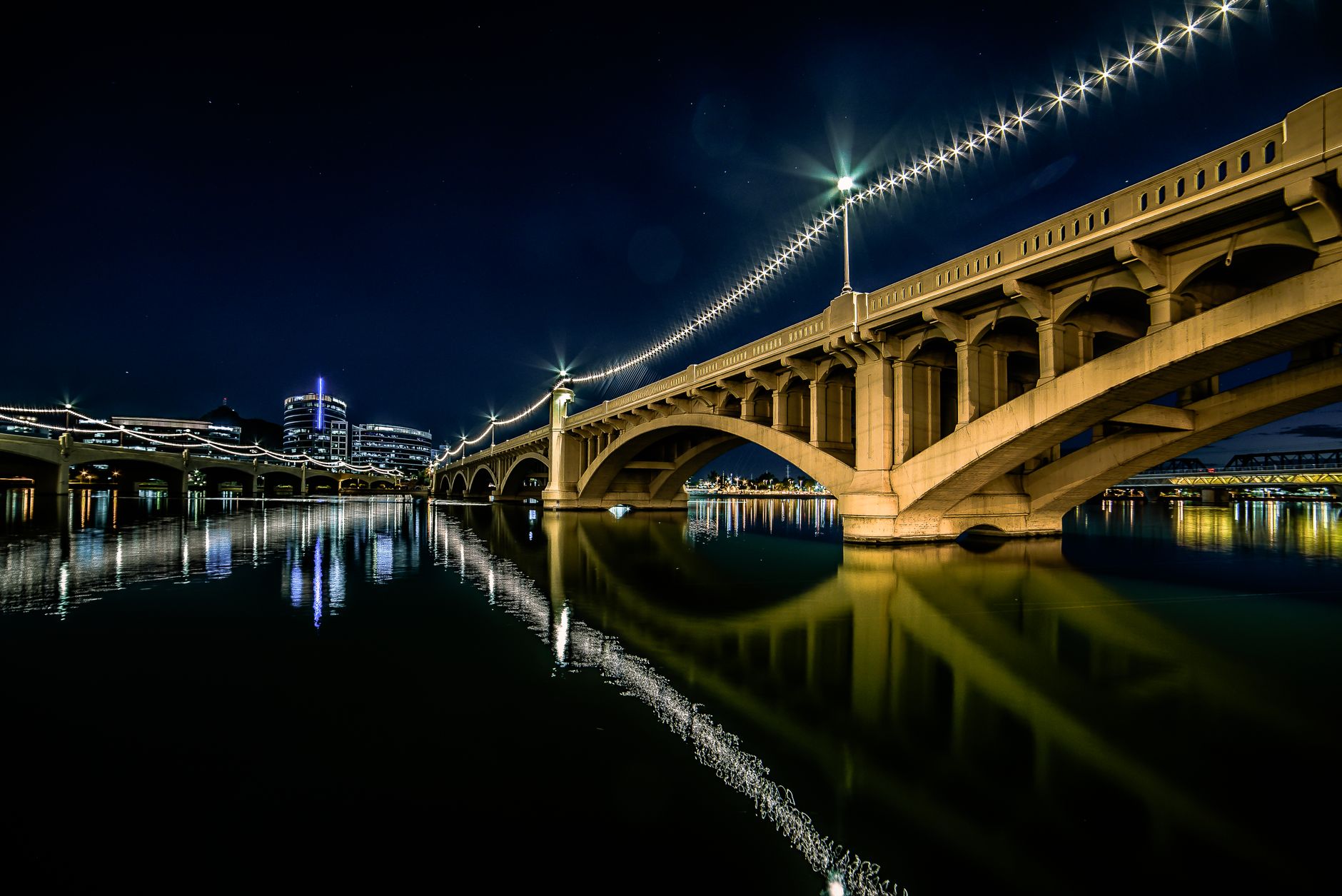
3-Day Practical Itinerary for Mesa, Arizona
A practical 3-day plan for Mesa covering Downtown Mesa, Superstition Mountains hikes, Usery Mountain park, local eats, transit, and budgets.
A no-nonsense 72-hour plan focusing on Downtown Mesa arts and history, easy outdoor half-days in the Superstition range, and local dining that reflects Sonoran flavors.
Expect a low-rise, car-friendly place with a compact cultural center and quick access to desert hiking. The first impression is a mix of municipal civic buildings, strip retail, and a surprisingly concentrated Main Street cluster anchored by Mesa Arts Center and Pioneer Park.
Many visitors assume this area is merely an interchangeable suburb of Phoenix and skip it. That misses how accessible the Superstition Mountains and several archaeological sites are from the city limits, and how the arts and local museums concentrate in walkable pockets around Macdonald and Main Street.
This city suits travelers who want short museum visits, afternoon hikes, affordable lodging, and Mexican-American and Sonoran-style food without Scottsdale prices. It is less suitable for visitors seeking an intense nightlife scene or a completely car-free stay.
Is 3 days in Mesa enough?
Three days gives enough time to experience Downtown Mesa's museums and arts venues, spend a half-day hiking near the Superstition Mountains, and visit a swap meet or cultural site. The honest caveat: there won't be time for both a full-day boat trip on Saguaro Lake and an extended backcountry hike without sacrificing museum time.
Who This Guide Is For
Best for travelers who want a mix of short urban exploration and outdoor activity — families, budget-minded visitors, and hikers. Not ideal for travelers who expect a dense, walkable downtown or those who prefer purely metropolitan nightlife.
Local Tips for Mesa
Practical details that most travel sites skip — specific to Mesa.
- Valley Metro Rail reaches Downtown Mesa on Main Street; buy fares in the Valley Metro app or at station vending machines — a single ride is about $2 and an all-day pass about $4.
- Sloan Park (home to Chicago Cubs spring training) draws large crowds in February–March; buy tickets in advance and expect local hotel rates to spike during Cactus League season.
- Usery Mountain Regional Park charges a per-vehicle day-use fee (around $7 at the kiosk) and the Wind Cave and Pass Mountain trails are most accessible early morning to avoid heat.
- Organ Stop Pizza on E Southern Ave runs live Wurlitzer organ shows most nights; table reservations clear weekend waits and seats near the organ fill first.
- Mesa Market Place Swap Meet runs multiple days each week in the same area used by large outdoor vendors — come with small bills because many stalls prefer cash and close by mid-afternoon.
How This Guide Was Prepared
This guide treats Mesa as more than a Phoenix suburb: it’s an affordable gateway to the Superstition Mountains with a surprisingly compact cultural core around Main Street and Mesa Arts Center. Many guides either ignore the driving needed for hikes and lakes or oversell a walkable downtown; this one lays out realistic transit times, parking and heat considerations, and which parts of the city require a car. This guide was prepared through a structured research that combines destination research, geographic context, itinerary planning logic, and content review.
Plan Your Stay in Mesa
Use this itinerary as your starting point, then compare areas to stay, transport options, seasonal timing, and realistic daily costs before booking.
Why Visit
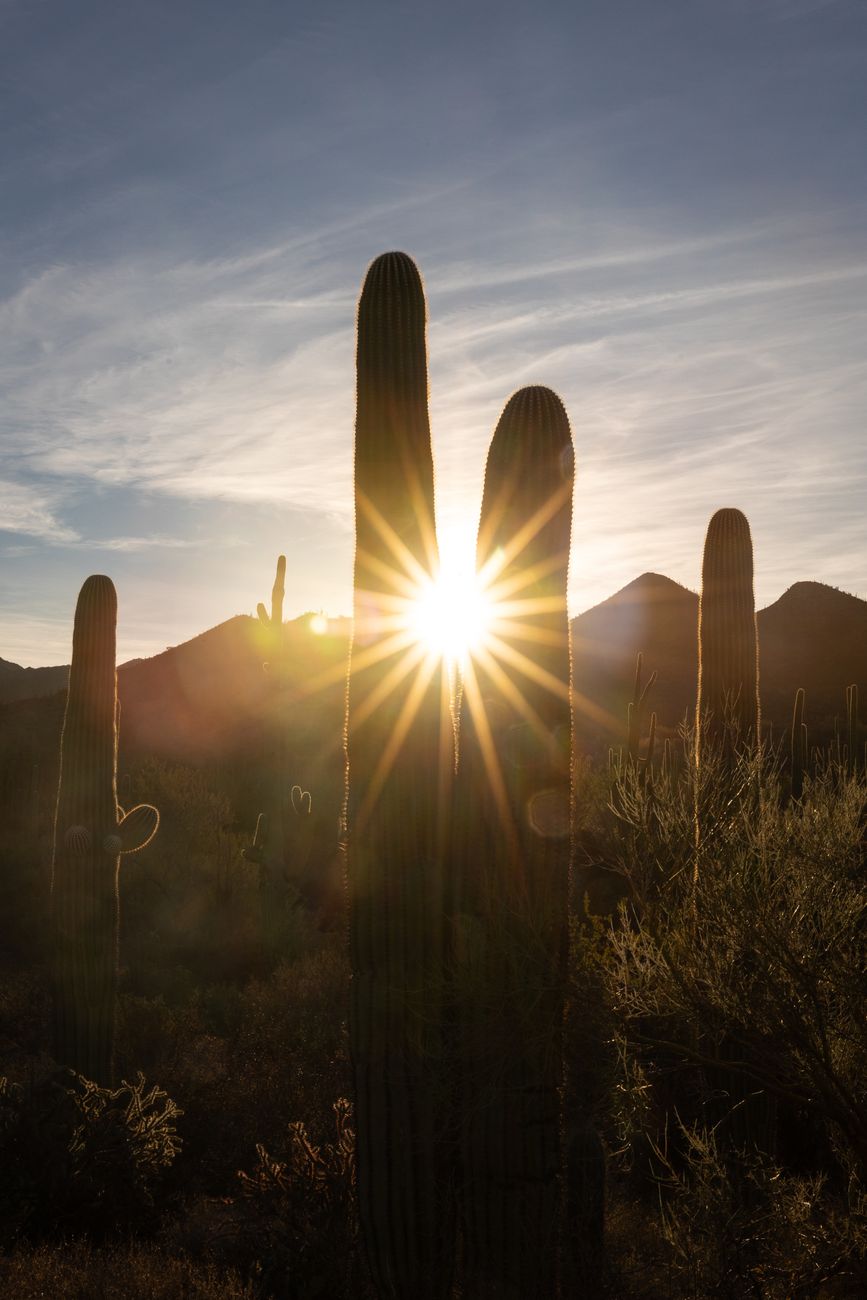
Access to outdoor recreation is the strongest reason: trailheads at Usery Mountain Regional Park and the trailheads for Superstition Wilderness are a short drive and offer classic desert routes like Siphon Draw and Pass Mountain.
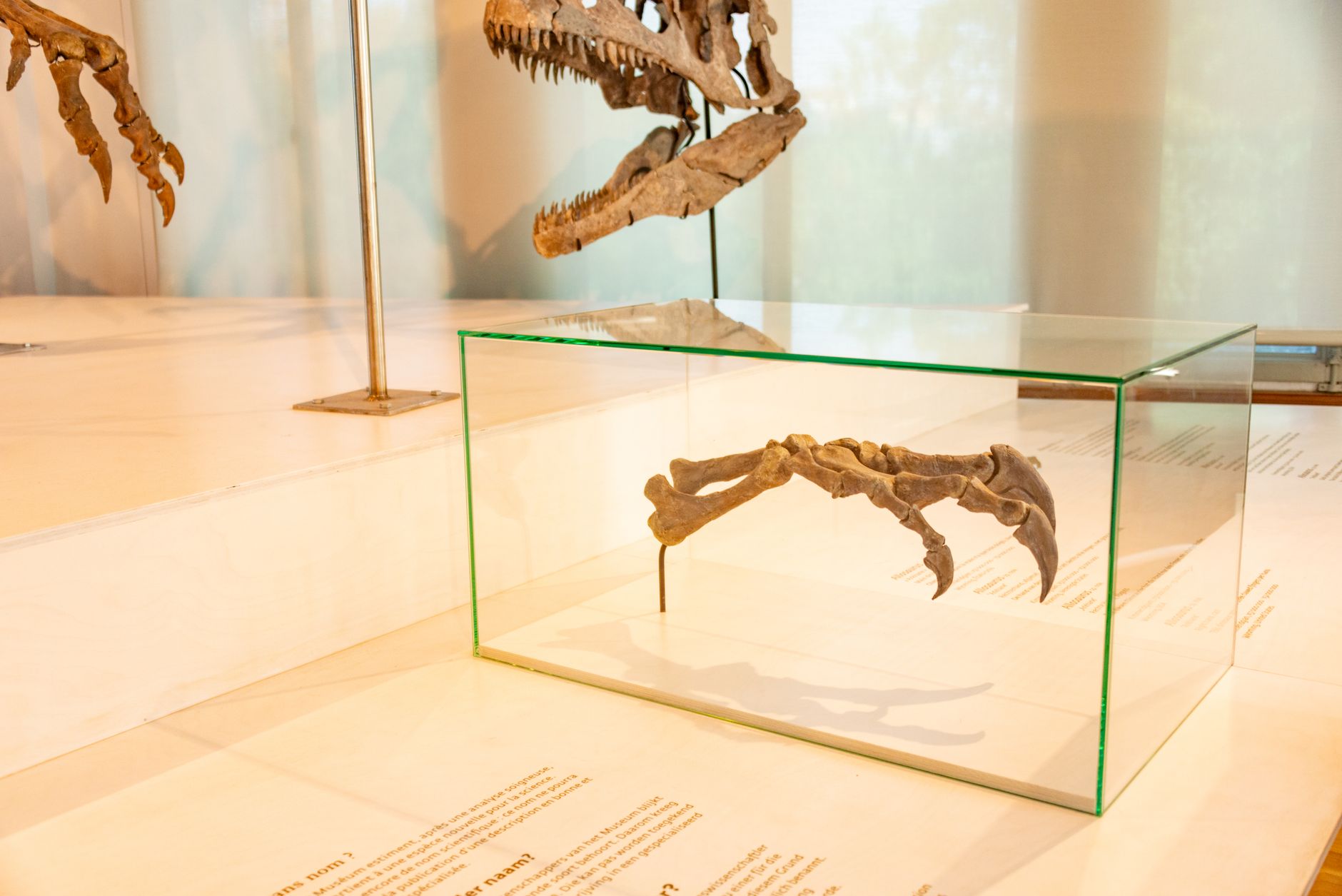
Culture and museums are unusually concentrated in a small area. Mesa Arts Center hosts rotating gallery exhibits and performing arts; the Arizona Museum of Natural History has dinosaur mounts and local archaeology exhibits that are compact and family-friendly.
Local character and quirky stops matter. Organ Stop Pizza is a performance-and-pizza combination that doesn’t exist elsewhere in the region, and Goldfield Ghost Town near Apache Junction provides an old west tourist experience with a short mine tour and souvenir shops.
Finally, Mesa offers value compared with nearby Scottsdale and central Phoenix for lodging and family-friendly attractions, making it a practical base to split time between urban museums and outdoor days.
Quick Planning Tips
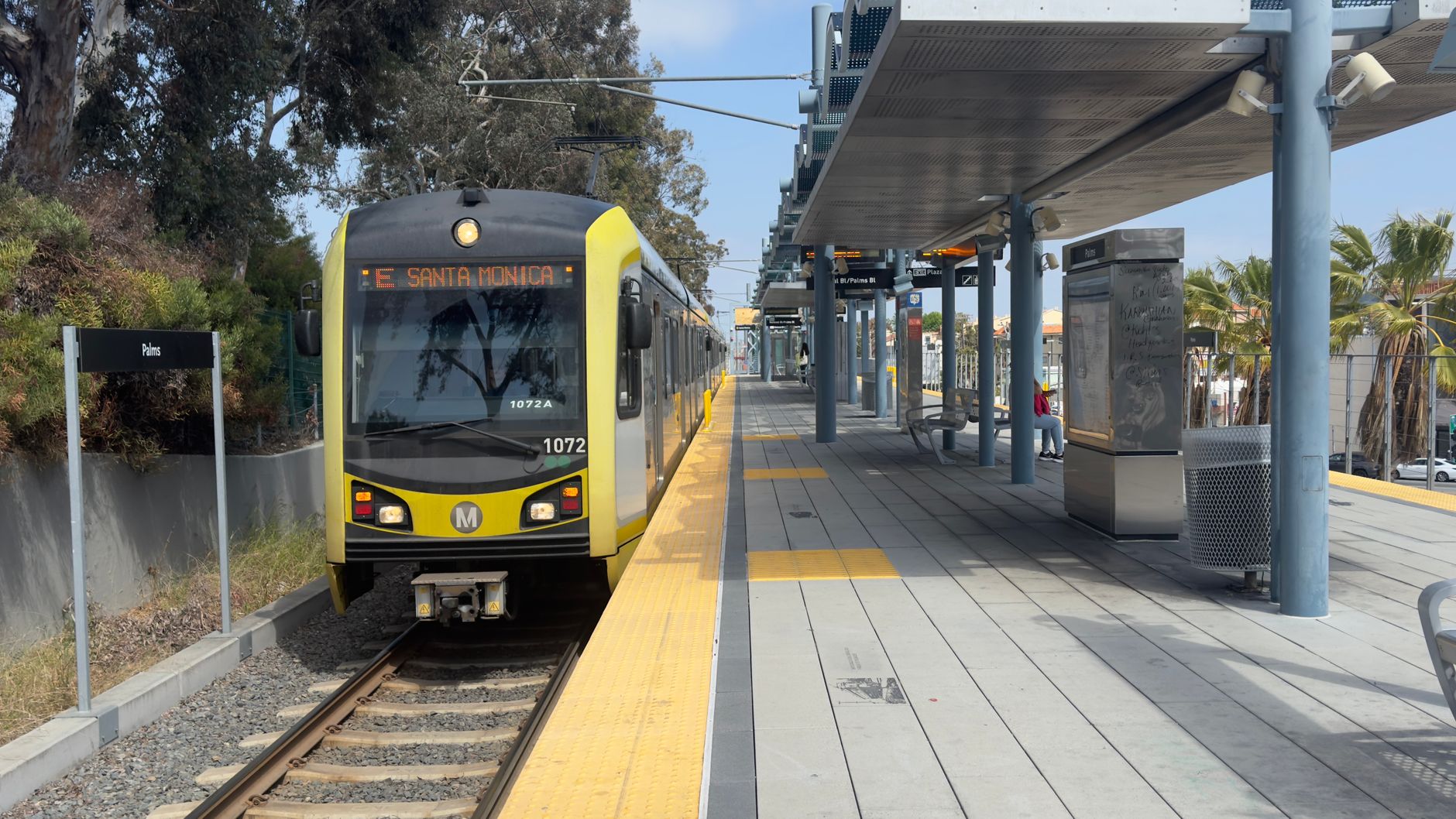
Arrival: Phoenix Sky Harbor International Airport is the main gateway. The fastest public option is the PHX Sky Train to 44th Street/Washington light rail station, then board Valley Metro Rail eastbound to Main Street stations; expect 45–60 minutes with transfers. Ride-hailing or a taxi is roughly $30–45 to central parts of the city depending on traffic.
Payments: most restaurants and hotels accept cards, but outdoor vendors at swap meets and some trail vendors prefer cash. ATMs are available in downtown and at large shopping centers; bring small bills for markets and tips.
Common planning mistake: compressing long outdoor activities into the middle of a hot day. In summer, plan hikes for before 9am or after 5pm and always factor in car parking time; driving between downtown and trailheads usually takes 20–40 minutes.
Day 1
Morning: Start at Mesa Arts Center on 1 E Main St. Arrive when the galleries open to avoid crowds and give 60–90 minutes for the main galleries and the outdoor sculpture plaza.
Midday: Walk 8–10 minutes to the Arizona Museum of Natural History (53 N Macdonald). Expect a compact collection: dinosaur mounts, a recreated prehistoric dig, and exhibits on the Hohokam people. Budget 1.5–2 hours. If visiting both the Arts Center and the museum, the two sites are comfortably walkable with a short stop at Pioneer Park between them.
Lunch: Eat on Main Street at a local taqueria or café near Macdonald — table turnover is brisk so expect casual service and prices around $10–15 for a solid midday meal. Plan 45–60 minutes for lunch.
Afternoon: Walk or take a short drive to Mesa Historical Museum on Macdonald (about 4–7 minutes by car). The museum focuses on the city’s early 20th-century irrigation and settlement; budget an hour. Next, stroll through nearby Main Street shops and the art murals. If heat is high, use this time for indoor galleries or an air-conditioned coffee break.
Dinner and evening: Drive or take a short taxi to Organ Stop Pizza on E Southern Ave (15–20 minutes from Main Street by car). The dinner show runs most evenings; expect pizza prices $12–18 and table booking is recommended for weekend nights. If there’s a performance at Mesa Arts Center instead, swap dinner for a pre-show casual meal downtown and see the show.
Day 2
Morning: Drive east to Usery Mountain Regional Park for an early hike (approximately 25–35 minutes from Downtown). Choose Wind Cave Trail or Pass Mountain for shorter options; bring water and sun protection. Allow 2–3 hours including parking and return time. There is a small day-use fee at the park entrance.
Midday: Head farther east toward Apache Junction and Goldfield Ghost Town (about 20–25 minutes from Usery Park). Walk the restored main street, ride the short mine-train, and grab lunch at the old-time saloon; budget 1.5–2 hours. Goldfield is touristy but useful for families and photo stops.
Afternoon: Drive to Saguaro Lake Marina or a Salt River access point for a boat tour or a shoreline walk if timing allows (35–45 minutes from Goldfield area depending on route). If a boat tour isn’t practical, consider a short visit to the Superstition Mountain Museum for mining history and local artifacts instead.
Transport note: this day is car-heavy. Public transit connections to these sites are limited and slow; a rental car or ride-hail is the most efficient choice. Return to town in time for an early dinner and downtime.
Evening: Choose an informal dinner near Dobson Road or at the Mesa Riverview area. If energy allows, pick a patio restaurant and keep plans light after a full outdoor day.
Day 3
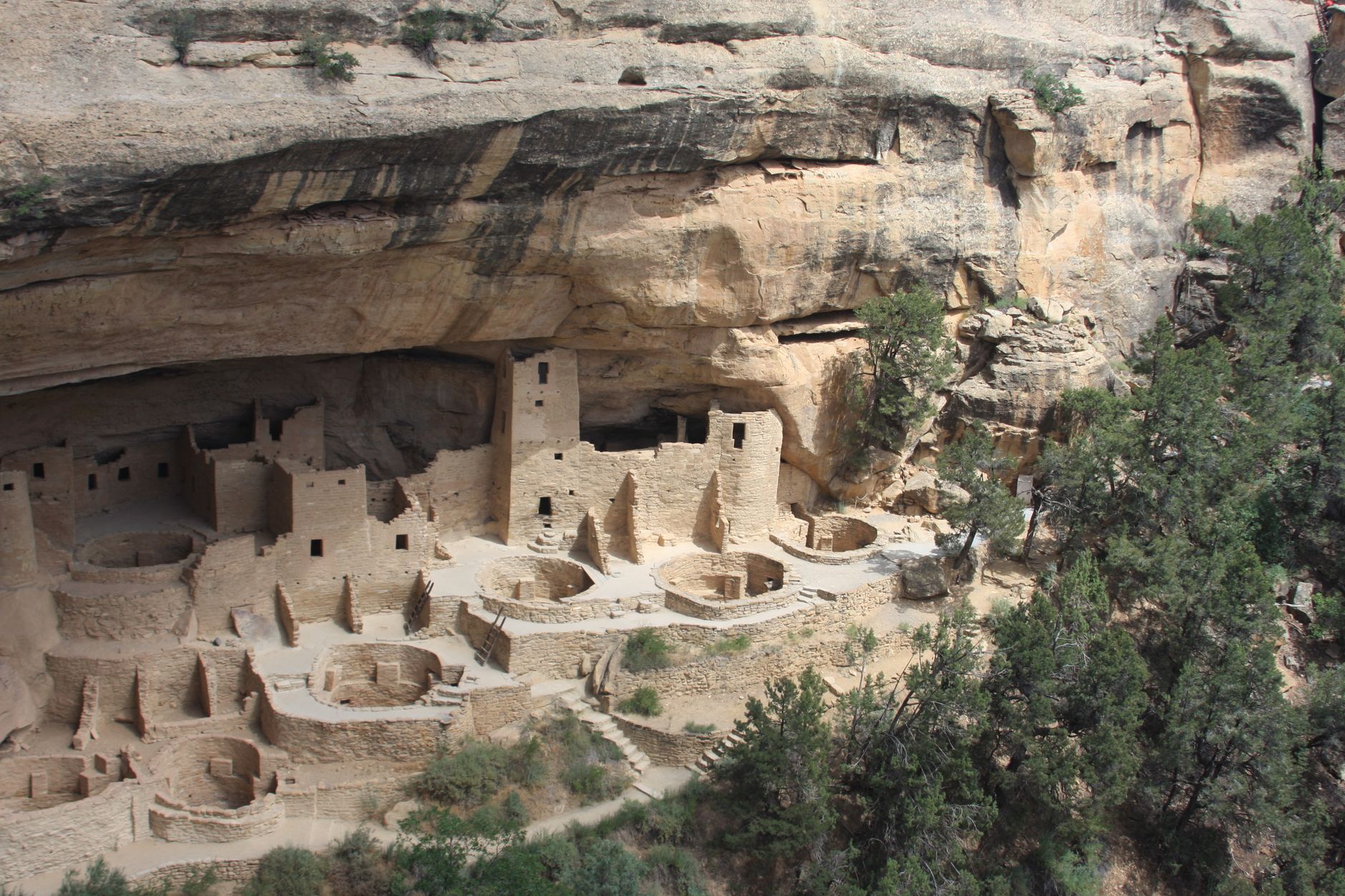
Morning: Start at Mesa Grande Cultural Park, an archaeological mound and interpretive site that illustrates the Hohokam canal systems (short visit of 30–45 minutes). The site is close to central Mesa and fits well into an easy morning.
Midday: Visit Mesa Market Place Swap Meet for browsing local vendors and food stalls; come with small bills and plan about 1–2 hours. The market tends to wind down by mid-afternoon, so schedule it before checkout if staying nearby.
Afternoon option for those with later flights: if the flight is after mid-afternoon, drive to Riverview Park and Mesa Riverview center for a relaxed lunch, or squeeze in a 60–90 minute hike on a short trail near Gateway Park. From central areas allow 30–45 minutes to Phoenix Sky Harbor by taxi or ride-hail, or 50–70 minutes by Valley Metro connections depending on transfers.
Checkout and airport note: If the flight is in the afternoon, check out early and leave luggage at the hotel if available. Taxi or ride-hail from central Mesa to Sky Harbor typically takes 30–45 minutes in regular traffic. If driving a rental, account for car return time and Sky Harbor’s rental shuttle transfer.
Evening: If remaining in town, pick a relaxed dinner in the Main Street district and walk a short loop through Pioneer Park before calling it a night.
Best Local Experiences
Start a morning at Mesa Arts Center for a gallery exhibit or a matinee performance; the center’s outdoor plaza offers easy photo stops and is close to Main Street amenities.
Buy or browse at Mesa Market Place Swap Meet for a wide range of vendors selling tools, clothing and local food; arrive early for the best selection.
Catch an organ show and dinner at Organ Stop Pizza for a uniquely local entertainment experience that combines a live Wurlitzer with pizza and family-friendly atmosphere.
Hike a segment of Superstition Wilderness—Siphon Draw up to Flatiron is strenuous and requires planning, while Pass Mountain or Peralta Trail offer shorter options. Start before 8am in hot months.
Visit Sloan Park during spring training to see MLB teams in a compact park setting; book tickets early and arrive well before first pitch to avoid traffic. These five activities cover arts, markets, oddball entertainment, desert hiking, and seasonal sports.

Where to Stay
Downtown/Main Street: Best for walkable access to Mesa Arts Center, Arizona Museum of Natural History, and restaurants. Suits visitors who want to minimize daily driving. Expect typical nightly rates of about $90–160 USD (€83–148), depending on season and proximity to Main Street.
East Mesa / Dobson Ranch: A family-friendly suburban area with chain restaurants and easy access to Usery Mountain and Sloan Park. Suits families and spring-training visitors. Nightly rates are commonly $80–140 USD (€74–129).
Near Phoenix-Mesa Gateway Airport and Mesa Riverview: Suits travelers with early or late flights or those who prefer newer chain hotels and outlets. Good for budget stays and quick highway access to outdoor sites. Rates generally run $70–120 USD (€64–110) per night.
Choice tips: book early for February–March (spring training) and for any major arts festivals. Many hotels in East Mesa and near the airport include free parking and breakfast, which offsets costs for families.
Food and Drink
Sonoran hot dog: A bacon-wrapped hot dog served in a soft bolillo roll with beans, onions, tomatoes and grilled jalapeño; commonly found at Sonoran-style taco stands and some downtown carts. Expect $3–6 for a street version.
Carne asada burrito: Large flour tortilla stuffed with grilled beef, rice, beans, salsa and often guacamole. Look for good versions at neighborhood taquerias near Main Street; prices $8–12.
Chimichanga: A deep-fried burrito often claimed by Arizona restaurants; find solid plates at longstanding Mexican restaurants and dinner houses downtown. Expect $10–15 with sides.
Prickly pear margarita: A regional cocktail using prickly pear syrup or juice, available at many sit-down restaurants and bars; a house margarita typically runs $8–12.
Breakfast option — local diner chains and neighborhood spots: places such as Broken Yolk Cafe and independent breakfast diners on University Drive serve hearty breakfasts (egg plates, pancakes) for $8–15.
Additional note: street-food tacos and small plates are the most budget-friendly way to sample local flavors. For a special group dinner, book ahead for Organ Stop Pizza to combine food with the performance.
Getting Around
Public transit: Valley Metro Rail reaches Downtown Main Street stations (look for Sycamore/Main St and Center/Main St) and connects to Phoenix and Tempe. Valley Metro buses cover the broader metro area and stop at major corridors.
Fares and passes: a single ride on Valley Metro (bus or light rail) is about $2 USD and an all-day pass is about $4 USD; buy and load fares via the Valley Metro app or station vending machines.
Ride-hail and taxis: Uber and Lyft operate throughout the area and are useful for trips to trailheads and Goldfield. Typical taxi or ride-hail from Phoenix Sky Harbor to central areas runs roughly $30–45 depending on traffic.
Car rental: strongly recommended for exploring Usery Mountain, Superstition Wilderness and Saguaro Lake where transit service is limited. Street parking is widely available in downtown and at trailheads but check posted signs for timed zones.
Apps and cards: Valley Metro app for fares and schedules, and general transit apps like Transit or Google Maps for trip planning work well in region.
Best Time to Visit
Winter (November–February): Mild daytime temperatures typically 60s–70s°F (15–24°C) and cool nights. This season offers comfortable hiking and lower humidity; expect more visitors during holiday weekends but reasonable rates otherwise.
Spring (March–April): Daytime highs trend from the 70s into the 80s°F (20–30°C). March brings spring training crowds at Sloan Park that push hotel prices and traffic; plan and book early if visiting then.
Summer (May–September): Hot months with highs frequently over 100°F (38°C). Monsoon thunderstorms in July–August bring brief heavy rain and lightning risks. Avoid mid-day outdoor plans and prefer early-morning hikes.
Autumn (October): A good shoulder month with warm days in the 70s–80s°F (20–30°C) and lower crowd levels than spring. For best value with reliable outdoor weather, target November and October.
Budget and Practical Tips
Daily budget (midrange traveler): Accommodation $90–140 USD (€83–129); food $30–60 USD (€28–55); local transport and short taxis $10–30 USD (€9–28); entry fees and activities $10–40 USD (€9–37). Total roughly $150–270 USD per day (€138–249), depending on lodging and activity choices.
Money and tipping: restaurants customarily expect 15–20% tip on full-service meals. Café orders and fast-casual counter service do not require tipping but leaving small change for table service is appreciated. Tour guides and drivers typically receive 10–20% when service is good.
Practicalities: carry water and sun protection for outdoor days and start hikes early in hot months. For spring training or arts events, book tickets and hotels well in advance. Bring small bills for swap meet vendors and park kiosks.
FAQ
Is Mesa safe for tourists?
Most areas frequented by visitors are generally safe during daytime; standard urban caution applies—watch for car break-ins in parking lots, avoid poorly lit or isolated areas at night, and secure valuables.
Can public transit take me to Usery Mountain or Superstition Wilderness?
Transit options are limited; Valley Metro buses do not serve trailheads conveniently. A rental car or ride-hail is the most practical way to reach these trailheads.
Is a city pass worth buying for attractions?
There is no dedicated Mesa city pass that bundles local museums; occasional regional passes cover Phoenix-area attractions but for most visitors pay-as-you-go is more flexible.
How do I get from Phoenix Sky Harbor to downtown Mesa without a car?
Use the PHX Sky Train to 44th Street/Washington, then board Valley Metro Rail eastbound to Main Street stations. Total travel time with transfers is about 45–70 minutes.
Are there spring training games in the area and where?
Yes — Sloan Park hosts Chicago Cubs spring training and nearby stadiums host other teams; expect higher hotel rates and local traffic in February–March.
What's the typical cost to enter Arizona Museum of Natural History and Mesa Arts Center galleries?
The museum charges a modest admission (around $10–15 for adults) while Mesa Arts Center galleries are usually free to enter; performances at the Arts Center vary by show and ticket price.
Are there good food truck scenes or late-night food options?
Casual food trucks and taquerias operate near Main Street and shopping centers; late-night options are limited compared with larger downtowns, so plan dinner earlier on weekends.
Is Mesa walkable for a visitor staying downtown?
The Main Street / Pioneer Park / Arts Center area is walkable for several hours of exploration, but most other points of interest require short drives or transit.
Conclusion
This three-day plan balances arts and museums with easy desert outings and a couple of characterful local experiences. Most visitors will remember the contrast between a compact civic arts hub and the immediate access to rugged trails and old west tourist stops.
If short on time, prioritize a morning at Mesa Arts Center plus the Arizona Museum of Natural History, and an early hike at Usery Mountain or a short Goldfield Ghost Town visit—those three elements capture the local mix without overcommitting to long drives.
How this guide was prepared
This guide was prepared through a structured research that combines destination research, geographic context, itinerary planning logic, and content review.