

Munchen in 3 Days: Practical Weekend Itinerary and Tips
A practical 3-day Munchen guide with transit tips, neighbourhood routes, realistic costs and food picks to plan an efficient weekend without tourist traps.
A compact, honest 72-hour plan for Munchen that prioritises efficient routes, realistic costs, and local patterns — for visitors who prefer practical time use over sightseeing checklists.
First impression: busy squares, efficient public transit and a strong local life that keeps normal shops open during weekday mornings and many small cafés full. The city centre around Marienplatz is compact but crowded midday; side streets and markets feel calmer by lunchtime or late afternoon.
Expect clear signage on U-Bahn and S-Bahn stations, but a fair number of tourists around the main sights. The practical visitor benefit is that travel times between major points are short — 10–20 minutes on transit — so an organised three-day plan can cover a lot without long transfers.
Common preconceptions often overemphasise lederhosen and Oktoberfest as if they define the place year-round. In reality the city has a strong local café culture, several significant museums and large green spaces used daily by residents. This guide suits travellers who want efficient routes, sensible meal choices and realistic timings rather than a scramble of one-off photo stops.
Is 3 days in Munchen enough?
Three days in Munchen is enough to cover the main sights: Marienplatz, Residenz, Viktualienmarkt, Nymphenburg, Englischer Garten and a museum or two, plus a beer-hall experience. The honest caveat: deeper exploration of neighbourhoods like Haidhausen or a full visit to the Deutsches Museum collection requires more time or a focused return visit.
Who This Guide Is For
Best for first-time visitors who want a mix of history, public parks and Bavarian food without rushing. Less suitable for nightlife-only travellers or those wanting to day-trip to the Alps every day.
Local Tips for Munchen
Practical details that most travel sites skip — specific to Munchen.
- Buy MVV single tickets or day tickets from DB Navigator or the MVV app; a single Zone M ticket costs around €3.60 and a Tageskarte (day ticket) for Zone M is about €7.80 — validate prices in the app before travel.
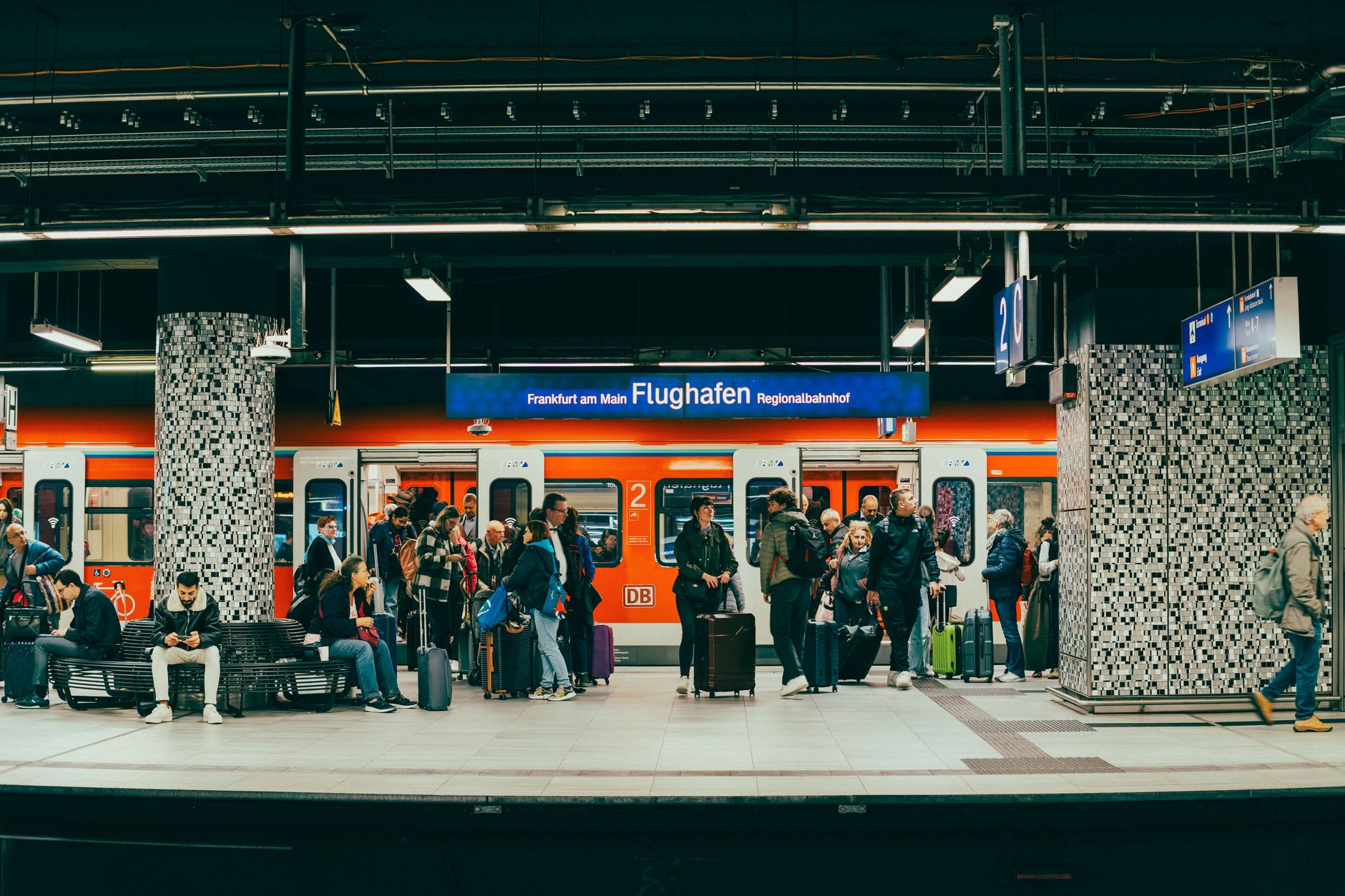
- The S-Bahn S1 and S8 link Munich Airport (Flughafen München) to the city center; plan on 35–45 minutes to Marienplatz and no extra airport surcharge on the ticket.
- Viktualienmarkt operates Monday–Saturday (closed Sundays); arrive by 10:00–11:00 for the best food stalls and to avoid the late-afternoon after-work crowd.
- Englischer Garten’s Eisbach wave at the southern end near Prinzregentenstraße draws surfers year-round; view from the bridge rather than trying to access the crowded bank during warm weekends.
- Many sit-down restaurants around Marienplatz add a small service/cover charge (Gedeck) or round up; check the menu for 'Service' or 'Gedeck' and expect €0.50–1.50 per person in casual places.
How This Guide Was Prepared
This guide treats Munchen as a collection of neighbourhoods with different personalities rather than a single centre piled with attractions. Many guides cram every monument into a single day; this plan separates historical centre sightseeing, the palace and parks, and modern Munich/industry to minimize transit churn and surface real daily costs and waits. This guide was prepared through a structured research that combines destination research, geographic context, itinerary planning logic, and content review.
Plan Your Stay in Munchen
Use these planning pages to compare areas to stay, expected costs, seasonal timing, and local transport before booking.
Why Visit
Three concrete reasons: accessible museums and collections that reward focused visits — Deutsches Museum for technology and the Residenz for Bavarian court rooms. Second, large public green spaces like Englischer Garten offer long walks, a river surfing spot at the Eisbach and beer gardens where locals actually eat and socialise, not only tourists.
Third, regional day-trip options are quick: trains to Augsburg, Nurnberg and Garmisch-Partenkirchen leave from Hauptbahnhof or Marienplatz-area stations and fit a half-day or full-day plan. Finally, the culinary scene delivers clear Bavarian staples (Weisswurst, Schweinshaxn) alongside neighbourhood cafés and market stalls at Viktualienmarkt, enabling varied budgets and meal rhythms.

Quick Planning Tips
From the airport, take the S1 or S8 S-Bahn to the centre; journey time is about 40 minutes to Marienplatz and trains run roughly every 20 minutes. Taxis to the centre typically cost €60–75 depending on time and suitcase count — allow that in the budget for early-morning arrivals.
Use the MVV (Münchner Verkehrsgesellschaft) app or DB Navigator for tickets and real-time departures; contactless card payments are accepted on trams and at many shops, but have small change for market vendors. One planning mistake to avoid: buying single tourist hop-on buses as the only transit option; the U-Bahn/S-Bahn network is faster and much cheaper for most routes.
Day 1
Morning: Start at Marienplatz to watch the Neues Rathaus Glockenspiel (check the playing times). From Marienplatz walk 2–5 minutes to Frauenkirche to view the exterior and the twin towers — interior queues can be 15–30 minutes.
Late morning: Walk 3–5 minutes to Viktualienmarkt for snacks and people-watching; sample a Leberkässemmel or a pretzel from one of the stalls. Lunch: Sit-down at Zum Augustiner or the family-run stand in Viktualienmarkt — expect €10–18 for a main or market dishes for €4–8.
Afternoon: Walk 8–12 minutes to the Residenz (allow 1.5–2 hours for the museums and Treasury). From Residenz it’s 10–15 minutes on foot to the Asamkirche and the pedestrian area of Sendlinger Straße for small shops.
Evening: Dinner at Andechser am Dom or Ratskeller (near Marienplatz) for traditional Bavarian dishes. Finish with a drink at Hofbräuhaus if seeking the classic beer-hall experience, or choose a quieter beer garden like Augustiner Keller if open — expect evening noise and large groups near main tourist spots.

Day 2
Morning: Head to Schloss Nymphenburg and the palace park — allow 2–3 hours for the palace rooms, Marstallmuseum and the park walk. From central stations allow 25–35 minutes on tram or bus depending on where the hotel is located.
Midday: After the palace, visit the nearby Botanischer Garten or the Bavarian National Museum on Prinzregentenstraße for a different museum focus. Lunch in Nymphenburg neighbourhood cafes or a beer garden near the palace courtyard; simple meals here are often €8–15.
Afternoon: Travel to Olympiapark and BMW Welt — take the U-Bahn or tram plus a short walk, roughly 20–30 minutes from central stops. BMW Welt and the Olympic Hill offer contrast to the historical morning and show modern architecture and sport facilities.
Evening: Return via Schwabing for dinner on Leopoldstraße or at a neighbourhood restaurant; Schwabing has more late-night café life than the old town and quieter pubs. Transit between the palace, Olympiapark and Schwabing is straightforward with a single MVV day ticket.

Day 3
Morning: Reserve this morning for the Deutsches Museum or Pinakotheken (Alte Pinakothek, Neue Pinakothek or Pinakothek der Moderne) depending on art or science preference; allocate 2–3 hours. From Marienplatz the museum tram or U-Bahn is 10–15 minutes.
Midday: Walk to the Isar riverbank and Englischer Garten; make time to see the Eisbach surfers around Prinzregentenstraße and relax in the streamside beer garden at Chinesischer Turm. If checking out of accommodation, store luggage at the station or a locker and plan a late lunch at a market or local Imbiss.
Afternoon: Take an easy stroll along the Isar to see Maximiliansanlagen and return to central stations for last-minute shopping on Kaufingerstraße. If catching an afternoon flight, aim to leave the centre 2–2.5 hours before departure for S-Bahn time plus security; S1/S8 from Marienplatz to the airport needs roughly 40 minutes.
Evening: For a final dinner choose a neighbourhood away from Marienplatz — an evening in Haidhausen provides quieter restaurants and shorter taxi rides to the East side of the city.

Best Local Experiences
Viktualienmarkt: weekday mornings for fresh produce, cheese stalls and a lively market breakfast. Eisbach surfing near Prinzregentenstraße: watch surfers from the bridge and see a local sport that draws crowds year-round.
Augustiner-Keller or Chinesischer Turm: compare a traditional long-table beer garden with roast meats, big steins and local weekday crowds. Pinakotheken museum complex on Barer Straße: dedicate a morning to one Pinakothek rather than skimming all three in a day.
A Sunday walk along the Isar from Gärtnerplatz to the Großhesseloher Brücke: local walkers and cyclists use this route and it feels more local than the crowded park near the city centre. Viktualienmarkt’s flower stalls and speciality butchers are particularly good for small gifts and local food purchases.

Where to Stay
Altstadt-Lehel: Best for first-time visitors who want to be within walking distance of Marienplatz, Frauenkirche and many museums. Suits short stays; expect nightly rates roughly €120–€230 (≈$130–$250) for mid-range hotels depending on season.
Schwabing-Freimann: Suits travellers who prefer cafés, bars and a more residential feel; good for nightlife and Leopoldstraße. Expect €90–€160 (€95–$175) per night for comfortable mid-range options.
Haidhausen (near Gasteig): Works for quieter evenings and quick access to Isar walks and the Deutsches Museum area. Suits couples and families who prefer local restaurants; expect €80–€150 (€85–$165) per night.
For budget travellers, look near Hauptbahnhof where hostels and budget hotels have the best connections to long-distance trains; expect lower prices but more transient foot traffic in the evenings.
Food and Drink
Weisswurst: A white veal sausage traditionally eaten before noon, often with sweet mustard and a pretzel; try at Weißwurststand or at a traditional breakfast spot in Viktualienmarkt for €4–6.
Schweinshaxe: Roasted pork knuckle served with potato dumplings and cabbage; find solid versions at Andechser am Dom or Augustiner-Keller for €14–22. Leberkässemmel: a seared meatloaf sandwich sold at many bakeries and market stalls — cheap, filling street food at €3–5.
Brezen (pretzel): A must-have bakery item, usually €1–2 at bakeries or market stalls. Weißbier (Hefeweizen): a cloudy wheat beer available at beer halls and beer gardens; expect €4–6 per half-litre. Dinner recommendation: a meal at a beer garden like Chinesischer Turm or a table at a family-run Gasthaus in Haidhausen for a calmer atmosphere and home-style cooking for €15–25 per person.
Getting Around
Transit modes: U-Bahn (underground), S-Bahn (suburban rail), trams and buses operated by MVV. Main U-Bahn lines to know: U3/U6 (north–south through Marienplatz area), U4/U5 and U1/U2 on other axes; S-Bahn lines S1–S8 serve the city ring and airport connections.
Ticketing: single Zone M ticket around €3.60; Tageskarte (day ticket) Zone M around €7.80. Buy via MVV app, DB Navigator, or machines in stations. Taxi from the airport to the centre typically costs €60–75; rides within the inner city are commonly €10–25 depending on distance.
Apps and cards: MVV app for tickets and route planner, DB Navigator for regional train times and tickets, and the Munich Card/CityTourCard can offer discounts on museums and tours though not always cost-effective for quick three-day stays.
Best Time to Visit
Spring (April–June): Temperatures 8–22°C, comfortable for walking and parks with fewer crowds than the high summer weekends. Late May/early June can be busy with festival dates and concert weekends.
High summer (July–August): 18–28°C, busiest for tourists and beer gardens; expect higher accommodation rates and full day-timers at parks. Late autumn (September–October): cooler 8–16°C with Oktoberfest in late September–early October which fills hotels and raises prices.
Winter (November–March): cold 0–6°C with occasional snow; museums and indoor dining are easier to access and hotel prices are lower outside the Christmas market period in December. Best value months: March–May and late October for lower prices and manageable crowds.
Budget and Practical Tips
Daily budget (mid-range): accommodation €100–170 (≈$110–$185), food €30–50 ($33–$55), transport €8–10 ($9–$11), entries €10–20 ($11–$22). A conservative per-day total is about €150–230 ($165–$250) excluding shopping and flights.
Cheaper option: hostels or budget hotels near Hauptbahnhof can reduce accommodation to €40–70 per night. Entry fees: Residenz ~€10–13, Deutsches Museum ~€14–16, Pinakotheken vary €7–12 per collection — check museum websites for current prices and combined tickets.
Tipping: rounding up or leaving 5–10% for restaurant service is normal; cash is appreciated in small cafés and markets. Carry a contactless credit card and small notes for market stalls; many smaller vendors do not take cards under €10–15.
FAQ
How safe is Munchen for solo travellers?
Munchen is generally safe; normal city precautions apply. Pickpocketing can occur in crowded spots like Marienplatz or on busy trains, so keep valuables secure.
What’s the fastest way from the airport to the city centre?
Take the S-Bahn S1 or S8 to Marienplatz or Hauptbahnhof; trains run every 20 minutes and take about 35–45 minutes.
Is a Munich card or city pass worth it for 3 days?
A city card can be worthwhile if planning multiple museums and guided tours; for a compact 3-day stay using public transit and selecting 1–2 paid museums, individual tickets plus a Tageskarte may be more economical.
Can a visitor use one day to visit Neuschwanstein from here?
Neuschwanstein is doable as a full day trip (about 2 hours each way by regional train plus bus) but it consumes most of a day; skip it only if the priority is exploring neighbourhoods.
Are English menus common in restaurants?
Many central restaurants and tourist-facing menus have English; smaller neighbourhood Gasthäuser may have only German, though staff often speak basic English.
Do public transport tickets need to be validated?
Tickets bought in machines or apps are valid as shown; paper tickets usually need validation at the yellow machines before boarding trams or trains if not already time-stamped.
What are typical opening hours for shops and markets?
Most shops open 09:00–18:00 weekdays, shorter Saturday hours, and closed Sundays except for markets like Viktualienmarkt (open Mon–Sat) and some stores in Hauptbahnhof station.
Conclusion
A focused 72-hour trip leaves a strong impression of efficient transport, regular markets, several major museums and large green spaces that locals use daily. The most likely memory will be a mix of market food at Viktualienmarkt, the sound of the Glockenspiel and a long walk along the Isar or a beer garden afternoon.
If time runs short, prioritise a morning in the Residenz or a single Pinakothek plus a relaxed hour in the Englischer Garten — those give a succinct sense of history, art and local life in a compact schedule.
How this guide was prepared
This guide was prepared through a structured research that combines destination research, geographic context, itinerary planning logic, and content review.