

San Antonio in 3 Days: Practical Weekend Itinerary and Food Guide
A candid 3-day plan for San Antonio that lays out River Walk timing, visits to the Missions, Pearl District dining, transit apps, and what to skip.
A clear, no-nonsense three-day plan for San Antonio focused on timing, realistic walking and transit, where to eat, and which attractions can be left out if time is tight.
San Antonio feels like a mid-sized American city with a strong parade calendar, active neighborhoods, and a public river that shapes how people move through the downtown core. First impressions are often an odd mix of heavy foot traffic around the River Walk and surprisingly quiet residential streets a few blocks away. The municipality hosts large festivals—Fiesta in April, Dia de los Muertos events, and weekend markets—that change crowd levels dramatically.
Expect heat in summer and an emphasis on food and outdoor dining most of the year. The city suits travelers who want history plus lively food scenes rather than visitors who want a compact, museum-only experience.
Is 3 days in San Antonio enough?
Yes—three days allows a well-paced visit that covers the Alamo, a River Walk cruise, the Pearl District and at least two Spanish Missions. The main caveat is that full museum coverage (San Antonio Museum of Art, Witte, The DoSeum) and a full barbecue crawl will need to be sacrificed or reserved for a return trip.
Who This Guide Is For
Best for active travelers who like walking, mid-range budgets, and a mix of history, Tex-Mex food, and neighborhood exploring. Poor fit for travelers wanting an ultra-quiet luxury retreat or those who refuse mid-day heat in summer.
Local Tips for San Antonio
Practical details that most travel sites skip — specific to San Antonio.
- Buy and load fares on the VIA goMobile app before boarding — single local rides are $1.30; a day pass is $2.75 and saves money if taking more than two trips.
- The Pearl Farmers Market runs Saturdays 9am–1pm along San Pedro and McCullough at the Pearl Brewery complex; arrive by 9am for the best fresh bread and coffee.
- River taxi/boat cruises on the San Antonio River by Rio San Antonio run roughly every 15–30 minutes; one-way rides are about $12 and a convenient way to traverse the River Walk without walking.
- Mission San José and Mission Concepción are free to enter inside the National Historical Park; allow 40–60 minutes for each and bring water — there is limited shade between sites.
- Mi Tierra Café y Panadería in Market Square is open 24 hours and is the most reliable spot for pan dulce and breakfast tacos late or early; expect to pay about $5–10 for a substantial breakfast.
How This Guide Was Prepared
San Antonio functions as a city of neighborhoods and events more than a single landmark-heavy destination. Many guides over-focus on the Alamo and River Walk without explaining how to time visits, use VIA transit efficiently, or combine the Missions and Pearl into a practical route. This guide was prepared through a structured research that combines destination research, geographic context, itinerary planning logic, and content review.
Plan Your Stay in San Antonio
Use these planning pages to compare areas to stay, expected costs, seasonal timing, and local transport before booking.
Why Visit
The missions corridor offers an unusual concentration of Spanish colonial sites that are free to visit and easy to string together in a half-day; Mission San José and Mission Concepción are the most visited and easiest to reach by bus. The River Walk is not just a walkway — it’s a working downtown artery lined with restaurants and boat services that provide short, scenic hops between attractions.
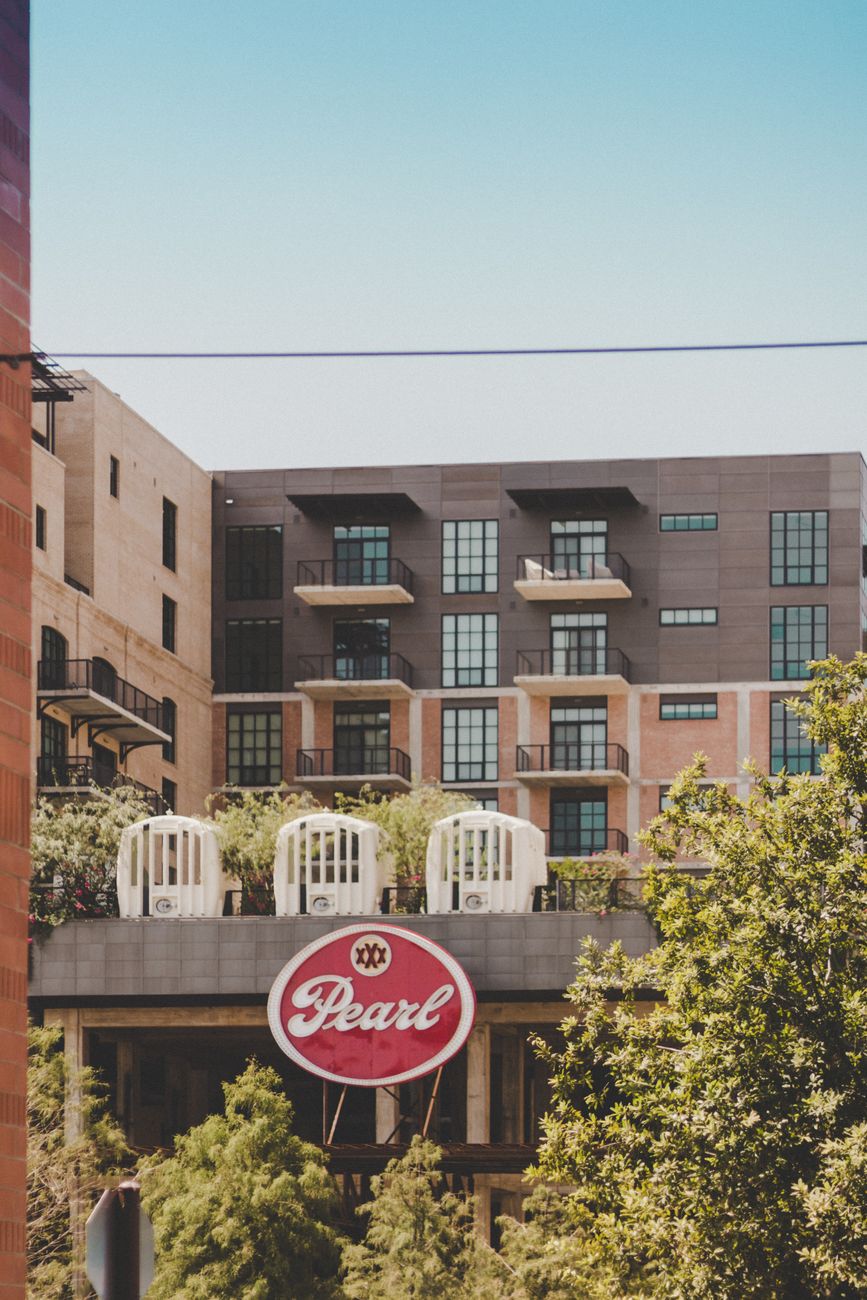
The Pearl District has turned an industrial brewery complex into a weekly farmers market, restaurants like Cured and a lively weekend dining scene with a short walk to the San Antonio Museum of Art. Southtown and King William deliver walkable streets, independent galleries, and reliable brunch spots such as The Guenther House. Finally, the food mix spans authentic Mexican markets at Market Square and inventive Texas barbecue at places clustered near the Pearl.
Quick Planning Tips
Fly into San Antonio International Airport (SAT) and expect a 15–25 minute taxi or rideshare to downtown depending on traffic; airport taxis run roughly $25–35 to downtown. Amtrak arrives at San Antonio Station near Southtown; a taxi from there to the River Walk is about 8–12 minutes.
Carry a few dollars in cash for small market stalls and tips, but most restaurants and shops accept cards. Load fares on the VIA goMobile app before boarding buses; this avoids paper-ticket lines. Avoid scheduling long outdoor walking afternoons in July and August; plan early morning Missions visits and late-afternoon River Walk time to escape peak heat.

Day 1
Morning: Start downtown at the Alamo (allow 45–75 minutes), then walk 5–10 minutes to the central stretch of the River Walk. The Alamo plaza gets crowded by mid-morning, so arrive before 10am to avoid peak tour groups.
Midday: Take a 20–30 minute River Walk stroll downstream toward the Arneson River Theatre and have lunch at Boudro's on the River Walk on the south bank — expect $18–30 for entrees and a 10–15 minute wait for patio seating. After lunch, catch a river taxi for a short one-way ride (about 10 minutes) to the San Antonio Museum of Art and plan 1–1.5 hours for the collection.
Afternoon: Walk 12–15 minutes from the museum to Hemisfair Park to visit Tower of the Americas observation deck if interested; allocate 45–60 minutes for views and the small exhibit. Return to the River Walk by a 10–15 minute walk or short taxi.
Evening: Dine along E. Commerce Street or the River Walk; if energy remains, take a guided night walking tour that focuses on the downtown lights and history — most depart around 7pm and last 90 minutes.

Day 2
Morning: Head to the Pearl District; take VIA route 7 or an Uber (10–20 minutes from downtown depending on traffic). Arrive for the Pearl Farmers Market if it’s Saturday (9am–1pm), then have coffee at Bakery Lorraine or grab brunch at Cured; walking between venues is 5–10 minutes.
Midday: Spend an hour or two visiting the shops at the Pearl and the riverfront promenade. Walk 10–15 minutes to the San Antonio Museum of Art if missed on Day 1 or use the free weekend shuttles that sometimes loop between Pearl and downtown during events.
Afternoon: Cross over to King William Historic District and Southtown for galleries and The Guenther House for a later lunch or pastry; expect a 20–25 minute walk from the Pearl or a 6–10 minute taxi. Explore South Presa Street galleries, then walk (10–15 minutes) to the Japanese Tea Garden for a quieter green space and photo stops.
Evening: Return to Southtown for dinner at Rosario’s or another locally recommended Tex-Mex spot; Southtown nightlife is low-key but active with neighborhood bars and live music on many nights.

Day 3
Morning: Reserve this for the Missions National Historical Park. Take VIA route 11 or drive 15–25 minutes to the missions cluster and plan to spend 2.5–3 hours if visiting Mission Concepción, Mission San José and Mission San Juan. Walks between sites are 10–25 minutes and there is limited shade along the route.
Midday: Return toward downtown or the airport depending on departure plans. For those checking out of a hotel mid-day and catching an afternoon flight, store luggage with your hotel, visit Market Square (El Mercado) for last-minute souvenirs and a final lunch at Mi Tierra Café y Panadería — it’s about 12–20 minutes from the Missions by taxi.
Afternoon/Departure: Allow 45–60 minutes for a taxi or rideshare to San Antonio International Airport from downtown outside peak traffic; plan extra time during festival weekends. If flight is later, spend remaining hours at Hemisfair or the Hays Street Bridge for a short walk with skyline views.

Best Local Experiences
Pearl Farmers Market on Saturdays: fresh bread, local coffee, and weekend energy inside the old Pearl Brewery complex. Market Square (El Mercado): an open-air Mexican market with stalls for crafts and an authentic taco scene; busiest on weekends and during Cinco de Mayo events.
Fiesta events in April: parades and neighborhood activities that transform downtown and require booking hotels months ahead. First Friday on South Flores and in the Blue Star Arts Complex: local galleries open late, usually the first Friday of the month. River Walk boat cruise: short narrated or hop-on segments that work well for tired feet and photo ops without the walk.
Additional activities: a barbecue crawl that includes places like The Granary 'Cue & Brew in the Pearl, a Spurs game at the AT&T Center when in season, and visiting the Japanese Tea Garden for a short, shady stroll.

Where to Stay
Downtown / River Walk: Suits visitors who want front-door access to the Alamo, River Walk restaurants, and sightseeing. Expect mid-range hotels from $150–$280 per night (about €138–€258 / $150–$280). Downtown can be noisy on festival nights and hotel prices spike during events.
Pearl District: Best for food-focused travelers and those who prefer a quieter, walkable neighborhood near restaurants and the farmers market. Typical nightly rates run $140–$250 (about €129–€230 / $140–$250). Offers boutique options and longer evening dining hours.
Southtown / King William: Suits couples and art-focused visitors who want historic houses, galleries, and brunch spots nearby. Nightly costs typically $120–$220 (about €110–€202 / $120–$220). This area is more residential and quieter after dining hours, but still walkable to downtown via a 20–30 minute walk or short taxi.
Food and Drink
Puffy taco: a deep-fried corn tortilla puffed like a pocket, usually filled with shredded beef or chicken; classic spots include Ray’s Drive Inn — expect $3–4 per taco. Barbecue brisket: smoked beef brisket with a Texas bark; try The Granary 'Cue & Brew at the Pearl for sandwiches or plates around $12–20.
Mig or breakfast tacos: eggs scrambled with tortilla chips or other fillings, common at neighborhood taquerias; a filling breakfast taco runs $2–4 and Mi Tierra in Market Square is reliable for morning pastries. Carne guisada or barbacoa at Market Square stalls and smaller Mexican eateries: hearty stews and weekend barbacoa sales often $8–14 for a plate.
Cured charcuterie and small-plate dining: Cured at the Pearl focuses on preserved meats and local produce; expect $12–30 per plate for a shared dinner. Drinks: order a margarita or a classic frozen blended margarita at Tex-Mex restaurants; cocktail prices usually range $8–14.
Getting Around
Public transit is provided by VIA Metropolitan Transit: local buses, the VIA Primo BRT line 100 on Fredericksburg Road, and other trunk routes. Use the VIA goMobile app to buy and show fares; paper fares and cash are accepted on buses but loading the digital ticket is faster. Single local bus fares are $1.30 and a day pass is approximately $2.75.
River taxis (Rio San Antonio Cruises) operate on the River Walk and cost about $12 per ride; they double as both transit and short sightseeing cruises. Amtrak arrives at San Antonio Station on South Alamo Street for rail connections. Taxis and rideshare apps (Uber, Lyft) are widely available; expect $25–35 from SAT airport to downtown under normal traffic conditions.
Best Time to Visit
Spring (March–May) is the most pleasant: daytime temperatures typically 65–85°F (18–29°C), comfortable for Missions and River Walk walks, and Fiesta occurs in April with higher prices and crowds. Fall (September–November) is also good: daytime 70–85°F (21–29°C) with lower humidity than summer.
Summer (June–August) is hot and humid, often 90–100°F (32–38°C); plan indoor museums and early starts or late afternoons and expect higher hotel rates in July during peak travel. Winter (December–February) is mild with daytime highs in the 50s–60s°F (10–18°C) and the least crowding, but some outdoor-focused amenities may have reduced hours.
Budget and Practical Tips
Daily budget for a moderate traveler: Accommodation $140–220 per night (about €129–€202), food $40–70 (€37–€64), local transport $5–8 (€5–€7), entry fees $10–25 (museum or Tower of the Americas). A tighter budget with hostel or low-cost hotel can aim for $90–120 per day (about €83–€110) excluding flights.
Most museums charge $10–20 for entry; the Alamo is free but audio tours or guided tours cost extra. Tip in restaurants is customary: 15–20% for full-service dining and $1–2 per drink at bars. Bring a reusable water bottle and sunscreen for outdoor days, and plan to book restaurants at dinner time on weekends in advance.
FAQ
Is San Antonio safe for tourists?
Yes, the downtown tourist areas and River Walk are generally safe during daytime and early evening; remain aware of belongings in crowded places and avoid poorly lit side streets at night.
How do I get from the airport to downtown cheaply?
The cheapest option is a taxi or rideshare around $25–35; VIA bus options are limited for direct airport-to-downtown routes, so rideshare is the fastest public option.
Is a San Antonio city card or pass worth it?
A multi-attraction pass (CityPASS or Go City) can save money if planning to visit multiple paid attractions like Tower of the Americas, San Antonio Zoo, and River Center Aquarium; calculate based on the specific attractions planned since many sites are free.
Can the Missions be visited in half a day?
Yes, visiting Mission Concepción and Mission San José plus a quick stop at Mission San Juan can fit into a half-day if starting early and using a car or rideshare; walking between all sites takes longer.
Are restaurants expensive downtown?
Prices vary: River Walk tourist restaurants run higher ($18–40 entrees), while neighborhood taquerias and Market Square stalls offer meals under $10–15.
Is the River Walk walkable end to end?
The central River Walk sections are easily walkable for short distances; the full river system links multiple neighborhoods and is better sampled in segments or by river taxi.
What transit apps should be used?
Use VIA goMobile for bus fares, Google Maps for routing, and Uber or Lyft for point-to-point rides when buses are slow.
Are reservations needed for popular restaurants?
Yes, heavy weekend dinner spots at the Pearl and Southtown accept or require reservations, especially for parties of four or more.
Conclusion
Three days yield a clear, manageable view of the city’s key attractions: the Alamo, a River Walk segment, the Pearl’s food scene, and the Missions corridor. Travelers will most likely remember the contrast between crowded riverside blocks and quieter historic neighborhoods like King William. If pressed for time, prioritize an early Alamo visit plus either the Pearl Farmers Market or a Missions half-day — that combination gives history, food, and local life in one short trip.
How this guide was prepared
This guide was prepared through a structured research that combines destination research, geographic context, itinerary planning logic, and content review.