

3 Days in Sant Antoni de Portmany: Practical 72‑Hour Guide
A practical 3-day plan for Sant Antoni de Portmany covering beaches, the sunset strip (Café del Mar/Mambo), boat trips to Es Vedrà, transport and budgets.
A clear, realistic 72‑hour plan for Sant Antoni de Portmany that balances beaches, a sunset experience, local food and short excursions — without glossing over crowds, noise and costs.
Arrival gives a clear impression: a seaside town built around a broad bay, with a long promenade and a concentrated nightlife cluster called the West End. The mood shifts sharply by season — late June through August brings crowded beaches, boat traffic and loud evenings; April, May and September are calmer and easier for walking between coves.
Expect service standards aimed at mass tourism: menus in multiple languages, beach clubs renting sunbeds, and frequent boat tour vendors along the harbour. That means good options for non‑Spanish speakers but also higher prices and queues in summer.
This place suits travelers who want short walks from hotel to beach, an evening sunset ritual at Café del Mar or Mambo, and the ability to reach small west‑coast coves quickly. It does not suit visitors who want a concentrated museum schedule or silent streets at night during peak season.
Is 3 days in Sant Antoni de Portmany enough?
Yes — three full days are enough to sample the best beaches, watch the sunset at Café del Mar or Café Mambo, and take a short boat trip to Es Vedrà or nearby coves. One honest caveat: a proper clubbing schedule or multiple day‑trips across the island will require extra nights.
Who This Guide Is For
Best for travelers who want a compact mix of beach time, sunset culture and short boat trips; not ideal for museum‑first travelers or those expecting quiet streets every night. Budget and mid‑range travelers will get the most value.
Local Tips for Sant Antoni de Portmany
Practical details that most travel sites skip — specific to Sant Antoni de Portmany.
- Sunset at Café del Mar or Café Mambo on the Passeig is free to watch from the seawall; reserve a table only if planning a meal — otherwise stand early for a clear view.
- Ibiza Airport (Aeropuerto de Ibiza) is the arrival point; expect a taxi to Sant Antoni to cost roughly €25–€35 depending on luggage and time of day.
- Cala Gració and Cala Gracioneta are within a 10–15 minute drive from the Passeig de ses Fonts; in summer a seasonal water taxi links some coves to the old harbour.
- Many restaurants in Sant Antoni offer a menú del día in low season for about €10–€15; high‑season dinner a la carte prices typically run €18–€35 per person.
- Local buses are operated under the ibizabus brand; the main interurban stops are Estació d'autobusos de Sant Antoni and Ibiza Town bus station — use the 'ibizabus' app for timetables.
How This Guide Was Prepared
Sant Antoni de Portmany is most useful as a concentrated mix of accessible beaches, famous sunset bars and short coastal escapes rather than a place for slow museum touring. Most guides either sell it as nonstop nightlife or as a quiet beach town; neither captures the seasonal swings in noise, boat traffic and opening hours. This guide focuses on practical daily rhythms, real transit options, and what must be skipped if time is tight. This guide was prepared through a structured research that combines destination research, geographic context, itinerary planning logic, and content review.
Plan Your Stay in Sant Antoni de Portmany
Use this itinerary as your starting point, then compare areas to stay, transport options, seasonal timing, and realistic daily costs before booking.
Why Visit
The sunset culture here is the main reason: Café del Mar and Café Mambo curate a concentrated evening ritual that is easier to access than in Ibiza Town. Watching the sun over the bay with music and a crowd is a local social fixture.
Access to west‑coast coves is unusually convenient from one base: Cala Gració, Cala Gracioneta, Cala Salada and Cala Conta are short drives or boat‑trip options from the harbour. This compresses a lot of coastline into short excursions.
A practical advantage is compactness: the harbour, main promenade, the old port area and the West End are walkable inside an afternoon, which helps short‑stay visitors maximize beach and sunset time. Finally, there is an easy mix of budget and mid‑range eating options plus some reliable day‑trip boat operators running short excursions to Es Vedrà.

Quick Planning Tips
From the airport use the interurban buses that list Sant Antoni at the airport stop or take a taxi for about €25–€35; in high summer allow extra time for airport queues. Book accommodation early for July and August, when prices and minimum stays rise.
Carry euros; many smaller bars and beach kiosks accept card but some intermittently prefer cash. Expect late opening hours in summer for nightlife and some daytime siesta closures on smaller shops between roughly 14:00 and 17:00.
Avoid the mistake of scheduling the sunset and a boat trip on the same exact slot. Ferries and private boat trips often depart in the morning or around mid‑afternoon; confirm timings a day in advance to avoid missing the optimal light at Café del Mar.

Day 1
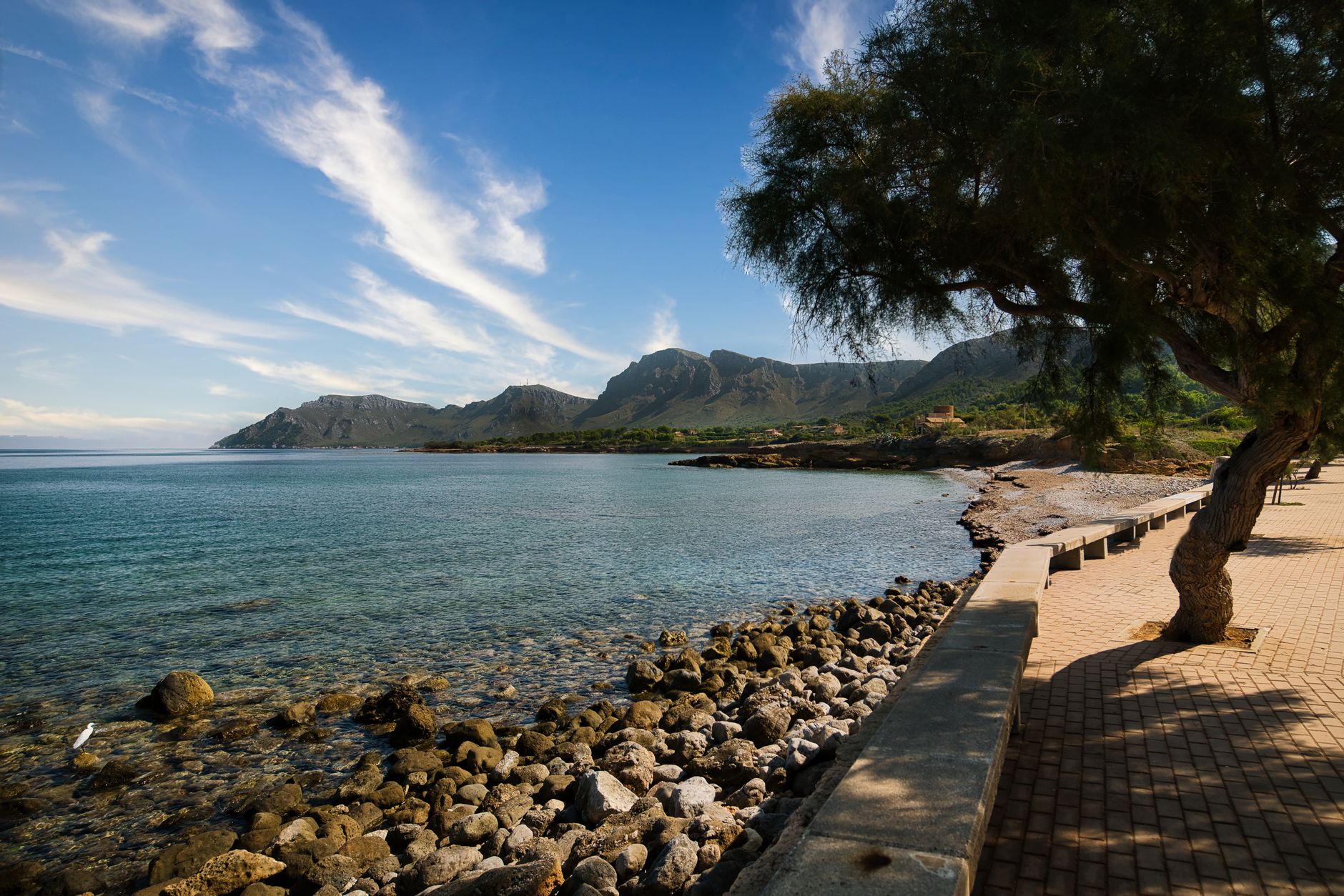
Morning: Start at Platja de Sant Antoni (s'Arenal), an easily accessible sand frontage with showers and sunbed rental points. Walk the Paseig along the bay from the old harbour toward the western end; the whole promenade is around 20–30 minutes on foot.
Late morning: Visit the marina and the old harbour area near Passeig de ses Fonts to shop for swimwear or buy boat trip tickets. A short coffee break at a harbour café gives a good view of tour boats and local fishing craft.
Lunch: Eat at a local tavern offering arroz or a fish platter; expect lunch around €12–€20 per person. Playa‑front restaurants here typically serve seafood and menú del día in low season.
Afternoon: Walk or take a quick bus/taxi (10 minutes) to Cala Gració and Cala Gracioneta for swimming; water here is clearer and the coves are smaller than the main beach, which helps if crowds are high at s'Arenal.
Evening: Return to the Paseig for sunset at Café del Mar or Café Mambo — standing room on the seawall is free but seats and tables require booking. After sunset, move to the West End (short walk from the Paseig) to sample bars; note that noise can run late and some venues charge cover after 23:00.
Day 2
Morning: Head inland briefly to Sant Rafel de sa Creu for a quieter breakfast and local bakery options; travel time by bus or taxi is about 12–20 minutes from the Passeig. Sant Rafel gives an immediate contrast to the coast with village streets and small cafés.
Late morning: Take a bus or drive west toward Cala Salada and Cala Saladeta — expect a 15–20 minute drive. These coves have rocky approaches and clearer water; bring water shoes and early arrival is advised in high season due to limited parking.
Lunch: Try a beach chiringuito near Cala Salada for grilled fish or tapas; prices vary but expect €12–€25 for a main course in summer.
Afternoon: Book a 2–3 hour boat trip from the harbour that circles Es Vedrà or drops anchors near Cala Conta. Short shared boat operators typically depart mid‑afternoon; confirm return times so sunset plans remain flexible.
Evening: After returning, stroll the harbour for tapas and then pick a quieter bar away from the West End if a calm night is preferred. Many restaurants on Carrer de Santa Agnès and nearby side streets are less noisy.

Day 3
Morning: Reserve this morning for a relaxed beach or a market visit depending on the day of week. If checking out midday, leave luggage at the hotel and spend a last swim at s'Arenal or a quick visit to a local municipal market for olives, cheese and sobrasada.
Late morning: Walk the western stretch toward the harbour and take any short harbour boat that departs for nearby coves; trips of 1–2 hours are common and return by early afternoon. Factor in 30–45 minutes travel time to the airport by taxi from most central hotels.
Lunch: Choose a straightforward eatery near the bus station or harbour; a sandwich, ensaïmada or local tapa will keep schedules simple if catching an afternoon flight.
Practical departure note: Plan a taxi or bus that leaves with at least a 90‑minute buffer before flight check‑in during summer and 60 minutes in low season. Many travelers underestimate summer traffic and ferry boarding times.

Best Local Experiences
Watch sunset from Café del Mar or Café Mambo on the Passeig — arriving early gives standing room with no charge. Take a short shared boat trip from the old harbour that circles Es Vedrà or drops at Cala Conta for swimming; operators vary by season.
Swim at Cala Gració and the adjacent Cala Gracioneta for quieter cove swimming; both are within a short drive or a longer walk from the promenade. Visit Cala Salada and Cala Saladeta for rockier access and clearer water — arrive early to beat limited parking.
Spend an evening in the West End around Carrer Santa Agnès for bar‑hopping and DJ sets; expect loud music and a late crowd. For a quieter local market experience, check smaller municipal markets and bakery stalls in Sant Rafel de sa Creu on weekday mornings.
Where to Stay
Passeig / Harbour area: Suits visitors who want immediate access to the promenade, harbour boats and sunset bars. Walks to the West End and beaches take under 15 minutes. Expect nightly rates of roughly €70–€160 in high season; €50–€90 in shoulder months.
Sunset Strip / S'Arenal: Suits travelers prioritizing sunset views and easy beach access. This area fills with short‑stay holiday apartments and mid‑range hotels. Approximate nightly cost ranges €80–€200 in July–August and €60–€120 in May/September.
Sant Rafel de sa Creu (inland village): Suits travelers seeking quieter evenings, small guesthouses and local cafés; it is about 12–20 minutes by bus or taxi to the Passeig. Nightly costs are typically lower: €50–€100 in high season and €40–€80 in low season.
Food and Drink
Bullit de peix: A traditional Ibiza fish stew cooked with potatoes; find it at family run restaurants on the west coast and expect €15–€25 per portion. Flaó: A local cheese and mint tart common at cafés and bakeries; single portions about €2.50–€4.
Sobrasada: A cured pork sausage typical across the Balearics; sold by weight at markets and good as an appetizer with bread. Hierbas Ibicencas: A local herbal liqueur served after meals; a small glass in a bar costs €2.50–€5.
Street/quick breakfast: Ensaïmada or a pastry with coffee from a bakery in Sant Rafel or near the bus station; around €2–€3. Street food/snack: Bocadillo de calamares or a bocata with local fillings from harbour kiosks, expect €4–€8. Dinner recommendation: a beachfront restaurant for grilled fish or paella near the Paseig; main dishes typically range €18–€35 per person in summer.
Getting Around
Local and interurban buses operate under the ibizabus brand; main stops are Estació d'autobusos de Sant Antoni and Ibiza Town bus station. Use the official 'ibizabus' app or the bus stop timetables for routes and seasonal schedules.
Single interurban fares typically fall in the €2.50–€4 range depending on distance; day passes are offered seasonally and can be cost‑effective for multiple island trips. Taxis are available at ranks near the Passeig and at the airport; expect about €25–€35 from the airport to the harbour depending on luggage and time.
Walking covers most central needs — the promenade, West End and harbour are within easy walking distance. For coves with limited parking, consider a short taxi or prebook a boat to avoid parking queues in summer.
Best Time to Visit
High season (July–August): Warm temperatures 25–30°C, busiest beaches, almost constant boat traffic and late nightlife; prices and minimum‑stay rules peak. Shoulder months (May–June, September): Temperatures 20–26°C, fewer crowds, most services open and better value on accommodation; this is the most practical window for three‑day visits.
Low season (November–March): Cooler weather 12–17°C, many beach kiosks and clubs closed, but hotel prices drop and walking is pleasant. April and October are transitional months with fluctuating ferry timetables and some services on reduced hours.
Budget and Practical Tips
A realistic daily budget (per person): Accommodation €50–€160 (low to high season); food €25–€50 (mix of cafés and a couple of tavernas); transport €5–€15 (buses and occasional taxis); entry fees and activities €10–€40 (boat trips, small museum visits). Convert those to approx USD: low‑season daily €90 ≈ $95, high‑season daily €265 ≈ $280, depending on exchange rates.
Tipping norms: Rounding up on small bills and leaving 5–10% in sit‑down restaurants is common but not mandatory. For taxis and café service, rounding to the next euro is normal.
Carry small cash for beach kiosks and smaller bakeries; major restaurants and most hotels accept cards. Avoid last‑minute ferry and boat bookings during July–August; book morning and afternoon slots a day ahead.
FAQ
Is Sant Antoni safe for solo travelers?
Yes, daytime areas and the promenade are generally safe; standard precautions apply at night in the West End where pickpocketing and excessive intoxication can occur.
How do I get from Ibiza Airport to the harbour?
Use the ibizabus interurban services from the airport stop or a taxi; buses are cheaper but allow extra time during peak season for traffic.
Is a car necessary for three days?
Not required for a base‑focused visit; local buses, taxis and short boat trips cover main activities. A car helps if planning multiple coves in one day.
Are beach clubs expensive?
Yes, beach clubs charge for sunbeds and table service; expect €10–€40 per person for sunbed and drink minimums in high season.
Is a city card or pass worth it?
There is no single Sant Antoni city card; island‑wide transport day passes can save money only if several interurban trips are planned. For three days based mainly in town, pay‑as‑you‑go tickets usually suffice.
Can day trips to Formentera be done from here?
Direct ferries to Formentera leave mainly from Ibiza Town and Playa d'en Bossa; expect a transfer to those ports or use a combined bus plus ferry route with extra travel time.
Are public restrooms available on the promenade?
Yes, public toilets are located near the main beach and harbour but can be busy in summer; cafés usually allow customer use.
What are peak hours for sunset crowds?
People start arriving about 60–90 minutes before sunset at Café del Mar and Mambo in high season; plan arrival accordingly to secure a standing spot.
Conclusion
Three days deliver a clear, manageable slice of the west coast: swim in small coves, experience the sunset ritual and fit in a short boat run to Es Vedrà or Cala Conta. The most likely lasting memory will be the sunset soundtrack against the bay and the contrast between crowded summer days and calmer shoulder months.
If time runs short prioritize one beach cove (Cala Gracioneta or Cala Salada) plus a sunset at Café del Mar or Café Mambo; those two experiences capture the town's strongest contrasts between daytime sea access and evening culture.
How this guide was prepared
This guide was prepared through a structured research that combines destination research, geographic context, itinerary planning logic, and content review.