
Seaside 3-Day City Guide: Practical Weekend Itinerary
A practical 3-day plan for Seaside, CA with transit tips, budgets, and daily routes covering Fort Ord trails, coastal walks, Bayonet golf and Monterey.
A no-fluff, day-by-day plan for three days in Seaside, California that prioritizes outdoor access, quick links to Monterey, realistic budgets, and transit workarounds.
Expect a working coastal town more defined by former military property and low-rise neighborhoods than by downtown glitz. The first impression is open space and straightforward streets, with a mix of modest housing, a surprising number of small restaurants, and large blocks of reclaimed Fort Ord land with trails and dunes.
Crowds are usually at the Fort Ord Dunes and the main beach on weekend mornings, while weekdays feel calm and practical. This place suits travelers who want inexpensive access to the Monterey Peninsula without paying Carmel prices, and those who plan to spend time walking or cycling rather than museum-hopping.
Common preconceptions—that Seaside is only a cheap place to sleep for Monterey—miss the advantage: direct access to Fort Ord trails, Bayonet golf, and quieter beaches. Expect fewer tourist services than Monterey; bring a bike helmet, sunscreen, and realistic walking plans.
Is 3 days in Seaside enough?
Yes—three days gives time for a full loop through Fort Ord National Monument, a coastal walk at the dunes, a round at Bayonet/Black Horse, and an afternoon in Monterey. One honest caveat: a three-day visit requires skipping slower-paced attractions in Carmel or a deep museum schedule in Monterey to keep the pace manageable.
Who This Guide Is For
Best for travelers who prioritize outdoors, easy beach access, and lower nightly rates near the Monterey Peninsula; less satisfying for visitors who want a museum-heavy or luxury Carmel stay.
Local Tips for Seaside
Practical details that most travel sites skip — specific to Seaside.
- Monterey Regional Airport (MRY) is the closest commercial airport; an Uber or Lyft to central Seaside typically runs $15–25 depending on time of day.
- Use the Monterey–Salinas Transit (MST) Mobile app for bus tickets; local one-way fares are about $1.75 and a regional day pass is around $5—carry exact change if paying on board.
- Fort Ord National Monument and Fort Ord Dunes State Park share access points off Reservation Road and Highway 1; popular lots (for example the Fort Ord Dunes trailhead) fill by mid-morning on weekends.
- Bayonet and Black Horse Golf Club (often listed as Bayonet/Black Horse) posts weekday green fees around $40–$60; tee times can be substantially higher on weekends or during events.
- CSU Monterey Bay (CSUMB) campus sits at the edge of town and offers public trail access and a café; its trails connect directly to parts of Fort Ord's trail network.
How This Guide Was Prepared
Seaside is a working-town that sits between military reuse land and the tourist-heavy Monterey Peninsula; its appeal comes from access to Fort Ord trails, coastal dunes and lower prices compared with Monterey. Many guides skip the reused-military sites and treat Seaside like a cheap place to sleep while pointing visitors toward Cannery Row; that misses what makes a short stay worthwhile: outdoor routes, local eateries, and practical transit links. This guide was prepared through a structured research that combines destination research, geographic context, itinerary planning logic, and content review.
Plan Your Stay in Seaside
Use this itinerary as your starting point, then compare areas to stay, transport options, seasonal timing, and realistic daily costs before booking.
Why Visit
Access to Fort Ord National Monument and Fort Ord Dunes State Park is the main reason to base here: miles of multiuse trails, sand dunes, and long coastal views without Monterey’s crowds. The Bayonet and Black Horse Golf Club offers a quality public golf experience inside the former military reservation at lower cost than private courses on the Peninsula.
Proximity to Monterey—20 minutes by car or a short MST ride—lets visitors add Cannery Row or the Monterey Bay Aquarium on a half day without changing base hotels. Modest nightly rates and more parking make Seaside a pragmatic choice for travelers who plan active days rather than luxury nights.
Local eateries and a compact civic core are useful for evening meals or grabbing coffee after a morning hike. The reuse of military land has produced a network of trails and parks that urban planners and outdoor people value for quick day trips.

Quick Planning Tips
Best airport: Monterey Regional Airport (MRY) for short transfers; San Jose (SJC) or San Francisco (SFO) are options but add an hour-plus drive. From MRY, rideshare or taxi is the fastest to most Seaside hotels—expect $15–25.
Payment: MST Mobile app handles public-bus fares, and most small restaurants accept cards but carry $10–20 cash for markets or street vendors. One planning mistake to avoid: assuming public transit will replace a car for full-day trips—some Fort Ord trailheads and outer beaches are easiest by car or bike.
Parking: many beach and trailhead lots are limited in capacity and some use meters; plan to arrive early on weekends or use MST or rideshare for peak times.

Day 1
Morning: Start at Fort Ord National Monument — park at the Fort Ord Dunes trailhead or the parking lot near State Route 1 and take a 1.5–3 hour loop on the multiuse trails for dunes and ocean views. Trails are mostly flat but exposed; bring water and sun protection. Walking time to the dunes from central Seaside by car is 5–10 minutes; by MST it can be 20–30 minutes depending on route.
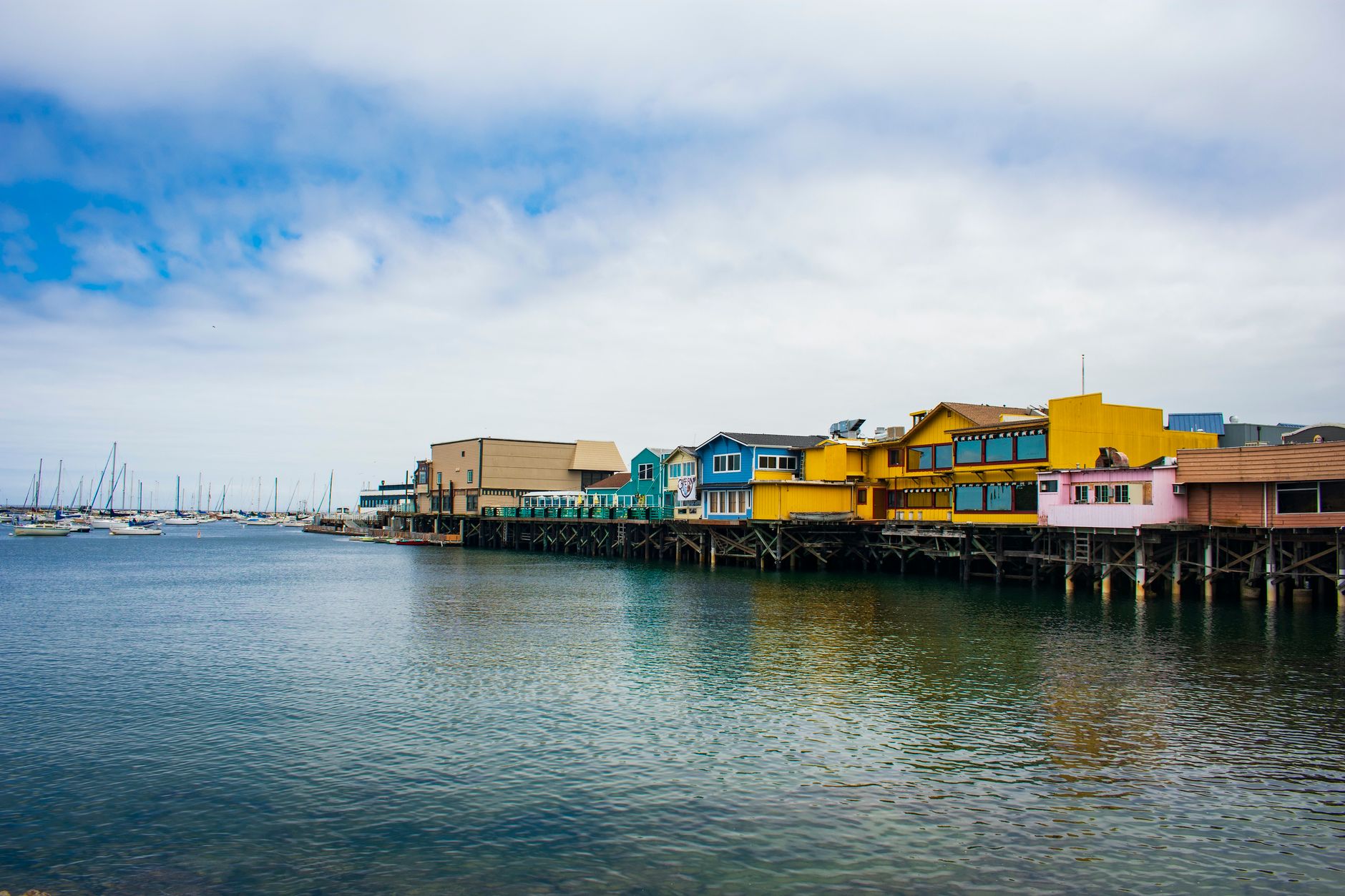
Lunch: Drive or take MST into nearby Monterey for clam chowder at Fisherman’s Wharf (expect $10–14) and a short stroll along Cannery Row. The Monterey Bay Aquarium is adjacent if tickets are planned for the afternoon (adult admission around $49–59—book ahead in high season).
Afternoon: If skipping the aquarium, spend the afternoon on Del Monte Beach for a longer shoreline walk and tidepooling near the jetty. Transport between the aquarium area and Del Monte Beach is a 5–10 minute drive or a short bus hop.
Evening: Return to town for dinner at a local taqueria or family-style seafood restaurant. Finish with a sunset walk at Roberts Lake or the Seaside Civic Center green space for quieter evening light.

Day 2
Morning: Play a round at Bayonet and Black Horse Golf Club—book a tee time early; weekday rounds are cheaper and check the club website for rates. The course is within town limits and offers a dramatic setting on former base land.
Late morning: Cycle or walk segments of the Fort Ord trail network toward CSUMB campus to see converted barracks, trail connections, and campus greenways. The CSUMB trails connect directly to other Fort Ord routes and are a 10–15 minute drive from many hotels.
Lunch: Eat near Second Street or Eucalyptus Road where small cafés and sandwich shops serve filling plates for $8–15. Public transit between the golf course, CSUMB and downtown is possible on MST but expect transfers and 15–30 minute rides.
Afternoon: Head to Laguna Grande Regional Park for relaxed pondside walking, birdwatching, and local people-watching; the park is flat and good for an easy hour. Evening: Try a family-run restaurant on Broadway or nearby to sample local seafood and Mexican-American dishes, then check for community events or a free outdoor concert at the Oldemeyer Center if scheduled.
Day 3
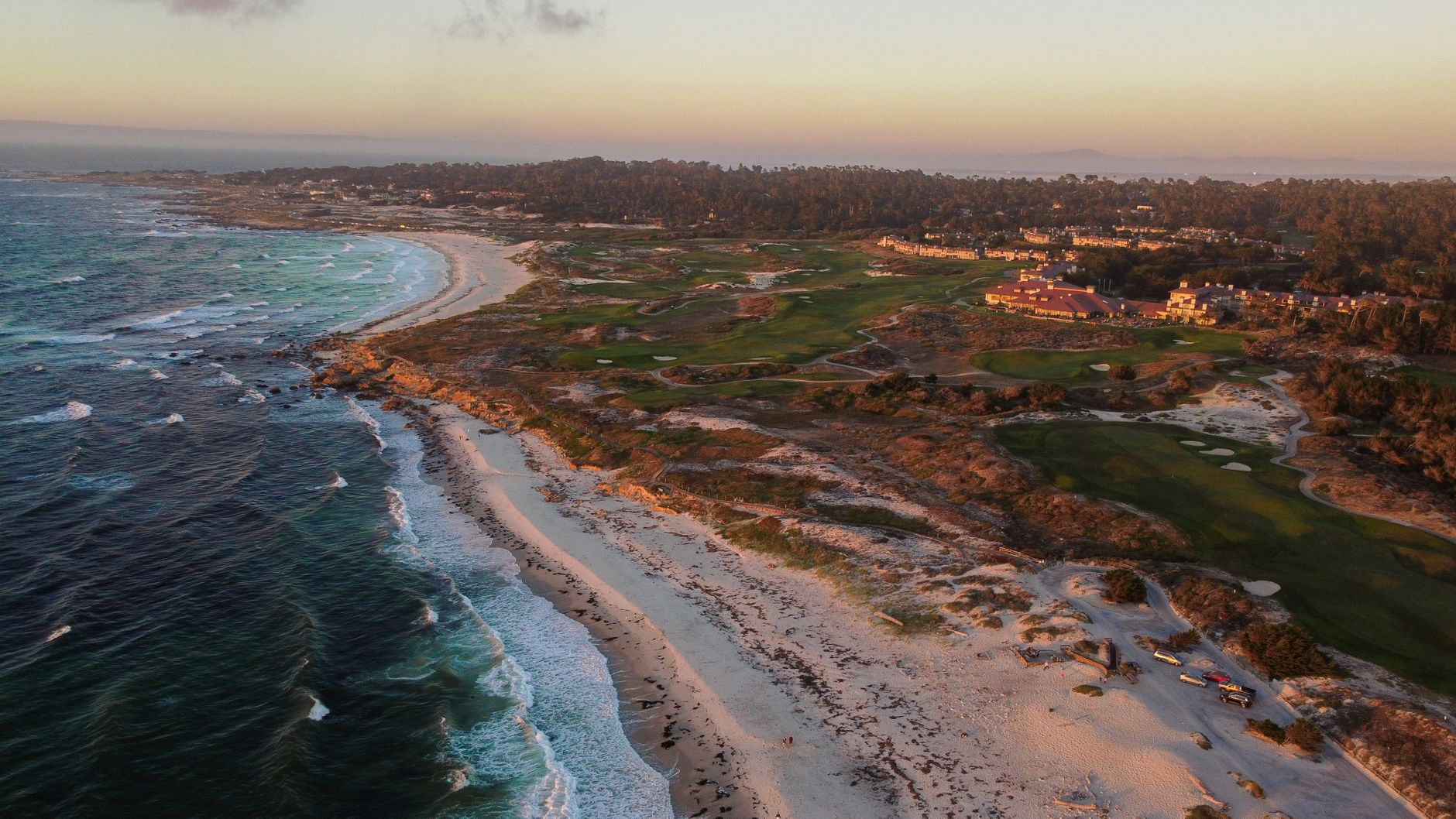
Morning: Reserve a morning for a longer coastal hike or bike ride on Fort Ord Dunes State Park and the coastal bluffs; pick a route that finishes near a parking lot for an easy exit. If checking out of a hotel, ask about late luggage hold or plan to leave bags with reception.
Late morning: Visit a local farmers market or grab brunch near the civic center; markets generally have produce, prepared foods, and a few coffee stalls. If planning an afternoon flight, leave the market no later than midday to get to Monterey Regional Airport with time to spare.
Afternoon: Short options before departure: a quick stop at Laguna Grande Park, a round of mini-golf or a final coffee at a café on Broadway. Budget 20–40 minutes travel to MRY from central Seaside; rideshare or taxi is the simplest for afternoon flights to avoid missed connections.
Evening (optional): If the flight schedule allows, squeeze in a short drive along Scenic Road toward Pacific Grove for sunset views, otherwise prioritize timely arrival at the airport.

Best Local Experiences
Fort Ord National Monument multiuse trails — hike or mountain-bike the Garrison and Fort Ord trails that crisscross former base land. Fort Ord Dunes State Park — coastal sand dunes and a quieter beach than many Monterey spots; expect wind and sun.
Bayonet and Black Horse Golf Club — public tee times on a course built on converted military land. Laguna Grande Regional Park — local pond, boardwalks and birdwatching; good for easy family afternoons. CSUMB campus trails and public spaces — walk through adaptive reuse projects and campus cafés connected to the Fort Ord trail network.
Local events: check the Seaside Farmers Market or a community calendar for small concerts at the Oldemeyer Center or outdoor movie nights in summer. Each experience is specific to the town’s mix of reuse, outdoor access, and proximity to the Monterey Peninsula.

Where to Stay
Broadway / Eucalyptus Road area: Suits travelers wanting restaurants and grocery access; short drives to Fort Ord and Bayonet. Many mid-range motels and chain hotels line this corridor. Typical nightly cost: $90–150 (USD), roughly €85–€140 / $95–$160 depending on season.
Near CSUMB / Reservation Road: Good for those who want immediate trail access and quieter blocks; campus-area inns and rentals appear here. Nightly cost: $80–130 (USD), roughly €75–€120 / $85–$140.
Close to Del Monte Road / Highway 1 border with Monterey: Best for those who want the fastest trip into Monterey and airport access; expect slightly higher rates and easier highway access. Nightly cost: $110–180 (USD), roughly €100–€165 / $115–$195.
Booking tip: hotels near the civic center and Broadway are convenient for late food options; compare weekday and weekend rates since golf events or Monterey events can spike prices.
Food and Drink
Clam chowder (Monterey-style) — a seafood chowder often served in a bread bowl on Fisherman’s Wharf; expect $10–14 for a bowl. Good for a day-trip lunch in nearby Monterey.
Artichoke dishes (seasonal, Castroville influence) — expect grilled or fried artichoke preparations at local restaurants in spring; price $8–16 per dish. Find them at family restaurants or seasonal market stalls.
Fish tacos / street-style seafood — widely available at local taquerias and small seafood counters; expect $3–6 per taco and $8–15 for a combo plate. Check Broadway and Eucalyptus Road taquerias for popular versions.
Breakfast option: café-style breakfast burrito or huevos rancheros at local cafés near Broadway — $6–12. These are hearty, quick, and common among commuters.
Dinner recommendation: modest seafood restaurant or family-run Mexican place near the downtown corridor for a main course $12–25. Many offer local halibut or seasonal rockfish specials.
Getting Around
Public transit: Monterey–Salinas Transit (MST) provides local connections and regional routes; buy fares in the MST Mobile app or on board with exact cash. Expect local one-way fares around $1.75 and a regional day pass of roughly $5.
Biking and walking: Trails off Fort Ord and CSUMB are bike-friendly; bring or rent a hybrid bike for 2–4 hour excursions. Rideshare and taxis: Uber/Lyft cover most trips and airport transfers; a trip to MRY is typically $15–25.
Car: useful for early starts at trailheads, golf, and reaching outer beaches. Recommended transit app: MST Mobile or Google Maps for schedules; some bus routes have infrequent service, so check timetables before planning.
Best Time to Visit
Spring (March–May): temperatures 50–65°F (10–18°C), lower hotel rates than high summer, wildflowers near Fort Ord appear in April/May; pleasant for hiking and golf with moderate crowds.
Summer (June–August): temperatures 55–70°F (13–21°C) with frequent marine layer mornings; weekends are busiest and beach parking fills early. Expect higher rates and more traffic toward Monterey.
Fall (September–November): temperatures 55–75°F (13–24°C) and often the warmest, with fewer tourists after Labor Day—good value and clearer skies. Winter (December–February): quieter, cooler (45–60°F / 7–15°C), occasional stormy days and lower lodging costs; some outdoor events pause for the season.
Budget and Practical Tips
Realistic daily budget (per person, moderate): accommodation $90–150 (USD) / €85–€140; food $30–60 (USD) / €30–€55; local transport $3–10 (USD) / €3–€9; entry fees (Monterey Bay Aquarium) $49–59 (USD) / €45–€55. Total per day roughly $170–280 (USD) depending on lodging choices.
Tipping: standard U.S. practice applies—15–20% at sit-down restaurants, $1–2 per drink at bars, and round up small transactions. Grocery stores and markets will not expect tips; rideshare drivers normally receive a small tip for luggage-handed help.
Practical packing: sun protection and layers for morning marine layer, a refillable water bottle for trails, and closed-toe shoes for dune hiking. Park signage and trailheads vary in services—carry cash for some meters and check MST schedules if relying on buses.
FAQ
Is Seaside safe for solo walkers and evening strolls?
Yes—central neighborhoods and main parks are generally safe during daylight and early evening; use usual urban caution at night and avoid poorly lit, isolated trails alone after dark.
What are the transport options from Monterey Regional Airport (MRY)?
Options include rideshare (Uber/Lyft), taxis, and rental cars; MST bus service runs nearby but rideshare is usually the fastest for door-to-door travel.
Is the MST day pass worth buying?
A regional day pass is worth it if planning multiple round trips to Monterey and back; single short rides are cheaper with single fares but multiple stops add up quickly.
Can trails at Fort Ord be used for mountain biking?
Yes — many Fort Ord trails are multiuse and popular with mountain bikers; check trailhead signs for any temporary closures or event restrictions.
Are beaches in the area swimmable?
Water is cold and currents can be strong; short swims are possible at guarded beaches in Monterey, but Seaside dune beaches are better for walking and tidepooling than serious swimming.
Is Seaside walkable to Monterey attractions?
Walkable only for determined walkers—most visitors use a short drive, rideshare, or MST bus; plan for a 20–30 minute transit time rather than a comfortable walk.
Conclusion
Three days here reward travelers who prioritize outdoor time, efficient transit links into Monterey, and lower lodging costs than the Peninsula. The stay will most likely be remembered for long dune walks, converted military-land trails, and a quieter coastal pace compared with nearby tourist centers.
If time runs short, prioritize one full morning on Fort Ord Dunes and a single afternoon trip into Monterey for a waterside lunch—those two experiences deliver the most essential contrast of the area in limited time.
How this guide was prepared
This guide was prepared through a structured research that combines destination research, geographic context, itinerary planning logic, and content review.