

Spend three days exploring Toronto’s skyline, waterfront, vibrant neighbourhoods, markets and museums. This guide gives a compact itinerary, transit tips, neighbourhood picks for where to stay, and local food experiences.
Introduction
Toronto is a large, multicultural city built along Lake Ontario’s northwest shore. Over three days you can balance skyline views and waterfront time with neighbourhood wandering, museum stops and market meals.
This guide lays out a compact, walkable plan with transit notes, standout food spots, and a few local experiences that reveal why Toronto feels lively and endlessly diverse.

Why Visit
Toronto rewards visitors who like variety: world-class museums, a dramatic waterfront, leafy parks and neighbourhoods full of independent shops and restaurants. The city’s immigrant communities have created a rich culinary scene from Chinatown and Little Italy to Greektown and Little India.
You’ll also find excellent day-trip options nearby, from Niagara Falls to the Scarborough Bluffs, plus easy airport and regional rail connections that make a short city break convenient.

Quick Planning Tips
Arrive at Toronto Pearson (YYZ) and consider the UP Express to Union Station for a 25-minute downtown ride. For zoning and fares, use a PRESTO card on TTC subways, streetcars and buses; keep a contactless payment or single-ride option for occasional riders.
Weather changes quickly — bring layers. If visiting in summer, book popular attractions like the CN Tower observation levels or Blue Jays tickets in advance. Winter travel benefits from the PATH underground network downtown.
Tap into neighbourhood walking: King West and Queen West are compact and walkable, while Harbourfront and the Islands are best seen by foot and ferry.

Day 1
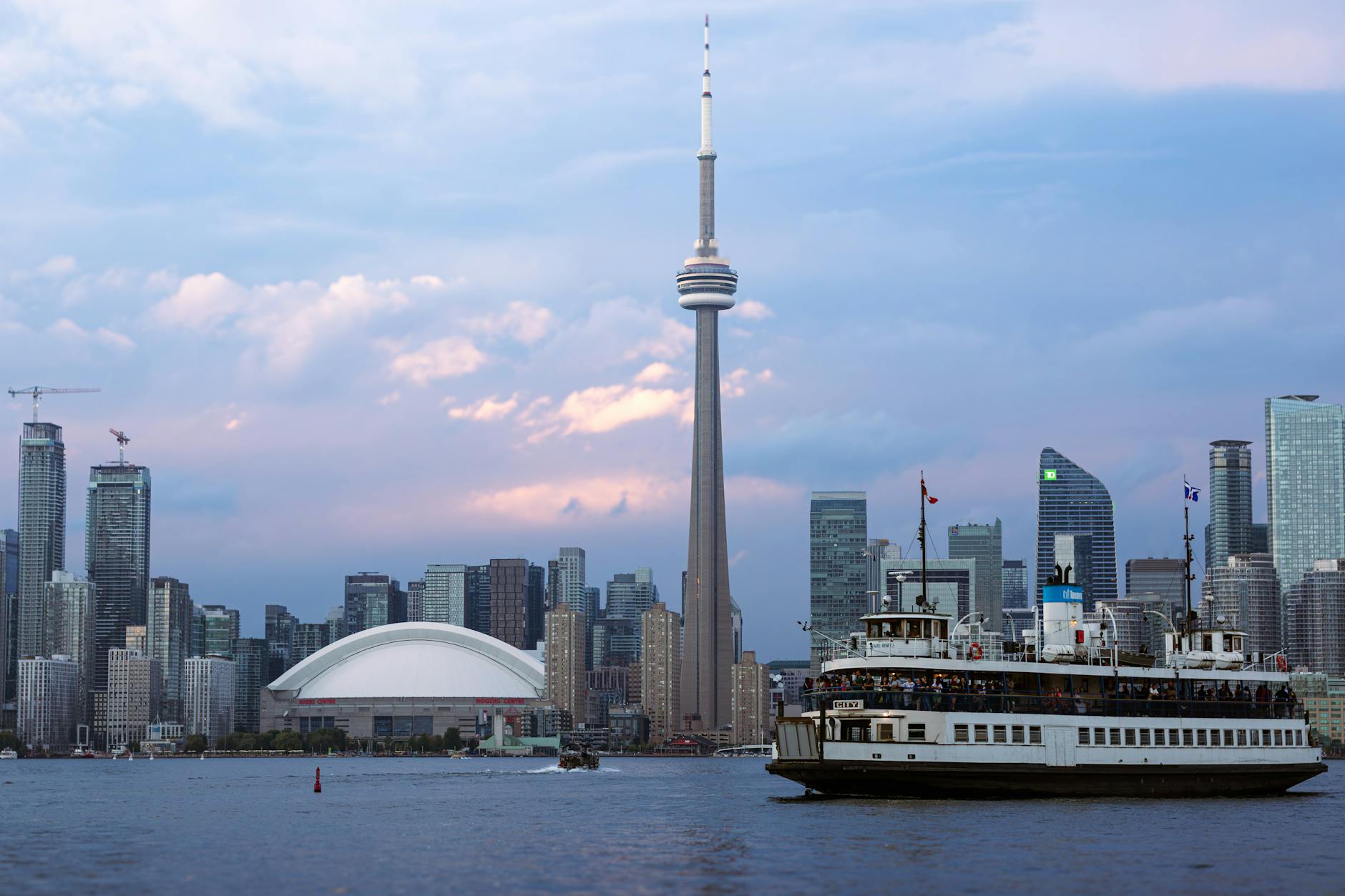
Morning: Start at Union Station and walk the waterfront to Harbourfront Centre. Ride the ferry to the Toronto Islands for skyline views, bike rentals and a relaxed lakeside atmosphere.
Afternoon: Return to explore St. Lawrence Market for lunch (try the peameal bacon sandwich at Carousel Bakery). From there stroll to the Distillery Historic District with its cobbled streets, galleries and cafés.
Evening: Head to the CN Tower area — choose dinner in the Entertainment District or a rooftop patio in King West. If you want nightlife, check King Street West for bars and live music.
Day 2
Morning: Spend a museum morning — pick the Royal Ontario Museum (natural history and cultural galleries) or the Art Gallery of Ontario (Indigenous and contemporary collections). Both are accessible by subway.
Afternoon: Walk through Queen’s Park and along Bloor to Yorkville for an upscale lunch or browse boutique shops. Alternatively, head to Kensington Market and Chinatown for street food and vintage shops.
Evening: See a show in the Theatre District or catch a Blue Jays baseball game at Rogers Centre when in season. If weather’s good, a sunset stroll along the Harbourfront boards is rewarding.

Day 3
Morning: Take the streetcar to Casa Loma to tour the castle and gardens, or head east to the Beaches neighbourhood for a relaxed, local morning and boardwalk stroll.
Afternoon: Option A — make a short transit trip to the Scarborough Bluffs for dramatic cliffs and lake views. Option B — explore Queen West and Ossington for galleries, coffee shops and patios.
Evening: Finish with dinner in Greektown on the Danforth or Little Italy on College Street. If time permits, enjoy a late-night walk through illuminated city squares like Yonge-Dundas.

Best Local Experiences
Ferry to the Toronto Islands for Picnics, cycling and skyline photos.
Ride a vintage or modern streetcar (for example the 510 Spadina) to feel the city’s pace and discover neighbourhoods along the route.
Wander Kensington Market early for coffee and vintage finds, then cross into Chinatown for affordable and authentic eats.
Bike or walk the Martin Goodman Trail along the waterfront for views and public art installations.
Visit the Distillery District on a weekend for artisan shops and seasonal markets, or catch live music in the Entertainment District.

Where to Stay
Downtown (Financial District / Entertainment District) — best for first-timers who want easy access to Union Station, CN Tower, theatres and nightlife.
Harbourfront — ideal if you prefer lakeside walks and quick ferry access to the Islands.
Yorkville — quieter, upscale neighbourhood with boutique shopping and museums nearby (good for a more polished stay).
Kensington Market / Queen West — choose neighbourhood boutique hotels or short-term rentals if you want to stay in a vibrant, creative district filled with cafés and nightlife.
Food and Drink
Must-try bites: peameal bacon sandwich at St. Lawrence Market, poutine from a local diner, and diverse small plates across Chinatown, Little Italy and Greektown.
Market highlights: St. Lawrence Market for sandwiches and local produce; Kensington Market for international street food.
Drink culture: Summer rooftop patios on King West and Queen West, craft breweries in the west end (Ossington and Trinity-Bellwoods), and cocktail bars in the Financial District. Tip 15–20% on sit-down service is customary.
Getting Around
TTC: subway, streetcar and buses cover most central neighbourhoods. Presto is the simplest fare option across TTC and GO Transit.
UP Express connects Pearson Airport to Union Station quickly; GO Transit links to Mississauga, Brampton, Hamilton and Niagara Falls by train or bus.
Walking and cycling: many central areas are very walkable; bike lanes and rental bikes help for short hops. Ferries run from Jack Layton Ferry Terminal to the Toronto Islands.
Avoid rush-hour subway congestion if possible, and use the PATH network in winter for downtown transfers.
Best Time to Visit
Late spring through early fall (May–October) offers the warmest weather, festivals and outdoor patios. Pride and Toronto International Film Festival (TIFF) draw crowds in June and September respectively.
Fall brings crisp days and park colour; winter can be magical with holiday markets but expect cold temperatures and snow. Plan ahead for event weekends, which can make hotels pricier.
Budget and Practical Tips
Accommodations: book early for summer and festival weekends. Consider a neighbourhood outside the central core for lower nightly rates and a local vibe.
Money and tipping: credit/debit cards are widely accepted; carry a small amount of cash for market stalls. Tip 15–20% for table service; round up for taxis and rideshares.
Safety and health: Toronto is generally safe; stay aware of busy tourist areas and watch for streetcar tracks when walking. Carry water in summer and warm layers in winter.
FAQ
How do I get from Toronto Pearson Airport to downtown?
Take the UP Express from Pearson to Union Station (about 25 minutes) or use a taxi/rideshare; PRESTO and contactless payment options differ on airport services.
Is three days enough to see Toronto?
Yes — three days covers highlights: waterfront/Islands, two major museums or neighbourhoods, markets and a castle or bluffs day trip, with time for food and local wandering.
Do I need a car?
No for central Toronto; public transit, walking and cycling cover most attractions. A car helps for Scarborough Bluffs or day trips to Niagara but parking downtown can be costly.
Is tipping expected in restaurants?
Yes, 15–20% on the pre-tax bill is standard for sit-down service; smaller tips or rounding up are common for takeout and counter service.
What neighbourhoods are best for nightlife and dining?
King West and Queen West for restaurants and nightlife, Kensington for eclectic bars and late-night eats, and the Danforth for Greek tavernas and relaxed evenings.
Conclusion
Three days in Toronto gives a satisfying mix of skyline views, waterfront time, neighbourhood exploration and multicultural food. Use the city’s efficient transit, stay centrally if you want to maximize sightseeing, and leave a little room to follow local recommendations once you arrive — the best discoveries often happen on foot.
Enjoy your trip, and bring comfortable shoes for walking: Toronto rewards slow exploration.