
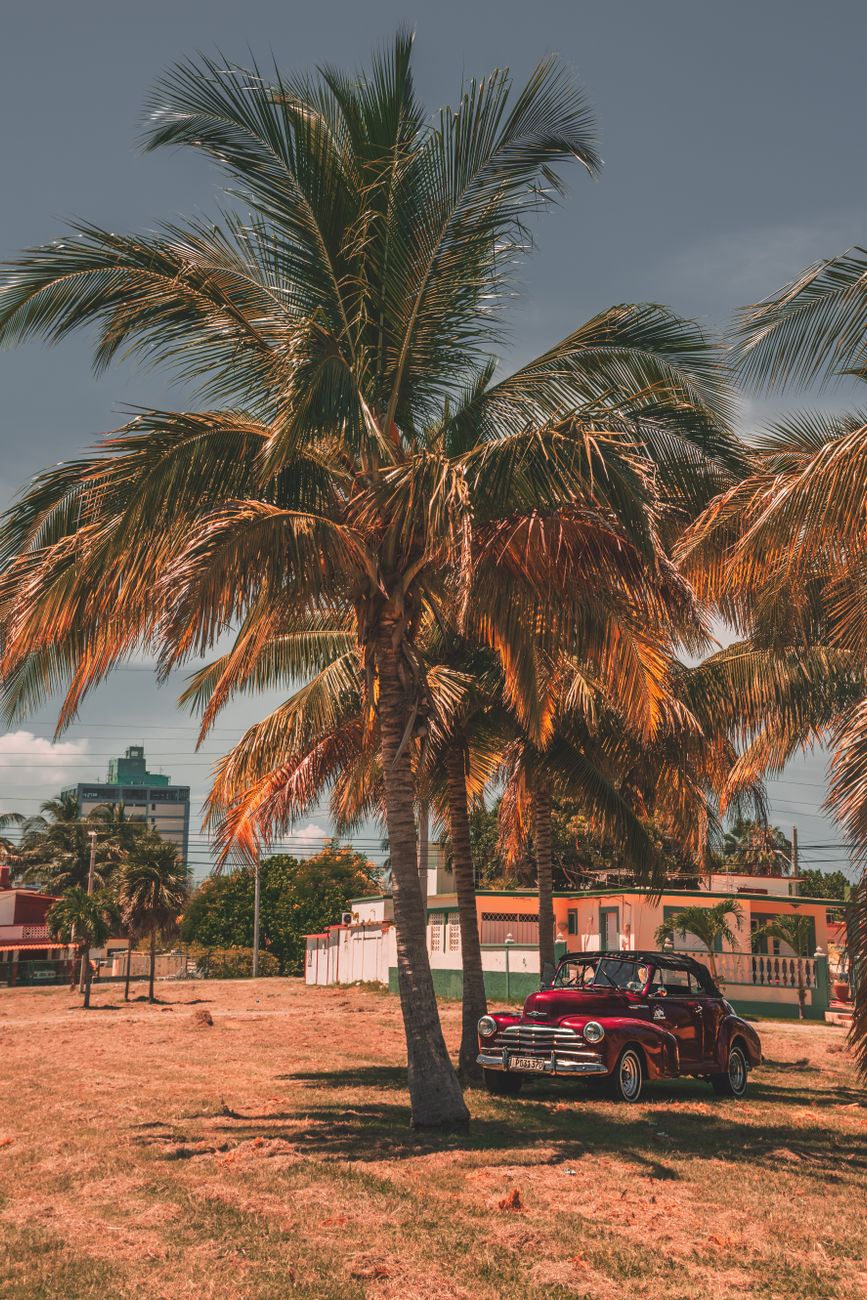
Varadero in 3 Days: Practical 72-Hour Itinerary
A practical 3-day Varadero guide: use VRA airport, Parque Josone, Hicacos Peninsula and transfers to Havana with realistic costs and safety tips.
A clear, non-romanticized 72-hour plan for Varadero: beaches, a nature reserve, a boat snorkel or Cayo Blanco day trip, a short Matanzas visit, and how to handle money and transfers.
A long white sand beach runs along the Hicacos Peninsula and most visitors orient around that single spine of resorts and restaurants. The pace is dominated by resort timetables, excursions and daily coach arrivals; street life outside the hotels is limited compared with a Cuban city like Havana. Noise from music and tours is common along the main avenues during daylight hours, and the layout makes walking pleasant for short distances but inefficient for longer cross-peninsula trips.
Expect service standards that vary between state-run outlets and private paladares: some places are efficient and tourist-oriented, others are slower and cash-based. This place suits people who accept that much of the local economy revolves around beach time and boat trips, not long urban museum crawls. For day trips, Matanzas and the Bellamar Caves are the most practical complements to the beach; Havana is doable but requires a full-day commitment.
Is 3 days in Varadero enough?
Yes: three full days are enough to cover Playa Varadero, Parque Josone, a snorkel or Cayo Blanco boat trip, and a half-day visit to Matanzas or Bellamar Caves. The honest caveat is that there isn’t enough time for an immersive Havana visit or deep cultural exploration beyond the resort and its immediate surroundings.
Who This Guide Is For
Best for short beach-focused travelers, couples, or families who want a mix of sand and a single day trip. Poor fit for travelers seeking nightlife diversity, independent public-transport exploration, or multi-city Cuban itineraries.
Local Tips for Varadero
Practical details that most travel sites skip — specific to Varadero.
- Exchange cash at CADECA offices in Matanzas or at Juan Gualberto Gómez Airport (VRA); bring euros or Canadian dollars because US dollars still face a conversion penalty at official exchanges.
- Buy ETECSA Nauta internet cards at the oficina ETECSA near the resort strip or at the airport kiosk; cards are sold by the hour and hotspot access is common at hotel lobbies and Parque Josone.
- Viazul runs coach service between the Varadero tourist terminal and Havana/Matanzas — book seats in advance on the Viazul website and arrive 30 minutes early at the Varadero terminal near the center strip.
- Shared taxis (colectivos) run along Avenida 1ra and Calle 62; a short shared ride inside the peninsula often costs about 1–3 USD per person, paid in cash (bring small bills).
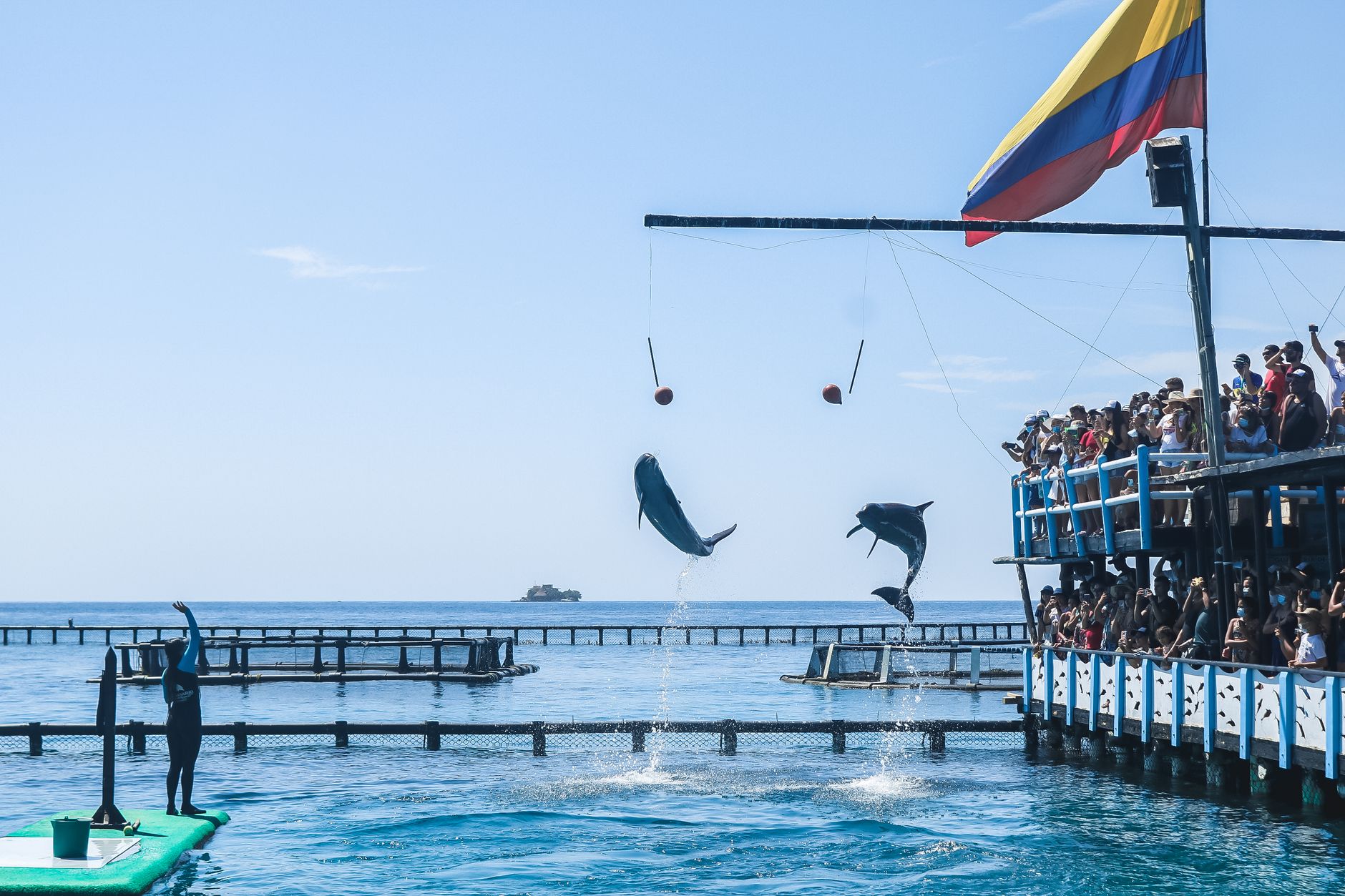
- Delfinario Marineland has scheduled dolphin encounters and swimming sessions; expect to pay an extra fee (roughly US$25–40) on top of park entry and arrive early to get preferred time slots.
How This Guide Was Prepared
This guide treats Varadero as a working resort strip and gateway, not a photo postcard. Many guides overstate the range of authentic local life here; the town is engineered around resorts and day trips, so practical logistics — airport transfers, CADECA exchanges, ETECSA access and reliable boat operators — matter more than restaurant lists. The distinctive fact is the Hicacos Peninsula layout: almost every key site sits on a single elongated strip, which shapes transport, noise levels and walkability. This guide was prepared through a structured research that combines destination research, geographic context, itinerary planning logic, and content review.
Plan Your Stay in Varadero
Use this itinerary as your starting point, then compare areas to stay, transport options, seasonal timing, and realistic daily costs before booking.
Why Visit
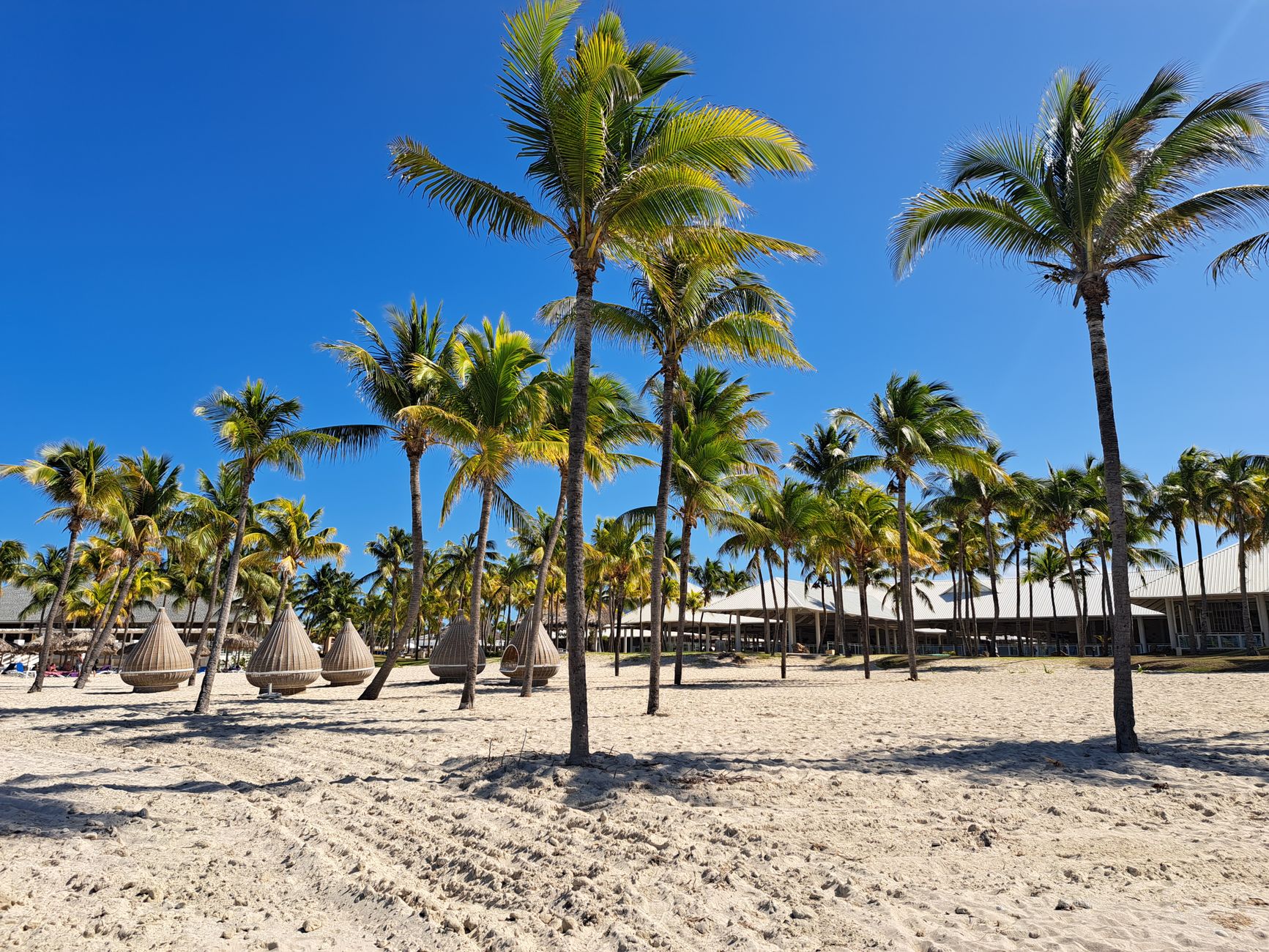
The 20-kilometre stretch of Playa Varadero is purpose-built for easy beach time: broad sand, shallow entry and multiple licensed water-sport operators for snorkeling, paddleboarding and glass-bottom boat trips. Parque Josone provides a quick, quiet green space with a small lagoon and cafes inside the resort area when a break from the beach is needed.
Nature on the Hicacos Point Natural Park gives a compact, walkable reserve with coastal scrub, a lighthouse viewpoint and opportunities to see native birdlife without a long drive. Practical transport links are a second reason: Juan Gualberto Gómez Airport (VRA) sits close to the resorts, and Viazul coaches connect directly to Matanzas and Havana for day trips. Finally, this place is useful as a low-effort base for diving and snorkel trips — operators run morning and half-day trips to reefs and Cayo Blanco, so productive water days are possible even on short stays.
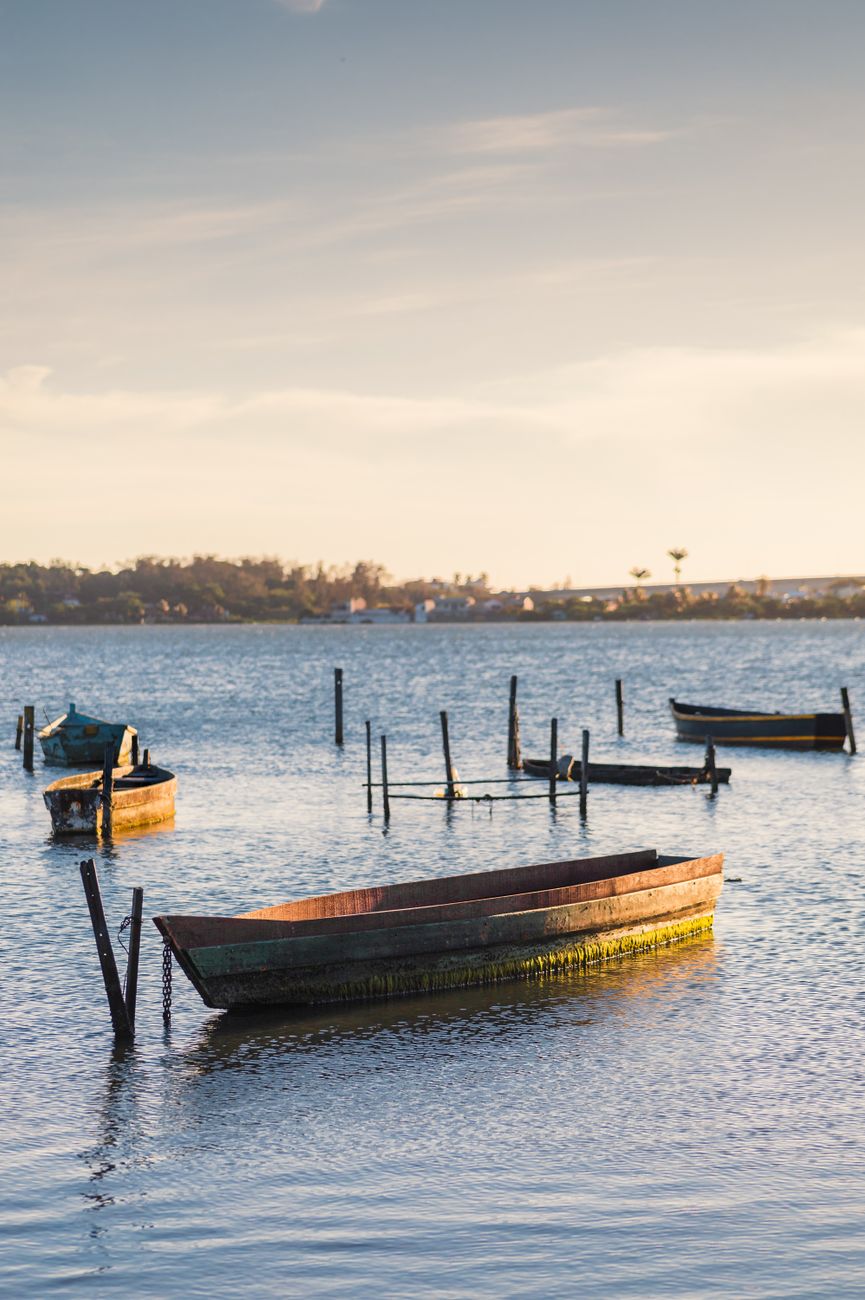
Quick Planning Tips
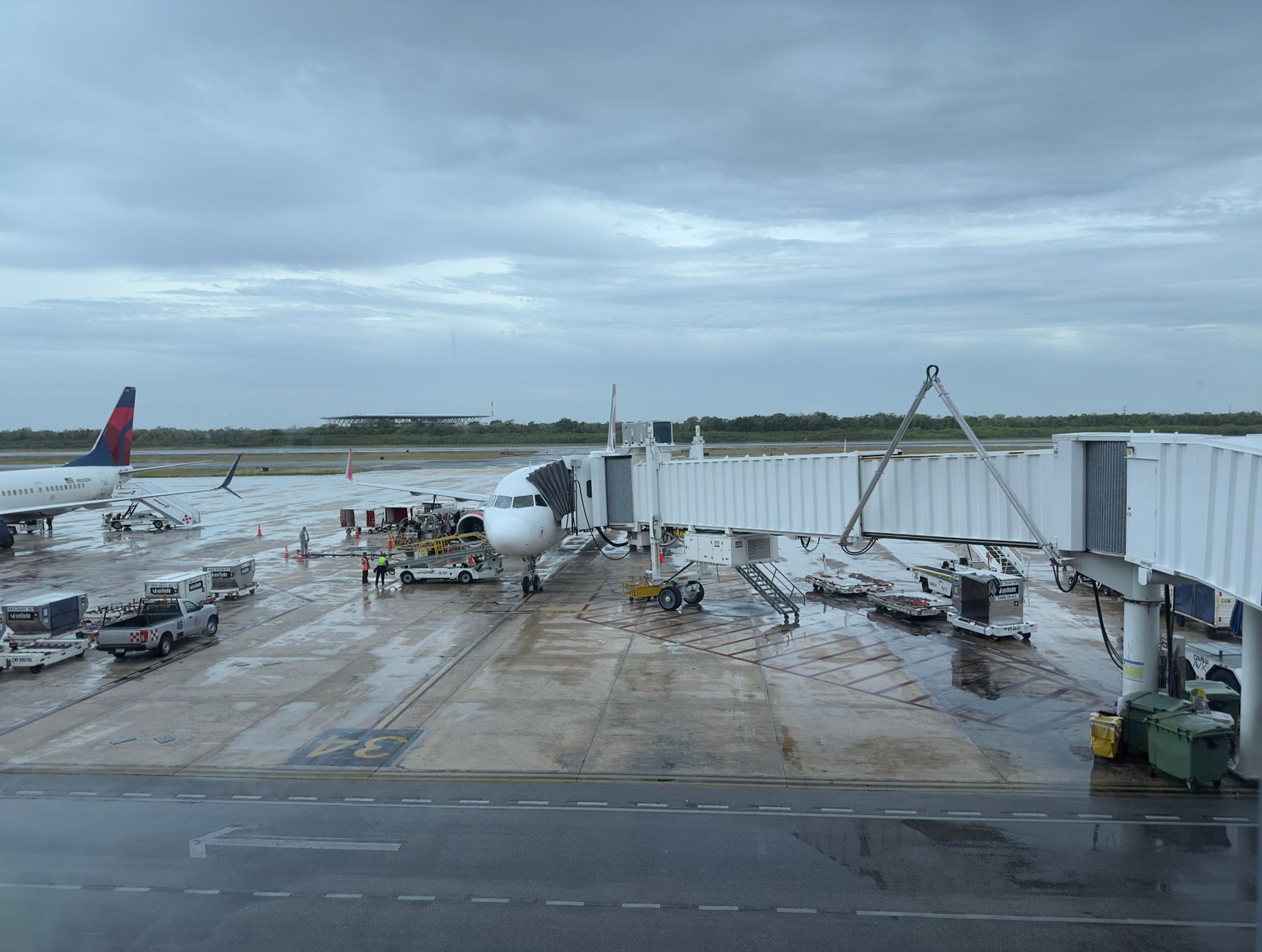
Fly into Juan Gualberto Gómez Airport (VRA) for the shortest transfers; a taxi to central resorts normally takes 20–35 minutes. Book a private transfer from the airline or hotel if arriving late; shared buses and Transtur counters at the airport sell seats but can be slower.
Bring cash in euros or Canadian dollars to exchange at CADECA offices; small denominations are useful for taxis and vendors. A common planning mistake is assuming bank and card access everywhere — ATM and card services can be unreliable, so have spare cash and photocopies of travel documents.
Buy ETECSA Nauta internet time cards at the post office or ETECSA office and expect metered Wi‑Fi in public spots and hotels. If planning a Havana day trip, reserve Viazul seats in advance and prepare for a 2–3 hour coach ride each way.
Day 1
Morning: Start with a beach session on Playa Varadero near Calle 62 where the sand is widest and several licensed loungers and umbrellas are available. Walk along the waterline for 15–30 minutes to get bearings; rental jet-skis and glass-bottom boat operators gather near the main pier.
Late morning: Walk or take a short taxi (5–10 minutes) to Parque Josone. The park has shaded paths, a small lake with pedal boats and a handful of cafes — it’s a good spot to cool down after sun exposure. Expect a 2–3 USD entrance or small fee for certain activities and boat rentals inside the park.
Lunch: Eat at Restaurante La Casa de Al (Parque Josone area) or another nearby paladar for seafood and local plates; a seafood lunch with a drink typically costs US$10–20 per person. After lunch, stroll past the Varadero Marina (10–15 minutes by foot from the park) to see charter boats and small craft.
Afternoon: Head to the Delfinario (Marineland) for a scheduled dolphin show or encounter. Walking time from the marina is 15–25 minutes or a short taxi. Expect extra fees for swims and photos; plan 1.5–3 hours for the visit.
Evening: Return to the resort strip for sunset at the beach and dinner at a hotel restaurant or local paladar on Calle 62. A quieter evening option is a low-key cocktail at a marina-side bar near Avenida 1ra.
Day 2
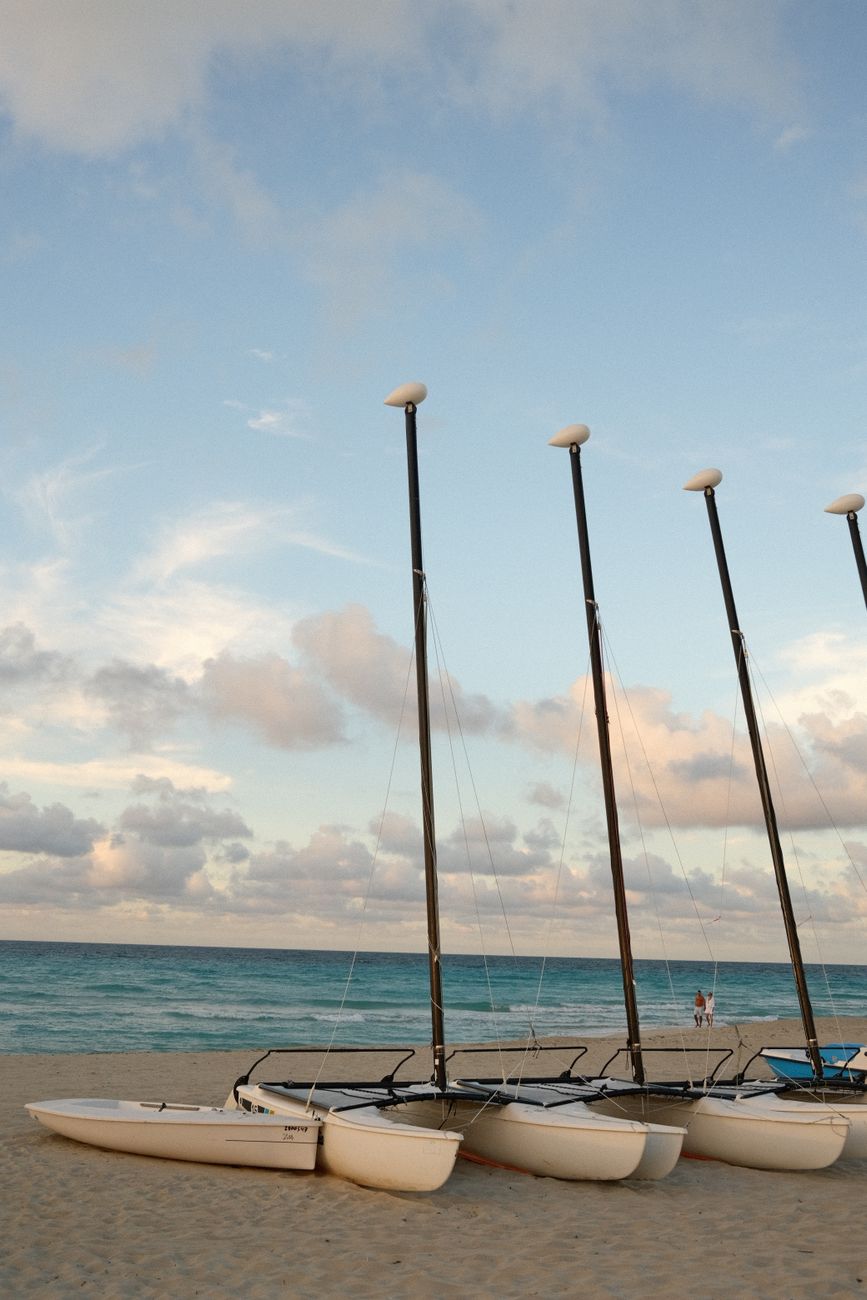
Morning: Book a half-day boat trip to Cayo Blanco for snorkeling or a reef visit; operators depart from Varadero Marina and trips take roughly 3–5 hours including transit. Snorkel gear rental is usually included; expect basic picnic lunch and a short beach stop on the cay.
Midday: Return to the peninsula and take a taxi to Hicacos Point Natural Park (Punta Hicacos) for a short shore walk to the lighthouse and small coastal trails. The walk is 20–40 minutes depending on route; there are interpretive signs and shaded viewpoints.
Afternoon: Transfer by shared taxi or short private ride to the Varadero Golf Club for an afternoon round or simply to see the course if not playing. The club accepts green fees and rental equipment; reserve in advance during high season.
Evening: For a change of scene, head to a paladar on Avenida 1ra with live music or a hotel that hosts a Cuban music night. Many restaurants open to tourists after 7pm; expect food service to slow later in the evening and to settle the bill in cash.
Day 3
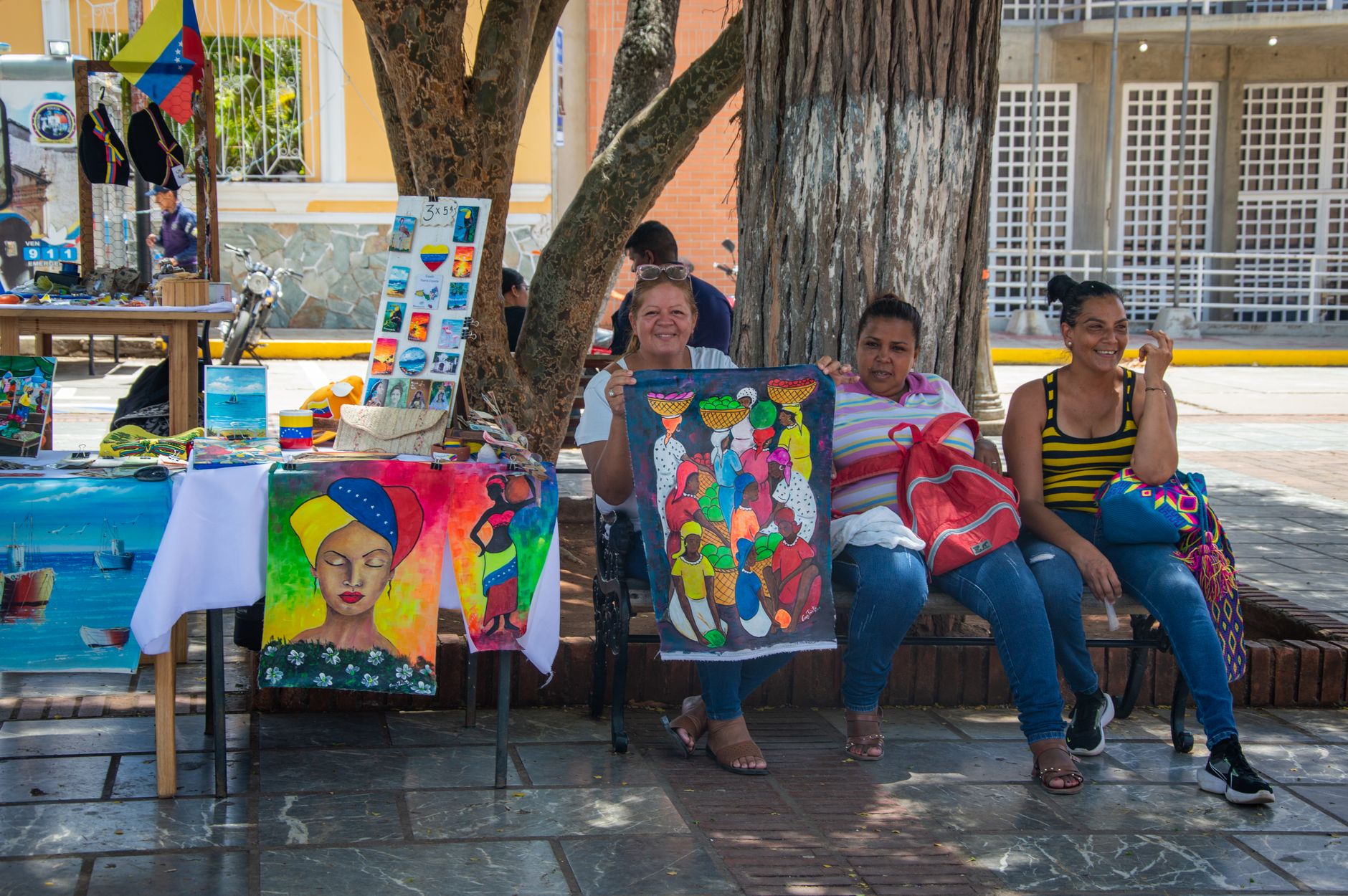
Morning: If leaving in the afternoon, use the early hours for a final beach swim and a short shopping stop at the craft market near Calle 62 for hand-made cigars, straw hats and small souvenirs. Vendors usually open by 9:00 and the market is a 10–15 minute walk from the central resort zone.
Midday: Check out of accommodation and move luggage to a hotel bell desk or booked transfer. If the schedule allows, take a 45–60 minute taxi to Matanzas to visit the Museo Provincial de Matanzas and the Paseo del Prado; the city visit gives a sense of local life beyond the resorts and is a practical half-day option.
Alternative late-afternoon option: For travelers catching an evening flight, book a hotel shuttle or private taxi from the resort to Juan Gualberto Gómez Airport (VRA); plan 30–45 minutes travel time and allow one hour at the airport for check-in and security, more if flying internationally.
Evening: If time remains after check-out, have a final meal at a paladar near Parque Josone or the marina. Confirm transfer time with the driver and carry small bills for any last-minute purchases or tipping.
Best Local Experiences
Playa Varadero: spend time at different access points along the beach to compare water conditions, sand and service levels. Parque Josone: sit in the shaded areas, rent a pedal boat and visit the small cafes for a local break from the sun. Delfinario (Marineland): book a timed show or swim session early to avoid mid-afternoon crowds and secure photos.
Cayo Blanco day trip: half-day or full-day boat trips offer reef snorkeling, beach time on a small cay and basic seafood picnics. Bellamar Caves (Cueva de Bellamar): a 30–40 minute drive inland to Matanzas provides a cooler escape and dramatic limestone chambers with guided tours. Matanzas museums and Paseo del Prado: a short city visit gives a clearer sense of provincial Cuban urban life beyond the resorts.
Where to Stay
Hicacos Peninsula (resort strip): Best for first-time visitors who want immediate beach access and many all-inclusive options. Located along Avenida 1ra and Calle 62, expect nightly rates for mid-range hotels from US$60–150 (≈1,400–3,600 CUP) and luxury resorts higher.
Parque Josone area: Suits travellers who prefer a slightly quieter spot with easy access to small cafes and local boats. Small guesthouses and a few casa particulares appear here with nightly ranges from US$35–90 (≈840–2,160 CUP).
Matanzas city (40–60 minutes by taxi): Good for budget travelers or those who want cheaper private casas and a more local scene while remaining within day-trip distance of the beach. Expect casa prices from US$20–50 per night (≈480–1,200 CUP), but factor in taxi costs each day if returning to the peninsula.
Food and Drink
Ropa vieja: shredded stewed beef in a tomato-based sauce. Common at paladares and hotel buffets; expect about US$5–10 in a private restaurant (≈120–240 CUP). Congrí (arroz congrí): rice with black beans, served as a side at most meals and included in combo plates.
Langosta (lobster): seasonal and expensive, often sold by weight at seafood restaurants or hotel dining rooms; price varies widely, expect US$20–50 for a restaurant portion (≈480–1,200 CUP). Tostones: twice-fried plantain slices served as a side or snack; street vendors and paladares sell them for about US$1–2 (≈24–48 CUP).
Guarapo (fresh sugarcane juice): sold from carts or small stalls near beaches and markets; a small cup costs about US$0.50–1 (≈12–24 CUP). Café cubano: a strong espresso available at cafes and many hotel bars for around US$1–2 (≈24–48 CUP). For breakfast, order huevos a la cubana (eggs, fried plantain and rice) at paladares for about US$3–6 (≈72–144 CUP).
Getting Around
There is no metro; transport options are walking, taxis, shared colectivos, rented bicycles and coach services. Viazul runs scheduled coaches to Havana and Matanzas from the Varadero tourist terminal; book online or at the terminal and expect fares around US$8–12 one way to Havana (≈192–288 CUP). Transtur and private transfer services sell fixed-price airport and inter-city shuttles.
Local taxis charge by distance and time; short rides across the peninsula are about US$3–10 depending on length (≈72–240 CUP). Shared colectivos operating along Avenida 1ra commonly cost US$1–3 (≈24–72 CUP) per person. Use ETECSA Nauta cards for public Wi‑Fi; apps for Cuban transit are limited, so rely on Viazul for intercity schedules and hotel or tour desks for local transfers.
Best Time to Visit
High season runs November–April with lower rainfall, temperatures from roughly 22–28°C and higher prices; expect crowds and full hotels during Christmas and late February. Shoulder months May and late October offer lower rates but warmer sea temperatures around 26–30°C; these months can be a good compromise for fewer tourists and reasonable weather.
Summer and the official hurricane season run June–November with temperatures from 28–33°C, high humidity and most of the annual rainfall concentrated in short storms. September tends to have the highest hurricane risk and rising travel insurance costs, so avoid fixed plans then if weather disruption would be problematic.
Budget and Practical Tips
Typical daily budget for a mid-range traveler (approximate): accommodation US$60–120 (≈1,440–2,880 CUP), food US$20–40 (≈480–960 CUP), local transport US$5–20 (≈120–480 CUP), entry fees and activities US$10–50 (≈240–1,200 CUP). A stricter budget traveler staying in a casa and eating at paladares can aim for US$40–70 per day (≈960–1,680 CUP).
Tipping is appreciated but modest: round up small purchases, leave 5–10% in restaurants if service is good, and tip drivers US$1–3 for short rides. Exchange at official CADECA bureaus and keep receipts for larger exchanges. Bring chargers and a universal adapter; power in hotels can be intermittent and some older casas have limited outlets.
FAQ
Is Varadero safe for solo travelers?
Varadero is generally safe in daylight and in the main resort areas; petty theft can occur on crowded beaches and markets, so keep valuables secure and use hotel safes where available.
How do I get from VRA airport to hotels on the peninsula?
Book a hotel transfer, use Transtur counters at the airport, or take a licensed taxi; travel time is typically 20–35 minutes and prices vary—expect about US$15–30 for a private taxi depending on distance.
Is Viazul a good option to visit Havana from here?
Yes, Viazul coaches run from the Varadero terminal to Havana; book seats ahead, allow 2–3 hours travel time each way and bring printed confirmation for check-in.
Are credit cards widely accepted?
No; many local businesses and taxis require cash. ATMs are inconsistent, so bring euros or Canadian dollars to exchange at CADECA and carry small bills.
Is a city pass or tourist card worth buying?
There is no universal city card for Varadero; individual attractions like Delfinario sell their own tickets. Save money by booking boat trips and excursions through reputable operators rather than bundled resort packages unless price-per-activity is clear.
Can day-trippers visit Matanzas or Bellamar Caves easily?
Yes, Matanzas and the Bellamar Caves are the most practical half-day or full-day trips; a taxi ride of 30–60 minutes is normal and local guides are available at the caves.
Conclusion
Three days here will be remembered most for the coastline and water activities: the long beach, a reef snorkel or Cayo Blanco trip, and the easy-access feel of the Hicacos Peninsula. Practicalities — airport transfers, cash for CADECA exchanges, ETECSA internet time and pre-booked Viazul seats for day trips — will shape whether the trip feels smooth or frustrating. If time becomes tight, prioritize a morning on Playa Varadero and an afternoon snorkel or marina boat trip; those two elements deliver the clearest sense of what the area does best.
How this guide was prepared
This guide was prepared through a structured research that combines destination research, geographic context, itinerary planning logic, and content review.