
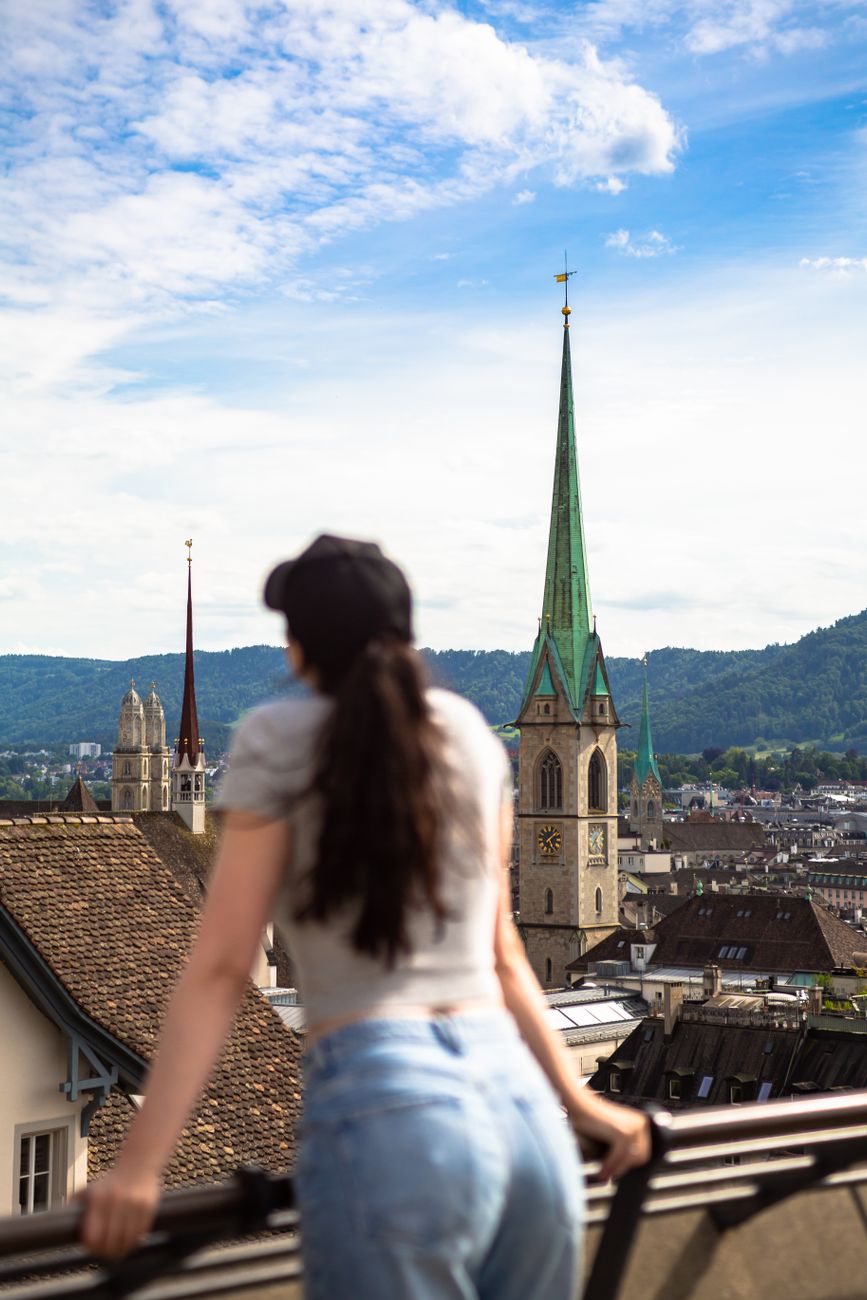
3-Day Practical Guide to Zurich: Itinerary, Transit, Costs
A frank 3-day Zurich itinerary with transit tips, neighbourhood plans, realistic costs, and what to skip so a weekend stays efficient and stress-free.
A no-nonsense 72-hour plan for Zurich with transit, neighbourhoods, food picks and real cost estimates for travelers who want an efficient short trip.
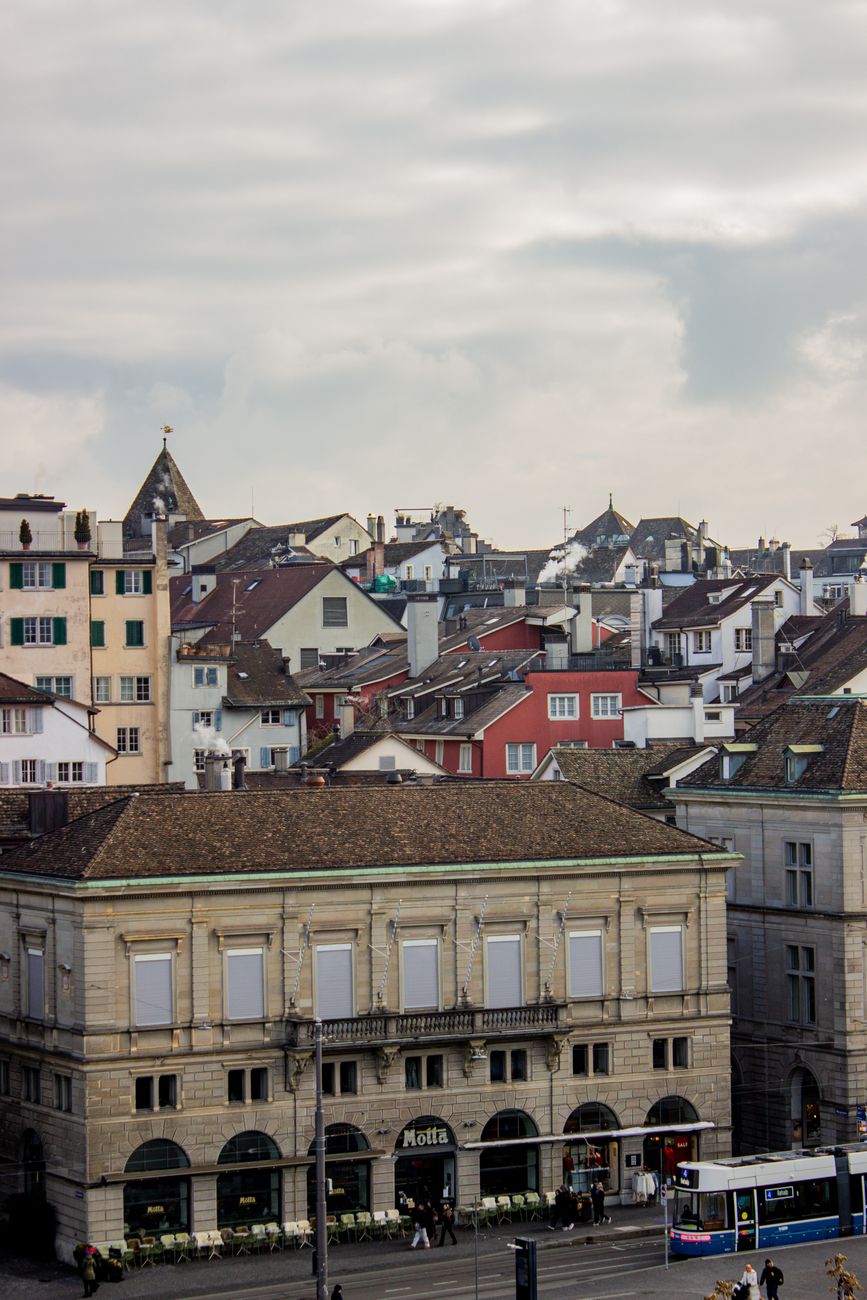
First impressions are of compact efficiency: neat trams, tidy streets, and a clear separation between the commercial spine (Bahnhofstrasse) and the more residential districts. The city feels orderly and polite but expensive; services run on schedule and public space is well maintained.
Expect steady foot traffic in the Old Town and lakefront during midday and evenings, and quieter residential neighbourhoods after 9pm. Many visitors assume the center equals the whole place; the city’s character changes quickly from the river and Bahnhofstrasse to the quieter blocks near Kreis 4 and Seefeld.
This layout suits visitors who prefer short walks between concentrated sights, predictable transit and clearly signposted museums. It is less ideal for travelers seeking nightlife that runs late or for backpackers chasing cheap shared dorms.
Is 3 days in Zurich enough?
Three days are enough to see the central sights: Old Town churches, Bahnhofstrasse, Kunsthaus and a trip up Uetliberg or a boat on Lake Zurich. Expect to skip long museum deep-dives or a full-day trip to the Alps unless extra time is added.
Who This Guide Is For
Best for travelers who want a compact cultural and neighbourhood view with reliable transit and don't mind higher daily costs. Less suitable for budget backpackers who need cheap lodging or travelers wanting extended hiking in the Alps.
Local Tips for Zurich
Practical details that most travel sites skip — specific to Zurich.
- Buy a 24h Zurich Card (around CHF 13) at Zürich HB or the airport ticket machines — it covers VBZ trams/buses and S-Bahn within city zone 110 and gives discounts for many museums and river cruises.
- Tram 4 runs from Bahnhof Enge to ETH/Universität and is the fastest surface link between Bahnhofstrasse and the Polyterrasse viewpoint near ETH Zurich; expect 6–10 minutes between stops downtown.
- Bürkliplatz flea market operates Saturdays from sunrise until about 4pm; arrive by tram 2/8/9 and bring cash for small dealers who do not accept cards.
- Zone 110 is special: it counts as two zones in ZVV fares but covers the entire city core — a single-trip adult ticket for one hour across zone 110 is around CHF 2.80.
- SBB trains from Zürich Flughafen to Zürich HB take about 10–13 minutes on S-Bahn lines S2 and S16; buy the point-to-point ticket at the airport machines to avoid overpaying at taxis.
How This Guide Was Prepared
This guide treats Zurich as a working city with high prices, efficient transit, and clear trade-offs rather than a postcard. Many guides over-index on Bahnhofstrasse shopping and lake photos; this one balances the downtown must-sees with where locals actually spend afternoons, practical transit routes, and realistic time budgets. This guide was prepared through a structured research that combines destination research, geographic context, itinerary planning logic, and content review.
Plan Your Stay in Zurich
Use this itinerary as your starting point, then compare areas to stay, transport options, seasonal timing, and realistic daily costs before booking.
Why Visit
There is an unusually compact set of quality museums within short transit of each other: Kunsthaus Zürich for modern and Swiss art and the Swiss National Museum for a concise overview of Swiss cultural history. Both can be covered in one or two focused visits.
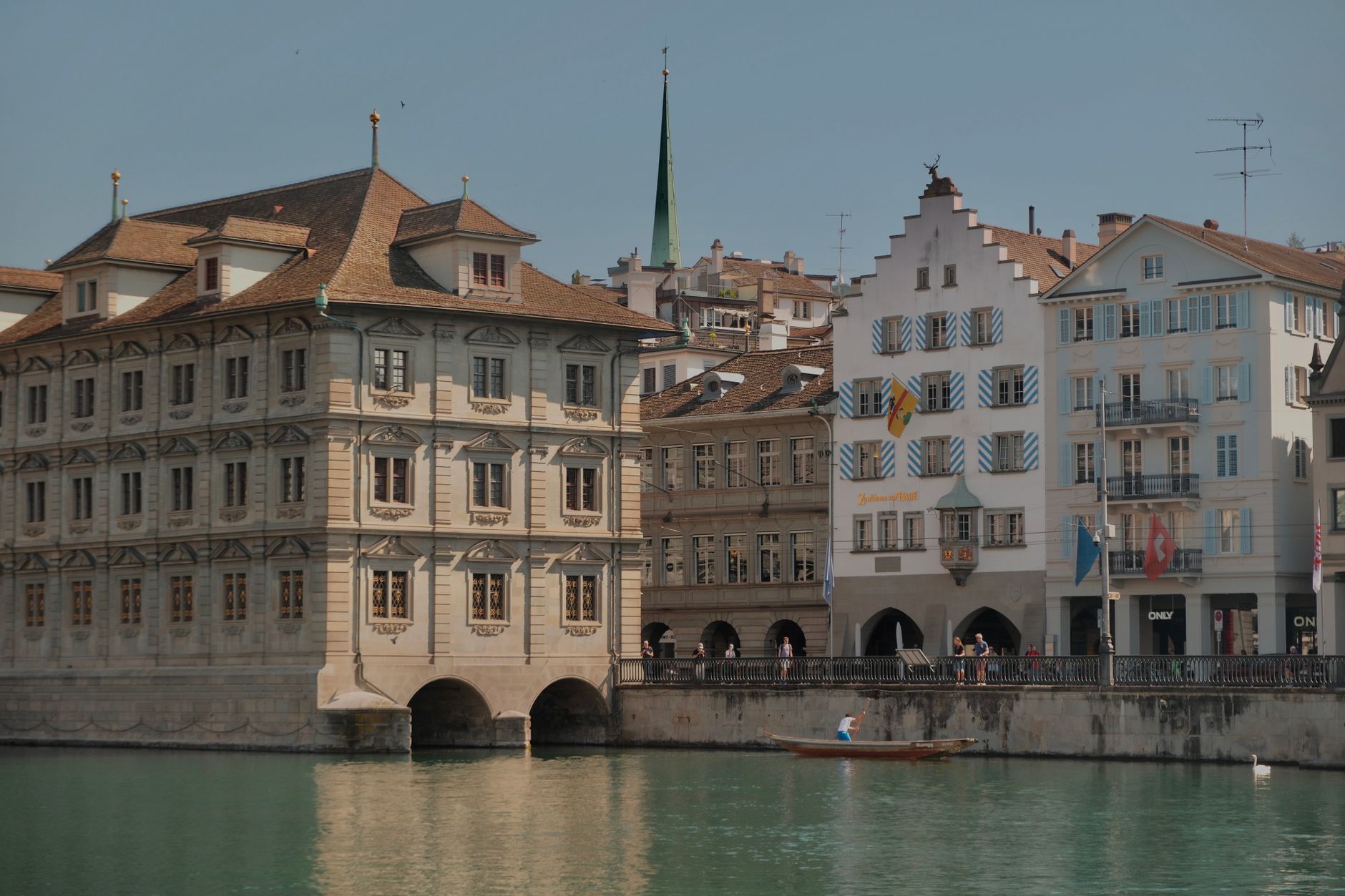
The lake and Limmat river provide straightforward outdoor options: a 90-minute boat from Bürkliplatz or an early evening stroll along the Limmatquai makes good use of an otherwise dense city schedule. The Uetliberg viewpoint offers a quick mountain feel without long travel — the S10 takes about 20–30 minutes from Hauptbahnhof.
Local dining includes solid neighbourhood options in Wiedikon and Zürich West rather than only tourist spots on Bahnhofstrasse; this variation lets visitors sample good Swiss and international kitchens within short tram rides. Efficient transit and compact geography make it possible to switch themes across three days without losing time.
Quick Planning Tips
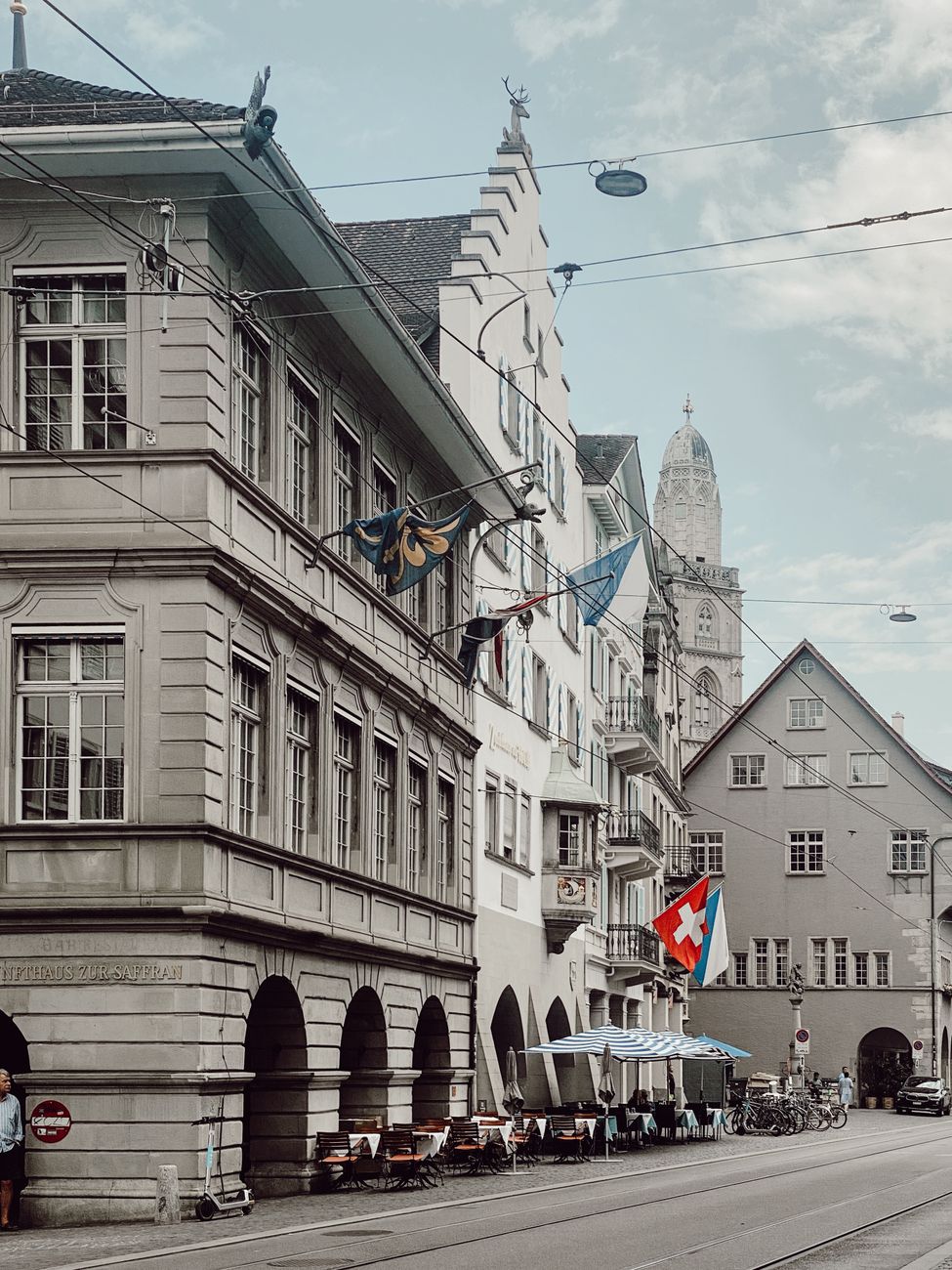
From the airport the fastest public option is S-Bahn S2 or S16 to Zürich Hauptbahnhof (HB) — roughly 10–13 minutes. Taxis from the airport to central stations cost around CHF 50–70 depending on traffic; factor in a surcharge for late-night rides.
Buy single tickets or a Zurich Card at ticket machines (English available) before boarding trams or S-Bahn; inspectors fine passengers without valid tickets. Carry a small amount of cash (CHF 20–50) for markets, bakeries and tram transfers where contactless devices occasionally fail.
Avoid the mistake of packing too many museums into one morning; allow transit buffer time between Kunsthaus, Bahnhofstrasse shopping and a lake boat. Reserve museum entry online on weekends and check tram replacement notices if traveling on a Sunday morning.
Day 1
Morning: Start at Zürich Hauptbahnhof (HB) — allow 20–30 minutes for the main hall, the Bahnhofstrasse exit and the tram stops. Walk to Bahnhofstrasse (2–5 minutes) for window-shopping and to see Paradeplatz and the famous banks along the street.
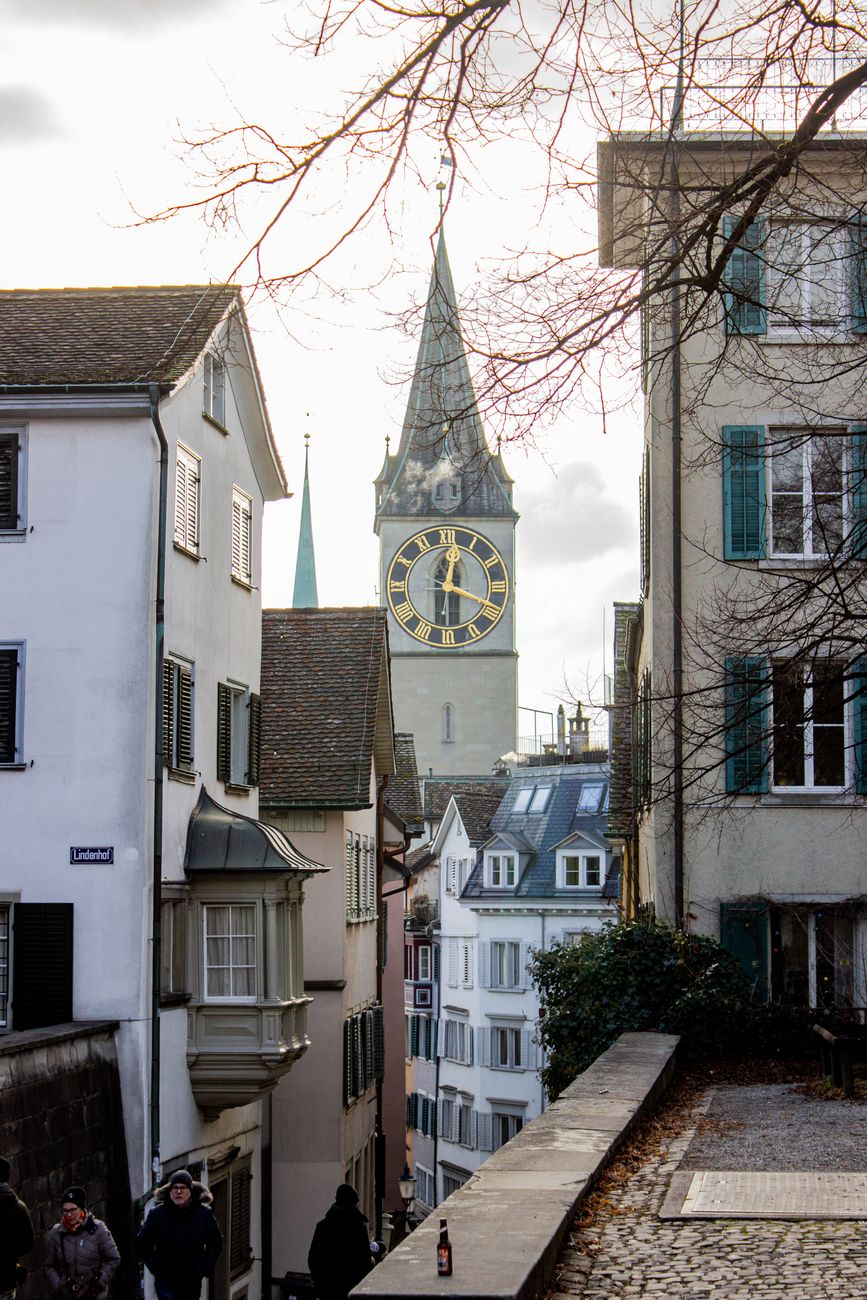
Late morning: Continue to the Lindenhof quarter (5–8 minutes on foot from Paradeplatz) for the Limmat views and the Roman-era remains. From Lindenhof, descend to the Grossmünster (3–5 minutes) and visit the twin towers; budget 45–60 minutes for the interior and tower climb.
Lunch: Eat at Sternen Grill on Bellevue for a quick bratwurst and Rösti (expect CHF 12–20); Bellevue is a 6–8 minute walk from Grossmünster or a short tram ride on lines 2/4/8.
Afternoon: Cross the river to Fraumünster to see the Chagall windows (5 minutes on foot). Then walk along Limmatquai to the Swiss National Museum near the Hauptbahnhof (20 minutes walking loop or 7 minutes by tram 4/6). Allow 90 minutes if entering the museum.
Evening: Finish with a short boat cruise from Bürkliplatz (90 minutes or a 1-hour round cruise) or a lakeside dinner at restaurants near Bellevue. If energy remains, take tram 4 to ETH/Polyterrasse for sunset views over the city (tram ride 8–10 minutes).
Day 2
Morning: Head to Kunsthaus Zürich for modern and Swiss art — arrive at opening to avoid crowds and allow 1.5–2 hours. From HB take tram 7 or walk 15–20 minutes along Rennweg to reach the museum.
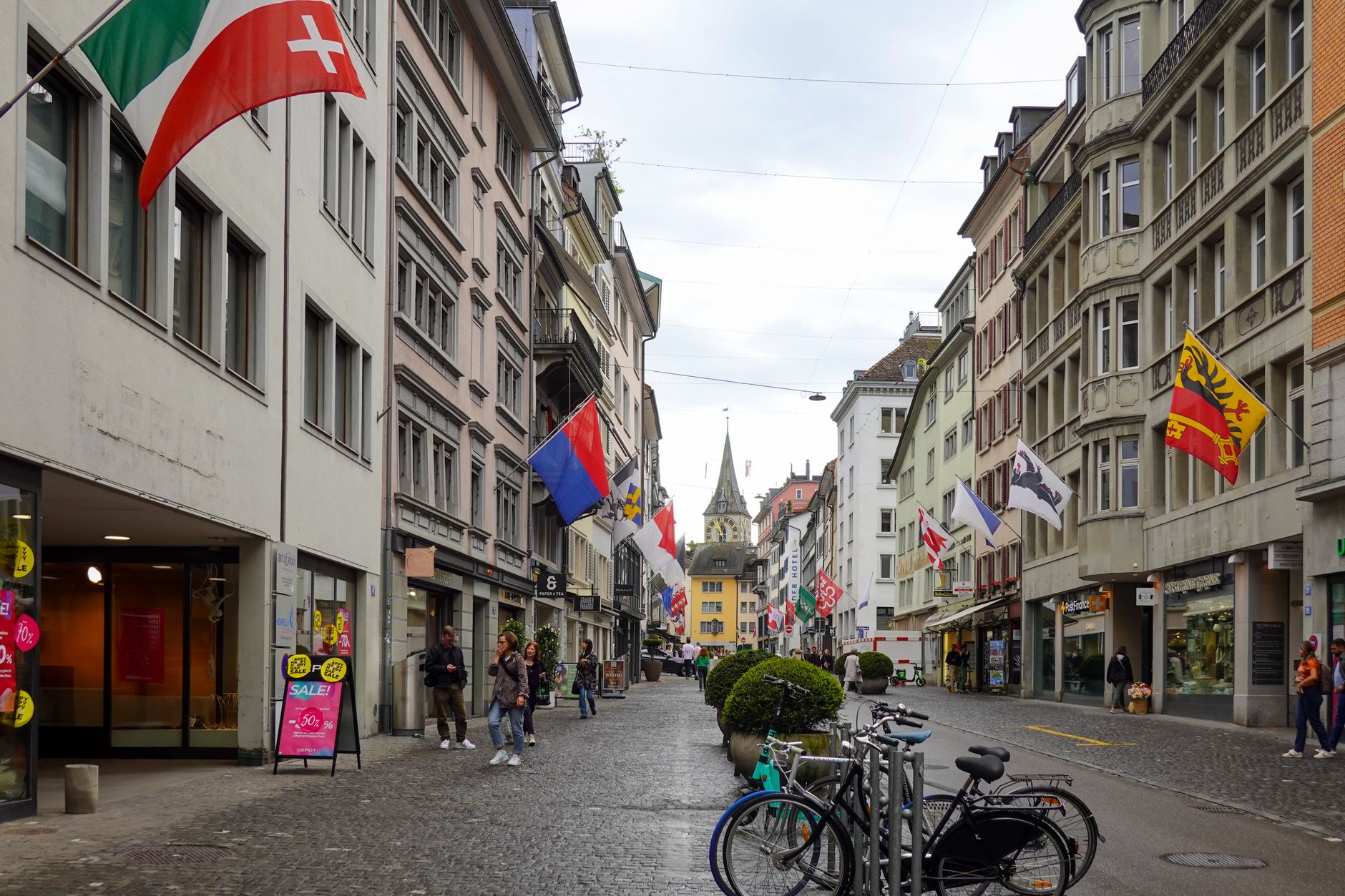
Late morning: Walk through the Schipfe and Niederdorf streets in the Old Town (10–15 minutes from Kunsthaus) for traditional shops, watchmakers and coffee stops. Stop at a café on Niederdorfstrasse for a mid-morning drink.
Lunch: Cross to the Rathausbrücke area and eat at Le Dezaley for Swiss classics like Zürcher Geschnetzeltes; expect main courses CHF 28–38. The tram from Kunsthaus to Rathausbrücke takes about 10 minutes on line 4 or 15 walking minutes.
Afternoon: Take tram or S-Bahn to Zürich West (tram 4/17 to Escher-Wyss-Platz) to see the industrial-to-creative conversion, Viadukt arches and Freitag Tower. Explore Kreis 5 restaurants and small galleries; moving from the Old Town to Zürich West is roughly 20–30 minutes by public transport.
Evening: Dine in Zürich West — try Frau Gerolds Garten for outdoor seasonal plates or a brewery in the Viadukt. The area stays lively into the evening and offers a different scene from downtown.
Day 3
Morning: Take S10 from HB to Uetliberg (about 20–30 minutes) for the summit viewpoint and short hiking loops. Spend 2–3 hours including the panoramic ridge trail and a coffee at the summit restaurant.
Late morning: Return to the city and head to Seefeld by tram 2 or 4 from Bellevue (10–15 minutes) for lakeside promenades, the Kusnacht ferry options and quiet cafés. Seefeld feels residential and is a good place to unpack light bags before departure.
Lunch: Stop at a Seefeld bakery or the lakeside restaurant Pumpstation (prices CHF 18–35) for fish or simple mains. From Seefeld, getting back to HB is 10–15 minutes by tram 2/4/5.
Afternoon (if catching an afternoon flight): If departing late afternoon, store luggage at HB and take a short visit to the Chinese Garden or the Opera House area; both are under 20 minutes from HB. Allow at least 60–90 minutes to return to HB, collect bags and take the S2/S16 to the airport, giving 30–45 minutes buffer for security.
Best Local Experiences
Bürkliplatz boat departures — a 1–1.5 hour round trip on the MS Helvetia or similar boats offers lake views and a calmer city perspective. Book at the kiosk on the quay for same-day departures.
Bürkliplatz flea market on Saturday — mainly antiques and household items; start early to find the best stalls. Tram 2/8/9 stops at Bürkliplatz.
Kreis 5 Viadukt and Freitag tower — browse independent shops under the railway arches and grab a street-level coffee or craft beer. This area highlights the city’s recent industrial conversion.
Uetliberg ridge walk — a short mountain feel with panoramic views over the city and the Alps on clear days; take S10 and factor in weather changes.
Limmatquai and Schiffbau area — short river cruises, riverside bars and the Schauspielhaus theater program give evening options away from Bahnhofstrasse crowds.
Where to Stay
Old Town / Niederdorf: Suits those wanting to be within walking distance of Grossmünster, Fraumünster and evening cafés. Expect nightly rates around CHF 180–300 (~€185–€310 / US$200–US$340) for a midrange hotel.
Zurich West / Kreis 5: Suits travelers prioritizing restaurants, nightlife and modern architecture; close to Escher-Wyss-Platz tram and S-Bahn links. Prices typically CHF 140–240 per night (~€145–€250 / US$155–US$270) for comfortable options.
Seefeld / Bellevue: Suits visitors wanting lakeside walks and quiet mornings; it’s 10–15 minutes by tram from HB and ideal for late departures. Expect CHF 160–280 per night (~€165–€290 / US$175–US$315).
Note: Prices fluctuate sharply during trade fairs and school holidays; booking two to three weeks ahead for weekend stays is common practice. Short-term apartment rentals in Wiedikon offer cheaper alternatives but check cleaning fees and local tourist levies.
Food and Drink
Zürcher Geschnetzeltes: Sliced veal in a creamy mushroom sauce, often served with Rösti. Find a solid version at Restaurant Zeughauskeller (expect CHF 28–38).
Raclette / Fondue: Melted cheese dishes best at Chäsalp or Swiss Chuchi in Old Town; portions and shared sets run CHF 20–40 per person depending on accompaniments.
Birchermüesli: A Swiss breakfast staple made of oats, grated apple and yogurt — order at Café Sprüngli or local bakeries for CHF 6–12.
Bratwurst and Rösti (street/eatery): Quick sausage at Sternen Grill or Messeplatz vendors, average CHF 8–15 for a filling snack.
Local drink: Swiss craft beer from breweries like Turbinenbräu in Zürich West or a glass of Bündner Pinot on restaurant wine lists; beers CHF 5–8, house wine CHF 8–12 a glass.
Dinner recommendation: For a classic Swiss meal in slightly less touristy surroundings, try Zeughauskeller near Bahnhofstrasse or Restaurant Schweizerheim in Wiedikon; mains CHF 25–45.
Getting Around
Public transport runs on the ZVV network with S-Bahn lines (S2, S3, S6, S10, S16 commonly used), VBZ trams (lines 2, 4, 6, 7, 9, 10, 11, 13, 17) and regional buses. Trams are frequent downtown and usually run every 5–10 minutes.
Single adult tickets for one hour across zone 110 are around CHF 2.80; the Zurich Card (24h about CHF 13) covers travel in zone 110 and offers museum discounts. SBB Mobile and ZVV apps are the best for realtime schedules and mobile ticket purchases.
Taxis are widely available but expensive; airport to HB typically CHF 50–70 and ride-hailing options are limited compared with other European capitals. Bike rental and shared scooters operate in central districts for short hops.
Best Time to Visit
June to September offers the warmest weather (daily highs 20–26°C) and long daylight — expect higher prices and crowds at lakefront spots. This is best for boat trips and Uetliberg clear views.
April–May and September–October give milder crowds and lower rates; temperatures usually range 8–18°C and there are often clear days good for city walks. Museum visits and tram access are more relaxed in shoulder months.
November–March is colder (around −1 to 8°C), with some museum closures for renovations and fewer tourists; hotel deals are easier but expect shorter daylight and occasional snow, which can affect Uetliberg visibility.
Budget and Practical Tips
Typical daily budget (midrange traveler): Accommodation CHF 150–220 (~€155–€240 / US$170–US$260), food CHF 60–100 (~€65–€110 / US$70–US$120), transport CHF 5–15 (~€5–€16 / US$6–US$17), entry fees CHF 10–25 (~€10–€26 / US$11–US$28). Expect higher totals on weekends and during fairs.
Entry fees: Kunsthaus around CHF 23, Swiss National Museum around CHF 10–15 for adults — check online for current prices and combined offers. Small extras like a lake cruise or tower climb add CHF 10–30.
Tipping: Service charges are usually included; rounding up or adding 5–10% for table service is appreciated but not required. Carry small coins and bills because many small shops round payments or expect exact change.
FAQ
Is Zurich safe for solo travelers?
Yes; central areas and trams are generally safe during the day and evening, but standard precautions against pickpocketing in crowded tourist spots and trains apply.
How do I get from Zürich Flughafen to the city center?
Take S-Bahn S2 or S16 to Zürich Hauptbahnhof (10–13 minutes) and buy tickets at airport machines or use the SBB Mobile app for mobile tickets.
Is a Zurich Card worth buying for three days?
The 24h Zurich Card (and multi-day options) can pay off if planning multiple museum visits, tram rides and a lake cruise — add up ticket costs before deciding.
Can most places be paid by card?
Many restaurants and shops accept cards and contactless, but smaller kiosks, markets and bakeries may prefer cash or Swiss-specific contactless; carry CHF 20–50.
Are trams wheelchair accessible?
Most VBZ trams are low-floor and accessible; stations list accessibility in the ZVV app and major stops like HB, Bellevue and Bürkliplatz have ramps.
How early should I book restaurants and museums?
Book Saturday evening restaurants and timed-entry museums (Kunsthaus, Swiss National Museum) at least a few days ahead during high season.
Is tipping expected for taxi drivers and hotel staff?
Tipping is not required; rounding up to the nearest CHF 5–10 or 5–10% for exceptional service is common practice.
What is the best way to check real-time tram and train times?
Use the ZVV app for local transit and SBB Mobile for regional trains; both provide live departures and platform information.
Conclusion
A three-day visit rewards focused choices: pick a couple of museums, allow one half-day for a lake or Uetliberg outing and leave time to explore one neighbourhood in depth. Travelers will most likely remember the efficient transit, clear river views from Lindenhof and the contrast between Bahnhofstrasse and Zürich West.
If time runs short, prioritize a short boat from Bürkliplatz or the Grossmünster tower climb plus one museum; that combination gives both the visual and cultural essentials of a compact visit.
How this guide was prepared
This guide was prepared through a structured research that combines destination research, geographic context, itinerary planning logic, and content review.