
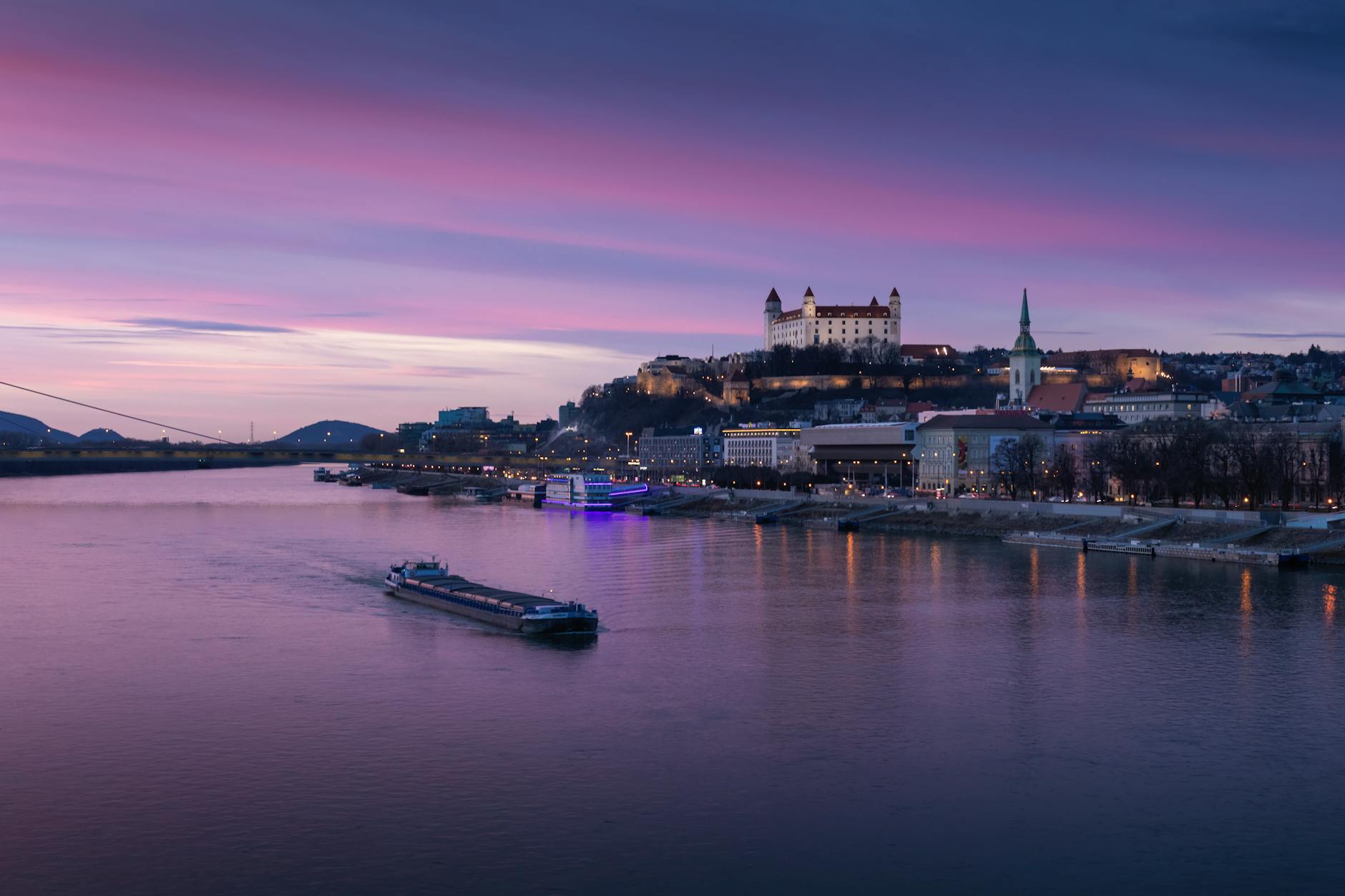
Responsible Travel in Bratislava — Practical Support for Your 3-Day Trip
Practical, sustainable advice for visiting Bratislava: where to stay, how to get around, low-impact activities, seasonal tips, and day-trip links to Vienna, Budapest, Prague, Krakow and Košice. Supports our 3 days in Bratislava itinerary.
If you have three days, base yourself in the Old Town or nearby Nivy for easy walking and short public-transport hops. Travel sustainably by preferring regional trains or daytime buses for cross-border day trips (Vienna ~1 hour by train). Book any special guided tours, river trips, and local guesthouses in advance during peak months (June–August) and choose locally run restaurants and markets for meals.
Bratislava is a compact capital with a historic Old Town, riverside promenades, and easy regional connections. This support page is designed to complement our 3 days in Bratislava itinerary by focusing on responsible choices: staying in local-run places, using public transport or regional trains for nearby cities, and reducing environmental and cultural impact while maximizing authentic local experiences.
What This Page Helps You Decide
Use this page to make specific, low-impact choices while following our 3-day itinerary.
Decisions covered:
– Where to stay: Old Town (Staré Mesto) vs. Petržalka vs. Nivy
– How to get around: walking, local buses, regional trains and coach links to Vienna, Budapest and Prague
– When to visit: shoulder-season windows and off-peak hours for attractions
– What to book in advance: river cruises, guided walking tours, and intercity tickets
– Where to spend locally: markets, family-run pensions, independent restaurants
Top Recommendations
Practical, local-first choices to pair with your 3-day plan:
1) Stay smart
– Old Town (Staré Mesto): best for walkability, historic streets, and small restaurants. Choose family-run guesthouses or locally managed apartments to keep tourism revenue local.
– Nivy/District: newer rail and bus connections, good for low-impact stays near public transport hubs.
– Petržalka: budget-friendly apartments with a short Danube crossing; pick hosts who use local services.
2) Eat and drink local
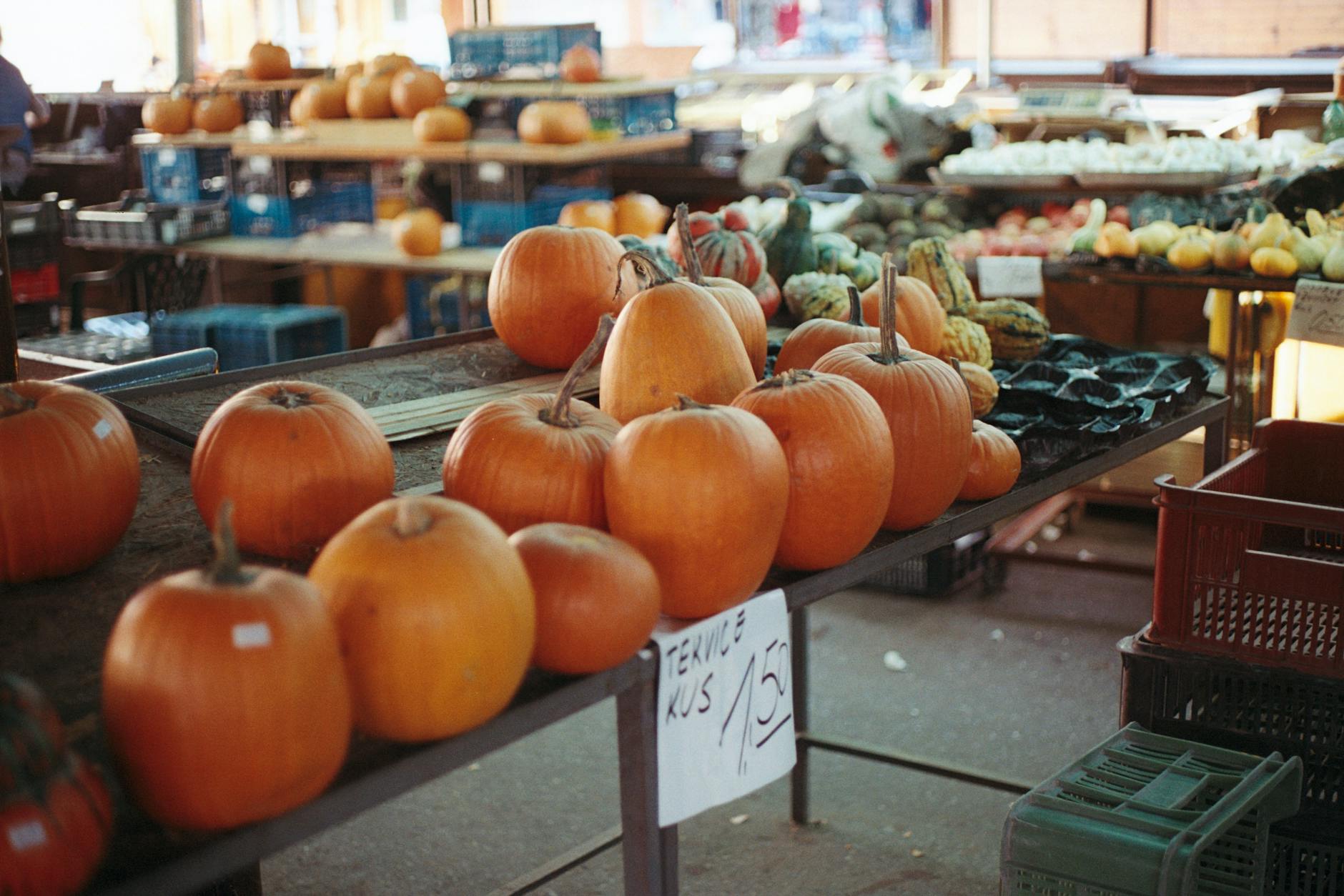
– Start mornings at Stará tržnica (Old Market Hall) or a neighborhood bakery for seasonal produce.
– Favor bistros serving Slovak classics and producers sourcing locally over tourist-oriented chains.
3) Transport and day trips
– Train to Vienna (often about 1–1.5 hours) is reliable and lower-impact than flying; RegioJet and ZSSK operate frequent services. For Budapest and Prague, prefer daytime intercity trains for comfort and scenery.
4) Short, sustainable excursions
– Devin Castle for a riverside walk and history; arrive by regional bus or bike rather than car when possible.
– Danube bicycle paths for low-impact sightseeing and neighborhood hopping.
5) Bookings and timing
– Reserve guided tours and river boats in advance during summer and weekends. Visit the castle and museums early morning or late afternoon to avoid crowds.
Local Context
Seasonal patterns
– Best shoulder seasons: April–May and September–October for milder weather, fewer visitors, and open local markets.
– Summer (June–August) brings the most tourists and festival activity; book ahead. Winters are cold but quieter and useful for lower-cost travel.
Transport realities
– The city center is compact and very walkable; many attractions are within 20–30 minutes on foot.
– Local public transport (buses and short rail links) connects neighborhoods and regional destinations. Expect good, low-cost rail links to Vienna; longer connections reach Budapest, Prague and Košice.
– Bratislava Airport handles regional flights but often has fewer international options than Vienna; many travelers combine flights into Vienna with a short train or bus to Bratislava.
Local culture and etiquette
– Slovak people value polite greetings and modest behavior. A firm handshake and brief eye contact are standard when meeting someone.
– Learning a few Slovak phrases (dobrý deň = good day, prosím = please/you're welcome, ďakujem = thank you) is appreciated.
– Tipping around 10% in restaurants is common when service is not included.
How to Choose Well
Neighborhood guidance
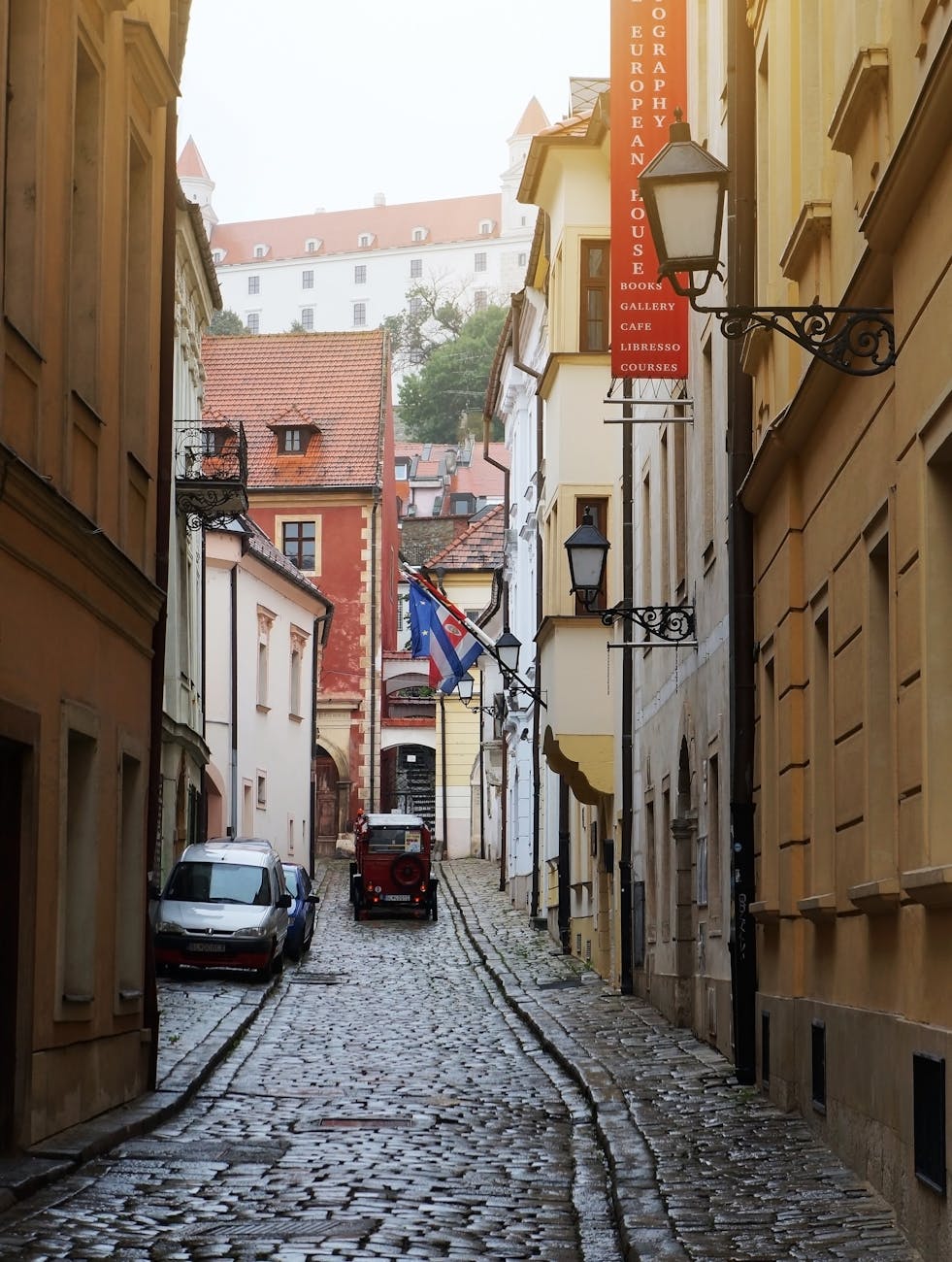
– Old Town (Staré Mesto): ideal for first-time visitors and those following the 3-day itinerary. Expect higher prices and more tourist foot traffic.
– Nivy and surrounding neighborhoods: good balance between connectivity, new hospitality options, and fewer crowds—choose this for a lower-impact urban stay.
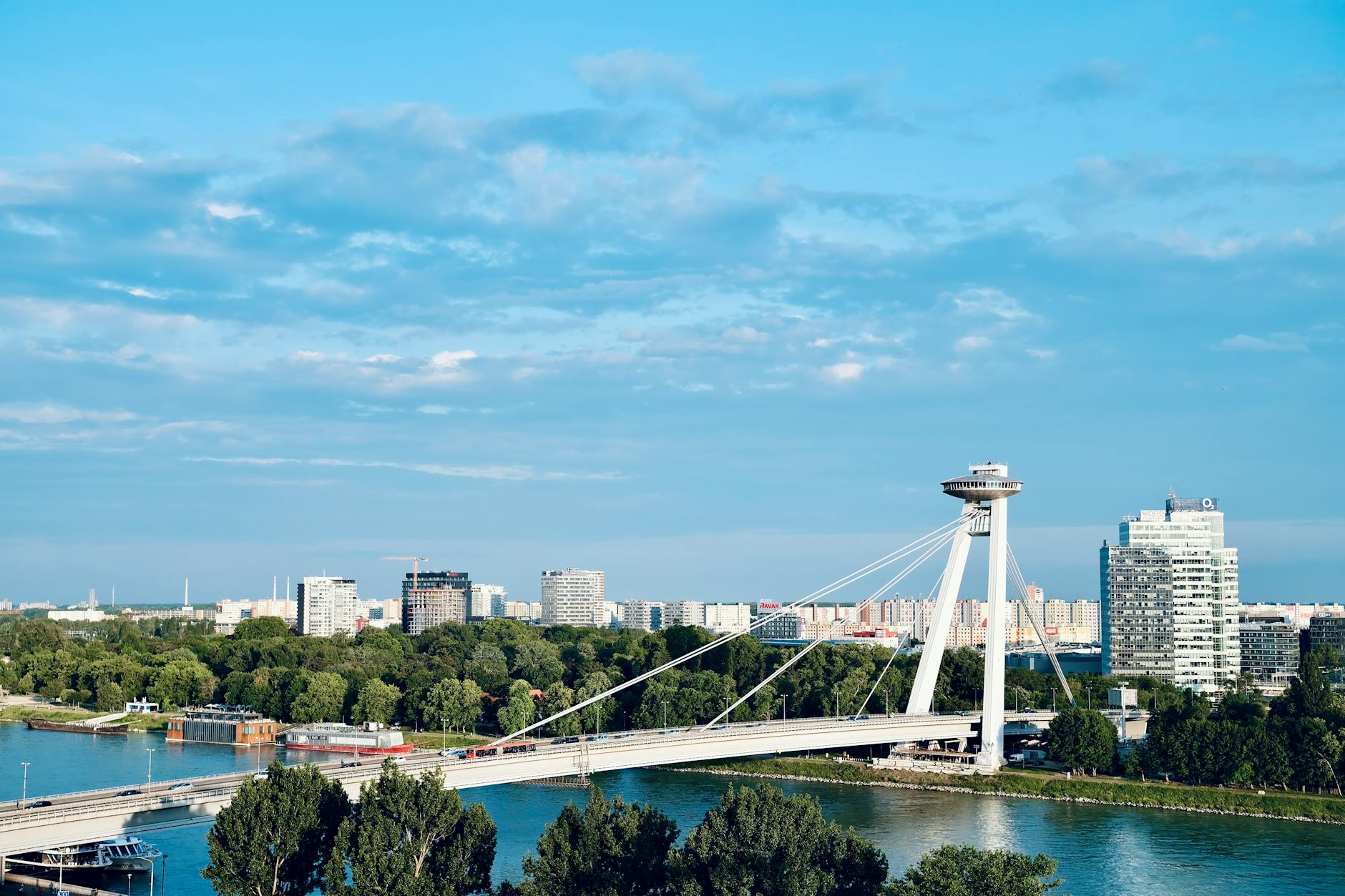
– Petržalka: budget-friendly, residential; cross the bridge to the Old Town by tram, bus, foot bridge, or bike.
Booking tips
– Intercity trains and major bus lines can be cheaper if booked a few weeks in advance; for day trips to Vienna, compare prices and schedules between ZSSK, RegioJet, and FlixBus.
– For guesthouses and small pensions, contact hosts directly when possible; they often provide local advice and flexible check-in.
Timing inside the city
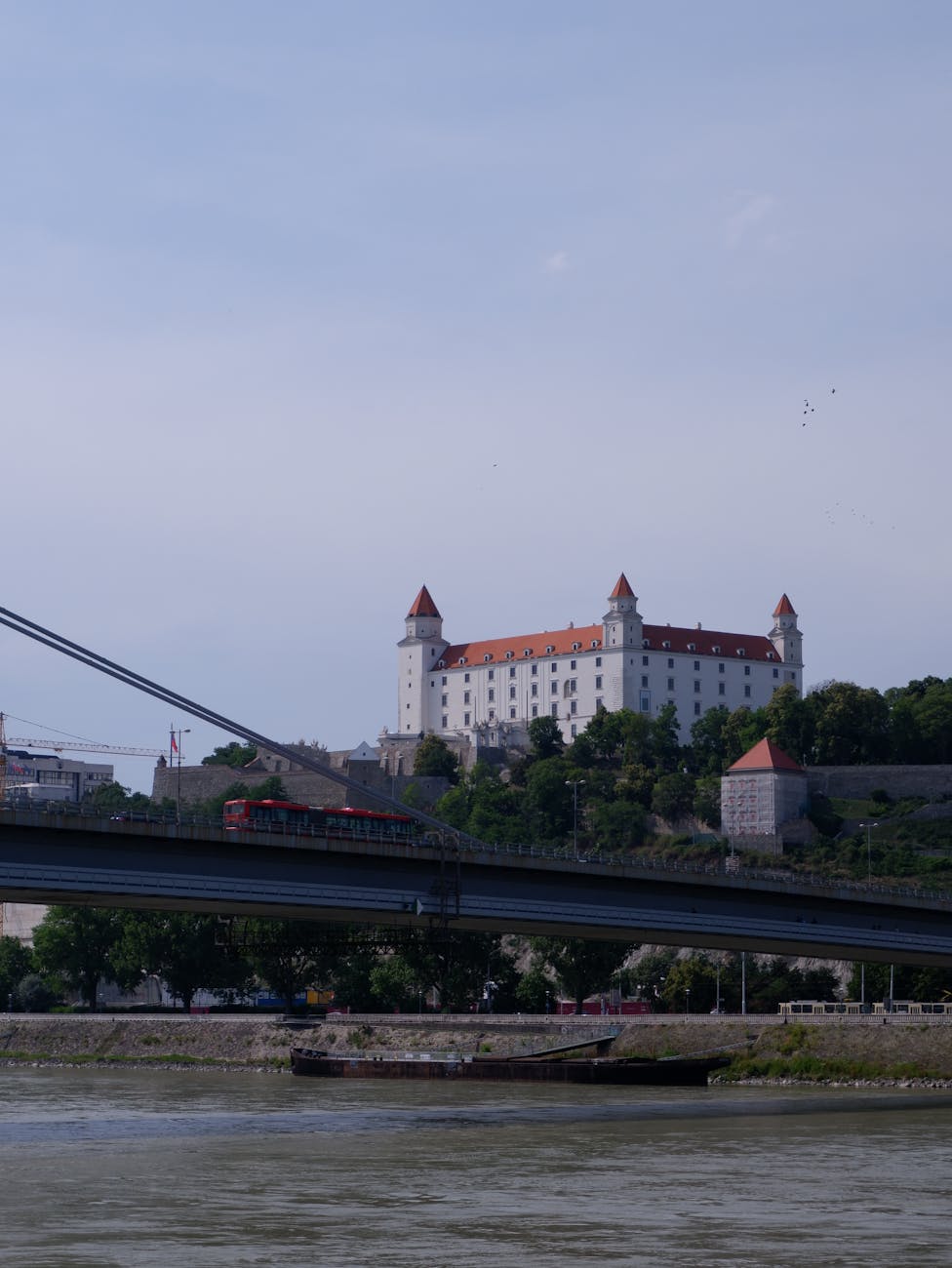
– Visit Bratslava Castle early for the best light and fewer tour groups. Use late afternoons for riverside walks or cafés when museums close.
Responsible and Local-First Tips
Spend where it helps locals
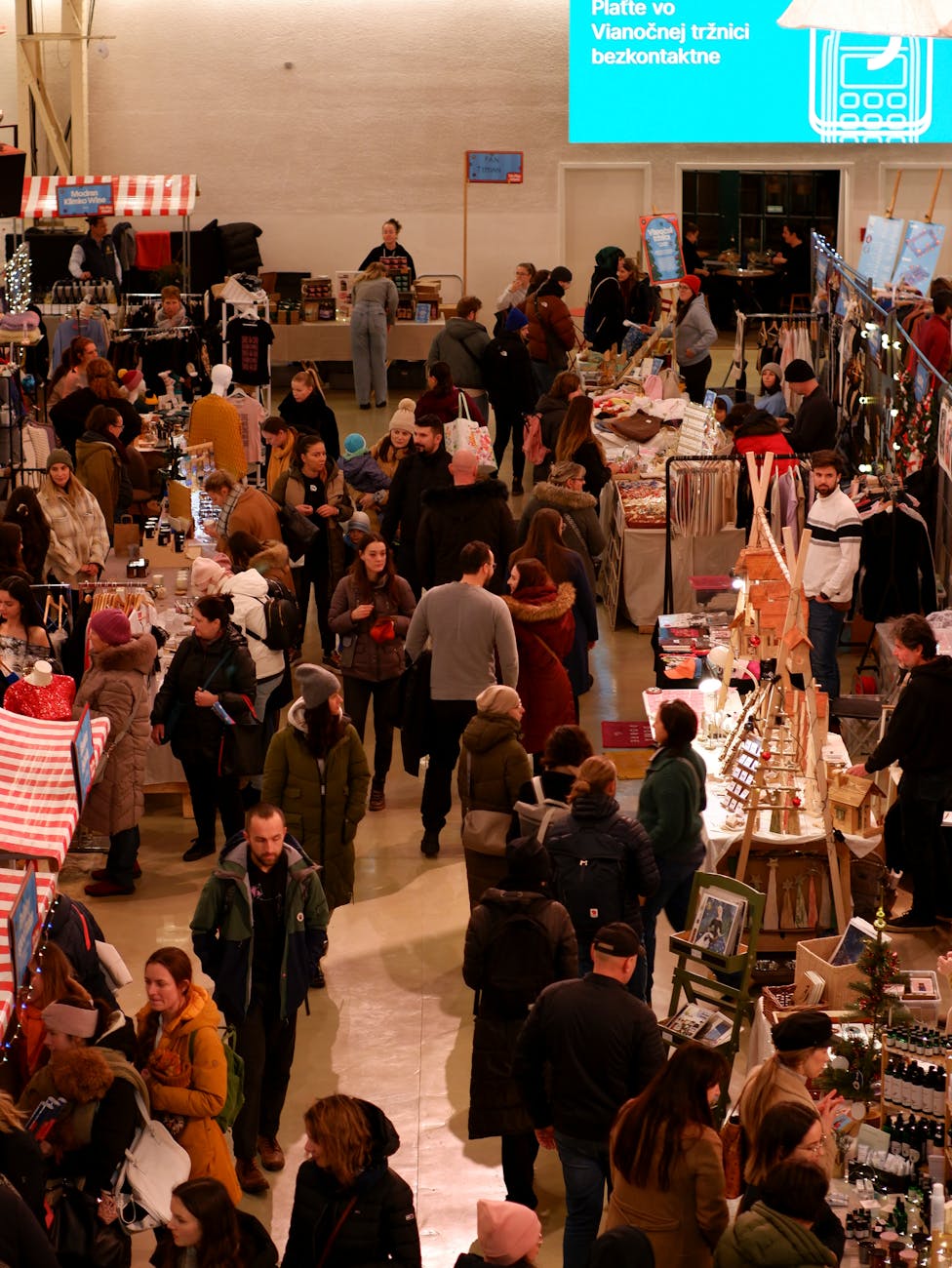
– Prefer family-run pensions, independent cafés, and neighbourhood markets such as Stará tržnica.
– Buy souvenirs from local artisans instead of mass-produced tourist shops.
Low-impact ways to see the city
– Walk or cycle the compact centre; rent city bikes or use e-scooters for short hops when needed.
– Choose trains or coaches for regional trips instead of private car hires whenever practical.
Support cultural preservation
– Respect quiet hours in residential neighborhoods and refrain from loud behavior in historical sites.
– Join small-group or independent guides who pay local taxes and collaborate with community businesses.
Waste and energy
– Carry a reusable bottle and cutlery; many cafés will fill a water bottle free of charge.
– Avoid single-use plastics at markets and tell vendors you prefer minimal packaging.
Common Mistakes to Avoid
1) Trying to treat Bratislava like Vienna. The city is small—plan fewer but richer activities and use regional trains for cross-border sightseeing.
2) Over-relying on cars. Parking is limited and costly; walking, cycling, and public transport are faster and greener.
3) Booking last-minute during high season. Summer weekends fill up; reserve accommodation and any special tours ahead of time.
4) Eating only in tourist traps around the main square. Walk side streets and ask hosts for local bistros to support neighbourhood businesses.
5) Ignoring local currency and payment norms. Slovakia uses the euro; contactless payments are common, but small vendors prefer cash or card without heavy fees.
FAQ
How do I get from Bratislava to Vienna sustainably?
Take the regional train or an eco-coach—trains are frequent, comfortable, and typically take about an hour. Book regional services like ZSSK or RegioJet in advance for the best price and seat choice.
Is Bratislava safe for solo travelers and families?
Yes. Bratislava is generally safe; standard urban cautions apply—watch belongings in crowded areas and avoid poorly lit streets late at night. Emergency services use standard EU numbers.
What languages are widely understood?
Slovak is the official language. Many people in hospitality and shops speak English; German and Czech are also commonly understood, especially among older residents.
Are museums and major sites open year-round?
Most sites are open year-round but with reduced hours in winter. Check opening times for Bratislava Castle, Devin Castle, and museums and book guided tours in advance during summer.
How do I use local public transport tickets?
Buy tickets at kiosks, ticket machines, or official apps; validate them if required—look for validators on board buses or near tram stops. Keep short-trip plans compact to avoid complicated multi-zone fares.
Where can I find authentic Slovak food without the tourist markup?
Ask locals or your accommodation host for neighborhood bistros, try Stará tržnica for market food, and choose daily specials (menu of the day) at family-run restaurants for better value and authentic fare.
Conclusion
Bratislava rewards visitors who slow down, support local businesses, and choose low-impact transport. Use this page alongside our 3 days in Bratislava itinerary to book the right trains, pick neighbourhoods that return revenue to residents, and plan quieter seasonal visits. For cross-border options, see nearby guides for Vienna, Budapest, Prague, Krakow and Košice to design responsible, connected travel in Central Europe.
Plan the Rest of Your Trip
This page works best alongside the main itinerary and the other planning pages for Bratislava.