

3 Days in Birmingham: Practical 72-Hour Itinerary
A candid 3-day Birmingham itinerary with transit, food and budget tips, step-by-step days and realistic costs for planning a practical weekend.
A hard-headed 72-hour plan for Birmingham that prioritises efficient travel, real eating places and neighbourhoods worth the time rather than a scattershot list of attractions.
Expect a working, layered city where canals cut through former factories and modern shopping sits beside Victorian streets. The first impression at New Street station is busy and noisy: trains, trams and shoppers converge, and that intensity continues across the centre. Many visitors assume the centre is compact like a small town; in reality neighbourhoods such as the Jewellery Quarter, Digbeth and Edgbaston feel distinct and require short hops by tram, bus or a 10–25 minute walk between them.
Crowds concentrate at the Bullring and New Street on weekends, while weekday mornings see commuters and closed shops in pockets. The best visits balance museums and indoor highlights with canal walks and an evening food market. This city suits practical travellers who welcome urban variety, efficient trains and serious curry and street-food options rather than those seeking a sleepy, single-core sightseeing route.
Is 3 days in Birmingham enough?
Yes: three days will cover the core museums, the Jewellery Quarter, a canalside walk and a substantial food crawl, with time for one half-day trip (Cadbury World or the Black Country Living Museum). Travellers will have to skip deep-dive day trips further afield or many theatre performances that require evening reservations.
Who This Guide Is For
Best for first-time visitors who like museums, food markets, short urban walks and public transit. Poor fit for travellers wanting a relaxed rural escape or an intensive nightlife crawl where late-night venues are the main draw.
Local Tips for Birmingham
Practical details that most travel sites skip — specific to Birmingham.
- Pick up a West Midlands Swift card at New Street station or order online; contactless payment works on National Express West Midlands buses and most tram services and often saves time during peak hours.
- From Birmingham Airport use the free AirRail Link people mover to Birmingham International station, then a direct West Midlands Railway train to New Street (8–12 minutes); single fares from the airport to city centre by train start around £4–6.
- Plan a Balti in the original Balti Triangle around Ladypool Road and Stoney Lane (Sparkhill/Sparkbrook) where houses like the long-running Asha’s or local independents serve late-evening meals; expect £8–12 per balti dish.
- Digbeth Dining Club runs several nights weekly in the Custard Factory area; individual street-food portions usually cost £6–12 and the event draws queues after 18:30 on popular nights.
- The Library of Birmingham gives free access to the rooftop garden for views over Centenary Square; the adjacent Birmingham Museum & Art Gallery has free entry but special exhibitions can be £6–15.
How This Guide Was Prepared
This guide treats Birmingham as a working city with excellent canals, large post-industrial neighbourhoods and a strong food scene — not a museum-only destination. Many guides over-focus on the Bullring and Cadbury World; the city's character comes from the Jewellery Quarter, canalside craft breweries, and Digbeth’s street-food evenings. This guide was prepared through a structured research that combines destination research, geographic context, itinerary planning logic, and content review.
Plan Your Stay in Birmingham
Use this itinerary as your starting point, then compare areas to stay, transport options, seasonal timing, and realistic daily costs before booking.
Why Visit
The city has concentrated industrial heritage in the Jewellery Quarter where metalworking workshops and museums explain trade networks that shaped modern Britain. The Library of Birmingham and Birmingham Museum & Art Gallery offer free core displays and a rooftop with city views without a major entrance fee. The food scene ranges from the Balti Triangle in Sparkhill to Digbeth Dining Club’s street-food stalls and independent coffee roasters, so culinary diversity is accessible without long travel.
The canals provide an unusually canalside urban walk with restored factory buildings, gastropubs and moored narrowboats around Gas Street Basin. For families or science-curious travellers, Thinktank Science Museum and the National SEA LIFE Centre provide hands-on exhibits and are easy to reach by rail and tram. These concrete strengths—metalwork history, canals, and a strong, affordable food culture—make a compact three-day visit rewarding.

Quick Planning Tips
Fly into Birmingham Airport and use the free AirRail Link to Birmingham International station, then a 10–12 minute West Midlands Railway train to New Street; trains run every 10–20 minutes off-peak. For rail within the region use West Midlands Railway or CrossCountry services between New Street, Moor Street and Snow Hill stations; these three are within a short walk but Moor Street is often less congested.
Buy a Swift card at New Street ticket offices or use the Network West Midlands app for day tickets; contactless card payments work on buses and trams and often give the best single-journey value. Avoid planning multiple timed attractions in the same morning without reserved slots—Cadbury World and Thinktank use timed entries and popular weekend slots sell out. For money, most places accept cards but keep small change (£5–10) for market stalls and narrow cash-only cafes.

Day 1
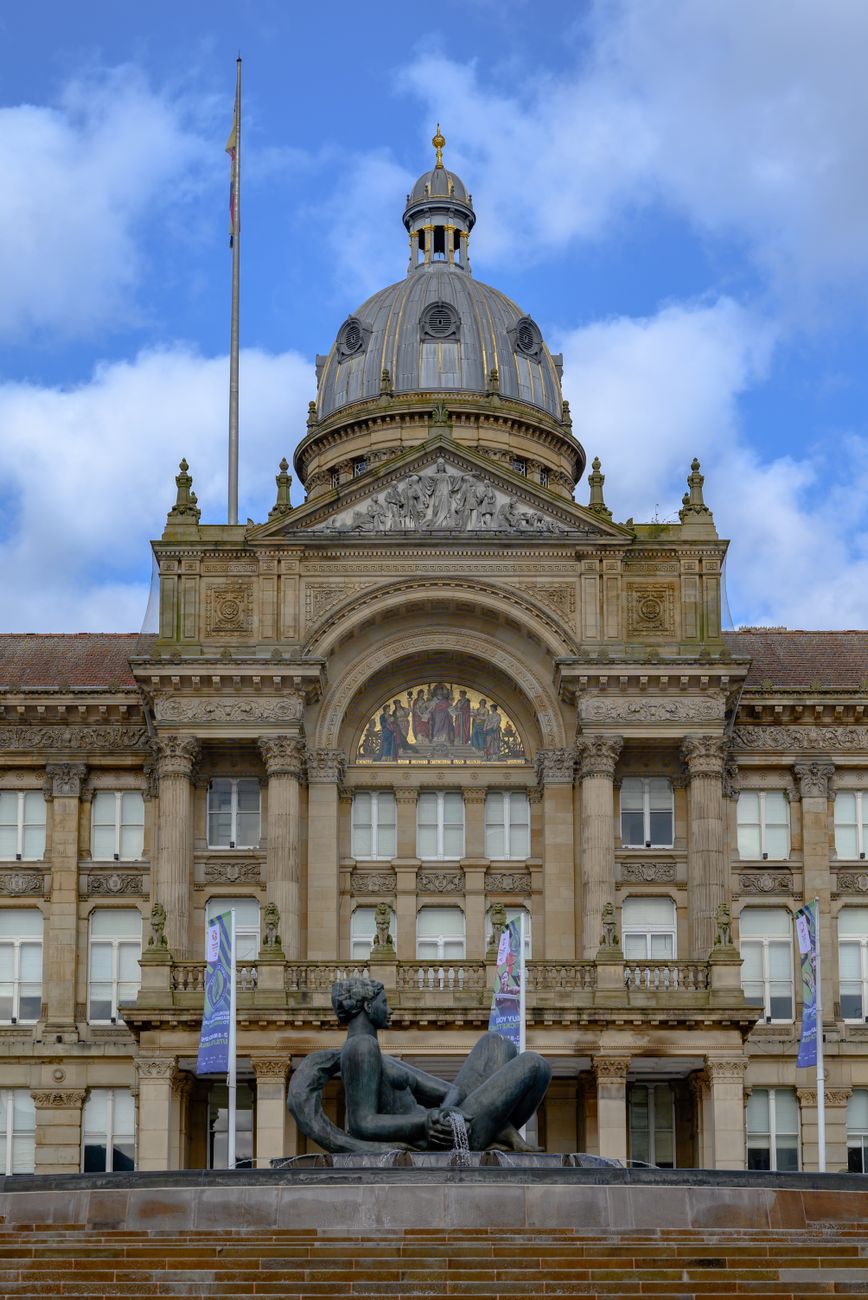
Start at Birmingham Museum & Art Gallery (Chamberlain Square) for Victorian and pre-Raphaelite collections; core galleries are free while special exhibits cost around £6–12. From there walk 5–10 minutes to the Library of Birmingham on Centenary Square for the wood-panelled Shakespeare Memorial Room and the rooftop garden with city views — plan 45–60 minutes. Head to the Bullring and Grand Central (7–12 minute walk) for a quick coffee and to see Selfridges’ dramatic façade.
After lunch walk 10–15 minutes along the canals to Gas Street Basin; follow the canal towpath toward Brindleyplace to see renovated canal warehouses and a cluster of bars. Lunch suggestion: Spanish tapas at OPM in Brindleyplace or an affordable food-hall option in Grand Central, expect £10–18 per person. Late afternoon, cross to nearby Jewellery Quarter (15–20 minute walk from Brindleyplace or 5 minutes by tram to Jewellery Quarter station) to visit the Museum of the Jewellery Quarter and nearby independent workshops.
Dinner recommendation: try a balti in the Balti Triangle (Sparkhill) or a canal-side gastropub in Brindleyplace; a balti meal usually costs £8–14 per person. For the evening, check listings at Symphony Hall or booking slots at the Electric Cinema in the city centre for a later show.
Day 2
Spend the morning in Digbeth and the Custard Factory creative quarter. Take the 11 or 63 bus or walk 20–30 minutes from New Street; the area is heavier on street art, studios and independent shops. Digbeth Dining Club operates several nights and the daytime markets on Saturdays are a good way to sample local street food — allow 2–3 hours for the area and try different stalls, portions usually £6–12 each.
From Digbeth, catch a tram (West Midlands Metro) or a short taxi ride to Birmingham’s historic canals in Gas Street Basin and then walk toward the Jewellery Quarter if any workshops or independent jewellers were missed on Day 1. Alternatively take a 20–30 minute train from New Street to the Black Country Living Museum in Dudley for an open-air industrial heritage experience; allow half a day and expect entry around £18–22 for adults.
Evening options diverge: for a quieter night, book a table at a gastropub in Harborne or Edgbaston (short bus ride on 23/24 routes); for live music check indie venues in Digbeth such as the Rainbow or Hare & Hounds, depending on listings. Travelling between Digbeth and Harborne is easiest by 23 bus or a 15–25 minute taxi ride at night.
Day 3
Start at Thinktank Birmingham Science Museum at Millennium Point; allow 2–3 hours for hands-on galleries and the planetarium. Adult admission is typically around £13–18 depending on temporary exhibits. From there take a 10–15 minute taxi or the 11A bus into the city centre to visit the National SEA LIFE Centre at Brindleyplace if travelling with family — entry often costs £16–20.
Lunch near New Street or Brindleyplace, then allocate early afternoon for a shorter visit to Cadbury World in Bournville if that interests chocolate fans; trains from New Street to Bournville are about 14 minutes and Cadbury World tickets are timed and usually £18–25. For those checking out of accommodation, leave luggage at station lockers (New Street has lockers) or at hotel storage then schedule the afternoon train to the airport from New Street or Birmingham International depending on flight time.
If an afternoon flight is scheduled, prioritise either Thinktank or Cadbury World rather than trying both. End the trip with a canalside stroll from Brindleyplace back toward New Street, or a last meal at the Great Western Arcade where several traditional cafes remain open through early evening.
Best Local Experiences
Digbeth Dining Club nights at Custard Factory for rotating street-food vendors and late queues; portions average £6–12 and it's busiest after 18:30. A Balti in Sparkhill’s Balti Triangle on Ladypool Road or Stoney Lane offers the region’s signature curry experience; expect a communal, informal restaurant setting and dishes from £8–14.
A canalside walk from Gas Street Basin through Brindleyplace to the ICC shows restored industrial architecture and working narrowboats. Visit the Jewellery Quarter and the Museum of the Jewellery Quarter (billing itself as a working shop museum) for metalsmith displays and short guided tours. Attend a concert at Symphony Hall for acoustics and classical programming or check smaller venues in Digbeth and Moseley for contemporary music nights. Lastly, Cadbury World provides a specialist chocolate tour and is a half-day experience that suits families and those with a sweet-tooth.

Where to Stay
City Centre (around New Street/Bullring): Suits first-time visitors who want to be within walking distance of major sights, shops and rail links. Expect mid-range hotels from £80–140 per night (GBP) / roughly €95–165 / $100–175. This area is noisy at night and better for short walks between appointments.
Jewellery Quarter: Suits travellers who prefer smaller boutique hotels, independent cafés and a quieter evening scene while remaining 10–15 minutes from the city centre by foot or tram. Expect £70–120 per night / €82–140 / $90–150. Good for people who want craft workshops nearby.
Digbeth/Custard Factory: Suits younger visitors, culture seekers and food-focused travellers who prioritise evening street food and creative spaces. Accommodation ranges widely from budget hostels at £20–40 to comfortable hotels £60–100 per night / €70–115 / $75–125. Expect more late-night noise on event nights.
Food and Drink
Balti: A stir-fried curry served in a shallow, cast-iron bowl, served with naan or rice; best experienced in the Balti Triangle (Sparkhill) where portions cost £8–14. Bournville chocolate: Cadbury World and local Bournville shops sell supply-brand chocolate and tours; single-entry or tasting experiences cost £5–20 depending on the package.
Brummie bacon sandwich (bacon butty): Thick-cut bacon in a bap available at cafés and markets, expect £3–5 for a simple breakfast version at the Bullring market or independent cafés. Fish and chips: classic pub or takeaway option across Brum; expect £9–13 in a mid-range pub near canals. Indian street-food/chaat: available at Digbeth Dining Club and local markets, portions £4–8 and ideal for sampling several stalls.
Dinner recommendation: try a canalside gastropub in Brindleyplace or a modern British menu at Harborne for a higher-end evening; main courses typically £14–26. For drinks, local breweries and taprooms in Digbeth and Broad Street serve craft beers from £4.50 a pint upwards.
Getting Around
Rail: Birmingham New Street, Moor Street and Snow Hill are the main stations; West Midlands Railway and CrossCountry operate frequent services. Tram: West Midlands Metro (line to Wolverhampton and the Edgbaston extension) links Grand Central area to Centenary Square and further; check stop names like Bull Street and Grand Central for city-centre access.
Buses: National Express West Midlands runs the bulk of local routes; frequent routes include the 11 and the 63 for east–west travel. Ticketing: single bus fares are typically around £2.00–2.50 with contactless; day tickets on the Network West Midlands app are roughly £5–7. Swift card offers pay-as-you-go and season options.
Taxis and rideshares: expect airport taxi fares to the city centre in the £25–35 range; Uber operates widely. Useful apps: Network West Midlands app for tickets and timetables, National Express West Midlands app for bus routes, and Trainline or the West Midlands Railway app for timetables and rail tickets.
Best Time to Visit
Late spring and early autumn (May–June and September) offer the best balance of milder weather (10–20°C typical) and fewer domestic school-holiday crowds. Summer (July–August) is warmer, often 15–23°C, and busier with tourists and festival events, which raises hotel prices on weekends. Winter (November–February) is colder, around 2–8°C, with more rain and shorter daylight; visit in December for seasonal markets but expect crowded shops and higher central prices.
Value travel tends to be better in late January through March when accommodation rates drop and museums are quieter, though weather can be cold and wet. For festival calendars check the Custard Factory and Symphony Hall listings, as certain weekends can make Digbeth or concert tickets harder and pricier to secure.
Budget and Practical Tips
Daily budget (mid-range traveller): Accommodation £80–120, food £25–45, local transport £6–10, entries/activities £10–25; total roughly £120–200 per day (GBP). In euros and dollars that approximates €140–235 and $150–250 per day using standard exchange ranges. Budget travellers using hostels and cooking can drop accommodation to £20–40 and aim for £40–60 per day total.
Tipping: Restaurants generally add service directly on rare occasions; otherwise leave 10–15% for table service if not included. Taxis are typically rounded up or given 10% for convenience. Practical tip: many museums have free core galleries but ticketed special exhibits; check timed-entry requirements online before arrival. Keep a small amount of cash for market stalls and smaller cafés that prefer cash.
FAQ
Is Birmingham safe for solo travellers?
Yes, central areas and main transit hubs are generally safe during daytime; use normal city precautions at night in areas with late venues and stick to well-lit routes.
How do I get from Birmingham Airport to the city centre?
Use the free AirRail Link to Birmingham International station then a direct West Midlands Railway train to New Street (8–12 minutes); taxis cost about £25–35 depending on traffic.
Is a city card or pass worth buying?
The Network West Midlands day tickets cover buses, trams and some local trains and are useful if making multiple journeys; specific attraction passes are rarely worth it unless planning Cadbury World plus several paid museums on the same day.
Can I use contactless payment everywhere?
Contactless cards are accepted on most buses and trams and at major attractions and shops, but carry small cash for market stalls and some independent cafés.
Are museums free?
Major institutions like Birmingham Museum & Art Gallery offer free core displays, but special exhibitions and certain attractions like Thinktank and Cadbury World charge admission.
Is the Balti Triangle still authentic?
Yes; Sparkhill and parts of the Balti Triangle retain long-standing balti houses and independents, though some high-profile restaurants have changed ownership—look for busy, local clientele and late opening hours.
Is the tram useful for sightseeing?
The West Midlands Metro is handy for reaching Centenary Square, the Jewellery Quarter and connecting toward Wolverhampton; it complements walking and short bus hops.
Where to leave luggage when checking out but staying into the evening?
New Street station has luggage lockers and many hotels offer storage for departing guests; confirm with reception about late pick-up times.
Conclusion
A three-day visit offers a useful cross-section: museums and the Library for indoor time, the Jewellery Quarter and canal walks for local character, and Digbeth or the Balti Triangle for food. Most travellers will remember the canalside contrasts and the strong curry scene more than any single museum. If time runs short, prioritise a canalside walk plus either a Digbeth food evening or a focused museum visit such as Thinktank or the Museum of the Jewellery Quarter — that combination gives a clear sense of the city without overpacking the schedule.
How this guide was prepared
This guide was prepared through a structured research that combines destination research, geographic context, itinerary planning logic, and content review.