
Responsible Travel Guide to Playa del Carmen
Practical, local-first advice for low-impact, authentic travel in Playa del Carmen — neighborhood tips, seasonal guidance, sustainable tours, and how this support page links to our 3 days in Playa del Carmen itinerary.
How to enjoy Playa del Carmen respectfully and sustainably: where to stay, how to travel, what to book, and simple actions that put money into local hands while protecting reefs and cenotes.
Quick Answer
How to enjoy Playa del Carmen respectfully and sustainably: where to stay, how to travel, what to book, and simple actions that put money into local hands while protecting reefs and cenotes.
Who This Page Is For
This page is for travelers planning a stay in Playa del Carmen who want clearer decisions about responsible travel, local logistics, timing, budgeting, and practical trip planning.
How This Page Was Prepared
This page was prepared through a structured editorial workflow that combines destination research, geographic context, and practical travel-planning review.
Plan the Rest of Your Trip
Use this page together with the full itinerary and the related planning pages below to make better booking, timing, transport, and budget decisions.
If you have 3 days in Playa del Carmen, prioritize small-group reef snorkeling or a certified diving operator, an early-morning cenote visit, and walking the Centro neighborhoods to eat at local fondas and market stalls. Book reef and cenote tours in advance for shoulder-season dates, choose operators that use mooring buoys and reef-safe practices, and prefer locally owned hotels or guesthouses in Centro or Playacar.
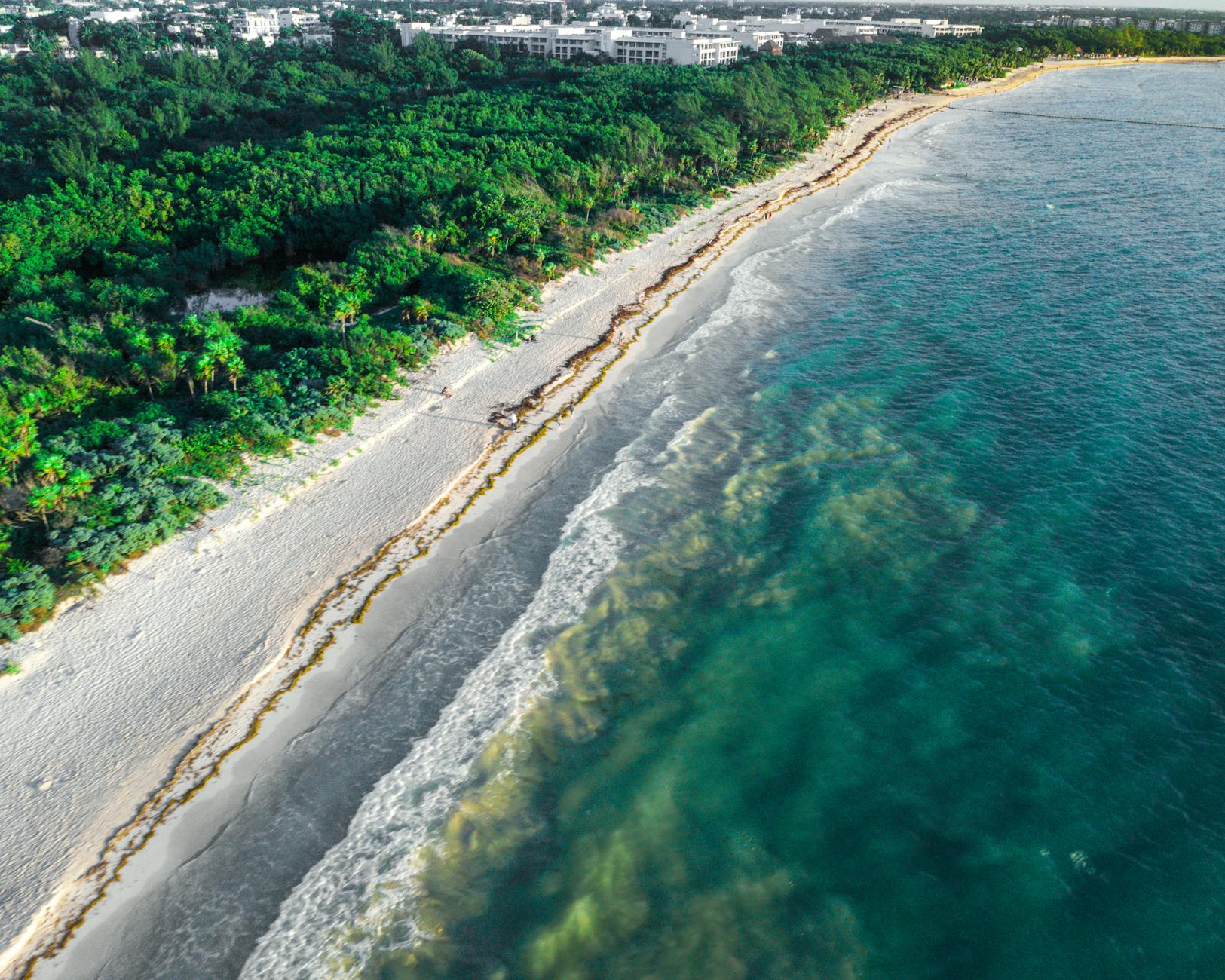
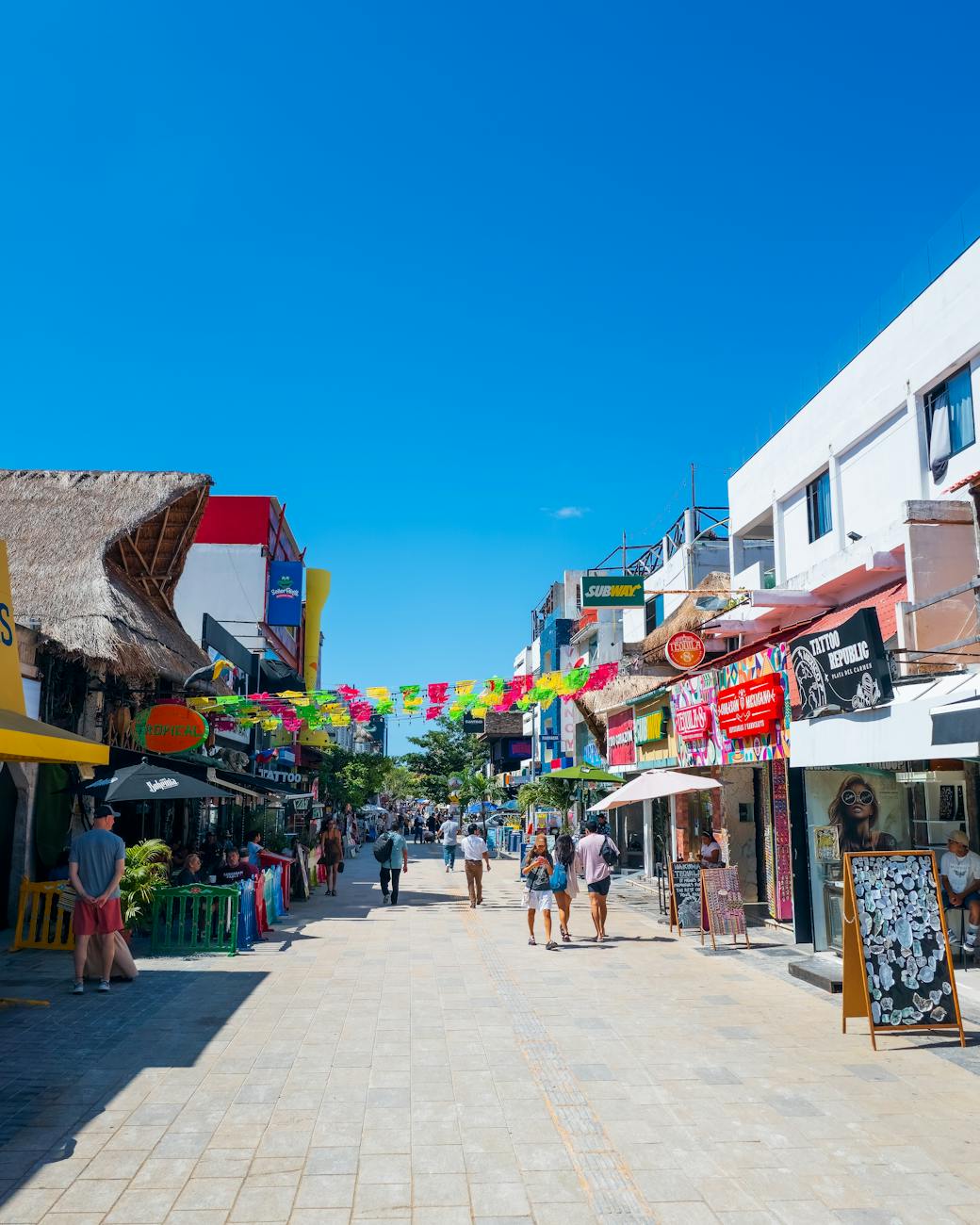
Playa del Carmen is a compact, walkable coastal town on the Riviera Maya known for beaches, cenotes, and a lively pedestrian spine (Quinta Avenida). This page is a practical companion to our main itinerary, 3 days in Playa del Carmen, and focuses on making choices that support local businesses and reduce environmental impact. Expect a mix of beachfront tourism and quieter residential neighborhoods like Centro and Playacar, plus easy boat access to Cozumel and land links to places such as Cancun and Merida.
What This Page Helps You Decide
Use this page to plan low-impact daily choices that pair with the 3 days in Playa del Carmen itinerary. It helps you decide:
- Where to base yourself (Centro for walkability; Playacar for quiet and access to nature)
- Which tours to book early (reef snorkeling, certified cenote visits, Río Secreto)
- How to move between nearby cities (ferry, ADO buses, shared vans, or flights)
- How to spend money locally (markets, family-run restaurants, local guides)
These decisions reduce environmental pressure, keep more income in the community, and create more authentic experiences.
Top Recommendations
Practical top picks for responsible travel in Playa del Carmen:
- Book a small, certified snorkeling or diving operator that uses mooring buoys and practices no-touch reef policies.
- Visit a cenote early in the day (e.g., Cenote Chaak Tun or nearby lesser-known cenotes) to avoid crowds and reduce wear on fragile sites.
- Eat at municipal market stalls and family-run fondas in Centro to support local livelihoods.
- Stay in small locally owned hotels, guesthouses, or eco-lodges — Playacar and Centro have options within walking distance of sights.
- Use colectivos, local ADO buses, or the public ferry to Cozumel to limit car use between destinations.
Also see our 3 days in Playa del Carmen itinerary for a schedule that integrates these choices.
Local Context
Neighborhoods and patterns:
- Centro (downtown): pedestrian-friendly, markets, casual eateries, and the busiest stretch of Quinta Avenida. Best for walking and short trips.
- Playacar: gated, greener, quieter; good for family stays or travelers wanting lower-impact beachfront access.
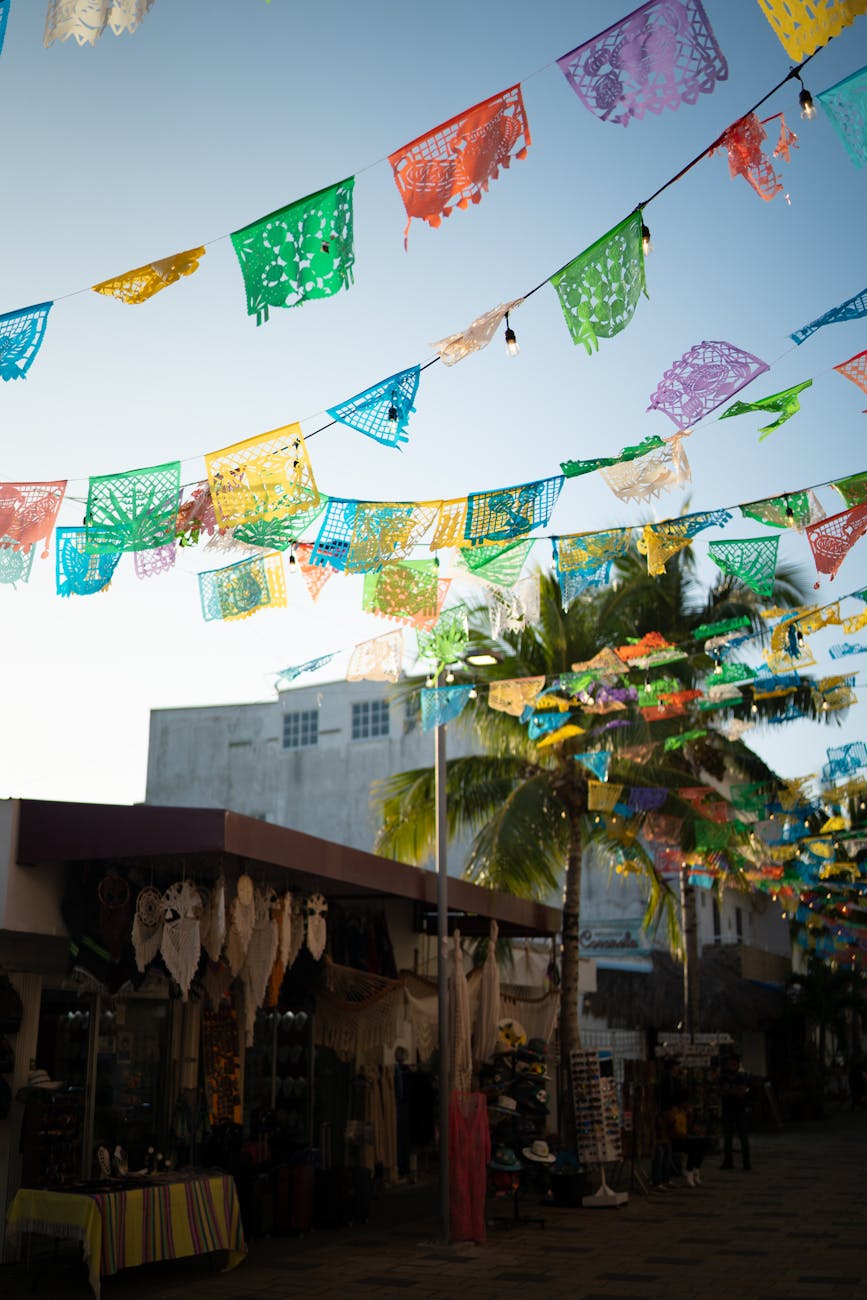
- Waterfront and Parque Fundadores: central gathering spots and cultural displays; expect buskers and souvenir stalls.
Seasonal realities:
- High season: December–April (driest, busiest, higher prices).
- Shoulder months: November and May (good compromise: fewer crowds, lower rates).
- Rain and hurricane season: June–November — short heavy rains, some operators reduce trips around storms.
Transport realities:
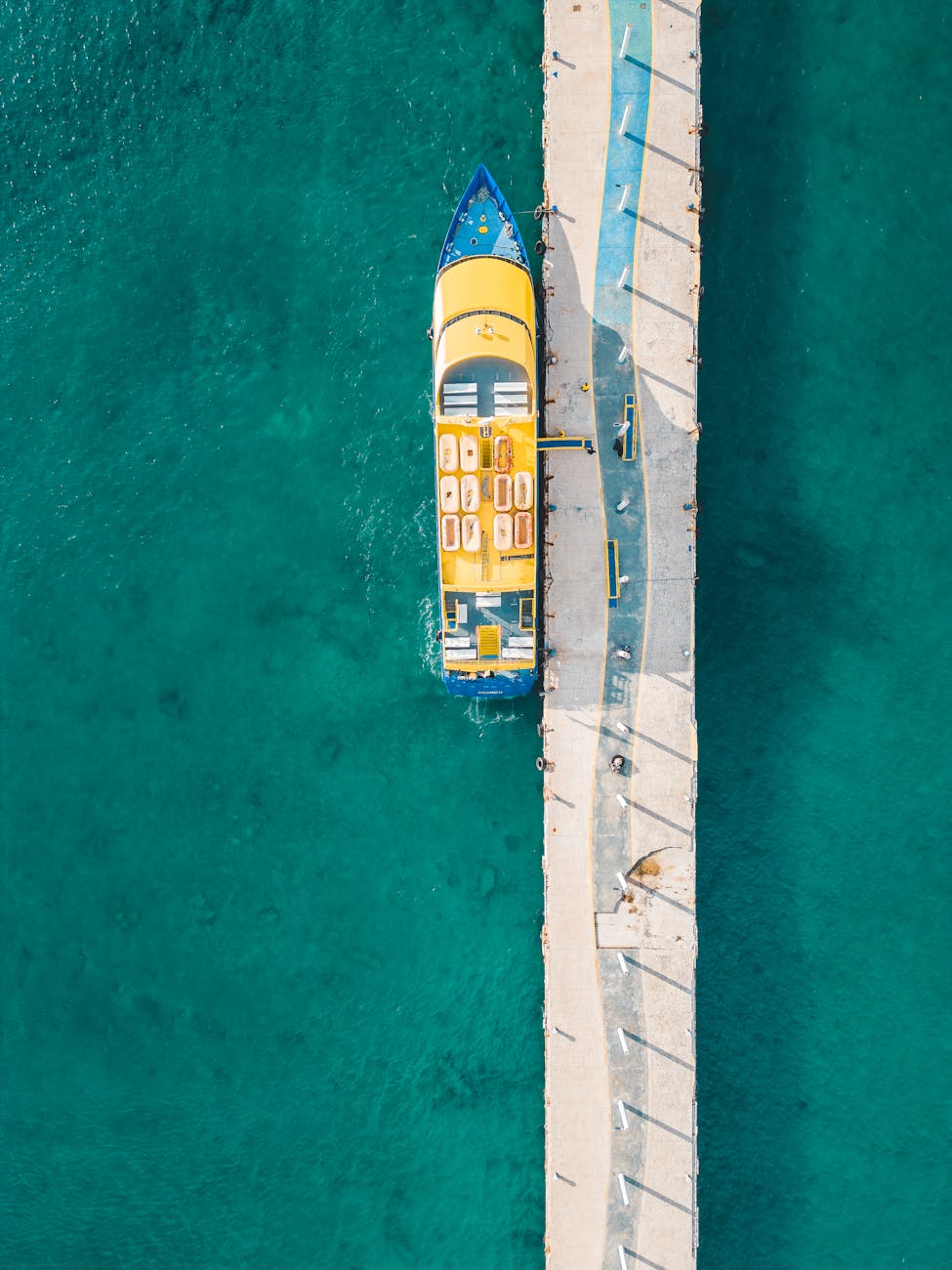
- Ferries to Cozumel run frequently from the terminal near the beach; buy tickets in advance in high season.
- ADO buses connect to Cancun, Merida, Campeche, Villahermosa and farther; book long-distance tickets ahead of holidays.
- Taxis and colectivos operate around town; agree on fares or use metered taxis where available.
How to Choose Well
Choose tours, lodging, and experiences that minimize harm and maximize benefit to the local community:
- Tours: Ask about group size, mooring buoys (for reefs), reef-safe sunscreen policies, and whether operators contribute to local conservation. Prefer small-group or family-run operators.
- Cenotes: Visit managed cenotes with clear capacity limits and follow staff instructions. Avoid popular spots at midday; book early slots.
- Accommodations: Prioritize locally owned hotels and family run guesthouses. Look for properties that limit single-use plastics and hire local staff.
- Eating: Favor mercados, fondas, street vendors with visible turnover, and restaurants sourcing local ingredients.
- Transport: Use colectivos, bicycle rentals, or walk when feasible. For intercity travel, choose buses (ADO) or shared shuttles over short-haul flights when time allows.
Booking advice:
- Reserve reef and cenote tours a week or more in advance during high season.
- Read recent user reviews focused on sustainability practices and safety.
- Check cancellation policies and weather-related change terms, especially in the rainy season.
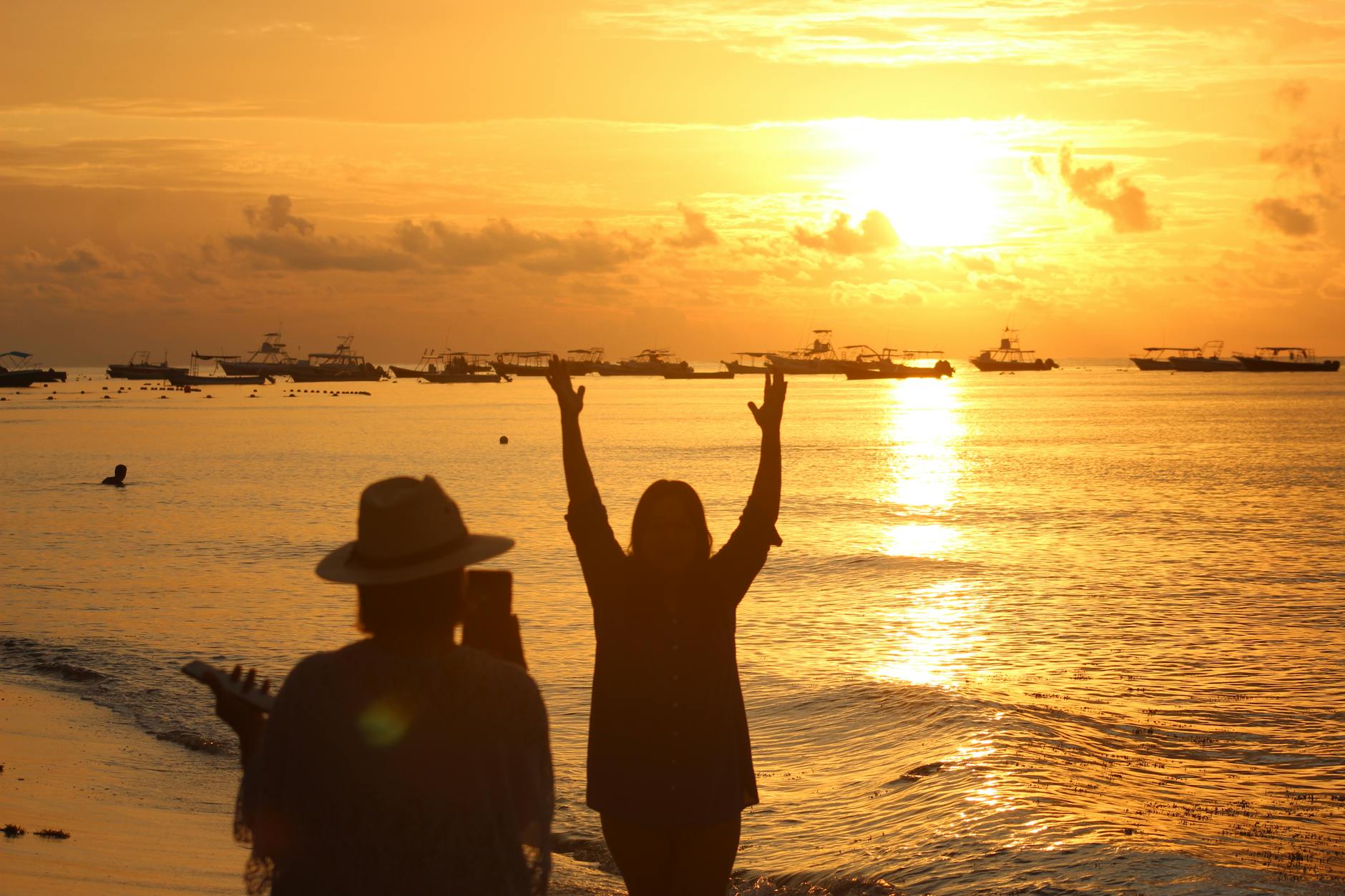
Responsible and Local-First Tips
Small choices that add up:
- Use reef-safe sunscreen and avoid lotions that can harm coral; rinse before entering cenotes if instructed.
- Bring a refillable water bottle; many cafes and hotels will refill filtered water.
- Carry small bills for markets and tipping local staff; tipping is customary for good service.
- Shop at local craft cooperatives and stalls off Quinta Avenida to ensure artisans receive fair prices.
- Respect wildlife: do not feed animals, avoid approaching nesting sea turtles (May–Oct), and follow signs in protected areas.
- Support local guides and conservation groups when you can — many offer meaningful shore excursions with conservation fees that are reinvested locally.
These habits help keep tourism regenerative rather than extractive.
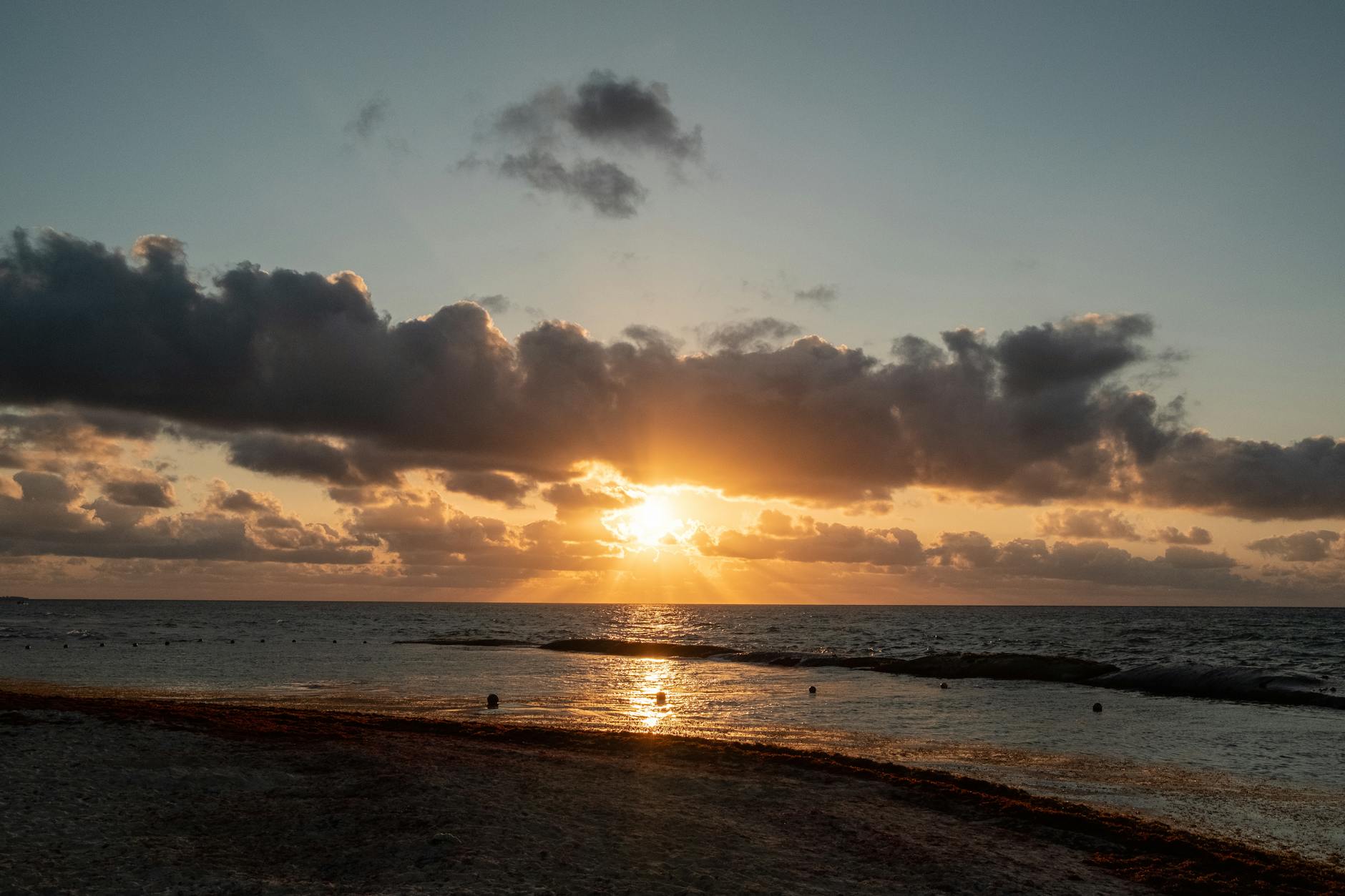
Common Mistakes to Avoid
Frequent pitfalls and how to avoid them:
- Booking the cheapest mass tour without checking environmental practices — ask about group size and reef rules.
- Visiting cenotes at peak midday without a reservation — leads to overcrowding and degraded experiences.
- Staying only in large international resorts and eating only inside them — this funnels money away from local businesses.
- Using sunscreen that harms coral or wearing sunscreen while diving/snorkeling where it’s prohibited.
- Assuming taxis are metered; agree on a fare up front or use recommended apps/operators.
Avoid these to have a smoother, more responsible trip and to keep more economic benefit in the community.
FAQ
Is Playa del Carmen safe for solo travelers?
Playa del Carmen is generally safe in tourist areas during the day. Use normal precautions: avoid poorly lit streets late at night, keep valuables secure, and use licensed taxis or app services for late transfers.
How do I get to Cozumel or Cancun from Playa del Carmen?
The main ferry to Cozumel departs from the terminal near the beach; buy round-trip tickets in advance in high season. ADO buses and colectivos connect Playa del Carmen to Cancun and farther destinations; for Merida, Campeche, Villahermosa or San Cristobal de Las Casas plan overnight buses or check flights from Cancun.
When is the best time to visit to avoid crowds and support local businesses?
Shoulder months (November and May) balance fewer crowds and decent weather. Visiting outside peak winter (Dec–Apr) reduces pressure on reefs and local services and can spread income through the year.
How can I responsibly visit a cenote or the reefs?
Book a small-group operator, arrive early, follow staff instructions, avoid applying sunscreen before entering sensitive waters unless it’s reef-safe, and never touch or stand on coral.
Should I tip guides and service staff?
Yes. Tipping is customary for guides, drivers, and restaurant staff; small tips help local incomes. Carry small bills for markets and casual services.
How can I link this visit with nearby cities?
Use ADO buses or shared shuttles to Cancun or Merida, ferries to Cozumel, and consider combining this guide with the 3 days in Playa del Carmen itinerary before traveling on to Merida, Campeche, Villahermosa, or San Cristobal de Las Casas.
Conclusion
Playas del Carmen’s compact scale makes responsible travel easy: walk, eat local, choose certified operators, and visit sensitive sites at off-peak times. Use this page with the 3 days in Playa del Carmen itinerary to plan an experience that supports local people and protects reefs, cenotes, and coastal wildlife. Small, local-first choices make for better memories and a healthier Riviera Maya.
How this guide was prepared
This guide was prepared through a structured research that combines destination research, geographic context, itinerary planning logic, and content review.