
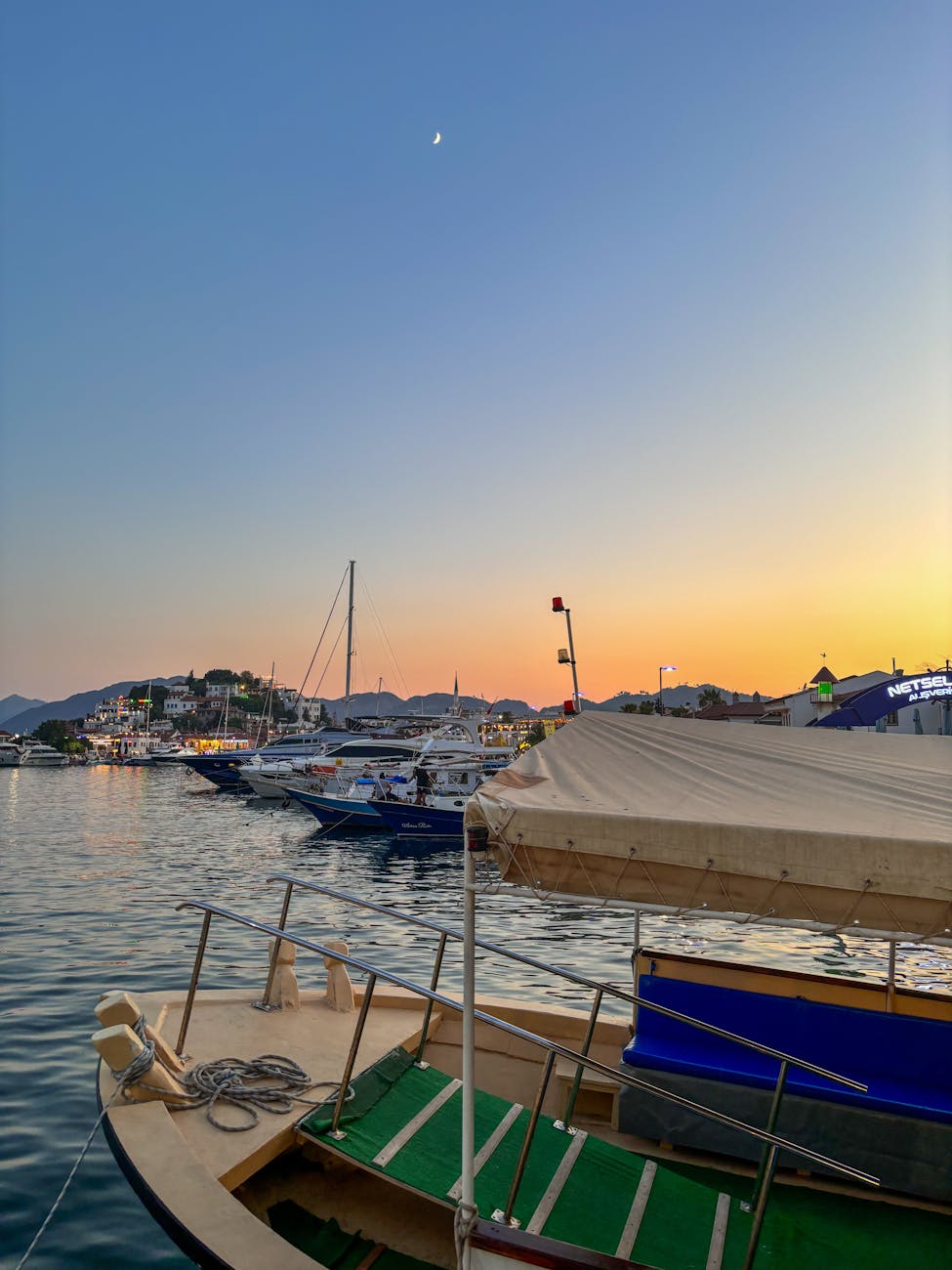
Marmaris Travel Budget: Practical Costs & Low-Impact Tips to Plan Your 3-Day Trip
Real-world budget guidance for Marmaris (Turkey): daily cost ranges, transport realities (Dalaman airport, dolmuş), neighborhood choices (Old Town, İçmeler), sustainable tips, and booking advice to support a 3-day Marmaris itinerary.
A concise, local-first cost guide to Marmaris that helps you pick neighborhoods, estimate daily expenses, and choose low-impact options for a 3-day visit. Includes transport realities, seasonal price notes, and tips to support local businesses.
Quick Answer
A concise, local-first cost guide to Marmaris that helps you pick neighborhoods, estimate daily expenses, and choose low-impact options for a 3-day visit. Includes transport realities, seasonal price notes, and tips to support local businesses.
Who This Page Is For
This page is for travelers planning a stay in Marmaris who want clearer decisions about travel budget, local logistics, timing, budgeting, and practical trip planning.
How This Page Was Prepared
This page was prepared through a structured editorial workflow that combines destination research, geographic context, and practical travel-planning review.
Plan the Rest of Your Trip
Use this page together with the full itinerary and the related planning pages below to make better booking, timing, transport, and budget decisions.
Typical per-person daily budget (includes accommodation, food, local transport, and a modest activity):
– Backpacker / budget traveler: roughly €25–€45 per day (shared dorms, street food, dolmuş).
– Mid-range traveler: roughly €50–€120 per day (private rooms, sit-down meals, occasional paid tours).
– Comfort traveler: roughly €120+ per day (higher-end hotels, private transfers, guided excursions).
Best value seasons: shoulder seasons (April–June and September–October) balance pleasant weather, open services, and lower prices. High season (July–August) is busiest and more expensive; many businesses scale back or close in winter.
This page is a practical cost and decision guide to support your main 3-day Marmaris itinerary. It focuses on realistic daily budgets, neighborhood trade‑offs, transport realities (Dalaman airport, dolmuş minibuses, intercity buses and ferries), and straightforward ways to keep spending local and low-impact. Use this alongside the 3 days in Marmaris guide to turn an outline into bookings that match your budget and values.
What This Page Helps You Decide
Use this page to make fast, practical choices that match your itinerary and budget:
– Where to stay (Old Town for walkability; İçmeler for quieter beaches; Armutalan for cheaper rooms)
– How to get to Marmaris from Dalaman Airport and whether a shared shuttle or private transfer makes sense
– Whether to book boat trips or shore excursions in advance or with a local operator
– How to allocate your daily budget between food, transport, and tours
– Which nearby day trips and intercity hops (Bodrum, Fethiye, Kuşadası, İzmir, Kemer) fit your budget and time
If you’re following our 3 days in Marmaris itinerary, use these cost rules to package nights, transfers, and one or two local excursions.

Top Recommendations
Neighborhood and lodging:
– Stay in Eski Marmaris (Old Town) or near the marina to cut taxi costs and keep walking access to the main sights.
– For quieter, more budget-friendly stays, consider İçmeler or Armutalan — good dolmuş links to the center.
Transport and transfers:
– Book shared Dalaman shuttles in advance for better prices; expect 60–120 minutes travel time depending on traffic.
– Use dolmuş minibuses for short hops (frequent and cheap) and reserve taxis for late-night rides or heavy luggage.
Eating and daily life:
– Favor family-run lokantas for affordable, local meals (home-style plates are cheaper than tourist restaurants).
– Buy fruit, snacks, and picnic supplies at the bazaar or local markets to save on lunches during excursions.
Booking tours and day trips:
– For short boat trips and coastal excursions, compare small local operators in the marina with prebooked options. Local operators often offer better prices and more flexible, lower-impact routes.
Money and payments:
– Keep some Turkish lira (TRY) for market stalls and dolmuş; cards are widely accepted in hotels and larger restaurants but small vendors prefer cash.

Local Context
Seasonality and services:
– Peak season is July–August: hot weather, crowded beaches, and higher prices. Shoulder months (Apr–Jun, Sep–Oct) have warm weather, fewer crowds, and many businesses fully open. Winter months see reduced services and some hotels close.
Transport realities:
– Dalaman Airport is the closest international gateway; shared shuttles and private transfers are common. Intercity buses connect Marmaris to Fethiye, Bodrum and İzmir; travel times vary with road conditions.
– Ferry service to nearby Greek islands (Rhodes) and coastal connections can be seasonal; check current timetables before planning.
Local etiquette:
– Dress conservatively when visiting mosques and religious sites; remove shoes where asked.
– Bargaining: polite haggling is normal in open markets for souvenirs, less so in fixed-price shops and cooperatives.
Local economy:
– Marmaris depends on small hotels, boat operators, and seasonal workers; choosing family-run businesses and independent guides keeps money local.

How to Choose Well
Match choices to what matters most and the 3-day plan:
– If your days are mostly walking and short boat trips, prioritize a central Old Town or marina hotel to save on transfers.
– If beach time and calmer evenings matter, prioritize İçmeler for sand and a quieter atmosphere.
– If you plan intercity hops (Bodrum, Fethiye, Kuşadası, İzmir), pick accommodations near the Otogar (bus station) for morning departures.
Booking tips:
– Book accommodation with a flexible cancellation policy in shoulder season; in high season, reserve early for best value.
– For Dalaman transfers, compare round-trip shuttle offers versus one-way private transfers; add buffer time for airport delays.
– For boat excursions, ask about group size, life jackets, and environmental practices before booking — smaller, licensed operators often run quieter, less crowded trips.

Responsible and Local-First Tips
Simple choices that steer tourist spending to local people and reduce impact:
– Eat local: prefer lokantas, fish markets and bakeries over international chains.
– Book small boat operators and independent guides; ask about permits and how they dispose of waste.
– Use refillable water bottles; many hotels provide filtered stations or will refill on request.
– Avoid plastic souvenirs made from protected shells or corals; buy handcrafts from local artisans.
– Travel by dolmuş or shared shuttle when possible to reduce emissions; walk short distances to discover neighborhoods.
– Support community tourism: visit local markets, social cooperatives, and family-run pension houses where your money directly supports residents.

Common Mistakes to Avoid
- Booking last-minute in July–August without expecting high prices or sold-out rooms.
- Choosing a hotel near Bar Street if you want quiet nights — nightlife areas are noisy until late.
- Assuming ferries to nearby Greek islands run daily year-round; check seasonal timetables and passport/visa rules.
- Relying only on cards for small purchases — bring enough TRY for dolmuş rides and market stalls.
- Paying for a private boat or tour without asking about group size and environmental practices.
- Not checking whether a ‘cheap’ deal is an all-inclusive hotel that keeps guests on property; if you want to spend locally, choose half-board or room-only options.
FAQ
How much should I budget for transfers from Dalaman Airport to Marmaris?
A shared shuttle or airport transfer booked in advance is often the best value; expect roughly €10–€30 per person depending on season and whether you prebook. Private transfers cost more but are convenient for late arrivals or groups.
Are dolmuş minibuses safe and easy to use?
Yes. Dolmuş are frequent between Marmaris center, İçmeler and Armutalan. They’re inexpensive, but bring small change and confirm the final stop with the driver if you have luggage.
What’s the cheapest way to eat locally?
Choose lokantas or family-run restaurants (set plates, pide, gözleme) and buy snacks at the local market. These options are both affordable and keep money in the local economy.
Can I extend from Marmaris to Rhodes or Bodrum cheaply?
Ferries to Rhodes are seasonal and require passport checks; book ahead in summer. Intercity buses and dolmuş to Bodrum and Fethiye are budget-friendly; travel times depend on road conditions.
When is the best time to visit for lower prices but good weather?
April–June and September–October offer warm weather, open services, and lower prices than peak summer.
Is Marmaris safe for solo travelers and families?
Marmaris is generally safe. Use normal precautions at night, secure belongings on crowded beaches and boats, and keep an eye on children near water. Choose centrally located, well-reviewed accommodation for convenience.
Conclusion
Use these cost ranges and practical tips to align bookings with your 3-day Marmaris plan. Favor shoulder-season dates for better value, choose central or İçmeler lodgings depending on your priorities, and prefer local operators and family-run restaurants to keep your travel spending sustainable. For a day-by-day plan that uses many of these budget choices, see our 3 days in Marmaris itinerary. Consider short extensions to Bodrum, Fethiye, Kuşadası, İzmir or Kemer if you have more time.
How this guide was prepared
This guide was prepared through a structured research that combines destination research, geographic context, itinerary planning logic, and content review.