
3 Days in Oviedo: A Practical Itinerary
Discover Oviedo in 3 days: compact itinerary for museums, pre‑Romanesque churches, sidra bars, Monte Naranco views and smart transit tips for a weekend break.
A focused 3-day plan to explore Oviedo’s cathedral, pre‑Romanesque sites, lively sidra streets and leafy parks, plus where to eat, sleep and travel efficiently.
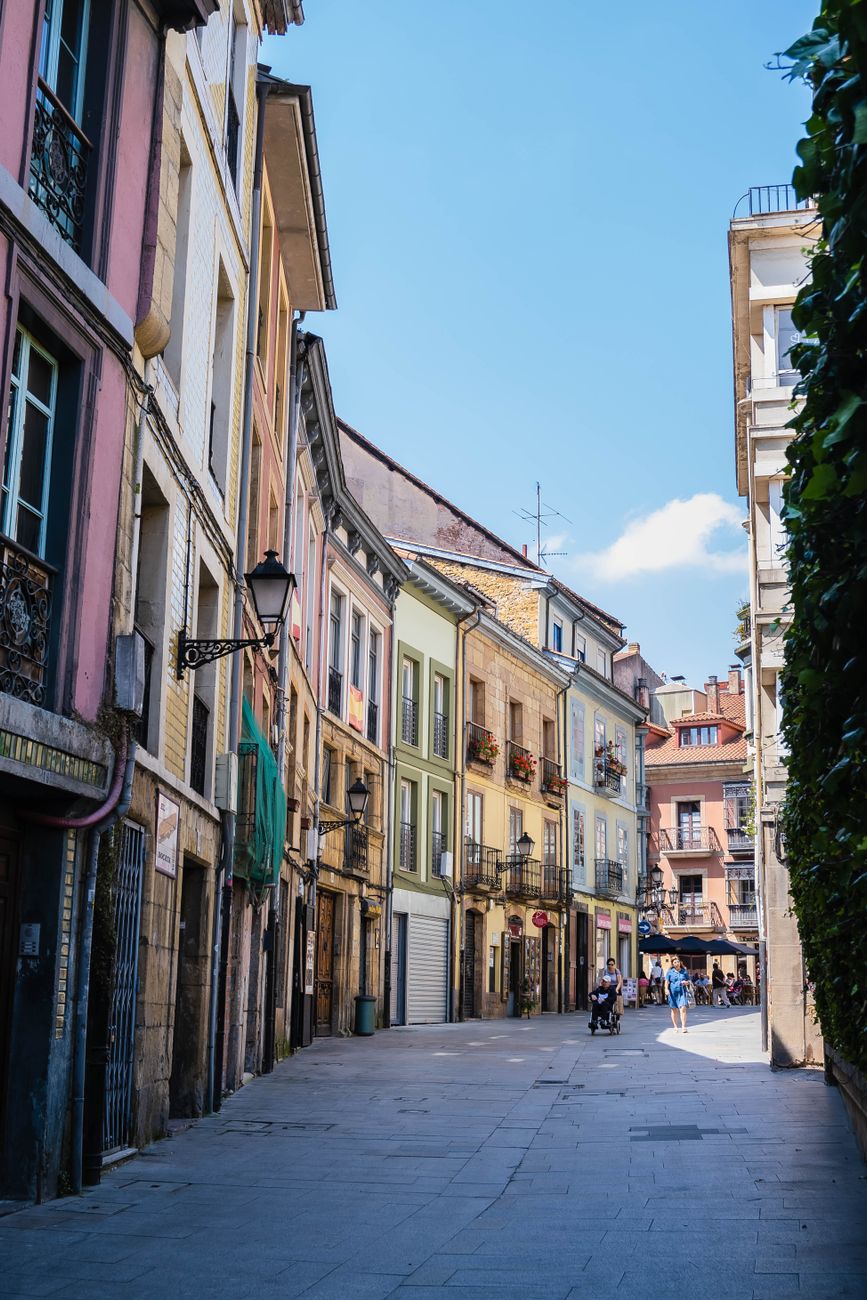
Oviedo is a compact, elegant regional capital that mixes leafy parks, a walkable old town and unique pre‑Romanesque monuments on the nearby hills. It suits travelers who want history, museums, short scenic walks and genuine Asturian food without the crowds of bigger cities. Three days gives enough time to see the cathedral and old town, visit the Monte Naranco churches and a couple of museums, sample sidra on Gascona and leave room for a relaxed day trip or slow markets. The pace is ideal for a weekend break or a short cultural escape from northern Spanish hubs.
Quick Answer
A focused 3-day plan to explore Oviedo’s cathedral, pre‑Romanesque sites, lively sidra streets and leafy parks, plus where to eat, sleep and travel efficiently.
Who This Guide Is For
This guide is best for first-time visitors, couples, solo travelers, and anyone planning 3-day city break, city itinerary, weekend break in Oviedo with a balance of highlights, local character, and reasonable spending.
How This Guide Was Prepared
This guide was prepared through a structured editorial workflow that combines destination research, geographic context, itinerary planning logic, and practical travel review.
Plan Your Stay in Oviedo
Use this itinerary as your starting point, then compare areas to stay, transport options, seasonal timing, and realistic daily costs before booking.
Why Visit
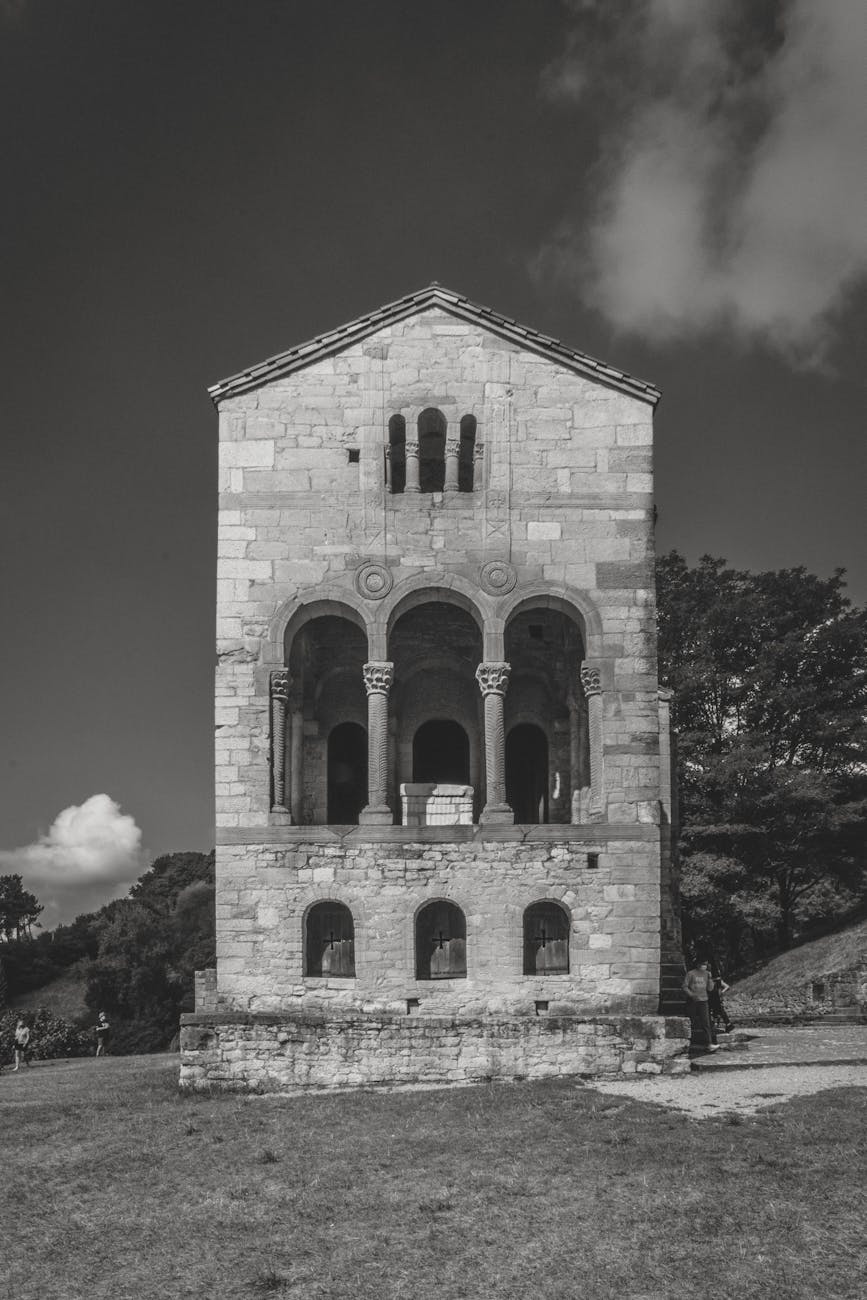
Historic architecture and pre‑Romanesque churches set this place apart from other regional capitals. Museums are compact but high quality, and local gastronomy—especially cider and hearty Asturian dishes—creates memorable meals. The walking distances are short, making sightseeing efficient, and Monte Naranco gives quick access to sweeping views and early medieval monuments. It’s also a practical base for nearby coastal Gijón or longer rail journeys north and west.
Quick Planning Tips
Book a centrally located hotel in the Old Town or near Campo de San Francisco to maximize walking time. Reserve museum tickets for the Museum of Fine Arts and Archaeological Museum during high season. Bring a waterproof layer—northern Spain can be changeable. Carry cash for small sidra houses, though many accept cards. Allow flexible time on day three for a short trip to Gijón or a relaxed market morning.
Day 1
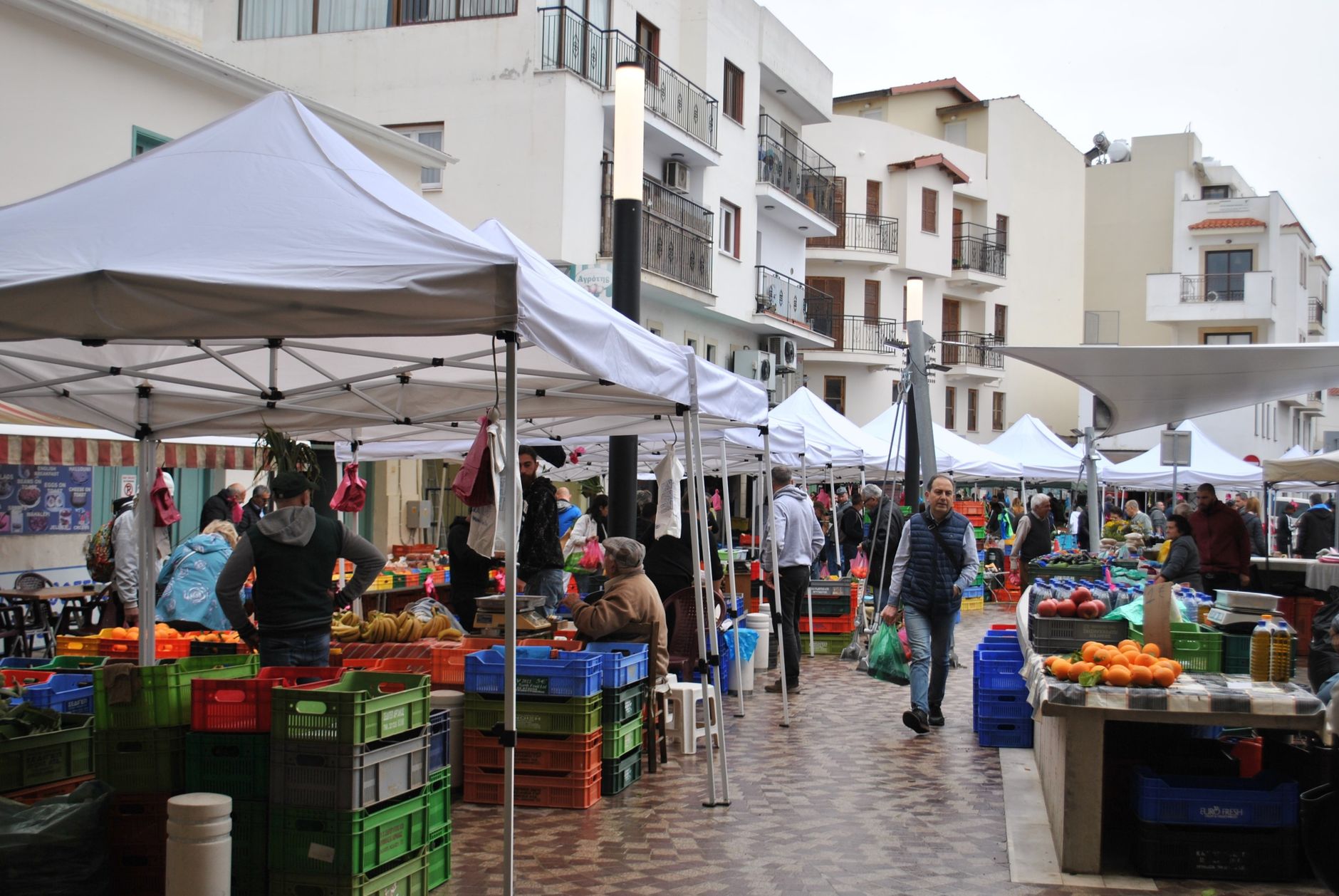
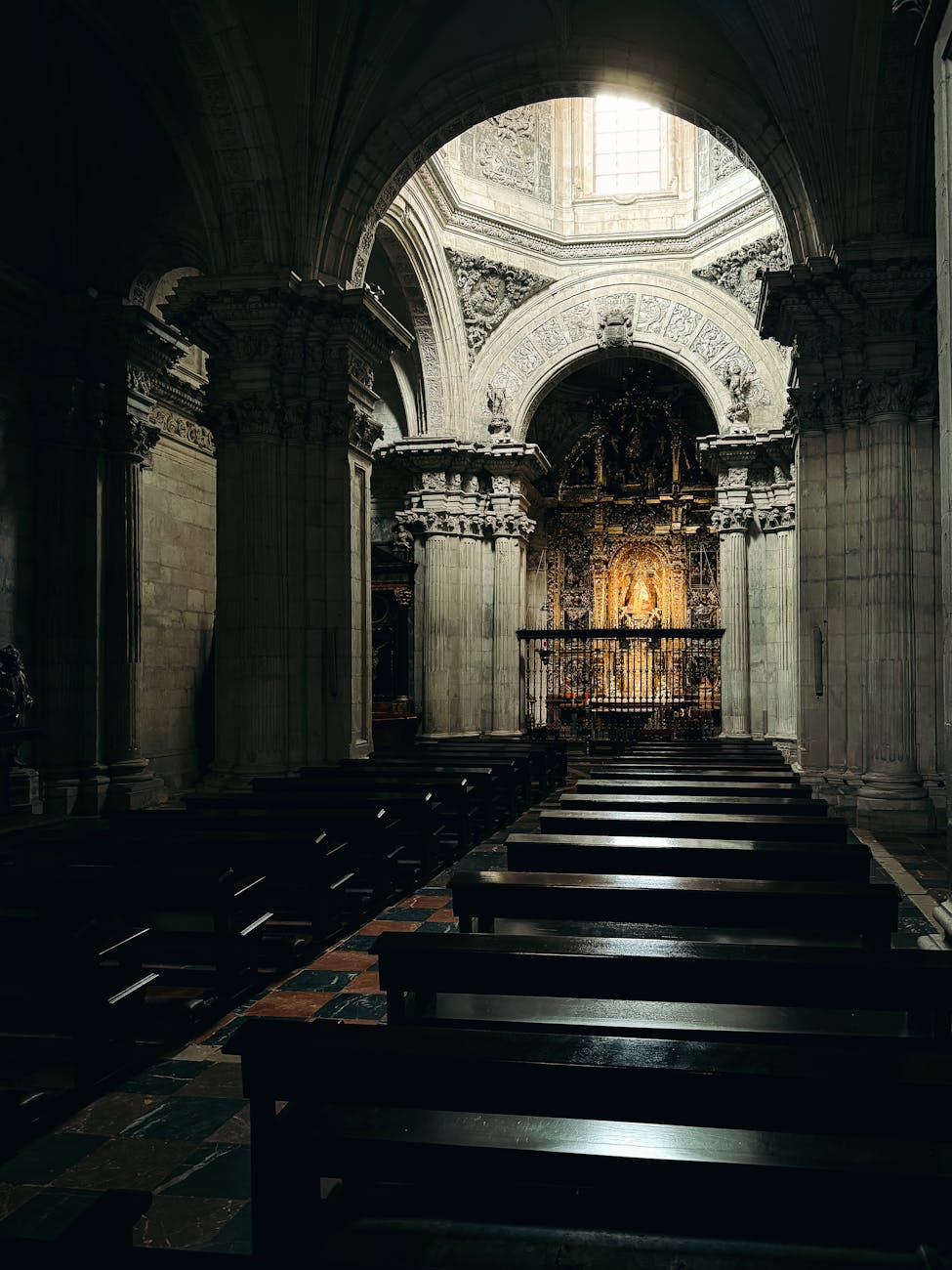
Morning: Start at the Cathedral of San Salvador to see the Camara Santa treasury and climb the tower if open. Walk the nearby Plaza de la Escandalera and the pedestrian streets of the old town. Midday: Lunch at Mercado El Fontán—try local cheeses and ham. Afternoon: Stroll Campo de San Francisco for a relaxing break, then visit the Archaeological Museum of Asturias. Evening: Dinner on Calle Gascona, the sidra street; order a bottle and watch the traditional pour.
Day 2
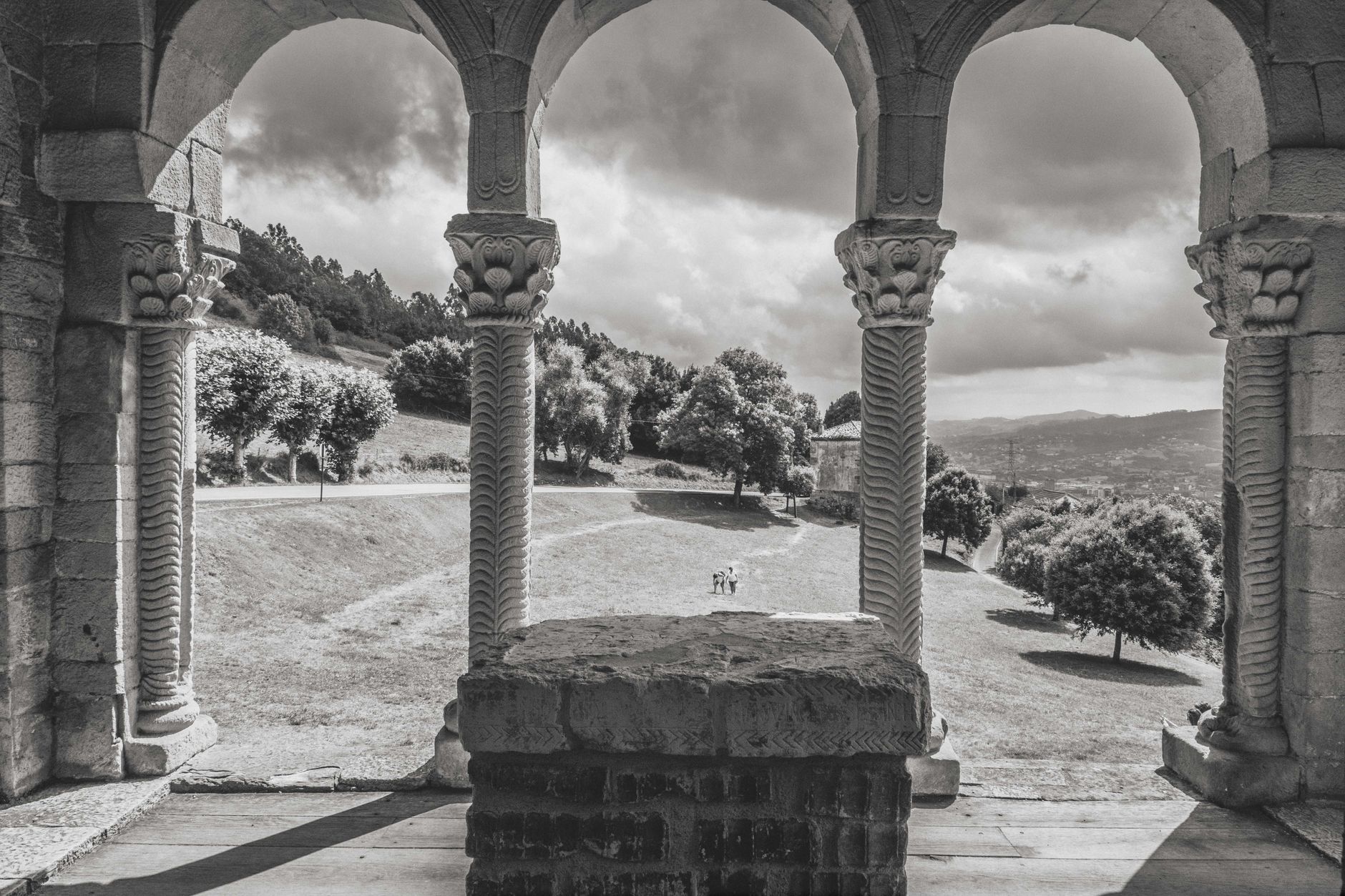
Morning: Head up Monte Naranco for Santa María del Naranco and San Miguel de Lillo—both are short bus or taxi rides and quick walks from the summit. Midday: Picnic or café lunch with views, then descend to visit the Foncalada, a rare medieval fountain. Afternoon: Explore the Museum of Fine Arts for regional painters and rotating exhibitions. Evening: Catch a performance at Teatro Campoamor or enjoy tapas in the university quarter.
Day 3
Option A (In town): Discover lesser spots like San Julián de los Prados, stroll shopping streets and revisit favorites for a relaxed market lunch. Option B (Short trip): Take a 30–40 minute train or bus to nearby Gijón for beaches and maritime atmosphere or head west toward historic Santander. Finish the day with a farewell meal in the Fontán area and a last glass of cider.
Best Local Experiences
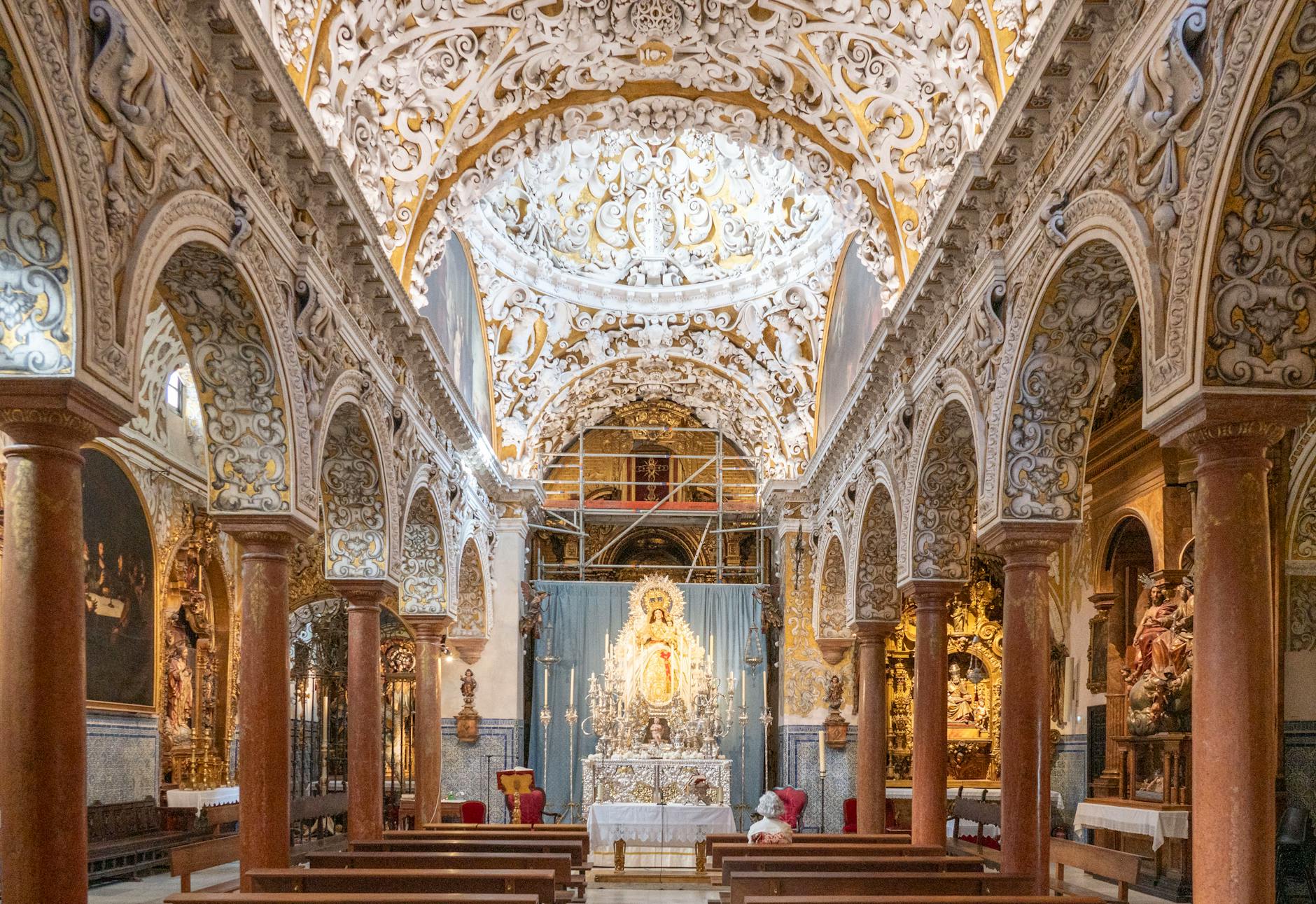
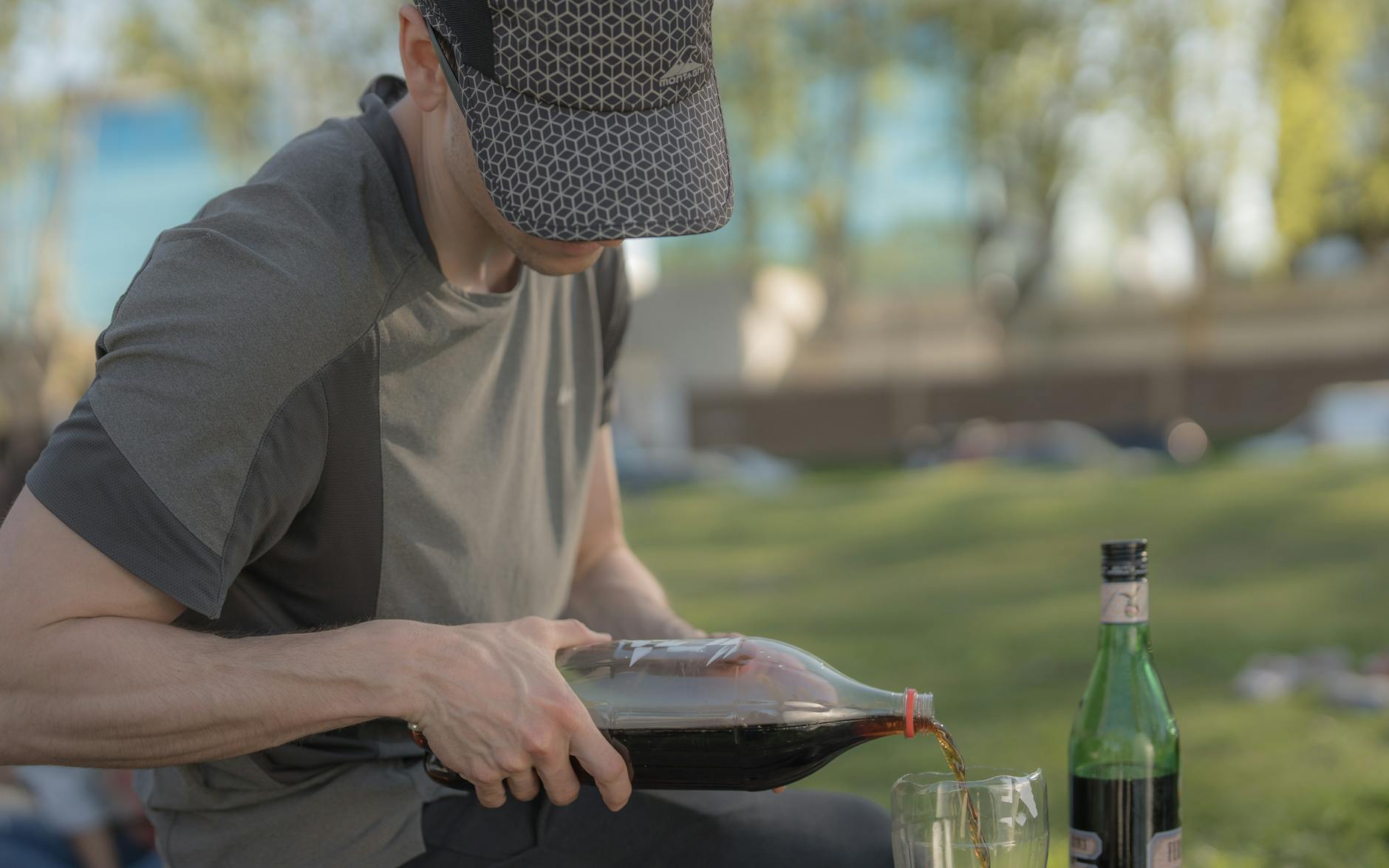
Pour your own sidra in a traditional sidrería and learn the pouring rhythm—small pours from arm’s length into a glass held low. Taste fabada asturiana and local cheeses at the Fontán market. Walk Monte Naranco at sunset for golden views. Visit a weekday morning museum to avoid crowds, and linger over coffee in the Plaza del Fontán watching the market vendors. If you can, time your trip for a local concert or theatre performance.
Where to Stay
Old Town (Casco Antiguo): Best for walking access to the cathedral, markets and nightlife. Campo de San Francisco area: leafy, close to museums and park. Fontán and Teatinos: quieter, easy access to restaurants and transit. Monte Naranco: choose this for views and a rural feel, but expect a short drive back to the center. Book early for weekends and festival dates.
Food and Drink
Must-eats: fabada, cachopo if you’re hungry, Asturian blue cheeses and freshly baked corn bread. Sidra is the local signature—try several sidrerías on Calle Gascona and Fontán. For market fare, go to Mercado El Fontán for tapas and sampling. For a refined meal, seek tasting menus at restaurants near Plaza de la Escandalera. Note: portions can be generous, so share dishes to try more.
Getting Around
The historic center is very walkable; most sights are within 20 minutes on foot. Local buses connect Monte Naranco and peripheral neighborhoods—buy tickets on board or with local apps. Regional trains and buses link to Gijón, Santander and farther cities; the main train station is a short walk from the center. Taxis are plentiful for late nights or quicker transfers. Consider reserving a day taxi or guided driver if you want early access to hilltop monuments.
Best Time to Visit
Late spring (May–June) and early autumn (September) offer the most pleasant weather and fewer summer crowds. July and August are warmer and busier, while winters are mild but wetter. If you want festivals and local events, check local calendars and book accommodation early. Shoulder seasons balance outdoor walks, museum visits and comfortable dining on terraces.
Budget and Practical Tips
Currency is the euro. Public transport and museum tickets are reasonably priced; plan for modest entrance fees and more for theatre events. Tipping is appreciated but small—round up or leave 5–10% in restaurants. Carry a small amount of cash for market vendors and some sidra houses. Learn basic Spanish phrases; English works in tourist spots but less so in neighborhood sidrerías. Keep an umbrella handy and wear comfortable shoes for cobbles.
FAQ
Is 3 days enough to see the highlights?
Yes. Three days covers the cathedral, main museums, Monte Naranco and leaves time for a relaxed meal or a short trip to Gijón.
How do I get to the Monte Naranco monuments?
Take a short bus or taxi from the city center; the walk from the summit viewpoints to Santa María del Naranco is brief and well signposted.
Where should I try sidra?
Calle Gascona is the best-known sidra street; Fontán also has authentic sidrerías and market stalls for tasting.
Can I do day trips from here?
Yes. Gijón is about 30–40 minutes by train or bus; Santander and other northern cities are reachable by regional rail or bus.
Are museums open daily?
Many museums close one weekday or have reduced hours—check official sites and reserve tickets when possible.
Is Oviedo family‑friendly?
Very much so; parks, short walking distances and family‑style restaurants make it easy with kids.
Conclusion
Three days provide a balanced, unhurried introduction to the city’s history, food and scenic high points. Prioritize the cathedral, Monte Naranco churches and a sidra evening, and use any spare time for museums or a nearby coastal escape. With easy walking and compact neighborhoods, the city makes an excellent short cultural break in northern Spain.
How this guide was prepared
This guide was prepared through a structured research that combines destination research, geographic context, itinerary planning logic, and content review.