

Best Things to Do in Cancún: Practical, Local-First Recommendations
A concise, practical guide to the best things to do in Cancún with sustainable tips, transport realities, neighborhood advice, and how this supports a 3-day Cancún itinerary.
Clear, local-first recommendations for beaches, cenotes, Isla Mujeres, Mayan sites and downtown dining—designed as a support page for the main 3 days in Cancún itinerary and for travelers who prefer low-impact choices.
Quick Answer
Clear, local-first recommendations for beaches, cenotes, Isla Mujeres, Mayan sites and downtown dining—designed as a support page for the main 3 days in Cancún itinerary and for travelers who prefer low-impact choices.
Who This Page Is For
This page is for travelers planning a stay in Cancun who want clearer decisions about things to do, local logistics, timing, budgeting, and practical trip planning.
How This Page Was Prepared
This page was prepared through a structured editorial workflow that combines destination research, geographic context, and practical travel-planning review.
Plan the Rest of Your Trip
Use this page together with the full itinerary and the related planning pages below to make better booking, timing, transport, and budget decisions.
Top, easy-to-apply picks:
- Playa Delfines for a classic free beach visit with public access and wide sand.
- Isla Mujeres for snorkeling, a golf-cart circuit of the town, and relaxed beaches; take the ferry from Puerto Juárez.
- A cenote swim (Dos Ojos, Cenote Azul, or a nearby smaller option) for a refreshing, less-crowded natural swim.
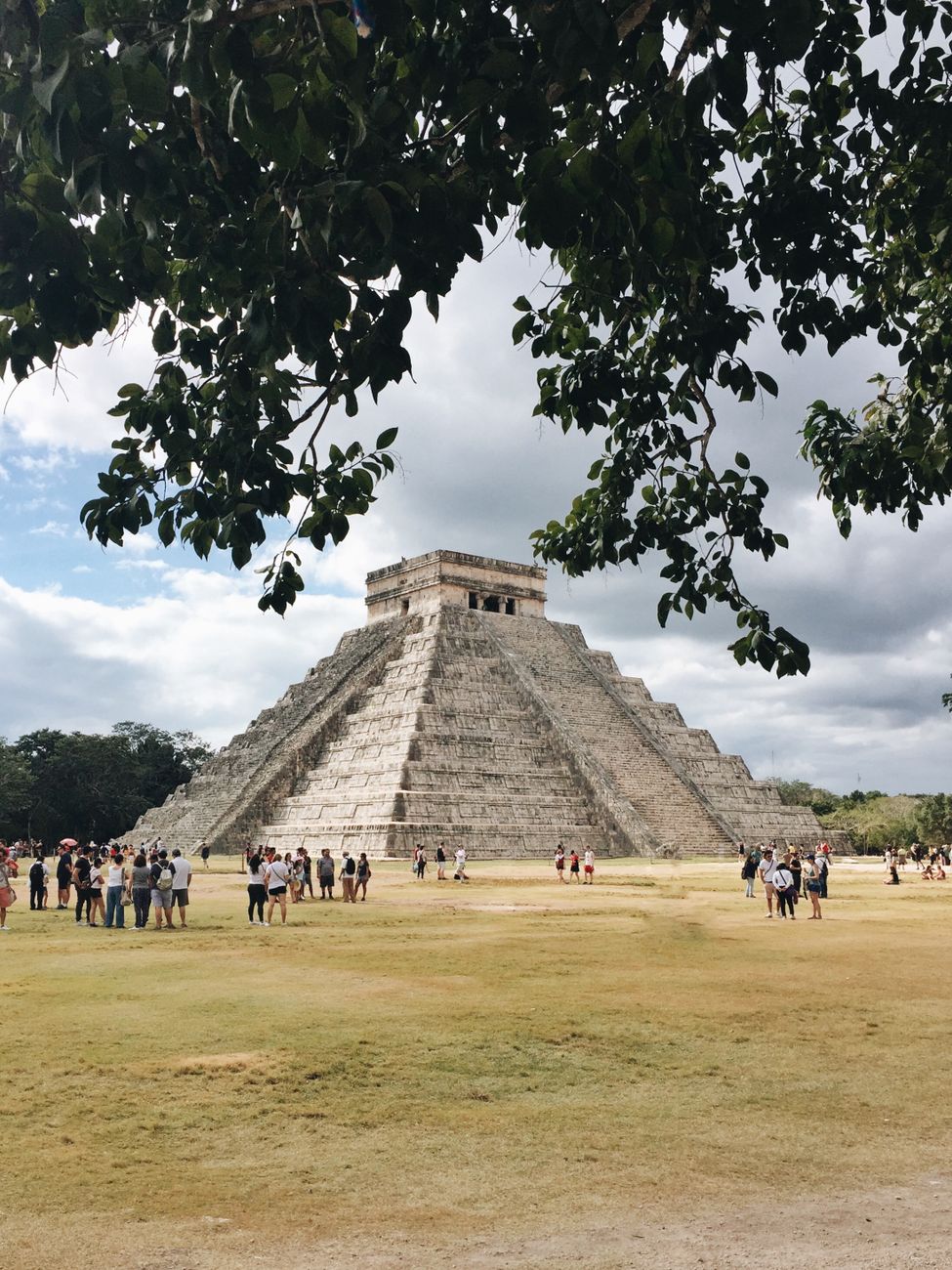
- A day trip to Chichén Itzá or Ek Balam; choose Ek Balam if you want fewer crowds and climbable ruins.
- Snorkel the Underwater Museum (MUSA) with a certified operator rather than touching the sculptures.
- Explore Centro and Mercado 28 for local food, affordable seafood and handcrafted goods.
Best timing: high season is December–April; shoulder months are late April–May and September–November (watch hurricane season June–November; August–September can be busiest for storms).
This page is a focused companion to the main 3 days in Cancún itinerary. It lists the most useful, realistic things to do in and around Cancún—beaches, short island trips, cenotes, marsh and mangrove experiences, and day trips to Mayan sites—while emphasizing local-first, lower-impact choices and practical booking tips.
If you have only three days, use this page to swap or expand items from the 3 days in Cancún guide. If you’re staying longer, treat the recommendations as modular day trips and neighborhood experiences.
What This Page Helps You Decide
Use this page to decide:
- Where to base: Zona Hotelera for beach convenience and nightlife, or Centro for cheaper, more local restaurants and markets.
- Which day trips fit a 3-day schedule: choose one island/coral activity, one cultural or cenote day, and one free day for the beach or lagoon.
- Whether to rent a car: necessary for remote cenotes and Campeche/Mérida drives; unnecessary for Isla Mujeres, hotel-zone beaches, and ADO bus day trips.
- How to book: prefer small local operators for cenote and mangrove tours; book Chichén Itzá and whale-shark swims well in advance.
This helps you refine the main 3 days in Cancún plan—swap a night out for a quieter mangrove kayak or add a sunrise visit to Chichén Itzá if you’re willing to start early.

Top Recommendations
1) Playa Delfines — public beach with good surf viewing and lifeguards. Bring shade; no private facilities are required.
2) Isla Mujeres (Playa Norte & town) — 20–30 minute ferry from Puerto Juárez. Rent an electric golf cart to reduce noise and emissions; avoid single-use plastics on the island.
3) Cenote swim — choose smaller, locally run cenotes for lower crowds and community benefit (Dos Ojos and Cenote Azul are popular; ask about capacity limits).
4) Chichén Itzá or Ek Balam day trip — leave early to beat buses and heat. Consider a private guide from a local cooperative or a shared small-group tour to support local guides.
5) MUSA (Underwater Museum) — snorkel or dive with operators who brief on no-touch rules and reef-safe sunscreen.
6) Nichupté Lagoon — birding, mangrove kayak, or low-impact boat tour in the morning; pick operators that follow mangrove protection practices.
7) Centro food crawl — Mercado 28 for handicrafts and tortas, Avenida Yaxchilán for seafood stands; tip modestly and buy crafts directly from artisans when possible.
8) Whale-shark season (June–September) — swim only with licensed, conservation-minded operators and never touch the animals.
9) Museo Maya de Cancún — compact, shaded visit that adds historical context without a full-day trip.
10) Nightlife alternatives — skip mega-clubs sometimes crowded by tour groups and try locally run bars with live music in Centro for cultural exchange.
Booking tips: reserve Chichén Itzá and whale-shark tours well in advance. For cenotes and MUSA, prefer operators who limit group sizes and employ local staff.
Local Context
Neighborhoods and transport realities:
- Zona Hotelera (Kukulcán Boulevard): where most beaches, resorts and nightlife sit. Public buses (R1/R2) run the length at low cost; taxis can be expensive—confirm price before boarding.
- Centro / Avenida Tulum: cheaper restaurants, Mercado 28, and local life. Walking is easy; buses to the hotel zone stop frequently.
- Puerto Juárez: ferry terminal to Isla Mujeres; arrive early in high season.
- Nichupté Lagoon and mangroves lie between Zona Hotelera and the mainland; water taxis and kayak operators operate from designated piers.
Seasonal patterns and safety:
- High season Dec–Apr: busiest and most expensive.
- Shoulder months late Apr–May and Sep–Nov: lower prices but watch weather forecasts; hurricane season runs June–November.
Regional transport:
- ADO buses link Cancún to Playa del Carmen, Tulum, Mérida and Campeche reliably; book tickets for peak travel.
- Rental cars make sense for multi-day trips to Mérida, Campeche or Campeche’s colonial center; buy full insurance and check parking at hotels.
Local etiquette and practicalities:
- Greet in Spanish (hola, buenos días), bargain politely at markets, tip 10–15% at sit-down restaurants, and respect signs at nesting beaches (turtle season May–Oct).

How to Choose Well
Decide using these quick filters:
- If you want beach convenience and evening entertainment: stay in Zona Hotelera.
- If you want lower prices and local food: stay in Centro and allocate time for Zona Hotelera beaches.
- If you prioritize natural, low-impact experiences: pick a morning mangrove kayak, a small-group cenote, and a certified MUSA operator.
- If you have limited time (3 days): choose one highlight for a full day (island or Mayan site), one beach or museum morning, and one afternoon in Centro—use the 3-day Cancún guide to slot these choices.
Booking advice:
- Reserve Chichén Itzá and whale-shark tours at least 2–4 weeks ahead during high season.
- For cenotes and small eco-tours, confirm group size and sustainability practices; last-minute bookings often go to larger, less sustainable operators.
- Compare prices and conditions for airport transfers: shared shuttles and ADO buses save money; private transfers provide convenience for early departures.
Responsible and Local-First Tips
Practical actions that help local communities and ecosystems:
- Choose local operators and small-group tours for cenotes, mangroves and island trips; ask how they support conservation and employ locals.
- Buy food and crafts in Centro markets, and prioritize artisan cooperatives over tourist shops.
- Use reef-safe sunscreen and don’t touch or stand on coral when snorkeling.
- Bring a refillable water bottle and avoid single-use plastics; many hotels and restaurants offer filtered water stations.
- Respect turtle nesting seasons (May–Oct): obey signage, avoid night beach disturbances and ask about local protection efforts you can support.
- Prefer public buses or walking within Cancún when feasible to reduce emissions from taxis.
These choices keep tourism money circulating locally and reduce the environmental footprint of your visit.

Common Mistakes to Avoid
- Over-scheduling: Cancún’s heat and transport times make back-to-back long day trips tiring. Leave a half-day to relax.
- Booking the most commercial parks by default: evaluate smaller local eco-tours first to support community businesses.
- Assuming every beach is private: many iconic beaches are public and free; know access points to avoid paying unnecessary fees.
- Relying on taxis without agreeing a fare: use buses, official taxis, or pre-booked transfers when possible.
- Renting a car without insurance: insurance and local driving norms are essential if you plan to drive to Mérida or Campeche.
- Ignoring the hurricane season calendar: travel insurance and flexible bookings matter June–November, peak storms in August–September.
FAQ
What is the best beach in Cancún for families?
Playa Delfines is spacious with available lifeguards and public access; Playa Tortugas and Playa Chac Mool are also family-friendly with calmer swim areas and nearby amenities.
Is Isla Mujeres worth a day trip from Cancún?
Yes. A day on Isla Mujeres offers snorkeling, seaside dining, and a relaxed town center. Take the 20–30 minute ferry from Puerto Juárez and consider an electric golf cart rental to move around without noise or pollution.
Can I visit Chichén Itzá as a day trip from Cancún?
Yes, Chichén Itzá is a common day trip (~2–2.5 hours each way). Leave early to avoid crowds and midday heat. For fewer people and a climbable ruin, consider Ek Balam as an alternative.
Do I need a car in Cancún?
Not for Zona Hotelera, Isla Mujeres, or Centro. You’ll want a car if you plan independent multi-day drives to Mérida, Campeche, or remote cenotes. Always get full insurance and check parking options.
When is whale shark season and how to do it responsibly?
Whale sharks frequent the area June–September. Book with licensed operators who limit group sizes, follow no-touch guidelines and have appropriate permits.
Conclusion
Use these recommendations to refine the main 3 days in Cancún itinerary: pick one major daylight outing (island or Mayan), one natural experience (cenote or mangrove), and time to explore Centro for authentic food and crafts. If you’re extending beyond Cancún, consider Playa del Carmen by ADO bus or ferry, and longer drives to Mérida or Campeche with a rental car and full insurance. Book high-demand tours in advance, favor small local operators, and check weather and hurricane forecasts for travel during June–November.
How this guide was prepared
This guide was prepared through a structured research that combines destination research, geographic context, itinerary planning logic, and content review.