
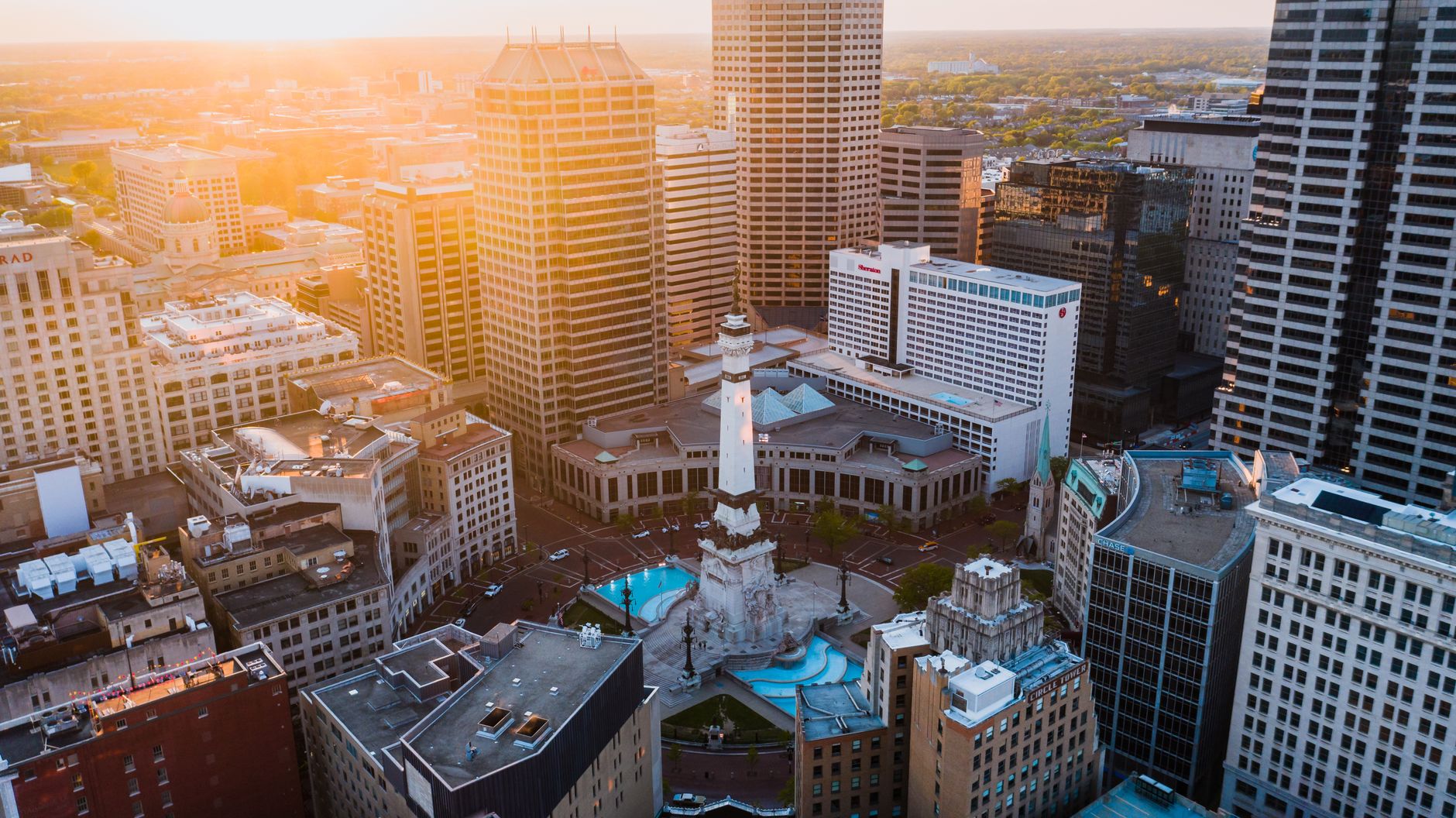
Best Things to Do in Indianapolis
Practical guide to the best things to do in Indianapolis: museums, neighbourhoods, transit tips, costs and how to pick what fits a short stay.
Clear, practical choices for a short visit to Indianapolis: must-see museums, neighbourhood walks, food picks, transit tips, and weather-proof plans with realistic costs.
Best things to do in Indianapolis?
Start with the Children’s Museum of Indianapolis (allow 3–4 hours; tickets about $35 USD / ~€32) and a walk around Monument Circle and the Canal Walk. Use IndyGo buses and the Red Line (single fare $1.75 USD / ~€1.60) to move between downtown, Mass Ave, and Fountain Square.
Who This Page Is For
Best for first-time visitors or short-stay travellers who want concrete choices for 1–3 days. Not aimed at experienced locals seeking nightlife listings or late-night club maps.
Key Takeaways for Indianapolis
- Children’s Museum of Indianapolis: plan 3–4 hours; tickets around $35 USD (~€32).
- IndyGo base fare is $1.75 USD (~€1.60); a day pass costs about $4 USD (~€3.65).
- Monument Circle and the Canal Walk are free; allow 1–2 hours for a downtown loop.
- Indianapolis Motor Speedway Museum: admission approx. $15 USD (~€14); budget 1.5–2 hours.
How This Page Was Prepared
This page was prepared through a structured editorial workflow that combines destination research, geographic context, and practical travel-planning review.
Plan the Rest of Your Trip
Use this page together with the full itinerary and the related planning pages below to make better booking, timing, transport, and budget decisions.
The must-do single item for most visitors is the Children’s Museum of Indianapolis—allocate 3–4 hours and expect to pay roughly $35 USD (about €32). Plan Monument Circle and the Canal Walk together for a short downtown loop (1–2 hours) and add one neighbourhood visit: Massachusetts Avenue (Mass Ave) for restaurants and galleries or Fountain Square for murals and vintage shops.
Use IndyGo (base fare $1.75 USD) or the Red Line BRT to connect these areas quickly and affordably. If rain is expected, prioritize indoor sites with timed entry like Newfields or the Indiana State Museum.
This page answers: what to prioritize on a short visit to Indianapolis and how to allocate limited time and budget. Many visitors underestimate travel time between neighbourhoods and overestimate how much can be seen on foot. Downtown areas like Monument Circle, the Canal Walk, and the Wholesale District are compact, but Broad Ripple and Fountain Square sit 10–20 minutes away by bus or car.
Use public transit and timed tickets for popular indoor sites when possible. Weather matters: summers are hot and humid (June–August), winters can be snowy (December–February). This guide focuses on reliable choices—specific museums, neighbourhood routes, transit costs, realistic time budgets, and weather-proof alternatives—so decisions match the actual pace of Indianapolis.
What This Page Helps You Decide
Decide which attractions to include when time is limited and how to group them by neighbourhood to avoid backtracking. Choices covered: a family-friendly main attraction (Children’s Museum), an all-weather museum option (Newfields or Indiana State Museum), a motorsport stop (Indianapolis Motor Speedway Museum), and neighbourhood options (Mass Ave, Fountain Square, Broad Ripple).
Also helps with transit choices: when to take IndyGo Red Line versus a Lyft, when a 1-day IndyGo pass ($4 USD) makes sense, and when walking is faster. Includes suggestions for a rainy day and one low-cost local experience in each area.

Top Recommendations
Downtown and White River State Park
– The Children’s Museum of Indianapolis — World’s largest children’s museum; interactive exhibits on science and history. Approx. admission $35 USD (~€32). Allow 3–4 hours.
– Indiana State Museum — Galleries on state history, rotating exhibits and a small theater. Approx. admission $13–15 USD (~€12–14). Allow 1.5–2 hours.
– Canal Walk and White River State Park — Scenic path, paddle boat rentals in summer. Free to walk; pedal boat rental about $12–$20 USD (~€11–€18) per 30–60 minutes. Allow 1–2 hours.
Cultural districts and neighbourhoods
– Massachusetts Avenue (Mass Ave) — Galleries, theaters, restaurants like Bluebeard and Bakersfield. Budget $15–$30 USD for a meal (~€14–€28). Allow 1.5–2 hours.
– Fountain Square — Murals, vintage stores, Blue Bottle Coffee, live music venues. Free to explore; a drink or snack typically $5–$12 USD (~€4.50–€11). Allow 1–2 hours.
Motorsports and sports
– Indianapolis Motor Speedway Museum — Race cars and history of the Indy 500. Admission about $15 USD (~€14); special events or driving experiences extra. Allow 1.5–2 hours.
– Lucas Oil Stadium tour or Colts game — Tour prices vary (around $10–$20 USD / ~€9–€18); game tickets from about $25 USD (~€23) upward depending on opponent and seat. Allow 1.5–3 hours for a tour, 3+ hours for a game.
Lower-key local experiences
– Broad Ripple Village — Walkable stretch of bars, vinyl stores, and small parks along Broad Ripple Avenue; free to explore, budget $10–$25 USD for snacks or drinks. Allow 1.5–2 hours.
– Indianapolis Cultural Trail — An 8-mile urban bike and pedestrian path connecting downtown neighbourhoods. Rent a bike or use bikeshare (Pacers Bikeshare rates vary; typical short ride $3–$6 USD / ~€2.75–€5.50). Allow 1–2 hours for a 3–4 mile section.
Bad-weather option
– Newfields (Indianapolis Museum of Art) — Indoor galleries, special exhibitions, and the Lilly House. General admission for special exhibitions can be $18–$25 USD (~€16–€23); grounds may have separate fees for events. Allow 2–3 hours.
Grouping tip: combine Monument Circle, the Canal Walk, and the Indiana State Museum in a single downtown block; use the Red Line or a short IndyGo ride to reach Mass Ave and Fountain Square.

Local Context
Neighborhood character and seasonality shape the experience. Downtown (Monument Circle, Canal Walk, White River State Park) has a dense cluster of attractions within a 1-mile radius. Mass Ave and Fountain Square each offer dining and nightlife but are on opposite sides of downtown—Mass Ave northeast, Fountain Square southeast.
Transit and mobility matter. IndyGo operates the local bus network and the Red Line BRT along Washington Street; expect base fares of $1.75 USD and a day pass near $4 USD. Microtransit and rideshares fill gaps, especially late evening when bus frequency drops. Summers (June–August) are hot and humid; plan outdoor walking for morning or evening. Winters can bring snow; check IndyGo and local attraction hours during January–February.

How to Choose Well
Match priorities to time and weather. Families should pick the Children’s Museum plus a short Canal Walk or Cultural Trail bike ride and budget a half-day per major museum. Adults focused on food and nightlife should choose Mass Ave or Broad Ripple for an evening and reserve a daytime museum visit.
Budget travelers can focus on free or low-cost options: Monument Circle, Canal Walk, public art, and Fountain Square streetscapes. Allocate transit fare ($1.75 per ride) or buy a day pass (~$4) if making three or more trips in a day. Reserve timed tickets for the Children’s Museum or Newfields on weekends and holidays to avoid long queue times.

Responsible and Local-First Tips
Support local businesses by dining at independent restaurants on Mass Ave (e.g., Bluebeard) or purchasing from makers at Fountain Square’s local shops. Choose locally owned coffee like Bee Coffee Roasters and independent breweries in Broad Ripple rather than national chains.
Use public transit (IndyGo) and the Cultural Trail to reduce car trips. When visiting the Indianapolis Motor Speedway Museum, buy souvenirs from the in-house shop rather than mass online retailers. Tip service workers—standard tipping is 15–20%—and avoid bringing single-use plastics when possible during park visits.

Common Mistakes to Avoid
Underestimating transit time between neighbourhoods leads to rushed visits. Downtown blocks look close on a map but crossing construction or waiting for buses can add 15–30 minutes.
Skipping timed tickets for busy indoor attractions like the Children’s Museum results in long queue times or sold-out slots. Weekends and summer afternoons fill fast.
Assuming attractions are open late—many museums and smaller galleries close by 5–6pm. Check current hours for Newfields, Indiana State Museum, and special events before planning evening activities.
FAQ
How much does public transit cost in Indianapolis?
IndyGo base fare is $1.75 USD per ride; a 1-day pass is about $4 USD. Use the IndyGo app to buy passes and check schedules.
How much time should be set aside for the Children’s Museum?
Plan 3–4 hours for the Children’s Museum to cover major galleries and the Dinosphere exhibit.
What is the best time of year to visit Indianapolis?
Late spring (May) and early fall (September–October) balance milder temperatures and fewer summer crowds. Summer is hot and busy around events like the Indy 500 in May.
Are there good indoor options for rainy days?
Yes—Newfields (Indianapolis Museum of Art), the Indiana State Museum, and the Children’s Museum all offer multi-hour indoor experiences.
How much should a meal cost in a mid-range restaurant?
Expect $15–$35 USD per person for a main course and drink at a mid-range restaurant on Mass Ave or Broad Ripple.
Can the Indianapolis Motor Speedway be toured without attending a race?
Yes. The Indianapolis Motor Speedway Museum has daily hours and exhibits; admission is roughly $15 USD, while special driving events or race-day experiences cost more.
Is downtown safe to walk at night?
Downtown generally has regular foot traffic around Monument Circle and Mass Ave, but exercise standard urban caution after dark and use rideshare or local transit for longer trips.
Conclusion
The single most important thing to remember: pick one major indoor attraction (the Children’s Museum or Newfields) and pair it with one neighbourhood (Mass Ave, Fountain Square, or Broad Ripple) to avoid over-scheduling. Use IndyGo fares and a $4 day pass when making multiple trips, and reserve timed tickets for busy museums on weekends.
For a natural next step, consult the linked 3 days in Indianapolis itinerary to sequence these choices into practical day-by-day plans that match transit and opening hours.
How this guide was prepared
This guide was prepared through a structured research that combines destination research, geographic context, itinerary planning logic, and content review.