
Best Things to Do in Vancouver — Practical, Sustainable Picks
A concise, local-first guide to Vancouver's top experiences, with transport realities, seasonal tips, and links to the 3 days in Vancouver itinerary.
Focused, practical recommendations for seeing Vancouver sustainably — from the Seawall and Granville Island to local neighbourhoods, day trips, and booking advice that pairs with our 3-day itinerary.
Quick Answer
Focused, practical recommendations for seeing Vancouver sustainably — from the Seawall and Granville Island to local neighbourhoods, day trips, and booking advice that pairs with our 3-day itinerary.
Who This Page Is For
This page is for travelers planning a stay in Vancouver who want clearer decisions about things to do, local logistics, timing, budgeting, and practical trip planning.
How This Page Was Prepared
This page was prepared through a structured editorial workflow that combines destination research, geographic context, and practical travel-planning review.
Plan the Rest of Your Trip
Use this page together with the full itinerary and the related planning pages below to make better booking, timing, transport, and budget decisions.
Top experiences to prioritize if you have limited time:
– Walk or bike the Stanley Park Seawall (West End / Coal Harbour) — iconic and free.
– Explore Granville Island Public Market for food and local crafts (False Creek).
– Stroll Gastown and its independent boutiques and cafés (Downtown Eastside edge).
– Choose Lynn Canyon (lower-cost, local vibe) or Capilano for suspension-bridge views (North Vancouver).
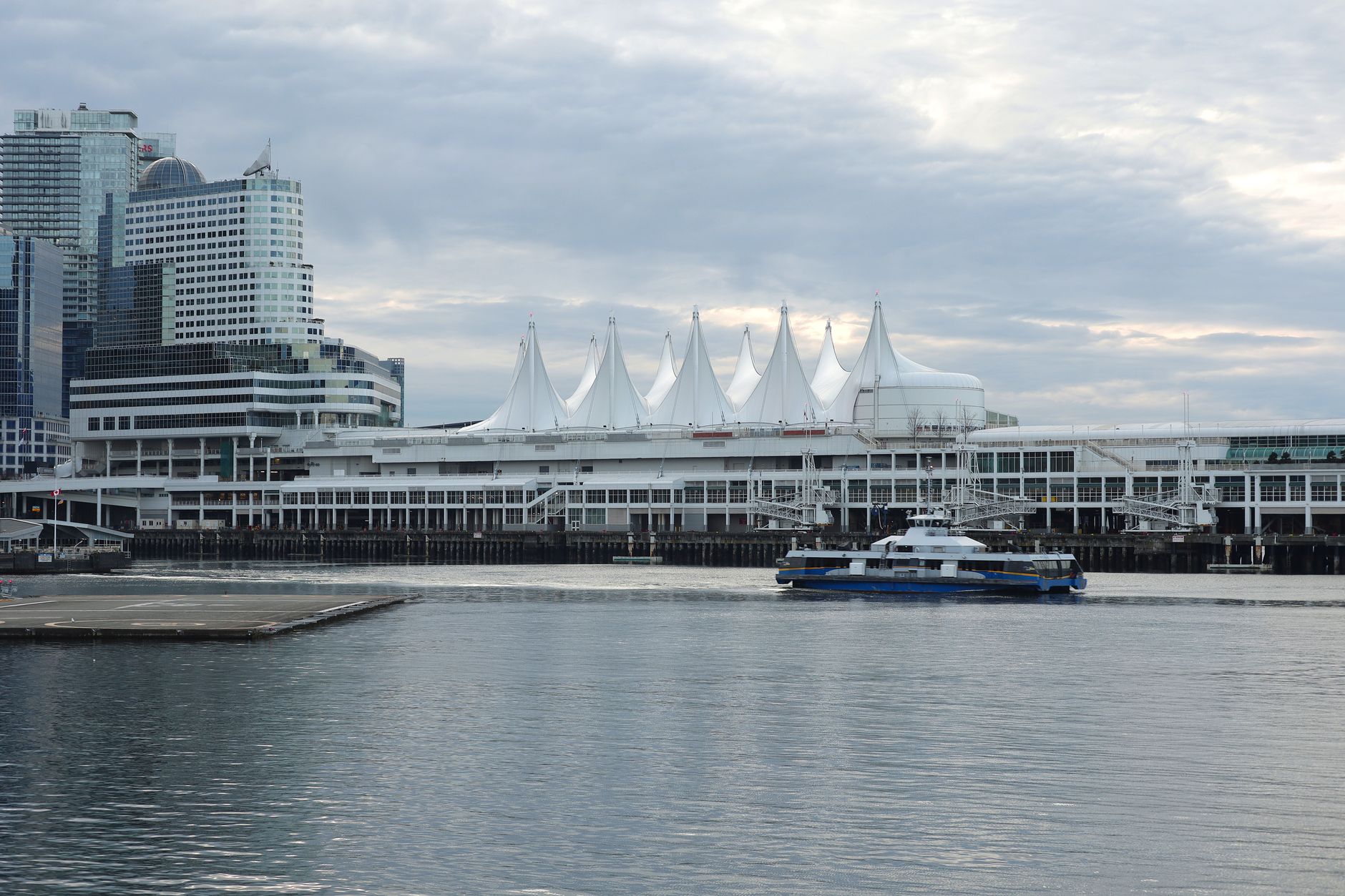
– Ride the SeaBus and wander Lonsdale Quay market for a waterfront neighborhood visit.
– Spend an afternoon on Kitsilano Beach or the Arbutus Greenway in fair weather.
– Take a guided Indigenous cultural experience or visit the Bill Reid Gallery for local context.
Best times: shoulder seasons (May–June, Sep–Oct) for fewer crowds and pleasant weather. When possible, use transit, walk, or cycle to reduce impact.
This support page helps you plan the best things to do in Vancouver with a low-impact, local-first approach. It’s designed to pair with our main 3 days in Vancouver itinerary: use this as a plug‑in for mornings, afternoons, or optional half-day diversions. Practical notes below cover neighborhoods, transit, seasonal realities, and booking tips so you can make sustainable choices and support local businesses.
What This Page Helps You Decide
Use this page to choose which attractions fit your energy, budget, and values, and to fit extras into the 3-day plan without feeling rushed.
Decisions you'll make here:
– Which neighbourhoods to base your days (Downtown/West End for walking, Kitsilano for beaches, Yaletown for dining).
– Whether to pick paid attractions (Capilano, Grouse) or free/low-cost alternatives (Lynn Canyon, Seawall).
– When to book: ferries to Victoria, whale-watching, and popular tours fill weeks in summer; book earlier for weekends and statutory holidays.
– Day-trip choices: Richmond for food and the airport link; Victoria by ferry for a full-day excursion; longer inland trips to Kamloops or Kelowna require planning for car or rail and more time.
Links: integrate suggested activities into the 3 days in Vancouver itinerary and consider Richmond or Victoria for single-day side trips.
Top Recommendations
Prioritized list with quick logistics and sustainable notes:
– Stanley Park Seawall (West End): Walk or rent a locally run bike; mornings are quieter. Respect cyclists and use designated lanes.
– Granville Island Public Market (False Creek): Eat from small vendors and buy produce or crafts from local makers. Arrive early to avoid crowds.
– Gastown and Waterfront (Downtown): Window-shop on Water Street, choose independent cafés for lunch, and be mindful of outdoor seating capacity.
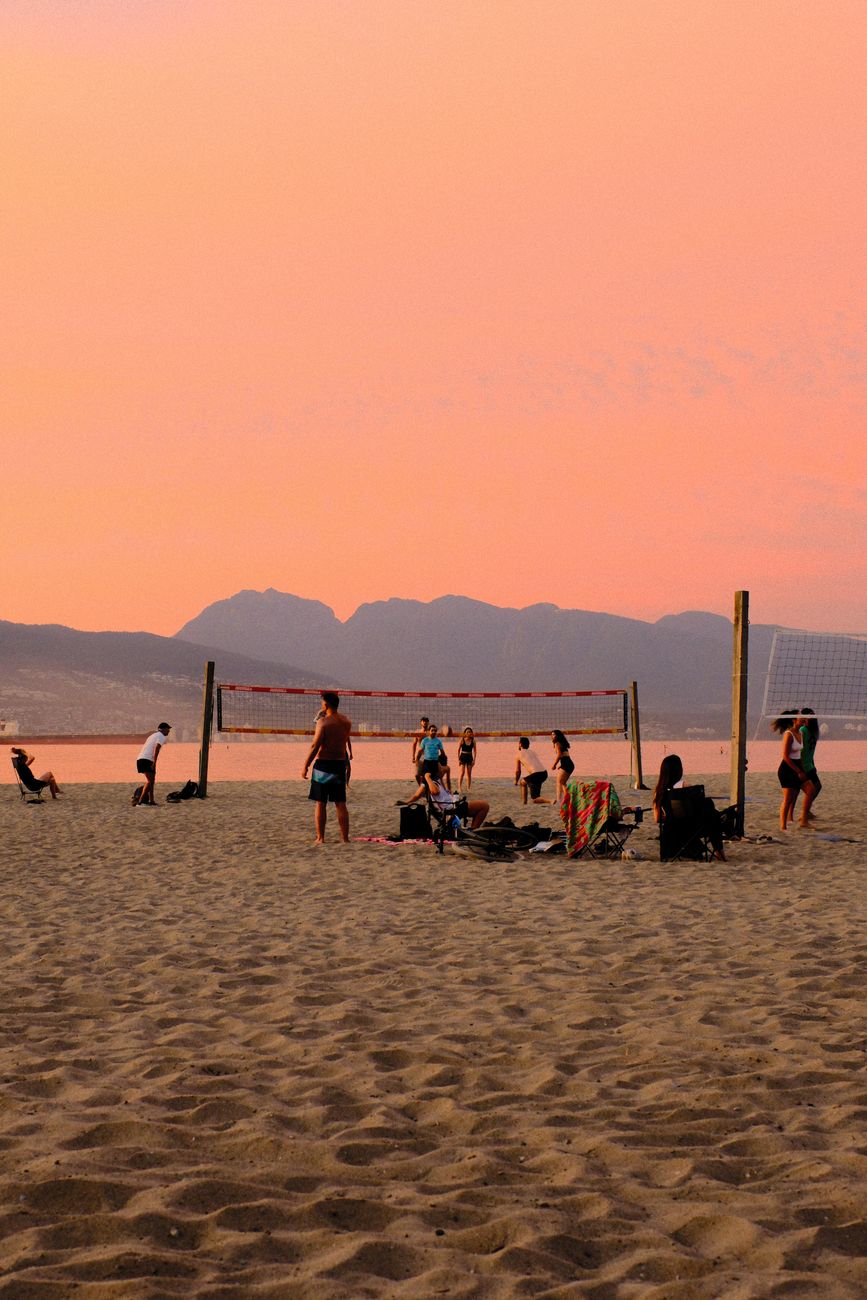
– Kitsilano Beach and Arbutus Greenway (Kitsilano / South Granville): Ideal in summer; bring a refillable water bottle and support nearby neighbourhood cafés.
– Lynn Canyon Park (North Vancouver): Free suspension bridge and clear forest trails — lower-impact alternative to commercialized parks.
– Capilano Suspension Bridge Park / Grouse Mountain (North Vancouver): If you pick these, buy timed tickets in advance and favor operators with certified wildlife/ecotour policies.
– Seawall paddling or False Creek kayaking: Choose small, locally run outfitters that limit group size and brief you on shoreline etiquette.
– Chinatown and Main Street (Strathcona / Mount Pleasant): Explore food stalls, bakeries, and independent shops; buy directly from makers where possible.
Booking tips:
– Use TransLink maps and day passes to combine SeaBus and SkyTrain trips for neighbourhood-hopping.
– Reserve ferries to Victoria ahead, especially in summer and long weekends.
– For whale watching, choose operators with strong conservation credentials and ask about sighting guarantees and cancellation policies.
Local Context
Neighborhood realities and seasonal patterns:
– Downtown / West End: Dense, walkable, near Stanley Park and the Seawall; best for first-day exploration and hotel stays.
– Yaletown / Olympic Village: Trendy dining, easy Seawall access, SeaBus link; quieter evenings in shoulder season.
– Gastown / Chinatown: Historic cobbled streets, small galleries, and eateries; watch for uneven sidewalks and bike lanes.
– Kitsilano / Arbutus: Beach culture and west-coast cafés; can be breezy and cooler than downtown.
– North Vancouver (Lonsdale, Lynn Canyon): Short transit or SeaBus + bus/gondola rides; expect more forested microclimate and cooler temps.
Transport realities:
– TransLink’s SkyTrain and SeaBus are reliable for most tourist routes; buses fill during rush hours.
– Renting a car is useful only for longer day trips (Kelowna, Kamloops) or if you plan to explore the Sea-to-Sky corridor beyond public transit reach.
– Cycling: Protected lanes are growing; use local bike shops for rentals and follow helmet and lane rules.
Weather patterns:
– Rain is common Oct–Mar; pack layers and waterproof footwear.
– Summer (Jul–Aug) is busiest; shoulder months offer lighter crowds and pleasant days.
How to Choose Well
Match activities to your time, energy, and values:
– If you have one day: focus on Stanley Park + Waterfront + Granville Island or a neighbourhood walk in Gastown and Chinatown.
– If you have two days: add a North Vancouver option (Lynn Canyon or Grouse) or a cultural museum visit (Vancouver Art Gallery, Museum of Anthropology).
– If you have three days: follow the 3 days in Vancouver itinerary and use this page to select optional swaps or evening neighbourhood dinners.
Quick selection rules:
– Prefer free/low-cost options for flexibility and lower environmental impact (Seawall, Lynn Canyon, neighbourhood walks).
– Swap a commercial attraction for a local-led tour (Indigenous cultural walk, food tour run by a small business) when possible.
– Reserve high-demand activities (ferries, whale watching, gondolas) well in advance for peak season.
Responsible and Local-First Tips
Practical ways to keep your visit low-impact and beneficial to local communities:
– Choose small, locally owned restaurants, markets, and guides. Ask vendors where products are sourced.
– Prefer public transit, walking, or bike rentals over taxis or rental cars for city travel.
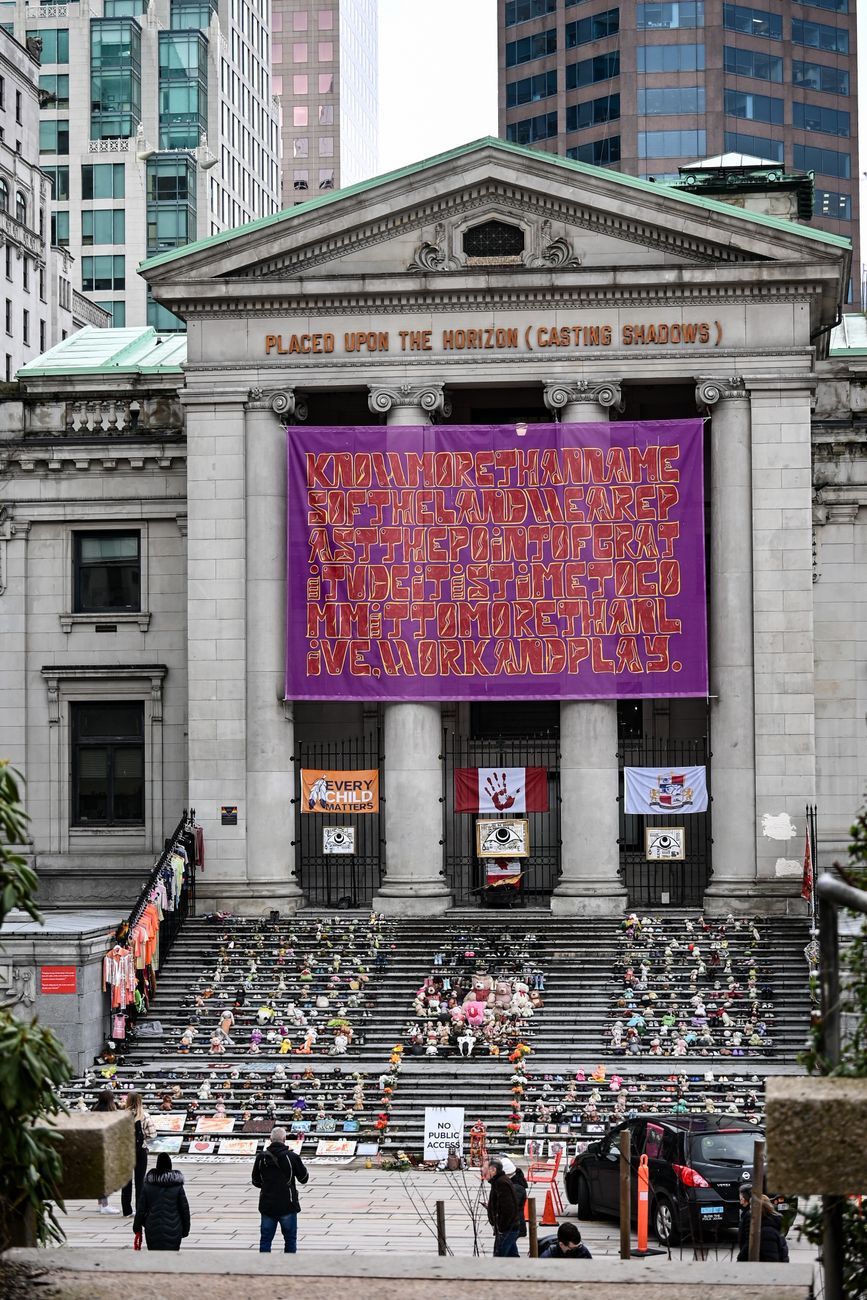
– Respect Indigenous sites and cultural protocols: ask before photographing cultural items and buy Indigenous-made art from verified sources with provenance.
– Wildlife etiquette: never feed or approach animals; use authorized operators for marine wildlife tours that follow guidelines.
– Waste reduction: carry a reusable water bottle and cutlery, bring a small bag for litter, and avoid single-use plastics.
– Community support: tip service workers appropriately (guideline 15–20%), and consider small purchases at neighbourhood shops rather than large chain stores.
Common Mistakes to Avoid
Avoid these typical missteps:
– Trying to “do it all”: Vancouver spreads across peninsulas and north shore hills; factor in transit time.
– Over-relying on cars downtown: parking is costly and neighbourhoods are easier by transit or foot.
– Booking late for ferries or popular tours: Victoria and whale-watching fill up fast in summer.
– Choosing Capilano without considering Lynn Canyon: Lynn offers similar forested experience with lower cost and fewer crowds.
– Ignoring microclimates: North Vancouver and the West End can be noticeably cooler or wetter than downtown.
– Disrespecting bike lanes / pedestrians: cycling is common — keep to lanes and yield when required.
FAQ
What is the best time to visit Vancouver for fewer crowds and mild weather?
May–June and September–October offer milder weather, fewer tourists, and good daylight for outdoor activities. July–August is warmest but busiest.
Can I do top Vancouver sights in 3 days?
Yes. Follow the 3 days in Vancouver itinerary for a balanced mix: Seawall/Stanley Park, Granville Island/Gastown/Kitsilano, and a North Vancouver natural area or museum. Use this page to substitute or add low-impact options.
Should I visit Capilano or Lynn Canyon?
Lynn Canyon is free, less commercial, and better for quieter hiking. Capilano has curated exhibits and a suspension bridge with timed entries; buy tickets early if you choose it.
How do I get to Victoria from Vancouver?
Most travelers take the BC Ferries Connector or the BC Ferry from Tsawwassen (requires driving or bus connections) or a floatplane from Downtown. Book ferries in advance for summer and long weekends.
Is Vancouver safe to walk around at night?
Vancouver is generally safe in well-trafficked areas (Downtown, West End, Yaletown). Use common-sense precautions after late nights and prefer lit, busier streets and rideshare or transit if needed.
Are there sustainable whale-watching operators?
Yes. Look for operators certified by regional marine stewardship programs who follow best practices: limited group sizes, trained naturalists, and respectful distancing from whales.
Do I need a car to visit nearby cities like Richmond, Surrey, Kamloops, or Kelowna?
Richmond is easily accessible by SkyTrain; Surrey is reachable by SkyTrain/West Coast Express and regional bus; Kamloops and Kelowna are best reached by car or scheduled coach/rail and require more time — plan at least a full day or overnight for those trips.
Conclusion
Use these recommendations to customize your days within the 3 days in Vancouver itinerary and to plan sensible day trips to Richmond, Surrey, Victoria, Kamloops, or Kelowna. Prioritize walking, transit, and local businesses for lower-impact travel. If you want, tell us your travel dates and priorities and we’ll suggest a tailored swap or an off-peak schedule.
How this guide was prepared
This guide was prepared through a structured research that combines destination research, geographic context, itinerary planning logic, and content review.