

Best Time to Visit Ha Noi — When to Go, Weather, Festivals, and Practical Tips
Practical guide to the best time to visit Ha Noi: month-by-month weather, festivals, neighborhood advice, transport realities, booking tips and sustainable choices to pair with our 3 days in Ha Noi itinerary.
Choose the right season for your priorities—clear autumn days, quiet winter lanes, or flowering spring—plus festival timing, where to stay, and sustainable travel tips that support local businesses.
Quick Answer
Choose the right season for your priorities—clear autumn days, quiet winter lanes, or flowering spring—plus festival timing, where to stay, and sustainable travel tips that support local businesses.
Who This Page Is For
This page is for travelers planning a stay in Ha Noi who want clearer decisions about best time to visit, local logistics, timing, budgeting, and practical trip planning.
How This Page Was Prepared
This page was prepared through a structured editorial workflow that combines destination research, geographic context, and practical travel-planning review.
Plan the Rest of Your Trip
Use this page together with the full itinerary and the related planning pages below to make better booking, timing, transport, and budget decisions.
Best overall months: September to November (autumn) and March to April (spring). These shoulder seasons offer pleasant temperatures, lower humidity, and fewer heavy rains than summer.
If you want clear skies and cultural events, aim for October–November. For lower prices and quieter streets, consider January–February outside Tet, or late April.
Avoid June–August if you can’t stand heat, humidity, and frequent downpours.
Ha Noi’s personality changes with the seasons: crisp, clear autumn days; hot, humid summers with heavy rains; cool, misty winters; and fragrant, flower-filled springs. This page helps you pick when to visit based on weather, festivals, crowd levels, and practical travel concerns so you can make the most of a short stay or use it as prep for our 3 days in Ha Noi itinerary.
What This Page Helps You Decide
Use this guide to choose exact travel dates that match your priorities:
– Weather vs. cost: pick shoulder seasons for balance.
– Festivals vs. closures: travel around Tet with preparation or avoid it if you need shops and attractions open.
– Neighborhood selection: choose a base (Old Quarter, Hoan Kiem, Tay Ho, Ba Dinh) based on noise tolerance and transport needs.
It also points to practical actions: when to book accommodation, how to plan day trips to nearby Hue, Hoi An, or Nha Trang, and how to align this with our 3 days in Ha Noi itinerary.
Top Recommendations
Best windows by traveler type:
– First-timers who want comfortable sightseeing: late September–November. Clear air, festivals, easy walking.
– Food and culture lovers: March–April for flower markets and street food stalls coming back after winter.
– Budget travelers seeking lower rates: January–early February (avoid Tet week) and late October.
– Photographers and architecture buffs: December–February mornings when light is soft and crowds are smaller.
Neighborhood tips:
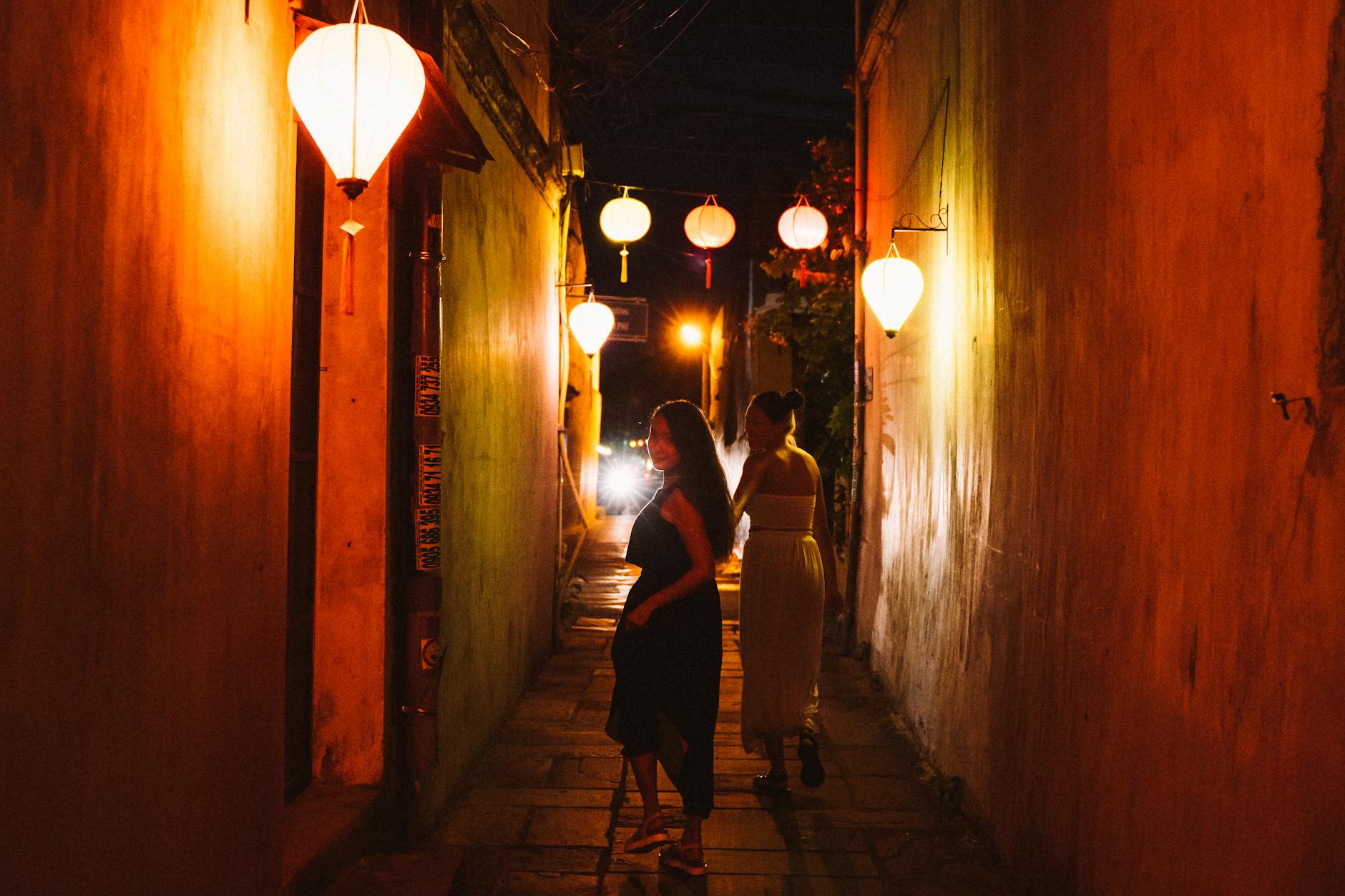
– Old Quarter / Hoan Kiem: best for a short, walkable stay and quick access to the 3-day itinerary.
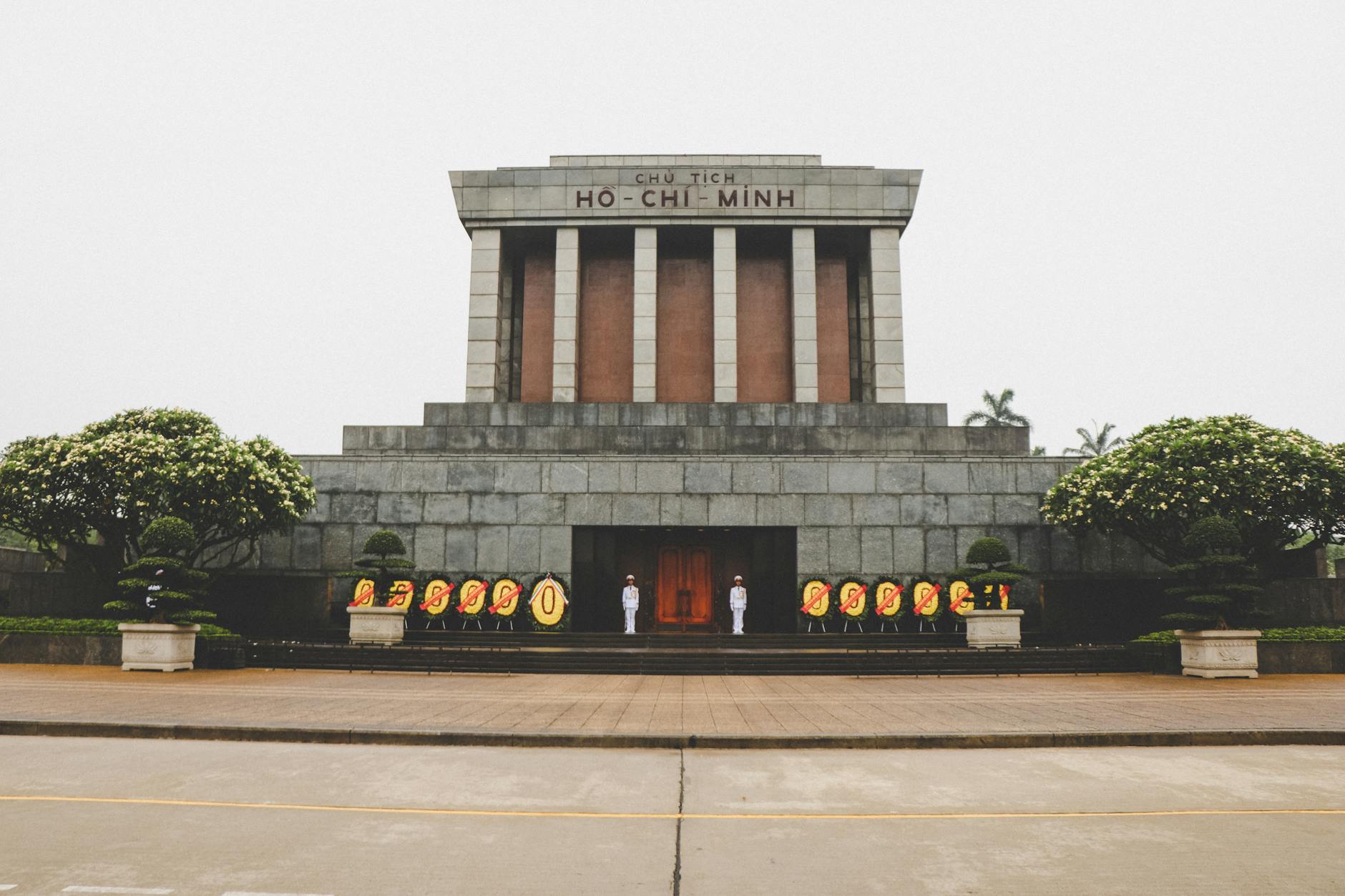
– Ba Dinh: quieter, near the Mausoleum and museums.
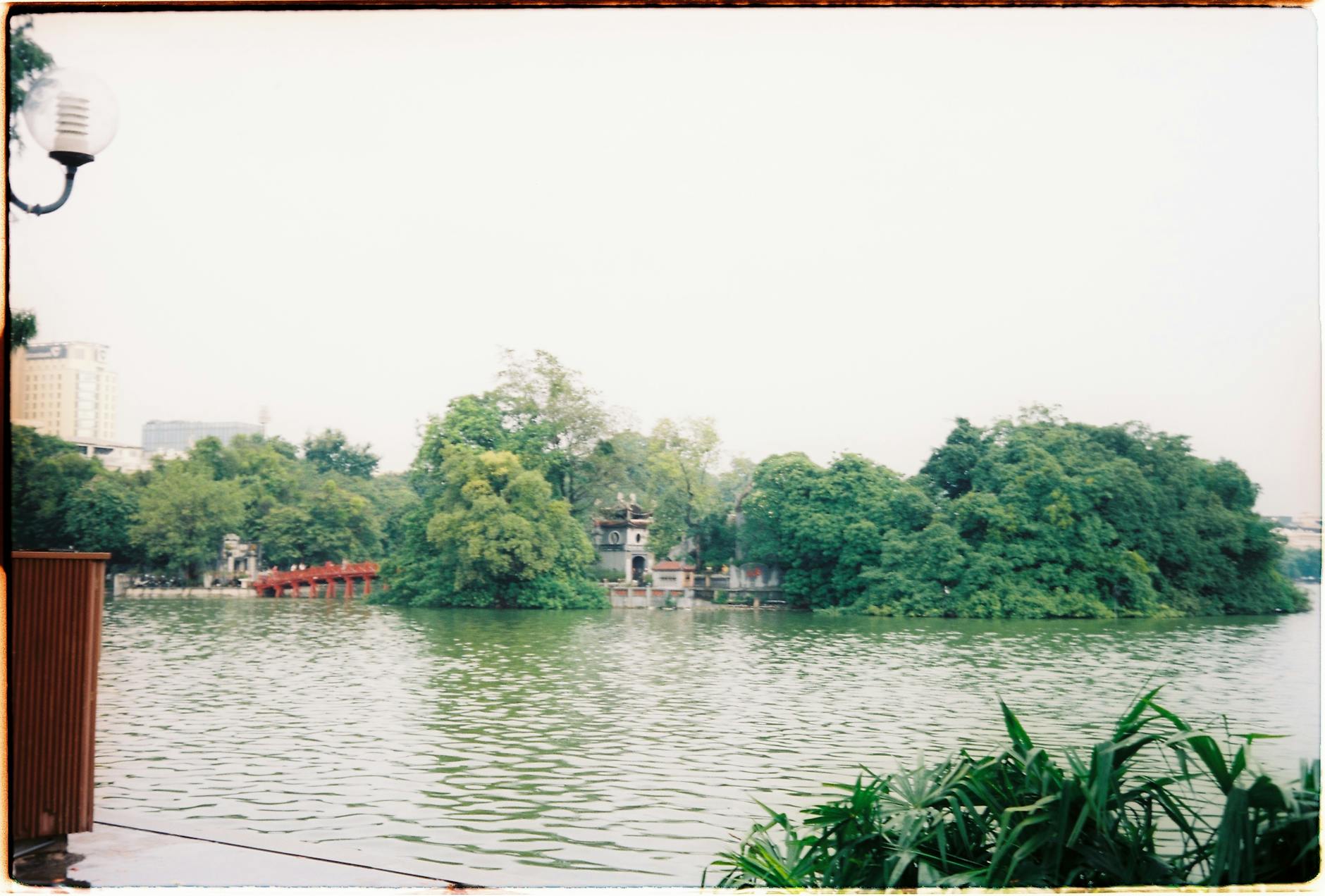
– Tay Ho: choose this if you prefer lakefront calm, expat cafes, and cycling routes.
Booking advice: reserve hotels and any Ha Long Bay or domestic flights 6–8 weeks ahead for shoulder season and 3+ months for Tet or National Day holidays.
Local Context
Seasonal realities:
– Summer (May–August): hot (30–38°C), high humidity, frequent heavy rain and occasional flooding in low-lying streets.
– Autumn (September–November): cooler, drier, and visually clear—Hanoi’s most comfortable touring months.
– Winter (December–February): cool to chilly (10–20°C), gray skies and light drizzle some days—layers recommended.
– Spring (March–April): warming with occasional showers; many traditional festivals take place from late winter through spring.
Transport realities:
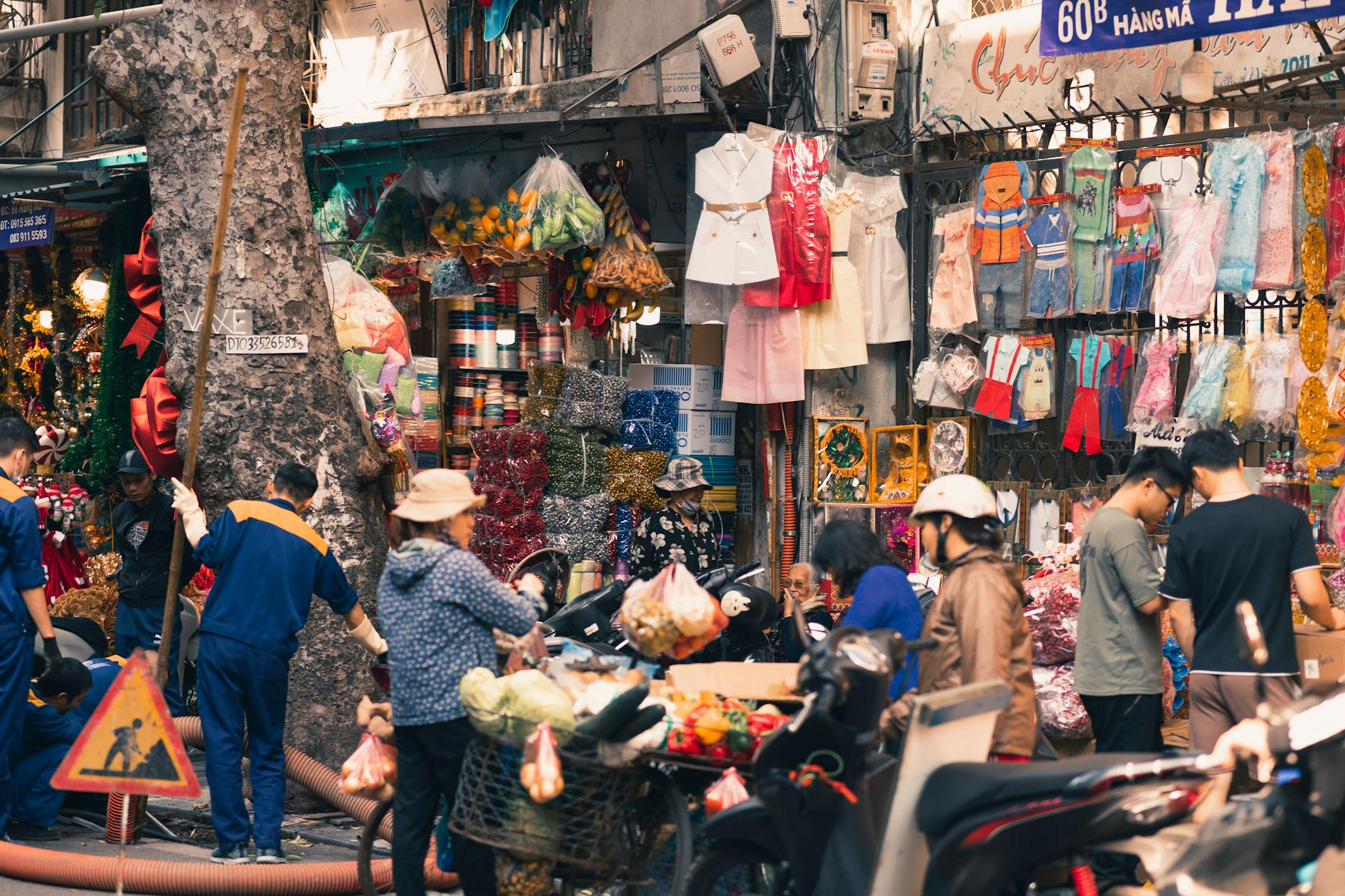
– Traffic is dense. For short distances, walking in the Old Quarter is often faster than car travel.
– Use Grab or trusted taxi brands (Mai Linh, Vinasun) for reliable fares. Motorbike taxis are quick but expect close traffic.
– Trains and night buses connect to Hue and other cities; flights are fastest to Nha Trang or Ho Chi Minh City.
Local etiquette: modest dress at pagodas, ask before photographing people in marked religious or market areas, and use both hands to give/receive business cards or small gifts.
How to Choose Well
Decide by priority using this quick checklist:
– Weather comfort: pick autumn (Sep–Nov) or spring (Mar–Apr).
– Festivals and culture: plan around Tet (late Jan–Feb; dates change yearly) or Mid-Autumn (Sept) for local events—but expect closures during Tet.
– Crowds and cost: shoulder seasons are ideal—book accommodation 4–8 weeks in advance.
– Day trips: if you plan to visit Hue, Hoi An, or Nha Trang, check flight and train schedules and book intercity travel early in peak months.
Practical selector:
– If you want fewer crowds and lower prices: travel in January (avoid Tet week) or late October.
– If you want the best weather and festivals: choose October–November and allow time for day trips in clear weather.
Responsible and Local-First Tips
Support the local economy and reduce impact:
– Eat at family-run pho stalls, small bun cha shops, and neighborhood coffee houses rather than international chains.
– Hire licensed local guides for neighborhood walking tours and cultural experiences; many guides are freelance and benefit directly from tips.
– Walk, cycle, or use public buses for short hops; choose shared transport over private cars when possible.
– Bring a reusable water bottle and ask vendors to serve drinks without plastic straws. Carry small cash for markets to help micro-merchants.
– Respect temple etiquette: remove hats, cover shoulders, and avoid loud behavior. Ask before photographing ceremonies or people in prayer.
Common Mistakes to Avoid
- Booking during Tet without checking dates: many shops and tours close and prices spike.
- Assuming taxis are always the fastest option: in the Old Quarter, walking or cycling can save time.
- Packing only light clothing for winter: nights can be unexpectedly cool and damp.
- Underestimating rain: sudden tropical downpours are common in summer—carry a compact rain jacket and shoe options that dry quickly.
- Overplanning in a single day: traffic and narrow streets can slow travel—group nearby sights when following the 3-day itinerary.
FAQ
When is Tet and should I travel then?
Tet follows the lunar calendar (usually late January–February). It’s culturally rich with celebrations, but many businesses close. Travel around Tet if you want to experience traditions—book accommodation and transport months in advance and expect higher prices.
Is summer a bad time to visit Ha Noi?
Summer (May–Aug) can be uncomfortable due to heat and humidity plus heavy rain. It’s fine if you tolerate warm weather and plan indoor museum visits, early-morning walks, and flexible schedules around storms. You’ll find fewer tourists and lower prices.
Which neighborhood is best for a short trip?
For a 3-day stay, base yourself in the Old Quarter or Hoan Kiem for walkability and easy access to our 3 days in Ha Noi guide. Choose Tay Ho for quieter evenings and lake views, or Ba Dinh if you prefer proximity to museums and official sites.
How far in advance should I book day trips and trains?
For shoulder season, book 4–8 weeks ahead. For peak holidays (Tet, National Day), book 2–3 months ahead. Night trains and popular Ha Long Bay cruises sell out quickly in peak months.
Are there particular months to avoid for pollution or visibility?
Winter can be hazy and gray, which affects long-distance views and photography. Air quality fluctuates; check local AQI forecasts if you’re sensitive.
How do I combine Ha Noi with Hue, Hoi An, or Nha Trang?
Flights are fastest to Nha Trang and Ho Chi Minh City. For Hue and Hoi An, take an overnight train or short flight to Da Nang plus a 45–90 minute transfer. Schedule intercity travel on clear-weather days to avoid delays.
Conclusion
Pick shoulder seasons (Sept–Nov or Mar–Apr) for the best balance of weather, crowds, and local life. If you must travel in summer or around Tet, plan adaptively, book early, and choose neighborhoods that suit your tolerance for noise and crowds. Use this page alongside our 3 days in Ha Noi itinerary and consider sustainable choices—local guides, small businesses, and low-impact transport—to make your visit better for the city and its residents.
How this guide was prepared
This guide was prepared through a structured research that combines destination research, geographic context, itinerary planning logic, and content review.