

Best Time to Visit Hamburg
Practical, sustainable advice on when to visit Hamburg: weather, crowds, festivals, and booking tips to pair with a 3-day Hamburg itinerary and nearby day trips to Lübeck, Kiel, Bremen, Hannover, and Braunschweig.
Choose the best months to visit Hamburg based on weather, events, and low-impact travel. Clear guidance for planning a 3-day trip and sensible day trips to nearby northern German cities.
Quick Answer
Choose the best months to visit Hamburg based on weather, events, and low-impact travel. Clear guidance for planning a 3-day trip and sensible day trips to nearby northern German cities.
Who This Page Is For
This page is for travelers planning a stay in Hamburg who want clearer decisions about best time to visit, local logistics, timing, budgeting, and practical trip planning.
How This Page Was Prepared
This page was prepared through a structured editorial workflow that combines destination research, geographic context, and practical travel-planning review.
Plan the Rest of Your Trip
Use this page together with the full itinerary and the related planning pages below to make better booking, timing, transport, and budget decisions.
Best overall months: May–June and September–October (mild weather, fewer crowds, many businesses fully open).
Summer (July–August) gives the warmest weather and long daylight but brings peak crowds and higher prices. Winter (November–February) is low-cost and atmospheric for Christmas markets and indoor culture but colder, wetter, and with shorter days.
If you’re following a 3-day Hamburg itinerary, aim for shoulder seasons to combine pleasant weather with easier bookings and more authentic neighborhood experiences.
This page helps you decide the best months to visit Hamburg depending on weather tolerance, events, and a desire to travel sustainably. It’s written to support a main 3-day Hamburg itinerary and to suggest low-impact options for day trips to Lübeck, Kiel, Bremen, Hannover, and Braunschweig. Expect practical notes on neighborhoods, transport, and booking so you can plan an efficient, locally minded trip.
What This Page Helps You Decide
Use this guide to choose the date range that best matches your priorities:
- Weather vs. crowds: pick summer for warmth but shoulder seasons for balance.
- Events and festivals: plan around Hafengeburtstag (May) or Reeperbahn Festival (September) if you want them, or avoid those if you prefer quiet.
- Budget and logistics: winter flights and hotels are cheapest; book early for festival weekends.
- Neighborhood experience: stay in HafenCity/Altstadt for central sightseeing, St. Pauli/Schanzenviertel for nightlife and independent businesses, or Altona for a quieter, local feel.
Practical transport note: Hamburg’s public transport (HVV) runs the city and regional trains to Lübeck, Kiel, Bremen and Hannover. Buy tickets before boarding and check weekend S-Bahn schedules if you plan day trips.

Top Recommendations
May–June (best overall)
– Why: mild temps, blooming parks, full cultural season without peak crowds.
– Where to base yourself: HafenCity, Neustadt/Altstadt, or Altona for easy access to Elbphilharmonie, Speicherstadt, and ferry routes.
– Book: Elbphilharmonie plaza tickets and harbor tours a few weeks ahead.
September–October (best shoulder season for festivals and autumn color)
– Why: comfortable weather, fewer tourists, Reeperbahn Festival in early September draws music crowds—book early if attending.
– Where to base: St. Pauli or Sternschanze for nightlife and local cafés.
– Book: festival tickets, some guided walking tours.
July–August (summer peak)
– Why: warmest weather, long days for harbor walks and Alster boating.
– Downsides: higher prices, crowded attractions, full restaurant bookings.
– Tip: reserve tables and Elbe ferry seats in advance; arrive early at the Fish Market on Sunday.
November–February (winter and Christmas)
– Why: Christmas markets, indoor cultural season, lower rates.
– Downsides: cold, rain, shorter daylight. Many smaller shops close for January breaks—check opening hours.
– Tip: combine museum time with market visits; book flexible accommodations and check transport strike announcements in advance.

Local Context
Climate and seasons
– Hamburg is maritime: expect wind, frequent cloud cover, and evenly spread rainfall year-round.
– Summers are mild (20–25°C typical) rather than hot; spring and autumn can change quickly.
Transport realities
– Hamburg Airport and Hauptbahnhof connect well to regional day-trip cities by train (Lübeck ~45–60 min, Bremen 1–1.5 hr, Kiel ~1.5 hr). Regional trains are reliable; reserve seatless regional tickets are fine but check ICE/IC reservations for longer journeys.
– Ferries and S-Bahn: HVV tickets must be purchased before boarding; ferries make scenic, local transport alternatives to tourist cruises.
Local etiquette and norms
– Tipping 5–10% is customary in restaurants; round up small purchases.
– Be quiet in residential areas late at night; late-night noise in St. Pauli is tolerated but expect local complaints elsewhere.
– Recycling is taken seriously—use the correct bins.
Booking reality
– Book Elbphilharmonie concerts, major events, and weekend hotels well in advance. For the 3-day itinerary, reserve key museum or harbour tour time slots so you avoid last-minute scheduling stress.

How to Choose Well
Match your priorities to a season and neighborhood:
- Culture and museums (good most months): choose shoulder seasons and base near Hauptbahnhof or Neustadt for easy access to Kunsthalle and Speicherstadt museums.
- Harbor and photography: low wind days in May–June or September; use Landungsbrücken and HafenCity for sunrise shots.
- Nightlife and independent scene: St. Pauli and Sternschanze year-round; avoid noisy nights if you want restful sleep.
- Families: late spring and early autumn for playgrounds in Planten un Blomen and calmer museum visits.
Booking tips
– For short trips like a 3-day itinerary, book hotels and one or two timed tickets (Elbphilharmonie, Miniatur Wunderland) in advance.
– Aim for refundable or flexible options when travelling in shoulder seasons, where weather can shift.
– Consider staying in a smaller guesthouse or family-run pension to keep tourist spend local.
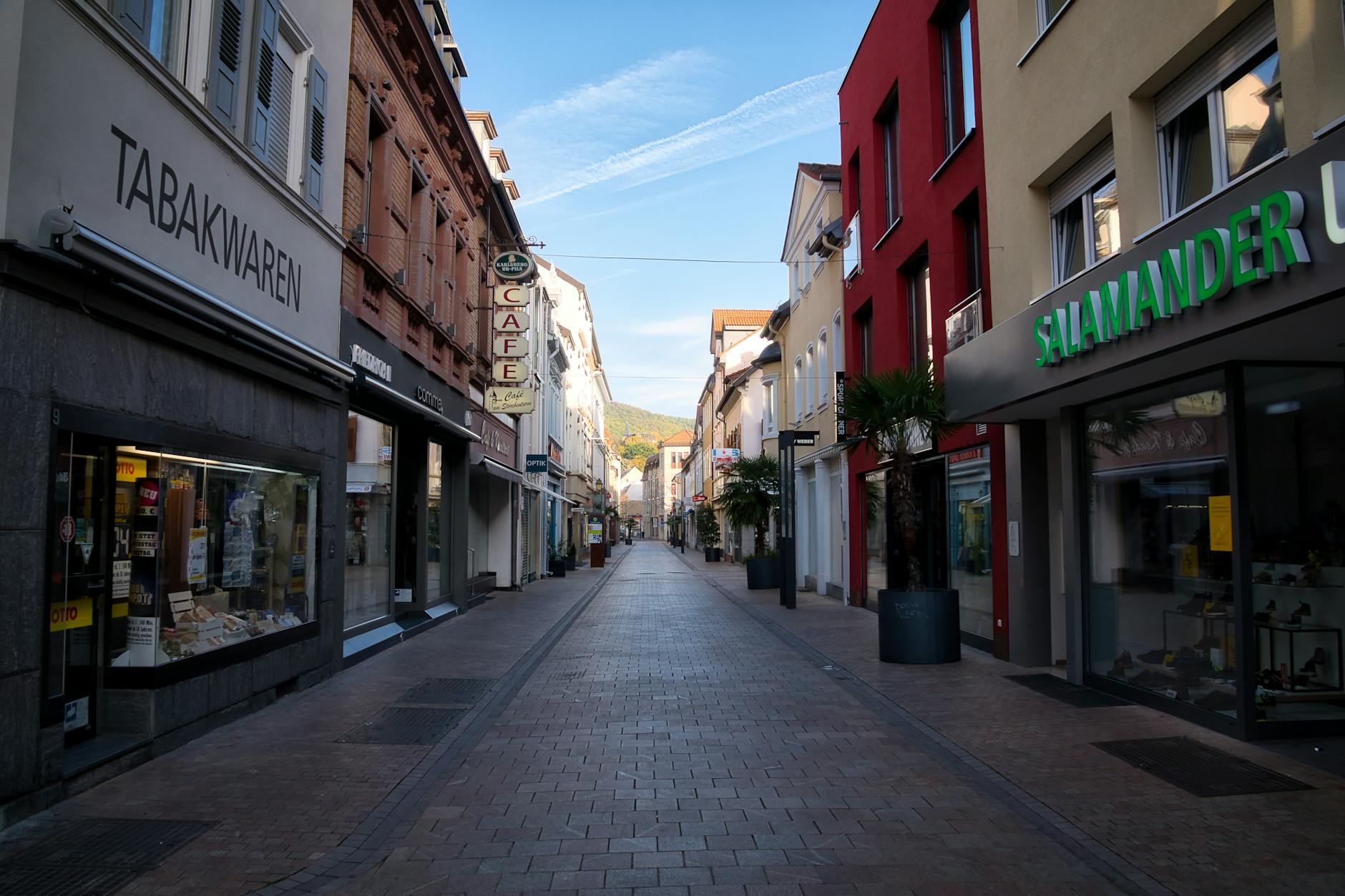
Responsible and Local-First Tips
Support local businesses and reduce impact:
- Eat local: try weekly markets like Isemarkt (Eimsbüttel) and fish at the Fish Market, and favour neighborhood bakeries and family-run restaurants in Ottensen, Sternschanze, or St. Pauli.
- Travel low-impact: use HVV trains, buses, and ferries; rent a bike for short trips around the Alster and HafenCity.
- Choose tours that use small boats or electric operators and prefer walking tours run by local guides.
- Buy locally made gifts and avoid mass-produced souvenirs; spend in neighborhood shops rather than large chain stores.
Seasonal sustainability
– Visit in shoulder months to spread tourist income across the year and avoid peak-season strain on local infrastructure.
– If visiting winter markets, arrive early and combine indoor museums to avoid peak times at crowded stalls.

Common Mistakes to Avoid
- Underestimating wind and rain: pack layers and a windproof jacket year-round.
- Assuming summer equals heat: Hamburg summers are mild; don’t rely on beach weather.
- Booking last-minute for major events: Hafengeburtstag and Reeperbahn Festival need early hotels and tickets.
- Staying only on Reeperbahn: it’s noisy at night—choose St. Pauli for nightlife but book quieter nights elsewhere if you need sleep.
- Using tourist harbour cruises only: local HVV ferries are cheaper, frequent, and support the local transit network.
- Ignoring shop hours in winter: many independent shops close earlier or take January breaks—check ahead.
FAQ
When are the Christmas markets in Hamburg?
Most markets run from late November through December; the historic Rathausmarkt and the market near St. Petri are popular. Weekends are busiest—visit on weekday mornings to avoid crowds.
Is Hamburg worth visiting in winter?
Yes, if you enjoy museums, concerts, and Christmas markets. Expect cold, damp weather; plan more indoor activities and book accommodation with good heating.
When is Hafengeburtstag and should I go?
Hafengeburtstag is in May and celebrates the port’s anniversary. It’s lively and popular—go if you want maritime spectacle, but book transport and lodging early or avoid if you prefer quieter travel.
How do I avoid crowds while following a 3-day Hamburg itinerary?
Travel in shoulder seasons (May–June, Sep–Oct), visit major sights early or late in the day, and use HVV ferries or quieter neighborhoods like Altona for meals instead of central tourist strips.
Can I day-trip to Lübeck or Kiel from Hamburg easily?
Yes. Trains to Lübeck take about 45–60 minutes; Kiel and Bremen are about 1–1.5 hours. Regional trains are frequent—buy HVV or Deutsche Bahn regional tickets and check schedules for connections.
Conclusion
For a balanced, locally focused trip that pairs well with a 3-day Hamburg plan, prioritize May–June or September–October for mild weather, manageable crowds, and full local services. If you must travel in high summer or winter, adjust bookings and expectations: reserve key timed entries, choose accommodations that support local owners, and use public transit or bike rentals to keep your visit low-impact. For practical day-by-day planning, see the companion 3 days in Hamburg guide and pick one nearby city—Lübeck, Kiel, Bremen, Hannover, or Braunschweig—for a sustainable day trip by train.
How this guide was prepared
This guide was prepared through a structured research that combines destination research, geographic context, itinerary planning logic, and content review.