
Best Time to Visit Khett Siem Reab (Siem Reap) — When to Plan Your 3-Day Trip
Practical, local-first advice on when to visit Khett Siem Reab (Siem Reap). Seasonal weather, crowds, festivals, transport realities, and sustainable tips to plan a low-impact 3-day itinerary.
A concise, practical guide to choosing the best months to visit Khett Siem Reab for temple visits, market strolls, and Tonlé Sap trips — with shoulder-season and sustainable options tailored to a 3-day itinerary.
Quick Answer
A concise, practical guide to choosing the best months to visit Khett Siem Reab for temple visits, market strolls, and Tonlé Sap trips — with shoulder-season and sustainable options tailored to a 3-day itinerary.
Who This Page Is For
This page is for travelers planning a stay in Khett Siem Reab who want clearer decisions about best time to visit, local logistics, timing, budgeting, and practical trip planning.
How This Page Was Prepared
This page was prepared through a structured editorial workflow that combines destination research, geographic context, and practical travel-planning review.
Plan the Rest of Your Trip
Use this page together with the full itinerary and the related planning pages below to make better booking, timing, transport, and budget decisions.
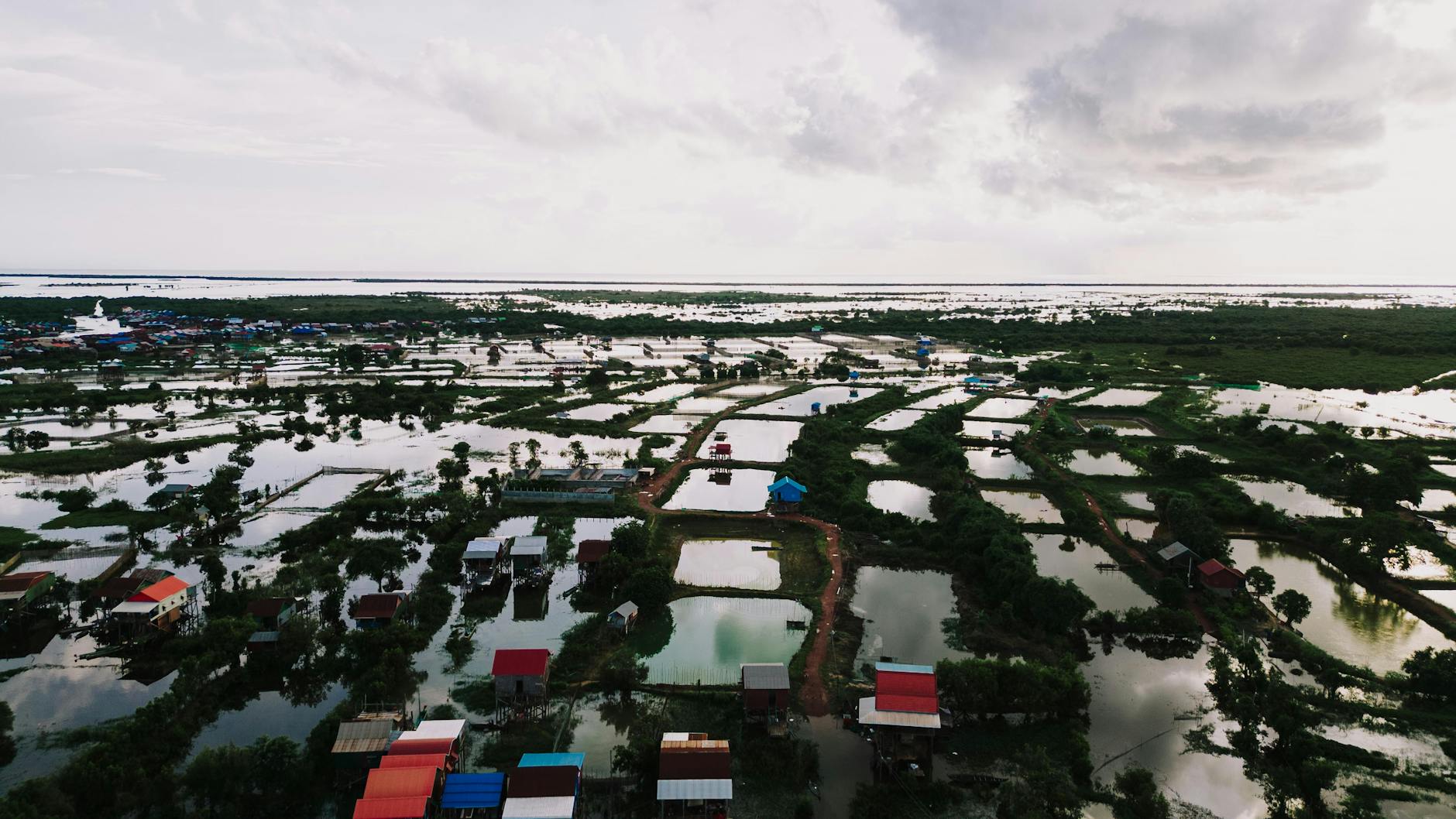
Best windows: November–February for cooler, drier weather and reliable travel conditions. Shoulder-season picks: late October–November and February–early March for fewer crowds and good light. Expect high heat March–May and heavy rain May–October that can make rural roads muddy but also show dramatic green landscapes and quieter temples.
Khett Siem Reab (commonly called Siem Reap) sits near the ancient Angkor temples and the Tonlé Sap wetlands. Picking dates matters: weather affects access to remote sites, crowds change the experience at dawn, and festivals offer cultural depth. This page helps you time a low-impact, locally beneficial 3-day trip and links naturally to the companion 3 days in Khett Siem Reab itinerary for day-by-day planning.
What This Page Helps You Decide
Use this page to choose when to visit based on:
- Weather tolerance (heat vs. rain)
- Crowd sensitivity (sunrise/dawn visits vs. quieter afternoons)
- Festival timing (Khmer New Year, Pchum Ben)
- Transport and road reliability for day trips to Phnom Kulen or Tonlé Sap
- How to align a 3-day itinerary with local practices and low-impact options
If you already have a set of dates, the companion 3 days in Khett Siem Reab guide will show how to reorder activities by season.
Top Recommendations
Season-by-season practical tips:
- November–February (Best overall): Cooler mornings (20–25°C), clear skies, easy walking between temples. Book accommodation and Angkor passes early for peak weeks (late Dec–early Jan).
- Late October–November & February–early March (Shoulder season): Lower prices, fewer tour groups, good light for photography. Expect occasional showers in October.
- March–May (Hot season): Daytime temps often exceed 35°C. Plan temple visits early or late, carry sun protection and water, and prefer shaded routes or guided tuk‑tuk loops.
- May–October (Wet season): Afternoon storms, dramatic green rice paddies, fewer visitors, and lower rates. Choose paved or well-maintained routes; avoid remote dirt tracks after heavy rain.
Practical booking tips:
– Reserve Angkor passes and at least the first-night hotel before arrival during high season.
– For dawn experiences, stagger visits—consider sunset or mid-morning alternatives to reduce crowds and support local guides across more hours.

Local Context
Neighborhoods and logistics:
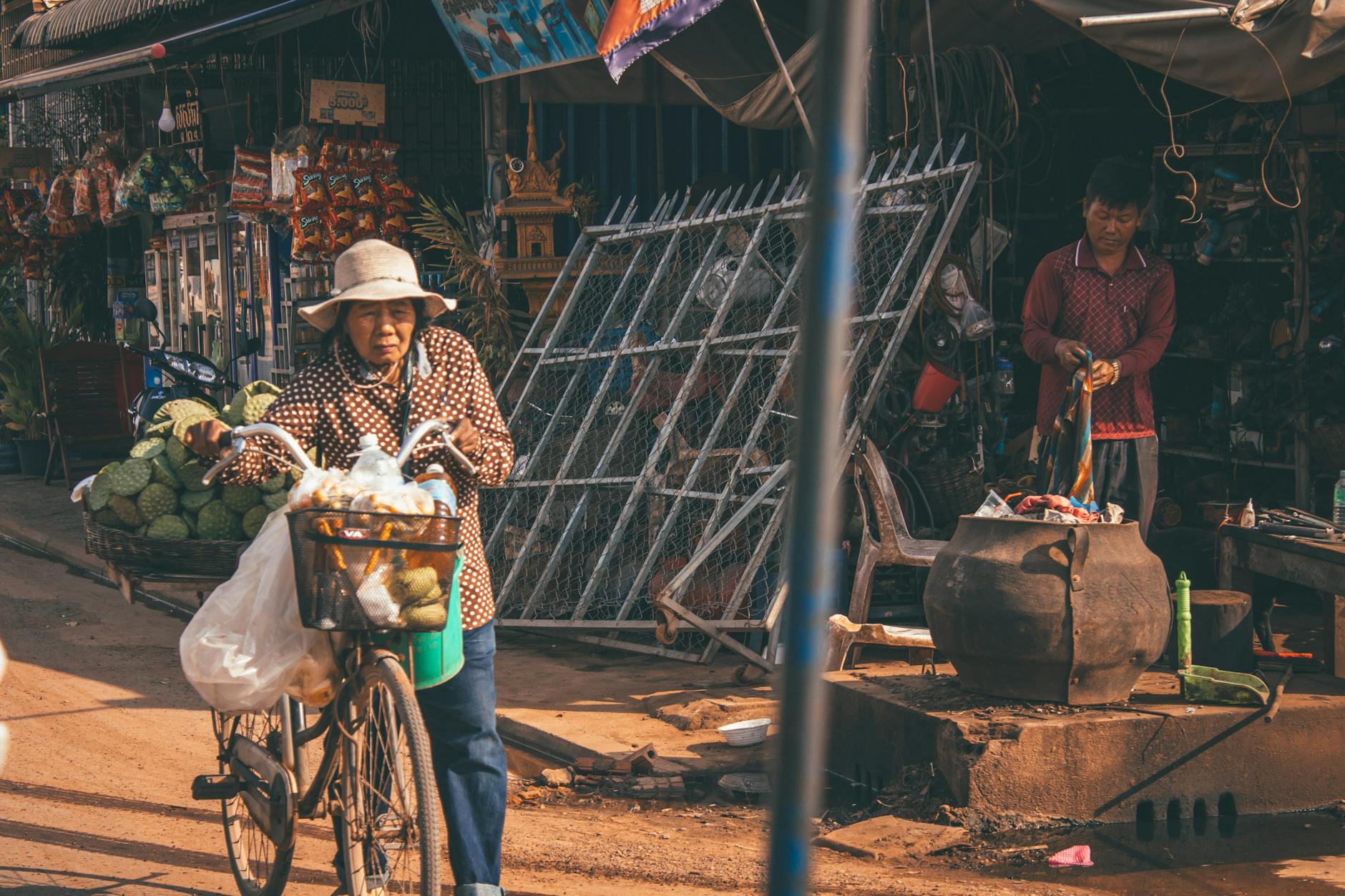
- Old Market (Phsar Chas) and Wat Bo are compact, walkable bases with many family-run guesthouses and street food — good for supporting local businesses.
- Svay Dangkum and the riverside have more boutique options and greener streets.
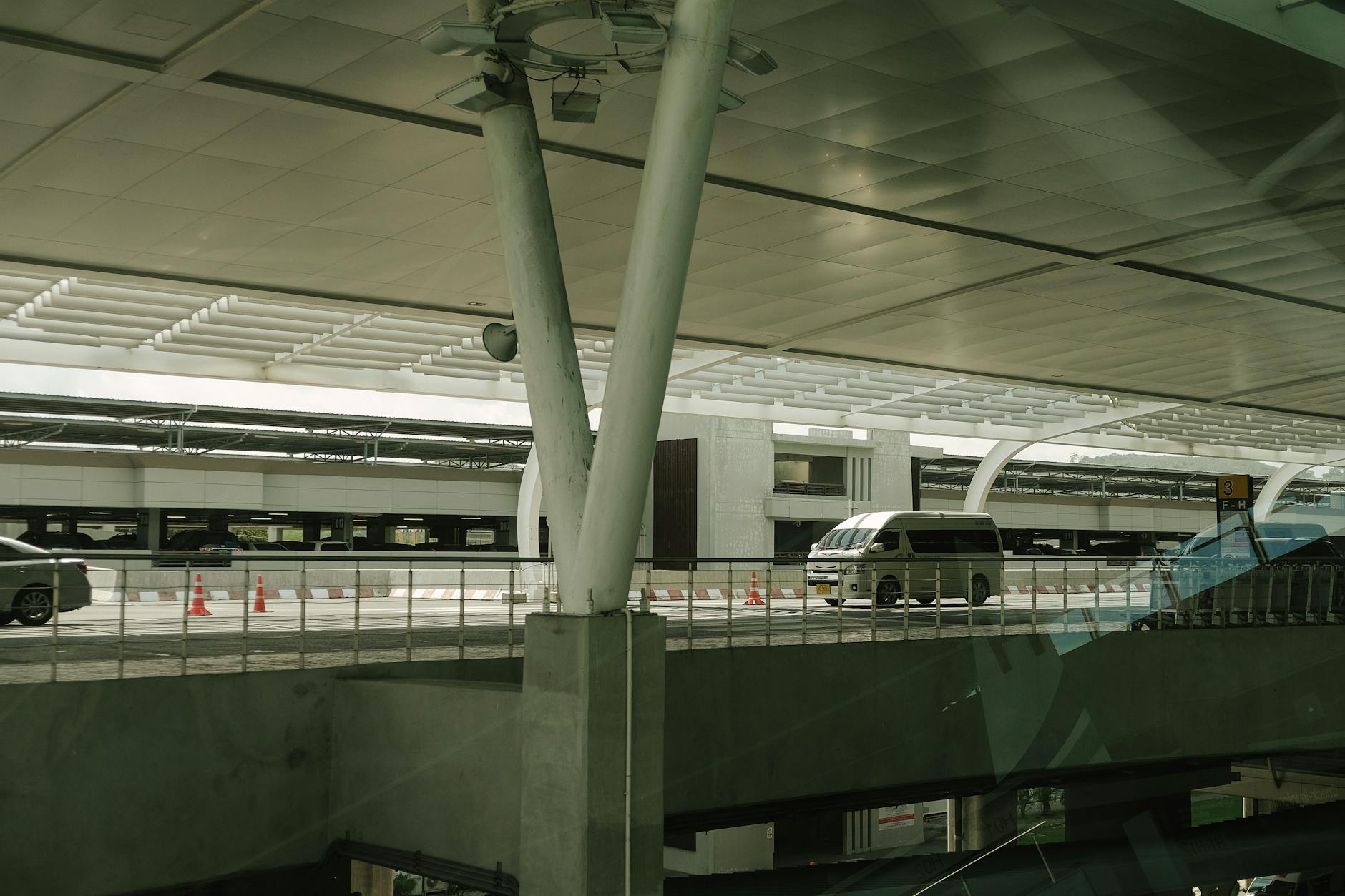
- Siem Reap International Airport has regular flights to Phnom Penh and regional hubs; buses and private cars run to Phnom Penh and coastal Preah Seihanouk but allow extra travel time in wet months.
Seasonal realities:
– Tonlé Sap water levels rise in the wet season, changing boat routes; some floating villages are accessible only at certain times of year.
– Phnom Kulen trails can be slippery in the rains and crowded during Khmer New Year (April) and Pchum Ben (Sep/Oct).
Local etiquette:
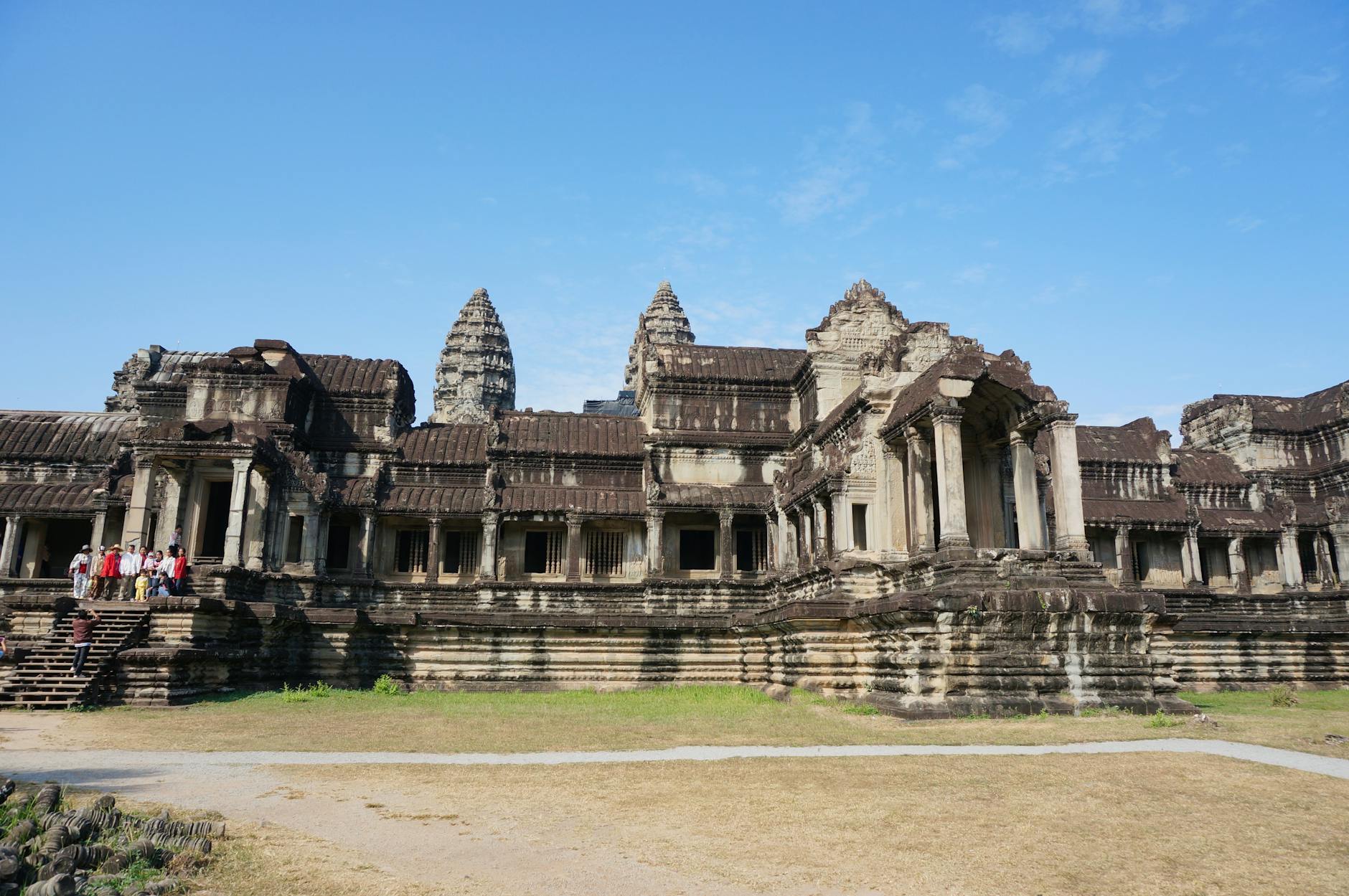
– Dress modestly at temples: shoulders and knees covered; remove hats and shoes where indicated.
– Ask before photographing people, especially monks and ceremonies.
– Negotiate tuk‑tuk fares with a clear route and price before departure.
How to Choose Well
Match season to trip priorities:
- If you want cooler, uncomplicated travel: schedule November–February and book early.
- If you prioritize quiet temples and savings: aim for shoulder months (Oct/Nov, Feb/Mar).
- If you want lush landscapes and fewer tourists, accept occasional rain and plan sturdy footwear and flexible driving times.
Booking and itinerary tips for the linked 3-day guide:
– Buy an Angkor pass on day one or pre-purchase where possible; plan a morning or afternoon loop each day rather than back-to-back dawns.
– Reserve a local licensed guide for at least one temple day — they spread income into local communities and improve interpretation.
– Choose accommodation near Old Market or Svay Dangkum for easy evening meals and short tuk‑tuk rides to temple gates.

Responsible and Local-First Tips
Practical, low-impact choices:
- Stay local: pick family-run guesthouses, homestays, and community restaurants, especially near Phsar Chas.
- Hire local licensed guides and drivers who repay earnings locally and know seasonal access.
- Travel light and bring a refillable water bottle; many hotels offer filtration.
- Bike short distances where safe to reduce tuk‑tuk trips and see neighborhoods up close.
- Avoid single-use plastics; use cloth bags and support local cooperatives for souvenirs.
- Respect temple conservation: don’t climb fragile stones or move markers, and follow any site-specific guidance.
Support local projects:
– Eat at market stalls and social-enterprise restaurants, and consider small donations to village education or conservation projects rather than large-scale handouts.
Common Mistakes to Avoid
Mistakes travelers make and how to avoid them:
- Booking the sunrise at Angkor Wat for all three mornings — this crowds the site and squeezes local guides into peak hours. Stagger dawn and afternoon visits.
- Underestimating the heat from March–May; schedule indoor or shaded activities midday.
- Relying on dirt roads in heavy rains without flexible plans — pick paved routes or accept longer travel times.
- Ignoring festival dates — hotels and transport fill fast during Khmer New Year and Pchum Ben.
- Overpaying for tours without checking credentials — ask for a license or local referrals.
Avoid the temptation to move quickly between nearby cities (Phnom Penh, Preah Seihanouk, Bangkok area cities) without allowing buffer days for travel disruptions.
FAQ
When is the absolute best month to visit Siem Reap for weather and fewer crowds?
Late November through February offers the most reliable dry weather and cooler temperatures; to reduce crowds further, pick weekdays outside holiday weekends.
Is the wet season (May–October) a bad time to go?
Not necessarily. The wet season brings dramatic greenery, lower prices, and quieter temples. Expect afternoon downpours and check access to Tonlé Sap and remote tracks; plan flexible transport.
How should I time dawn visits to Angkor to avoid crowds and still get good light?
Instead of three consecutive dawns, do one dawn (preferably mid-week) and schedule afternoon or late-morning temple loops on other days. Consider less-visited temples like Banteay Srei or small-group guided circuits.
Are there festivals I should plan around?
Yes. Khmer New Year (mid-April) and Pchum Ben (Sep/Oct — dates vary) are important culturally but can affect availability and prices. Loyally check local dates before booking.
What transport realities should I know when visiting nearby cities like Phnom Penh or Preah Seihanouk?
Flights are fastest; express buses and private cars run to Phnom Penh and the coast but expect longer journeys during the wet season. For cross-border trips to Thailand (Bangkok, Si Racha, Phatthaya), allow extra border-processing time and check schedules seasonally.
How long should I plan for a meaningful visit?
For a focused Angkor and local-culture visit, the companion 3 days in Khett Siem Reab guide is ideal. Add extra days if you want low-impact excursions to Tonlé Sap, Phnom Kulen, or day trips toward nearby cities.
Conclusion
Choose dates that match your tolerance for heat, rain, and crowds. For most travelers combining Angkor with a relaxed 3-day schedule, November–February or shoulder months are the best compromise. Book key items (Angkor passes, a licensed guide, and your first-night lodging) in advance during peak weeks, favor local businesses, and plan flexible transport in the wet season. For a full day-by-day plan, see the companion 3 days in Khett Siem Reab guide and consider nearby destination pages for onward travel to Phnom Penh, Preah Seihanouk, or Bangkok-area cities.
How this guide was prepared
This guide was prepared through a structured research that combines destination research, geographic context, itinerary planning logic, and content review.