
Best Time to Visit Mumbai
Practical month-by-month guide to Mumbai weather, crowds, costs, festivals, and when to plan a 3-day visit. Weather, transit, and festival specifics included.
When to go to Mumbai: winter (Nov–Feb) for clear skies and sightseeing, monsoon (Jun–Sep) for low prices but heavy rain, and shoulder months for balance.
Best time to visit Mumbai?
Plan a visit between November and February for the best weather; expect daytime highs of 28–32°C and clearer skies. Budget travellers who accept heavy monsoon rains can find hotel discounts of 30–50% from June through September.
Who This Page Is For
Useful for first-time visitors planning a short city break, festival-goers, and food-focused travellers. Not needed by travellers who want quiet, swim-friendly beach holidays during monsoon months when beaches are often closed.
Key Takeaways for Mumbai
- Best month window: November–February — daytime highs 28–32°C, lows 16–20°C and good conditions for Elephanta ferries (service usually runs November–March).
- Monsoon season: June–September — heavy rain (June ~600 mm, July ~900 mm typical), fewer tourists, hotels often 30–50% cheaper.
- Peak/most expensive: December–January (holiday season and Mumbai Marathon in January) — expect hotel rates 30–60% higher in Colaba and South Mumbai.
- Local transit tip: avoid Western, Central and Harbour Line local trains during weekday peak hours 08:00–10:00 and 17:00–20:00; use Mumbai Metro Line 1 (Versova–Andheri–Ghatkopar) or taxis for luggage.
How This Page Was Prepared
This page was prepared through a structured editorial workflow that combines destination research, geographic context, and practical travel-planning review.
Plan the Rest of Your Trip
Use this page together with the full itinerary and the related planning pages below to make better booking, timing, transport, and budget decisions.
Best overall window is November through February: cool mornings (16–20°C), comfortable days (28–32°C), lower humidity, and reliable ferry service to Elephanta Caves. Hotel and tour operators are busiest then, so book at least 3–6 weeks ahead for Colaba and South Mumbai.
If cost is the main concern, visit during monsoon (June–September) when hotels often drop rates 30–50%, but expect heavy rainfall, road flooding and many outdoor attractions closed. Shoulder months October and March offer compromise: fewer rains than monsoon and lower rates than December–January peak, with clearer skies after the monsoon ends.
This page answers the single practical question: when is the best time to visit Mumbai for sightseeing, food, and short day trips such as Elephanta Caves or a walk along Marine Drive. Many travellers underestimate how strongly Mumbai’s monsoon (heavy rain and local flooding) affects schedules, ferries and street-level mobility. Others assume winter means cold weather; in Mumbai winter is mild and the city is busy with tourists and local festivals.
Advice here focuses on weather, crowd levels, event timing, costs for hotels and transport, and transit realities (local train crush, BEST buses, Metro Line 1, ferry operations). The aim is to let a visitor decide a month for a 3-day itinerary that matches weather tolerance, budget, and interest in festivals like Ganesh Chaturthi or Kala Ghoda Arts Festival. Practical warnings and alternatives appear for people who prefer quieter streets, reliable ferries, or the cheapest hotel rates.
What This Page Helps You Decide
Choose the best month for a short Mumbai trip based on weather tolerance, budget and must-see activities like Elephanta Caves or a Kala Ghoda visit. The guidance helps decide whether to pay premium rates for clear-weather sightseeing (Nov–Feb), accept wet-weather conditions for cheaper hotels (Jun–Sep), or use shoulder months (Oct, Mar) for a balance.
Decisions supported include: whether to schedule the Elephanta ferry (avoid monsoon), when to attend Ganesh Chaturthi (Aug/Sept) or Kala Ghoda (Feb), and whether to plan around the Mumbai Marathon (January). Also advises on transit choices — when to avoid local trains and when Metro or taxis are preferable — and on neighbourhood choices for lodging (Colaba and Fort for first-time visitors vs Bandra for nightlife).

Top Recommendations
Seasonal breakdown (typical highs/lows in °C, rainfall tendency, crowd level):
– Winter (November–February): highs 28–32°C, lows 16–20°C. Rainfall minimal (Nov 10–30 mm, Dec–Jan <10 mm). Crowd level: high — tourists, business travel and domestic visitors pick these months. Ferry service to Elephanta usually operates (best time for a day trip).
– Pre-monsoon / Summer (March–May): highs 32–36°C, lows 24–28°C. Rainfall rising in May (30–150 mm). Crowd level: medium — fewer foreign tourists but Indians travel during Holi or long weekends.
– Monsoon (June–September): highs 28–31°C, lows 24–26°C. Rainfall heavy (June ~600 mm, July ~900 mm, Aug ~600 mm, Sep ~250–400 mm). Crowd level: low for sightseeing, high locally during Ganesh Chaturthi (August/September) which draws massive neighbourhood processions.
– Post-monsoon / October: highs 30–33°C, lows 22–25°C. Rainfall declines (October 50–100 mm). Crowd level: rising — clear skies after monsoon make this a strong shoulder month.
Key annual events and months:
– Ganesh Chaturthi — August/September (very large local processions and visarjan on the final day). Expect local crowding and road closures.
– Kala Ghoda Arts Festival — February (street exhibits, galleries open late, good time for Kala Ghoda and Fort walks).
– Mumbai Marathon — January (city centre road closures and hotel demand in South Mumbai and Nariman Point).
Other notable events: Diwali (Oct/Nov) and MAMI Mumbai Film Festival (usually October).
Best value months: June–September — hotels in Colaba, Bandra and South Mumbai often run promotions and lower rates by 30–50%; expect fewer guided-tour options and some attractions closed on heavy-rain days.
Peak/most expensive months: December–January — New Year, holiday season, and the Mumbai Marathon push hotel rates up 30–60% in prime areas like Colaba, Fort and Bandra Bandstand.
Months to avoid and why: July–August if the trip requires ferries or open-top sightseeing — heavy monsoon rain and occasional city flooding can cancel ferries to Elephanta and make walking tours unpleasant. Avoid planning a beach holiday for swimming during the monsoon because authorities often close beaches.
Shoulder-season advantages: October and March offer a mix of lower hotel rates than peak season, improving weather (October clears after monsoon; March is before summer peaks), and fewer crowds than December. Elephanta ferry schedule is generally reliable in October–March, and street food stalls and markets like Crawford Market and Colaba Causeway are fully operational.
Local Context
Mumbai’s neighbourhoods behave differently across seasons. South Mumbai (Colaba, Fort, Kala Ghoda) receives most tourist footfall in winter; hotels and restaurants there spike in price. Bandra and Juhu attract nightlife and coastal dining and see higher demand during festivals and cricket matches at Wankhede Stadium.
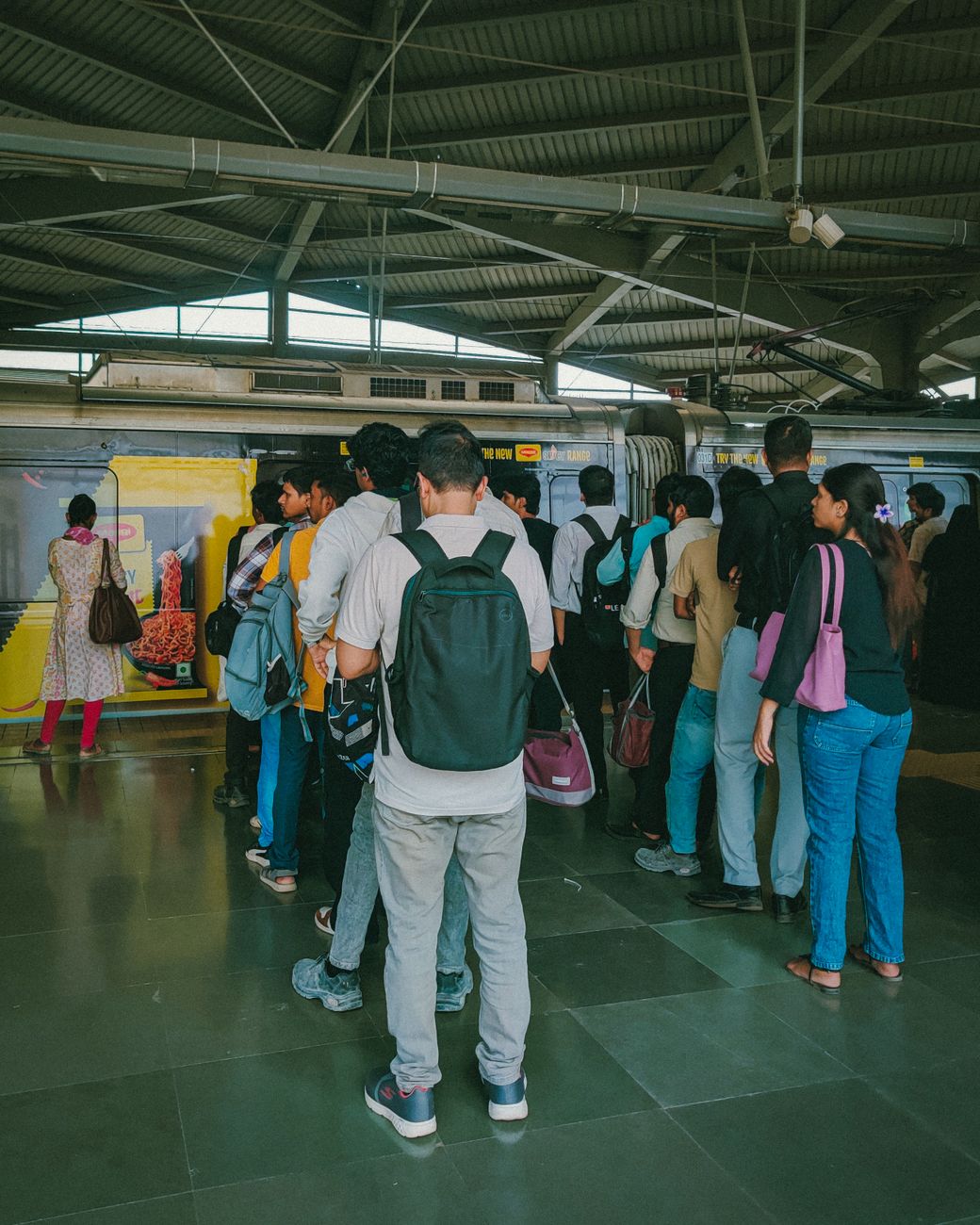
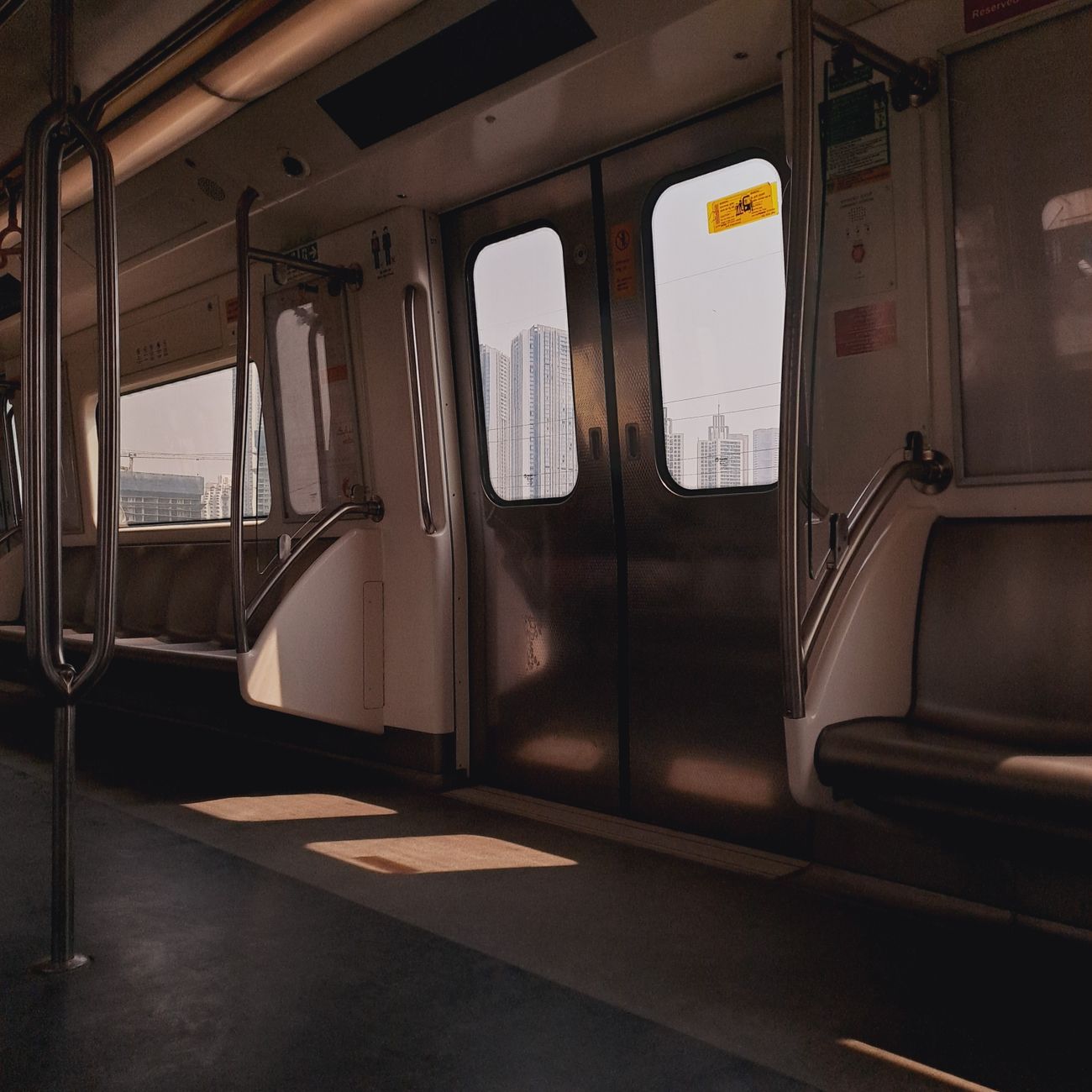
Transit realities shape daily plans. Local trains (Western, Central, Harbour lines) operate from about 04:00 to midnight and are the fastest way to cross long distances, but carriage crush during weekday peak hours makes them poor choices for tourists with luggage. The Mumbai Metro Line 1 (Versova–Ghatkopar) provides a climate-controlled east–west option on the western suburbs. m-Indicator is the standard app for train timings; the UTS app or ticket counters are used for longer suburban tickets and season passes.
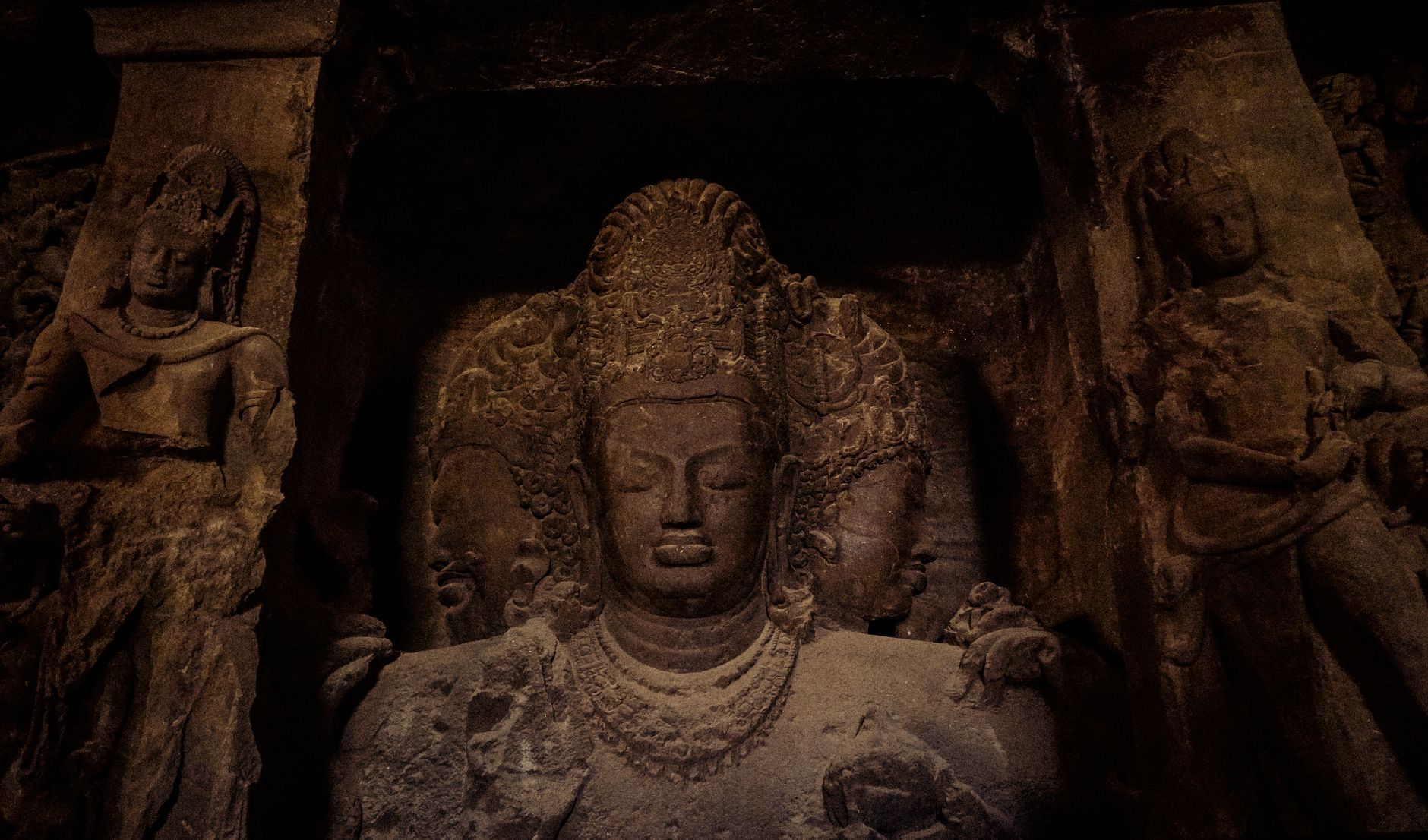
Street food and markets reflect seasonality. Monsoon sees stalls selling bhajiyas and cutting chai, while winter and festival months bring larger outdoor markets. Ferries to Elephanta and coastal boat services are generally unreliable during heavy seas; check the Gateway of India ticket booths or ferry operator notices before scheduling.
How to Choose Well
Decide by ranking three priorities: weather comfort, budget, and specific activities. If clear skies and boat trips to Elephanta matter most, choose November–February and book Gateway of India ferry tickets early in the day. If budget is top priority and travel can tolerate rain, pick June–September and accept possible cancellations of outdoor plans.
Balance trade-offs: winter provides the best sightseeing conditions but costs more; monsoon cuts hotel bills yet restricts open-air markets, ferries and beach time. Shoulder months like October and March are the pragmatic compromise — expect fewer tourists than winter, more reliable ferries than monsoon, and hotel rates often 10–25% lower than peak months.
For transit decisions, avoid local trains during weekday peaks (08:00–10:00, 17:00–20:00). Use Mumbai Metro Line 1, prepaid taxis (look for airport prepaid booths or apps like Ola/Uber), or book a private driver for day trips. For short stays, choose a hotel in Colaba or Fort for proximity to Gateway of India and Elephanta departures, or Bandra for nightlife and eateries.
Responsible and Local-First Tips
Support small businesses by eating at neighbourhood staples: try Bademiya (Colaba) for late-night kebabs, Britannia & Co. (Ballard Estate) for berry pulav and bun maska, and Trishna (Kala Ghoda) for seafood. Buy fruits and spices at Crawford Market rather than packaged imports.
Minimise impact during festivals and monsoon rituals by avoiding plastic flowers or non-biodegradable offerings during Ganesh visarjan; use paper or natural materials. Prefer BEST buses, Metro Line 1 and local trains (off-peak) over individual taxis when possible to reduce emissions.
Hire licensed local guides for neighbourhood walks (look for guides certified by Maharashtra Tourism) and tip appropriately (10% in sit-down restaurants, small change for street vendors). Carry a reusable water bottle and use filtered water stations in hotels or restaurants to reduce single-use plastics.

Common Mistakes to Avoid
Assuming Elephanta ferry runs year-round leads to disappointed plans. Ferries are often suspended during heavy monsoon seas (June–September) and may run only on selected days in shoulder months. Always confirm with Gateway of India ticket counters or ferry operator websites before committing a half-day.
Relying on local trains during weekday peak hours is a mistake for visitors with luggage. Western, Central and Harbour Line trains are fast but crowded; a short taxi or Metro ride costs more but saves time and stress. For multi-day stays, consider a one-week pass or contactless payments where available.
Expecting beach swimming or clean sand during monsoon is risky. Authorities can close Juhu and Chowpatty for health and safety; beaches are better for walks and street-food sampling in winter and the post-monsoon months when water quality is better.
FAQ
When is the cheapest time to fly and find cheap hotels in Mumbai?
Cheapest months are June–September (monsoon). Hotels in Colaba and Bandra can drop 30–50% compared with December–January. Flights from India to Mumbai also dip outside holiday windows; book 4–6 weeks in advance for the best domestic fares.
Are ferries to Elephanta Island open year-round?
Ferries typically operate reliably from November through March. Services reduce or stop during heavy monsoon seas (June–September); check Gateway of India ferry operator notices the day before.
Is Mumbai a good city to visit during monsoon?
Monsoon offers dramatic skies, fewer tourists and lower hotel rates, but expect frequent interruptions from heavy rain, road flooding, and occasional public transport delays. Plan indoor alternatives like Chhatrapati Shivaji Maharaj Terminus, museums and food tours.
How much should one budget per day for food and transit?
Budget travellers can manage on ₹800–1,500/day using street food (vada pav ₹20–60, pav bhaji ₹100–200), local buses and occasional train rides. Mid-range travellers should budget ₹2,500–5,000/day for sit-down meals, taxis and museum fees.
When is Mumbai most crowded and which events cause spikes?
December–January is the busiest because of holiday travel and the Mumbai Marathon in January. Ganesh Chaturthi (August/September) causes massive local crowds and road closures in many neighbourhoods.
Are local trains safe for tourists?
Local trains are safe but extremely crowded during weekday peak hours. Use off-peak trains, reserved suburban tickets, or alternate transit like Metro Line 1 and taxis when travelling with luggage.
Conclusion
Single most important thing: pick November–February for reliable sightseeing and ferry access, or choose monsoon months for the lowest prices if accepting weather disruptions. For most visitors a shoulder-month visit in October or March provides the best balance between cost, weather and operational ferries.
For a practical next step, use this timing guidance when selecting dates for the linked 3 days in Mumbai itinerary: schedule the Elephanta day trip on a clear day (preferably morning), avoid local-train peaks for inter-neighbourhood transfers, and reserve South Mumbai hotels early if travelling in December–January.
How this guide was prepared
This guide was prepared through a structured research that combines destination research, geographic context, itinerary planning logic, and content review.