

Best Time to Visit Singapore — practical seasonal guide
When to go to Singapore: weather, crowds, festivals, and low-impact tips to plan a 3-day trip. Find shoulder seasons, booking advice for events like the F1 and Chinese New Year, and smart local-first choices.
Singapore is visitable year-round. Choose dates by what you want to do — fewer crowds and better hotel rates in shoulder months, festival energy at Chinese New Year and the F1, and constant tropical showers to plan for. This page helps you pick dates that support local businesses and fit a 3-day itinerary.
Quick Answer
Singapore is visitable year-round. Choose dates by what you want to do — fewer crowds and better hotel rates in shoulder months, festival energy at Chinese New Year and the F1, and constant tropical showers to plan for. This page helps you pick dates that support local businesses and fit a 3-day itinerary.
Who This Page Is For
This page is for travelers planning a stay in Singapore who want clearer decisions about best time to visit, local logistics, timing, budgeting, and practical trip planning.
How This Page Was Prepared
This page was prepared through a structured editorial workflow that combines destination research, geographic context, and practical travel-planning review.
Plan the Rest of Your Trip
Use this page together with the full itinerary and the related planning pages below to make better booking, timing, transport, and budget decisions.
Best compromise for most travelers: visit during shoulder months (late February–April or October–November) for lower rates and fewer tourists. Expect frequent short storms; plan indoor backup activities like museums and hawker centers. Avoid major event weeks (Singapore Grand Prix in September and Chinese New Year in January/February) if you want lower prices and easier transit.
Singapore's climate is tropical: warm and humid all year, with daily short, heavy showers and occasional prolonged rain during monsoon periods. That means you can plan a 3-day visit any time of year, but the experience changes with festivals, school holidays, and regional haze. This page gives clear choices for when to go based on weather, crowds, events, and sustainable travel priorities to pair with your 3-day itinerary.
What This Page Helps You Decide
Use this page to choose travel dates that match your priorities for a 3-day trip: weather tolerance, crowd comfort, budget, and sustainable impact.
It helps you decide:
– Whether to travel for events or avoid them
– Which months have fewer tourists and better hotel value
– How weather and haze may affect outdoor plans like Sentosa or East Coast Park
– Practical transport and border-crossing tips if you plan add-ons to Johor Bahru, Kuala Lumpur, or Pekanbaru
If you're building an itinerary, see the companion 3 days in Singapore guide for day-by-day plans and linkable recommendations.
Top Recommendations
Where to aim your trip based on priorities:
- Lower crowds and better hotel rates: late February–April, October–early November.
- Driest stretch (fewer short heavy showers): June–August, but note June/July school holidays bring families and higher prices.
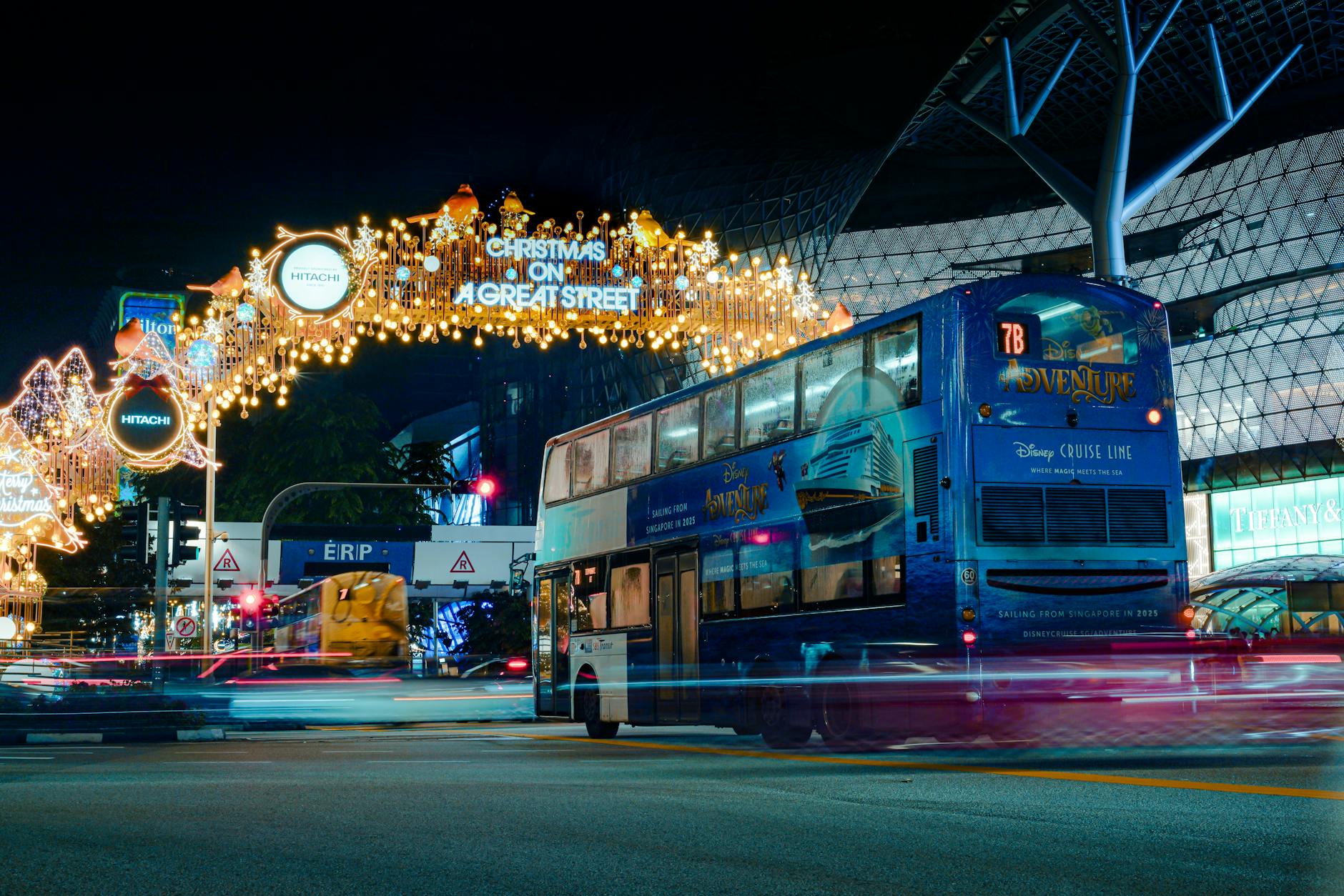
- Festivals and atmosphere: Chinese New Year (Jan/Feb) for markets and temple activity; National Day (August 9) for fireworks; F1 weekend (usually September) for a busy, high-cost experience.
- Avoid if you want clear skies: July–October can see haze from Sumatra fires; check air-quality forecasts.
Booking tips:
– Reserve hotels early for F1, Chinese New Year, and December year-end.
– Book major attractions and popular hawker stalls' peak times via apps where possible to reduce queue time.
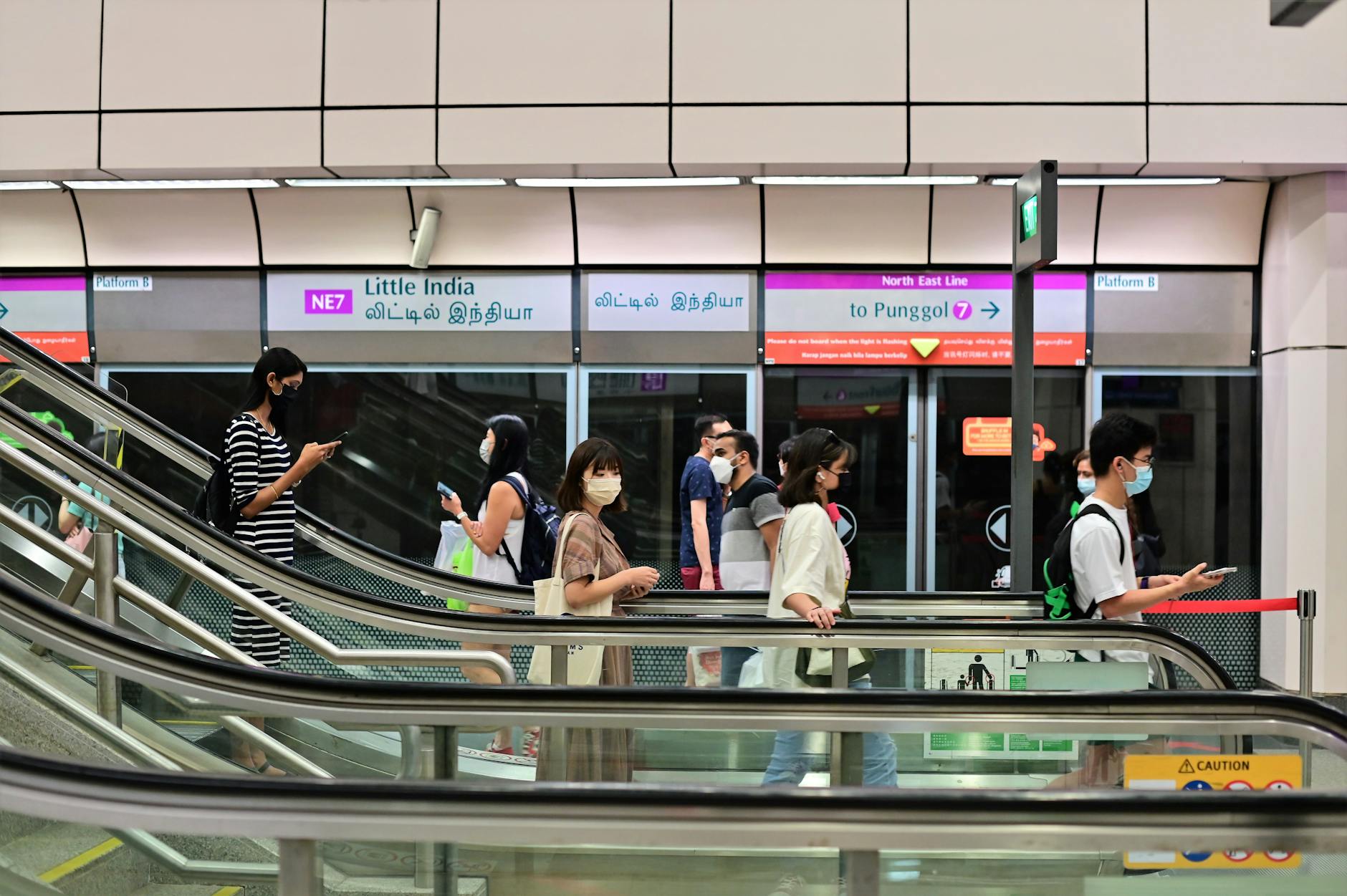
– Choose an MRT-accessible neighborhood (Marina Bay, Chinatown, Tiong Bahru, Bugis) for efficient short-trip logistics tied to the 3-day itinerary.
Local Context
Neighborhood patterns:
– Marina Bay / Downtown: best for first-time visitors, close to major sights and transit but pricier hotels.
– Chinatown and Bugis: compact, walkable, lots of food options and good value stays.
– Tiong Bahru and Kampong Glam: neighborhood cafés, heritage streets, quieter evenings.
– Sentosa and East Coast: recreation zones; Sentosa is a dedicated island resort, East Coast is popular with locals for cycling and seafood.
Transport realities:
– The MRT and buses are reliable, clean, and the most sustainable way to get around. Taxis and ride-hailing are affordable for late nights or groups.
– Cross-border travel to Johor Bahru can be fast by train or bus off-peak; expect long immigration queues during peak holidays.
– Flights to Pekanbaru, Kuala Lumpur, and Kuantan are short — consider buses or trains for lower-carbon overland options when practical.
Local etiquette highlights:
– Dress light for humidity but bring a light layer for strong indoor air-conditioning.
– Queue patiently and observe signs in hawker centres (table-clearing, no outside food rules in some places).
– Cash is accepted widely, but contactless payments and local apps (PayNow, NETS) are common.

How to Choose Well
Decide by activity and tolerance:
- If you want beach time on Sentosa: avoid longest rainy months (Dec–Jan) and check marine conditions; plan morning beach visits.
- For gardens and outdoor walks (Botanic Gardens, Gardens by the Bay): choose mornings in shoulder months to avoid midday heat.
- For food-focused trips: any month works; pick weekdays to reduce queues at popular hawker centres like Maxwell, Lau Pa Sat, and Tiong Bahru Market.
Practical selection checklist:
– Are you comfortable with short daily rain? If no, aim for June–August.
– Are you budget-conscious? Avoid F1, Chinese New Year, and December.
– Do you want local festivals? Time around CNY or Deepavali for neighborhoods like Little India.
Pair choices with the 3 days in Singapore itinerary: schedule outdoor sights early, keep flexible indoor backup plans for afternoon showers, and reserve signature meals in advance if visiting on a weekend.

Responsible and Local-First Tips
Make choices that support the local economy and reduce impact:
- Take public transit over taxis for most trips. Buy an EZ-Link or use contactless bank cards.
- Eat at hawker centres and family-run kopitiams — great food and the money stays local.
- Prefer locally owned guesthouses or boutique hotels in neighborhoods like Tiong Bahru or Kampong Glam.
- Time visits outside major event weeks to ease strain on local services and reduce your carbon peak demand.
- If you take day trips across borders (Johor Bahru), use scheduled buses or trains to limit per-person emissions and follow border guidelines.
Small on-the-ground practices:
– Bring a reusable water bottle; refill stations are common.
– Avoid single-use plastics and bring a lightweight rain poncho instead of disposable umbrellas when possible.

Common Mistakes to Avoid
Avoid these typical planning errors:
- Booking without checking event dates: hotels sell out and rates spike during the F1, CNY, and school holidays.
- Underestimating rain: don’t schedule long outdoor activities in the afternoon without backups.
- Crossing to Johor Bahru at peak times: immigration queues can add hours to travel — go early morning or late evening.
- Relying only on taxis: traffic can slow you down during peak hours; MRT is often faster.
- Ignoring haze forecasts: if you have respiratory issues, delay outdoor-heavy days during haze episodes and check air-quality apps.
Avoiding these will keep your 3-day trip smooth and low-impact.
FAQ
What months have the best weather in Singapore?
Singapore is humid year-round. If you want fewer tourists and reasonable weather, aim for late February–April or October–early November. June–August tend to be relatively drier but busier with school holidays.
When should I avoid visiting because of crowds and high prices?
Avoid the Singapore Grand Prix weekend (usually September), Chinese New Year (Jan/Feb), and the December year-end holidays for lower prices and fewer crowds.
How serious is the haze and how will it affect my trip?
Haze occurs irregularly, most commonly June–October when agricultural fires in Sumatra flare. Check the PSI/AQI before travel. For poor air quality, prioritize indoor museums, malls, and hawker centres and carry masks if you have respiratory sensitivity.
Are there sustainable ways to add a short trip to Johor Bahru or Kuala Lumpur?
Yes. Use bus or train services to Johor Bahru to reduce emissions; travel off-peak to shorten border waits. For Kuala Lumpur, long-distance bus or train is lower-carbon than flying, though flights are short and common — weigh time vs. impact.
How far ahead should I book hotels for events like the F1 or Chinese New Year?
Book 3–6 months ahead for F1 and Chinese New Year; for peak international events and large conferences, earlier reservations are safer.
Conclusion
Singapore works year-round, but your ideal dates depend on whether you prioritize lower costs, festival energy, or the smallest risk of rain. For a 3-day trip focused on neighborhoods, food, and sustainable choices, prefer shoulder months and use public transit, local eateries, and neighborhood stays. If you plan to extend to Johor Bahru or Kuala Lumpur, factor in border or transit time and choose lower-carbon overland options when practical. For detailed day plans, see the companion 3 days in Singapore guide to match your chosen travel window with a practical itinerary.
How this guide was prepared
This guide was prepared through a structured research that combines destination research, geographic context, itinerary planning logic, and content review.