
Bogotá on a Budget — Practical Daily Costs, Transport, and Local Tips
Daily budget breakdowns, transport realities, neighborhood costs, and sustainable tips for stretching your money in Bogotá. Practical support for the 3 days in Bogota itinerary and nearby Colombia trips.
Clear per-day budgets, where to save without sacrificing safety or local experience, seasonal and transport notes, and sustainable recommendations to support local businesses while in Bogotá.
Quick Answer
Clear per-day budgets, where to save without sacrificing safety or local experience, seasonal and transport notes, and sustainable recommendations to support local businesses while in Bogotá.
Who This Page Is For
This page is for travelers planning a stay in Bogota who want clearer decisions about travel budget, local logistics, timing, budgeting, and practical trip planning.
How This Page Was Prepared
This page was prepared through a structured editorial workflow that combines destination research, geographic context, and practical travel-planning review.
Plan the Rest of Your Trip
Use this page together with the full itinerary and the related planning pages below to make better booking, timing, transport, and budget decisions.
How much to budget: expect a wide range depending on comfort.
- Shoestring travelers: USD 25–40 / COP 100,000–170,000 per day — dorms, street food, lots of walking.
- Midrange travelers: USD 50–120 / COP 200,000–480,000 per day — private guesthouse or 3-star hotel, meals at local restaurants, museums, taxis or rideshares.
- Comfortable travelers: USD 120–250+ / COP 480,000–1,000,000 per day — boutique hotels, guided day trips, sit-down dinners.
Major cost drivers: accommodation, guided day trips (Zipaquirá salt cathedral or coffee tours), and private drivers vs TransMilenio. Adjust for shoulder months to save on hotels and tours.
This page is a focused budget guide to Bogotá that pairs with our 3 days in Bogota itinerary. It covers realistic per-day costs, neighborhood-level price differences, transport options you’ll actually use, and straightforward ways to spend locally and responsibly. Use it while planning reservations, packing for the altitude, or deciding which day trips to add (Zipaquirá, coffee towns, or Medellín and Pereira connections).
What This Page Helps You Decide
This page helps you choose:
- A daily budget to match your travel style and the 3 days in Bogota itinerary.
- Whether to use TransMilenio, taxis, or rideshares for each day of the itinerary.
- When to buy tickets in advance (Museo del Oro, Monserrate) and when to buy locally.
- Which neighborhoods are worth splurging on for food or lodging and which are better for saving.
It also points you toward practical day-trip costs and nearby cities like Manizales, Pereira, Medellín, Bucaramanga, and Cali if you want to extend beyond the 3-day plan.
Top Recommendations
Prioritize local experiences that give good value:
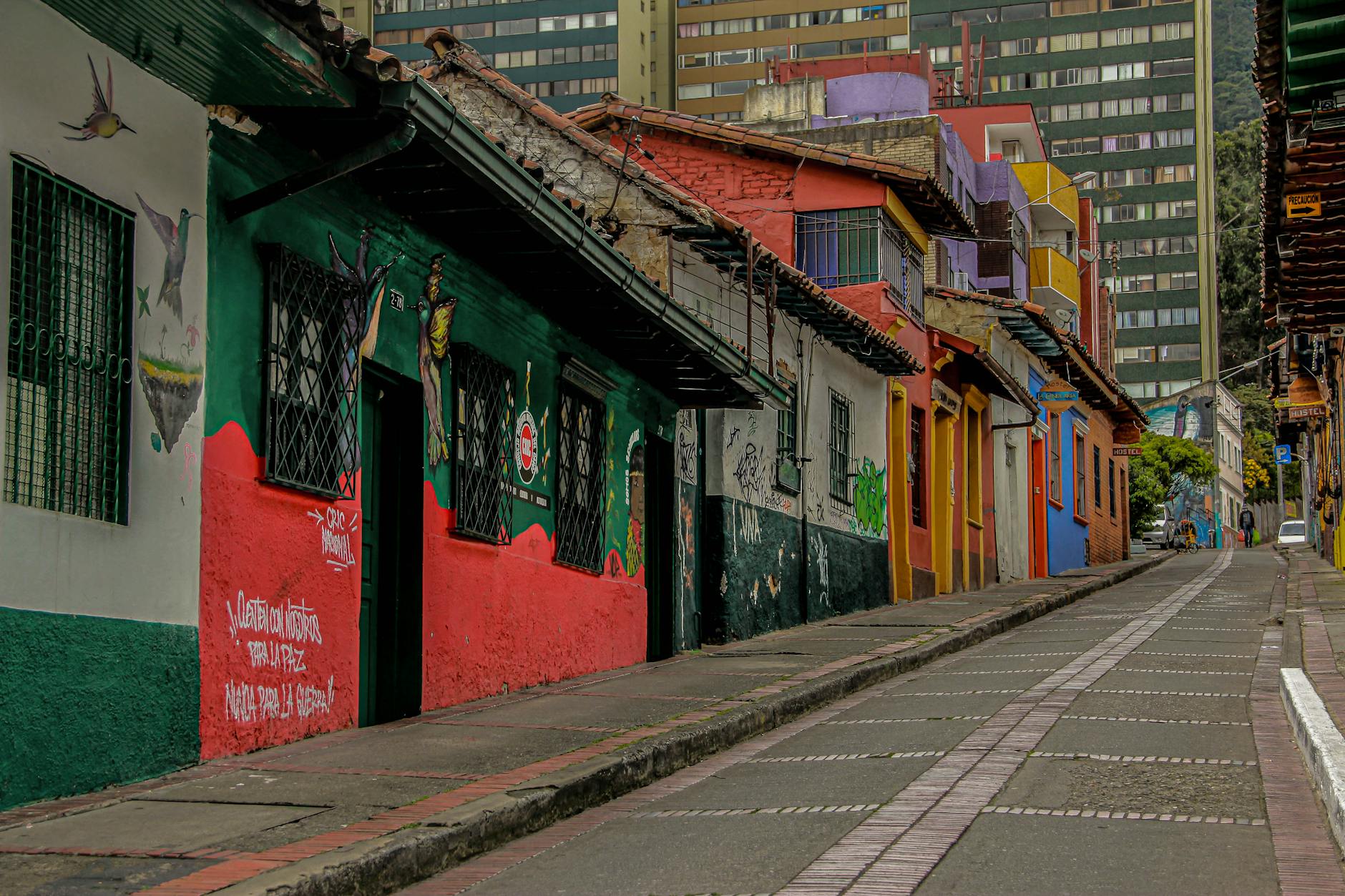
- Book a centrally located guesthouse in La Candelaria for walkability to museums and easy connection to the 3-day route. It saves taxi costs and time.
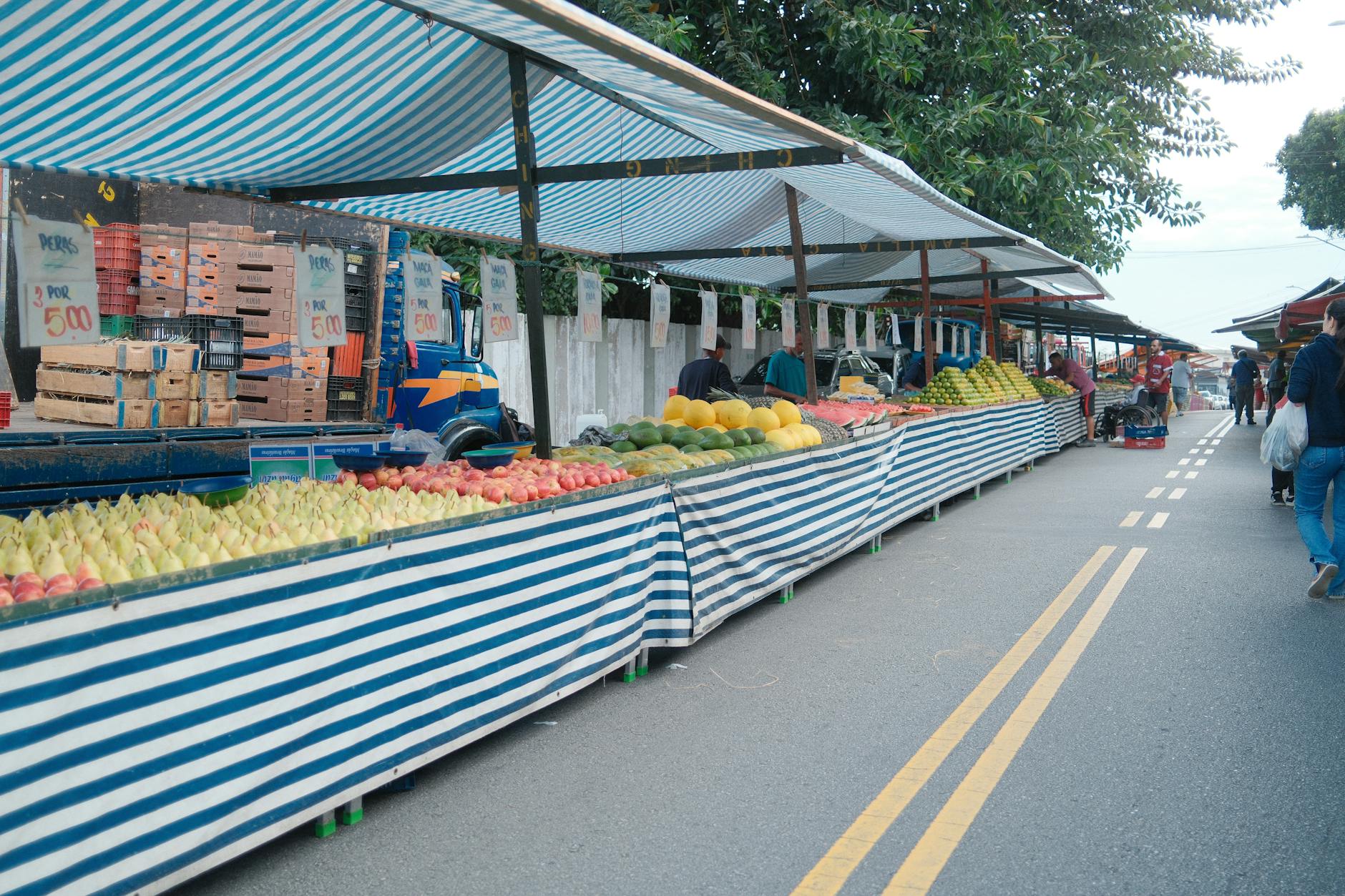
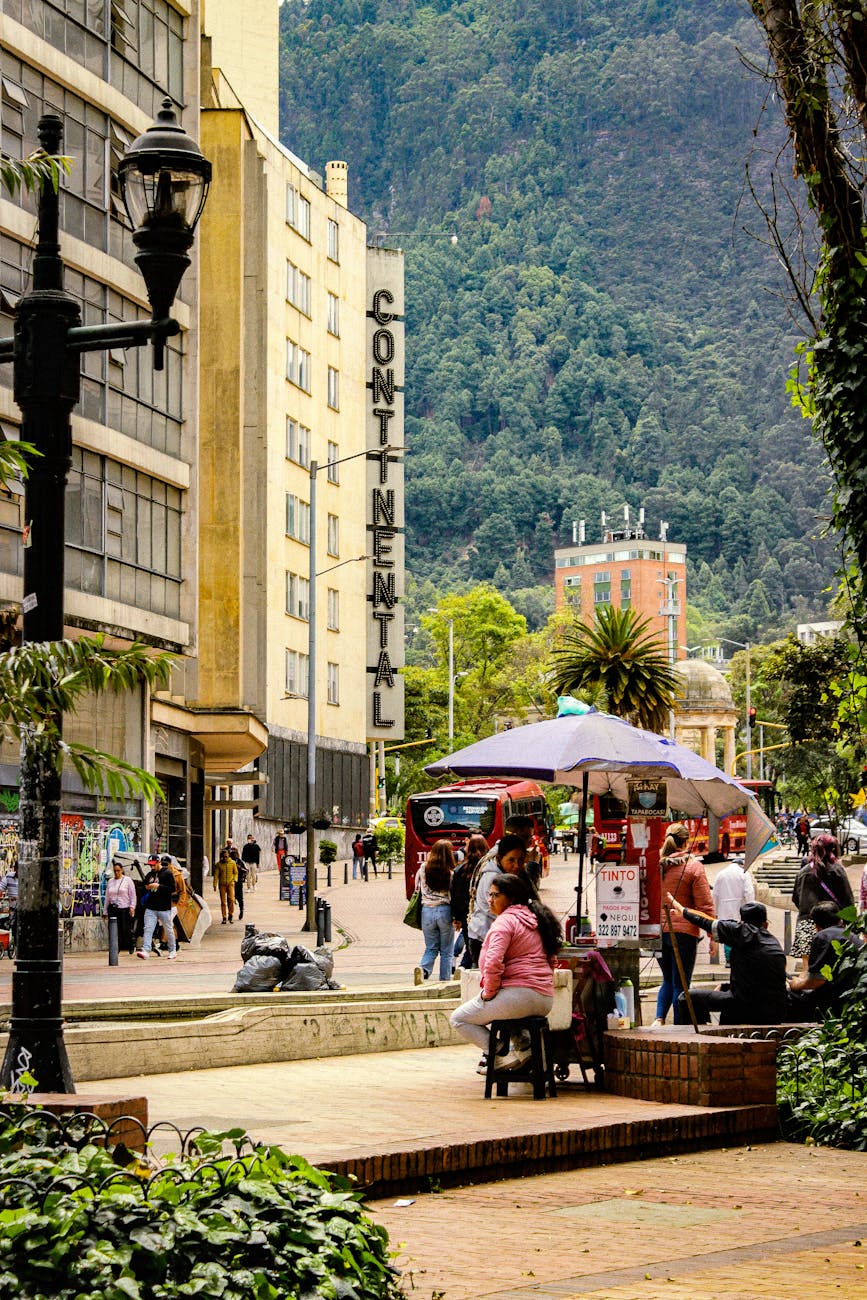
- Eat at markets: Paloquemao for fruit and fresh juices, and small food stalls in Usaquén or Parque 93 for reasonable meals supporting local vendors.
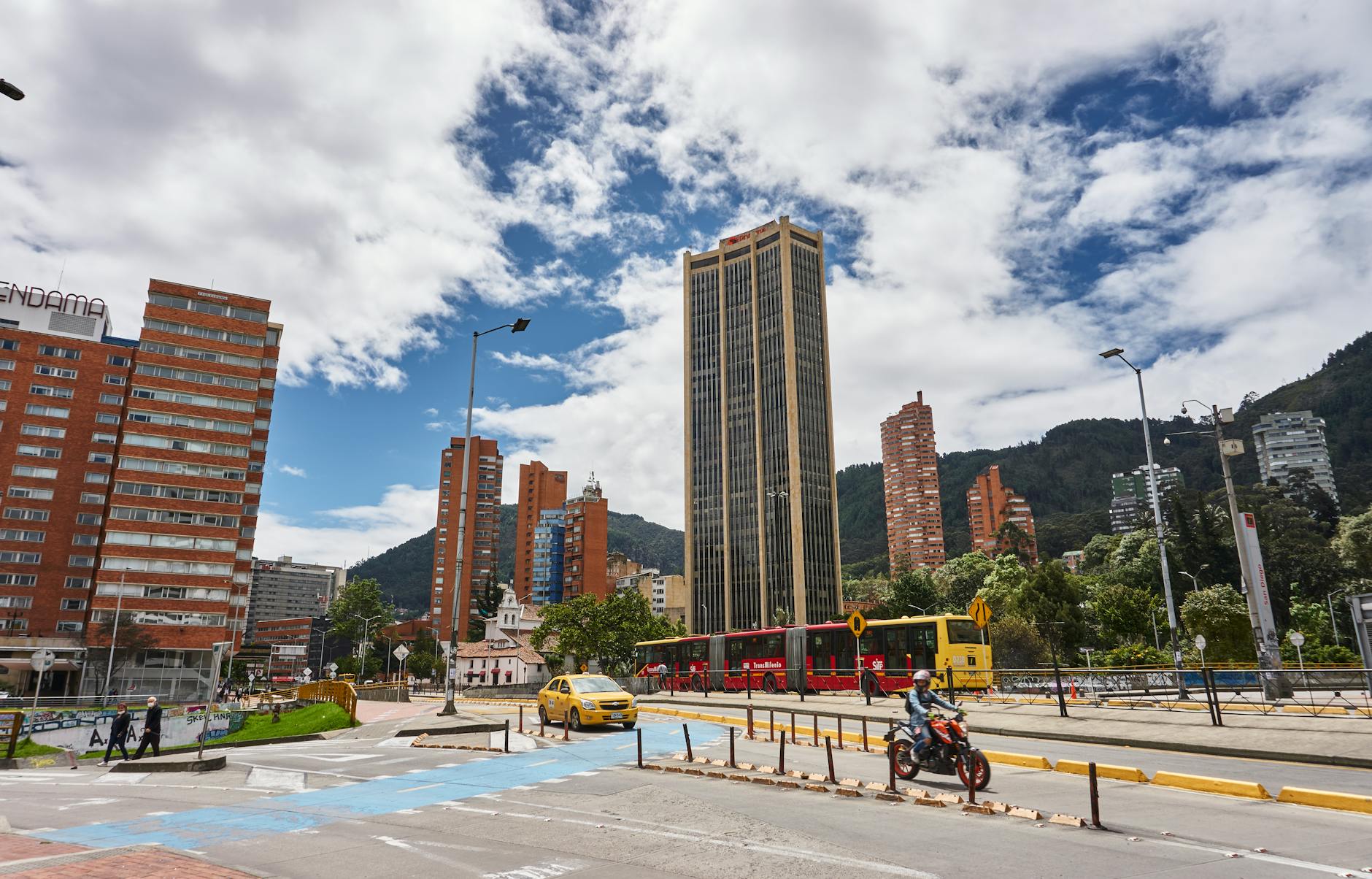
- Use TransMilenio for most cross-city trips — it’s cheapest and fast across major corridors. Combine with short taxi or rideshare hops where necessary.
- Buy Museo del Oro tickets online for a planned morning visit and reserve Monserrate cable car tickets in advance for sunset if that’s important to your itinerary.
- For day trips, compare group shuttle pricing vs public bus + guided walk. Zipaquirá is cheaper by bus; coffee-region tours from Bogotá are longer and pricier — consider flying or a dedicated multi-day trip if adding Pereira or Manizales.
Small splurges that matter:
– A guided walking tour of La Candelaria (small-group tours directly support local guides).
– An evening in Zona G or Parque 93 for a single higher-end meal to sample Colombian cuisine.
Local Context
Bogotá is high (about 2,640 m), sprawling, and seasonal in rain: the wettest months are usually April–May and October–November; the driest windows are December–February and July–August. That affects walking comfort and market visits. Neighborhood notes:
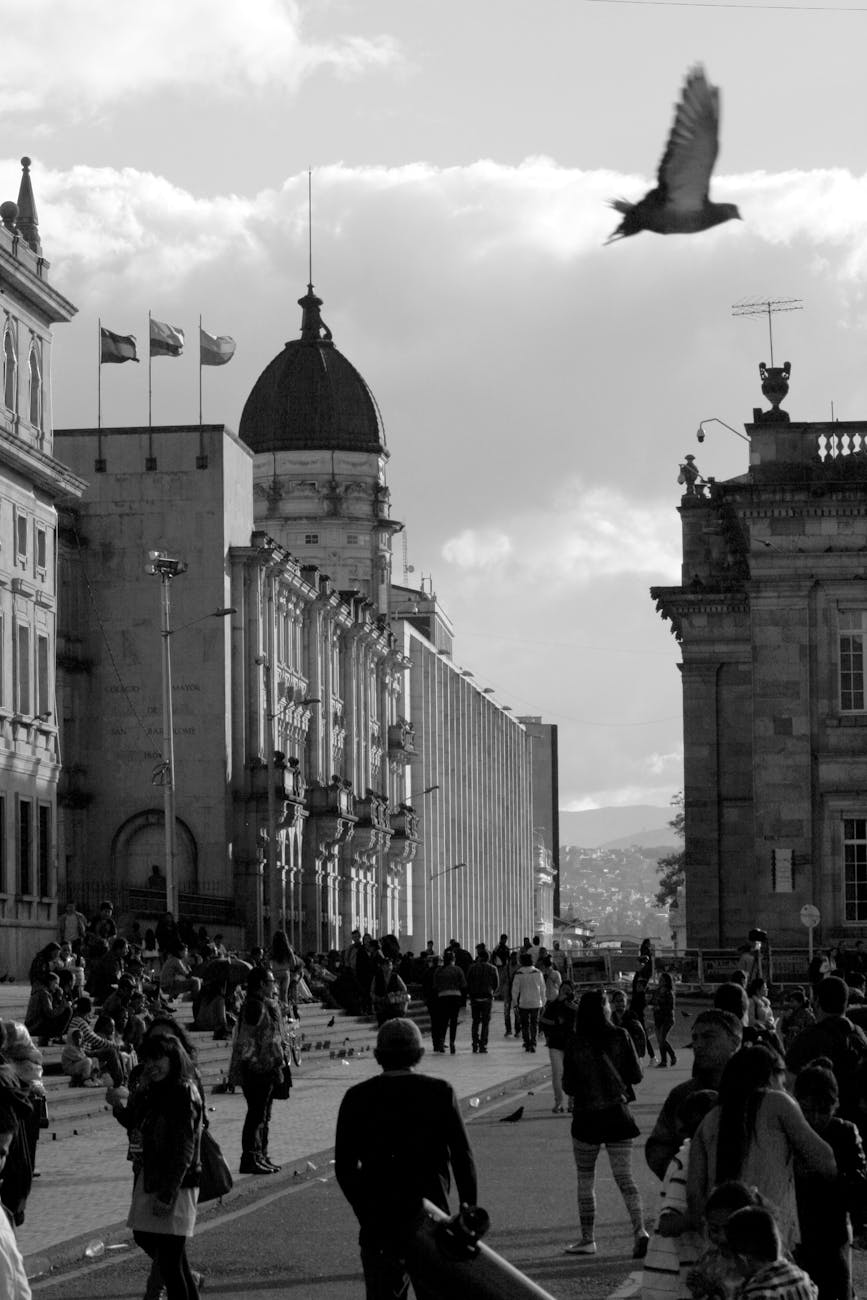
- La Candelaria: best for museums and walking; cheaper lodging but quieter at night. Ideal base for the 3-day plan.
- Chapinero and Zona G: more restaurants and nightlife; pricier but convenient for evening dining.
- Usaquén: weekend market and a calmer north-side feel; slightly pricier but good for brunch.
- Parque 93: upscale dining and cafes; useful for a comfortable meal in the itinerary.
- Southern zones: more affordable accommodations but expect longer commutes.
Transport realities:
– TransMilenio is fast along trunk lines but crowded at peak times. Learn the feeder bus and station names for your hotels.
– Taxis and rideshares (Beat, DiDi, InDriver) are cheap for short hops but check traffic windows (morning and evening peaks can double trip time).
– Ciclovía (Sunday car-free lanes) is great for an inexpensive morning activity.
Etiquette and payment:
– Greet with a brief “hola” and a smile; small talk is common before asking favors.
– Cash (COP) is widely used in markets and for small purchases; cards accepted at most restaurants and hotels. Keep small bills for vendors and tips.
– Tipping: 10% is common in restaurants but check the bill first — service might be included.
How to Choose Well
Decide by matching comfort, time, and the 3 days in Bogota itinerary:
- If most sightseeing is central (museums, Monserrate, La Candelaria), stay central to save time and taxi costs.
- If you want quieter mornings and parks, consider north neighborhoods like Usaquén or Chapinero and accept a longer commute.
- For the lowest costs: use dorms or basic guesthouses, eat at markets and bakeries, and rely on TransMilenio.
- For low-impact travel: choose small, local guesthouses over international chains; book walking tours with independent guides; eat at family-run restaurants or market stalls.
Booking tips:
– Reserve accommodation and one or two key tickets (Museo del Oro, Monserrate cable car) before arrival in high season or holiday weekends.
– For flexible budgets, book refundable rooms or compare last-minute rates; shoulder-season can yield good deals without big weather trade-offs.
Responsible and Local-First Tips
Choose options that keep money in local hands and lower impact:
- Stay in locally owned guesthouses or family-run hotels rather than large international chains.
- Eat where locals eat: small fondas, market stalls at Paloquemao, and neighborhood bakeries.
- Prefer walking tours led by local guides and pay fair fees; avoid tours that exploit wildlife or fragile sites.
- Reduce single-use plastics: bring a refillable bottle (many cafes will refill) and carry small change to avoid receipts piling up.
- Use public transport when feasible; if taking taxis or rideshares at night, share rides when safe to reduce emissions.
- Tip guides and drivers directly when they provide extra local knowledge; that supports people who depend on tourism income.
Common Mistakes to Avoid
Don’t make these predictable budget errors:
- Underestimating time and traffic: leaving too little time to reach early trains, airports, or day-trip buses can force expensive last-minute taxis.
- Choosing a remote cheap hotel without checking commute time: savings on a room can be erased by repeated long rides.
- Ignoring altitude: trying a long uphill hike your first day can trigger headaches; allow a slow first morning.
- Relying solely on cash or solely on cards: carry both and small bills for markets and tips.
- Skipping small local businesses for convenience: chain restaurants can be cheaper but don’t circulate money locally.
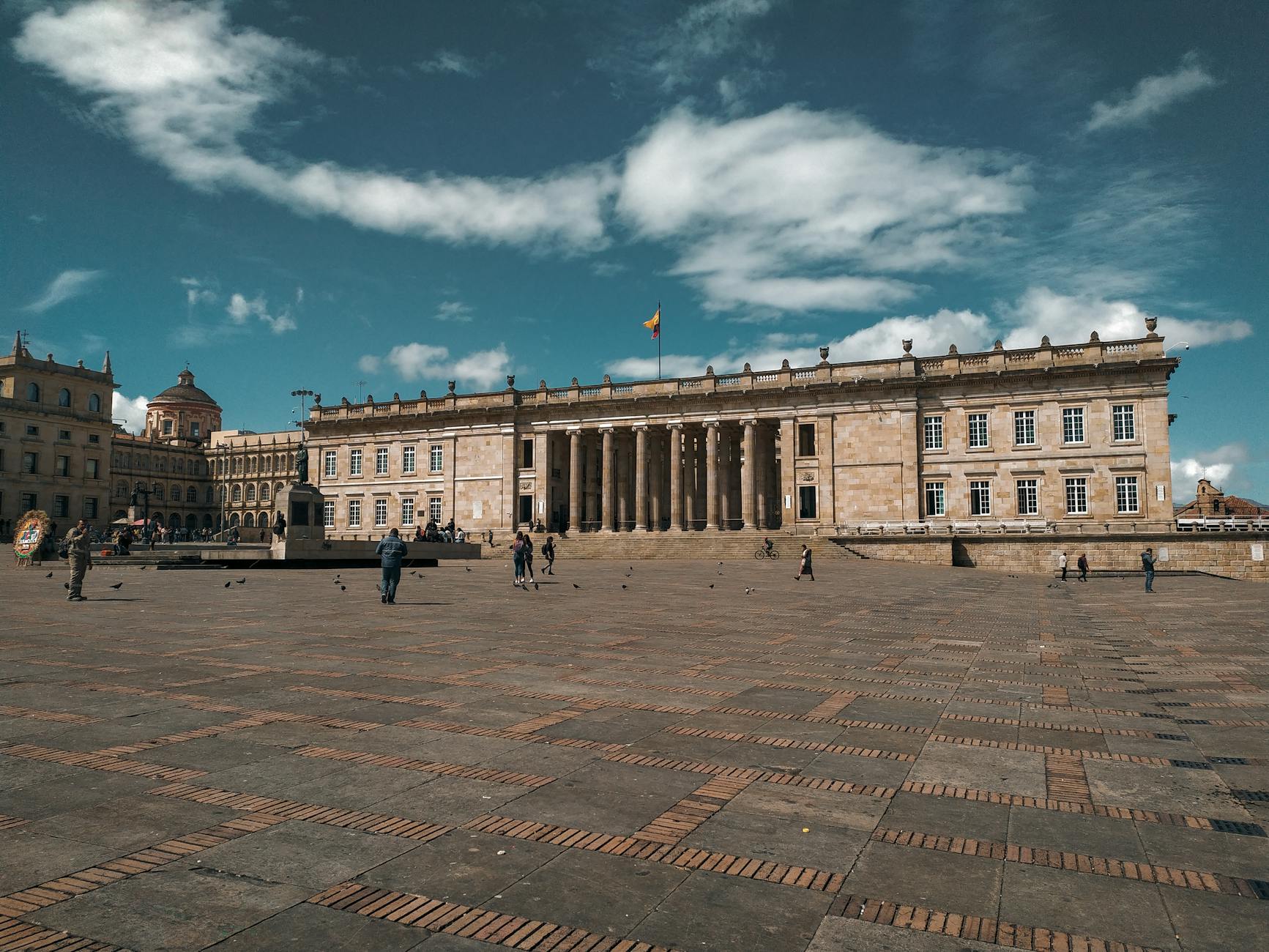
Avoid tourist traps: overpriced souvenir stalls around Monserrate and Plaza de Bolívar often sell lower-quality goods at high prices — check prices in Usaquén or independent artisan shops.
FAQ
How much should I expect to spend per day in Bogotá?
For planning, use these ranges: budget USD 25–40, midrange USD 50–120, comfortable USD 120+. These include basic lodging, food, local transport, and modest activities; add extra for private day trips.
Is TransMilenio safe and cheap?
TransMilenio is the most cost-effective way to cross long distances. It’s safe in daytime but can be very crowded during rush hours. Keep valuables secure. Use a short taxi or rideshare late at night if you’re unfamiliar with the area.
Do I need cash or cards?
Carry both. Cards work in most restaurants and hotels; markets, small vendors, and some buses prefer cash. Keep small COP bills for tips and market purchases.
Any altitude or health tips?
Bogotá is high — expect mild breathlessness and possible headaches. Stay hydrated, avoid heavy exercise the first day, and drink coca tea or rest if you feel unwell. Seek medical help for persistent symptoms.
When is the cheapest time to visit?
Shoulder months outside rainy peaks (late Jan–Mar, June–Aug) often have lower hotel rates than December holidays or peak local travel dates. Rainy months can lower prices but may limit walking-focused plans.
How does this support the 3 days in Bogota itinerary?
This budget page helps you assign daily spending to each day of that itinerary — where to save (transport, markets) and where to splurge (special meals, guided tours). See the 3 days in Bogota guide for the recommended daily schedule and link up savings to each day’s plans.
Conclusion
Bogotá can be visited economically without missing the city’s culture, food, or history. Concentrate your stay around La Candelaria for walking convenience, use TransMilenio for longer hops, and support local vendors and guides to keep tourism benefits local. Before you go, check tickets for Museo del Oro and Monserrate, allow a slow first day for altitude, and link your spending choices to the 3 days in Bogota itinerary to get the most value from every day.
How this guide was prepared
This guide was prepared through a structured research that combines destination research, geographic context, itinerary planning logic, and content review.