
Introduction

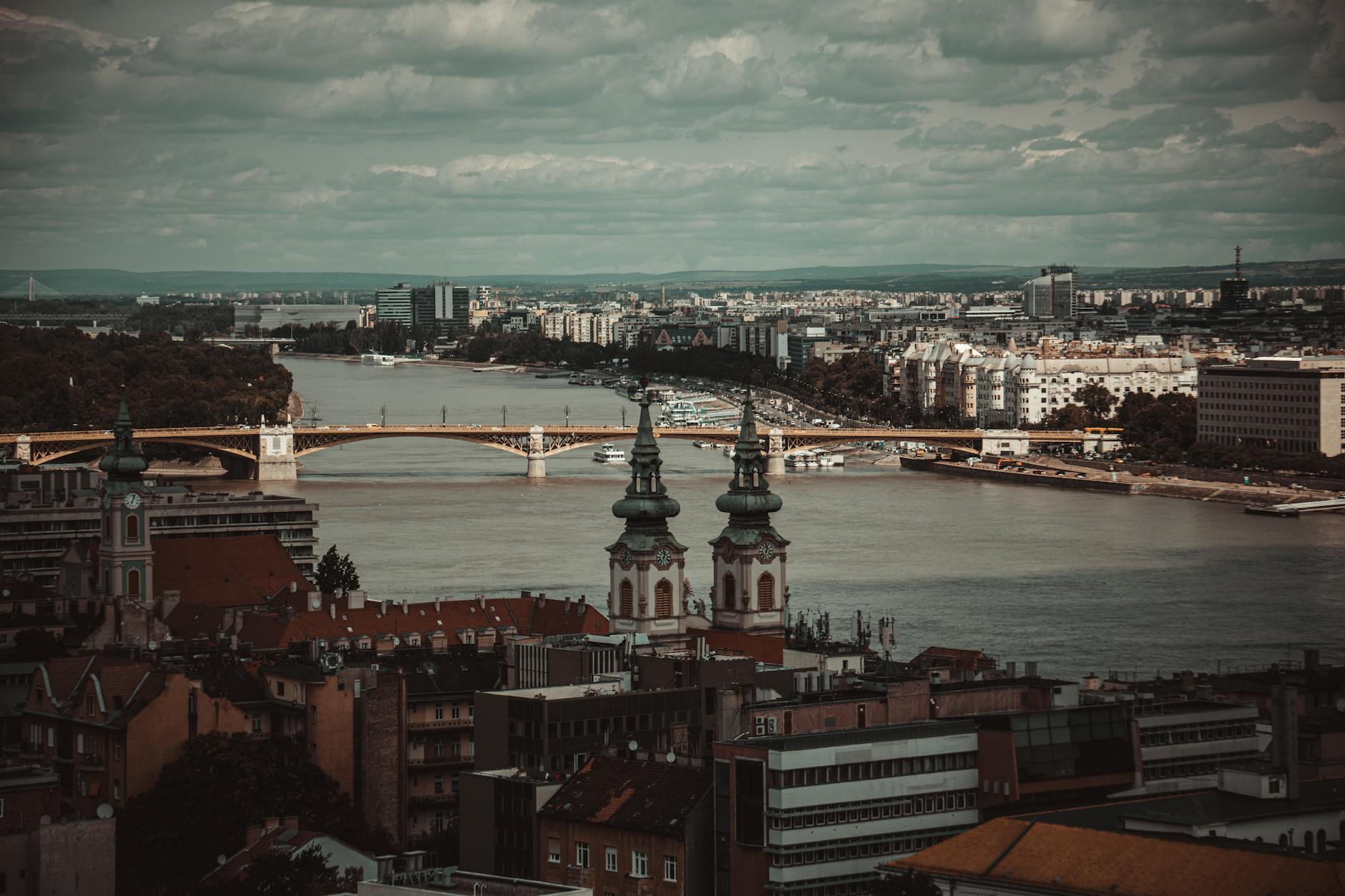
Budapest is one of Europe’s most rewarding city breaks for first-time visitors. Hungary’s capital is split by the Danube into hilly Buda and flat, energetic Pest, and the contrast between the two sides gives the city much of its character. Over three days, you can cover the grand highlights like Buda Castle, Parliament, Fisherman’s Bastion, St. Stephen’s Basilica, and the Széchenyi Thermal Bath, while still leaving time for ruin bars, riverside walks, market halls, and elegant coffeehouses.
This itinerary is designed for travelers who want a practical plan without rushing from place to place. It combines major sights with neighborhoods that help you understand the city better, from the historic Castle District to the broad boulevards of Pest and the leafy atmosphere of City Park. You will see the most famous landmarks, spend time on both sides of the river, and get a balanced first impression of Budapest.
Quick Planning Tips
Budapest works best when you organize your days by area. This saves time and avoids unnecessary crossings of the Danube. Buda is more scenic and historic, while Pest has more museums, shopping streets, nightlife, and a wider range of restaurants.
Wear comfortable shoes. Even though much of Pest is flat, the Castle District and Gellért Hill involve uphill walking and cobbled streets.
Book major attractions in advance when possible, especially Parliament tours, popular thermal baths, and evening Danube cruises. These are some of the city’s most in-demand experiences.
Try to start your sightseeing early at the most famous spots. Fisherman’s Bastion, Matthias Church, and the Parliament area are far more enjoyable before the biggest crowds arrive.
Carry a swimsuit, flip-flops, and a towel if you plan to visit a thermal bath. Budapest’s bath culture is a major part of the city experience and worth including on a first trip.
Use cash and card flexibly. Cards are widely accepted, but having some Hungarian forints can still be useful in markets, smaller shops, and some casual food spots.
A river cruise is best taken in the late afternoon or after dark. Budapest is especially beautiful when the bridges, Buda Castle, and Parliament are illuminated.
Day 1 Itinerary
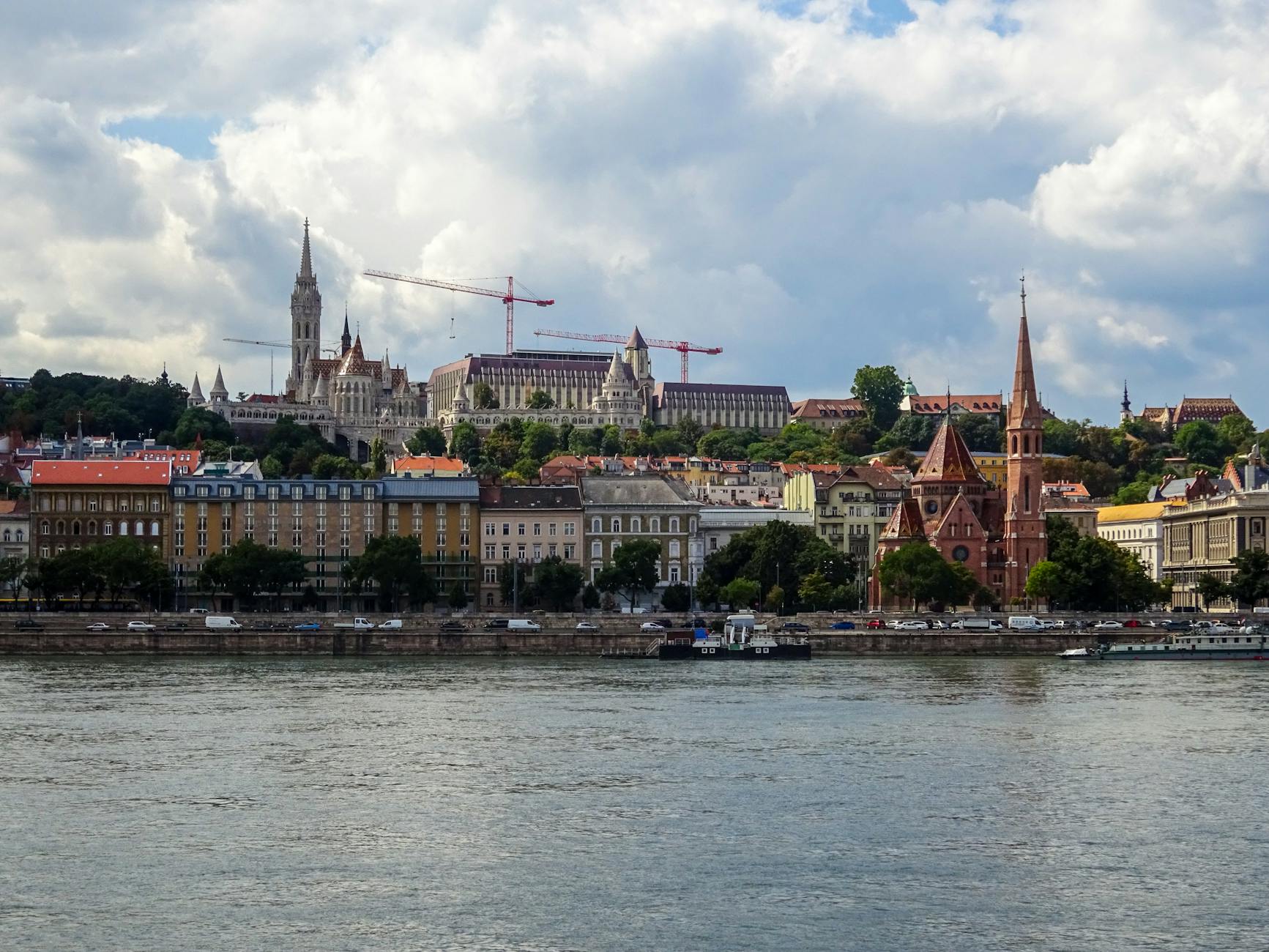
Start your first day in the historic heart of Buda. Begin at the Castle District, one of the most atmospheric parts of Budapest and an ideal introduction to the city. If you want to save energy, take the funicular or public transport uphill, then explore on foot. Walk through the cobbled streets around Buda Castle and take in the broad views over the Danube and Pest.
Spend time around Buda Castle itself, which dominates the skyline from the western bank of the river. The palace complex is impressive from the outside, and the terraces are among the best viewpoints in Budapest. If museums appeal to you, this is a good place to visit the Hungarian National Gallery or the Budapest History Museum. For a first-time visitor, the gallery is especially worthwhile if you want Hungarian art in a grand setting.
From the castle area, continue north through the Castle District toward Matthias Church and Fisherman’s Bastion. This is one of the city’s signature sights. Matthias Church stands out with its decorative roof tiles and long royal history, while Fisherman’s Bastion offers postcard views of the Parliament building across the river. Take your time here. The terrace views are a major highlight of Budapest, especially in the morning light.
For lunch, stay in the Castle District or head down toward the area around Batthyány Square, where you can enjoy another excellent river view. Then make your way to the Chain Bridge area, one of the most central and scenic parts of Budapest. Cross to Pest on foot if the route is open and convenient during your visit, or use nearby transport if needed.
In the afternoon, explore St. Stephen’s Basilica, one of Budapest’s most important churches. The square around it is lively, and the interior is well worth seeing. If you enjoy city panoramas, go up to the dome viewpoint for a broad look over central Pest.
After the basilica, walk along Zrínyi Street and then toward the Danube promenade. Continue south along the river to see the Shoes on the Danube Bank memorial, one of the city’s most moving historical sites. Nearby, admire the Hungarian Parliament Building from the outside. Its riverside setting and neo-Gothic architecture make it one of Europe’s most striking parliament buildings.
In the evening, take a Danube cruise. This is one of the best ways to understand Budapest’s layout and appreciate its beauty. Seeing the lit-up Parliament, Buda Castle, and bridges from the water is a memorable first-night experience. Afterward, have dinner in central Pest, around the Basilica area or District V, where you will find plenty of restaurants suitable for a first evening in the city.
Day 2 Itinerary
Your second day focuses on grand Pest, major museums, and Budapest’s famous bath culture. Start along Andrássy Avenue, the city’s elegant boulevard lined with historic buildings, embassies, shops, and cafés. This avenue gives you a completely different impression from the medieval streets of Buda.
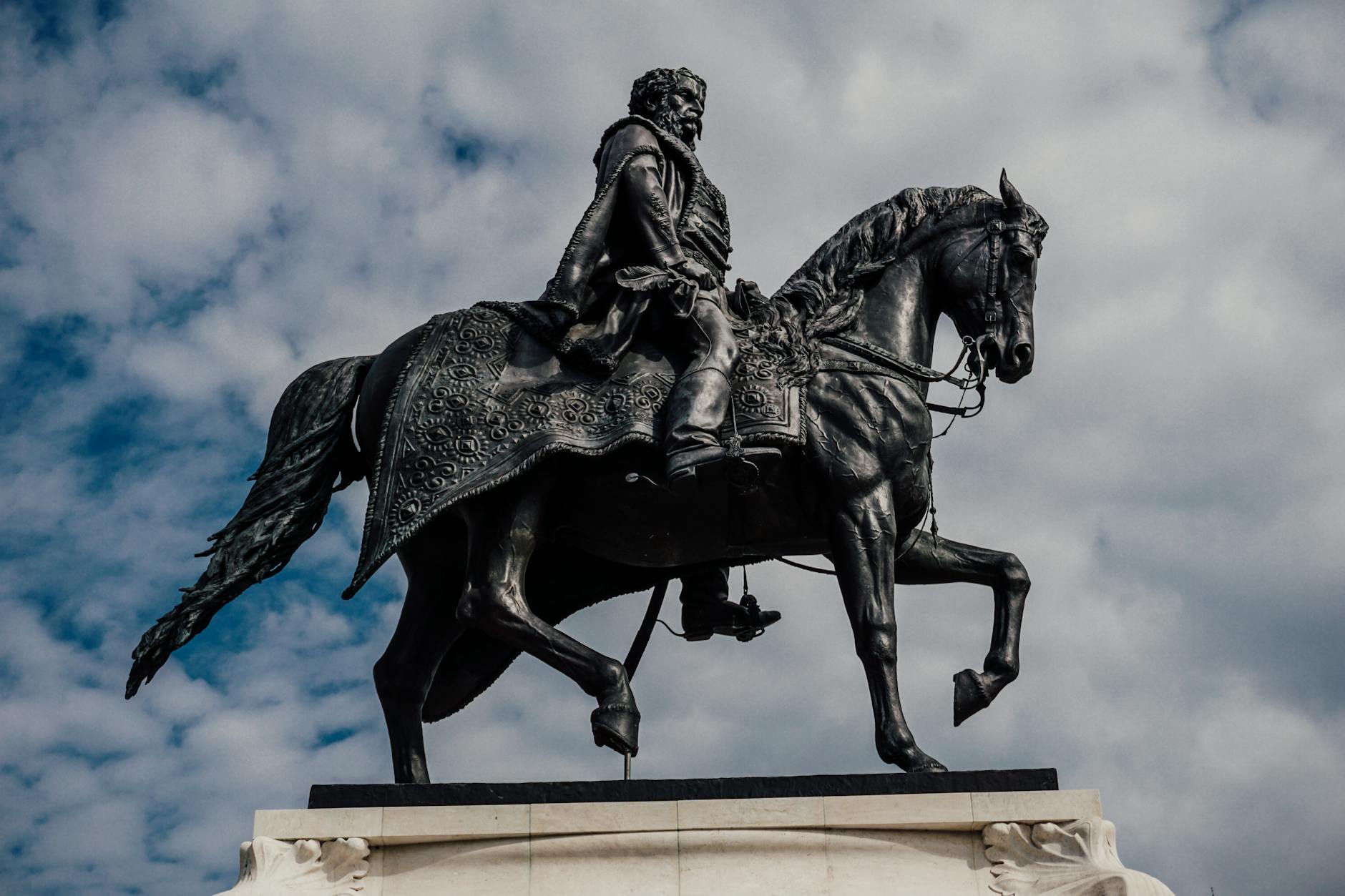
Begin at the Hungarian State Opera House if you want to admire one of the city’s finest interiors. Even from the outside, it is a beautiful building and an important landmark on Andrássy Avenue. Then continue toward Heroes’ Square, one of the largest and most symbolic public spaces in Budapest. The monument at the center celebrates key figures from Hungarian history and is especially useful for first-time visitors who want some national context.
On either side of Heroes’ Square are two of Budapest’s leading museums. Choose based on your interests. The Museum of Fine Arts is the better option if you want major European art collections, while the Hall of Art is more focused on temporary exhibitions. If you prefer to limit museum time, simply admire the square and move on.
From there, enter City Park. This large green area offers a more relaxed pace and several notable attractions close together. Walk past Vajdahunyad Castle, a romantic and highly photogenic building that looks like a fairytale mix of architectural styles. Nearby you can also see the boating lake area, which changes with the seasons, and the grounds around the Széchenyi Thermal Bath.
Set aside part of the afternoon for Széchenyi Thermal Bath, one of the classic Budapest experiences. Even first-time visitors who do not usually prioritize spas often enjoy it because it is so tied to the city’s identity. The outdoor pools are the main draw, and the bath complex is a good place to slow down after a morning of sightseeing.
If you prefer culture over bathing, an alternative is to spend more time in City Park or visit the House of Music Hungary area and nearby park developments. But for most first-time visitors, including at least one thermal bath is worth it.
Later in the day, head back toward the Jewish Quarter, one of the liveliest and most distinctive parts of central Pest. This neighborhood mixes nightlife, street art, history, and casual food spots. Visit Dohány Street Synagogue, the largest synagogue in Europe and one of Budapest’s most important historical sites. The synagogue complex and memorial spaces offer a deeper understanding of the city’s Jewish heritage and wartime history.
Stay in the Jewish Quarter for dinner and evening drinks. This is the best area to experience Budapest’s ruin bar scene. Szimpla Kert is the most famous example, but the wider neighborhood is full of atmospheric bars, courtyards, and informal restaurants. This gives Day 2 a very different feel from the stately views and historical ambiance of Day 1.
Day 3 Itinerary
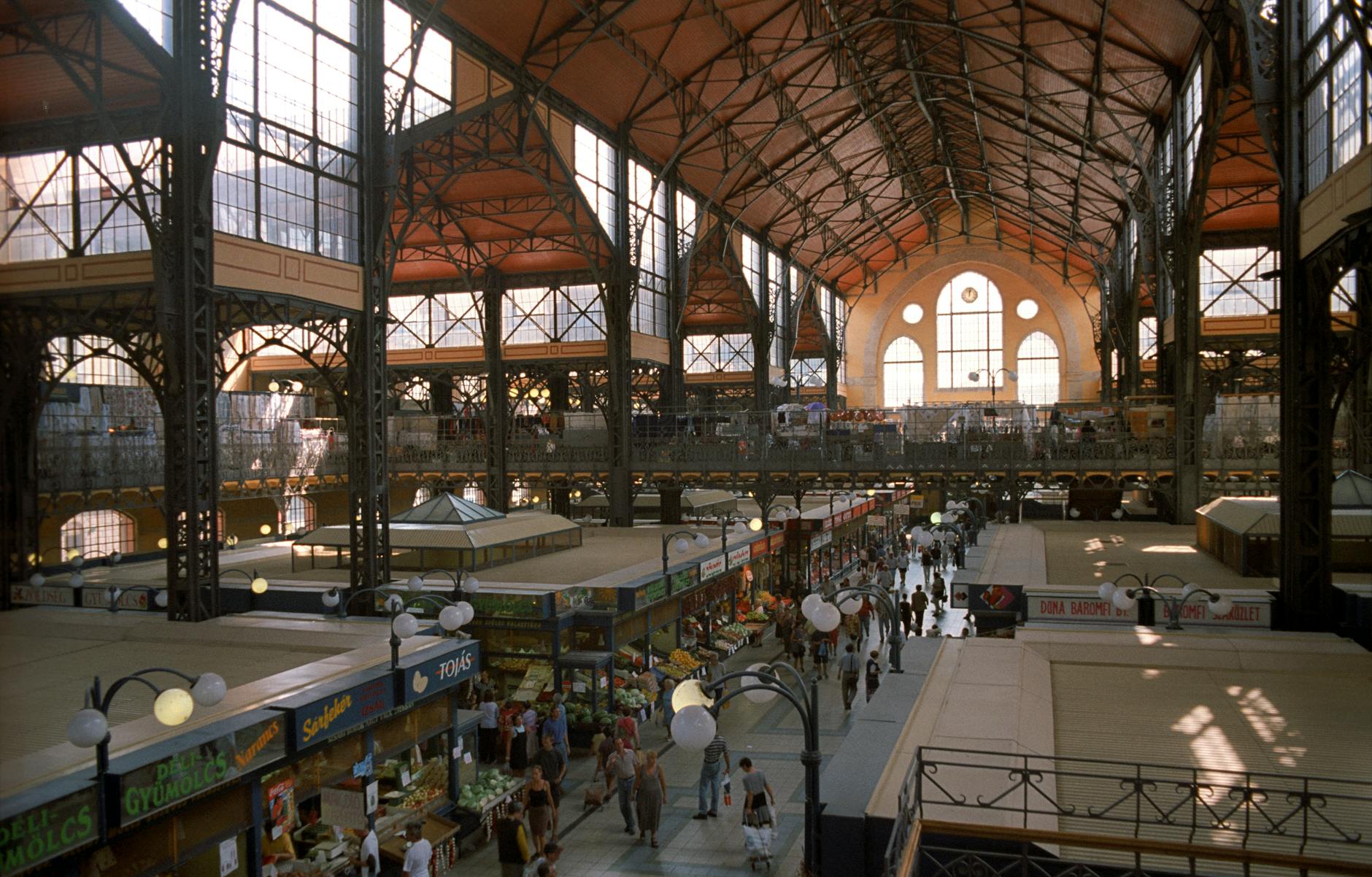
Your third day brings together local life, food, riverfront walking, and one more scenic side of Buda. Start in the Great Market Hall at the southern end of central Pest. This is a practical first stop if you want to browse Hungarian products, paprika, sweets, sausages, and local snacks. It is touristy, but still useful for first-time visitors who want an easy introduction to Hungarian food culture.
From the market, walk along Váci Street if you want a central shopping route, or head straight toward the nearby Liberty Bridge and the foot of Gellért Hill. Before climbing, you can stop at the Gellért Hotel area to see the famous bath building from outside, or visit Gellért Thermal Bath if you prefer a more ornate bath setting than Széchenyi. Most visitors, though, will be better off using this day for views and neighborhood exploration.
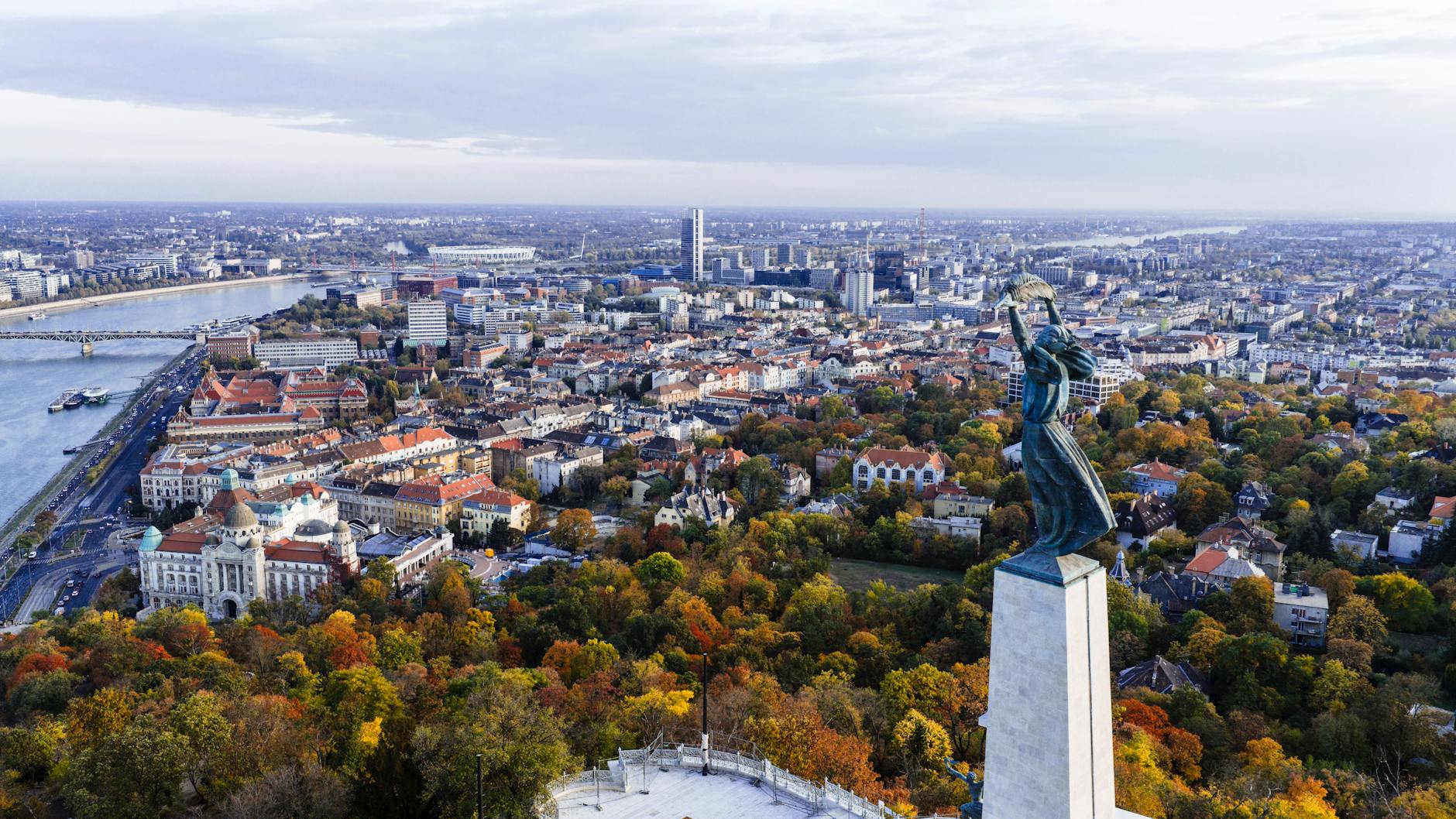
Climb Gellért Hill for one of the best panoramas in the city. The paths and viewpoints look out over the Danube, bridges, and both sides of Budapest. The Citadella area has long been a major viewpoint and remains one of the best places to appreciate the city’s geography. This is the perfect place to reflect on how Buda and Pest fit together after two days of sightseeing.
After coming back down, spend the afternoon in the Palace District and surrounding central neighborhoods of Pest. This area is less crowded than the riverside landmarks but full of handsome architecture and local character. Visit the Hungarian National Museum if you want a strong historical overview of the country. For first-time visitors, this museum adds important context to the buildings, memorials, and monuments seen elsewhere in the city.
If you prefer a slower afternoon, spend time in one of Budapest’s classic cafés instead. The city has a strong coffeehouse tradition, and a grand café stop fits naturally into a final day. This is also a good time to browse smaller streets around central Pest, revisit a favorite area, or shop for souvenirs.
For your final evening, return to the Danube for one more riverside walk. The stretch around the Chain Bridge, Vigadó Square, or the Parliament side all work well depending on where you are staying. If you did not take a river cruise on Day 1, tonight is your chance. Otherwise, choose a final dinner with Hungarian dishes in District V, the Jewish Quarter, or near the Basilica. End the trip with a nighttime view of the city, because Budapest is one of those capitals that becomes even more impressive after dark.
Where to Stay
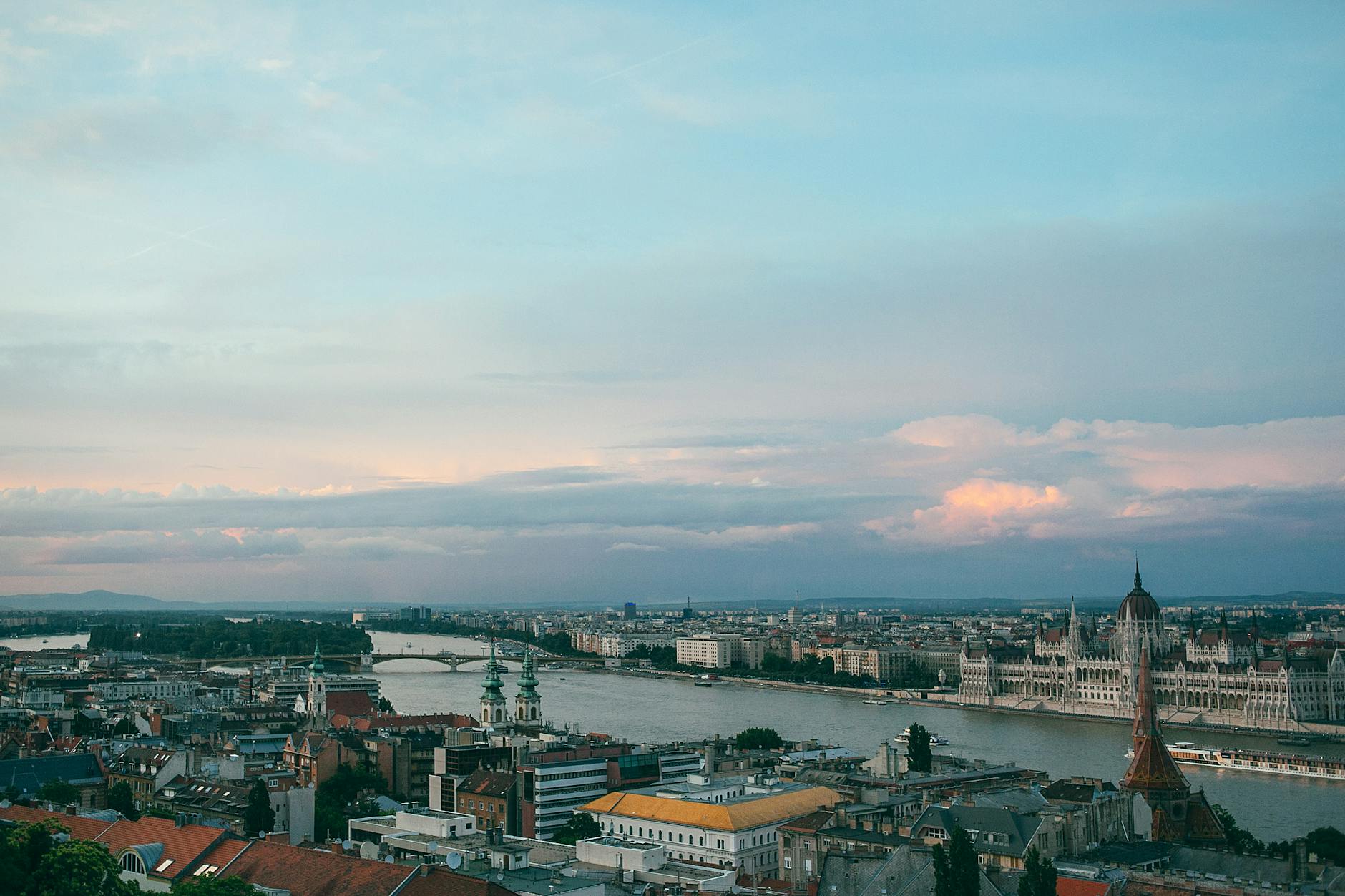
District V, Inner City and Belváros suits first-time visitors who want a central base close to major landmarks. You will be near the Danube, Parliament, St. Stephen’s Basilica, and many transport connections. This area is convenient, walkable, and polished, making it ideal if you want easy sightseeing and a classic city-break feel.
The Jewish Quarter, in District VII, suits travelers who want restaurants, bars, nightlife, and a younger atmosphere. It is one of the most energetic parts of Budapest and a great choice if you enjoy being able to walk to ruin bars, casual dining spots, and lively streets in the evening. It can be noisier than other areas, so it is best for people who do not mind some late-night activity.
The Castle District or nearby parts of Buda suit travelers who prefer quieter surroundings, historic atmosphere, and scenic views. Staying here feels more romantic and relaxed, especially in the early morning or evening after day-trippers leave. It is less central for nightlife and some Pest attractions, but excellent for those who value charm and a slower pace.
Best Experiences
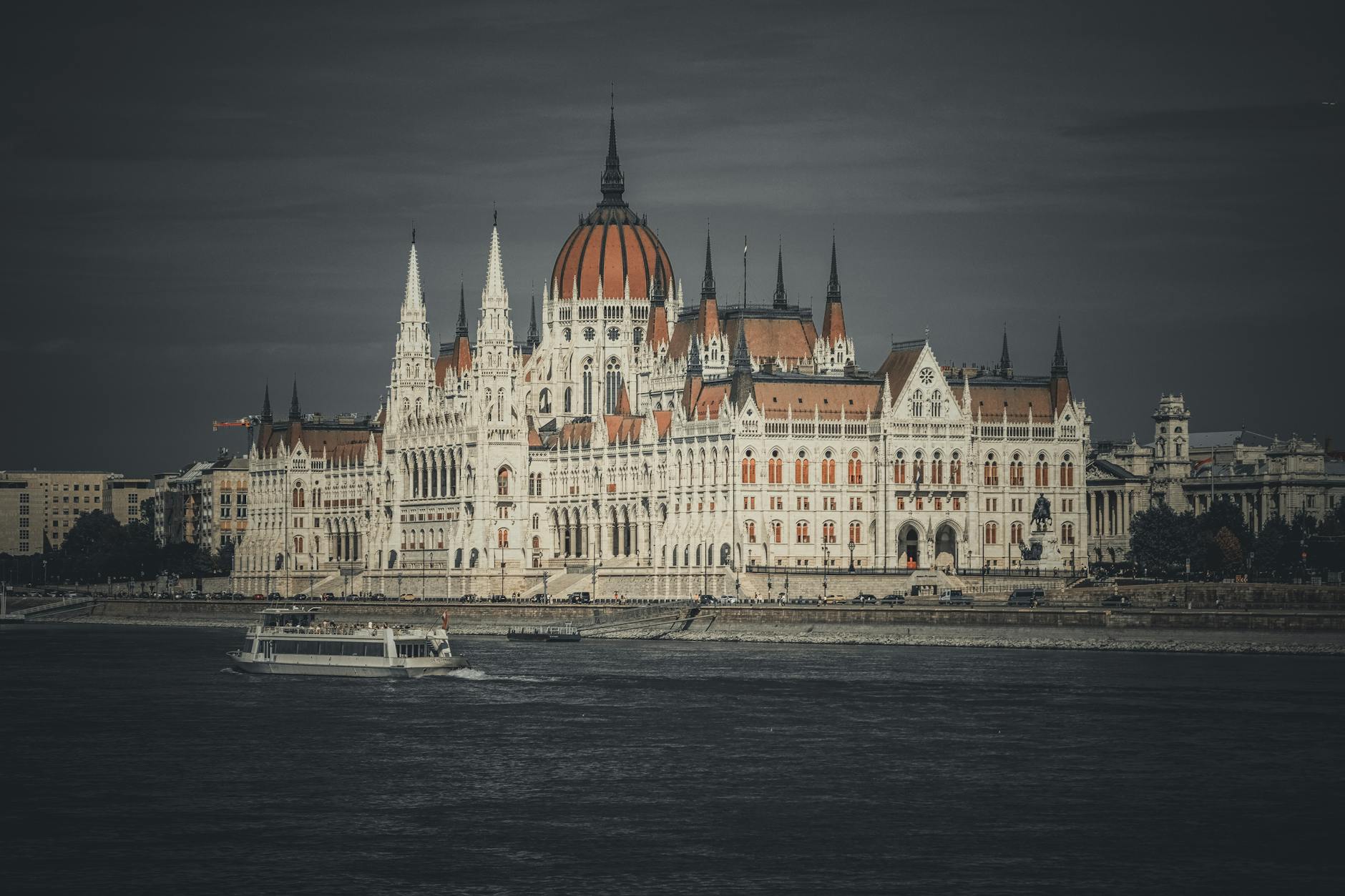
Take an evening Danube cruise to see Parliament, Buda Castle, and the bridges illuminated from the water. This is one of the most memorable ways to experience Budapest.
Watch the view from Fisherman’s Bastion and the Castle District, especially in the morning when the light over Pest is at its best and the crowds are lighter.
Soak in a thermal bath such as Széchenyi or Gellért to experience a tradition that is uniquely important to Budapest’s identity.
Explore the Jewish Quarter after dark for ruin bars, casual food, and a more contemporary side of the city that contrasts with the imperial architecture.
Walk from St. Stephen’s Basilica to the Danube promenade and down toward Parliament for a route that combines some of Budapest’s most famous landmarks in a compact area.
How to Get Around
Budapest is easy to navigate for first-time visitors. The city center is very walkable, especially in District V, around the Basilica, the Parliament area, the Danube promenade, and parts of the Jewish Quarter. Many major sights can be linked together on foot.
For longer distances, public transport is efficient and useful. The metro, trams, and buses connect most places you are likely to visit, including City Park, the Castle District area, and major railway stations. Tram routes along the Danube are especially scenic and practical.
Use transport when moving between Buda hills and Pest, or when heading to City Park and Heroes’ Square. Walking everywhere sounds appealing, but it can become tiring over three packed sightseeing days.
Taxis and ride apps can be useful late at night or when heading to and from accommodation with luggage. As in any major city, use reputable services rather than informal street offers.
Typical Budget
Budapest can be more affordable than many Western European capitals, but prices vary depending on where you eat, where you stay, and how many paid attractions you include. A budget traveler can keep costs moderate by using public transport, staying in a simple hotel or hostel, and choosing casual local restaurants. A mid-range visitor can enjoy a very comfortable trip with a central hotel, a thermal bath visit, museum entries, and a river cruise without the city feeling excessively expensive.
Your biggest costs will usually be accommodation, landmark entries such as Parliament or museums, thermal baths, and any cruise or guided tour. Food can range from inexpensive market meals and casual Hungarian dishes to high-end dining in elegant central restaurants. If you balance major attractions with free viewpoints, neighborhood walks, and riverside time, Budapest offers strong value for a three-day city break.
FAQ
Is 3 days enough for Budapest
Yes, 3 days is enough for a very satisfying first visit. You can see the main highlights on both the Buda and Pest sides, enjoy a thermal bath, take a river cruise, and still spend time in a few key neighborhoods. A longer stay is even better, but three days works well.
What is the best time to visit Budapest
Spring and early autumn are especially good for comfortable sightseeing weather and pleasant walking conditions. Summer brings lively streets and long evenings but can be hot and busy. Winter can be atmospheric, especially around festive periods, and the thermal baths are particularly appealing then.
Should I stay in Buda or Pest
Most first-time visitors should stay in Pest because it is more central for restaurants, nightlife, transport, and many major attractions. Buda is quieter and more scenic, so it is a good choice if you prefer charm and a calmer atmosphere over convenience.
Are thermal baths worth visiting for first-time visitors
Yes, absolutely. Budapest’s thermal baths are one of the city’s defining experiences. Even if you are not usually focused on spa visits, spending a few hours in a bath such as Széchenyi or Gellért adds something distinctive to your trip that you would not get from standard sightseeing alone.