
Getting Around Benidorm — Practical, Sustainable Transport Guide
How to move around Benidorm: walking, local buses, taxis, day trips to Alicante/Calp/Altea, bike and ferry options, seasonal tips, sustainable choices and booking advice tied to our 3 days in Benidorm itinerary.
Clear, local-first advice for getting around Benidorm on foot, by bus, taxi and boat. Practical tips for the Old Town, Levante and Poniente beaches, Sierra Helada, and easy low-impact day trips to Alicante, Calp, Elche and Valencia.
Quick Answer
Clear, local-first advice for getting around Benidorm on foot, by bus, taxi and boat. Practical tips for the Old Town, Levante and Poniente beaches, Sierra Helada, and easy low-impact day trips to Alicante, Calp, Elche and Valencia.
Who This Page Is For
This page is for travelers planning a stay in Benidorm who want clearer decisions about getting around, local logistics, timing, budgeting, and practical trip planning.
How This Page Was Prepared
This page was prepared through a structured editorial workflow that combines destination research, geographic context, and practical travel-planning review.
Plan the Rest of Your Trip
Use this page together with the full itinerary and the related planning pages below to make better booking, timing, transport, and budget decisions.
Most visitors get around Benidorm by walking, municipal buses and short taxi rides. Use local buses for longer intra-city hops; take the scheduled bus coaches to Alicante and Calp; book island boats in advance during summer; and walk the Old Town and promenades for the most authentic experience.
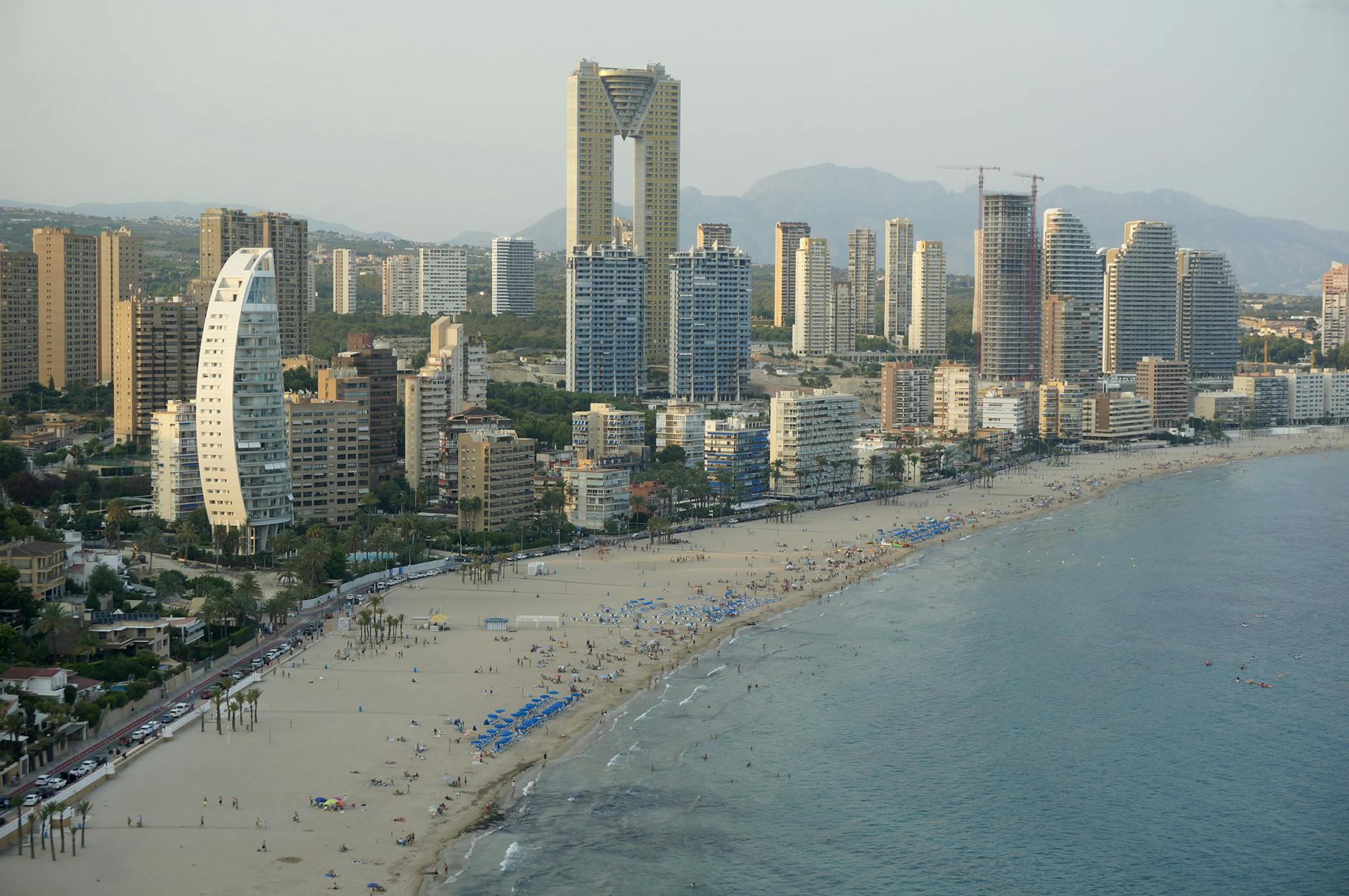
Benidorm is compact but layered: high-rise promenades, a cobbled Old Town and rugged coastal trails all within short distances. This page helps you choose low-impact ways to move between beaches, viewpoints and transit hubs while prioritizing local businesses. Use it alongside the main 3 days in Benidorm itinerary for timing and day-trip suggestions to Calp, Alicante, Elche, Valencia and Murcia.
What This Page Helps You Decide
This guide helps you select transport options based on: time of year, mobility, budget and sustainability preferences.
– If you have limited time and want low-impact days, plan walking mornings in the Old Town and reserve public-bus rides for transfers.
– If you want to visit nearby cities (Alicante, Calp, Elche, Valencia, Murcia), compare coach vs. private transfer for cost and emissions; coaches are usually best for lower impact.
– If you’re on a tight schedule, factor in bus timetables from the Estación de Autobuses and pre-book island boats or airport transfers in high season.
Top Recommendations
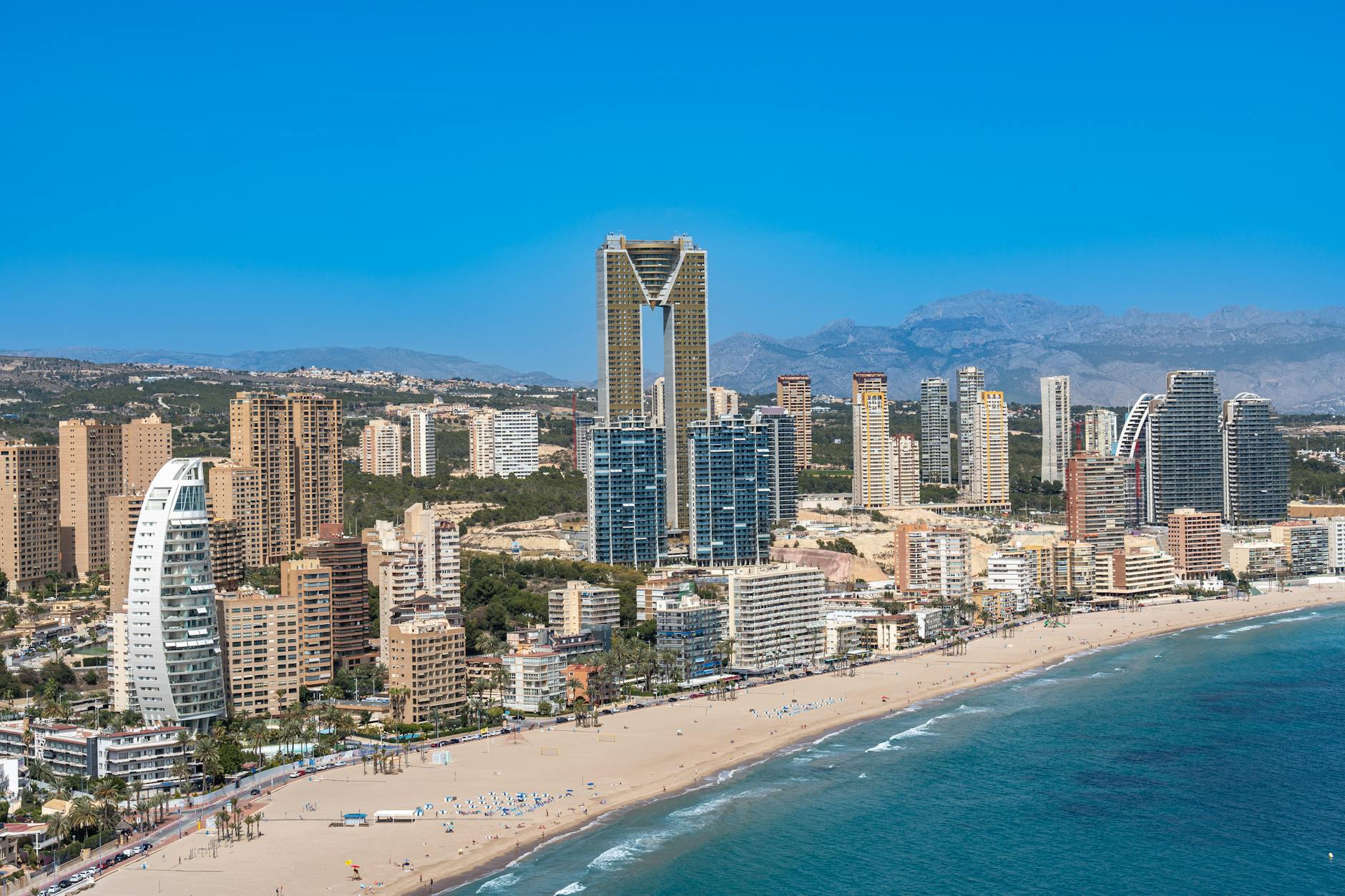
Walk first: Benidorm is easy to explore on foot between Levante, Old Town and Poniente along the seafront promenades.
Use local buses for hills and longer hops: municipal buses connect the beachfront, Rincón de Loix and residential neighborhoods; they are cheap and reduce taxi dependence.
Take the boat to Benidorm Island for a half-day nature trip—book in shoulder season or early morning to avoid crowding.
For airport and regional transfers, choose scheduled coaches to Alicante airport and city; reserve seats in summer. If you rent a car for inland day trips, park on the edge of town and favor shorter drives to Calp or Altea to lower emissions.

Local Context
Neighborhoods and transport realities:
– Casco Antiguo (Old Town): compact, steep cobbled streets, many pedestrian-only alleys. Best explored on foot; some streets are narrow enough that taxis do not enter.
– Playa de Levante: busiest beach, lots of nightlife and dense pedestrian flow; expect crowds in July–August.
– Playa de Poniente: quieter and more local, better for evening walks and families.
– Rincón de Loix: high-rise hotels and commercial streets; good bus connections to the beaches.
Practical realities:
– Benidorm has a central bus station with frequent regional coaches; national rail stations are in Alicante and Altea—take a coach from there to Benidorm.
– Many services (island boats, guided walks) reduce frequency in winter—check timetables before you go.
– Streets in the Old Town and some cliffside viewpoints involve steps; allow extra time if you have mobility needs.

How to Choose Well
Match your choice to these simple factors:
– Time: Walk for short transfers; use buses for cross-town trips; coaches for regional journeys.
– Mobility: Avoid steep Old Town streets if stairs are difficult—take a short taxi to viewpoints or the promenade.
– Budget: Municipal buses and coaches are the cheapest. Reserve taxis for late-night or luggage-heavy transfers.
– Sustainability: Favor shared transport (buses, scheduled coaches, walking) and small, local operators for tours.
Quick decision points:
– Want quieter beaches and local cafes? Stay near Poniente and walk.
– Prefer nightlife and convenience? Stay near Levante and accept higher foot traffic.
– Planning day trips? Book coach travel to Alicante or Calp in advance and check return times against your itinerary in the 3 days in Benidorm guide.

Responsible and Local-First Tips
Support the local economy and minimize your footprint:
– Buy food from Mercado Municipal stalls and eat at family-run tapas bars in the Old Town rather than chain restaurants on the main promenade.
– Use municipal buses and scheduled coaches instead of private transfers where practical; this reduces vehicle miles and supports local drivers.
– Choose small, licensed local guides for boat trips to Benidorm Island or Sierra Helada walks—ask about conservation fees or donations.
– Avoid bringing single-use plastics to beaches; carry a reusable bottle and use refill stations where available.
– Respect residential neighborhoods after 22:00—keep noise low and avoid blocking sidewalks. Your considerate behavior keeps tourism sustainable for locals.
Common Mistakes to Avoid
- Assuming frequent trains: Benidorm has excellent coach links but the nearest major rail hubs are Alicante or Altea.
- Over-relying on taxis: they’re convenient but add cost and emissions; use buses for routine transfers.
- Underestimating distances and steps in the Old Town—give extra time, especially with luggage.
- Waiting to book island boats and certain guided tours in high season—capacity is limited.
- Choosing accommodation solely for low price on Levante in high season without checking crowd levels—consider Poniente or quieter streets off the promenade for better nights’ sleep.
- Forgetting to check seasonal timetables—services shrink in winter and expand in July–August.
FAQ
How do I get from Alicante airport to Benidorm?
Coaches run directly between Alicante–Elche Miguel Hernández Airport and Benidorm; book with a regional operator for fixed seats. Taxis and private transfers are faster but cost more. If you prefer public transport, check coach timetables and allow extra time for luggage.
Is Benidorm easy to explore on foot?
Yes, the seafront promenades and Old Town are very walkable, but expect steep streets and steps in parts of the Old Town and viewpoints. For longer or hillier hops use municipal buses or short taxi rides.
Can I take a train to Benidorm?
There is no major national rail station in central Benidorm. The nearest RENFE hubs are in Alicante and Altea; from there take a coach or local bus. Coaches from Alicante are the usual choice for direct regional links.
Are there bike rentals or safe cycling routes?
Bike rentals exist, and the promenade is pleasant for casual cycling. Traffic can be busy on some main roads, so choose low-traffic streets, cycle lanes where present, and avoid peak promenade times.
How do I get to Benidorm Island and do I need to book?
Boats depart from the port; services are frequent in summer and limited in shoulder/winter seasons. Book in advance on busy days or early morning to avoid cancellations and to limit group sizes for wildlife protection.
Is public transport reliable year-round?
Reliability is good, but frequency shifts with the season. Summer offers the most frequent services; check timetables in spring and winter before planning connections to trains or flights.
Any local etiquette tips for transport and neighborhoods?
Greet shopkeepers and drivers with a polite buenos días/buenas tardes, keep noise down in residential areas at night, and respect reserved seats on buses. Tip modestly for taxis or table service if service was helpful.
Conclusion
Benidorm is easy to navigate when you match mode to need: walk the Old Town and promenades, use municipal buses for hilly or cross-town trips, and take coaches for regional travel. Plan ahead in high season, favor local operators and markets, and time island or Sierra Helada visits for shoulder months when possible. For a day-by-day plan that uses these transport tips, see the companion 3 days in Benidorm itinerary and the linked recommendations for Calp, Alicante, Elche, Valencia and Murcia.
How this guide was prepared
This guide was prepared through a structured research that combines destination research, geographic context, itinerary planning logic, and content review.