

Mexico City Travel Budget: Practical Costs, Neighborhood Picks, and Money-Saving Tips
Realistic daily budgets, neighborhood guidance, transport realities and local-first tips to plan a cost-conscious, responsible 3-day trip to Mexico City — with day-trip notes for Cuernavaca, Toluca, Morelia, San Miguel de Allende and Guanajuato.
A compact, practical budget guide for travelers using the 3-day Mexico City itinerary. Get per-day cost ranges, neighborhood tradeoffs, transit tips, meal and attraction savings, and sustainable recommendations for local-first spending.
Quick Answer
A compact, practical budget guide for travelers using the 3-day Mexico City itinerary. Get per-day cost ranges, neighborhood tradeoffs, transit tips, meal and attraction savings, and sustainable recommendations for local-first spending.
Who This Page Is For
This page is for travelers planning a stay in Mexico City who want clearer decisions about travel budget, local logistics, timing, budgeting, and practical trip planning.
How This Page Was Prepared
This page was prepared through a structured editorial workflow that combines destination research, geographic context, and practical travel-planning review.
Plan the Rest of Your Trip
Use this page together with the full itinerary and the related planning pages below to make better booking, timing, transport, and budget decisions.
Typical daily cost ranges (per person):
- Shoestring: US$25–45 — dorm or budget private room, street food, Metro and buses, free museums and walking tours.
- Midrange: US$60–130 — comfortable boutique hotel or apartment, mix of markets and restaurants, occasional taxi/Uber, paid attractions.
- Comfortable/Upper: US$150+ — central hotel in Polanco or La Roma, guided tours, sit-down restaurants and frequent taxis.
Key quick savings: buy a rechargeable Metro card (Tarjeta CDMX), eat at fondas/mercados, visit free museum days, and travel in shoulder seasons (Oct–Nov, Feb–Apr) for lower rates.
This page gives the practical cost estimates and decision points you need to support the main 3 days in Mexico City itinerary. It’s designed for travelers who want to spend responsibly, prioritize local businesses, and keep environmental and social impact low while enjoying museums, markets and neighborhoods.
Use this as a companion to the 3-day guide for choices about where to sleep, how to get around, and which day trips to add to your plan (Cuernavaca, Toluca, Morelia, San Miguel de Allende and Guanajuato).
What This Page Helps You Decide
Use this page to choose:
- A daily budget that matches your style (backpacker, midrange, or comfort).
- The best neighborhood to base yourself for your 3-day schedule (refer to the main 3-day guide for routes).
- When to use public transit versus rideshares or taxis.
- Which day trips are practical based on travel time and cost.
- Where to cut costs without sacrificing an authentic experience.
It also gives quick booking advice (when to reserve a museum time-slot or a long-distance bus) and brief local etiquette tips.

Top Recommendations
Neighborhood choices and approximate nightly price expectations:
- Centro Histórico — best for walkability and budget stays; US$25–80. Great for short visits and easy access to many sights.
- Roma Norte / Condesa — hip cafés and green space; US$50–150. Good for midrange travelers who value nightlife and dining.
- Coyoacán — quieter, cultural vibe; US$40–110. Ideal if you want a relaxed base and easy visit to the Frida Kahlo Museum.
- Polanco — upscale, pricier; US$120+. Choose Polanco for comfort or business travel.
Other practical tips:
- Transport: buy and top up a Tarjeta CDMX (contactless card) for Metro, Metrobús and RTP buses. Expect heavy Metro crowding during weekday peaks (07:00–09:30 and 17:00–19:30).
- Food: breakfast at a fonda/market often costs US$3–6. Tacos al pastor or quesadillas from street stands ~US$1–2 each. A sit-down midrange dinner ~US$12–25.
- Attractions: some museums have free days or evenings; reserve timed entries online for popular sites like the Frida Kahlo Museum.
- Day trips: Cuernavaca ~1.5–2 hours by bus, Toluca ~1–1.5 hours, Morelia 3.5–4.5 hours, San Miguel de Allende 3.5–4 hours, Guanajuato 4–5 hours. Use first-class ADO buses for comfort and luggage; book ahead for holidays.
Sample 3-day budgeting (midrange traveler): lodging US$60–120/day, food US$20–35/day, transit/attractions US$15–30/day — plan roughly US$100–185/day.
Local Context
Seasonal patterns and practical realities:
- Seasons: Dry season Nov–Apr is peak for clearer skies but higher prices around Christmas and Easter. Rainy season May–Oct brings afternoon showers (pack a light rain jacket) and lower hotel rates in many neighborhoods.
- Altitude & air quality: Mexico City sits at ~2,250 m (7,400 ft). Take it easy the first day if you’re sensitive to altitude. Winter mornings can have higher air pollution; check local air quality indexes and plan outdoor activities accordingly.
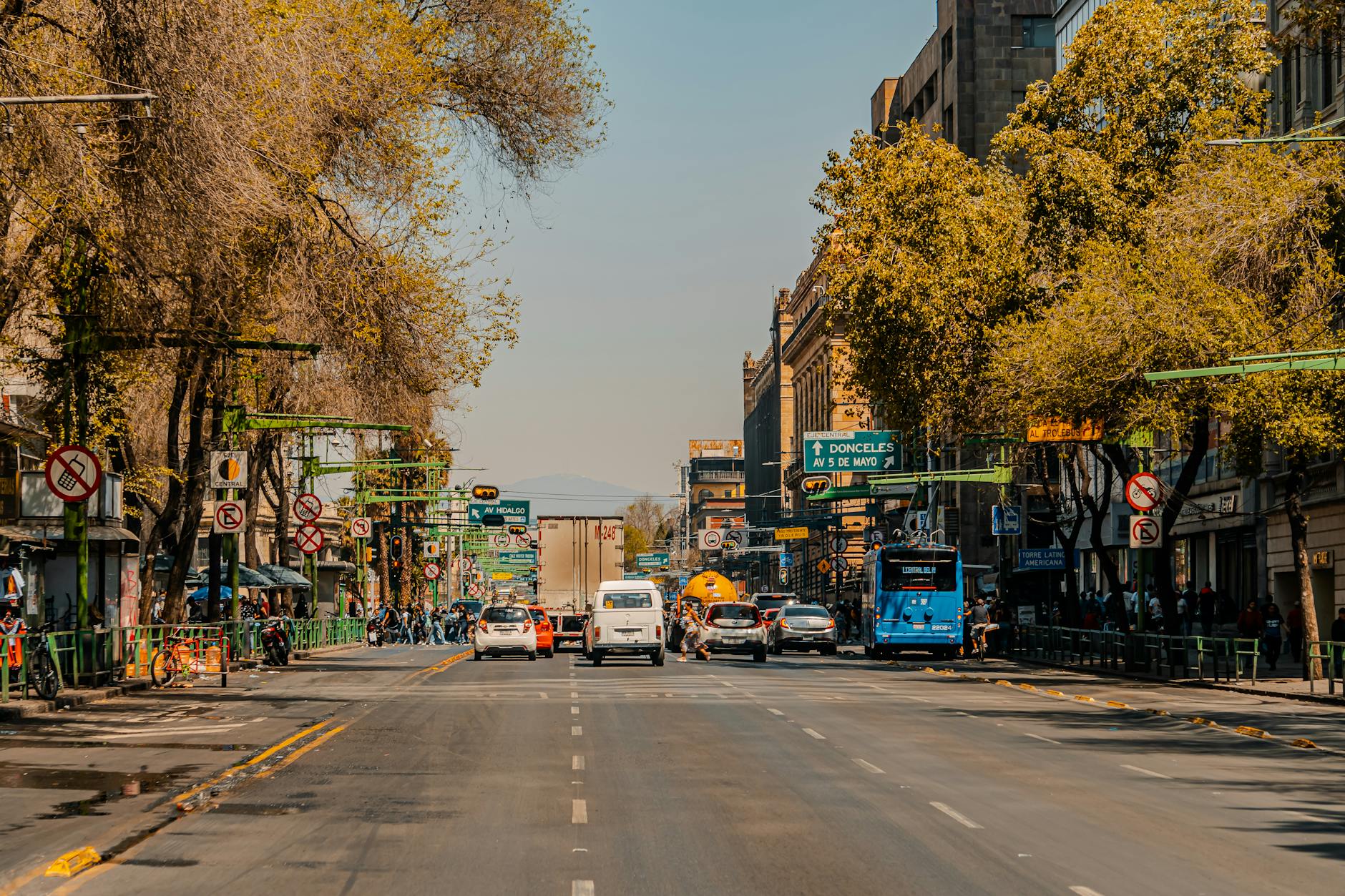
- Transport realities: Metro is the fastest and cheapest, but expect crowding. Metrobús and RTP buses fill coverage gaps. Rideshares (Uber/Didi) are usually affordable and safer than hailing street taxis; check license plates when ordering.
- Cash and cards: Many small markets and fondas are cash-only, but most restaurants and tourist sites accept cards. ATMs are widely available; use bank ATMs or inside branches to reduce fraud risk.
- Local etiquette: Greet with a friendly “buenos días/tarde.” Ask before photographing people. Tipping is customary: 10–15% in restaurants if service isn’t included, small tips for market porters and hotel staff.
How to Choose Well
Match your priorities to the right choices:
- If you want maximum sightseeing with little transit time: stay in Centro Histórico or near Reforma; you’ll reduce travel time but trade quieter evenings.
- If you want cafés, nightlife and local food scenes: pick Roma Norte or Condesa for walkability and midrange pricing.
- If you want a cultural, slower pace: Coyoacán is better for markets, plazas and museums.
- Families: seek apartments or quieter hotels in Condesa or Polanco with easy park access (Chapultepec).
Booking and timing advice:
- Reserve the Frida Kahlo Museum online well in advance, especially in high season.
- For day trips, book first-class bus seats one to three days ahead in shoulder season and earlier for holiday periods.
- Use the Tarjeta CDMX on day one; it saves small payment headaches and lines at ticket booths.
Responsible and Local-First Tips
Spend where the money helps communities:
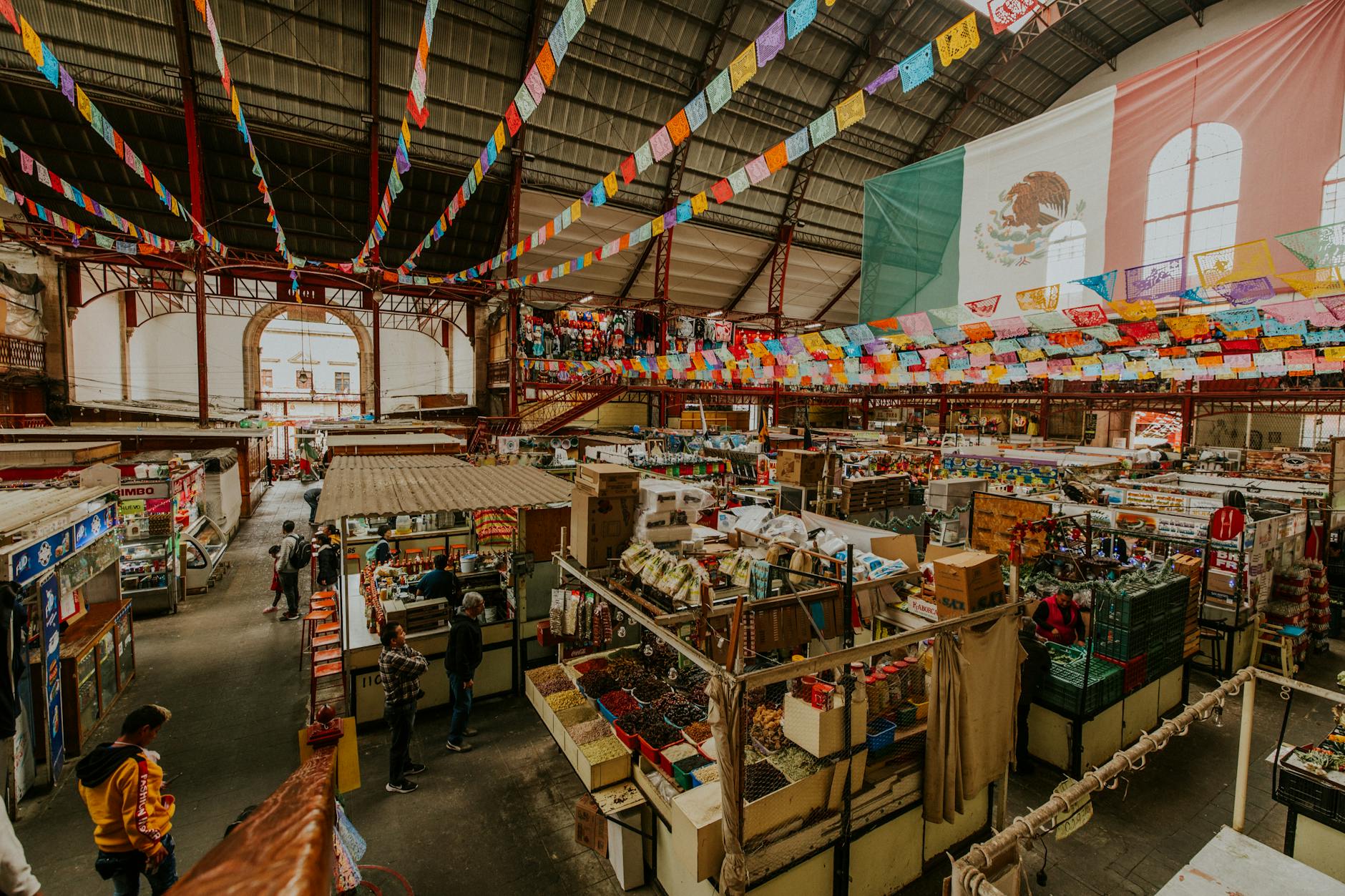
- Eat at local fondas and markets (Mercado de San Juan, Mercado de Coyoacán) rather than international chains.
- Hire local guides and small-group tours — look for community-led or certified operators and ask where fees go.
- Buy directly from artisans at designated markets or cooperative shops; avoid buying from unregulated street sellers when items are claimed to be “authentic” antiques.
- Reduce waste: carry a reusable bottle and ask vendors to avoid single-use plastics. Tap water is not drinkable; refill from filtered water stations or use a filtered bottle.
- Transit choices: prefer Metro and buses, or walk short distances. When you need a car, choose rideshares over hailing unlicensed taxis.
These choices keep more tourist money in local hands and lower your environmental footprint.

Common Mistakes to Avoid
Avoid these frequent budget and planning errors:
- Staying only in Polanco expecting lower costs — Polanco is pricier and adds little local flavor for budget travelers.
- Relying solely on taxis from the street — use apps or licensed taxi stands for safety and predictable fares.
- Not checking timed-entry requirements — popular museums (Frida Kahlo Museum, Castillo de Chapultepec exhibitions) require pre-booked slots.
- Overlooking the Metro during peak hours — crowded trains slow you down and are less comfortable with luggage.
- Changing lots of small bills at airport kiosks with poor rates — take a little cash at arrival and exchange or withdraw from bank ATMs in the city.
- Assuming every market is cash-only — check menus and signs; many midrange restaurants accept cards but small vendors do not.
FAQ
How much should I budget for 3 days in Mexico City?
For a balanced midrange experience, plan US$300–550 total per person for three days (lodging, food, transport and attractions). You can go lower on a tight budget (US$75–135/day) or higher if you favor comfort.
Is the Metro safe and easy for visitors?
The Metro is fast and extremely cheap. It’s safe for most travelers during the day; avoid rush-hour cars if you have a lot of luggage and be mindful of pickpockets. Women-only cars exist during peak times. Use a travel wallet and keep valuables secure.
What's the best neighborhood for a budget traveler who also wants nightlife?
Roma Norte or Condesa balance affordability with cafés, bars and nightlife. They’re walkable, well-served by transit, and offer many local dining options.
Can I do day trips to San Miguel de Allende or Guanajuato from Mexico City?
Yes, but they’re long days. San Miguel is about 3.5–4 hours by bus, Guanajuato ~4–5 hours. For a relaxed visit, consider overnighting. Cuernavaca and Toluca are more realistic same-day trips.
How should I handle tipping and cash versus card?
Tip 10–15% at restaurants if service isn’t included. Small cash tips are appreciated for porters and cleaners. Carry some cash for markets and small food stalls, but use cards at larger restaurants and museums where accepted.
Any sustainability tips for a short stay?
Choose markets and family-run restaurants, take the Metro or walk where possible, buy a few well-made local items rather than many souvenirs, and bring a reusable bottle to avoid plastic waste.
Conclusion
A well-planned Mexico City budget is about choosing the right neighborhood for your priorities, using public transit efficiently, and spending where it supports local businesses. Use this page alongside the 3 days in Mexico City itinerary to align lodging, transit and daily activities with your budget and values. For practical day-trip options and schedules, check bus company timetables and consider overnight stays for farther destinations like Guanajuato or Morelia.
Travel thoughtfully, respect local customs, and favor small businesses to get a richer, lower-impact experience.
How this guide was prepared
This guide was prepared through a structured research that combines destination research, geographic context, itinerary planning logic, and content review.