
Introduction
Munich is one of Europe’s easiest cities for a first-time trip: grand historic squares, world-class museums, elegant parks, famous beer halls, and efficient public transport all come together in a compact, welcoming destination. Bavaria’s capital feels polished and prosperous, but it also has a relaxed side, especially in its gardens, local markets, and neighborhood beer gardens. With three days, you can see the classic landmarks in the old town, dive into the city’s art and royal history, and still leave time for Munich’s green spaces and modern districts.
This itinerary is designed for first-time visitors who want a balanced trip. It covers the must-see sights without trying to cram in too much, and it groups places in a practical way so you spend more time exploring and less time crossing the city.
Quick Planning Tips
Munich is a year-round destination, but late spring, summer, and early autumn are especially pleasant for walking, outdoor dining, and enjoying the parks and beer gardens. December is also popular for Christmas markets.
Stay at least three nights if you want three full sightseeing days. The city is compact, but museums and palace grounds can take longer than expected.
Book major attractions in advance when possible, especially if you plan to visit popular museums, special exhibitions, palace interiors, or attend events at places like the Hofbräuhaus or BMW-related attractions during busy periods.
Carry comfortable walking shoes. Munich’s historic center is very walkable, and you will likely cover a lot of ground in the Altstadt, museum districts, and parks.
Use public transport for longer hops. The U-Bahn, S-Bahn, trams, and buses make it easy to move between the center, Nymphenburg Palace, the Olympic Park, and outer neighborhoods.
If you want the classic Munich atmosphere, plan time for both the old town and at least one beer garden. The city’s identity is just as much about local food culture and outdoor social life as it is about monuments.
Day 1 Itinerary

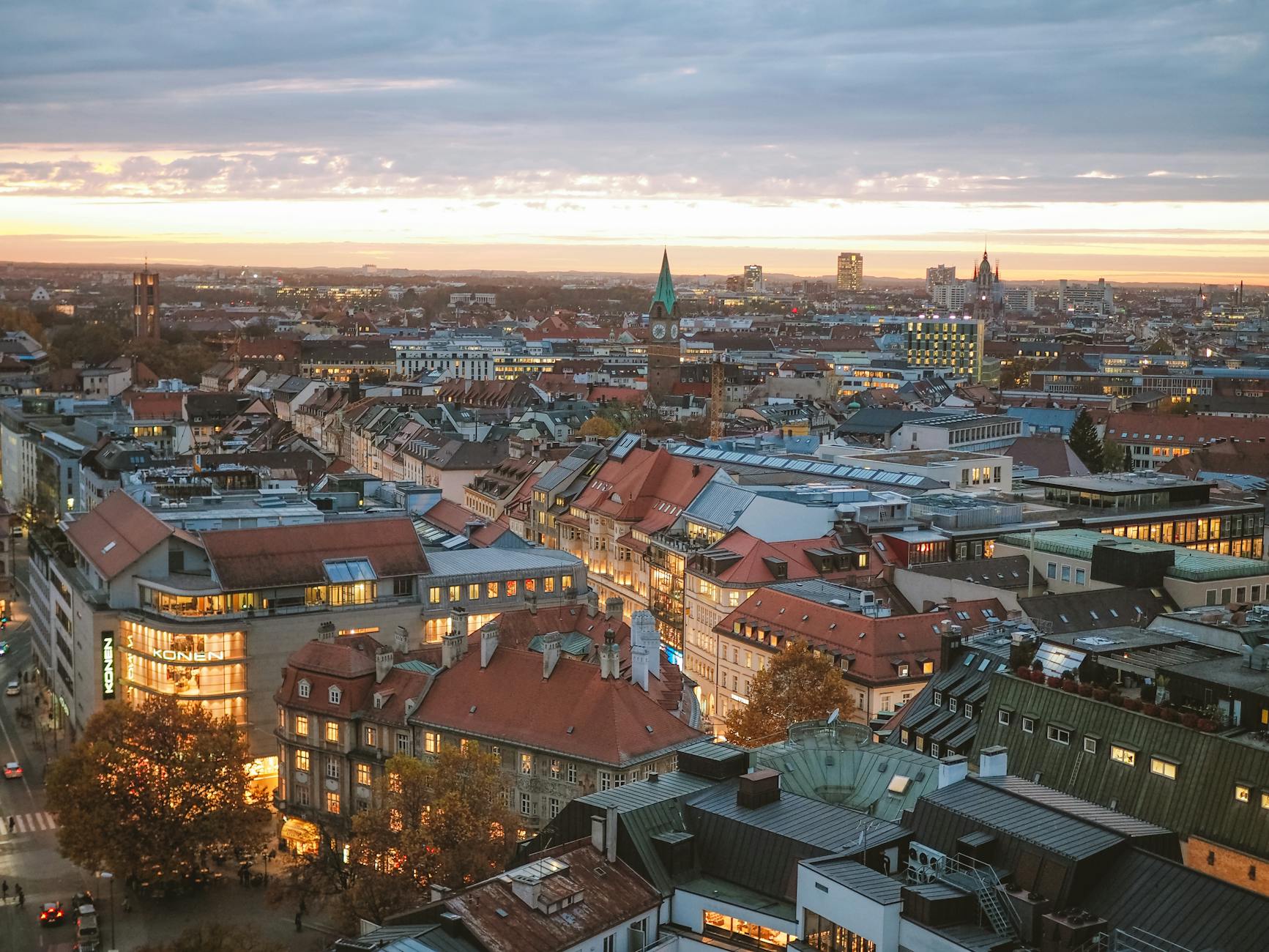
Start your first day in Altstadt, Munich’s historic center, where most first-time visitors should begin. Head to Marienplatz, the city’s main square, to get your bearings. This is the symbolic heart of Munich, framed by the New Town Hall and Old Town Hall. Spend a little time looking up at the Gothic Revival façade of the Neues Rathaus and soaking in the atmosphere of the square before the day gets busy.
From Marienplatz, walk to St. Peter’s Church, one of the oldest churches in the city. If you are comfortable with steps and want an overview early in your trip, the tower gives you one of the best perspectives over the old town rooftops, with the Frauenkirche’s twin domes and, on a clear day, even the Alps in the distance.
Next, continue to the Frauenkirche, Munich’s most recognizable church. Its onion-domed towers define the skyline, and the interior is worth seeing for its scale and historical importance. This is a good place to appreciate how Munich balances grandeur with restraint compared with some of Europe’s more heavily decorated capitals.
For a practical and enjoyable lunch stop, walk to Viktualienmarkt. This central food market is ideal for first-time visitors because it gives you a quick introduction to Bavarian specialties without needing a formal meal. You can browse produce stalls, snack stands, local delicacies, and sit in the beer garden if you want a relaxed break.
In the afternoon, explore more of the old town on foot. Walk through Odeonsplatz, one of Munich’s most elegant squares, and see the Theatine Church with its distinctive yellow Baroque façade. Nearby, the Residenz is one of the city’s most important landmarks. This former royal palace of the Wittelsbach rulers is a must for understanding Munich’s political and cultural history. If palace interiors interest you, give yourself proper time here, as the complex is extensive and includes lavish rooms, treasury displays, and courtyards.
After the Residenz, stroll along Maximilianstrasse if you want to see one of Munich’s grand avenues, then make your way into the Hofgarten, a formal Renaissance-style garden that offers a quieter pause between major sights.
Toward late afternoon, walk to the English Garden. This huge urban park is one of Munich’s greatest strengths and makes a perfect contrast to the old town. Enter near the southern section and stop at the Eisbach wave, where surfers ride a standing wave in the middle of the city. It is one of Munich’s most surprising and memorable scenes.
If the weather is good, stay in the English Garden into the evening and have dinner at the Chinese Tower beer garden or another traditional beer hall back in the center, such as the Hofbräuhaus. The Hofbräuhaus is undeniably touristy, but for many first-time visitors it is still a fun introduction to Munich’s beer-hall culture. If you prefer somewhere calmer, choose a more local beer hall or restaurant in the old town.
Day 2 Itinerary
Dedicate your second day to Munich’s museum and royal side, with a mix of art, architecture, and a more relaxed evening in one of the city’s livelier neighborhoods.
Begin in the Kunstareal, Munich’s museum quarter, which is one of the best cultural districts in Germany. First-time visitors should choose one or two museums rather than trying to do everything. If you enjoy European masters and classical art, the Alte Pinakothek is a strong choice. If you prefer modern and contemporary works, the Pinakothek der Moderne is more suitable. The area also includes major antiquities and design collections, so it is worth deciding in advance what matches your interests.
After your museum visit, walk through Maxvorstadt, the surrounding neighborhood. This district feels intellectual and elegant, with university buildings, cafés, and broad streets. It is a good area for lunch, especially if you want a break from traditional heavy Bavarian food.
In the afternoon, take public transport or a taxi to Nymphenburg Palace. This is one of Munich’s highlights and should not be missed on a first trip. The palace exterior is impressive, but the full experience includes the grand interior rooms and the extensive parkland behind it. The grounds are large enough that you can enjoy a proper walk, and they offer a different side of Munich from the compact old town. If you like decorative arts and aristocratic history, the pavilions and carriage collections can add depth to the visit.
Return to the city in the late afternoon and spend the evening in Schwabing. Historically associated with artists and intellectual life, Schwabing still has energy and personality, with restaurants, bars, and a less formal atmosphere than the center. This is a great place to have dinner and experience Munich beyond the main tourist core. If you still have energy, a walk along Leopoldstrasse gives you a sense of the city’s modern urban rhythm.
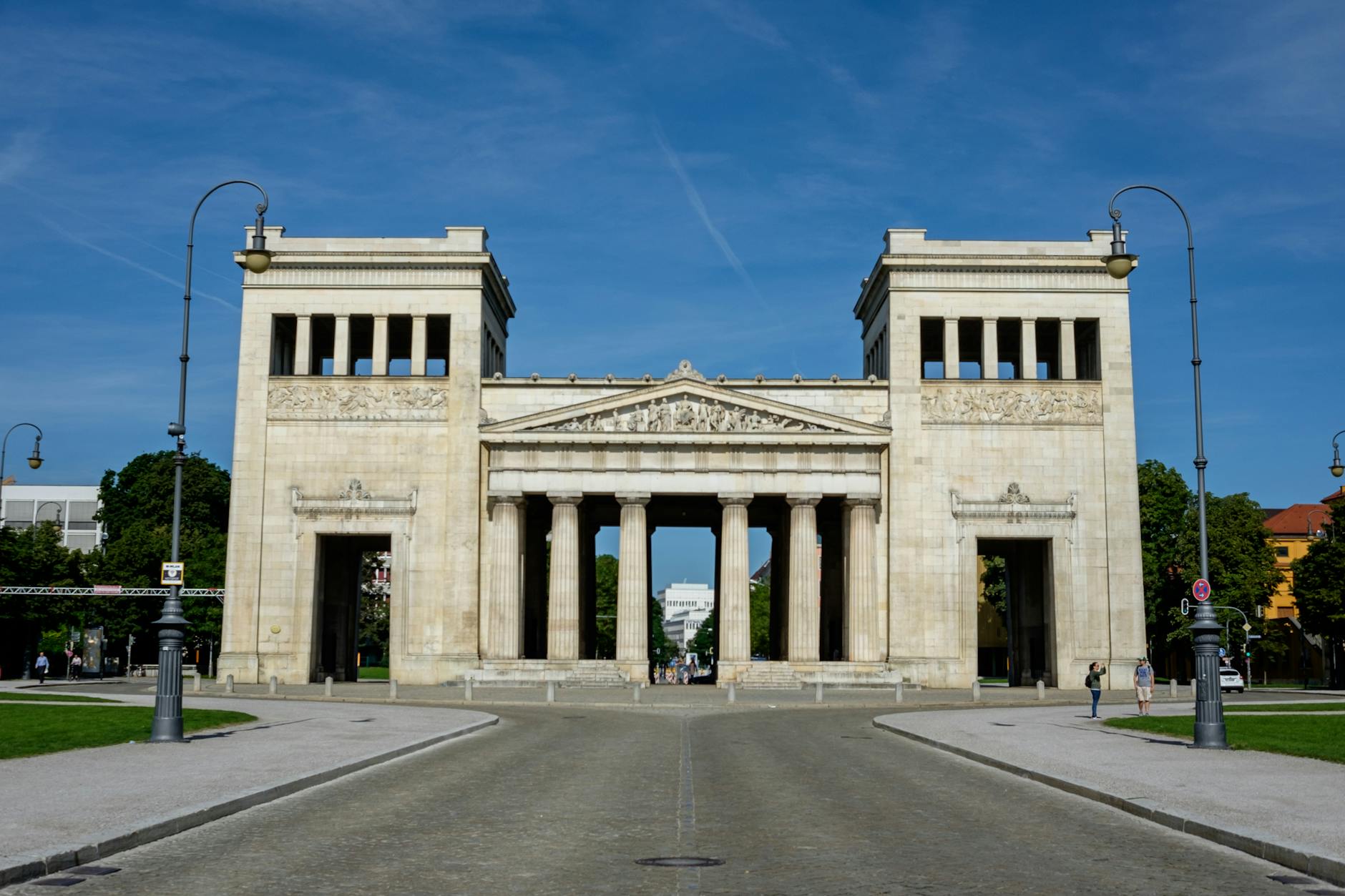
If you would rather focus more heavily on history than art, an alternative for part of Day 2 is the Munich Documentation Center or the NS-Dokumentationszentrum area near Königsplatz. This adds important context to the city’s twentieth-century history and works well for visitors who want a broader understanding of Munich beyond royal and cultural heritage.
Day 3 Itinerary
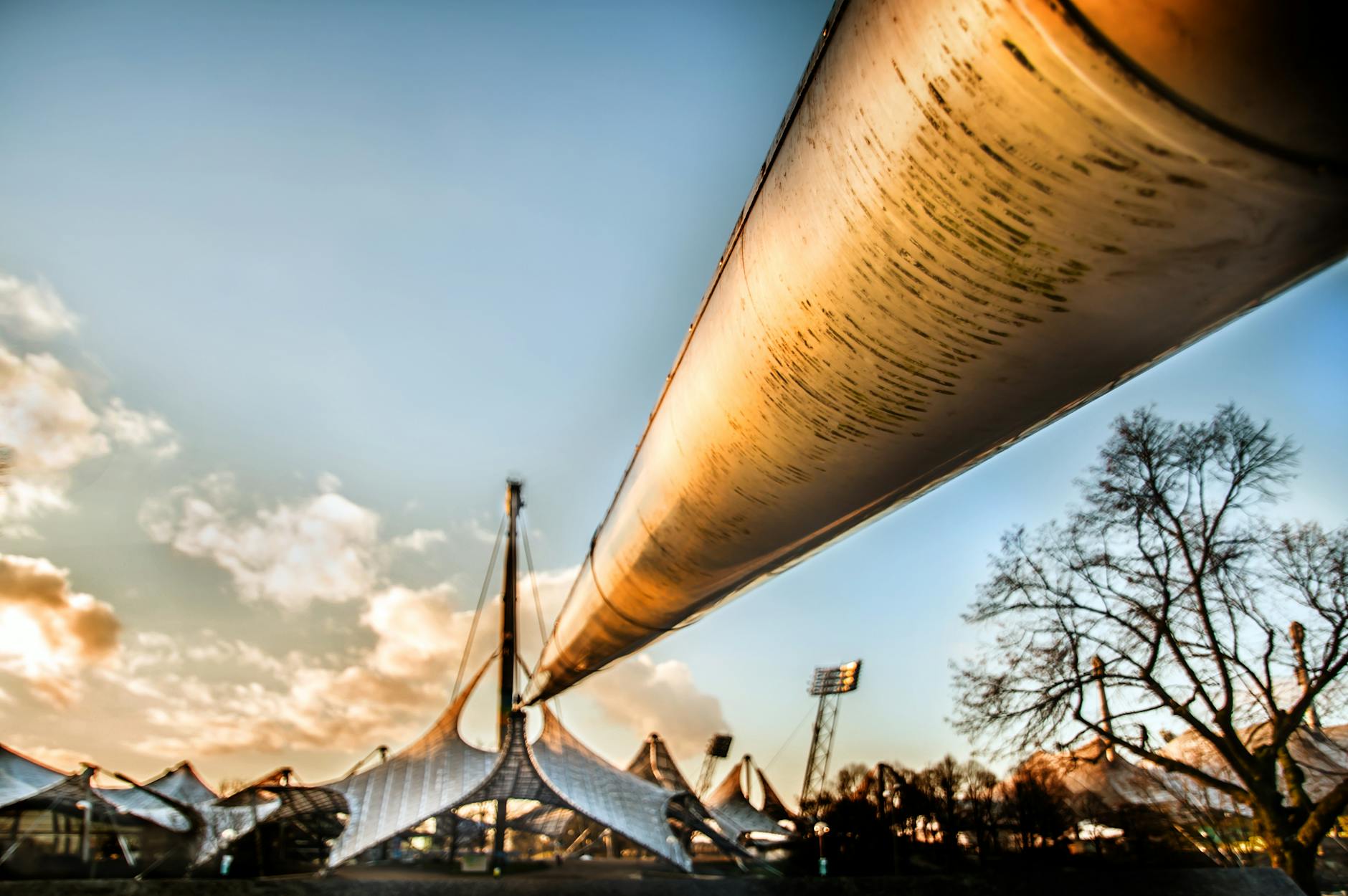
Spend your third day seeing a different side of Munich by combining modern landmarks, broad city views, and one final taste of local daily life.
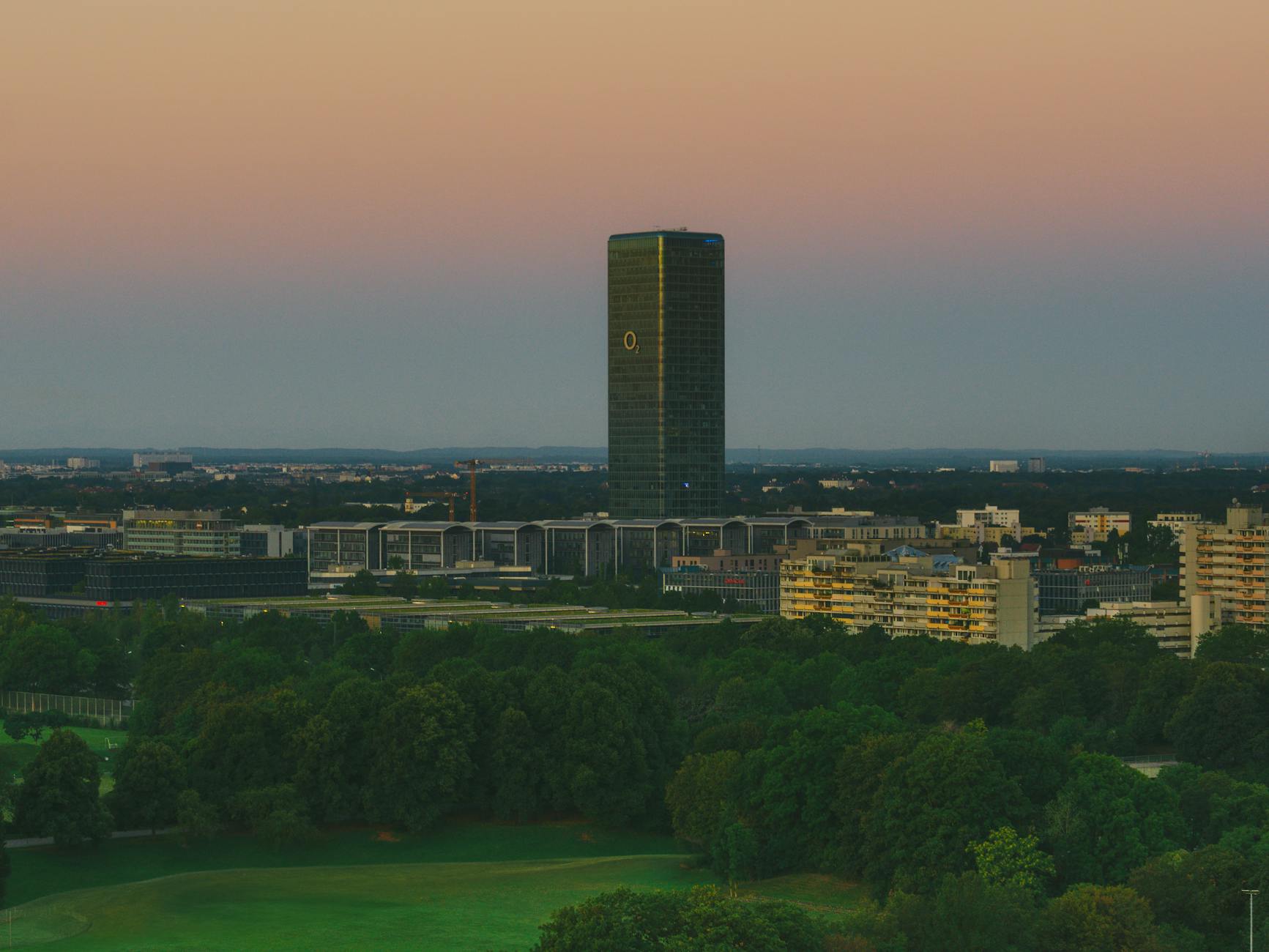
Start at the Olympic Park, built for the 1972 Summer Olympics. The landscape and architecture here feel completely different from the old town. The sweeping tent-like roof design remains one of Munich’s most recognizable modern achievements. Walk through the park, enjoy the open space, and if you want panoramic views, head up the Olympic Tower area if open during your visit, or seek out elevated viewpoints within the park complex.
Next, visit BMW Welt and, if you are interested in cars, the BMW Museum. Even travelers who are not major automotive fans often enjoy BMW Welt because it showcases German engineering, contemporary design, and the city’s industrial identity. The museum is more appealing if you want the historical development of the brand and a deeper look at automobile culture.
For lunch, consider heading back toward the center or stopping in the Neuhausen area, which has a more residential feel and lets you see local Munich life beyond the busiest visitor zones.
In the afternoon, choose between two excellent directions depending on your interests. If you want more greenery and a slower pace, return to the English Garden and explore farther north than most tourists do. This gives you a calmer experience of the park, and you can stop at a beer garden for a leisurely final afternoon. If you prefer urban exploration, head to the Glockenbachviertel and nearby Isar River area. Glockenbachviertel is one of Munich’s most fashionable districts, known for independent shops, cafés, creative energy, and a more contemporary atmosphere.
From Glockenbachviertel, walk toward the Isar. The riverbanks are popular with locals and show a more everyday, outdoorsy side of the city. In good weather, this is one of the best places to slow down and enjoy the city rather than simply checking off landmarks.
For your final evening, choose a farewell dinner based on the mood you want. If you still want the classic Munich experience, book a traditional Bavarian restaurant and order regional dishes with local beer. If you would rather end the trip with something more modern, stay in Glockenbachviertel or the Gärtnerplatz area, where the dining scene is trendier and more varied. This final contrast helps round out your understanding of Munich as both a historic Bavarian capital and a contemporary, lived-in city.
Where to Stay

Altstadt-Lehel
This is the best area for first-time visitors who want to be close to the main sights. You can walk easily to Marienplatz, the Residenz, Viktualienmarkt, and many churches and squares. It is convenient and scenic, especially if your trip is short and you want to maximize time. The downside is that it can be more expensive and busier than other neighborhoods.
Maxvorstadt
Maxvorstadt suits travelers who want a central location with a cultural focus. It is close to the museum quarter, university areas, and good cafés, and it still has straightforward transport connections to the old town. This is a strong choice for art lovers, couples, and visitors who prefer a slightly more local feel without being far from the main attractions.
Schwabing
Schwabing is ideal for visitors who want restaurants, nightlife, and a more residential atmosphere while still staying well connected. It works especially well for return visitors, younger travelers, or anyone who wants evenings with more neighborhood character. It is also convenient for the English Garden and gives you a broader sense of daily Munich life.
Best Experiences

Watching surfers at the Eisbach wave in the English Garden, one of Munich’s most distinctive and unexpected sights.
Exploring the Residenz to understand the scale, wealth, and history of Bavaria’s former rulers.
Spending time at Viktualienmarkt, where food, local products, and beer garden culture come together in the center of the city.
Visiting Nymphenburg Palace and walking through its expansive grounds for a grand but calmer royal experience.
Enjoying a traditional beer hall or beer garden meal, which is essential for understanding Munich’s social culture.
How to Get Around
Munich is one of the easiest large cities in Germany to navigate. For most first-time visitors, a mix of walking and public transport is the best approach.
The old town is very walkable. Marienplatz, the Frauenkirche, Viktualienmarkt, Odeonsplatz, and the Residenz are all close enough to visit on foot in a single day.
For longer distances, use the U-Bahn, S-Bahn, trams, and buses. They are integrated, efficient, and generally straightforward even if you do not speak German. Stations are well marked, and route planning apps are very helpful.
Use public transport to reach places such as Nymphenburg Palace, the Olympic Park, BMW Welt, and neighborhoods outside the center. For airport transfers, the S-Bahn is commonly used, though taxis and ride services may be more convenient if you have heavy luggage or limited time.
If you plan several rides in one day, look into day tickets or multi-day transport passes and compare them with single fares based on your itinerary. It is worth checking the current transport options before your trip, since ticket structures can change.
Taxis are available but usually unnecessary for standard sightseeing. Cycling is also popular in Munich, though first-time visitors may prefer walking and public transport unless they are comfortable with urban biking.
Typical Budget
Munich is not the cheapest city in Germany, and accommodation often takes the biggest share of the budget. Still, it is manageable with some planning.
Budget travelers should expect to stay in hostels, basic hotels, or simple rooms outside the very center, eat from bakeries, markets, casual spots, and use public transport carefully. This style of trip is possible, but Munich generally feels more expensive than Berlin or some smaller German cities.
Mid-range travelers will find the city comfortable and rewarding, with good hotel options in central neighborhoods, regular restaurant meals, museum entries, and public transport all fitting into a manageable city-break budget if booked in advance.
Higher-end travelers can easily spend more on elegant hotels, fine dining, private tours, and premium rooms in the old town or near major parks and boulevards.
To save money, book accommodation early, choose one or two major museums instead of too many paid attractions, and mix sit-down meals with market lunches or bakery breakfasts.
FAQ
Is 3 days enough for Munich
Yes, three days is a very good amount of time for a first visit. You can cover the old town, one or two major museums, Nymphenburg Palace, the English Garden, and either the Olympic Park or one of the trendier neighborhoods without feeling too rushed.
What is the best area to stay in Munich for first-time visitors
Altstadt-Lehel is usually the most convenient choice for first-time visitors because it puts you close to the main landmarks and makes sightseeing easy on foot. Maxvorstadt is also excellent if you want museums and a slightly less tourist-heavy atmosphere.
Do I need a car in Munich
No, a car is not necessary for visiting Munich itself. The city’s public transport is excellent, and the main tourist areas are easy to reach by foot, U-Bahn, S-Bahn, tram, or bus. A car is only worth considering if you plan day trips into Bavaria that are harder to reach by train.
When is the best time to visit Munich
Late spring to early autumn is ideal for pleasant weather, parks, beer gardens, and walking. December is also a great time if you want Christmas markets. If you want the Oktoberfest atmosphere, plan well in advance, because the city gets very busy and accommodation prices rise significantly.