

Responsible Travel in Albufeira — Practical Support for Your 3-Day Visit
Practical, low-impact advice for visiting Albufeira: where to stay, how to get around, sustainable tour choices, seasonal tips, and links to the 3 days in Albufeira itinerary.
A compact, practical companion to the 3 days in Albufeira itinerary focused on low-impact choices, local-first spending, and easy transport options that keep your visit authentic and responsible.
Quick Answer
A compact, practical companion to the 3 days in Albufeira itinerary focused on low-impact choices, local-first spending, and easy transport options that keep your visit authentic and responsible.
Who This Page Is For
This page is for travelers planning a stay in Albufeira who want clearer decisions about responsible travel, local logistics, timing, budgeting, and practical trip planning.
How This Page Was Prepared
This page was prepared through a structured editorial workflow that combines destination research, geographic context, and practical travel-planning review.
Plan the Rest of Your Trip
Use this page together with the full itinerary and the related planning pages below to make better booking, timing, transport, and budget decisions.
If you need one quick plan:
– Travel in shoulder seasons (April–June, September–October) for milder weather, fewer crowds, and better local availability.
– Base yourself in the Old Town or Ferreiras for a mix of walkability and local spending.
– Use the train to Ferreiras or regional buses from Faro airport; avoid unnecessary short car trips.
– Book small, licensed boat operators for cave tours and snorkeling; confirm sustainable practices.
– Support the municipal market and family-run tascas for meals.
For daily schedule ideas and routing, see the main 3 days in Albufeira itinerary which this page supports directly.
This page is a compact, search-friendly support guide for the longer 3 days in Albufeira itinerary. It focuses on practical, low-impact choices and ways to put your money into locally owned businesses. Use this when you need quick decisions about where to stay, which tours to book, how to get around without a car, and which seasons or neighborhoods reduce crowding while supporting the local economy.
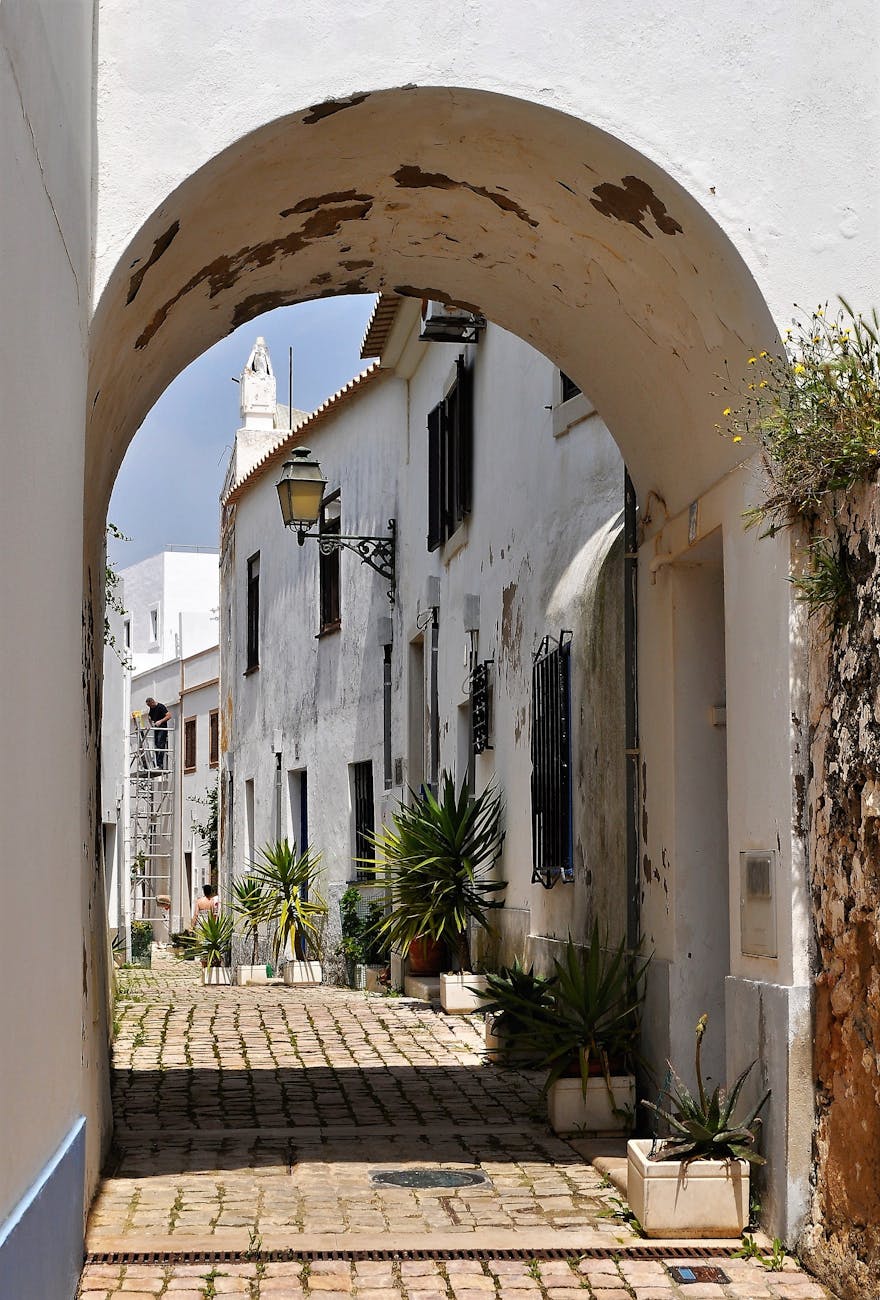
Neighborhoods to note: Albufeira Old Town for character and local restaurants; Marina and Fisherman's Beach for boat access and seafood; Praia da Oura and the Strip (Avenida da Oura) for nightlife; Ferreiras and Montechoro for quieter, more budget-friendly stays inland.
What This Page Helps You Decide
Quick decisions this page helps with:
– Where to stay: beachfront convenience vs. inland value with local benefits.
– How to travel: public transit, trains, and ethical boat tours versus renting a car.
– Which tours to pick: small-group operators, licensed guides, and low-impact options.
– When to visit: avoid peak heat and crowds, choose shoulder-season dates.
– Where to eat and shop: markets, family restaurants, and neighborhood cafés to keep spending local.
If you need a day-by-day plan once these choices are made, consult the 3 days in Albufeira guide for a full itinerary and timing.

Top Recommendations
Top practical, responsible choices:
– Stay: choose family-run guesthouses in Old Town or apartments in Ferreiras to support local hosts and reduce beachfront pressure.
– Arrival: fly to Faro and take the regional train to Ferreiras or the intercity bus into Albufeira; taxis or shared rides are practical for late arrivals.
– Tours: book licensed, small-group grotto and snorkeling trips from the marina; ask operators about anchor practices and group size.
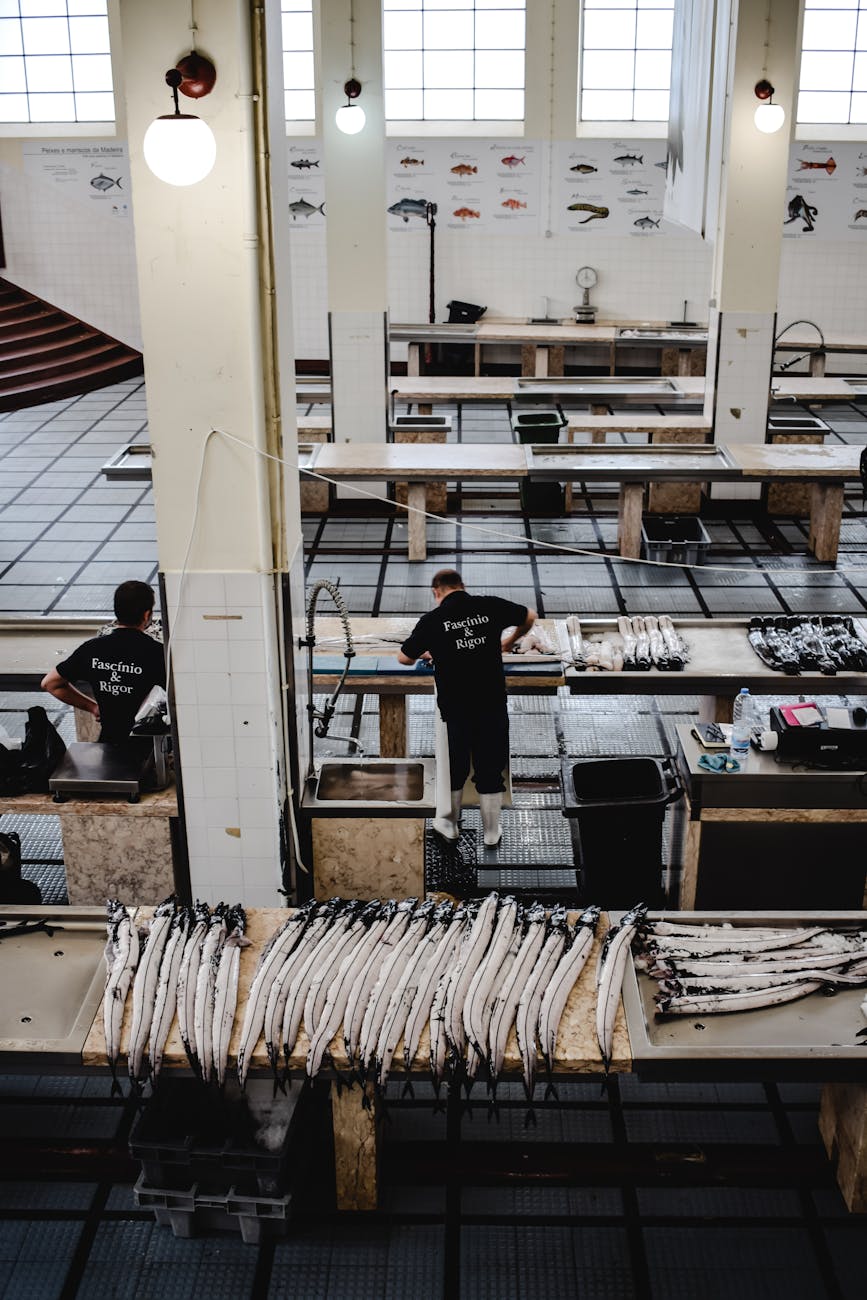
– Eat and buy: visit Mercado Municipal de Albufeira for fish and produce; pick taverns (tascas) that use local suppliers.
– Timing: plan any beach days for early morning or late afternoon in summer to avoid heat and crowding.
Practical booking tip: reserve boat trips and popular restaurants a few days ahead in high and shoulder seasons; if your plans change, cancel early to let local businesses rebook.
Local Context
Seasonal patterns and economy:
– High season: July–August sees heavy international tourism, hot days, crowded beaches, and higher prices.
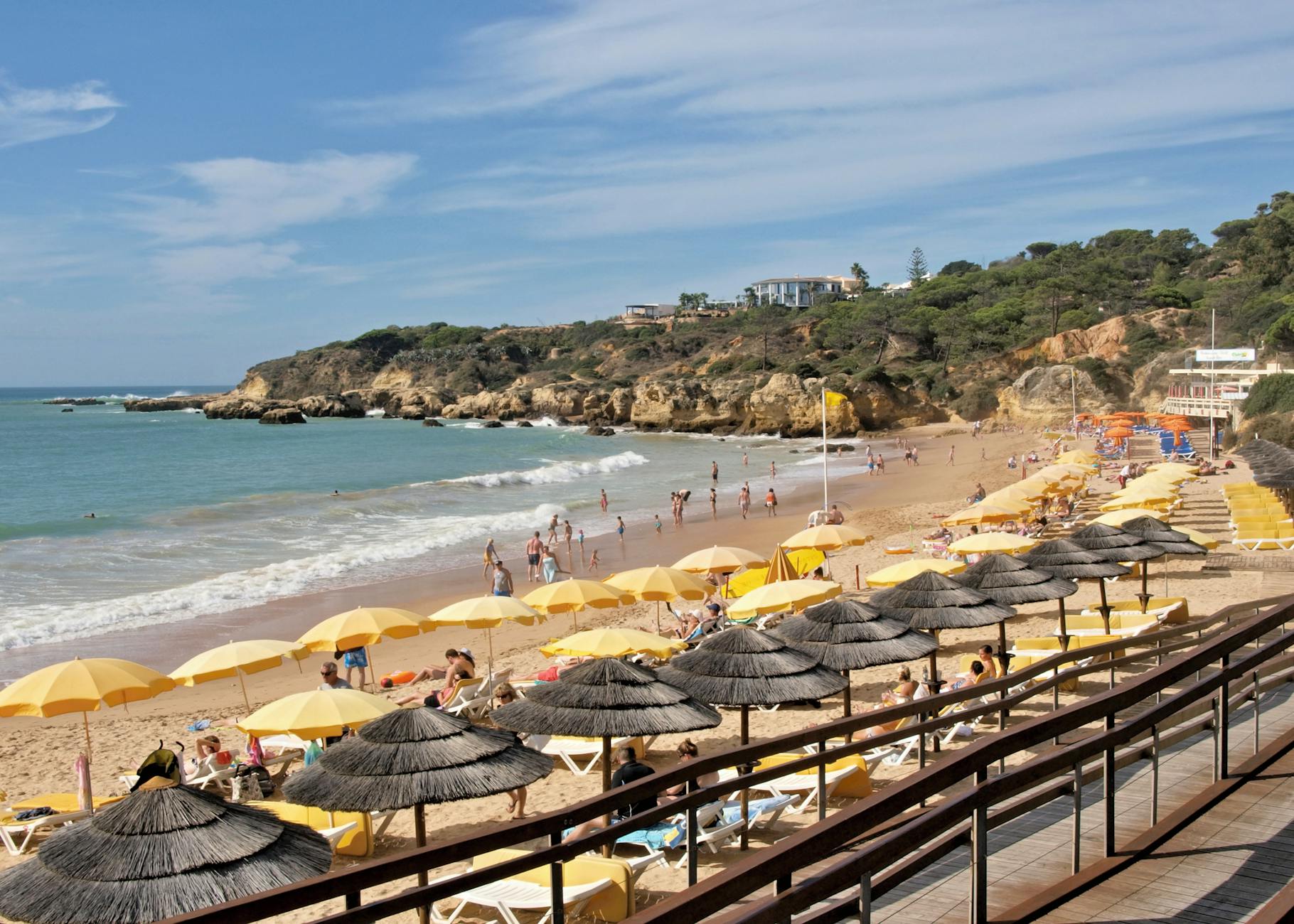
– Shoulder season: April–June and September–October are ideal for warmer sea temperatures with fewer visitors and better local service.
– Winter: quieter, many businesses close or reduce hours; still useful if you want very low-impact travel.
Transport realities:
– Faro Airport is the main international gateway (about 40–50 minutes by car). Regular buses and trains connect Faro with Albufeira; the main rail stop is Ferreiras, a short bus or taxi from the Old Town.
– Local buses serve the town and beaches but run less frequently at night. Bolt and local taxis are options for late returns.
Etiquette and local norms:
– Greet with a simple "Bom dia" or "Boa tarde" and be polite; English is widely understood in tourist areas but using basic Portuguese is appreciated.
– Use modest beachwear only on the sand; cover up in restaurants and churches.
– Tip modestly—around 5–10% for sit-down restaurants if service is good; small cash tips for guides and drivers are welcomed.
How to Choose Well
Choose accommodation:
– Prefer locally owned guesthouses, small hotels, or holiday apartments listed by local hosts rather than large international chains.
– Consider staying in Ferreiras for quieter nights, easier parking, and support for neighborhood businesses.
Choose tours and activities:
– Ask for licenses and group-size limits before booking boat trips. Smaller RIB or canoe operators typically have a lower environmental footprint than large ferries.
– For cave and grotto visits, look for operators who avoid anchoring on seagrass and who brief guests on wildlife respect.
Transport choices:
– Use the train for regional transfers (Faro–Ferreiras) and buses for short hops inside the Algarve.
– Rent bicycles for short distances where safe, or walk between Old Town and nearby beaches to reduce emissions.
If you want the full daily plan that pairs well with these choices, refer to the 3 days in Albufeira itinerary for recommended timing and reservations.
Responsible and Local-First Tips
Practical ways to keep your trip low-impact and beneficial to locals:
– Spend locally: eat at family-run tascas, buy produce and fish at the municipal market, and pick souvenirs from artisans.
– Water and waste: carry a refillable bottle—tap water in Albufeira is safe—and avoid single-use plastics.
– Wildlife and sea: snorkel responsibly; do not touch reefs or sea grass, and follow skipper instructions near caves.
– Energy and water: choose accommodations that demonstrate water-saving and energy-conscious practices where possible.
– Season-aware travel: travel in shoulder months to spread tourist benefit across the year and reduce peak pressure.
Community note: small businesses and boat operators rely on repeat bookings and positive word-of-mouth. If a service is excellent, consider leaving a detailed online review to help them competitively and responsibly grow.

Common Mistakes to Avoid
Frequent missteps that reduce the quality or sustainability of a visit:
– Staying only on the Strip (Avenida da Oura) and missing Old Town businesses and quieter neighborhoods.
– Booking the cheapest boat without checking licensing or environmental practices; this risks safety and habitat damage.
– Relying solely on taxis for short distances instead of walking or taking local buses.
– Expecting year-round service: many small restaurants and tours reduce hours in winter—check opening times before arrival.
– Underestimating terrain: coastal paths include cliffs and steep steps; sturdy shoes are useful.
Avoid these to make your stay safer, greener, and more beneficial to the local economy.
FAQ
When is the best time to visit Albufeira for lower impact and better local service?
Visit in the shoulder seasons—April to June and September to October. You’ll find milder weather, fewer crowds, and more local businesses open and welcoming bookings.
Can I get to Albufeira from Faro without renting a car?
Yes. Take the regional train from Faro to Ferreiras (then a short bus or taxi into town) or use direct buses from Faro to Albufeira. Taxis and Bolt operate for late arrivals.
Are the cave and grotto boat trips environmentally safe?
Many operators are responsible, but ask about their licensing, group size limits, anchoring practices, and whether they brief guests on wildlife protection. Prefer small licensed operators and ask for recommendations from local accommodation hosts.
Is Albufeira suitable for families or travelers with limited mobility?
Families can enjoy beaches and family-friendly attractions. Limited mobility is more challenging in the Old Town and on cliff paths—ask accommodations about step-free access and proximity to beaches.
How should I budget tips and small payments?
Service charges are sometimes included; otherwise leave 5–10% at sit-down restaurants. Small cash tips for guides and drivers are appreciated.
I have 3 days—should I follow the 3 days in Albufeira guide or add a day trip?
The 3 days in Albufeira guide is designed for a balanced stay. If you have extra time, low-impact day trips to Vilamoura, Carvoeiro, Portimão, or Lagos are feasible by train or bus; Setúbal is further afield but possible as a longer day trip by car or train via Lisbon.
Conclusion
Albufeira rewards thoughtful planning: choose shoulder-season travel, prioritize local businesses, use public transport and licensed small-group tours, and respect coastal habitats. This support page pairs with the main 3 days in Albufeira itinerary — use it to make quick, responsible choices that improve your trip and benefit the local community. For nearby explorations, check linked guides for Vilamoura, Carvoeiro, Portimão, Lagos, and Setúbal to extend your responsibly planned trip.
How this guide was prepared
This guide was prepared through a structured research that combines destination research, geographic context, itinerary planning logic, and content review.