

Where to Stay in Jakarta: Menteng, SCBD/Kuningan, Kota Tua, Kemang, Tanah Abang
Practical guide to choosing where to stay in Jakarta with neighbourhoods, transit, real prices (IDR), and local tips for travellers and business visitors.
Clear, practical neighbourhood guidance for Jakarta: which districts suit business travellers, families, budget visitors and nightlife seekers, with transit notes and nightly price ranges in IDR, USD and EUR.
Quick Answer
Choose Menteng for central, mid-to-upscale hotels close to Bundaran HI and Gambir (from about IDR 600,000/night). For nightlife and expatriate dining pick Kemang (IDR 500k–1.2M); budget travellers should look at Kota Tua area or Tanah Abang (from about IDR 200,000). Expect heavy traffic; prefer MRT (Bundaran HI, Setiabudi Astra, Istora Mandiri) or KRL (Jakarta Kota, Gambir) when possible.
Who This Page Is For
This page is for first-time visitors, business travellers, and short-stay tourists who need clear, transit-aware hotel choices inside Jakarta. Long-term apartment hunters or those only visiting nearby cities such as Bogor or Bandung may prefer separate local housing guides.
Key Takeaways for Jakarta
- Menteng: central diplomatic district, near Bundaran HI and Gambir, typical hotel range IDR 600,000–1,800,000 (~USD 40–120).
- SCBD/Kuningan: best for business travel, served by Setiabudi Astra and Istora Mandiri MRT stations, hotels from IDR 900,000–2,500,000 (~USD 60–165).
- Kota Tua: cheapest close-to-sightseeing option, walking distance from Jakarta Kota KRL station, budget stays IDR 200,000–700,000 (~USD 13–46).
- Expect severe weekday traffic: cross-city journeys (west-to-south or airport-to-city) commonly take 45–90 minutes during peak hours.
How This Page Was Prepared
This page was prepared through a structured editorial workflow that combines destination research, geographic context, and practical travel-planning review.
Plan the Rest of Your Trip
Use this page together with the full itinerary and the related planning pages below to make better booking, timing, transport, and budget decisions.
For the most practical single rule: stay inside or close to the MRT/KRL corridor unless every extra rupiah saved is worth long taxi rides. Central options such as Menteng or SCBD (Setiabudi Astra, Istora Mandiri, Bundaran HI) keep travel to Merdeka Square, shopping on Jalan Thamrin, and business offices under 30 minutes by rail or Transjakarta.
Budget travellers who want sightseeing should choose Kota Tua or Tanah Abang for lower nightly rates and direct access to Jakarta Kota or Tanah Abang KRL stations. Kemang suits food and cafe-focused stays but plan for a 10–25 minute last mile by Grab or Transjakarta to reach nearest rail hubs. Avoid Mangga Besar unless the nightlife is the point of the trip; it can be noisy and crowded late at night.
This page answers the practical question: where to sleep in Jakarta so time and money are used well. Many travellers pick a hotel purely by price or because it looks nice in photos, then discover long rides, noisy streets, or no easy rail link. Jakarta is spread across distinct districts with very different transport links: the MRT north–south line, Transjakarta BRT corridors, and the KRL Commuterline do not cover every neighbourhood.
Decisions that matter include whether staying close to business offices (Sudirman/SCBD), historic sites (Kota Tua), or nightlife and cafés (Kemang) is worth the trade-off in traffic time. This guide lists specific neighbourhoods, real nightly price ranges in Indonesian rupiah and approximate USD/EUR conversions, and exact transit options so a single-night or three-day visit can be planned without surprises.
Expect straightforward, checkable facts: station names, sample prices, typical atmosphere, and one area to avoid at night for most visitors. The companion 3 days in Jakarta itinerary uses these neighbourhood choices to reduce transit time and get more daylight at the main attractions.
What This Page Helps You Decide
This guide helps decide three concrete things: which Jakarta neighbourhood to book for specific priorities (business meetings, sightseeing, nightlife, or budget), which transit options to rely on for daily plans, and how much to expect to pay per night in IDR and approximate USD/EUR.
It also helps choose trade-offs: for example, whether being 10 minutes nearer to Sudirman SCBD is worth an extra IDR 300k per night, or whether a cheaper room near Tanah Abang that requires frequent short Grab rides actually ends up costing more during stay. Use the neighbourhood price ranges and transit notes to align hotel selection to the 3 days in Jakarta itinerary to minimize transit time and unexpected commuter traffic.

Top Recommendations
Menteng — type of traveller: business or cultural short-stay. Close to: Merdeka Square, Gambir Station, Jalan Medan Merdeka. Atmosphere: leafy diplomatic boulevards, older colonial buildings, quieter evenings compared with high-rise districts. Transit: roughly 1–2 km to Bundaran HI MRT station (walk or short taxi), short Transjakarta rides on Corridor 1 and easy access to Gambir Station (KRL and intercity). Price range: IDR 600,000–1,800,000/night (~USD 40–120, EUR 36–110).
SCBD / Kuningan — type of traveller: business, conference attendees. Close to: Sudirman business district, Pacific Place mall, Jakarta Stock Exchange. Atmosphere: modern high-rises and embassy offices; busy daytime with quieter hotel lobbies at night. Transit: served by Setiabudi Astra and Istora Mandiri MRT stations, Transjakarta at multiple stops along Jalan Jenderal Sudirman and Rasuna Said. Price range: IDR 900,000–2,500,000/night (~USD 60–165, EUR 55–150).
Kota Tua (Old Town) — type of traveller: budget cultural travellers who want museums and colonial architecture. Close to: Museum Fatahillah, Sunda Kelapa harbor, Jakarta Kota KRL station. Atmosphere: crowded daytime with strong tourist foot traffic around Museum Fatahillah; quieter streets late at night but limited hotel choices. Transit: Jakarta Kota station on the KRL Commuterline provides direct links from Kota to Manggarai and Bogor lines. Price range: IDR 200,000–700,000/night (~USD 13–46, EUR 12–42).
Kemang — type of traveller: expatriates, foodies, nightlife and café culture. Close to: Jalan Kemang Raya, Plaza Festival, Kemang Village. Atmosphere: tree-lined streets, many bars and international restaurants, informal and lively evenings. Transit: no nearby rail station; typical access is a 10–25 minute Grab/ojek or Transjakarta to Blok M and then a short ride. Price range: IDR 500,000–1,200,000/night (~USD 33–80, EUR 30–73).
Tanah Abang — type of traveller: budget shoppers, value-seekers. Close to: Tanah Abang Market, Thamrin shopping corridor, and easy access to the textile wholesale district. Atmosphere: busy commercial area with lots of small hotels and guesthouses. Transit: Tanah Abang KRL station and multiple Transjakarta corridors; direct connection to Sudirman area by short ride. Price range (best-value): IDR 250,000–800,000/night (~USD 17–53, EUR 15–48).
Area to be cautious about: Mangga Besar — this area has cheap rooms and active nightlife. Noise levels and late-night crowds are common; keep an eye on reviews mentioning security and avoid walking alone late at night. Best-value area: Tanah Abang offers low per-night rates and quick KRL access to central attractions, making it the best-value pick for budget travellers who accept busy streets and modest rooms.

Local Context
Jakarta's weather affects where to stay. Heavy rains come on and off between November and March; expect flooded low-lying streets after storms, which can affect ground-floor guesthouses in areas like Glodok or Pasar Baru. Dry season (June–September) has clearer roads but higher daytime heat.
Transit cards and apps matter. KRL Commuterline uses the KMT card (buy at station), MRT accepts BCA Flazz, BNI BRIZZI, Mandiri e-Cash and single-trip paper tickets; Transjakarta takes most contactless e-money cards and now QRIS for some routes. Grab and Gojek are essential for the last mile in neighbourhoods without rail.
Local food and late schedules influence arrival plans. Soto Betawi and Nasi Uduk stalls near Gambir and Menteng close late; many restaurants in Kemang and SCBD stay open into the early morning. Expect weekend traffic around Ancol and Taman Mini to increase hotel demand near northern waterfronts.

How to Choose Well
Decide by two priority questions: what will be the majority of daytime activity, and how sensitive is the trip to traffic delays. If meetings are on Jalan Jenderal Sudirman or SCBD choose Setiabudi/SCBD hotels to cut commute times even at a higher nightly rate.
If sightseeing in Kota Tua and Sunda Kelapa matters, accept smaller, cheaper hotels in Kota Tua to stay within walking distance of Museum Fatahillah and Jakarta Kota station. For food and late-night social life, Kemang is best but budget extra for frequent ojeks or Grab rides due to lack of rail.
For strict budgets choose Tanah Abang for the combination of low nightly prices and direct KRL access. For direct airport-to-hotel transit advantage consider hotels near Sudirman/Dukuh Atas cluster where multiple modes (MRT, KRL, Transjakarta) intersect, reducing the probability that airport traffic will lengthen the trip by an hour or more.

Responsible and Local-First Tips
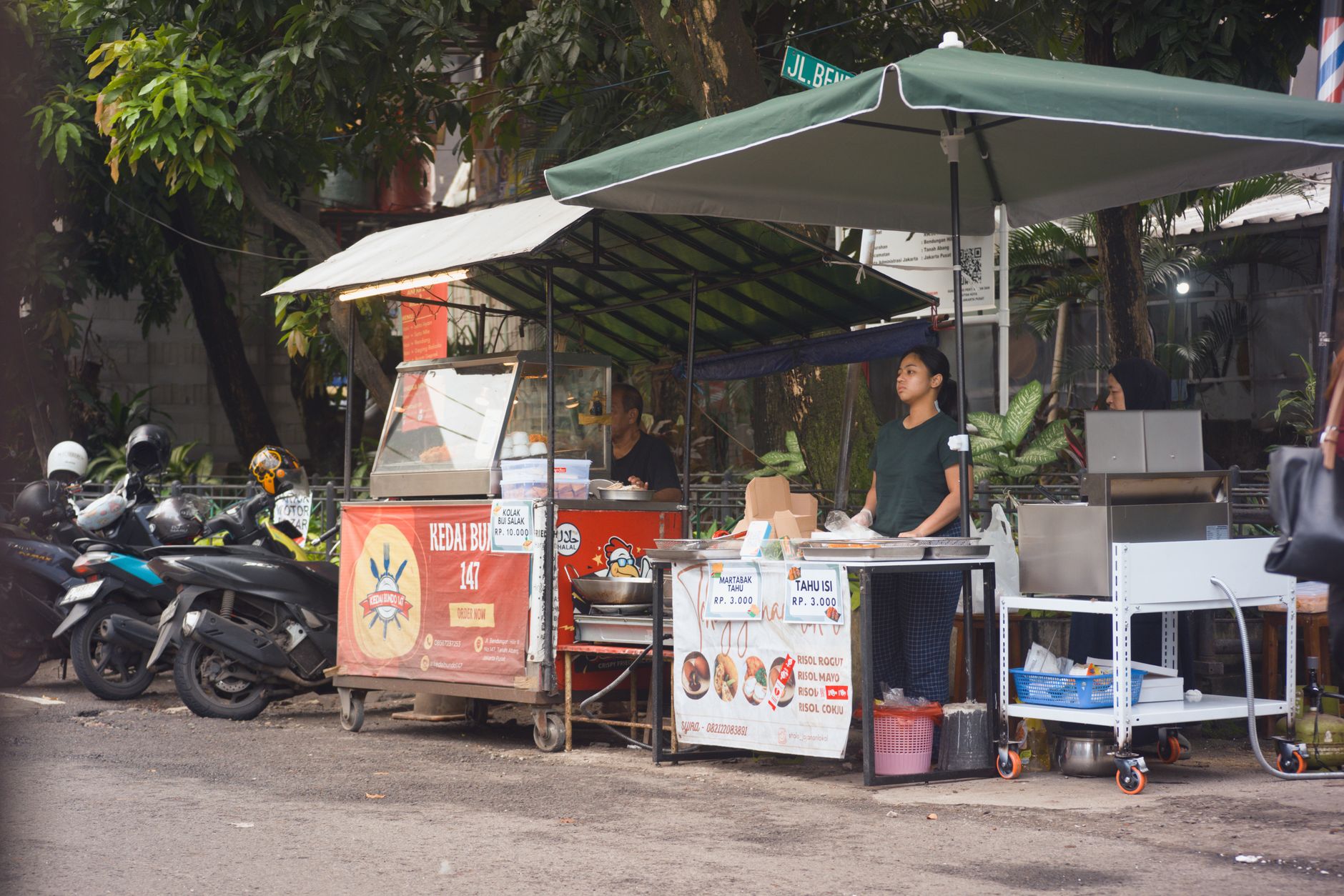
Choose locally owned guesthouses or small hotels in Menteng or Tanah Abang to keep money in neighbourhood businesses rather than only international chains. Examples: smaller inns near Jalan Cikini or Jalan Veteran in Menteng often use local staff and source breakfast locally.
When eating, order Betawi dishes like soto Betawi or kerak telor at long-standing stalls (example areas: around Monas and Jalan Veteran) rather than international chains. Use Transjakarta BRT and MRT for daily trips where available; these systems pay local drivers and reduce emissions compared to many short taxi rides.
Tip vendors, bellhops, and cleaners in cash (small amounts like IDR 10,000–20,000) if service is good; many workers do not receive large tips on top of low wages. Avoid booking rooms in flood-prone ground floors during the rainy season; check reviews for flood reports in Pasar Baru, Glodok, or low-lying north Jakarta hotels.
Common Mistakes to Avoid
Booking strictly by price without checking transit links leads to long daily rides and higher overall spend on taxis. Compare exact location to the nearest MRT, KRL or Transjakarta stop and estimate Grab fares for the last mile.
Assuming downtown traffic is constant: peak commuter hours (roughly 07:00–09:30 and 16:30–19:30) are significantly slower. Leave extra travel time for airport transfers and evening meetings.
Overlooking security and noise reviews for nightlife districts like Mangga Besar. Cheap rooms there are attractive on price but can be noisy and less secure; check recent guest reviews mentioning street noise and lighting before booking.
FAQ
What area is best for first-time visitors who want to see Monas and museums?
Stay in Menteng or near Gambir station for walking access to Monas, National Museum, and manageable transit links to other areas.
How much does a decent midrange hotel cost per night in Jakarta?
Expect IDR 600,000–1,200,000 for a midrange hotel in Menteng or Kemang (~USD 40–80, EUR 36–73); SCBD prices for higher-end business hotels start around IDR 900,000.
Is it safe to stay in Kota Tua at night?
The area is touristy by day but quieter and less active at night; choose a well-reviewed hotel with good lighting and avoid walking alone late after 22:00.
Which transit card should be bought first on arrival?
Buy a KRL Multi-Trip Card (KMT) if using commuter trains, and an e-money card (BCA Flazz, BNI BRIZZI or Mandiri e-Cash) for MRT and Transjakarta; Grab/Gojek apps are essential for last-mile rides.
When is the cheapest time to book hotels in Jakarta?
Prices fall in the rainy season low months (January–February) for many central hotels, but check flooding reports; conferences in October/November and May can raise rates in SCBD.
How long should the last-mile be planned for in Kemang?
Expect 10–25 minutes by Grab or ojek from Blok M or Sudirman depending on traffic; no direct rail serves Kemang.
Are airport transfers included at central hotels?
Many mid-to-high-end hotels in SCBD and Menteng offer paid airport transfer services; confirm cost (often IDR 250,000–500,000 one way) or compare with online taxi estimates via Grab/Gojek.
Conclusion
The single most important thing to remember: pick a neighbourhood based on where most daytime activity will happen and on which transit nodes (MRT, KRL, Transjakarta) are closest. Staying near a rail node like Bundaran HI, Setiabudi Astra, Istora Mandiri, or Jakarta Kota saves time and frustration.
For most short visits the practical choices are Menteng or SCBD for central convenience, Kota Tua or Tanah Abang for budget sightseeing, and Kemang for café-and-dinner focused trips if willing to accept last-mile rides. Choose one of these and then use the companion 3 days in Jakarta itinerary to sequence attractions so each day requires minimal cross-city transit.
How this guide was prepared
This guide was prepared through a structured research that combines destination research, geographic context, itinerary planning logic, and content review.