

Where to Stay in Kyoto: Neighborhoods, Practical Tips, and Responsible Choices
Find the best neighborhoods and accommodation types for a 3-day Kyoto itinerary. Practical advice on transport, seasonal timing, booking ryokan and machiya, and local-first tips for low-impact stays and easy side trips to Osaka, Nara, and Himeji.
A practical, neighborhood-focused guide to choosing lodging in Kyoto for a 3-day trip. Compare Gion, Kawaramachi, Kyoto Station, Arashiyama and quieter options, with sustainable tips, transport realities, and booking advice tied to the main 3 days in Kyoto itinerary.
Quick Answer
A practical, neighborhood-focused guide to choosing lodging in Kyoto for a 3-day trip. Compare Gion, Kawaramachi, Kyoto Station, Arashiyama and quieter options, with sustainable tips, transport realities, and booking advice tied to the main 3 days in Kyoto itinerary.
Who This Page Is For
This page is for travelers planning a stay in Kyoto who want clearer decisions about where to stay, local logistics, timing, budgeting, and practical trip planning.
How This Page Was Prepared
This page was prepared through a structured editorial workflow that combines destination research, geographic context, and practical travel-planning review.
Plan the Rest of Your Trip
Use this page together with the full itinerary and the related planning pages below to make better booking, timing, transport, and budget decisions.
Best all-around for a 3-day stay: Central Higashiyama / Gion / Kawaramachi — walkable to many highlights in the main 3 days in Kyoto itinerary.
Best for first/last night and fast rail links: Kyoto Station/Shichijo area — easiest for trains to Osaka, Nara, Himeji.
Best for nature and quieter nights: Arashiyama (west Kyoto) — more spread out, quieter after sunset.
If you value local, low-impact stays: choose a small guesthouse, family-run ryokan, or a restored machiya; book early and favour properties that source local food and hire local staff.
This page helps you pick a place to stay in Kyoto that supports a practical 3-day itinerary and aligns with responsible, local-first travel. Kyoto's compact center rewards walking and short train trips; neighborhoods vary from historic Gion streets to modern station districts and riverside residential blocks. Use this guide to match lodging to your pace, budget, and desire for authentic experiences—without adding to overtourism pressure on the most crowded sites.
What This Page Helps You Decide
Use this page to decide:
– Which neighborhood suits a 3-day sightseeing rhythm vs. day trips to Osaka, Nara or Himeji.
– Whether to prioritise walking convenience, train connections, or quiet evenings.
– Which accommodation type fits your sustainability and authenticity goals (ryokan, machiya, small hotel, guesthouse).
– When to book for cherry blossom or autumn colors and how to avoid peak crowds.
It’s written to pair directly with our 3 days in Kyoto itinerary and to help plan side trips to nearby cities like Osaka-shi, Nara-shi, Kobe-shi, Sakai, and Himeji.
Top Recommendations
For a compact 3-day plan (best balance):
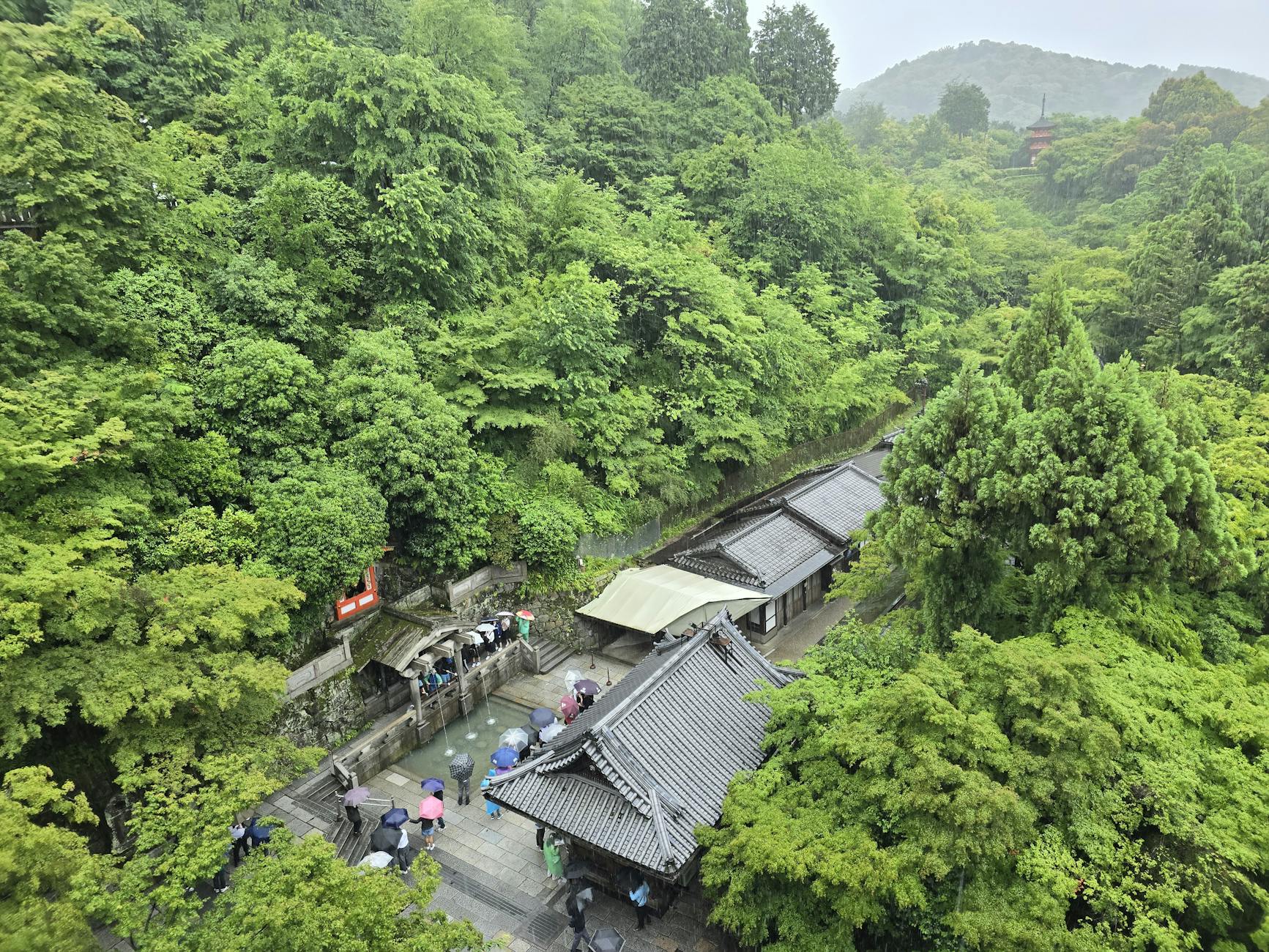
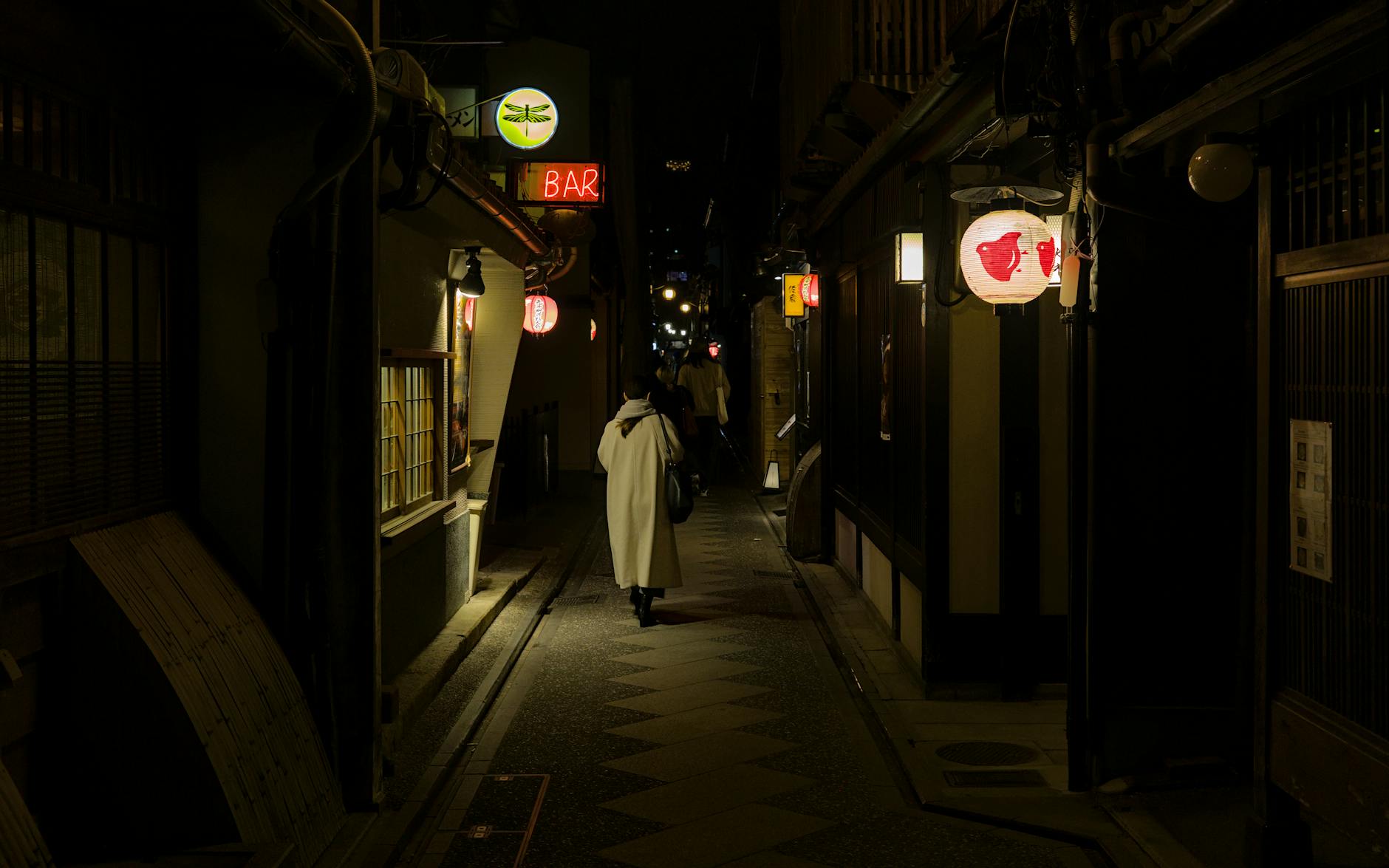
– Higashiyama / Gion / Kawaramachi: walking access to Kiyomizu-dera, Pontocho, Nishiki Market. Close to many temples and evening dining. Expect higher prices and early booking needs.
For arrival, departures, and rail links:
– Kyoto Station / Shichijo: best for luggage-friendly hotels, quick shinkansen or JR lines to Osaka, Kobe, Himeji, and access to bus network.
For nature and a quieter nighttime vibe:
– Arashiyama: riverside ryokan, Bamboo Grove access, useful for a relaxed first or last night; trains are less frequent—plan transfers.
For budget and youthful atmosphere:
– Nakagyo / Sanjo / Kiyamachi: hostels, easy nightlife, close to canals and bike rentals.
For a traditional splurge:
– Private ryokan in Higashiyama or central Machiya stays: book well in advance and confirm bathroom layout and meal sourcing.
Booking notes:
– Sakura and autumn foliage require reservations months ahead; avoid Golden Week and Obon if you want lower impact.
– Prefer properties that publish their sustainability practices or work with local suppliers.
– For day trips, staying near Kyoto Station saves travel time; for purely in-city exploration, choose Higashiyama/Gion.
Local Context
Neighborhood characters:
– Gion/Higashiyama: historic streets, tea houses, higher tourist density in peak seasons; great for evenings.
– Nakagyo/Kawaramachi: shopping and dining hub on the Kamo River; lively but centrally located.
– Kyoto Station/Shichijo: modern, practical, many hotels; convenient for onward travel.
– Fushimi: suburban, famous for sake breweries and Fushimi Inari; quieter at night.
– Arashiyama: scenic west side, best for mornings and slower-paced stays.
Seasonal and crowd realities:
– Sakura (late March–early April) and autumn colors (mid-November) are extremely busy—book early and expect congestion at sites and buses.
– Rainy season (June) has fewer tourists; late spring (May) and October are good shoulder months for balance.
Transport realities:
– Buses cover much of the city but get stuck in traffic; they are useful for temple corridors but plan extra time.
– Subways and private railways (JR, Keihan, Hankyu) are faster for linear trips and side trips to Osaka and Nara.
– Taxis are convenient at night or with heavy bags but more expensive; use them sparingly.
Local etiquette highlights:
– Remove shoes where required in ryokan and some temples; follow in-room guidance.
– Keep voice levels low on trains and in narrow residential streets; avoid eating while walking in shrine precincts when asked.
– Ask before photographing people in private settings and respect geisha (do not block streets or demand photos).

How to Choose Well
A short checklist:
– Match proximity to your daily plan: if you use the 3 days in Kyoto itinerary, pick Higashiyama/Gion or Kawaramachi to cut transit time.
– Prioritise transport links for side trips: choose Kyoto Station or nearby hotels if you plan early trains to Osaka, Nara, or Himeji.
– Consider accommodation type: ryokan/machiya for cultural immersion, small hotels or guesthouses for local hosts, chain hotels for predictable services.
– Confirm practicalities before booking: private vs shared bathroom; luggage storage; check-in hours; noise expectations for nearby nightlife.
– Ask about sustainability practices if that matters: local sourcing for meals, staff employment practices, low-impact amenities.
Booking tips:
– Reserve ryokan and machiya as early as possible, especially for peak seasons.
– Look for flexible cancellation during unpredictable travel windows.
– Use local booking platforms or contact properties directly to ask about neighborhood advice and accessibility.

Responsible and Local-First Tips
Choose local ownership when possible: smaller guesthouses and family ryokan circulate revenue through the neighborhood.
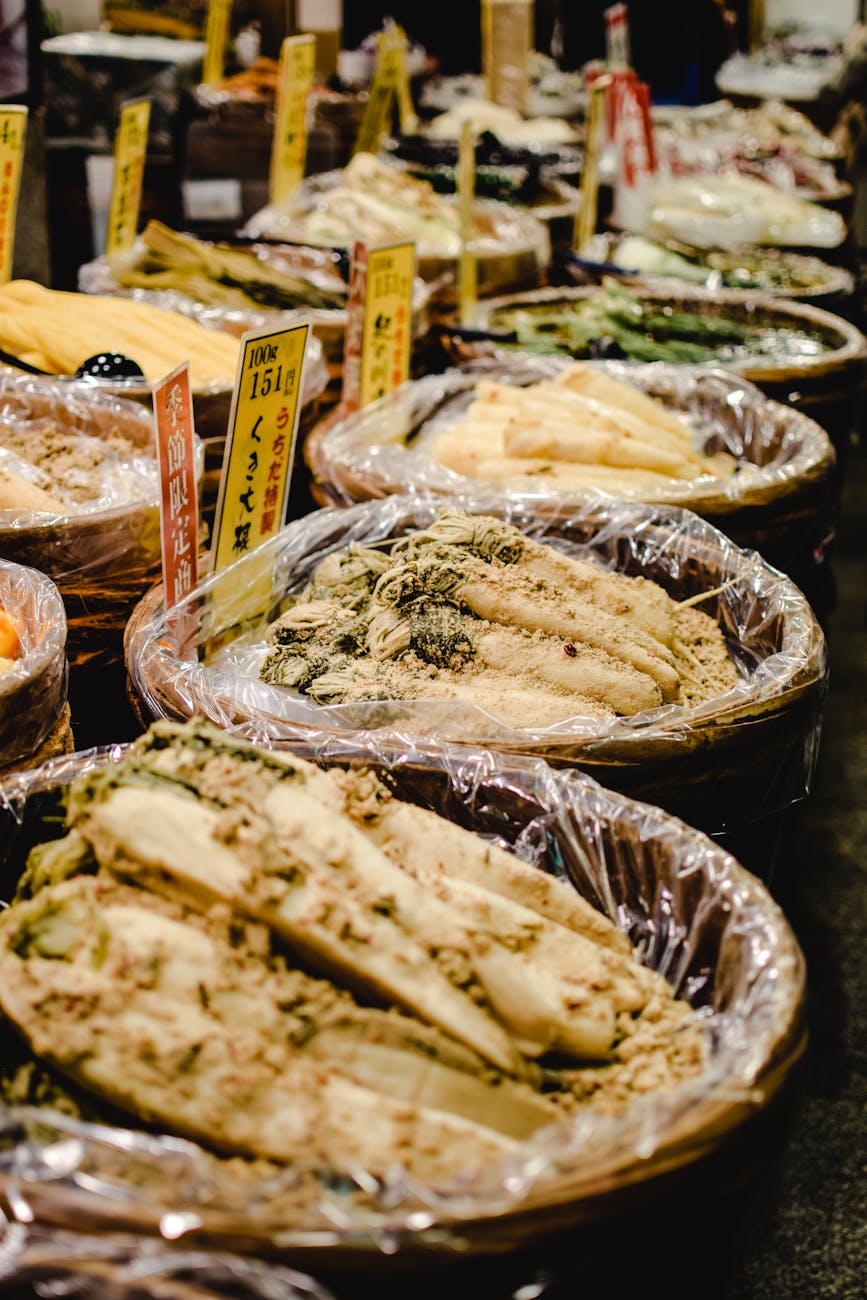
Eat locally and seasonally: Nishiki Market stalls, neighborhood izakaya, and family-run soba shops support small businesses.
Travel off-peak within the city: visit popular temples at first light or late afternoon to reduce pressure on midday crowds.
Lower impact transport choices:
– Walk or rent a bicycle for short hops (respect pedestrian rules and no-biking zones near major temples).
– Use trains for medium-distance side trips (JR, Keihan, Hankyu).
Respect cultural sites:
– Follow dress and photography guidance, keep voices low, and do not climb restricted areas.
Small, effective decisions:
– Ask your accommodation about refillable toiletry programs and recycling policies.
– Buy locally made crafts instead of mass-produced souvenirs.
Common Mistakes to Avoid
- Booking the cheapest place far from transit without checking bus frequency — you may waste time and add taxi costs.
- Assuming Kyoto is easily covered by buses alone; buses hit traffic and key temple runs are quicker by train and walking.
- Not reading ryokan rules: some require set dinner times, have strict check-in windows, or shared baths.
- Arriving late at night expecting lively street food everywhere — many neighborhood shops close early; plan for convenience stores or station dining for late arrivals.
- Ignoring seasonal peaks: arriving during Golden Week or peak cherry-blossom weekends without reservations often means higher prices and full bookings.
- Overpacking your days and relying on taxis — slows the trip and increases environmental impact.
FAQ
Which neighborhood is best for a first-time visitor with 3 days?
Higashiyama / Gion / Kawaramachi — they offer walkable access to many sites in the 3 days in Kyoto itinerary and evening dining by the Kamo River.
Should I stay near Kyoto Station or in Gion?
Stay near Kyoto Station if you value easy train connections, luggage convenience, and quick day trips to Osaka, Nara, or Himeji. Choose Gion/Higashiyama for atmosphere and walkability if you plan to remain mostly within the city.
Is a ryokan worth it for a short stay?
Yes if you want a cultural experience, traditional meals, and on-site hospitality—but check boarding times, bathroom layout, and prices. For short trips, consider one night in a ryokan and other nights in a central hotel.
When should I book for cherry blossom or autumn colors?
Book as early as possible—ideally 3–6 months ahead. Peak weeks around early April and mid-November fill quickly.
Can I rely on buses to reach all major sights?
Buses are extensive but can be slow in traffic. Use subways and private rail lines for faster connections and walk where practical to reduce time and impact.
How do I balance being near attractions and supporting local neighborhoods?
Choose smaller, locally run accommodations inside or near residential neighborhoods; eat at small eateries and shop local. Avoid staying in the most crowded temple-adjacent spots for long term to spread tourism benefits.
Conclusion
Pick your base to match priorities: convenience and trains (Kyoto Station), walkability and atmosphere (Gion/Higashiyama/Kawaramachi), or nature and calm (Arashiyama). Book traditional stays early, favor locally run properties when you can, and time your visit for shoulder seasons to lower impact. For route planning, pairing your lodging with the main 3 days in Kyoto itinerary will minimize transit time and let you enjoy more local meals and shops. Consider side trips to nearby cities—Osaka-shi, Nara-shi, Kobe-shi, Sakai, and Himeji—easily accessed from Station-area accommodations.
How this guide was prepared
This guide was prepared through a structured research that combines destination research, geographic context, itinerary planning logic, and content review.