
Where to stay in Moscow: neighbourhoods, prices and transit
Practical guide to where to stay in Moscow: neighbourhoods, metro access, nightly price ranges in RUB/EUR, best-value picks, noise cautions and transport tips.
Clear, local-first guidance on choosing a Moscow neighbourhood to stay in, with real metro lines, nightly price ranges in RUB and EUR/USD, and practical transit tips.
Where to stay in Moscow?
For most first-time visitors, choose Arbat or Kitay-gorod for immediate access to Red Square and the Kremlin; expect central hotels from about 6,000–15,000 RUB/night (€65–€165). Best-value stays are usually around Sokolniki or parts of Basmanny with 2,500–6,000 RUB/night (€27–€65). Buy a Troika card (50 RUB deposit) and use the metro (single ride ~60 RUB).
Who This Page Is For
This page benefits first-time visitors and short-stay travellers deciding between neighbourhoods in central Moscow; business travellers will need different timing and budget considerations. Long-term expats or people seeking hostel-party life may prefer deeper budget guides instead.
Key Takeaways for Moscow
- Central Arbat/Old Arbat suits sightseers; hotels typically 6,000–18,000 RUB/night (€65–€200).
- Kitay-gorod is close to Red Square and Kitay-gorod station (Lines 6 and 7); expect 5,000–12,000 RUB/night (€55–€130).
- Sokolniki is the best-value area for metro access on the Sokolnicheskaya Line (Line 1) with 2,500–6,000 RUB/night (€27–€65).
- Metro single ride costs about 60 RUB; get a Troika card (50 RUB deposit) and use Yandex.Metro or Moscow Metro app for planning.
How This Page Was Prepared
This page was prepared through a structured editorial workflow that combines destination research, geographic context, and practical travel-planning review.
Plan the Rest of Your Trip
Use this page together with the full itinerary and the related planning pages below to make better booking, timing, transport, and budget decisions.
Start by deciding whether walking proximity to Red Square matters more than nightly price. For immediate access to main sights, book in Kitay-gorod or Arbat; typical central hotel prices run 6,000–15,000 RUB/night (about €65–€165). For solid value with quick metro access, Sokolniki and parts of Basmanny offer 2,500–6,000 RUB/night (about €27–€65).
Always get a Troika card (50 RUB deposit) and budget 60 RUB per metro trip to move quickly across the city. If a quiet night is essential, avoid Tverskaya/Pushkin Square on weekends and look for rooms facing inner courtyards, not the main street.
Choosing where to stay in Moscow changes daily logistics more than in many European capitals because of the city's size, layered metro network and wide price swings between streets. Many visitors book on name recognition (Arbat, Tverskaya) and then discover noise, long lines, or higher-than-expected nightly rates. Transit access matters: a 10–20 minute metro ride on the Koltsevaya (Circle) Line or Sokolnicheskaya (Line 1) can turn a cheap room into a convenient base.
Expect a trade-off between being within easy walking distance of the Kremlin and paying a premium, versus staying one or two metro stops out and saving a third of the nightly rate. Seasonal extremes affect comfort: late November–February can reach −10 to −25°C with wind chill, while June–August are warm and busy. This guide focuses on concrete neighbourhoods, real transit stations and price ranges so that choices match itinerary priorities, not marketing copy.
What This Page Helps You Decide
This page helps pick a Moscow neighbourhood based on three concrete trade-offs: proximity to major sights (Red Square, Bolshoi Theatre), nightly price range in RUB/EUR, and transit convenience (specific metro lines and stations). It clarifies which areas suit families, business travellers, budget travellers or nightlife-focused visitors.
Decisions supported here include whether to pay extra for walking access (Arbat/Kitay-gorod), accept a 10–20 minute metro ride to save money (Sokolniki or Basmanny), or choose an upscale residential feel near Gorky Park and Khamovniki. The page also highlights where to avoid common hassles like street noise, limited metro connections, or poor breakfast options.

Top Recommendations
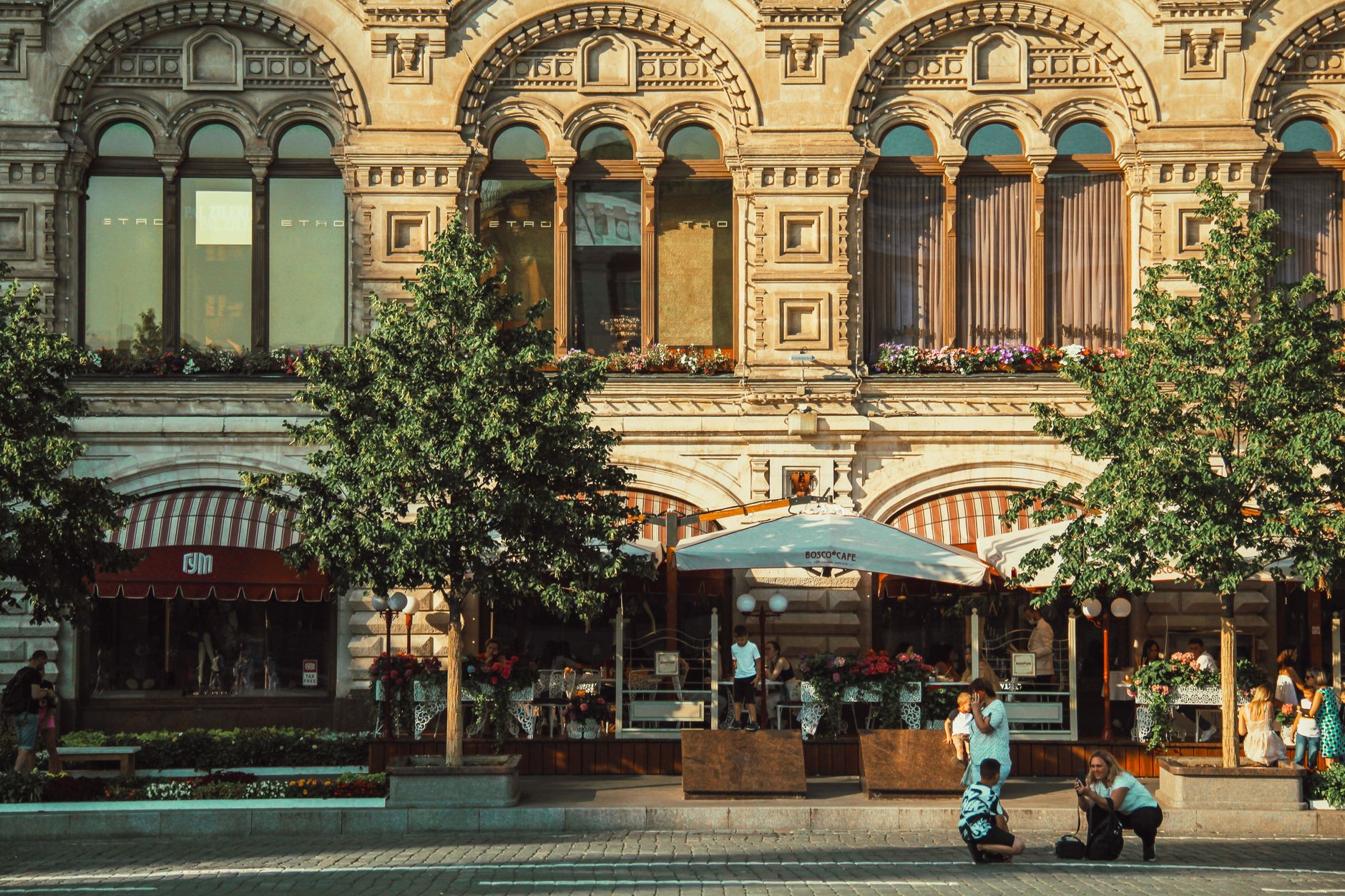
Arbat / Old Arbat — suits sightseers who want walking access to Pushkin Square and the Kremlin. Close to Arbatskaya (Arbatsko-Pokrovskaya Line, Line 3) and Smolenskaya; many restaurants and souvenir shops on walking streets. Expect 6,000–18,000 RUB/night (€65–€200). Busy and touristy; check room windows for courtyard views to reduce noise.
Tverskaya / Pushkin Square — suits nightlife and high-street shopping; close to Tverskaya station (Zamoskvoretskaya Line, Line 2) and Pushkinskaya. Feels commercial and is frequently noisy; typical rates 9,000–25,000 RUB/night (€100–€280). Caution: weekend noise and peak-season price spikes make this area less restful.
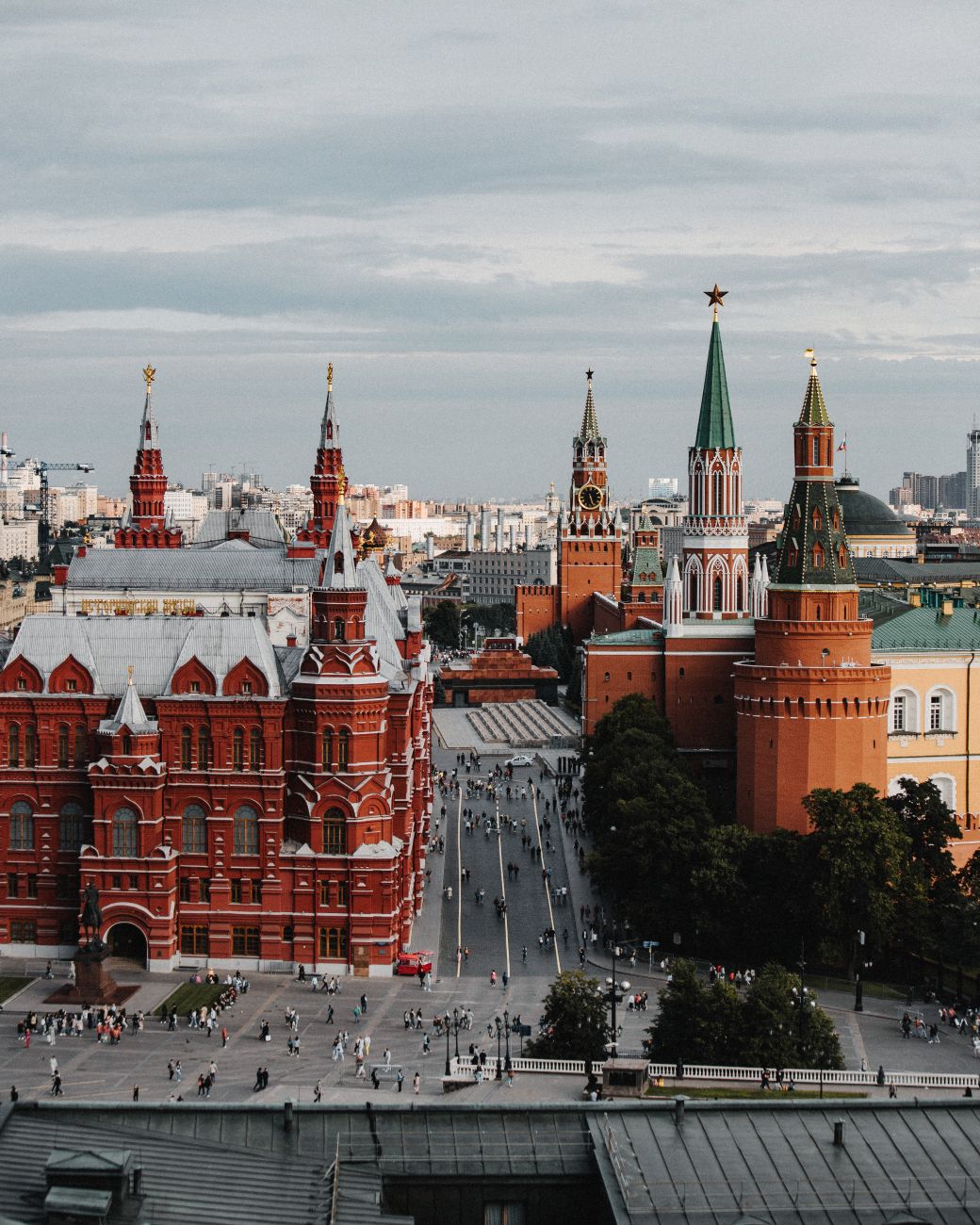
Kitay-gorod / Basmanny — suits first-time visitors who want fast access to Red Square, Zaryadye Park and the Kremlin. Close to Kitay-gorod station (Lines 6 and 7) and walking distance to Novaya Ploshchad. Atmosphere mixes small hotels and business-class apartments. Prices 5,000–12,000 RUB/night (€55–€130).
Sokolniki — best-value pick for long stays or budget travellers who still want park access and direct metro service. Near Sokolniki station (Sokolnicheskaya Line, Line 1) with easy transfer to the Circle Line; quieter residential streets and chain cafés. Prices 2,500–6,000 RUB/night (€27–€65).
Khamovniki / Gorky Park area — suits culture-focused travellers and families; close to Park Kultury (Sokolnicheskaya Line Line 1 and Koltsevaya Line Line 5) and Gorky Park. Upscale residential feel with mid- to high-range hotels at 9,000–20,000 RUB/night (€100–€220).
Notes on caution and best value:
– Caution: Tverskaya offers fast walking access but is noisy and expensive on event weekends. Avoid rooms facing the avenue.
– Best value: Sokolniki and peripheral Basmanny blocks often give the best combination of price and metro access.
Local Context
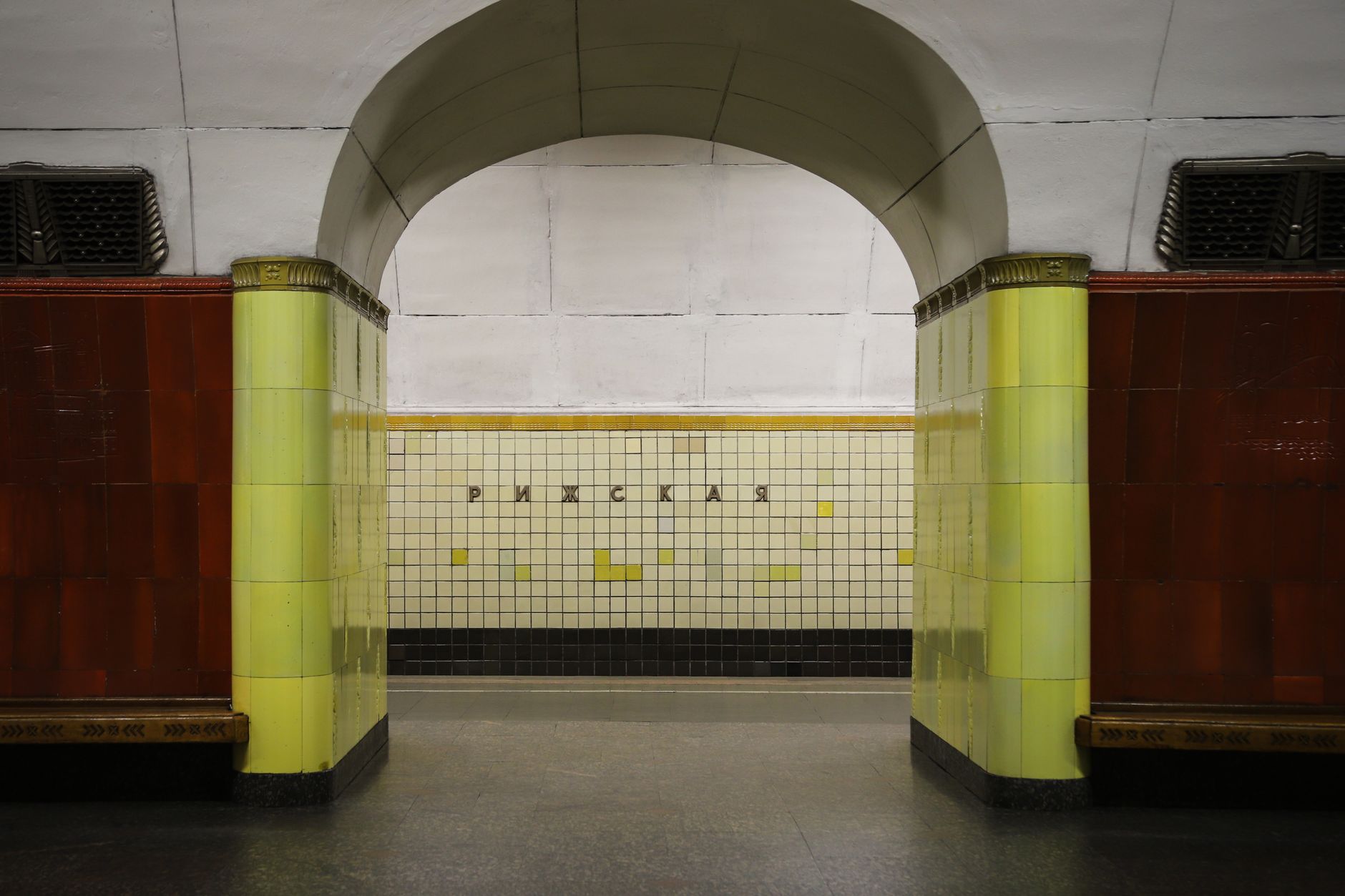
Moscow's metro is the most reliable way to judge a neighbourhood. Lines mentioned above are commonly used: Sokolnicheskaya Line (Line 1, red), Zamoskvoretskaya Line (Line 2, green), Arbatsko-Pokrovskaya Line (Line 3, dark blue) and the Circle Line (Line 5, brown). The Troika card costs about 50 RUB deposit and can be topped up at vending machines and via the Moscow Metro app or Yandex.Money.
Seasonal weather drives accommodation comfort and price. Hotels often raise rates for City Day (early September) and New Year; October–March can be cheaper but require good heating and thicker bedding. Eating local: expect 300–700 RUB for a main course of pelmeni or borscht at a mid-range café; fine dining and tourist restaurants near Red Square often charge 2,000 RUB+ per person.
Neighborhood character varies: Zamoskvorechye has narrow streets and museums; Arbat is tourist retail; Sokolniki has long park runs and quieter apartment blocks; Khamovniki has embassies and leafy streets. Use Yandex.Metro or the official Moscow Metro app to check transfer times and entrance locations when choosing a hotel.
How to Choose Well
Decide priorities in this order: main sights to visit, tolerance for noise, and budget per night. If itinerary centers on Red Square and the Bolshoi, Kitay-gorod or Arbat cuts commuting time. If nights of sleep and lower cost matter, pick Sokolniki or Basmanny and budget an extra 10–20 minutes on metro rides.
Check transit connections at the hotel address: a 5–8 minute walk to a station on a main line (Lines 1, 2, 3 or the Circle Line 5) is usually better than staying next to a small station with only one line. For business trips, look near Delovoy Tsentr or Presnensky district and verify proximity to Vystavochnaya or Moscow City. Always read the room notes for street-facing vs courtyard-facing rooms to avoid noise.

Responsible and Local-First Tips
Support small local cafés and bakeries rather than international chains. Examples: try Zakuski or local stolovaya cafeterias near Kitay-gorod for affordable meals around 300–600 RUB. Buy groceries at local chains such as Azbuka Vkusa or VkusVill to reduce food waste and support local suppliers.
Prefer licensed taxis via Yandex.Taxi or Gett instead of unmetered cars on the street; use public transport where reasonable — metro and trams have lower emissions per passenger than cars. Choose locally owned guesthouses or family-run hotels in Basmanny or Zamoskvorechye to keep spending in neighbourhood economies. When booking, check cancellation policies and prefer hotels that disclose staff wages or community programs.
Common Mistakes to Avoid
Booking Tverskaya to be 'in the centre' without checking for noise. Main avenues have bars and taxis until late; request courtyard-facing rooms and check recent reviews for sound levels.
Assuming every central hotel includes breakfast. Many 2–3 star hotels list 'breakfast optional' and charge 300–600 RUB per person. Factor that into total cost and check nearby cafés for cheaper alternatives.
Counting on taxis from airports without pre-booking. Sheremetyevo and Domodedovo rides to the centre vary 1,800–3,500 RUB depending on traffic. Use Aeroexpress trains (Sheremetyevo via bus connection, Domodedovo direct) or pre-book Yandex.Taxi with fixed prices.
FAQ
How much does the metro cost and how to pay?
A single metro ride is about 60 RUB. Buy a Troika card with a 50 RUB deposit and top it up at stations or via the Moscow Metro or Yandex apps.
Which neighbourhood is closest to Red Square?
Kitay-gorod and Zamoskvorechye are the closest by foot; Kitay-gorod station (Lines 6 and 7) places many hotels within 10–20 minutes' walk of Red Square.
Is it better to stay near the airport or in the city centre?
For sightseeing, stay in the centre (Arbat/Kitay-gorod). Airport-area hotels are cheaper but add 40–70 minutes transit each way; Aeroexpress trains and pre-booked taxis are recommended for timely transfers.
How much should a typical mid-range hotel cost per night?
In central areas expect 6,000–15,000 RUB/night (€65–€165). Budget options in outer districts like Sokolniki can be 2,500–6,000 RUB/night (€27–€65).
When is the best time to visit for mild weather and fewer crowds?
Late May–June and September offer milder weather and slightly smaller crowds than July–August. Winter (Dec–Feb) is cold and useful only if prepared for snow and subzero temperatures.
Are there quiet areas near central stations?
Yes. Look for rooms facing inner courtyards rather than main avenues, and consider Khamovniki or Sokolniki for quieter residential streets with good park access.
Which apps help with transit and taxis in Moscow?
Use Yandex.Metro or the official Moscow Metro app for routes and Troika top-ups; use Yandex.Taxi or Gett for licensed rides and fare estimates.
Conclusion
The single most important thing to remember is that metro access defines convenience in Moscow more than street proximity to a single sight. Choose a hotel within a 5–10 minute walk of a station on Lines 1, 2, 3 or the Circle Line 5 for the best balance of cost and convenience.
For a short visit, use Kitay-gorod or Arbat for walking access to the Kremlin; for lower nightly rates without long commutes, prefer Sokolniki or Basmanny. After deciding the neighbourhood, consult the companion '3 days in Moscow' itinerary to align specific hotel location with daily routes and timing.
How this guide was prepared
This guide was prepared through a structured research that combines destination research, geographic context, itinerary planning logic, and content review.