

Where to Stay in Santiago, Chile — Neighborhoods, Practical Tips, and Sustainable Choices
Practical guide to choosing the best neighborhoods in Santiago for a 3-day itinerary. Advice on transport, seasons, sustainable stays, and links to Valparaíso, Viña del Mar and Mendoza.
A neighborhood-by-neighborhood, practical guide for travelers using the 3 days in Santiago itinerary. Pick a base that fits your priorities—culture, food, nightlife, or quiet—and learn how to get around responsibly.
Quick Answer
A neighborhood-by-neighborhood, practical guide for travelers using the 3 days in Santiago itinerary. Pick a base that fits your priorities—culture, food, nightlife, or quiet—and learn how to get around responsibly.
Who This Page Is For
This page is for travelers planning a stay in Santiago who want clearer decisions about where to stay, local logistics, timing, budgeting, and practical trip planning.
How This Page Was Prepared
This page was prepared through a structured editorial workflow that combines destination research, geographic context, and practical travel-planning review.
Plan the Rest of Your Trip
Use this page together with the full itinerary and the related planning pages below to make better booking, timing, transport, and budget decisions.
Best all-round base for a 3-day visit: Lastarria or Bellas Artes — walkable to museums, Parque Forestal and easy metro access to Plaza de Armas and Costanera.
If you want nightlife and hill views: Bellavista (near Cerro San Cristóbal).
For midrange convenience near shops and Line 1: Providencia.
For business or high-end hotels: Las Condes and Vitacura.
For a local, quieter stay with parks and cafés: Ñuñoa or Barrio Brasil.
Choose close to a Line 1 metro station if you want the fastest access to the main itinerary and regional buses to Valparaíso/Viña del Mar.
This page helps you choose where to stay in Santiago based on what you want from a short stay: close access to the 3-day sights (see the companion "3 days in Santiago" guide), the best local food and cafes, quieter family-friendly neighborhoods, or easy links to Valparaíso, Viña del Mar and cross-border trips to Mendoza.
Recommendations favor local-first and lower-impact choices—small guesthouses, family-run B&Bs, and hotels that support local suppliers—while noting transport realities and seasonal factors that affect comfort and air quality.
What This Page Helps You Decide
Use this page to decide:
- Which neighborhood matches your priorities: culture, food, nightlife, comfort, or business.
- Whether to prioritize metro access, quiet streets, or Andes views.
- What type of accommodation to book (small guesthouse, apartment, boutique hotel, or chain).
- When to book to get better rates in shoulder seasons and how to avoid common location mistakes.
It also points out where to leave space in your schedule for a day trip to Valparaíso/Viña del Mar and practical links for onward travel to Mendoza or Bariloche.
Top Recommendations
By traveler type:
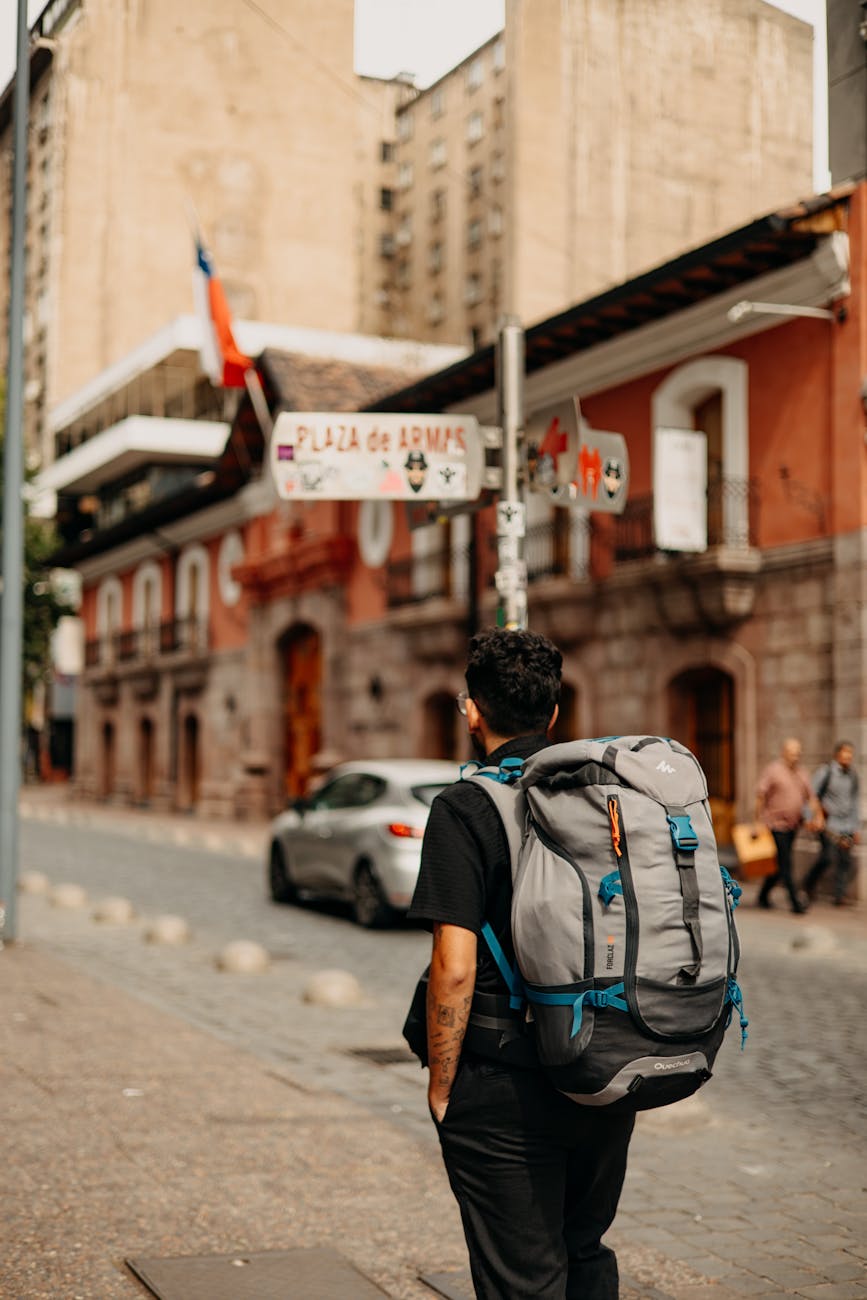
- First-time visitors and culture seekers: Lastarria / Bellas Artes — boutique hotels, walkable museums, restaurants that source local produce. Close to Parque Forestal and easy metro connections for the 3-day itinerary.
- Nightlife and bohemian vibe: Bellavista — colorful streets, bars and live music. Good for nightlife but check street noise and Sundays when many venues close.
- Midrange comfort and families: Providencia — quieter streets, parks, reliable restaurants, and lots of Line 1 metro stops. Straightforward for families using the 3-day guide.
- Upscale and business: Las Condes / Vitacura / El Golf — high-end hotels, secure streets, closer to modern malls and embassies. More expensive, further from historic center but fast by metro/taxi.
- Budget and authentic neighborhoods: Ñuñoa and Barrio Brasil — local cafés, small theaters, apartment rentals and a calmer residential feel.
Booking tips:
– Prioritize a hotel or apartment within a 5–10 minute walk of a metro station (Line 1 is especially useful).
– Book early for December–February and major festivals; use free-cancellation rates if your dates are flexible.
– Favor locally run stays and properties with clear sustainability policies where possible.

Local Context
Neighborhoods and what to expect:
- Lastarria / Bellas Artes: compact, cultural, many pedestrian streets and evening dining. Good base for museums and the 3-day walking routes.
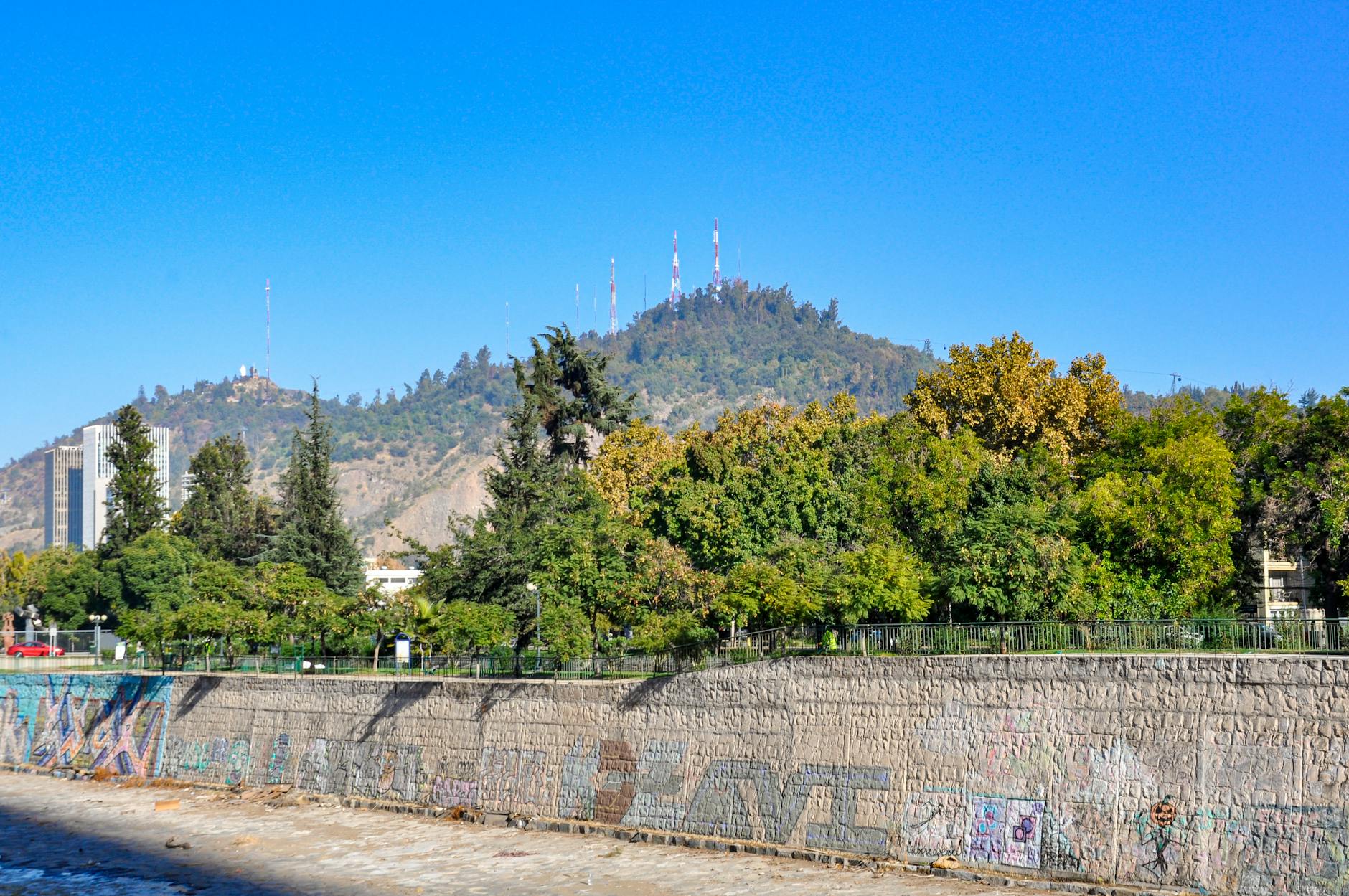
- Bellavista: lively and tourist-friendly; perfect for evening plans and a short hike up Cerro San Cristóbal.
- Providencia: central, safe, excellent shops and transit; a practical family choice.
- Las Condes / Vitacura: quieter and more polished, farther east toward the Andes.
- Ñuñoa / Barrio Brasil: residential, local dining scenes and often better value.
Seasonal patterns and air quality:
– Best shoulder seasons: spring (Sep–Nov) and autumn (Mar–May) for mild weather and fewer crowds.
– Winter (May–Aug) can have temperature drops and occasional smog due to thermal inversion; eastern neighborhoods near the Andes often have better air.
Transport realities:
– Metro is fast and safe; typical operating hours start early morning and end late evening (service hours vary; expect roughly 06:00–23:00–00:00 depending on day).
– Buy a Bip! card for easy transfers across metro and buses.
– Airport (SCL) to city: 20–45 minutes by taxi depending on traffic; airport buses and ride-hailing are available.
– Taxis and ride-hailing (Uber/Cabify) are widely used; use official taxi stands at night or apps for better fares.
Local etiquette and money:
– Greet with a casual "Hola"; shake hands in formal settings.
– Tipping: around 10% in restaurants is normal when service isn’t included.
– Bargaining is uncommon in shops; it’s appropriate in some markets but be respectful.
How to Choose Well
Practical checklist:
- Prioritize location: pick a place within a short walk of a metro station (Line 1 is most useful for the 3-day plan).
- Noise vs. nightlife: if you want evening bars, Bellavista is ideal; otherwise choose Lastarria or Providencia for quieter nights.
- Transport for day trips: for Valparaíso/Viña del Mar, staying near Estación Central or Line 1 makes bus/train connections easier.
- Family needs: look for family rooms, easy elevator access, and proximity to parks (Parque Bustamante, Parque Forestal).
- Sustainability: ask hotels about local sourcing, staff training, waste reduction and community projects.
- Booking strategy: compare apartments and hotels on cancellation flexibility; confirm transit times from your accommodation to planned attractions in the 3-day itinerary.
Responsible and Local-First Tips
Sustainability and local economy pointers:
- Choose family-run guesthouses, locally owned cafés and neighborhood restaurants so your spending stays in the community.
- Prefer eco-certified hotels or properties that publish local procurement and waste policies.
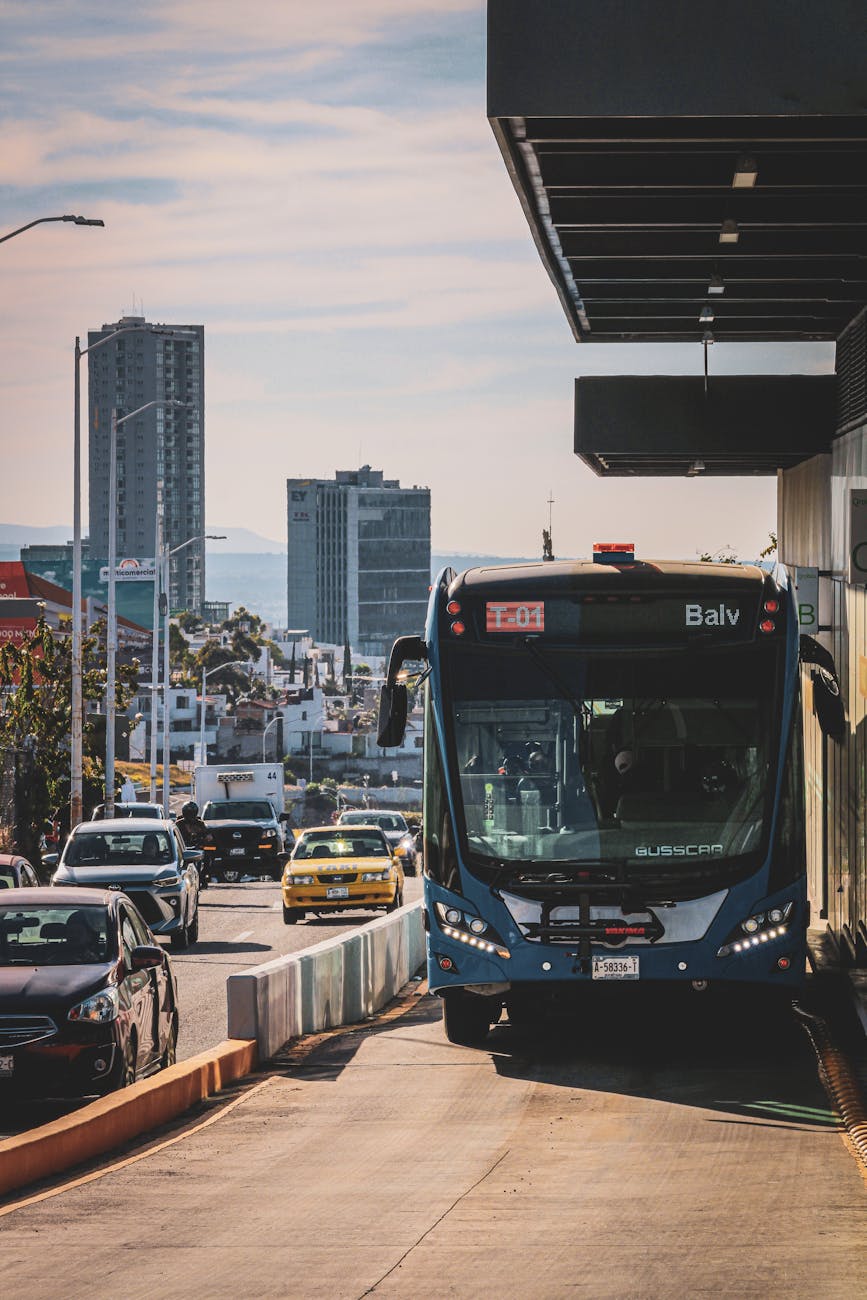
- Use public transport or shared rides over private transfers when possible; buy a reusable water bottle and refill at your accommodation.
- Book tours with registered local guides for day trips to Valparaíso, Viña del Mar or the Maipo Valley—this keeps revenue in the region and supports local knowledge.
- If you drive to the coast or Andes, avoid creating extra traffic by joining small-group tours or public transport options; seasonal demand is high in summer.
- Respect residential quiet hours and local customs when in apartment neighborhoods like Ñuñoa or Barrio Brasil.

Common Mistakes to Avoid
Avoid these traps:
- Choosing a hotel only by star rating without checking proximity to a metro station.
- Booking in peak season (Dec–Feb) too late—hotels fill early for summer and festival dates.
- Expecting the metro to run 24/7; plan late-night travel with taxis or apps.
- Staying in Bellavista without checking weekend noise or street closures.
- Ignoring air quality in winter; consider an eastern neighborhood or a higher floor with good ventilation.
- Not carrying a Bip! card—single fares in cash are less convenient and slower.
Small checks (save time): read recent guest reviews for noise and transit details, and message hosts about heating/air quality if traveling in winter.
FAQ
Which neighborhood is best for a first 3-day visit?
Lastarria or Bellas Artes are ideal—central, walkable, rich in museums, cafés and near Parque Forestal, making them easy bases for the 3-day itinerary.
Is Santiago safe to walk around at night?
Central neighborhoods are generally safe but take normal city precautions: avoid poorly lit side streets, keep valuables secure, and prefer taxis or ride-hailing for late returns.
How do I get from SCL airport to the city center?
Options include airport shuttle buses to Providencia or downtown, official taxis from the airport stand, and ride-hailing. Travel time varies with traffic (20–45 minutes).
Can I visit Valparaíso or Viña del Mar as a day trip from Santiago?
Yes. Regular buses and private shuttles depart from Terminal Alameda and other terminals; factor in 1.5–2 hours each way. Trains are limited—buses are the most flexible choice.
When is the best time to visit for good weather and fewer tourists?
Shoulder seasons—spring (Sep–Nov) and autumn (Mar–May)—offer mild weather, fewer crowds and often better hotel rates.
Any special booking tips for travelers interested in wineries or Mendoza connections?
Book winery tours in advance, especially on weekends. For Mendoza, flights are the quickest option; overland travel crosses the Andes and is seasonal—use reputable operators and check border conditions.
Conclusion
Pick a base that matches your priorities: Lastarria for culture, Bellavista for nightlife, Providencia for family-friendly convenience, and Las Condes/Vitacura for upmarket comfort. Stay near a Line 1 metro stop if you plan to follow the companion 3 days in Santiago itinerary, and book sustainable, locally-run lodging when you can. When you're ready, check the 3 days in Santiago page for a step-by-step route and save a day for a coastal visit to Valparaíso or Viña del Mar.
Safe travels and enjoy supporting local businesses during your stay.
How this guide was prepared
This guide was prepared through a structured research that combines destination research, geographic context, itinerary planning logic, and content review.